

Spotting a fox settled quietly near your doorstep as the first light breaks can stop you in your tracks. The scene often feels deliberate, almost as if the animal chose that exact spot and time for a reason.
Wildlife experts point to patterns in fox activity that explain these moments without turning them into omens. Understanding the behavior helps turn surprise into informed observation.
The Daily Rhythm of Foxes

Foxes tend to be most active during the low light hours of dawn and dusk. This crepuscular pattern lets them hunt small prey while avoiding the heat of midday and the deepest darkness of night.
At sunrise many individuals finish a night of foraging and pause in sheltered spots before retreating to a den. A doorstep can offer a brief vantage point with some cover from nearby shrubs or structures.
Why Dawn Draws Them Close

Early morning often brings cooler temperatures and fewer human disturbances in residential areas. Foxes take advantage of this quiet window to move between feeding sites and resting places.
Urban and suburban foxes have learned that human neighborhoods provide reliable food sources such as unsecured trash or pet food left outdoors. The timing aligns with when residents are still indoors and activity remains low.
Signs of Urban Adaptation

Red foxes have expanded into cities and towns across many regions because these environments offer abundant resources with fewer natural predators. They adjust their schedules around human routines rather than strictly following wild patterns.
Seeing one sit calmly near a home suggests a degree of habituation. The animal may view the area as part of its regular territory rather than a threat zone.
Possible Motivations Behind the Visit

A fox might pause outside a door while scanning for rodents attracted to bird feeders or garden scraps. The location provides a good view of potential prey movement as light improves.
Some individuals rest briefly after traveling along established pathways that run close to buildings. The doorstep simply happens to fall along one of those routes at the right moment.
Evaluating Any Health Concerns

Most foxes that appear in daylight remain healthy and are simply adjusting to local conditions. Rabies or mange cases exist but represent a small fraction of the overall population.
Experts recommend observing from a distance and avoiding direct contact. If the animal shows unusual lethargy or aggression, local wildlife authorities can assess the situation.
Practical Steps for Homeowners
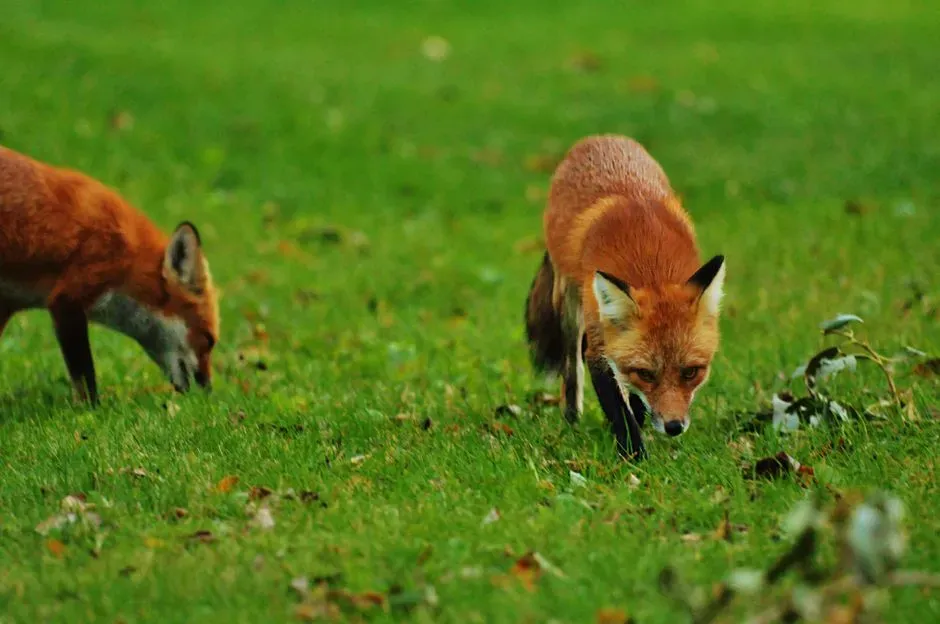
Securing trash bins and removing outdoor pet food reduces the chance of repeated visits. Motion activated lights or sprinklers can gently discourage lingering without harm.
Planting dense shrubs away from entry points gives foxes alternative cover while keeping them farther from doors. These small changes support coexistence rather than conflict.
Sharing Neighborhoods with Wildlife

Fox sightings remind residents that natural spaces and human development continue to overlap. The animals play a role in controlling rodent populations that might otherwise increase.
Respecting their space while managing attractants allows both people and foxes to occupy the same areas with minimal friction. Such encounters become ordinary parts of local ecology rather than isolated events.
Over time these quiet mornings highlight how adaptable wildlife can be when given room to exist alongside us. The fox at the door ultimately reflects a shared landscape shaped by both species.

- 10 Astonishing Ways Animals Communicate Complex Messages Without Uttering A Single Sound - August 6, 2026
- The World’s Rarest Birds Are Making a Comeback - August 6, 2026
- The US States With the Most Mountain Lions - August 6, 2026