
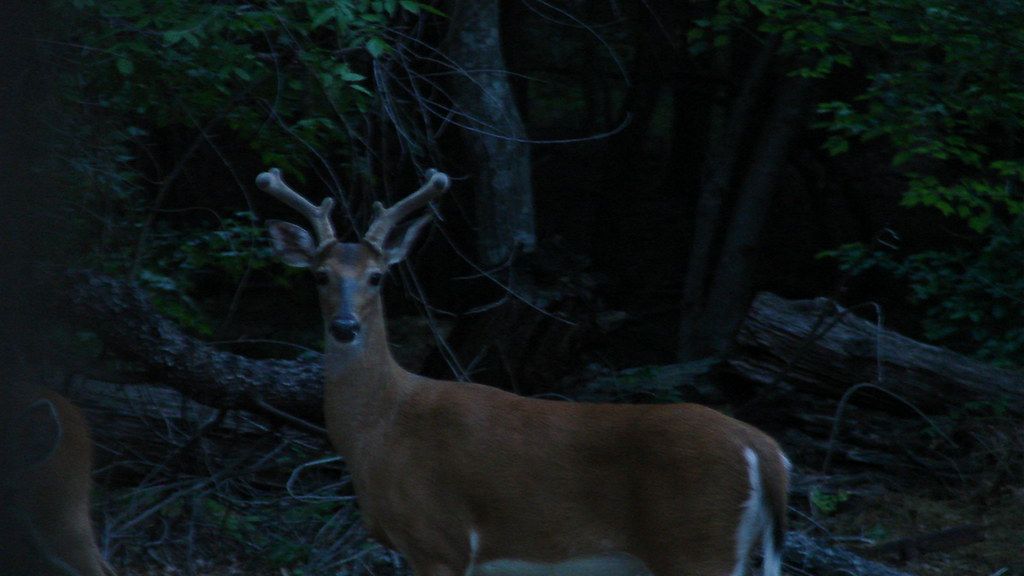
That moment hits differently when the clock reads three in the morning. You glance out the window and there it is, a deer frozen in place, eyes fixed on your home like it has all the time in the world. The stillness can feel deliberate, almost like the animal is waiting for something.
People notice these encounters more often than they admit, especially in suburban areas where housing edges up against wooded patches. The sight raises questions about what the deer might be doing and whether it carries any particular meaning. A closer look at deer habits and surroundings usually clears up the mystery without needing dramatic explanations.
Deer Often React to Artificial Lights at Night
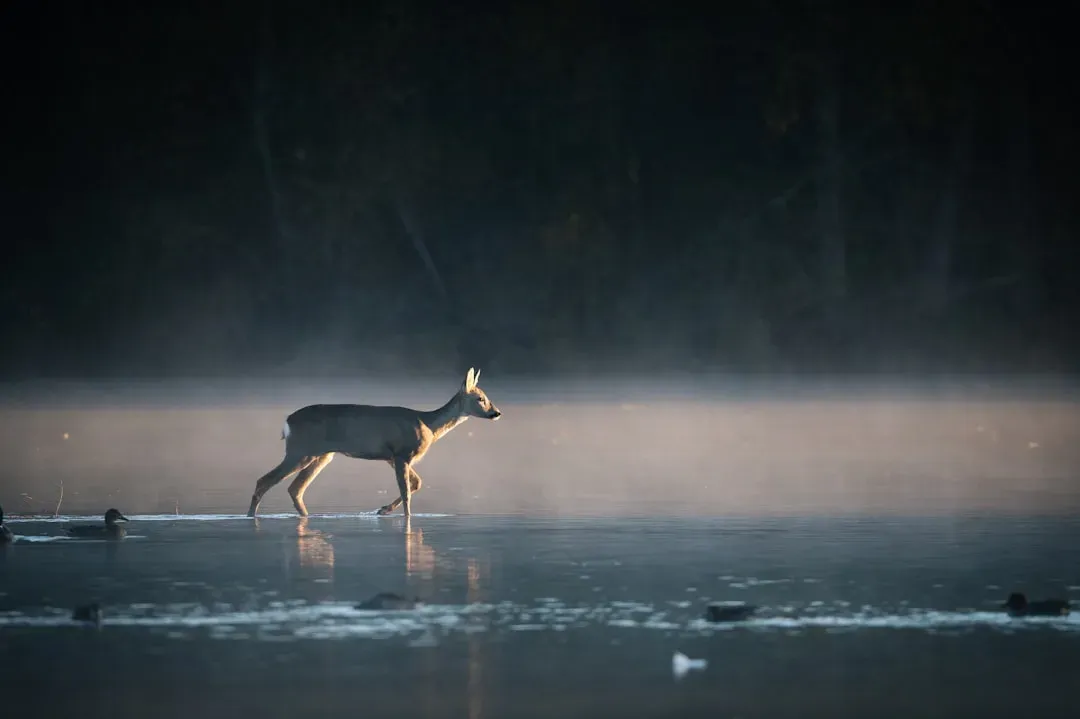
Many homes leave porch lights or security lamps on through the early hours. Deer have eyes adapted for low light, yet bright artificial sources can still catch their attention and hold it. The glow might reflect off windows or create interesting patterns that keep the animal focused for several minutes at a time.
Once the light draws them in, deer tend to pause and assess rather than bolt right away. This behavior shows up frequently near rural roads and backyard edges where illumination spills into open spaces. Over time the pattern becomes familiar to anyone who watches wildlife regularly in those spots.
They May Be Scouting for Food Sources Nearby
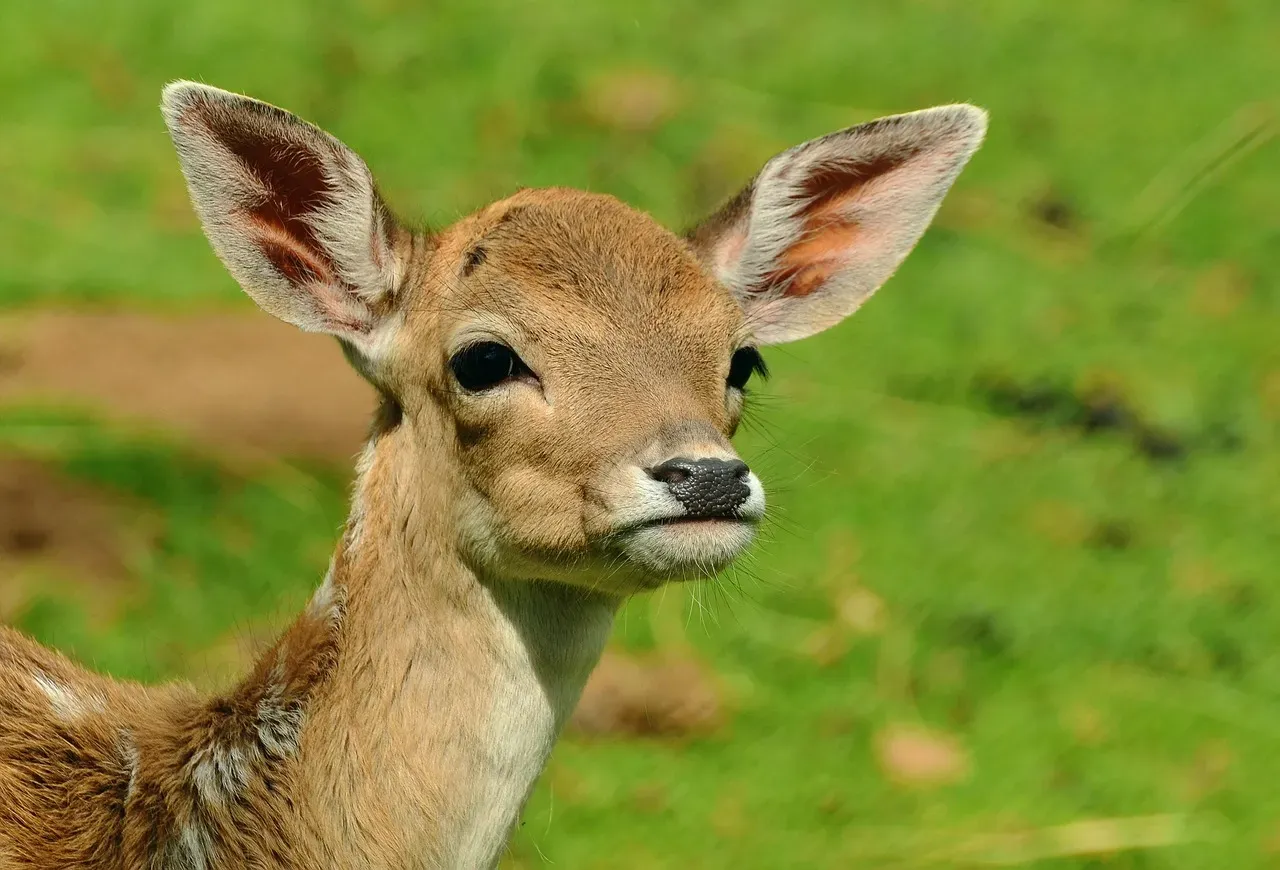
Gardens, bird feeders, and even fallen fruit can pull deer into residential zones after dark. At three in the morning the quiet streets offer fewer disturbances, so animals feel safer moving close to houses. A deer standing still could simply be listening for movement while it decides whether to approach a potential meal.
Seasonal changes play a role too. In late fall or early winter, natural forage grows scarce and deer expand their range. Your yard might sit along one of those expanded routes, turning a single glance into a longer pause while the animal evaluates options.
Stress or Disorientation Can Cause Prolonged Staring
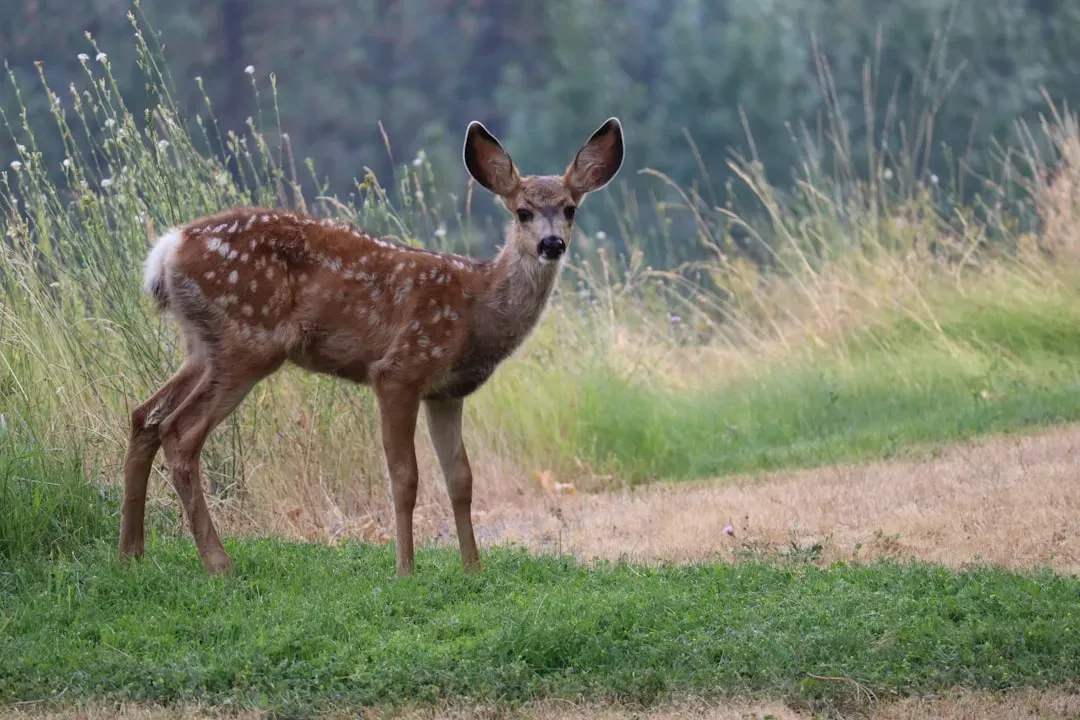
Deer sometimes freeze when they feel uncertain about their surroundings. Sudden noises from inside the house or unfamiliar scents drifting through an open window might trigger that response. The animal stays motionless while it processes whether the situation poses any real threat.
Younger deer or those living near busy roads show this hesitation more often. Habitat pressure from development can leave animals navigating unfamiliar territory at odd hours. A long stare in those cases reflects caution rather than any deeper intent.
Curiosity Plays a Bigger Role Than Most People Expect
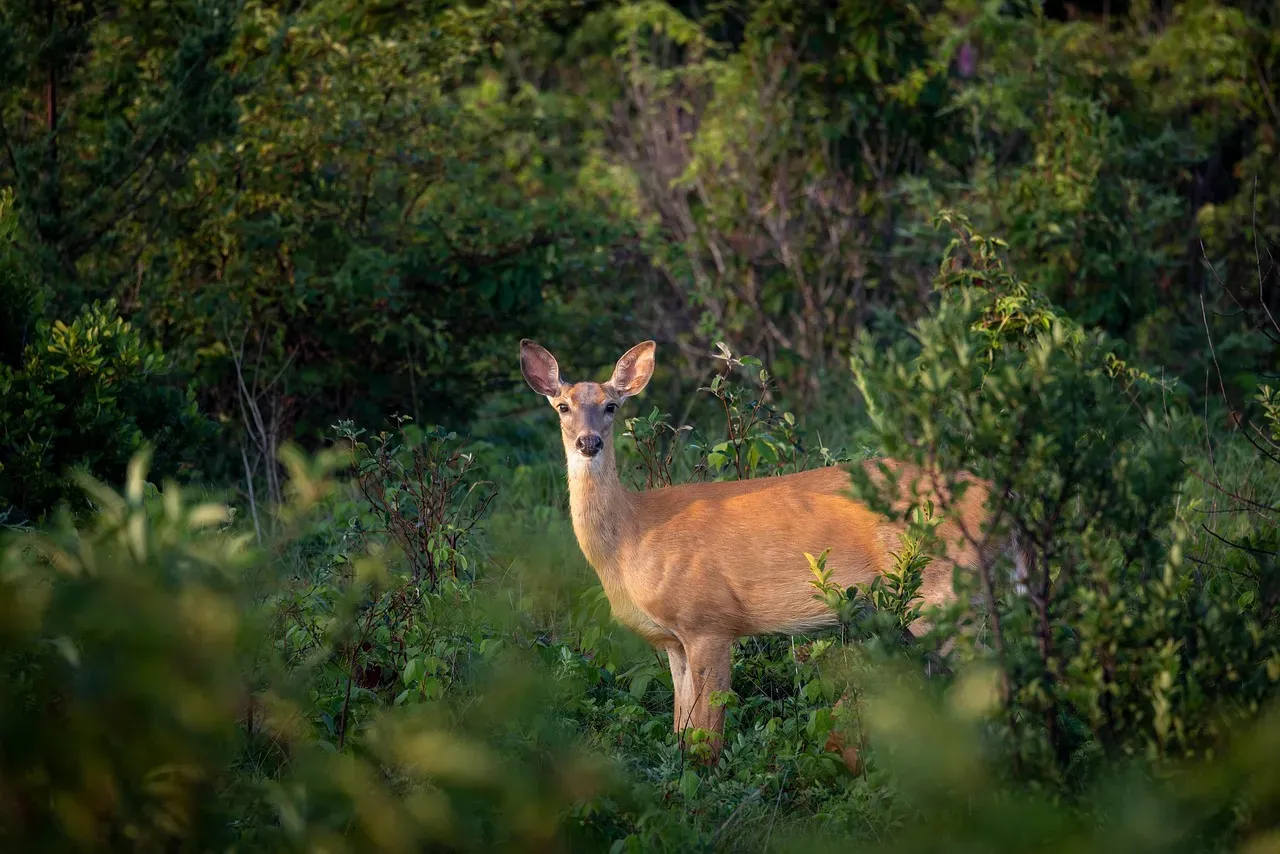
Deer are not purely reactive creatures. They investigate new shapes and movements in their environment, especially when nothing else demands immediate flight. Your house at night presents a large, still silhouette that can hold their interest while they gather information through sight and smell.
This exploratory pause happens more in areas where deer have grown accustomed to human presence. They learn that many lights and structures do not lead to danger. The result is a calm assessment that looks intense from the other side of the glass.
Local Folklore Sometimes Assigns Symbolic Weight
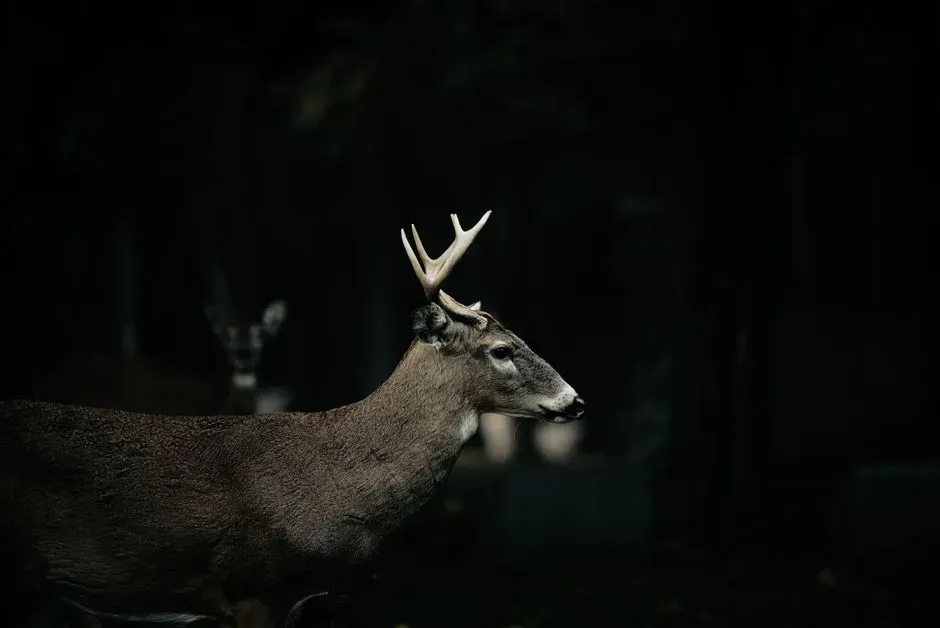
Stories in various regions link deer sightings to messages about change or awareness. These tales often arise from the animal’s quiet presence and its ability to appear suddenly in unexpected places. A nighttime encounter can feel especially pointed because it breaks the usual rhythm of daily life.
Interpretations vary widely depending on cultural background. Some traditions view the deer as a guide or reminder to pay attention to subtle shifts in one’s surroundings. Others treat the moment as simple coincidence shaped by the animal’s natural habits rather than any special signal.
Checking Your Property Can Reveal Practical Clues
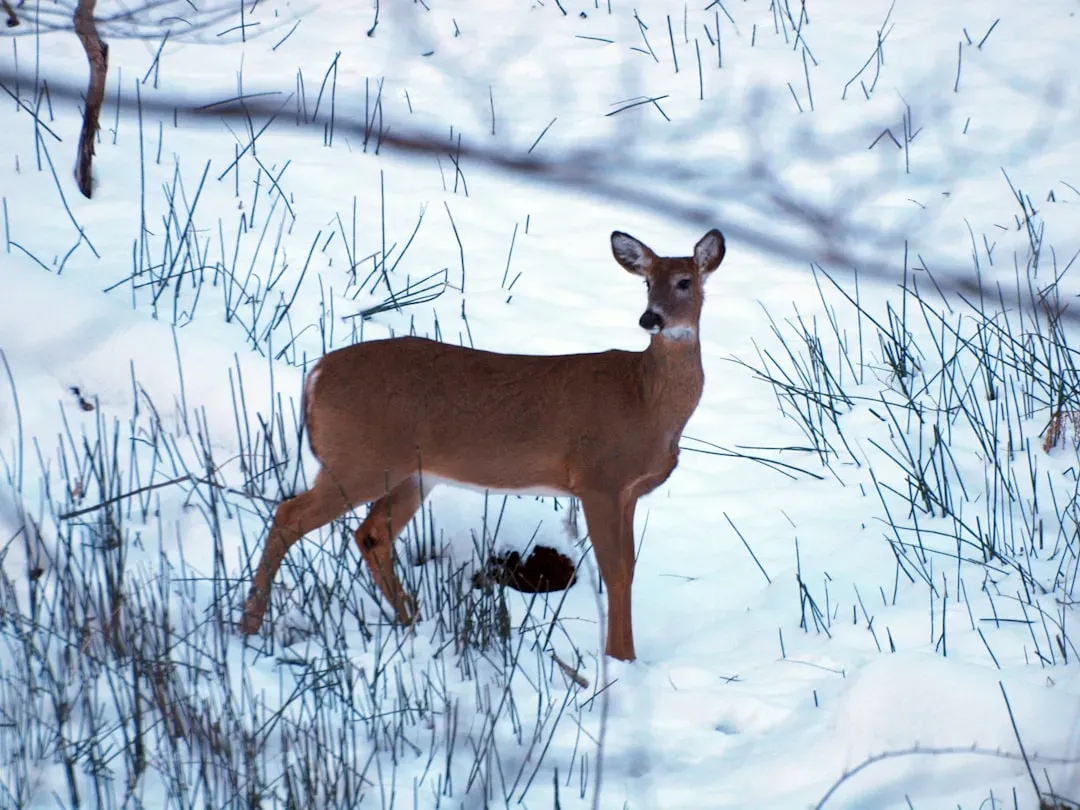
A quick scan of the yard the next morning often explains the visit. Look for tracks near garden beds, nibbled plants, or salt residue from winter road treatments that might attract the deer. These details help separate routine foraging from anything more unusual.
Neighbors sometimes report similar sightings around the same time. Comparing notes reveals whether the deer follows a regular path through the area. Patterns like this turn an isolated moment into part of a larger local wildlife routine.
Respecting the Animal Keeps Everyone Safer
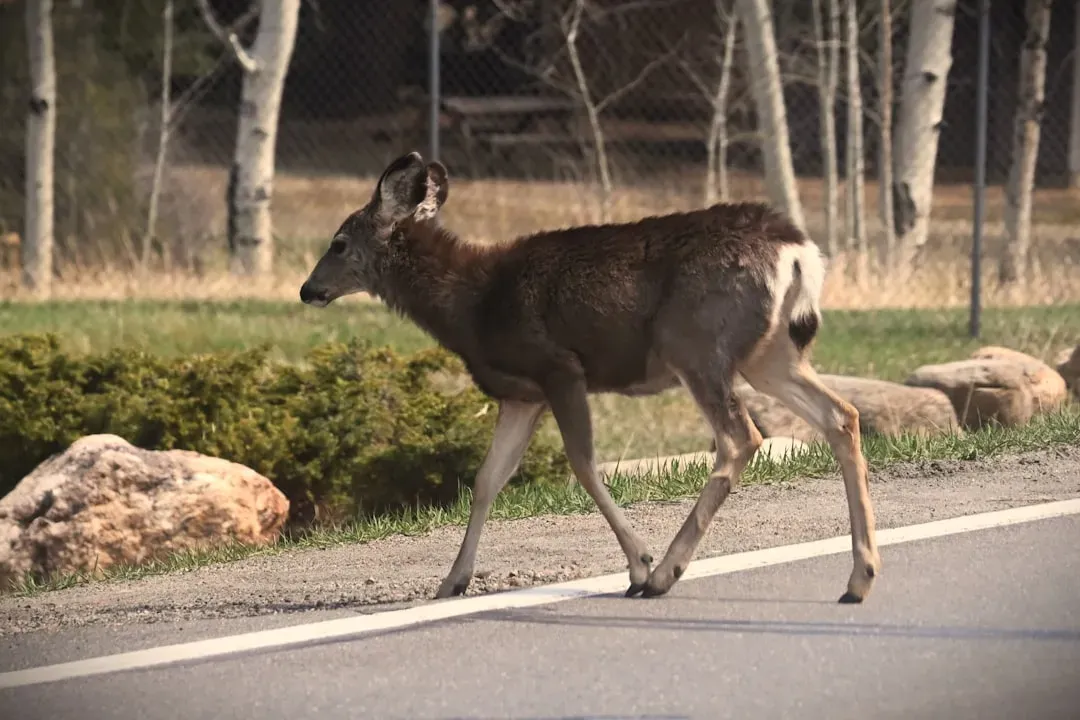
Most encounters end without incident when people avoid sudden movements or bright flashes from phones. Deer can startle easily once they decide to move, and a startled animal near roads or fences creates risks for itself and others. Keeping distance allows the moment to pass naturally.
Long term, small changes around the property reduce repeat visits if they become frequent. Motion sensitive lights, secured trash, and native plant choices that do not appeal to deer all help maintain boundaries. The goal stays simple: let wildlife pass through without turning a quiet pause into a problem.
These Moments Remind Us How Close Nature Still Remains
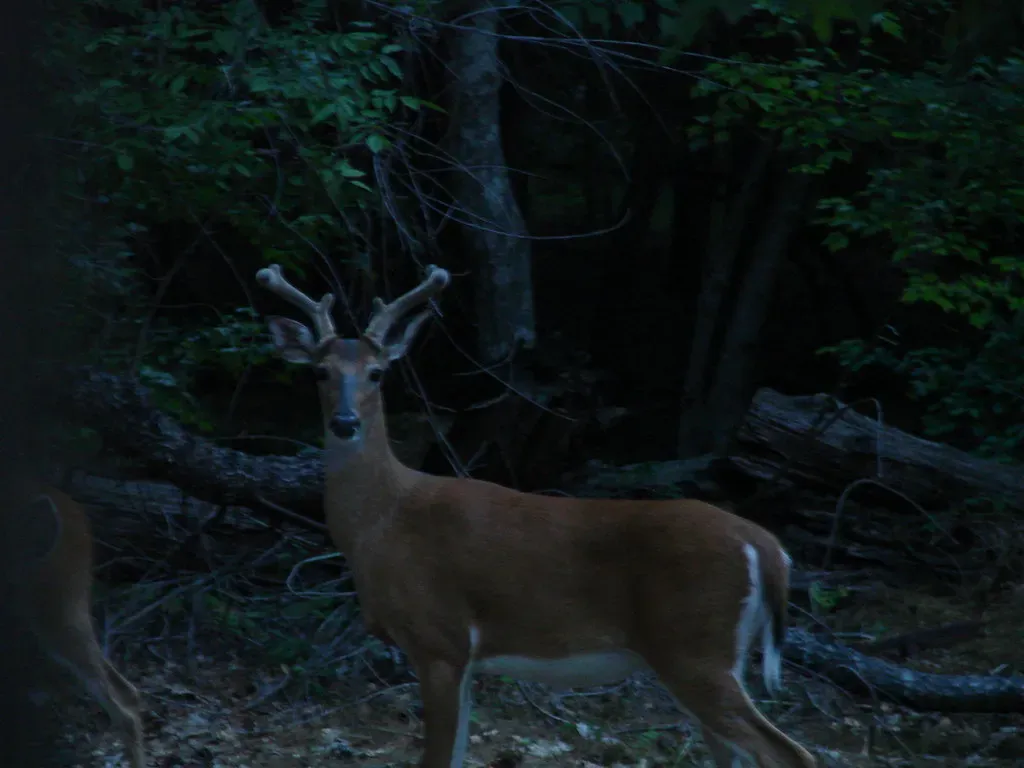
Seeing a deer hold still at that hour brings the surrounding landscape into sharper focus. It highlights the thin line between developed spaces and the habitats that still support wildlife. The experience can shift how someone views their own backyard after dark.
Over time the sighting becomes less about mystery and more about coexistence. Deer continue their patterns regardless of human schedules, and occasional overlaps like this one simply mark that shared territory. Paying attention without overinterpreting keeps the balance intact.

- Top 10 Smartest Domestic Animals (Ranked) - August 5, 2026
- People Who Choose Solo Camping Usually Share These 10 Traits - August 5, 2026
- 10 Incredible U.S. Wild Animals That Have Made Astounding Comebacks - August 5, 2026