

You walk into the living room expecting your dog to follow right behind like always. Instead they plant their paws at the threshold and refuse to budge. The scene feels puzzling at first because nothing obvious has changed in the space you both know so well.
Yet dogs notice layers of detail that slip past human senses every day. Their sudden avoidance often points to something real rather than simple moodiness. Understanding those signals can turn confusion into a chance to improve their comfort.
The Power of a Dog’s Nose

Dogs possess up to three hundred million scent receptors compared with the roughly six million in a human nose. That difference lets them pick up faint odors from new cleaning products, hidden mold, or even a mouse that passed through hours earlier. A room that smells neutral to you can carry a strong warning sign for them.
These olfactory clues build up over time and create strong associations. Once a dog links a particular smell with discomfort they tend to steer clear. Checking for subtle sources like a leaking pipe or forgotten food scrap often solves the mystery quickly.
Ears Tuned to Frequencies We Miss

Many household devices emit high pitched sounds that fall outside human hearing but land squarely in a dog’s range. A flickering fluorescent bulb or a new router can produce steady ultrasonic tones that feel irritating or alarming. Your dog may simply be trying to avoid the constant noise.
Older appliances sometimes develop new vibrations as parts wear down. These changes happen gradually enough that owners rarely notice until the pet starts reacting. Moving the dog to a quieter space for a day or two can confirm whether sound plays a role.
Sensitivity to Electromagnetic Changes

Some dogs react to shifts in electromagnetic fields created by wiring, Wi Fi routers, or even solar activity. Research into animal magnetoreception suggests certain breeds detect these invisible forces more readily than others. A room with updated electronics or recent electrical work may suddenly feel unsettling.
The reaction often appears overnight after a small household change. Owners who rearrange furniture or add smart devices sometimes see the behavior emerge without realizing the connection. Testing by unplugging devices for a short period helps isolate the cause.
Detecting Airflow and Temperature Variations

Dogs notice tiny drafts from windows, vents, or doors that humans overlook. A slight drop in temperature or an unexpected breeze can make a once cozy room feel exposed. Seasonal shifts in heating or cooling systems frequently trigger this response.
They also sense changes in humidity that affect how comfortable the space feels on their skin and coat. What registers as a minor adjustment to you can feel like a big shift to them. Simple fixes such as closing a vent or adding a rug often restore their willingness to enter.
Reading Human Body Language and Emotions
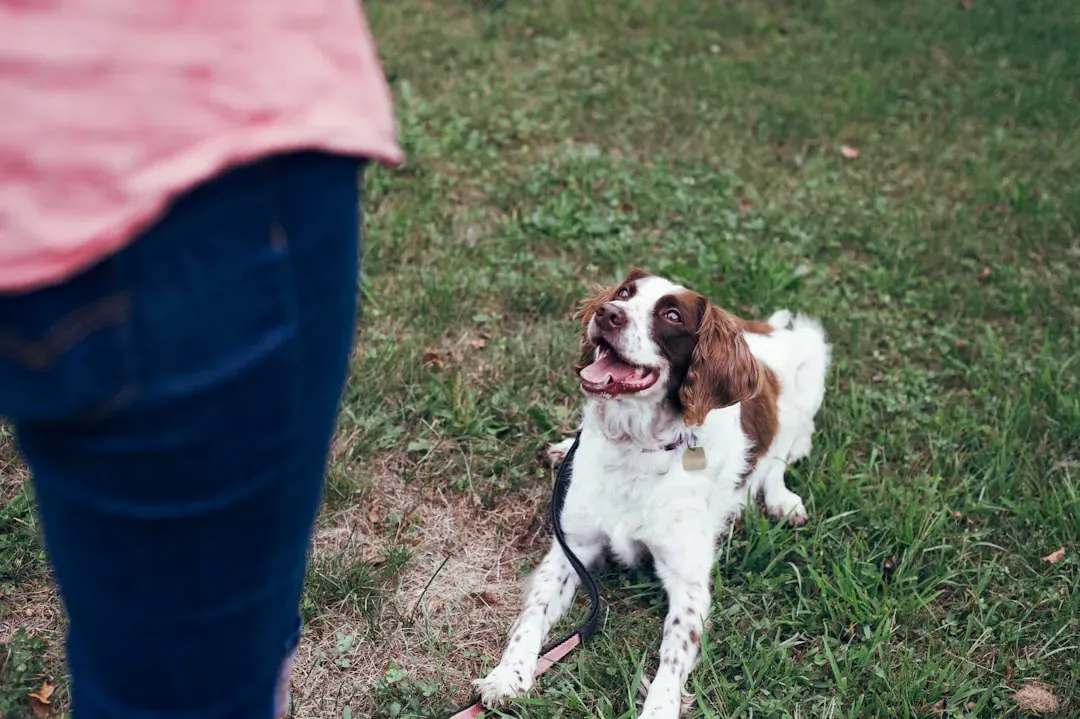
Dogs excel at reading subtle tension in their owners. If you feel stressed about work or avoid the room yourself for any reason your dog picks up on those cues. They may decide the space carries negative energy simply because you do.
Even brief arguments or tense phone calls in that room can leave an impression. Dogs mirror the emotional climate around them more closely than most people realize. Spending relaxed time together in the space again can gradually rebuild positive associations.
Associating Rooms with Past Experiences

A single loud noise, a startling visitor, or even a minor injury in the room can create lasting avoidance. Dogs form memories tied to locations with remarkable speed. What seems like a random refusal often traces back to one overlooked event.
These associations strengthen over repeated exposures if the dog keeps encountering the same discomfort. Gentle reintroduction with treats and calm encouragement helps rewrite the memory. Patience usually works better than forcing the issue.
Trusting What Your Dog Is Telling You

When a dog suddenly changes behavior it serves as an early warning system worth respecting. Dismissing the refusal as stubbornness overlooks the sophisticated sensory world they navigate. Taking time to investigate often reveals small fixes that improve life for everyone in the home.
Listening to these signals builds a deeper partnership over time. Your dog relies on you to notice what they cannot explain in words. In return they offer quiet guidance about the environment you share. Paying attention turns a puzzling moment into an opportunity to strengthen that bond.

- The Wild Animal Each Zodiac Sign Would Become Under Pressure - August 5, 2026
- The Desert Town in Nevada Slowly Being Buried by Moving Sand - August 5, 2026
- Do Animals Feel Emotions Like Humans? New Studies Reveal Surprising Truths - August 5, 2026