
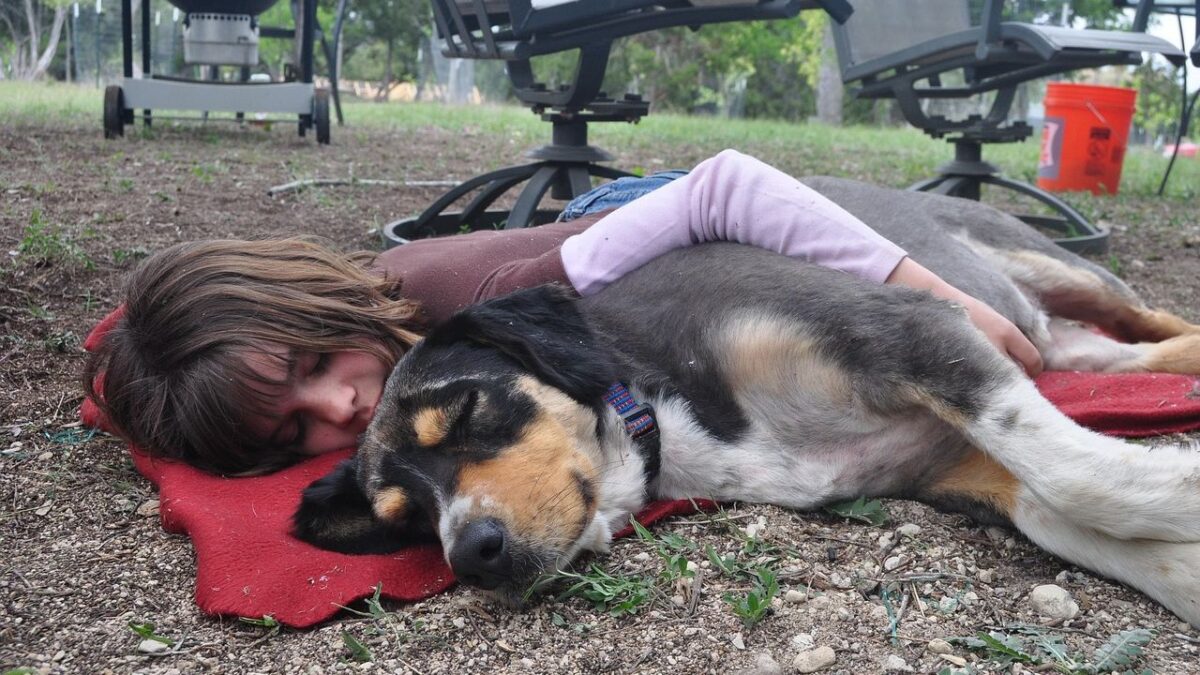
Nobody warns you about the quiet ones. You brace for the hard stuff – the vet visits, the weight loss, the slow mornings – but nothing prepares you for the moments that feel almost unbearably tender. The ones where your dog isn’t doing much of anything at all, and yet something in the air shifts and you feel it in your chest before your brain can name it.
These aren’t dramatic goodbyes. They’re subtle, private exchanges that only seem to exist in the final weeks – behaviors widely reported by devoted owners and hospice vets, yet almost never talked about until after. Some of the ones on this list will feel deeply familiar. Others might catch you completely off guard. Either way, once you’ve seen them, you never forget them.
#14 – The Unexpected Head Rest That Lingers
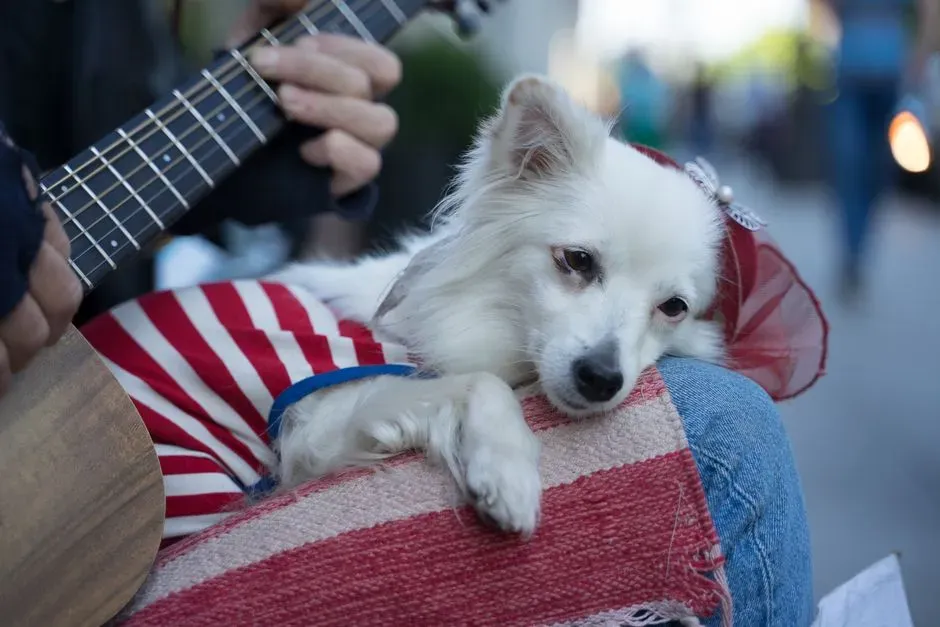
Most dogs rest their head on your lap for a moment, then bounce away. Near the end, something changes. They lower their head onto your leg or chest and simply stay there – sometimes for five minutes, sometimes longer – not asking for anything, not reacting to sounds in the house, just still. The weight of it feels different. More deliberate. Like they’ve made a decision.
Owners who’ve been through this describe it as the moment they first understood something had shifted. The quick check-ins and bouncy greetings that used to define the relationship quietly give way to this – a dog who has traded motion for presence, and seems to mean every second of it. It replaces excitement with something deeper, and the house feels both heavier and more precious for it.
Fast Facts
- Behavioral changes near the end can begin as early as three months before death, according to veterinary observations.
- Dogs are often highly stoic – they may mask declining health even as their emotional gestures quietly intensify.
- End-of-life specialists consistently note that increased physical contact with owners is one of the earliest and most reliable behavioral signals.
- Many owners report the lingering head rest as the first moment they sensed – before any diagnosis – that something had truly changed.
#13 – The Quiet Room Choice Beside You
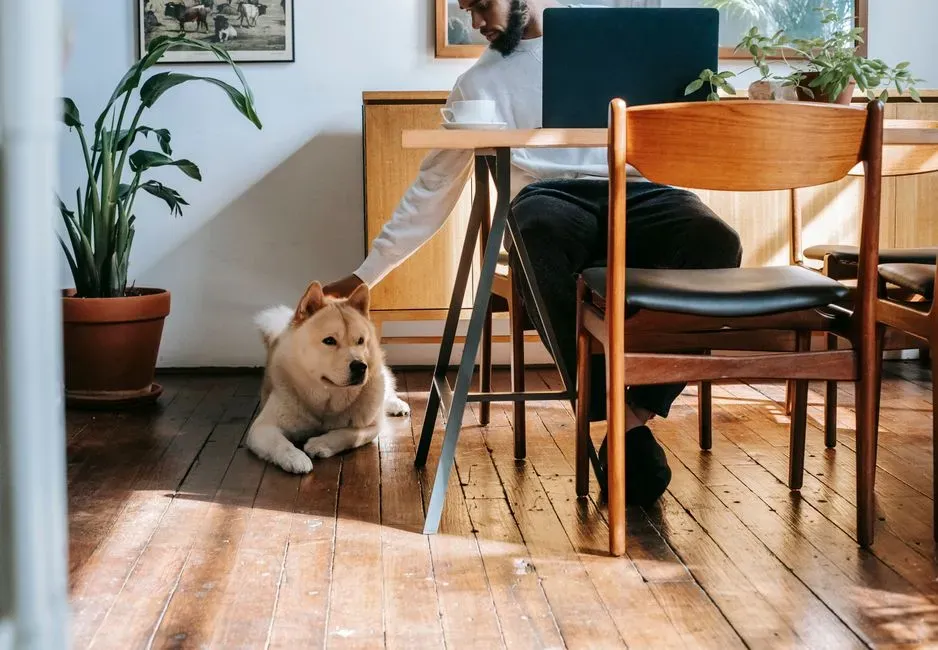
You might notice it first one evening when your dog bypasses their usual bed entirely and settles on the floor right next to your chair – close enough to touch, but not asking to be touched. They don’t whine or paw at you. They just arrange themselves nearby and exhale, a long slow breath you may not have heard them make before. It’s not random. Dogs near the end often choose proximity over comfort, your presence over the softest cushion in the room.
What makes this moment land so hard is how undramatic it is. They’re not performing affection. They’re just choosing to be where you are, even when staying close costs them energy they no longer have to spare. Many owners describe ordinary weeknight evenings that became something else entirely because of this – a dog asleep at their feet while they watched TV, and a feeling they couldn’t shake for days afterward.
#12 – The Single Slow Blink During Eye Contact
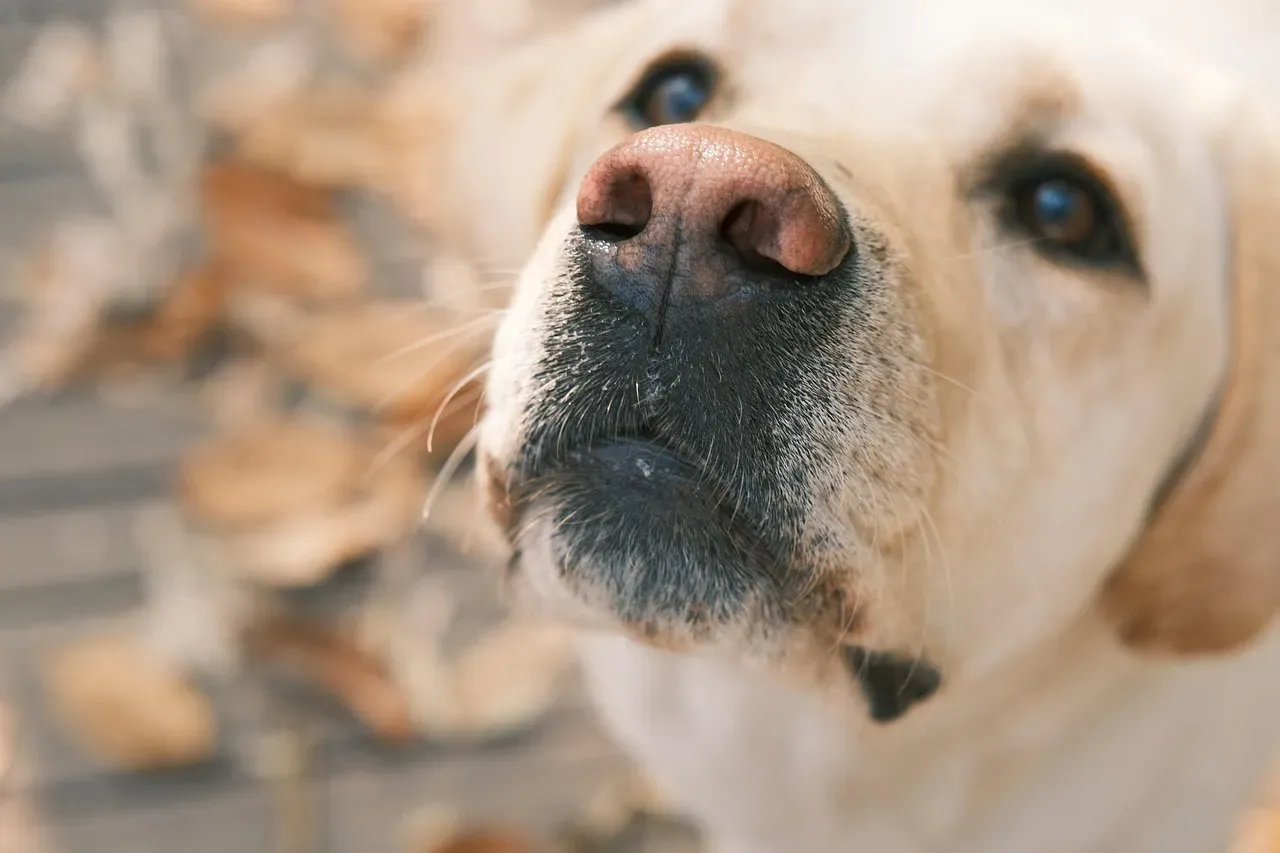
In healthy, high-energy life, your dog’s eyes dart around – tracking squirrels, checking your hands for treats, scanning the room for threats. Near the end, some dogs begin to hold your gaze from across the room and blink. Slowly. Deliberately. Not the quick glance of a dog waiting for a command, but a long, soft look that holds and then closes and reopens like punctuation at the end of a sentence only they’re writing.
Vets who specialize in end-of-life care note this as one of the clearest signs of deep trust – a dog who no longer needs to monitor their environment because being near you is the whole world. It surfaces when other forms of communication fade, and it tends to stop people cold the first time they notice it. You didn’t expect your dog to be capable of something that looked that much like goodbye, and yet there it was, right from across the living room.
#11 – The Gentle Paw Placement on Your Hand
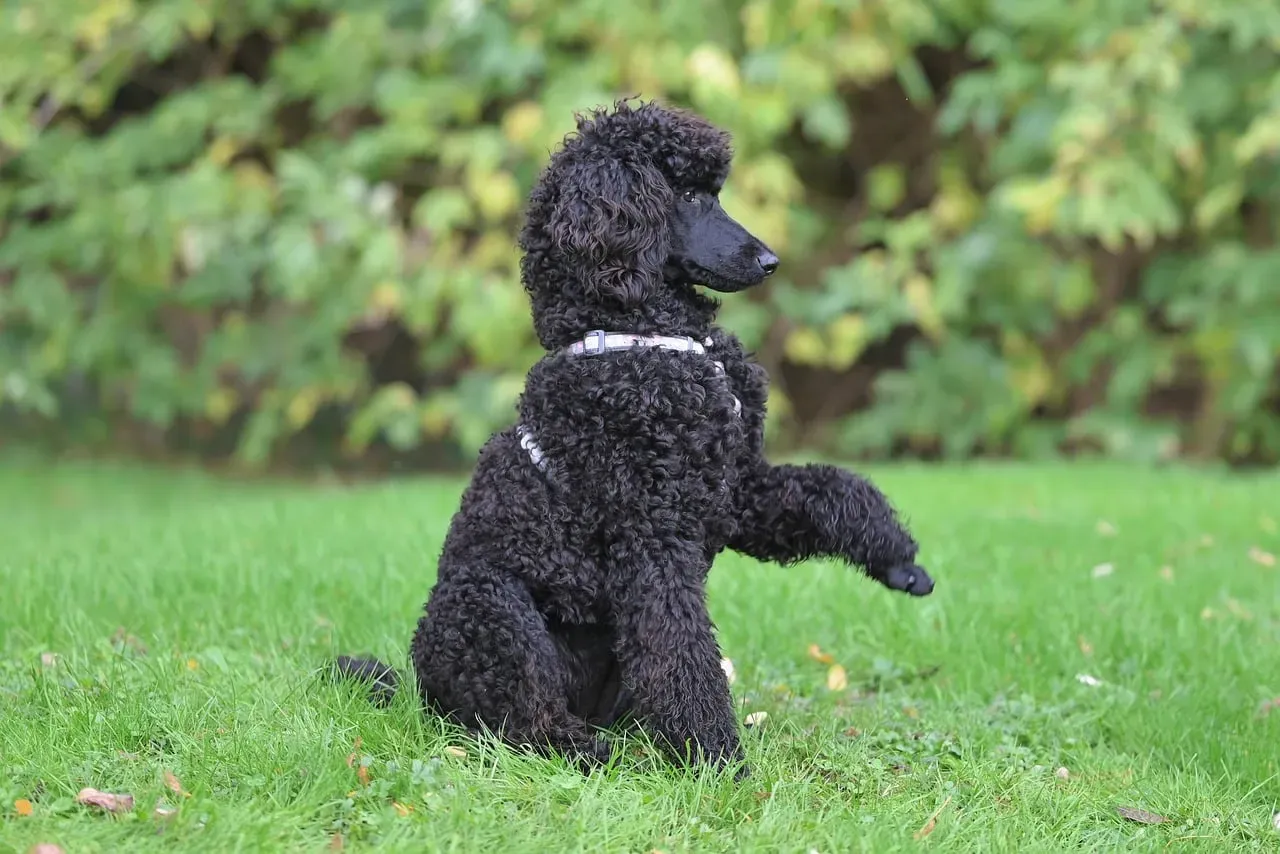
Earlier in life, a paw on your hand meant something was wanted – food, a walk, attention. Near the end, the gesture changes character entirely. The paw comes down softly, rests without pressing, and stays. No scratching, no escalating demand, no follow-up. Just weight, warmth, and contact. Owners who’ve experienced it often say they didn’t move for a long time after, afraid to break whatever that moment was.
What makes this one so quietly devastating is how it strips away any trace of neediness and replaces it with something that looks a lot like tenderness. The dog who once bowled you over for a biscuit is now reaching out with the kind of careful, unhurried touch that asks for nothing and gives everything. It’s the same paw. It’s a completely different gesture.
#10 – The Deep Sigh Only When You’re Near
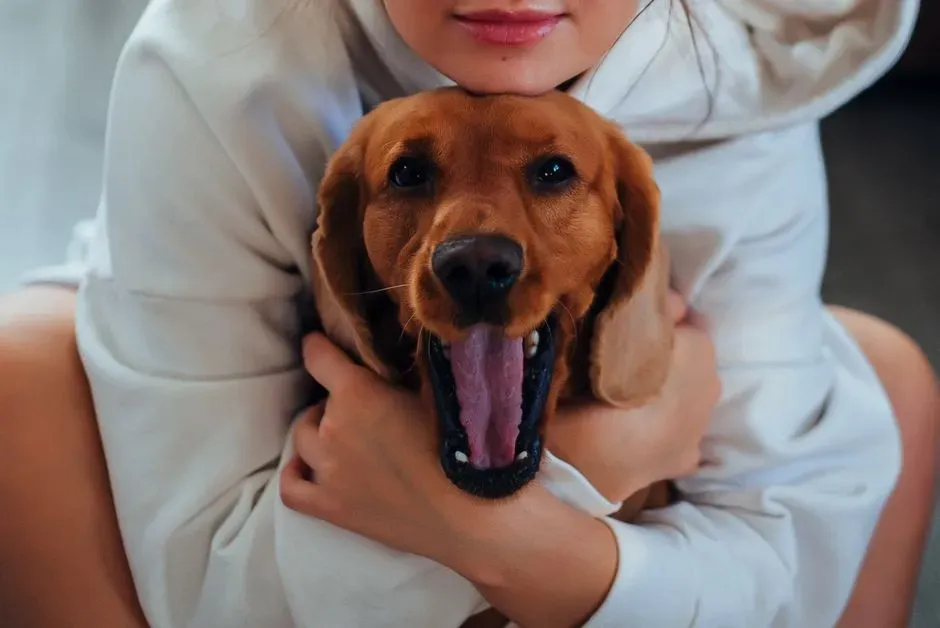
It’s not the sigh of a bored dog waiting for dinner. It’s longer, slower, and it arrives the moment you walk into the room or lower yourself onto the floor beside them. You become the trigger. Your presence releases something in them – tension, vigilance, the low-level anxiety of being a dog in a world too loud and fast – and the sound of it can stop you mid-step if you’re paying attention.
Hospice observations consistently link this response to reduced cortisol in the owner’s presence. In plain language: your dog’s body physically relaxes when you arrive. They’ve been saving that breath for you. In the final weeks, when everything else is harder and louder, you are still the thing that makes them let go. If that doesn’t reach you somewhere deep, nothing will.
Worth Knowing
- Dogs have roughly 300 million scent receptors – compared to about 5 to 6 million in humans – making your presence a full sensory experience for them.
- Research confirms that owner scent activates reward-related regions in a dog’s brain, producing measurable positive responses.
- Even as mobility and appetite decline, a dog’s emotional attunement to their person often remains fully intact.
- Hospice veterinarians recommend staying calm and speaking softly – your dog reads your emotional state as clearly as your physical presence.
#9 – The Resting Spot That Keeps You in View
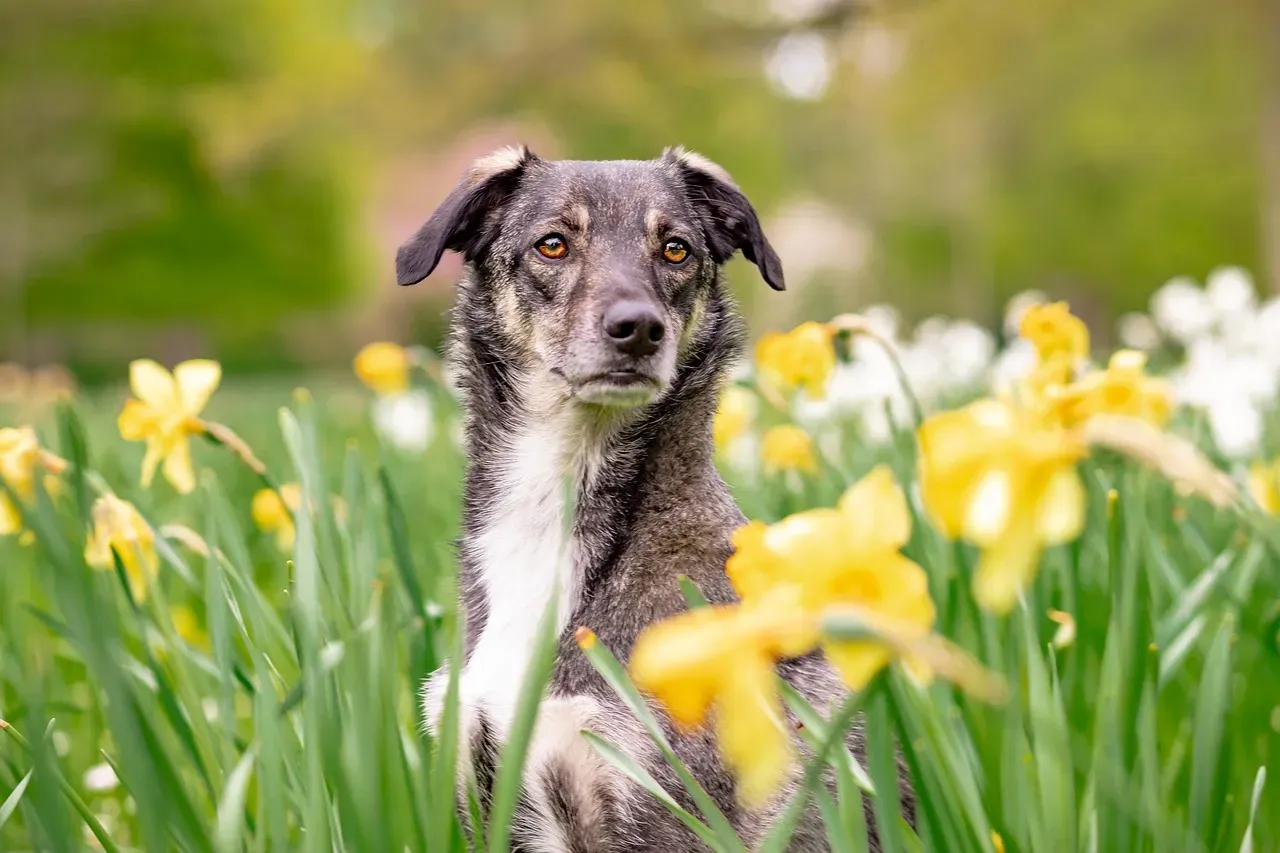
Some dogs near the end don’t hide – they position themselves. A corner of the hallway. The edge of the kitchen doorway. Somewhere they can rest without being in the middle of things, but still track the shape of you moving through the house. They’re not seeking interaction. They just want to know where you are. That’s the whole job now, and they take it seriously.
It’s different from earlier habits, when dogs claimed the center of the room or the most comfortable piece of furniture available. This new spot is chosen for sight lines, not softness. Owners sometimes don’t notice the pattern until they realize their dog has spent three days in the same corner – and that corner faces the kitchen, the hallway, and the back door. Every room you pass through. Watched over, quietly, by someone who loves you and has very little time left.
#8 – The Soft Lick on the Back of Your Hand
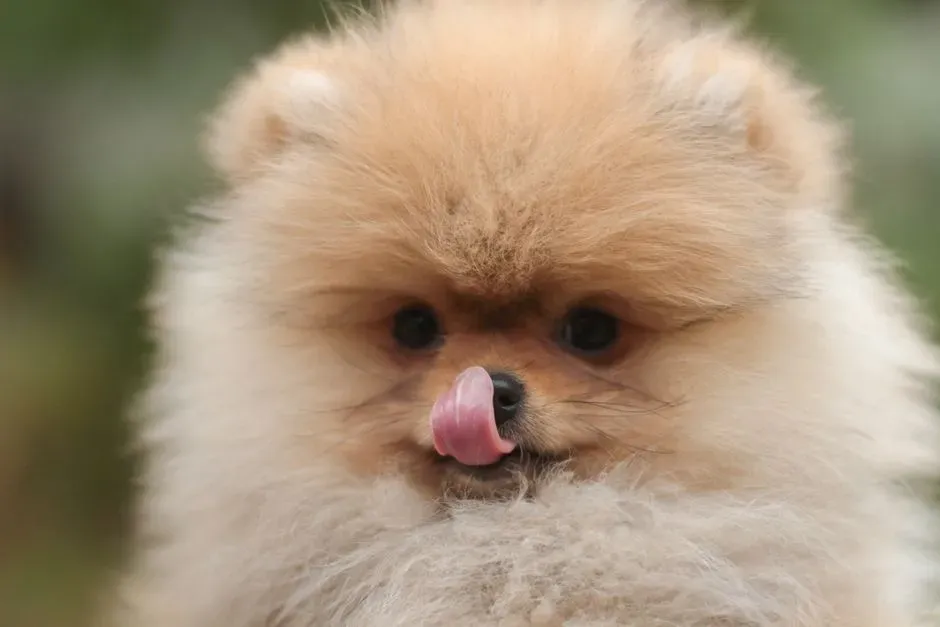
The enthusiastic face-licking of puppyhood is long gone, and near the end even affectionate grooming slows. What replaces it, for many dogs, is a single slow lick to the back of your hand – one deliberate stroke, and then stillness again. No follow-up. No excited flurry. Just that one gesture, offered during a quiet moment, and then back to rest.
Owners almost universally describe it as feeling ceremonial, even if they can’t say exactly why. It happens without preamble and without demand. The dog reaches out, leaves something behind, and settles back into their breathing. It’s a final, quiet offering from an animal who used to knock over lamps with their tail, and the restraint of it somehow makes it land harder than anything louder ever could.
“Dogs do speak, but only to those who know how to listen.”
Orhan Pamuk
#7 – The Silent Shadowing
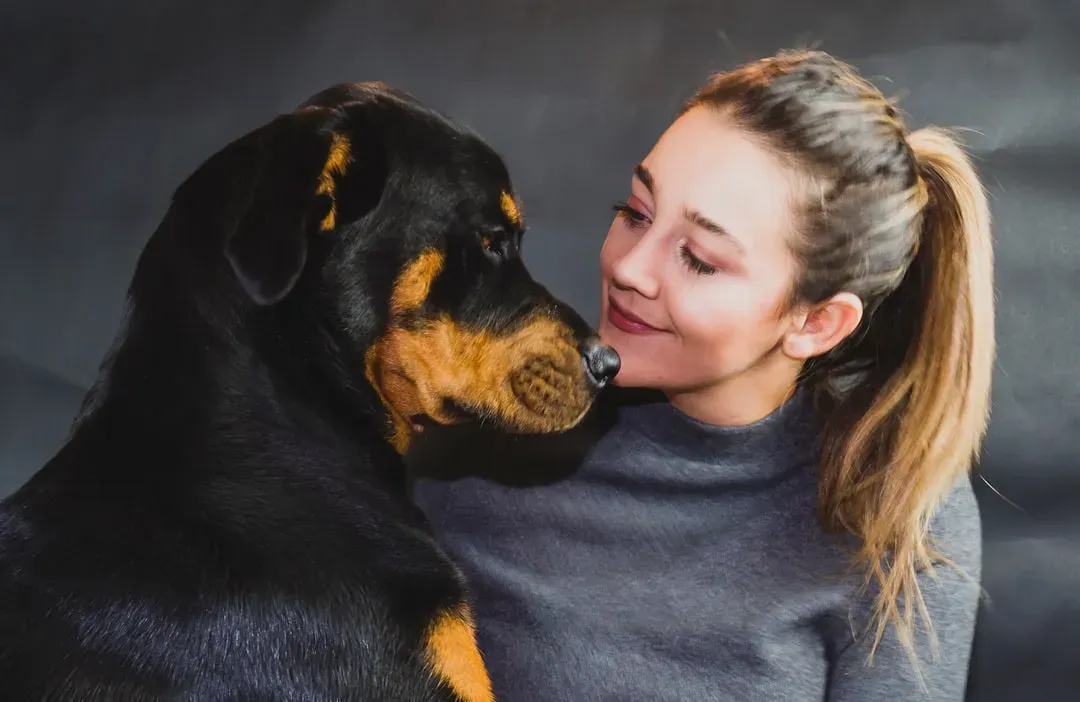
There used to be a whole production when you moved from one room to another – the scramble of nails on hardwood, maybe a bark, the full-body enthusiasm of a dog who treated every transition like an event. Near the end, the sound disappears but the following doesn’t. You turn around and they’re there. You didn’t hear them get up. You didn’t hear them cross the floor. They just appear, quietly, wherever you are.
This is presence without performance. The energy for announcements is gone, but the need to be near you isn’t. They’re conserving everything and spending it on this – on simply being in the same room, breathing the same air, close enough that if you reached down your hand would find them. It’s the most stripped-down version of devotion imaginable, and it tends to hollow people out when they finally recognize what they’ve been watching.
At a Glance: How End-of-Life Closeness Shifts
- Early life: Loud arrivals, full-body greetings, dramatic room entrances.
- Senior years: Calmer greetings, more time resting near you, less solo roaming.
- Final weeks: Silent following, sustained presence, proximity chosen over comfort.
- What stays constant: The need to know where you are – that never leaves.
#6 – The Nap That Mirrors Yours
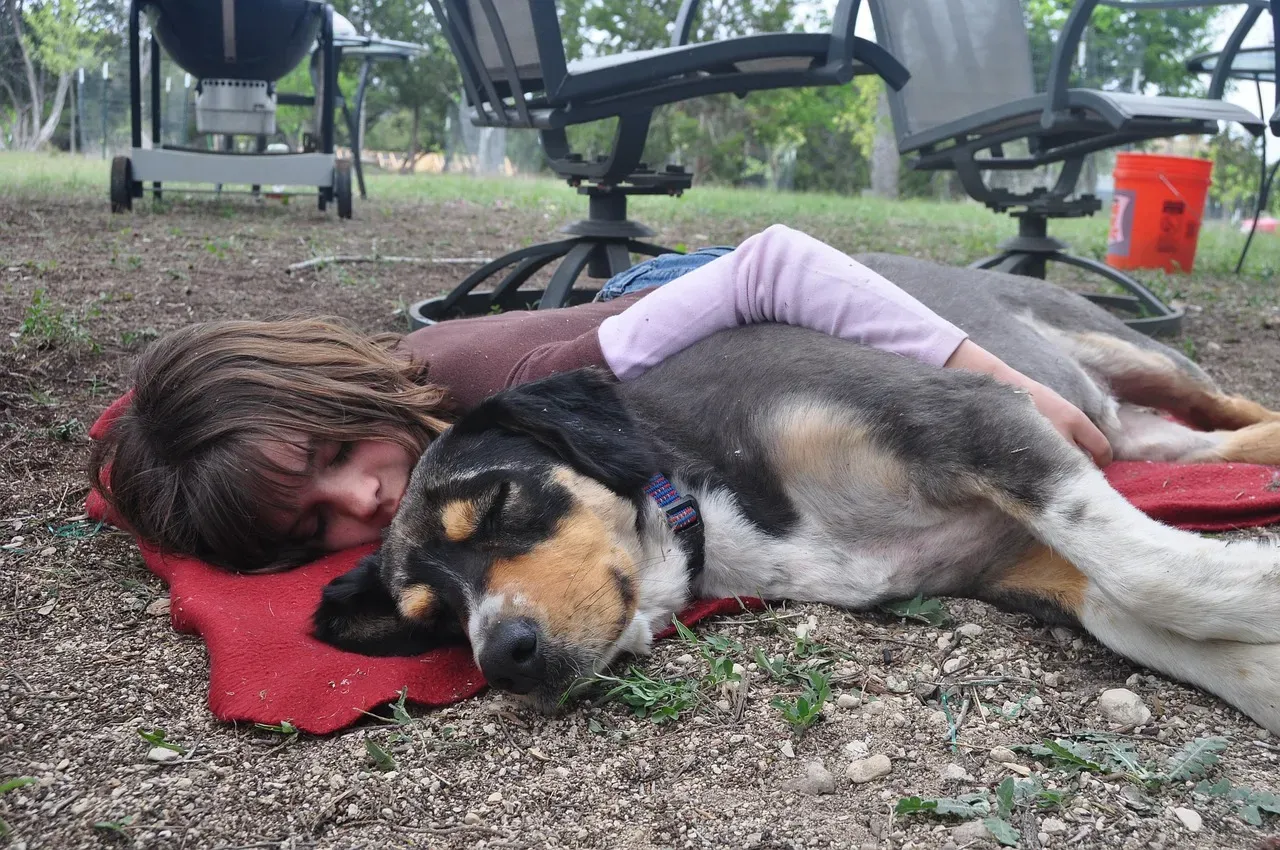
You sit down to rest on a Sunday afternoon and within minutes, they settle too. You drift off and wake to find them asleep nearby, their breathing paced close to yours. It starts to happen often enough that it registers – they’re not sleeping on their own schedule anymore. They’re sleeping on yours. The earlier independence, the dog who’d run circuits of the yard while you read, has given way to something synchronized and still.
There’s something about shared stillness that hits differently in retrospect. These coordinated rest periods – so unremarkable in the moment, just a person and their dog napping on a quiet afternoon – become some of the most vivid memories people carry afterward. Not because anything happened. Because for a little while, time slowed down and you were both just there, breathing together, and neither of you needed anything more than that.
#5 – The Full-Body Lean That Doesn’t Let Go
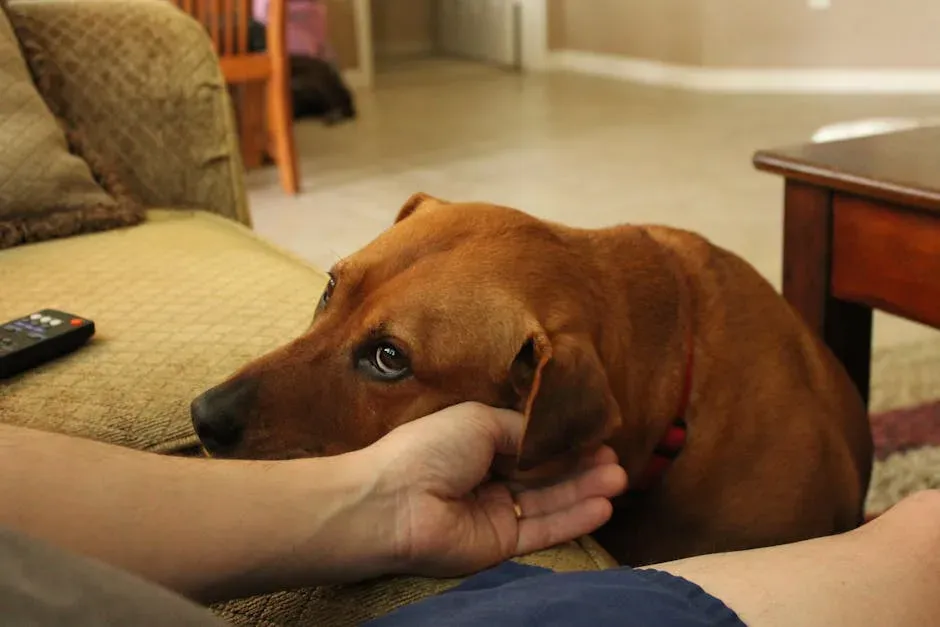
A younger dog’s lean is quick, leaning in for a scratch and then bouncing off. Near the end, a dog will press their full weight against your leg while you’re standing at the kitchen counter or sitting on the porch steps and simply hold it there. Not shifting. Not angling for a better position. Just leaning, steady and sustained, with a trust that feels almost too big to hold up.
Part of this is physical – balance becomes harder, and you are something solid to press against. But owners feel clearly that it’s more than that. The dog chooses your leg out of every wall and surface available. They press into you specifically, and the sustained pressure of it carries something that transcends practicality. It’s intimate in a way that casual contact rarely is. A whole relationship communicated through a lean that lasts a little longer than it needs to.
#4 – The Gaze Fixed on the Doorway After You Leave
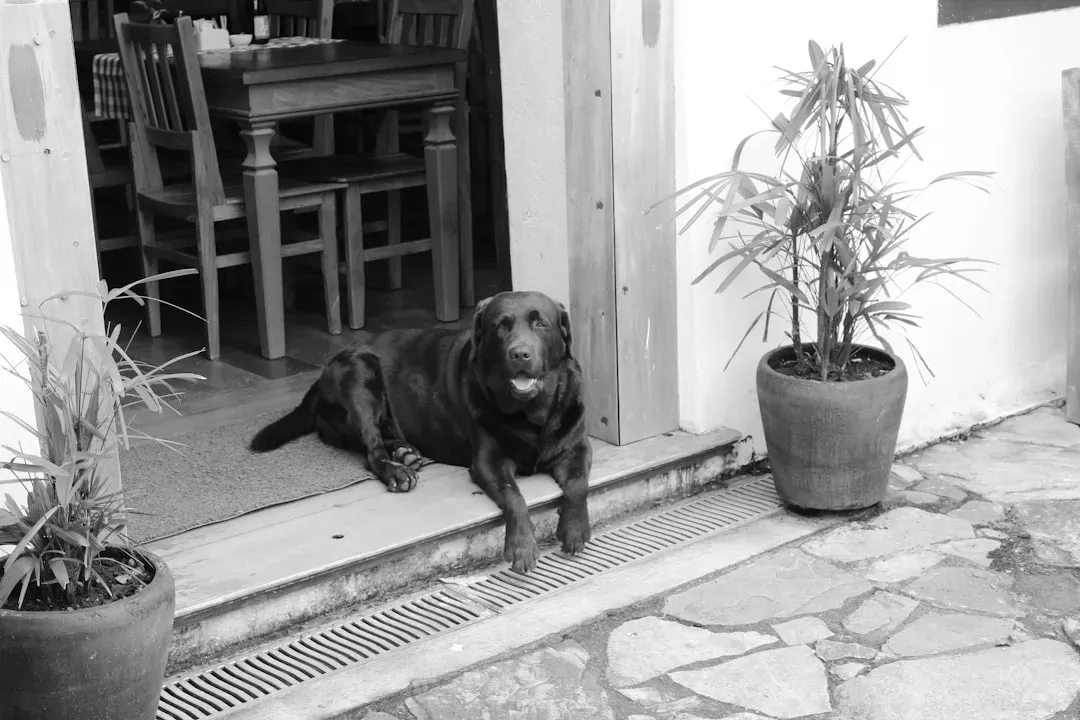
You get up to refill your coffee or walk to another room, and when you glance back, they’re watching the doorway. Not anxiously pacing, not whining, not destroying a pillow out of distress. Just watching. Eyes on the space where you disappeared, waiting with a patience that earlier life never required of them. They don’t move until you come back. Sometimes they don’t even shift their gaze.
This quiet vigil often goes unnoticed until someone else in the household points it out – “Did you see what the dog does when you leave the room?” And then you start watching for it, and suddenly you understand something that rearranges you a little. They’re not exploring. They’re not resting. They’re waiting for you to return to a frame they’ve decided is complete only when you’re in it. That kind of loyalty shouldn’t be possible, and yet.
#3 – The Single Deep Breath When You Touch Them
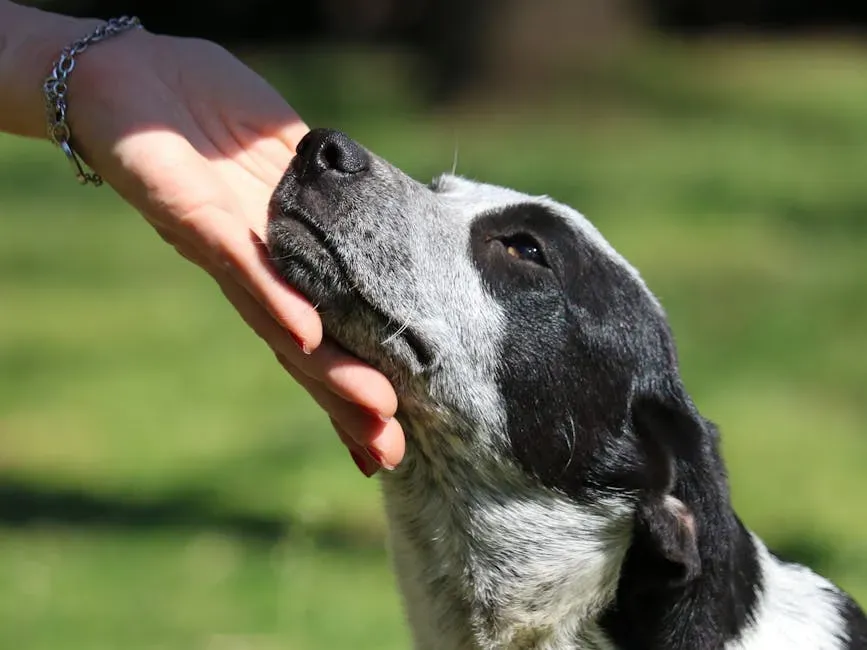
You rest your hand on their back or stroke their head and they breathe – one deliberate inhalation or a long slow release that you can feel move through their whole body under your palm. It happens consistently, always tied to your touch, distinct from normal breathing. It feels like acknowledgment. Like a body responding to something it recognizes as safe.
Earlier in life, touch prompted excitement – the tail, the wriggling, the spin-and-sniff routine. Now it prompts this: a single breath that says I know it’s you and I’m okay and possibly something else that doesn’t have a word yet. The response is so subtle that plenty of people miss it entirely until they’re looking back. But if you’ve felt it, you know exactly what this entry is describing, and you probably stopped reading for a second just now.
#2 – The Preference for Your Scented Items Nearby
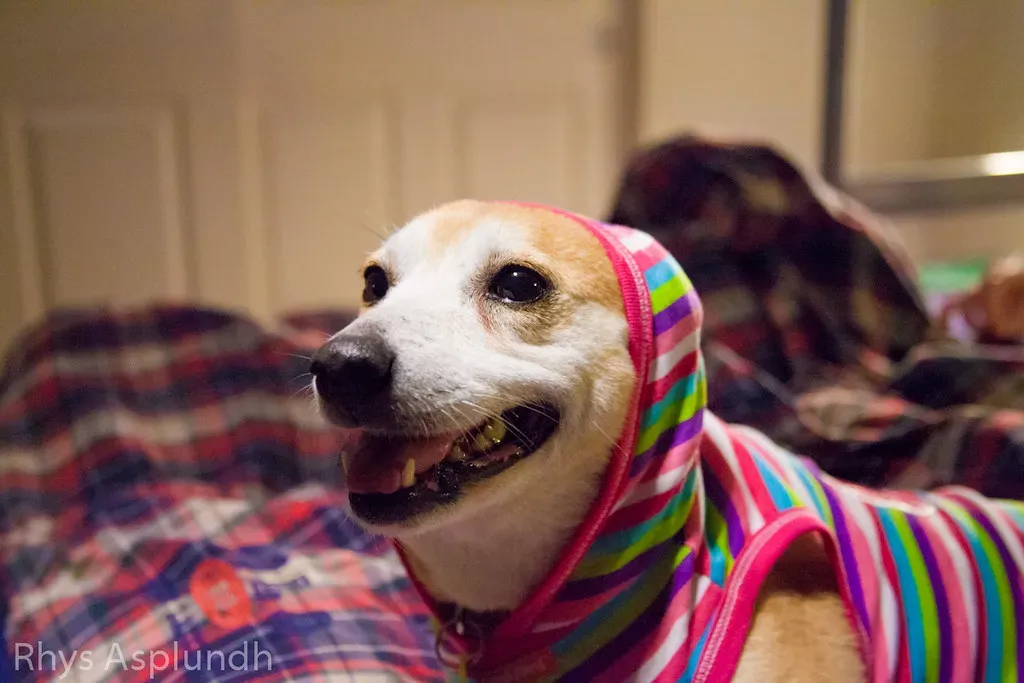
You notice your old sweatshirt has migrated to their resting spot. Or they’ve pulled a blanket you use regularly into their bed, arranged it with their nose until it was close enough. They’re not chewing it or playing with it. They’re sleeping on it, face turned into the fabric, still. The toys they once obsessed over sit untouched. What they want now is something that smells like you.
Scent is the deepest sense dogs have – richer, more emotionally loaded, more permanent than sight or sound. Choosing your scent as a comfort object in their final quiet space is about as direct a declaration of attachment as the species is capable of making. They can’t say what you mean to them. But they can drag your hoodie across the floor and sleep with their nose buried in it, and somehow that says everything.
Why It Stands Out
- Dogs use scent to identify their owners even from a distance – it is their most emotionally powerful sense by far.
- Owner-scented items have been shown to activate positive, reward-linked areas in a dog’s brain – the same regions associated with anticipation and bonding.
- Hospice vets and end-of-life caregivers recommend leaving worn clothing near a declining dog specifically because of the documented calming effect.
- This is not a random comfort-seeking behavior – it is a targeted, deliberate choice rooted in years of emotional memory.
- The shift from toys to owner-scented objects often signals that social bonding has moved fully to the center of what matters most.
#1 – The Last Quiet Nuzzle Into Your Palm
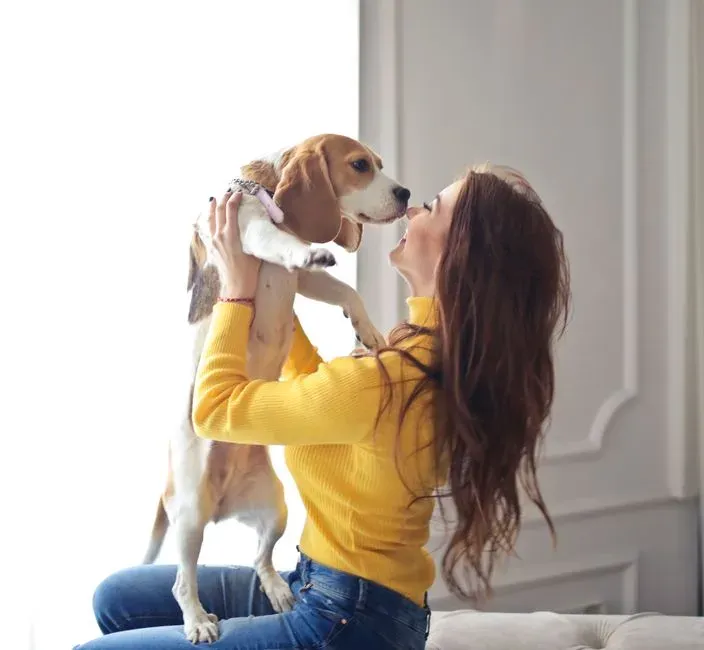
You hold out your open hand – maybe you’ve done it a thousand times before, maybe this time something made you reach out without knowing why – and they press their nose or the top of their head into your palm and hold it there. Not pushing, not asking. Just resting against your hand in the particular way that seems to exist only in the final days, when almost every other gesture has grown too costly and this one remains.
This is the moment people come back to most when they talk about what the end actually looked like. Not the last vet visit or the last meal – this. A hand extended, a head received, a pause that lasted long enough to mean something. Owners describe it as unmistakable, as carrying the weight of everything that was never spoken between a person and their dog across all the years they shared. It’s the quietest possible farewell and somehow also the loudest thing that’s ever happened in the room.
These 14 moments don’t arrive with announcements. They surface gently, sometimes so gently you nearly miss them – a lean that lasts a beat too long, a gaze that holds a second past ordinary, a breath that answers your hand. What they reveal is that the bond between a dog and their person doesn’t diminish at the end. It distills. All the noise of daily life falls away and what’s left is this: deliberate, wordless, and completely without pretense. A dog choosing, again and again with whatever energy remains, to be near you. To feel you. To let you know they know. Most of us will spend the rest of our lives being grateful we were paying attention.

- 11 Lesser-Known Dog Breeds That Make Exceptionally Loyal And Protective Family Companions - August 5, 2026
- Your Dog’s Dreams Are More Complex Than You Imagine - August 5, 2026
- What The Sea-Goat (Zodiac Sign Capricorn) Says About You in 2026 - August 5, 2026