

Scattering Food Caches Across Multiple Sites

Squirrels spread their stored nuts and seeds in dozens of separate spots rather than piling everything in one place. This scatter hoarding approach protects their supplies from complete loss if another animal discovers a single cache.
They dig shallow holes, drop in an acorn or seed, and cover it quickly before moving on to the next location. The process repeats throughout the day as they work methodically from one tree to another.
Consuming Extra Calories to Build Fat Reserves
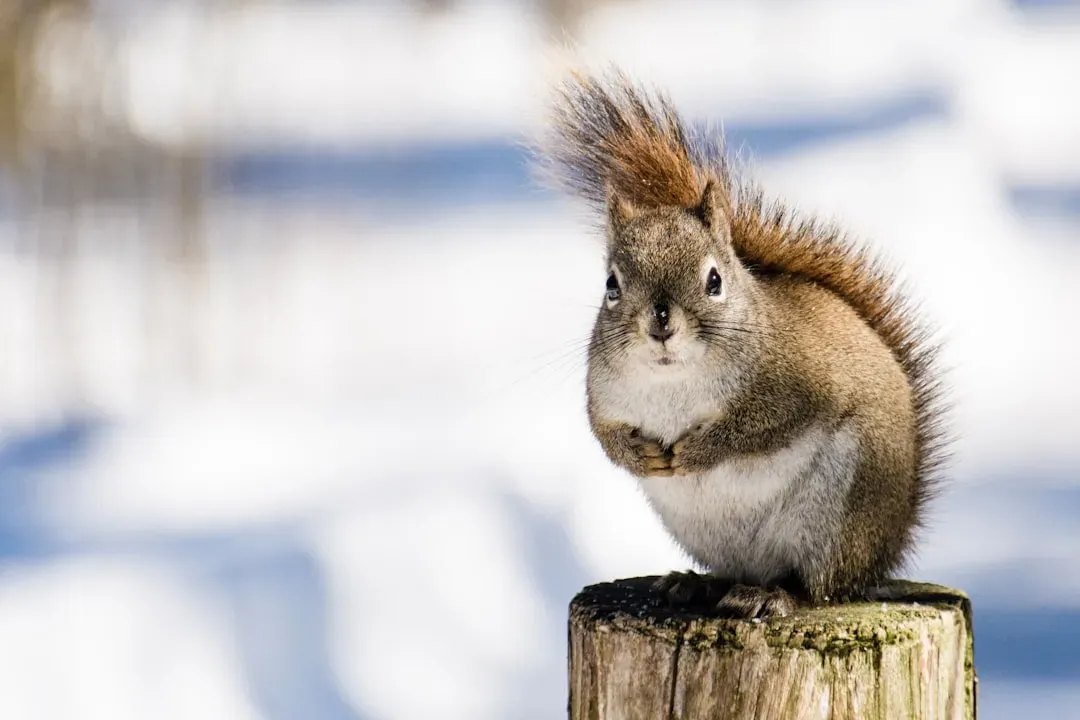
These animals increase their food intake noticeably during the cooler weeks of autumn. Extra eating helps them add body mass that serves as both insulation and an energy source when fresh food grows scarce.
The added weight stays with them into winter and supports survival on days when venturing out feels too costly. Observers sometimes notice rounder squirrels moving a bit slower near bird feeders and oak trees.
Reinforcing and Lining Their Dreys
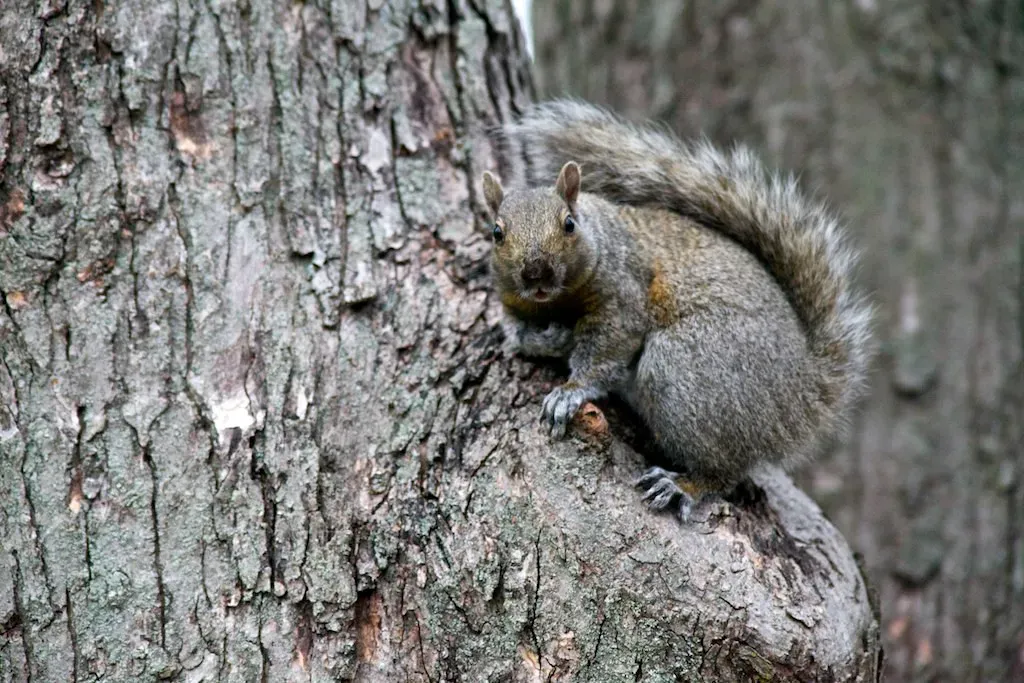
Squirrels spend time adding fresh leaves, twigs, and moss to their tree nests before temperatures drop. The extra material creates thicker walls that trap warmth during cold nights.
They often choose spots high in sturdy branches where wind exposure stays lower. Maintenance work happens in short bursts between foraging trips, keeping the structure solid for months ahead.
Practicing Deceptive Caching Behaviors
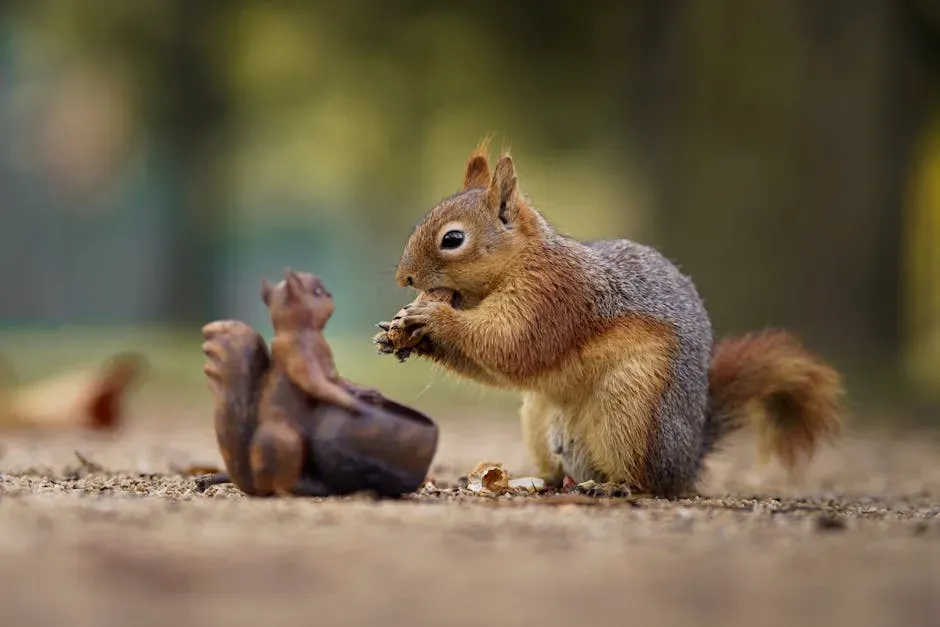
When other squirrels watch, some individuals pretend to bury food in one spot while actually hiding it elsewhere. This trick reduces the chance that onlookers will steal the real stores later.
The behavior shows up most often in areas with high squirrel populations. It adds an extra layer of protection to the hard earned supplies gathered over many weeks.
Collecting a Wide Range of Nonperishable Items

Beyond acorns, squirrels gather seeds, berries, and even certain fungi that hold up well over time. Variety in the caches helps ensure something remains edible even if one type of food fails.
They select items based on availability and durability, moving quickly between different food sources. The result is a diverse pantry spread across their territory.
Relying on Memory and Scent to Map Locations

Squirrels develop strong spatial memory for their cache sites during the busy fall period. They combine this recall with a sharp sense of smell to locate buried items under leaves or light snow.
Practice during the preparation weeks improves their success rate once winter arrives. The combination of mental maps and sensory cues keeps them efficient even when conditions change.
Seeking Out Protected Den Sites for Shelter
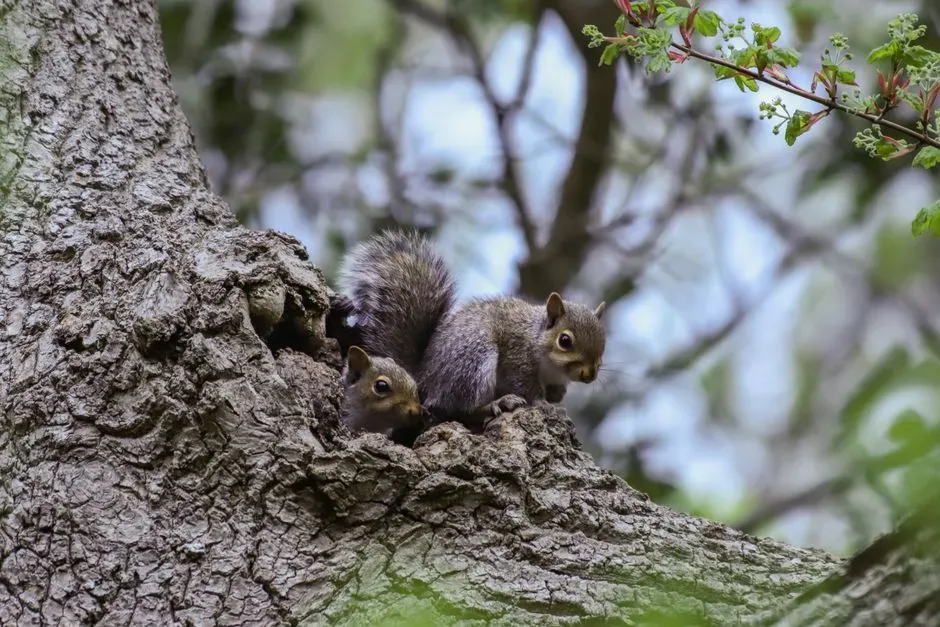
Tree cavities and well built dreys become priorities as days shorten. Squirrels inspect potential shelters and may claim or improve several options before settling on the best ones.
Shared dens sometimes form later, yet the initial scouting happens individually in the fall. Good locations offer protection from wind, rain, and predators alike.
Increasing Daily Foraging Routes and Activity
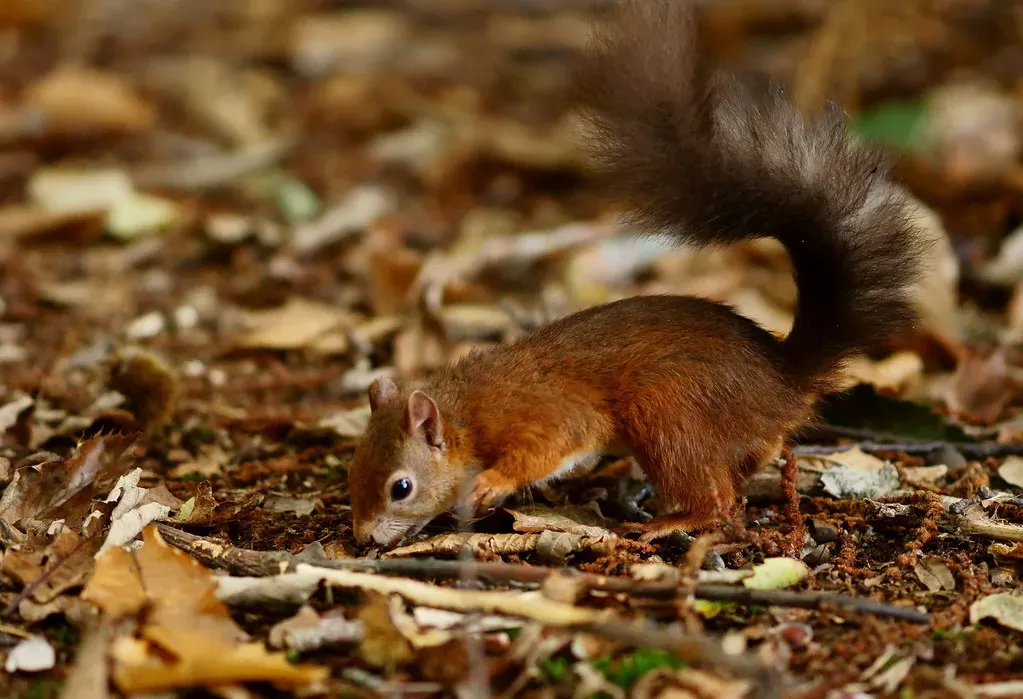
Squirrels expand their travel patterns to cover more ground while food remains plentiful. Longer routes allow them to locate and secure additional resources before the ground hardens.
The heightened movement stands out to anyone who watches the same yard regularly. It reflects a focused push to finish preparations while daylight and temperatures still permit it.
Squirrels remind us that steady, small efforts add up to real resilience when conditions turn difficult. Paying attention to their quiet work offers a simple lesson in preparation that applies far beyond the backyard.
- The Unexpected Benefits of Owning a Cat for Seniors - August 5, 2026
- Why You Should Let Your Dog Stop and Sniff When Walking - August 5, 2026
- The Zodiac Sign That Best Matches Your Dog’s Personality - August 5, 2026