
Dark-eyed Junco
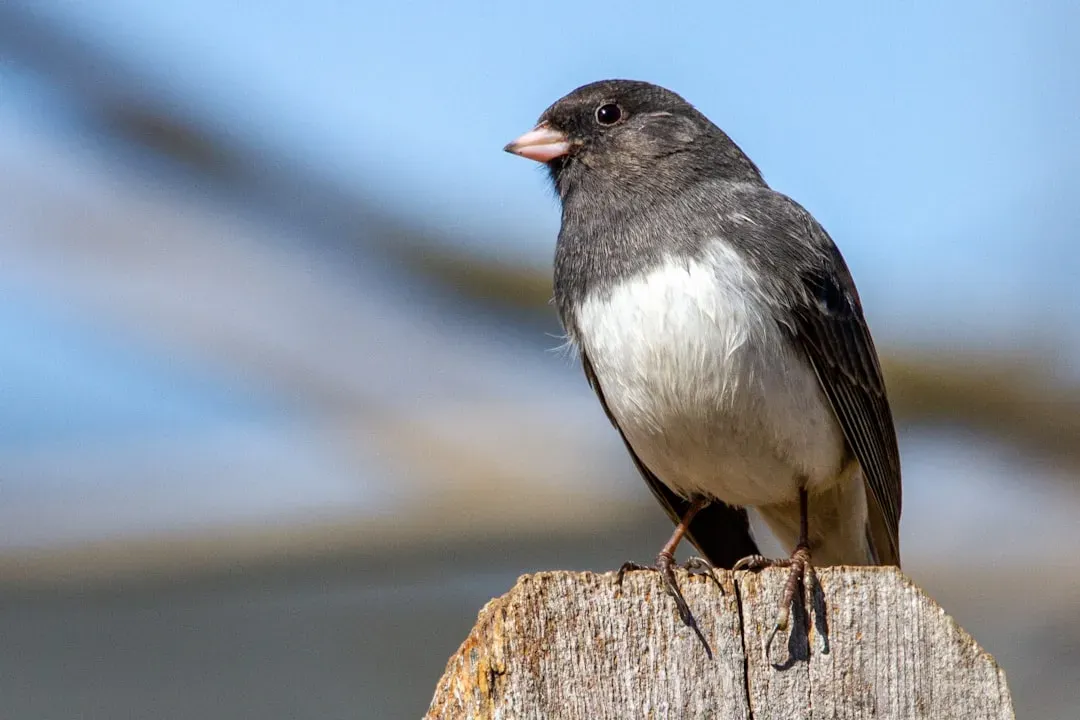
The dark eyed junco once arrived in large flocks each winter, hopping under shrubs and scattering at the first sign of movement. Its numbers have fallen sharply, with estimates showing losses approaching 170 million individuals since 1970. Many suburban yards that once hosted dozens now see only scattered singles or none at all.
Habitat conversion plays a central role. Fields and forest edges that supplied seeds and cover have given way to lawns and pavement. Pesticide residues on remaining food sources add further pressure, reducing the insects and seeds these birds rely on during colder months.
White-throated Sparrow
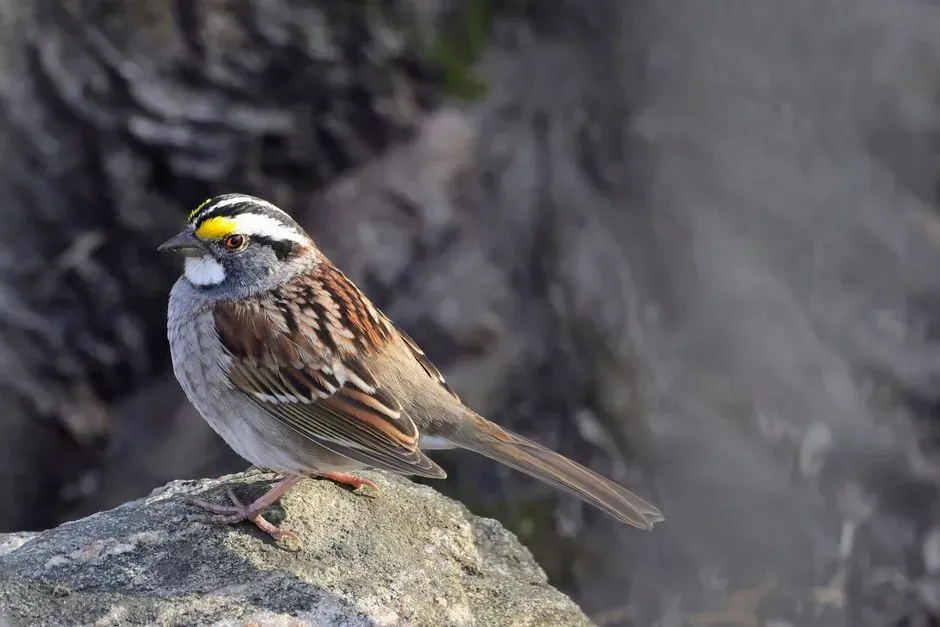
Its clear whistled song used to drift from hedgerows and garden borders across much of the eastern half of the country. Populations have dropped by more than 90 million birds in recent decades. The absence registers most clearly in spring when the familiar notes no longer greet early risers.
Shrinking patches of shrubby habitat leave fewer safe nesting spots. Agricultural intensification removes the weedy margins these sparrows once used for cover and food. The combined effects leave many former strongholds noticeably emptier each year.
Red-winged Blackbird
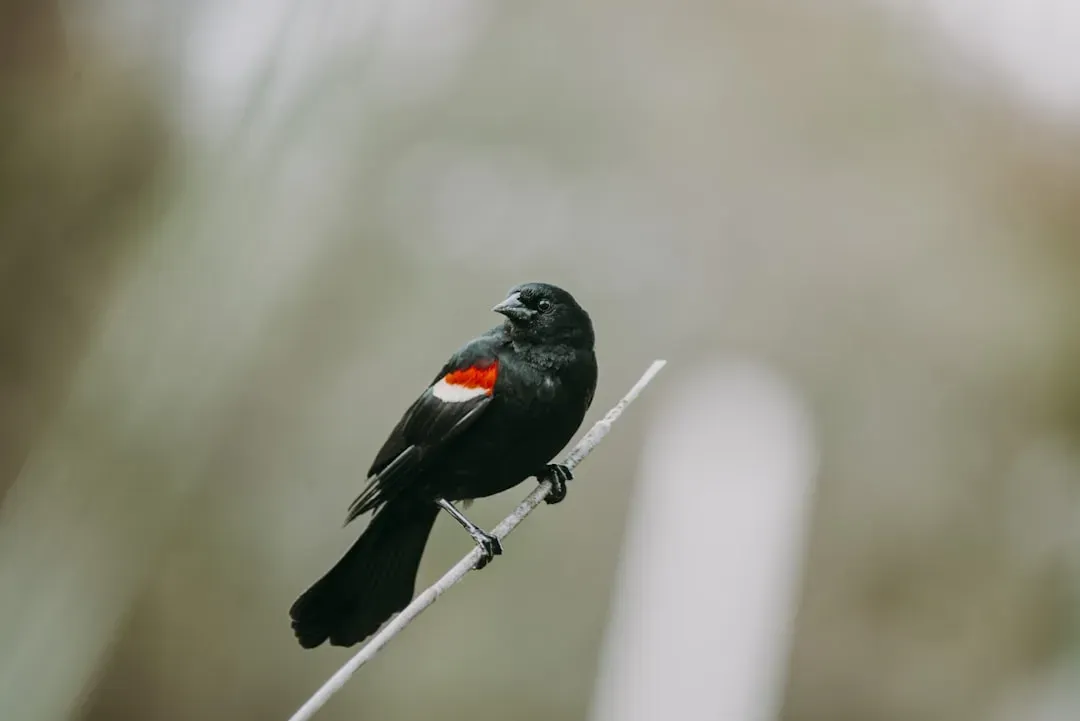
Red winged blackbirds remain widespread yet their numbers have slipped by nearly a third since 1970. Marshes and roadside ditches that once rang with their calls now stand quieter. The change shows up gradually rather than all at once.
Wetland drainage and the spread of intensive row crops remove the cattails and grasses they favor. Neonicotinoid pesticides further reduce insect prey during the breeding season. These pressures compound across the birds range, thinning out what were once reliable backyard sightings.
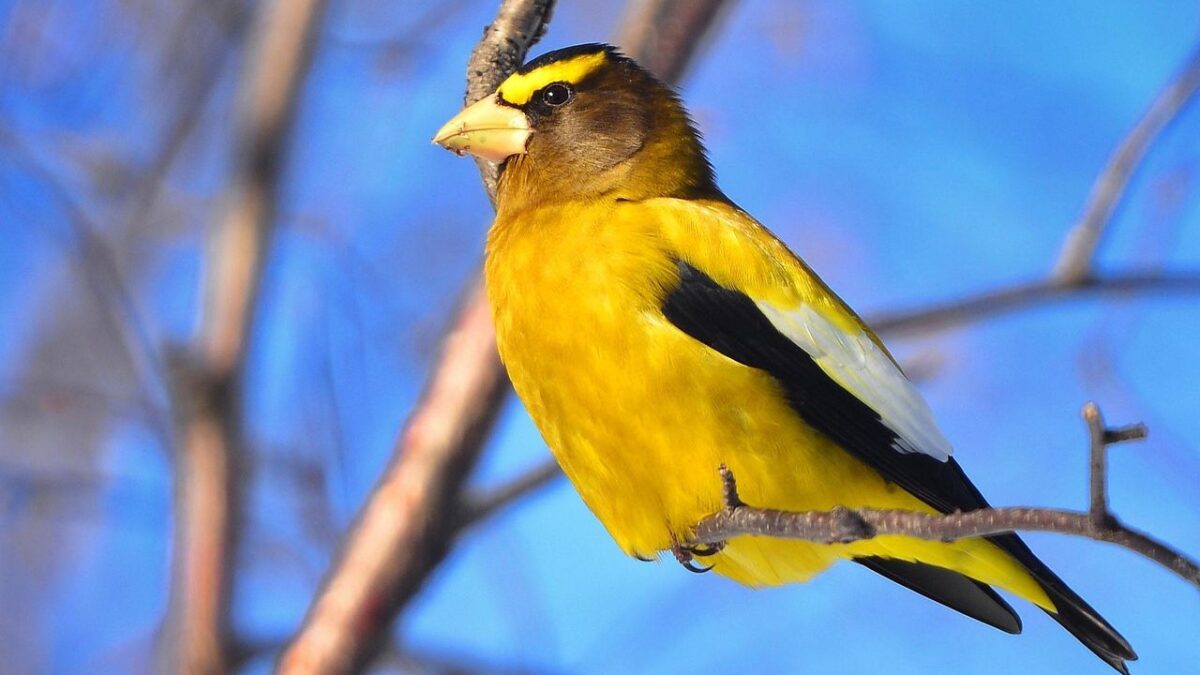
Evening Grosbeak
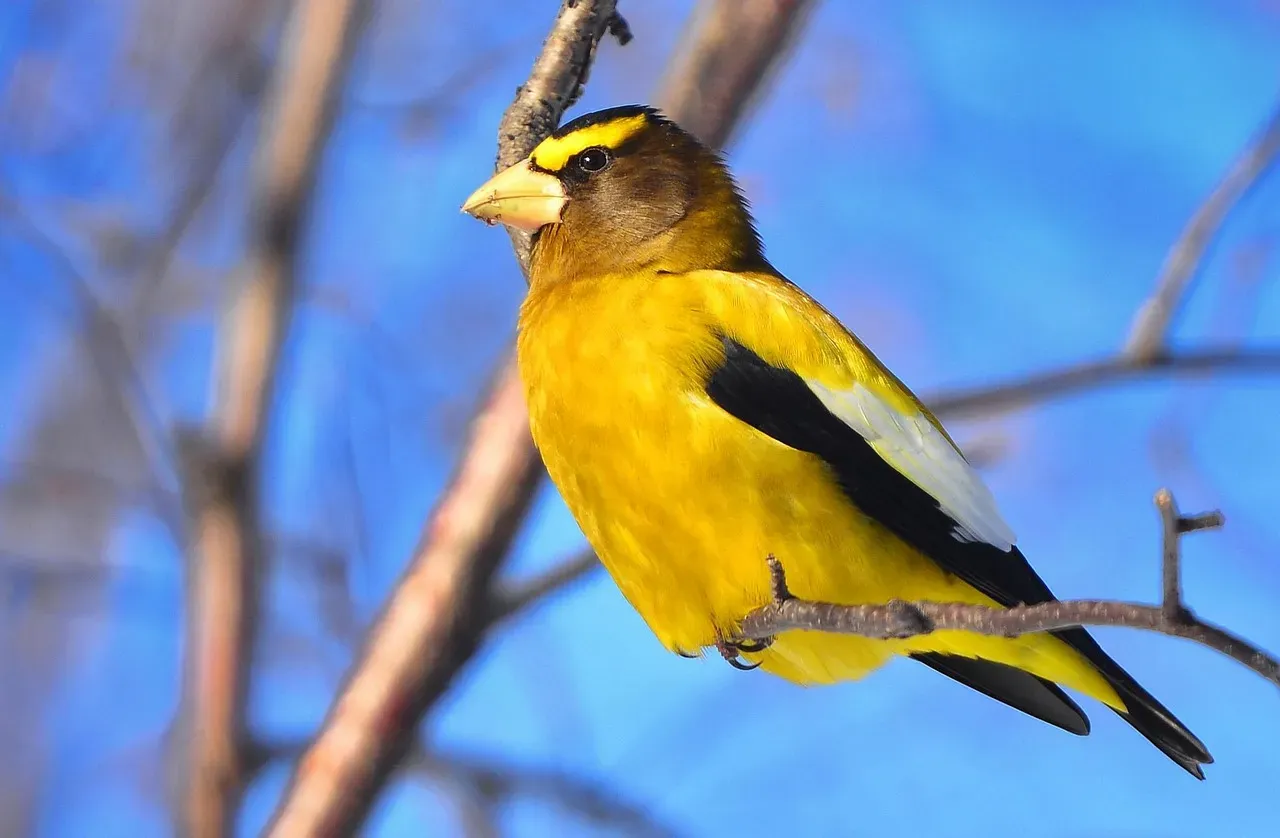
The striking yellow and black evening grosbeak once showed up at winter feeders in irregular but memorable waves. Sightings have grown rare across much of the eastern United States. The bird now appears more as a special event than a seasonal expectation.
Loss of mature conifer forests reduces the seed crops these birds track. Climate shifts alter the timing of cone production, leaving gaps in food availability. Combined with ongoing habitat fragmentation, the result is fewer birds reaching traditional wintering areas.
Eastern Meadowlark
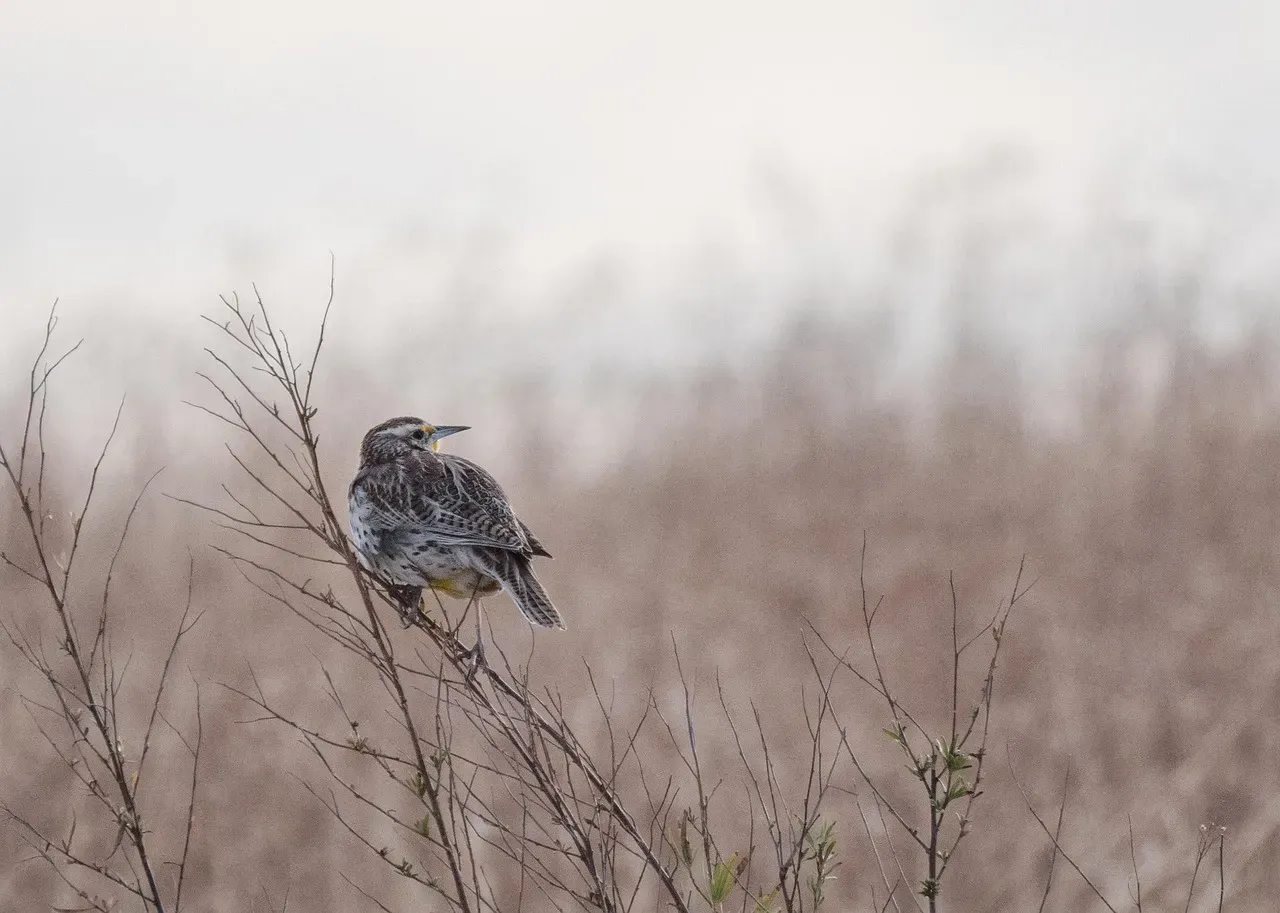
Open fields once echoed with the flute like song of the eastern meadowlark. Its population has declined steeply alongside other grassland species. Many rural and suburban edges that supported nesting pairs now host only occasional visitors.
Conversion of pastures and hayfields to corn and soy removes the tall grass structure these birds need. Mowing schedules during nesting season destroy eggs and young. The pattern repeats across former strongholds, leaving the species far less common in everyday landscapes.
Allen’s Hummingbird
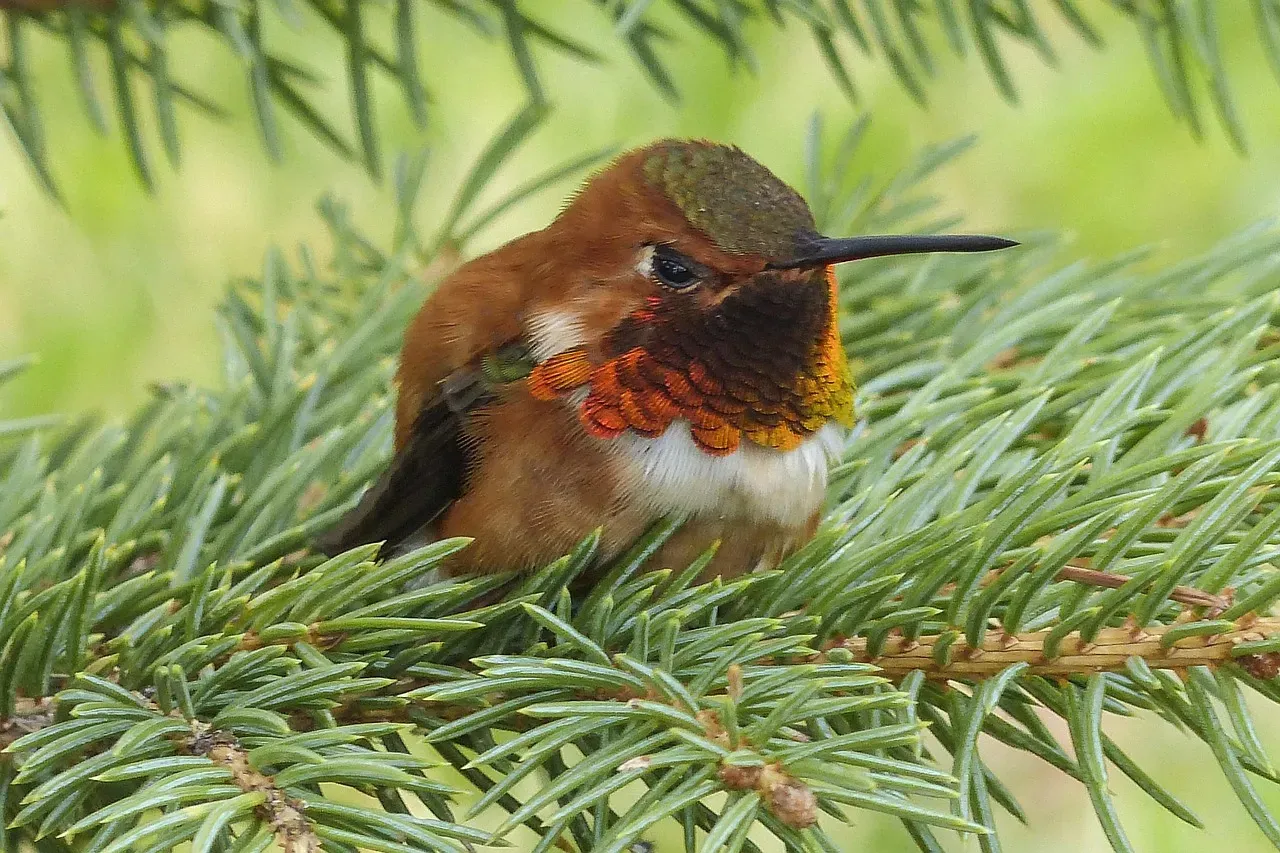
Allen s hummingbird once brightened coastal gardens and chaparral edges with its rapid flight and metallic colors. Significant portions of its population have vanished in the past half century. Observers in parts of California report far fewer individuals at feeders and flowers.
Urban development fragments the scrub habitat required for breeding. Drought cycles linked to changing climate reduce nectar sources. These factors together shrink the areas where the species can maintain stable numbers.
Tricolored Blackbird
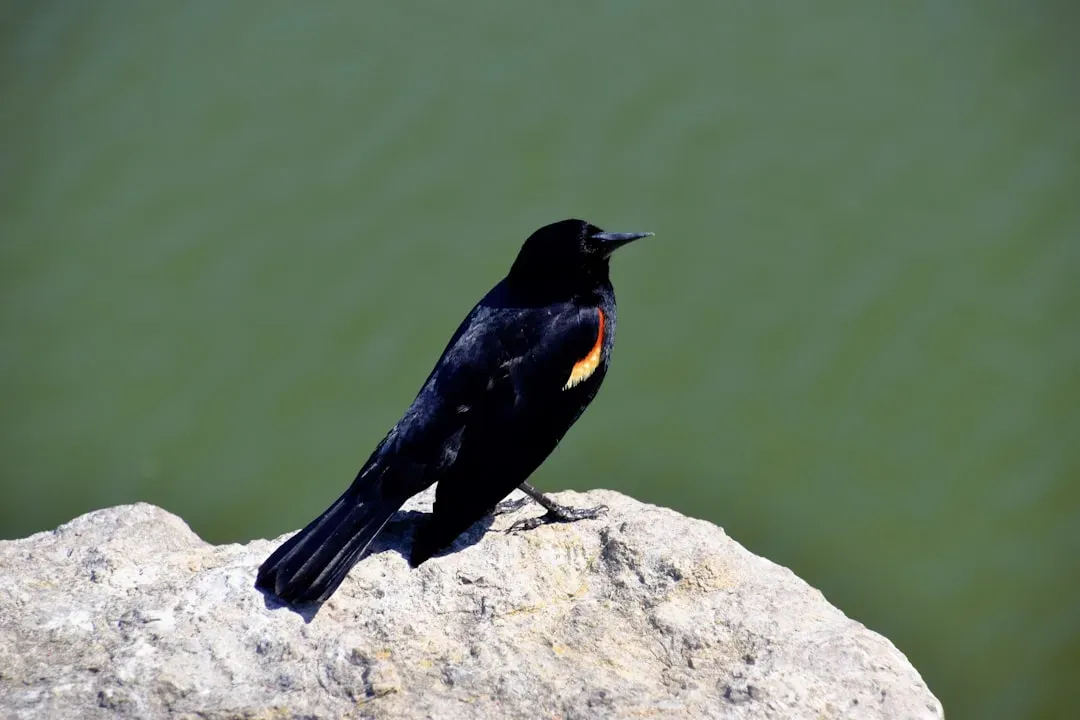
Colonies of tricolored blackbirds once filled marshes and agricultural fields in California with noisy activity. The species has lost more than half its population in recent decades. Many former nesting sites now stand empty during breeding season.
Loss of wetland vegetation and the shift to intensive farming remove both nesting substrate and insect food. Large scale pesticide applications further reduce prey availability. The result leaves once bustling colonies reduced to scattered remnants.
Saltmarsh Sparrow
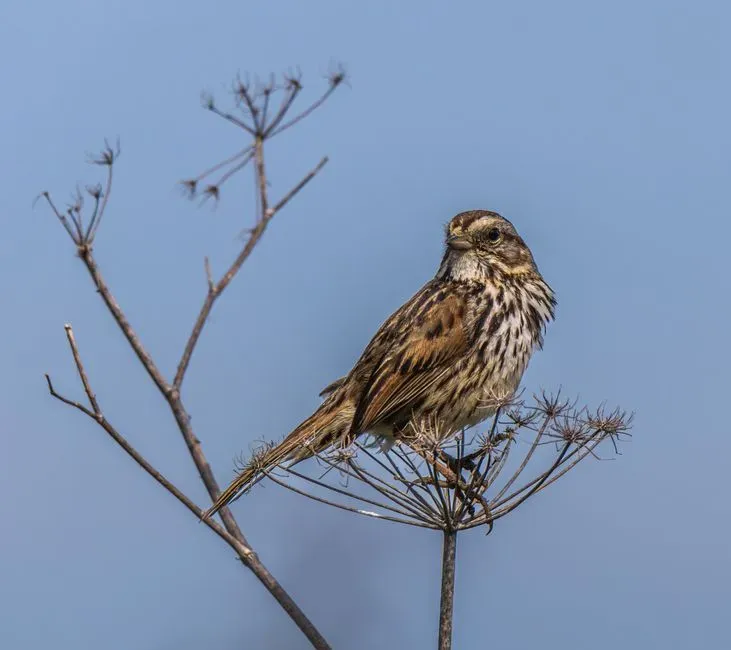
This secretive sparrow nested in the narrow band of salt marshes along the Atlantic coast. Its numbers have fallen dramatically, with some estimates exceeding 50 percent loss. Rising water levels and development now threaten the last remaining patches of suitable habitat.
Sea level rise floods nests during high tides while coastal building removes buffer zones. Pollution and altered hydrology change the plant communities these birds depend on. The narrow habitat requirements make recovery especially difficult.
Barn Swallow
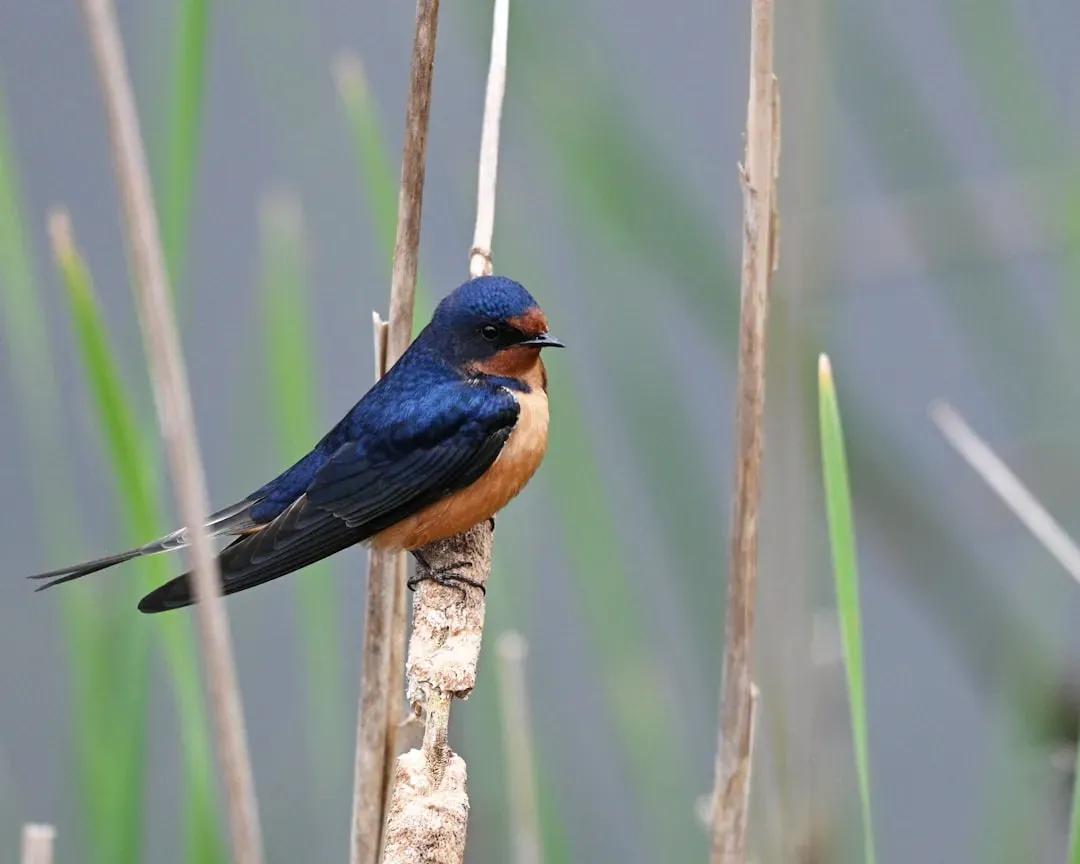
Barn swallows once nested under eaves and bridges across much of the country, skimming fields for insects. Their populations have declined steadily in many regions. Fewer mud nests appear each spring on familiar structures.
Changes in farming practices reduce the open fields rich in flying insects. Use of broad spectrum pesticides cuts the prey base directly. The loss of traditional nesting sites on modern farm buildings adds another layer of pressure.
Common Grackle
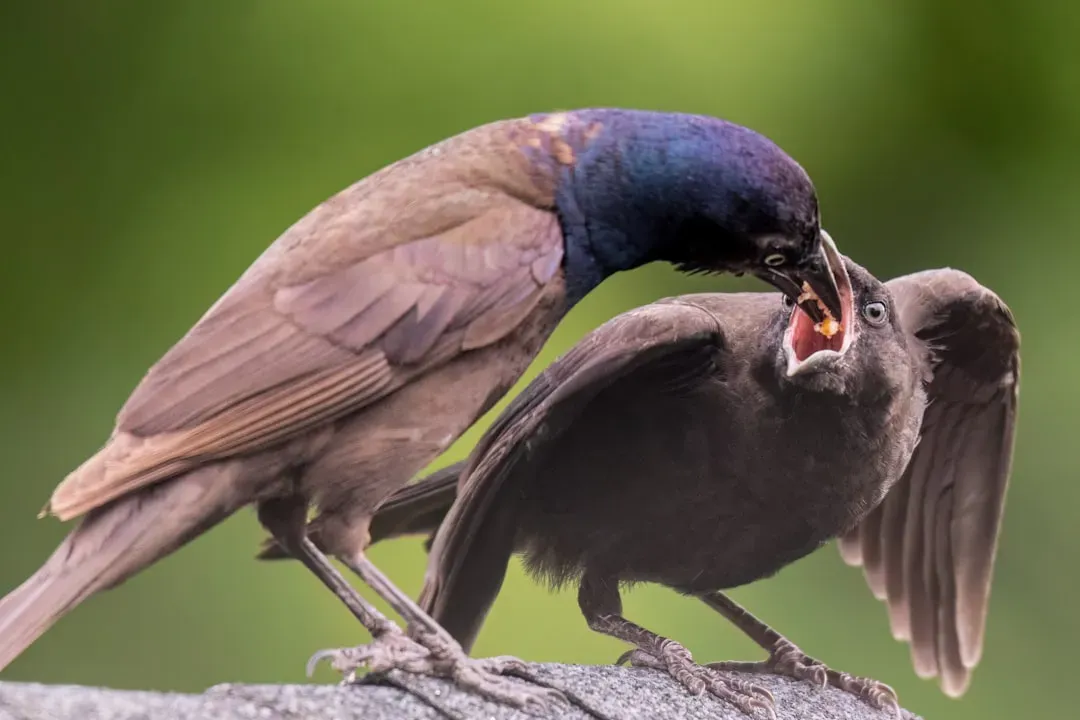
The glossy common grackle once gathered in noisy flocks at feeders and farmyards. Numbers have dropped noticeably in many areas over the past thirty years. The bird no longer dominates backyard scenes the way it once did.
Habitat simplification removes the mix of open ground and cover these adaptable birds once exploited. Pesticide use on lawns and crops reduces both seeds and insects. The cumulative effect leaves fewer grackles returning to the same neighborhoods each season.
Chipping Sparrow
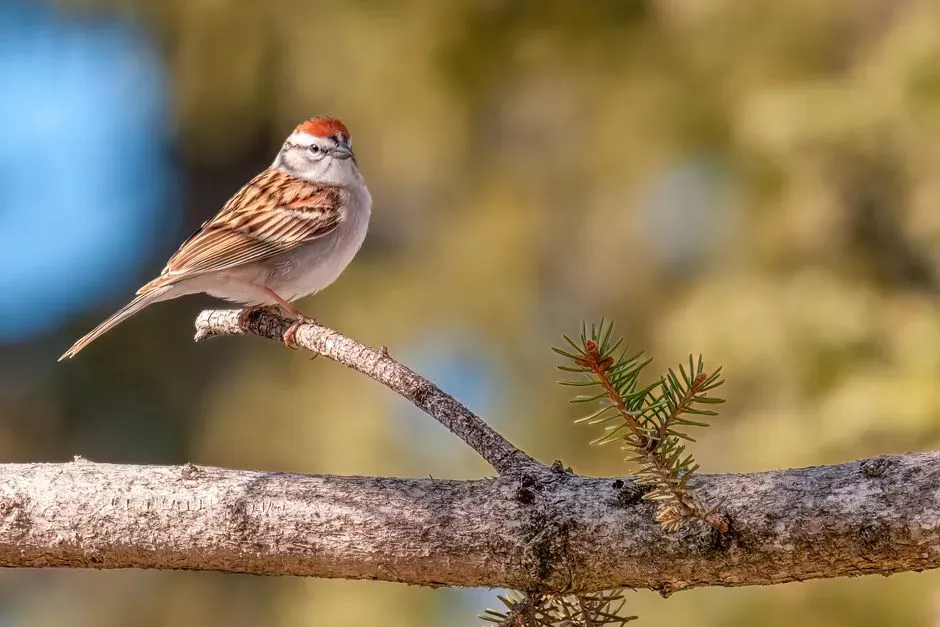
Small and confiding, the chipping sparrow favored lawns and woodland edges with its dry trill. Its presence has thinned across much of its former range. Many yards that hosted breeding pairs now see only migrants passing through.
Loss of shrubby understory and the spread of manicured turf reduce nesting opportunities. Insect declines tied to chemical use limit food for growing young. These steady pressures have quietly removed the species from many everyday landscapes.
The broad losses stem from the same set of pressures acting across habitats. Habitat destruction through agriculture and development, widespread pesticide use, and shifting climate patterns have together removed the resources these birds need. The result shows up in quieter mornings and emptier feeders. Reversing the trend will require deliberate choices about land use, chemical application, and urban design. Without those shifts the pattern of missing birds will likely continue. The next generation may grow up without ever knowing the full chorus that once filled American backyards.
- The Wild Animal Each Zodiac Sign Would Become Under Pressure - August 5, 2026
- The Desert Town in Nevada Slowly Being Buried by Moving Sand - August 5, 2026
- Do Animals Feel Emotions Like Humans? New Studies Reveal Surprising Truths - August 5, 2026