
People have long looked to the stars for clues about personality, yet the idea of matching those traits with creatures that few ever see in the wild adds an unexpected layer. Rare animals carry an air of mystery, much like the hidden sides of our own natures that only surface under certain conditions.
Exploring these pairings invites a fresh way to think about familiar zodiac descriptions without taking them too seriously. The connections rest on loose resemblances rather than strict rules, leaving room for personal interpretation.
Aries and the Snow Leopard
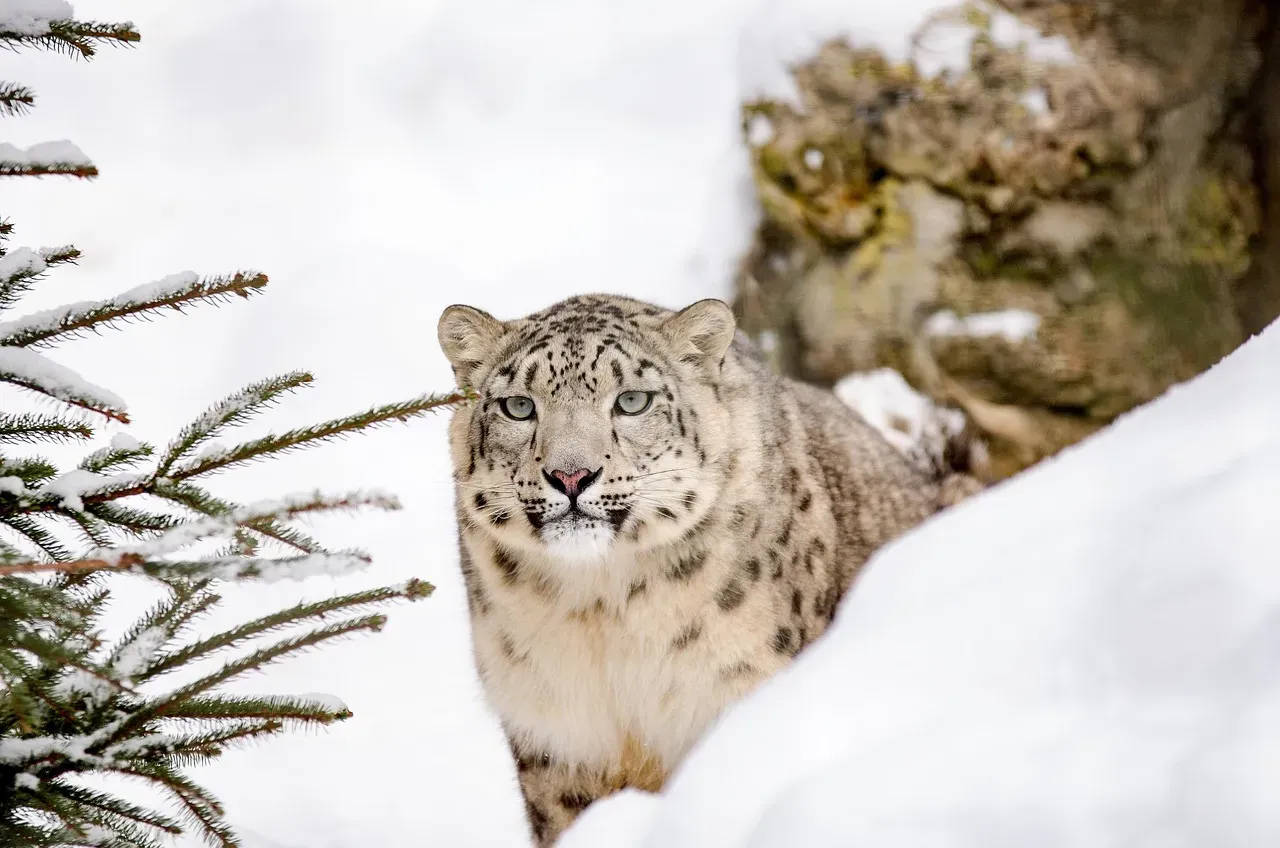
The snow leopard moves through high mountain terrain with quiet confidence and sudden bursts of speed. Its solitary habits mirror the independent streak often linked to Aries energy, where quick decisions and bold leaps define the path forward.
These cats rely on stealth and strength rather than numbers, much as an Aries might prefer carving their own route over following the crowd. Habitat loss has made sightings even rarer, underscoring how elusive such focused drive can feel in daily life.
Taurus and the Okapi
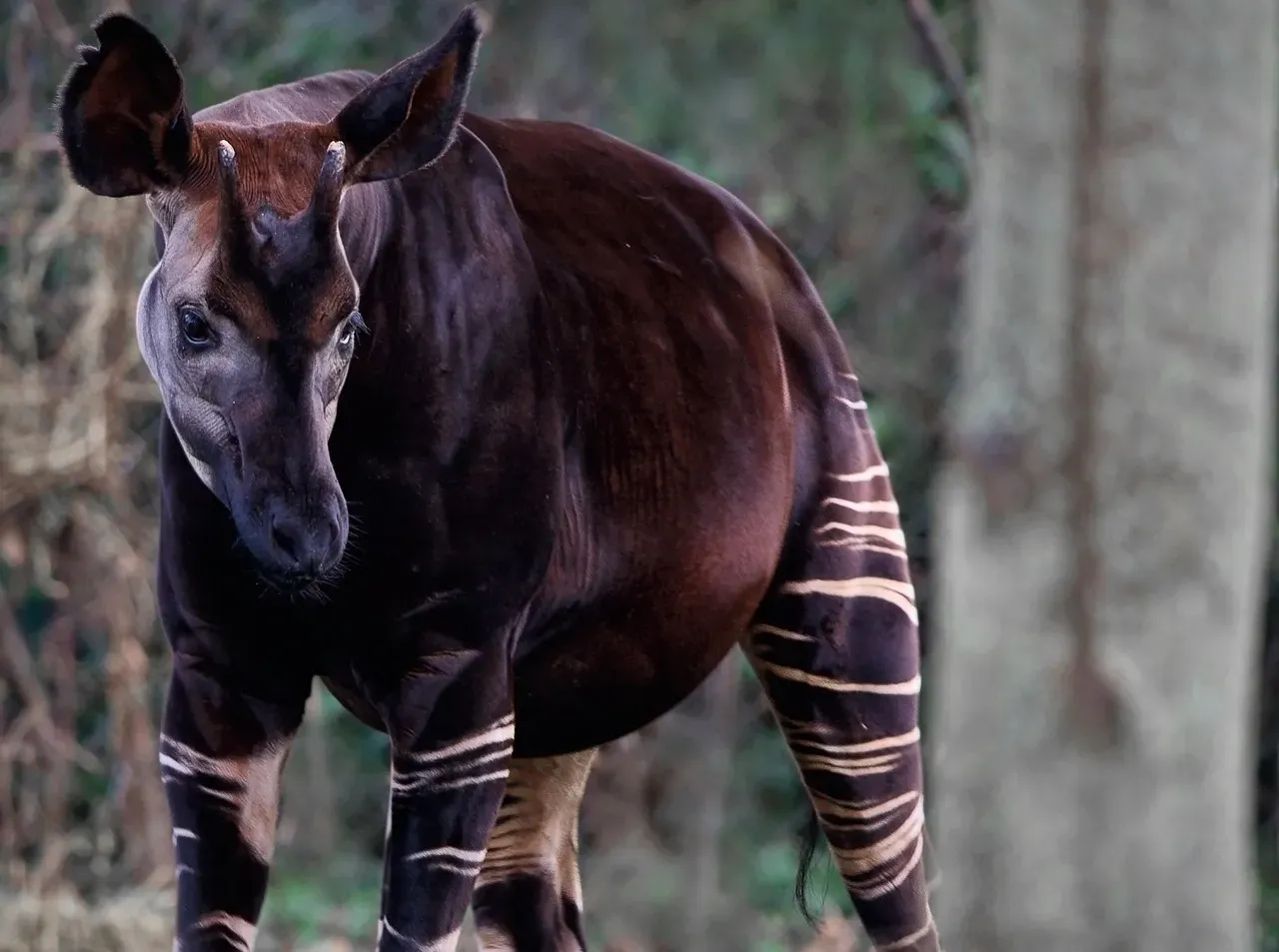
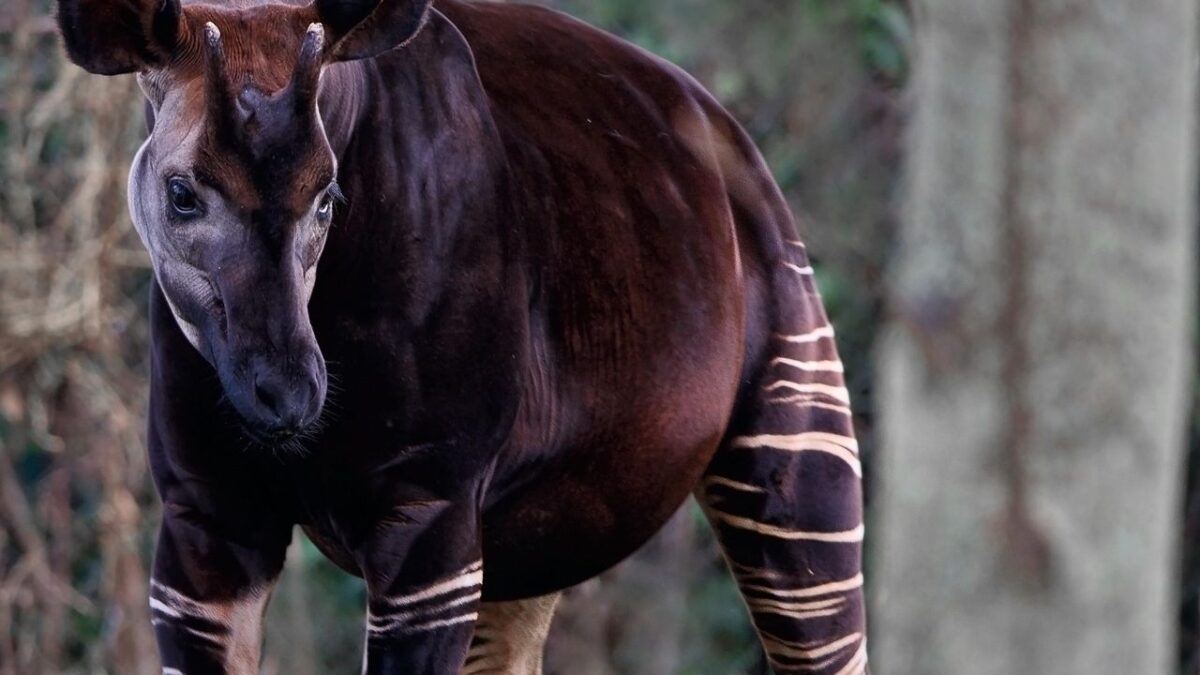
The okapi blends zebra stripes with a giraffe like frame, living deep in Congo forests where it browses quietly on leaves. This steady, grounded presence aligns with Taurus preferences for comfort and consistency over constant change.
Its elusive nature in dense vegetation reflects a Taurus tendency to keep certain comforts private until trust is earned. Conservation efforts highlight how protecting such steady presences benefits entire ecosystems around them.
Gemini and the Axolotl
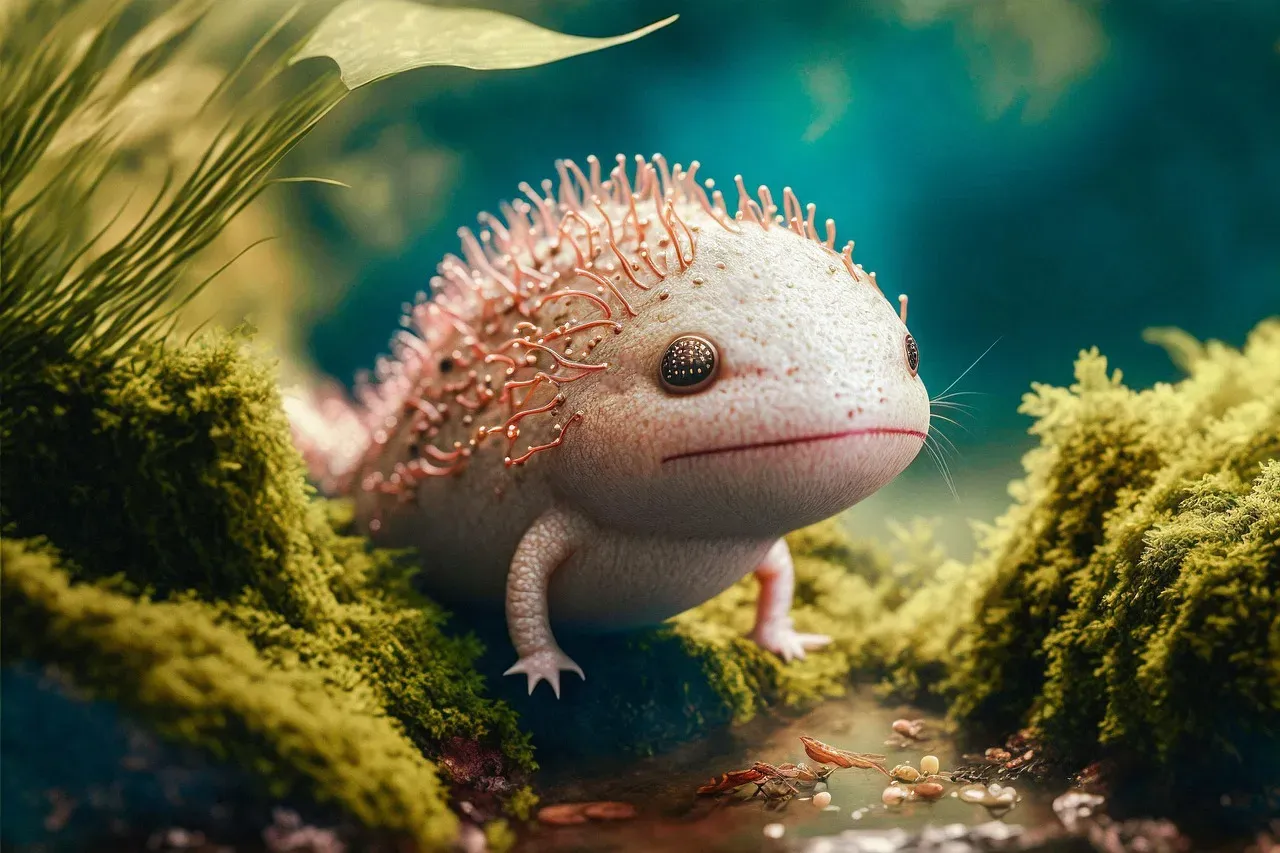
Axolotls retain youthful features into adulthood and regenerate lost limbs with remarkable ease. Their dual life in water and their adaptable traits echo Gemini curiosity and quick shifts between interests or ideas.
These salamanders thrive in specific Mexican lakes yet face threats from urban growth, showing how versatile spirits still need the right environment to flourish. Their playful appearance often surprises observers who expect more conventional forms.
Cancer and the Vaquita
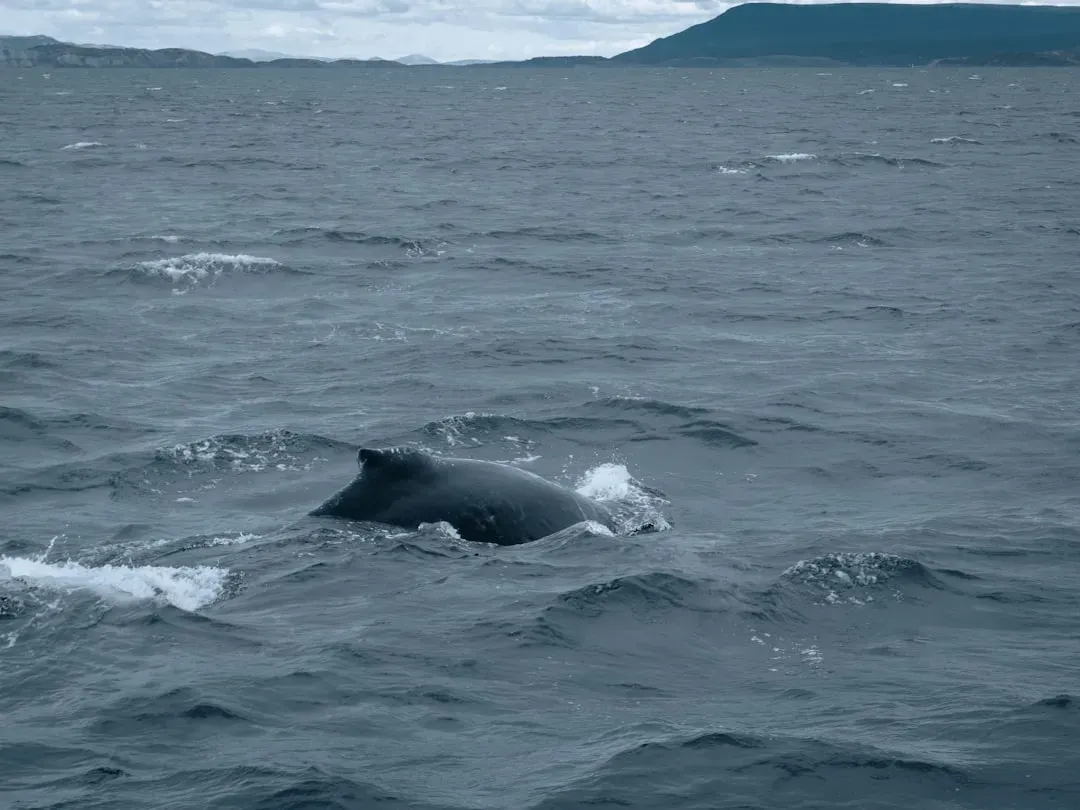
The vaquita, a small porpoise found only in the Gulf of California, stays close to family groups while navigating shallow waters. Its protective instincts and preference for familiar surroundings parallel Cancer emphasis on home and emotional security.
With fewer than twenty individuals remaining, the species illustrates how deeply felt connections can face external pressures. Gentle movements through familiar currents suggest a quiet resilience that values safety above all.
Leo and the Amur Leopard
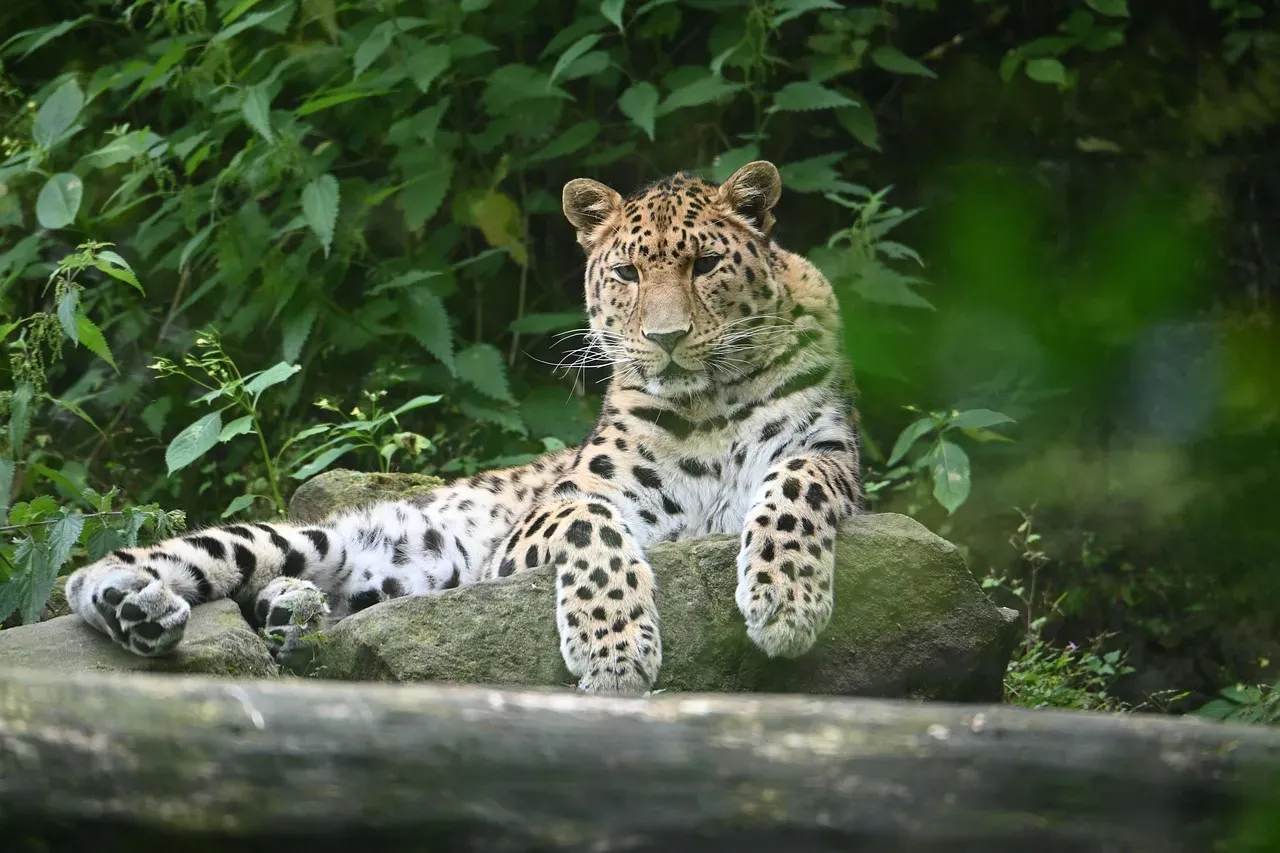
Amur leopards prowl the temperate forests of the Russian Far East with a commanding presence and striking coat patterns. Their solitary yet striking appearance fits Leo tendencies toward leadership and natural charisma that draws attention.
These cats maintain territories with clear boundaries, much like a Leo who values recognition while still needing space to recharge. Population recovery programs show how visibility can aid survival when paired with careful protection.
Virgo and the Kakapo
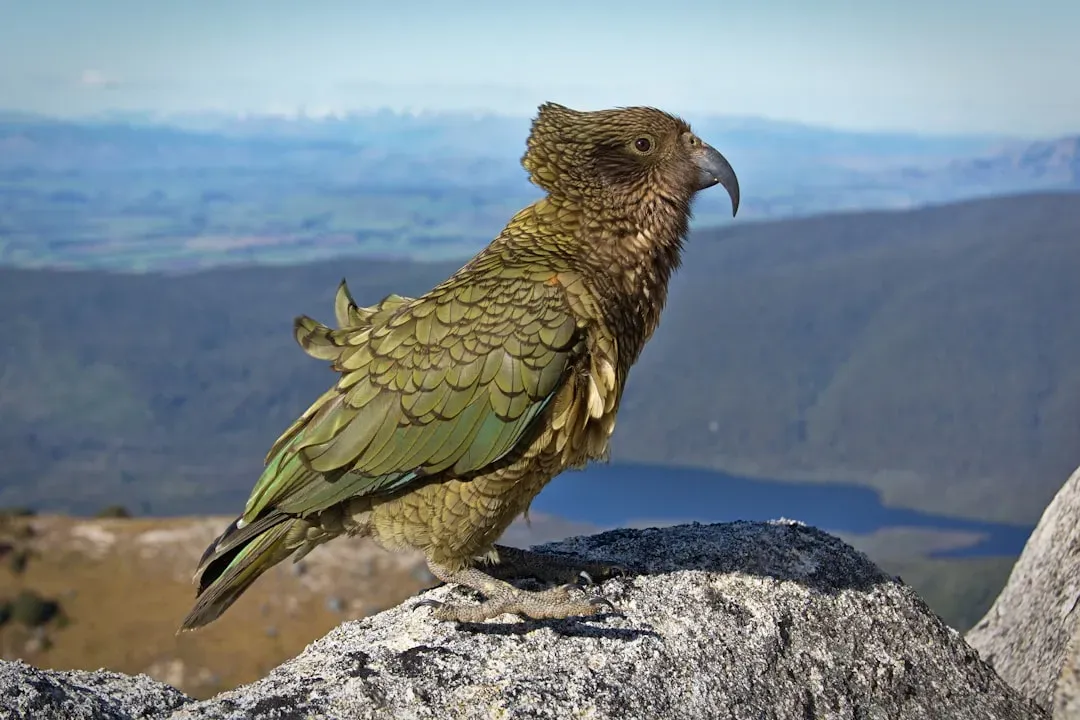
The kakapo, a flightless parrot from New Zealand, spends nights foraging methodically across the forest floor. Its careful, detail oriented approach to finding food resonates with Virgo focus on precision and thoughtful routines.
Conservation teams monitor each bird closely because the species reproduces slowly, highlighting how meticulous care supports long term stability. Their nocturnal habits keep them out of sight yet essential to their island ecosystems.
Libra and the Red Panda
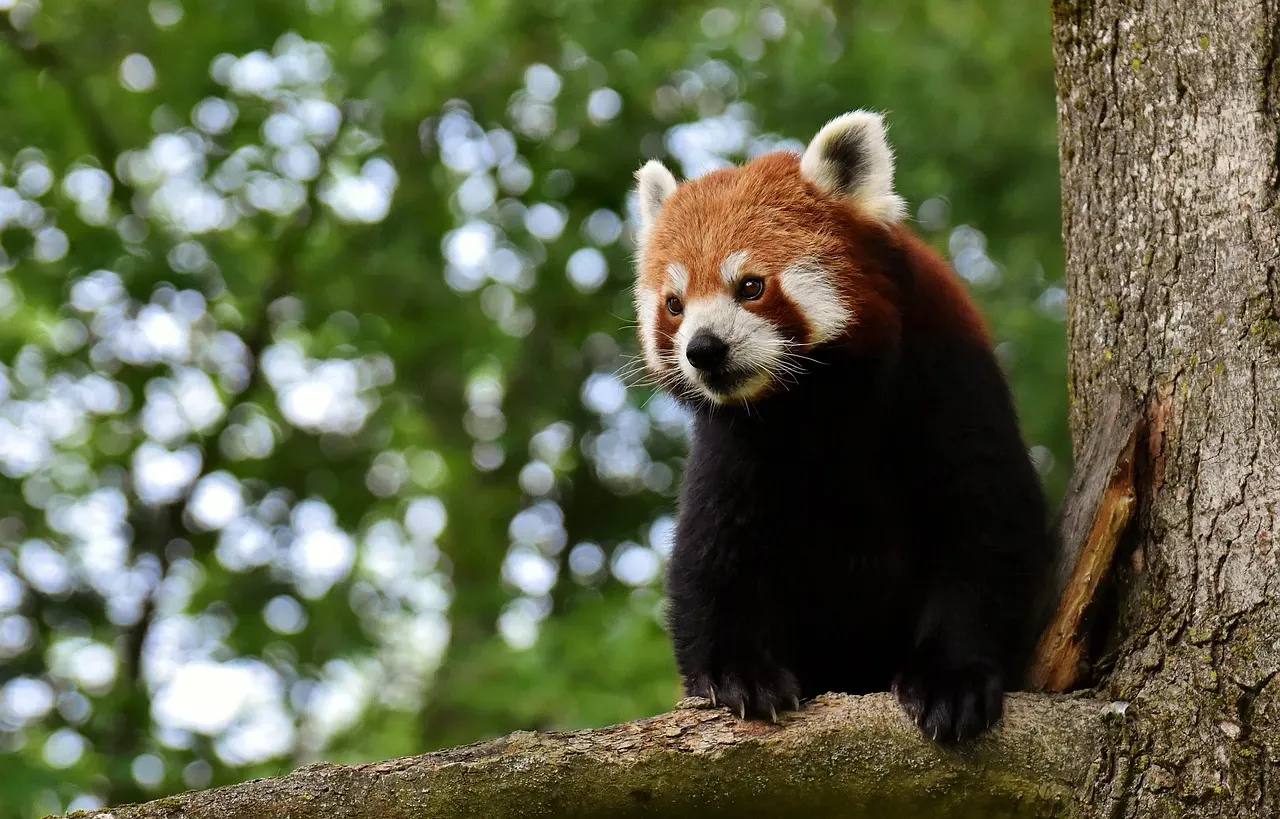
Red pandas balance on slender branches while selecting the ripest bamboo shoots with apparent ease. Their graceful movements and preference for harmony in small groups reflect Libra appreciation for balance and pleasant surroundings.
These animals maintain social bonds without losing individual space, much as Libra seeks fairness in relationships. Habitat fragmentation has reduced their numbers, reminding observers that equilibrium requires ongoing attention.
Scorpio and the Pangolin
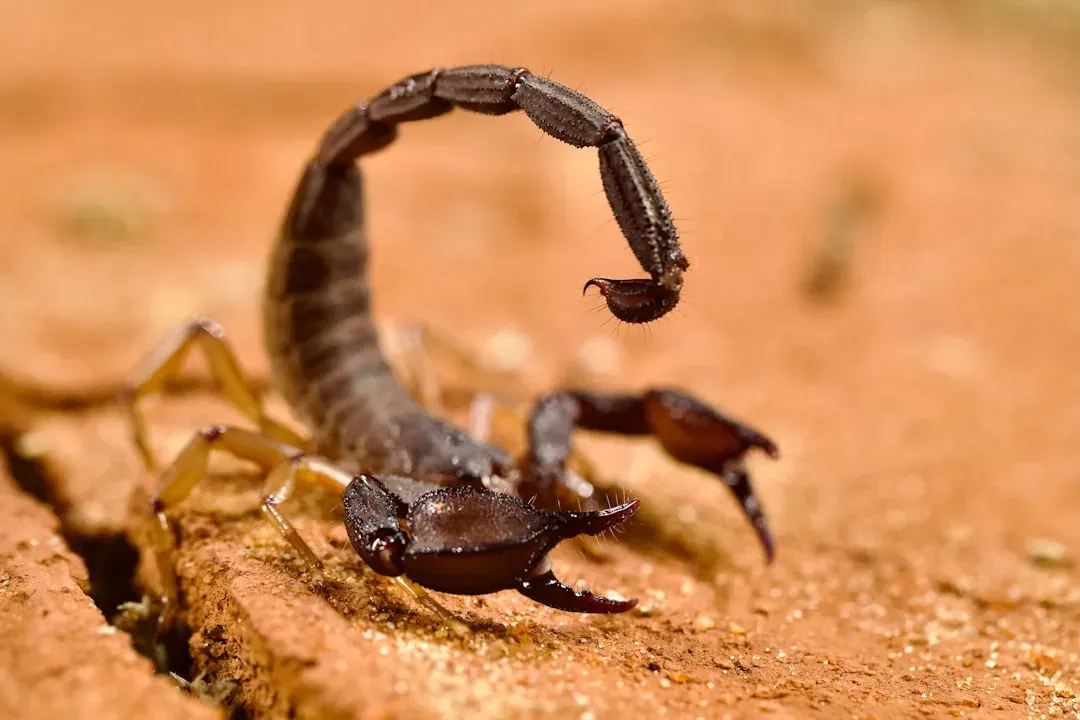
Pangolins curl into armored balls when threatened, revealing little until they feel secure again. Their secretive lifestyle and strong defensive instincts align with Scorpio depth and protective instincts around personal boundaries.
These mammals roam African and Asian landscapes at night, uncovering insects with specialized tongues. Their rarity stems partly from illegal trade, underscoring the value of respecting hidden strengths rather than forcing exposure.
Sagittarius and the Philippine Eagle
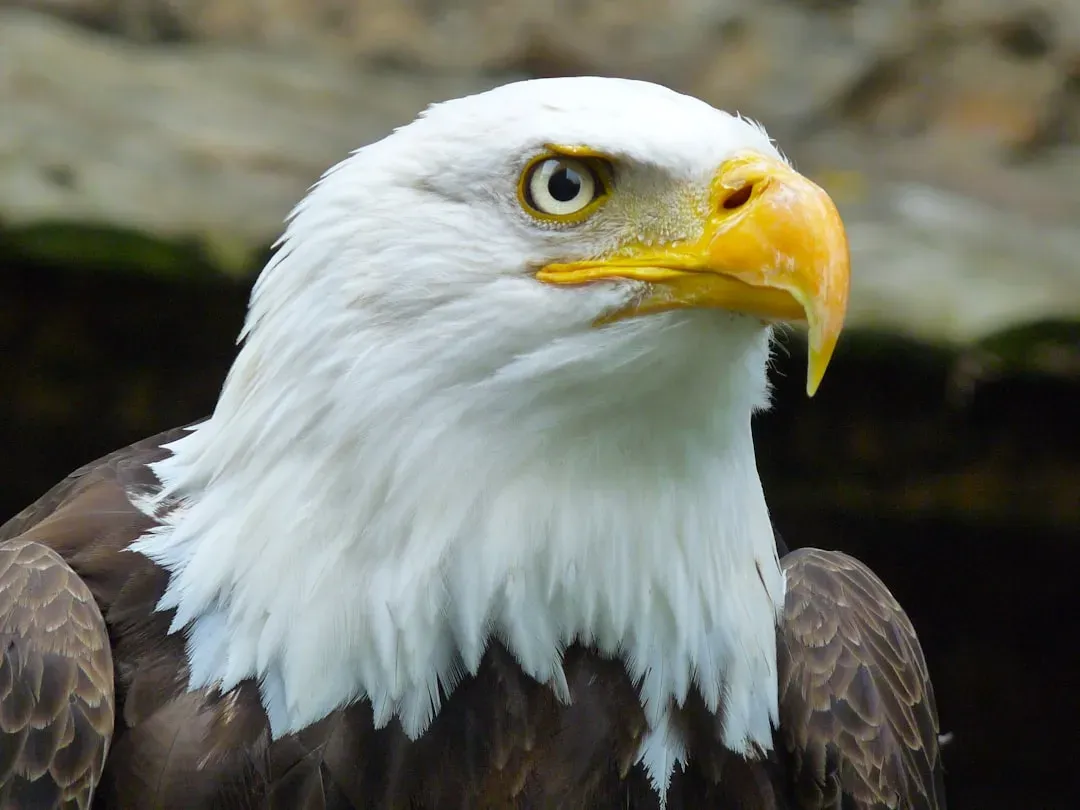
The Philippine eagle soars over rainforests with broad wings and keen vision, covering vast distances in search of prey. Its adventurous reach and preference for open skies suit Sagittarius love of exploration and big picture thinking.
Breeding pairs maintain large territories, reflecting a need for freedom within committed connections. Conservation work in remote areas shows how wide ranging spirits still depend on protected spaces to thrive.
Capricorn and the Iberian Lynx
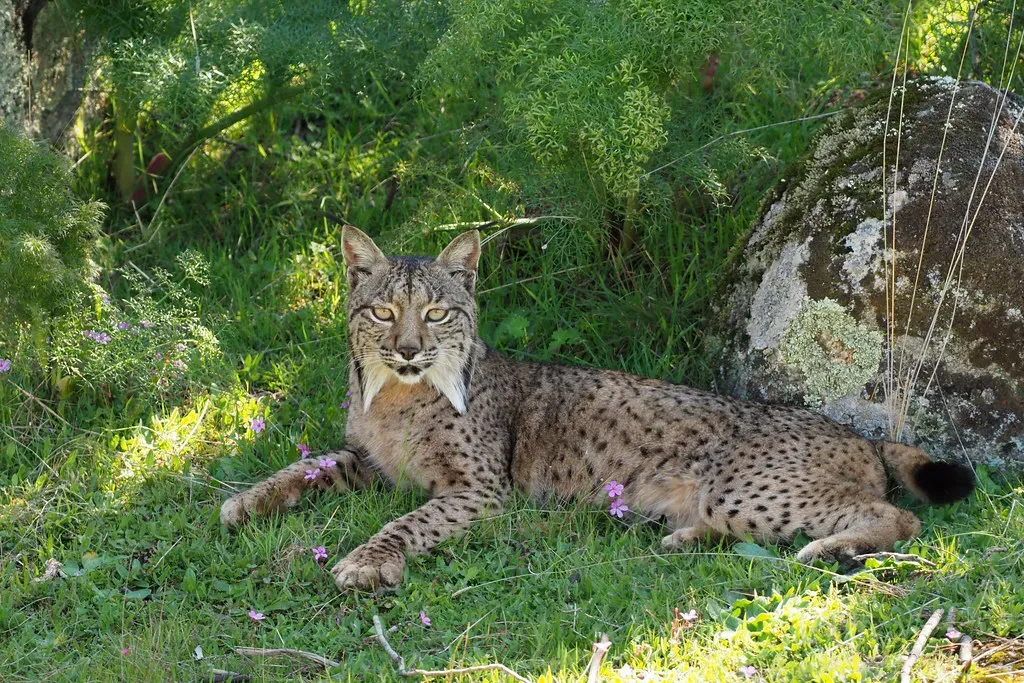
The Iberian lynx hunts with patient precision across Spanish scrublands, relying on endurance rather than speed. Its disciplined approach to survival matches Capricorn emphasis on steady progress and long term goals.
Recovery from near extinction came through targeted habitat management and breeding programs. These cats demonstrate how focused effort can restore balance even after significant setbacks.
Aquarius and the Aye-Aye
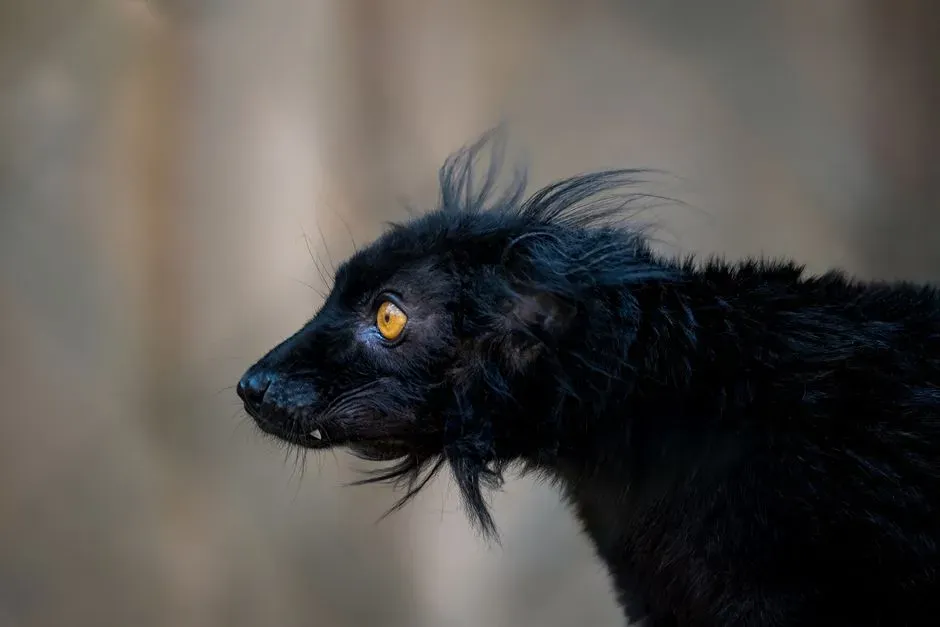
The aye-aye taps on trees with an elongated finger to locate insects, using an unusual method that sets it apart from other lemurs. Its inventive foraging style echoes Aquarius interest in unconventional ideas and forward thinking solutions.
Native to Madagascar, these nocturnal primates often face misunderstanding due to their appearance. Their persistence in unique niches illustrates how originality can sustain life when environments shift.
Pisces and the Blobfish
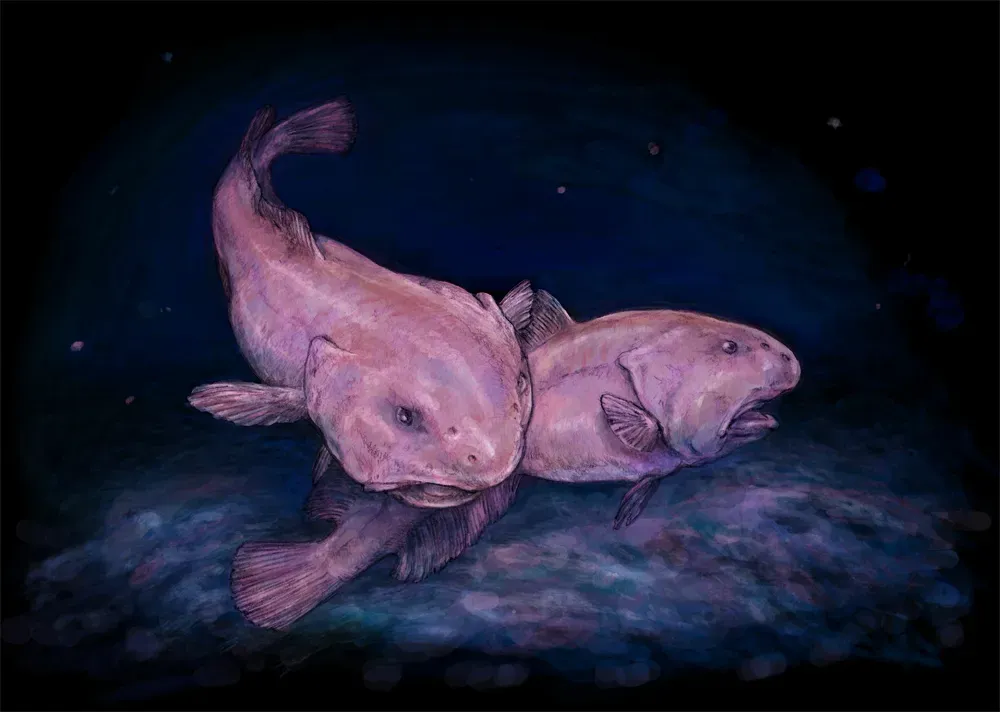
The blobfish lives at extreme ocean depths where pressure shapes its gelatinous form into something almost unrecognizable at the surface. Its adaptable existence in harsh conditions parallels Pisces sensitivity and ability to flow with changing circumstances.
Few creatures endure such isolation yet remain part of vital deep sea communities. Their understated presence reminds observers that quiet adaptability often sustains life where flashier traits would falter.
These pairings offer one playful lens on zodiac traits through the lives of animals that rarely cross human paths. They encourage noticing small parallels without claiming any fixed truth.
Ultimately the exercise highlights how both people and wildlife adapt in distinctive ways, suggesting that curiosity about either can deepen respect for the other.

- The Wild Animal Each Zodiac Sign Would Become Under Pressure - August 5, 2026
- The Desert Town in Nevada Slowly Being Buried by Moving Sand - August 5, 2026
- Do Animals Feel Emotions Like Humans? New Studies Reveal Surprising Truths - August 5, 2026