
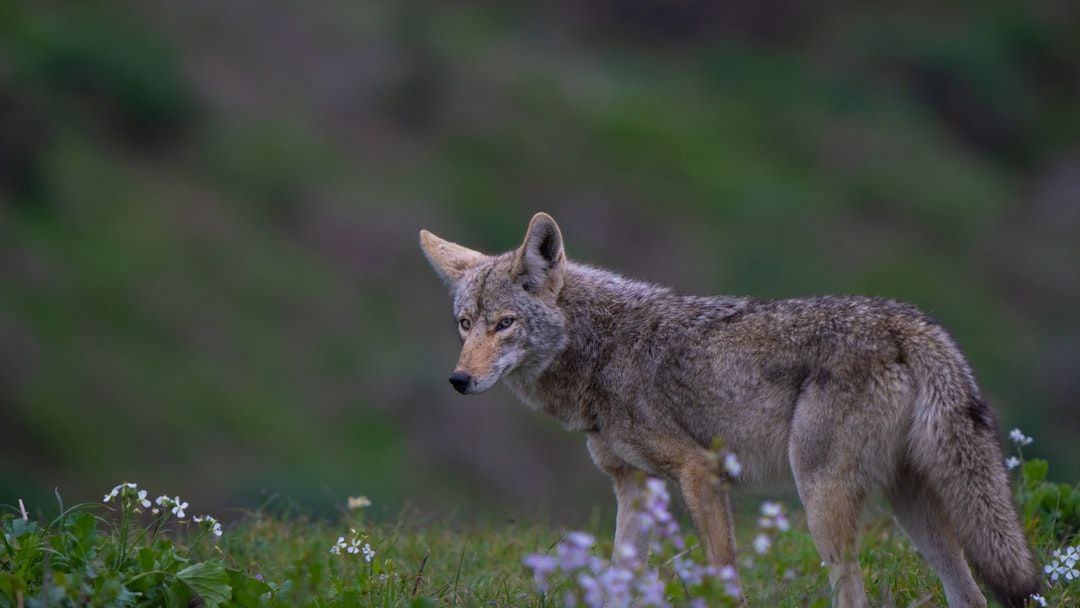
The Flexible Nature of Coyote Activity Patterns
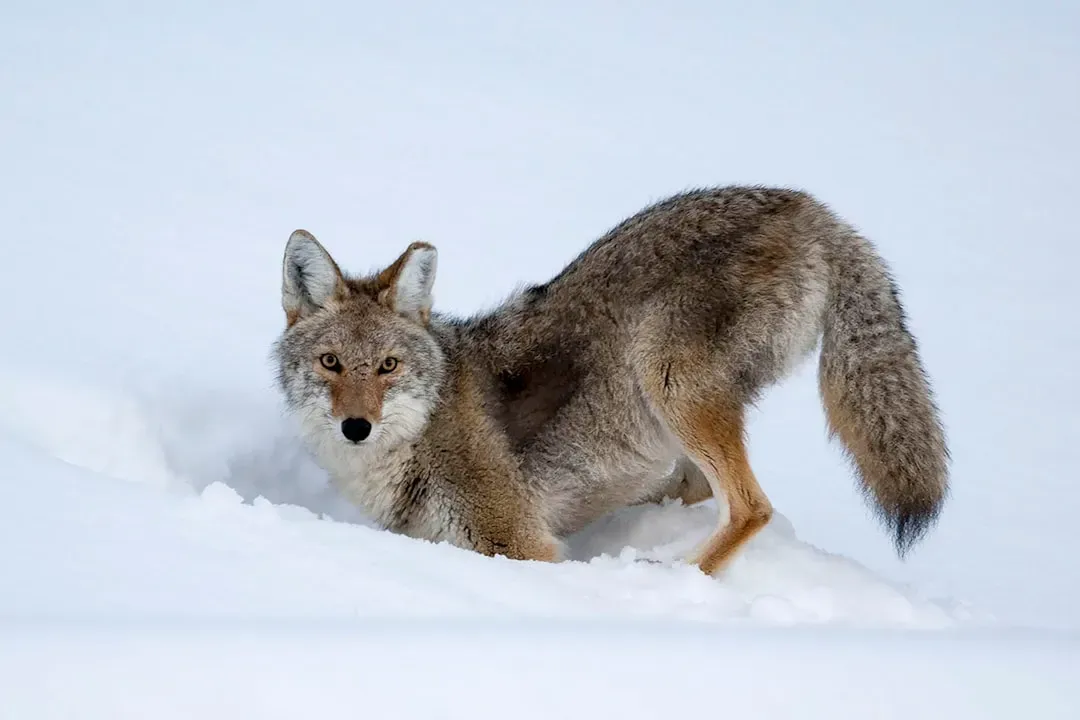
Coyotes do not stick to a single schedule. They are cathemeral, meaning they can be active at any time of day or night depending on conditions around them. This flexibility helps them survive in varied environments where prey and threats change constantly.
In places with little human interference, they often hunt openly during daylight hours. They follow prey movements or take advantage of better visibility for spotting small rodents and rabbits. Such behavior shows how their instincts adjust rather than follow a rigid nocturnal rule.
Urban Adaptation and Human Presence
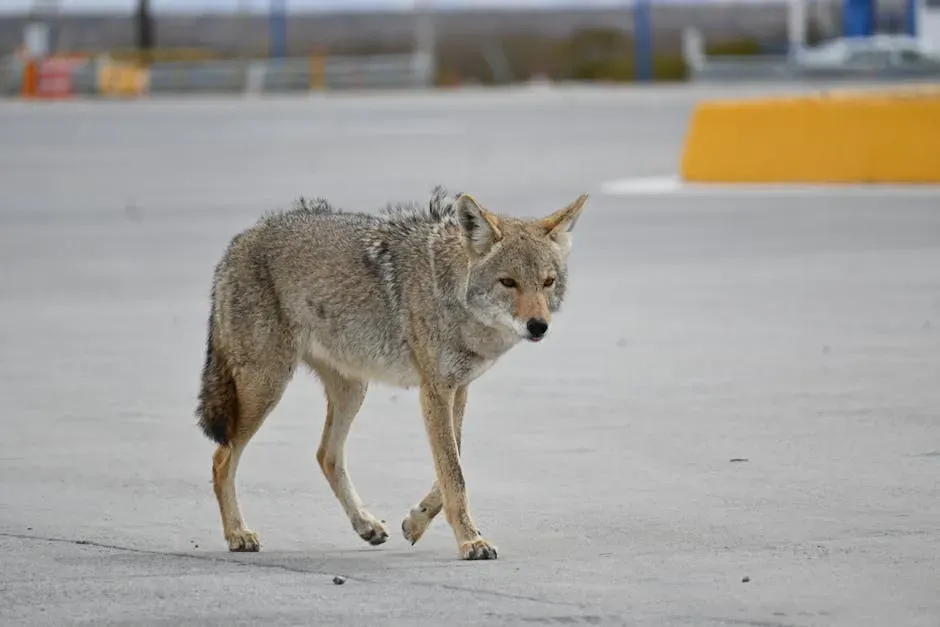
California cities and suburbs offer abundant food sources that pull coyotes into developed areas. When humans are active, many coyotes shift toward nighttime travel to reduce encounters. Still, daytime activity persists in spots where people have grown accustomed to their presence or where food draws them out regardless.
Habituation plays a role here. Coyotes that learn to associate neighborhoods with easy meals may lose some wariness and appear during the day. This pattern appears more often in regions like Southern California where urban sprawl meets natural habitat edges.
Seasonal Influences Like Breeding and Pup Rearing
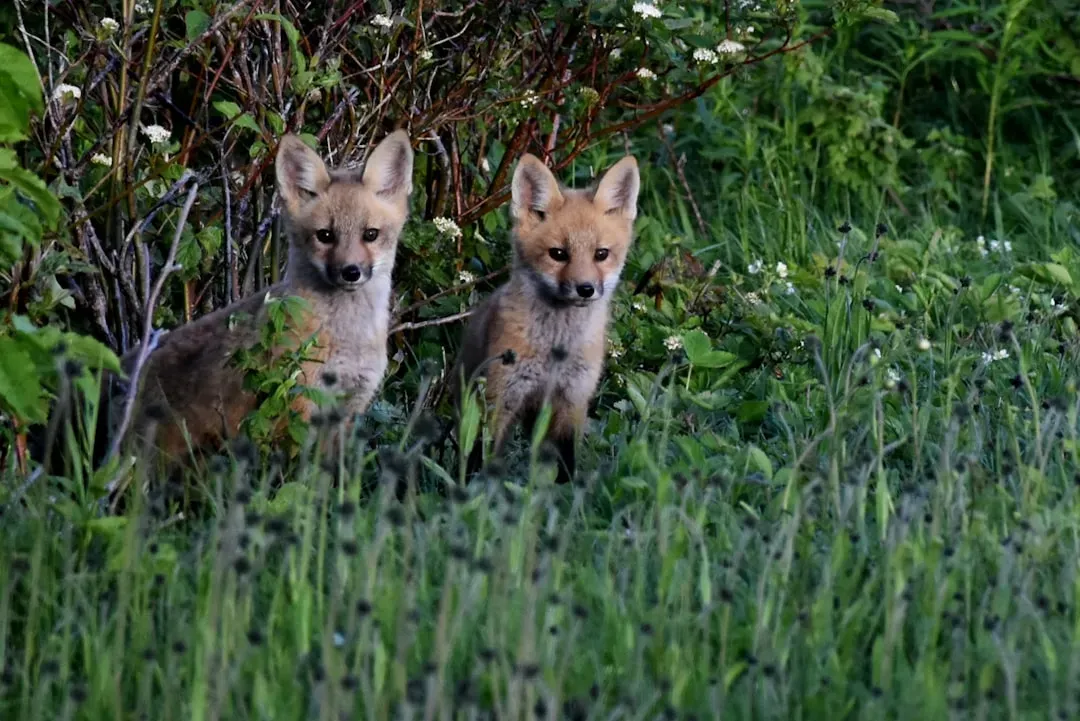
Breeding season from January through March brings increased movement and visibility. Coyotes search for mates and defend territories, which can push them into daylight hours. Vocalizations rise during this period, making their presence more noticeable even in residential zones.
Once pups arrive, parents face higher food demands. They hunt more frequently and at different times to feed growing young. This extra effort often leads to daytime forays, especially when natural prey is active or when supplemental sources appear nearby.
Food Availability and Opportunistic Hunting
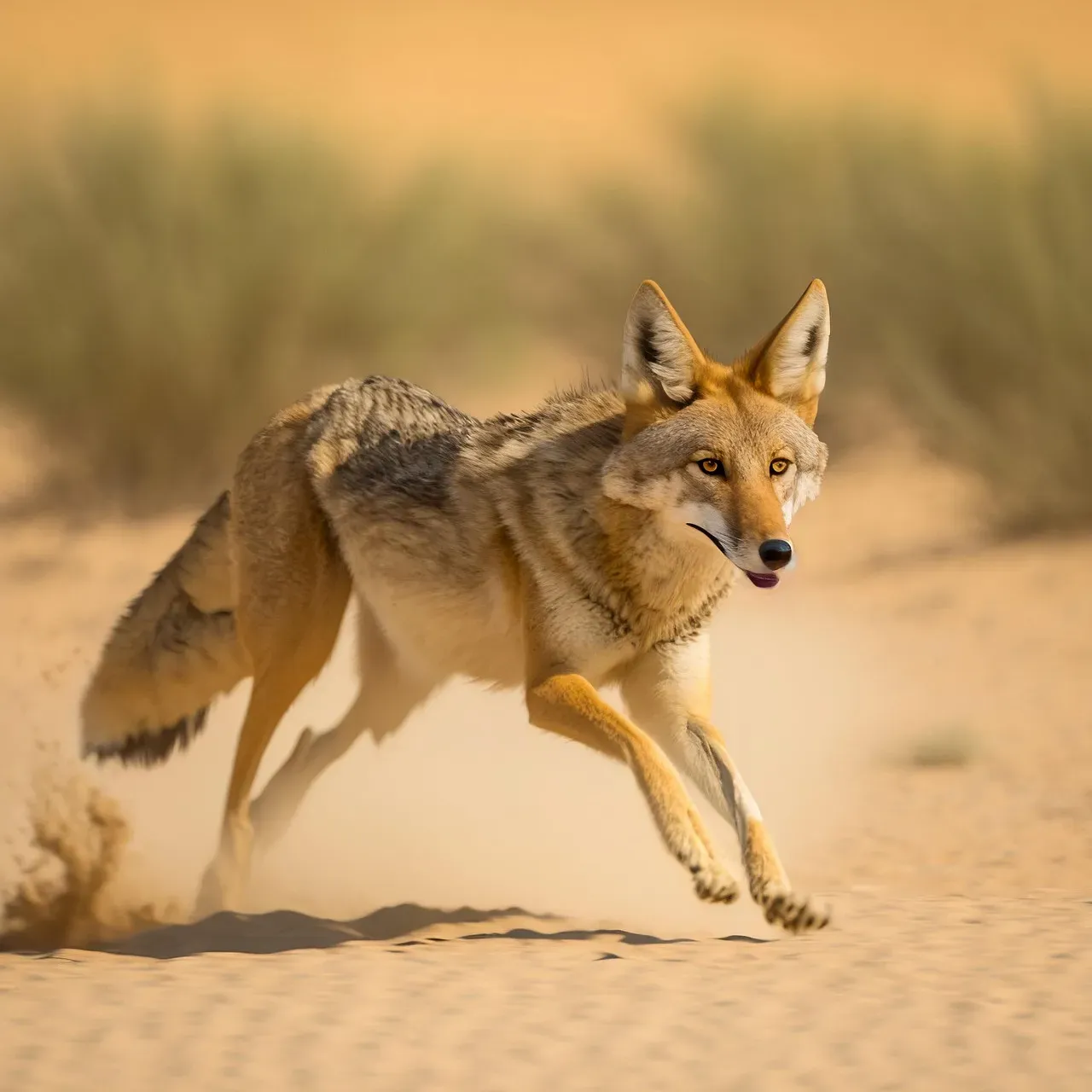
Coyotes are skilled opportunists that eat whatever is easiest to find. Rodents, insects, fruit, and even pet food left outdoors become targets. When these resources appear during daylight, the animals adjust their timing to match.
In rural parts of the state, they sometimes trail farm equipment to catch disturbed voles or other small animals. This practical approach to hunting shows why daylight activity makes sense when conditions favor it over waiting for night.
Habitat Differences Across California Regions
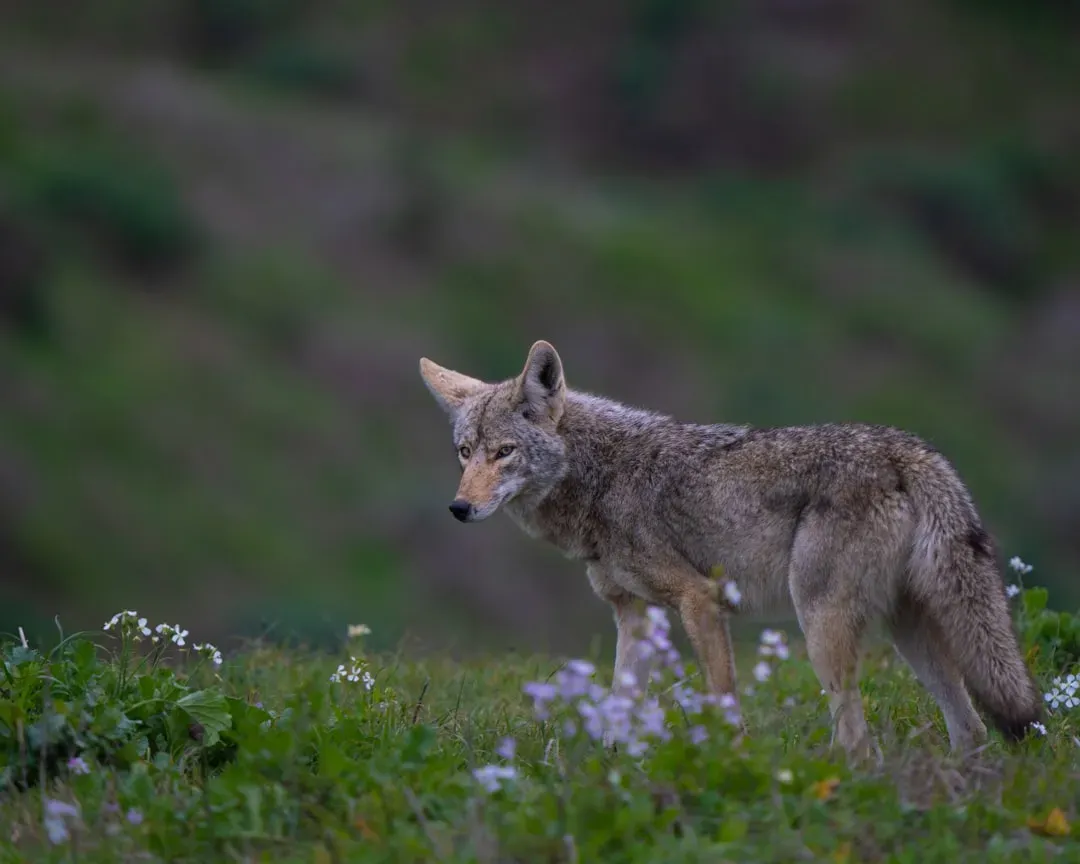
Coastal and mountain areas present different pressures than the Central Valley or deserts. In less disturbed wildlands, coyotes maintain more balanced day and night patterns. Urban interfaces, by contrast, encourage shifts that minimize conflict with people.
Statewide observations confirm that sightings occur at all hours. The mix of open spaces, parks, and backyard edges creates opportunities for daytime hunting wherever prey remains available and risks stay low.
Behavioral Shifts Due to Disturbance
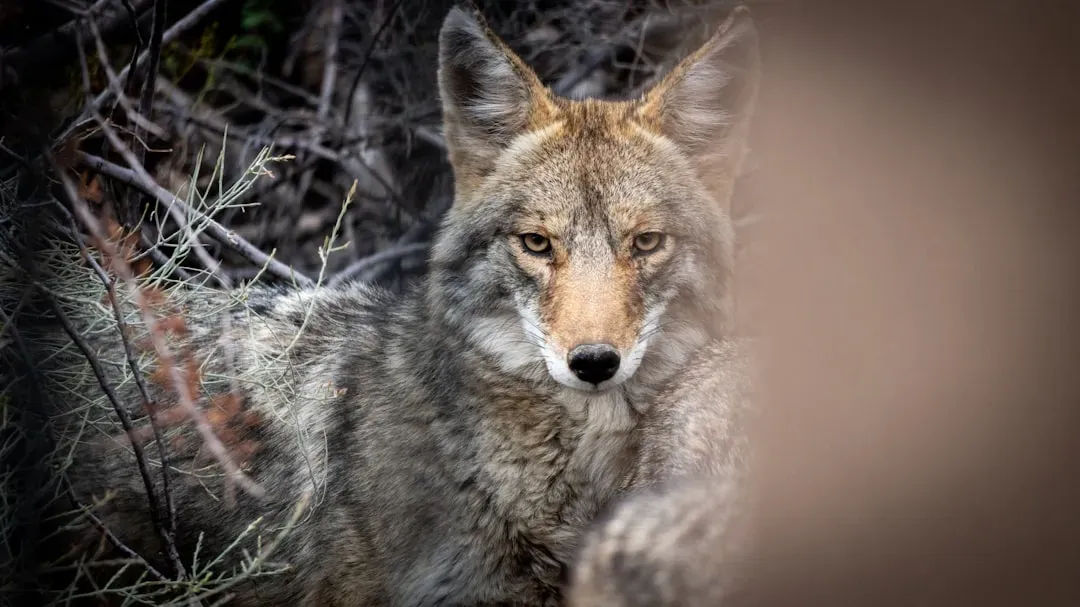
Human activity, including occasional harassment or control efforts, can push coyotes toward nocturnal habits in some locations. Yet the opposite also occurs when disturbance stays minimal. Animals in quieter zones continue or even increase daytime foraging.
Research from protected areas like national recreation zones shows that coyotes remain active during daylight when they feel secure. This contrast highlights how local conditions shape their choices more than any fixed biological clock.
Implications for Coexistence and Future Observations
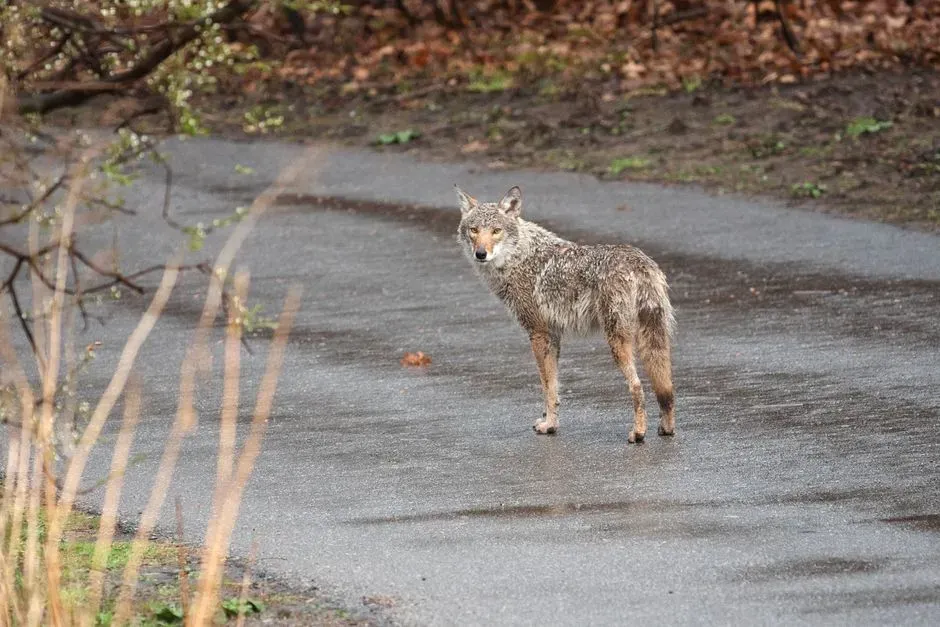
Understanding these patterns helps residents appreciate coyotes as adaptable neighbors rather than strict night prowlers. Daytime sightings often reflect normal survival strategies instead of unusual boldness or illness. Paying attention to seasonal peaks and local food sources can reduce unnecessary alarm.
Looking ahead, continued urban growth will likely keep these interactions common. The real takeaway is that coyotes respond to their surroundings with remarkable practicality. Respecting that adaptability offers the best path for sharing space without conflict.

- 7 Reasons Mountain Lions Avoid Humans More Often Than They Approach - August 6, 2026
- 8 Incredible Places in the US Where Wild Horses Roam Free - August 6, 2026
- Meet the Shoebill Stork, the Bird That Looks Almost Prehistoric - August 6, 2026