
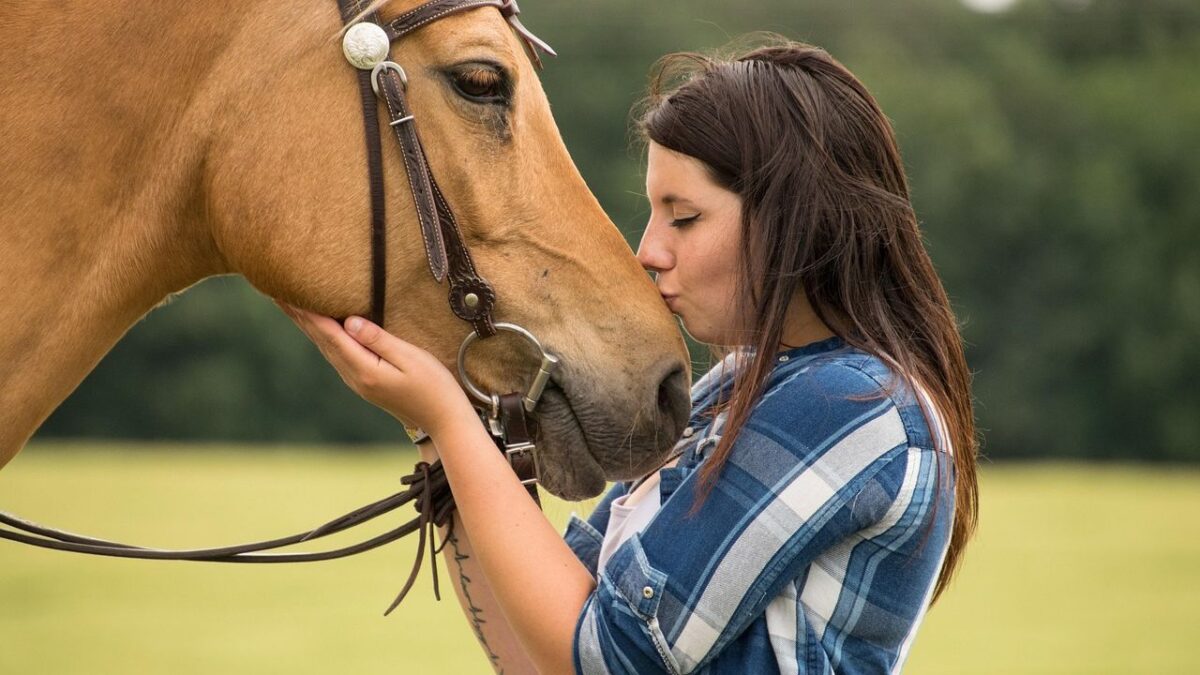
The Value of Waiting for Readiness
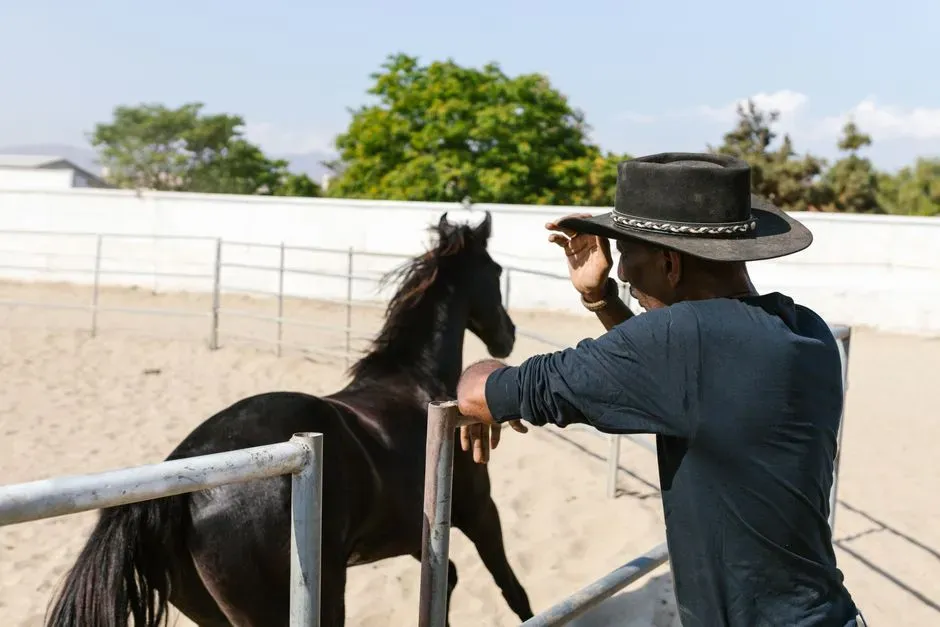
Horses rarely rush into anything new. They assess their surroundings and the person asking something of them before committing. This natural pause reminds us that forcing progress often backfires.
Trainers learn to match the horse pace rather than impose their own timeline. Over time that approach builds stronger partnerships. The same principle applies when learning a skill or navigating a difficult conversation at work.
Staying Grounded in the Present Moment
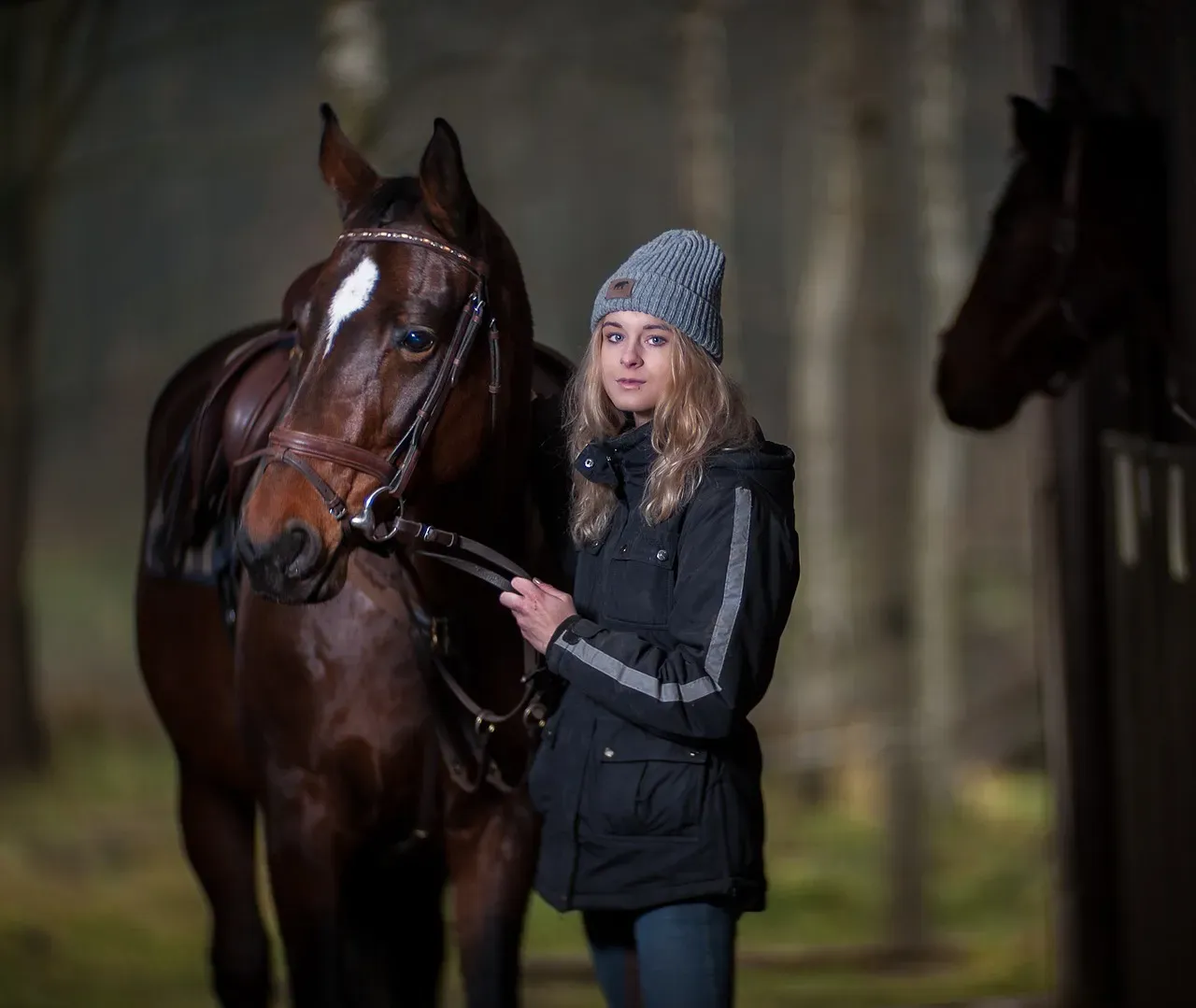
A horse does not dwell on yesterday or worry about tomorrow. Its attention stays fixed on what is happening right now, from the feel of the wind to the shift in a handler posture. That focus creates a calm that humans often struggle to maintain.
Being with a horse encourages you to notice small details like breathing patterns or ear movements. Those observations pull the mind away from scattered thoughts. The result is a steadier sense of where you actually are.
Reading Subtle Signals With Care
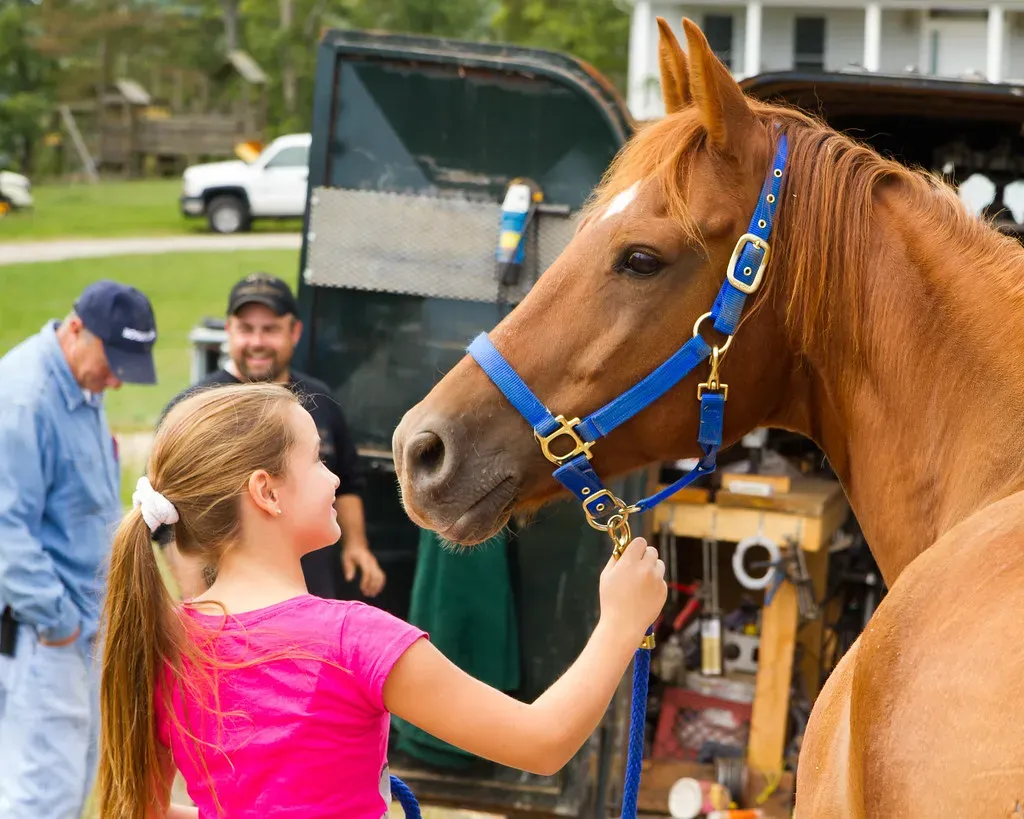
Horses communicate through tiny changes in posture and expression. Missing those cues can lead to misunderstandings or tension. Paying close attention trains the eye to catch what words often miss.
This skill transfers directly to human interactions. Colleagues or family members send similar quiet signals during meetings or meals. Learning to notice them improves connection without extra effort.
Allowing Trust to Develop Gradually
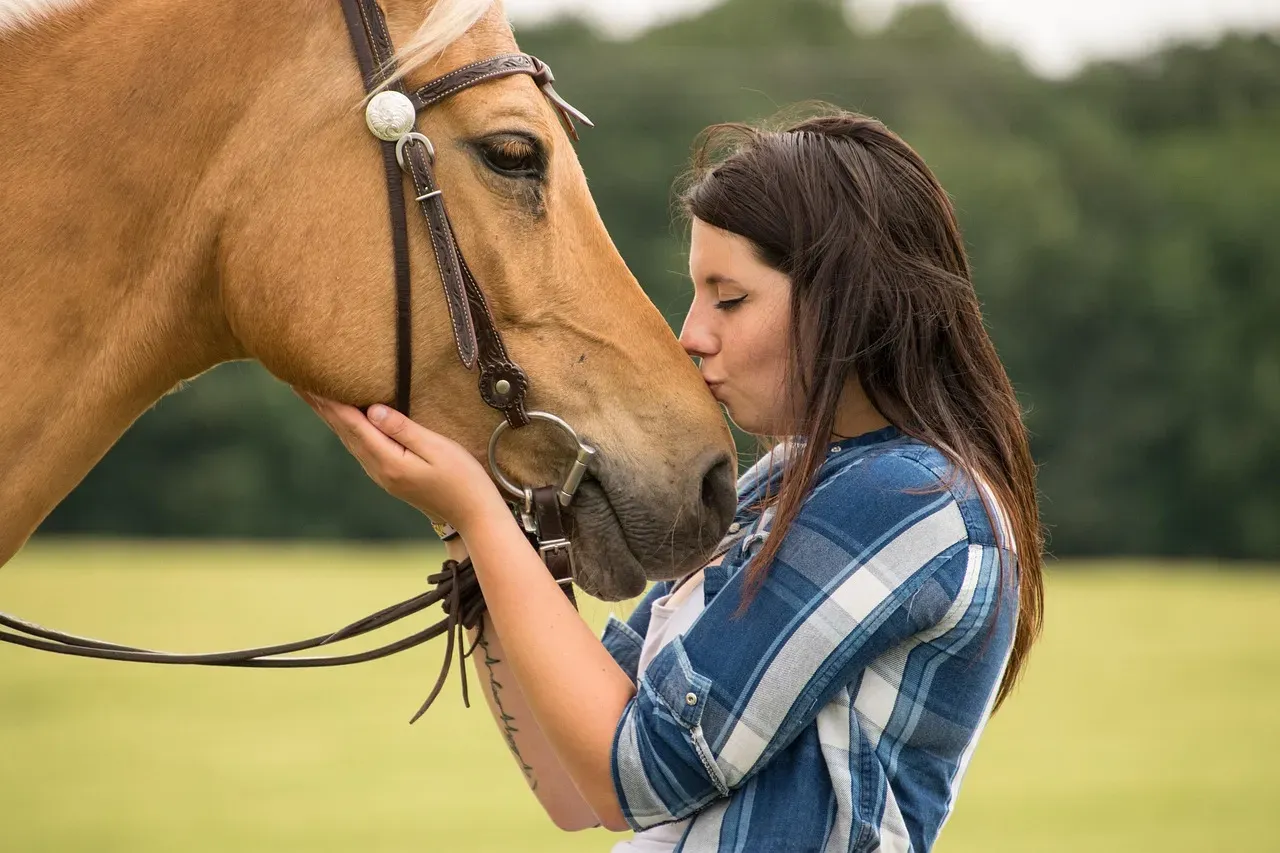
Trust with a horse cannot be demanded or rushed. It grows through repeated, reliable actions over days and weeks. Each positive encounter adds a layer that lasts.
People who work with horses often describe the process as humbling. It shows how quickly impatience can undo weeks of careful work. The same patience proves useful when repairing a strained relationship or starting a new project.
Maintaining Calm When Pressure Rises
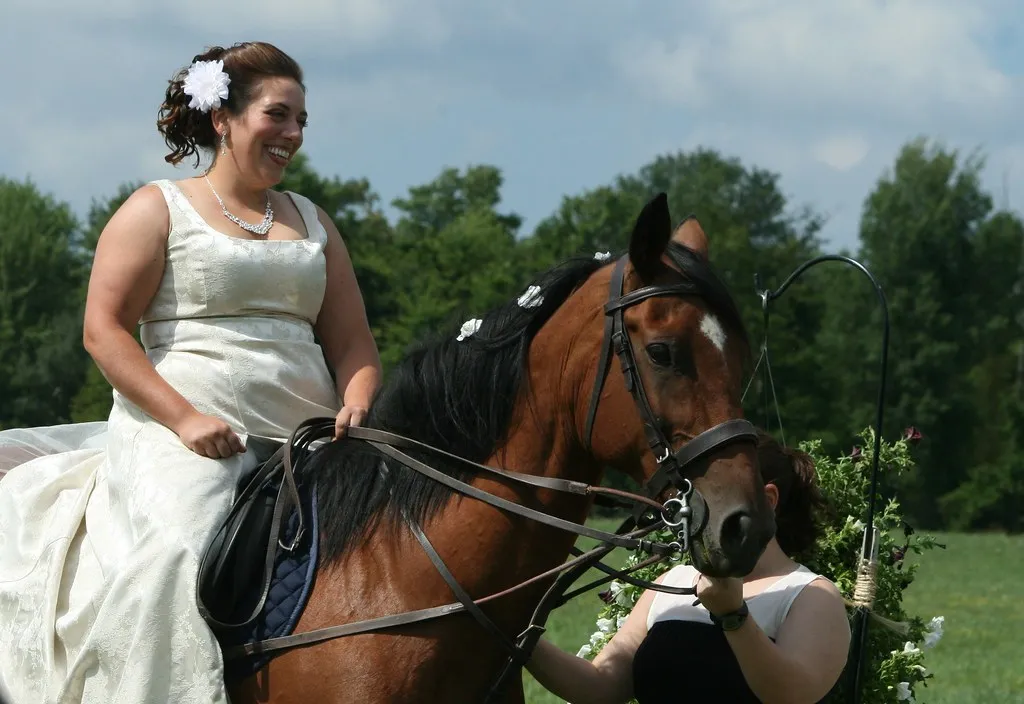
Horses sense tension immediately and mirror it back. A handler who stays steady helps the animal settle even in noisy or unfamiliar settings. That mutual regulation becomes a shared strength.
Practicing this calm around horses carries over to stressful situations elsewhere. Traffic jams or deadline crunches feel less overwhelming when the body remembers how to stay centered. The horse serves as a living reminder of that option.
Honoring Consistent Daily Effort
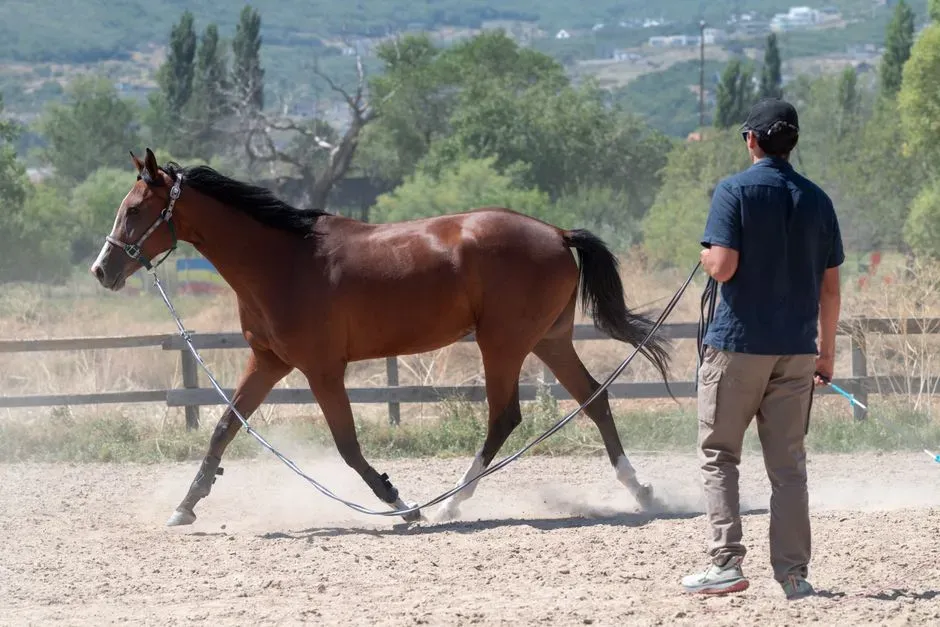
Progress with horses comes from small, steady actions rather than dramatic breakthroughs. Grooming, feeding, and groundwork done well each day create the foundation for bigger achievements later. Skipping steps rarely works out.
This rhythm encourages a similar approach to personal goals. Regular walks or short writing sessions add up faster than occasional intense bursts. Horses make the value of that consistency visible in real time.
Listening Beyond Spoken Words
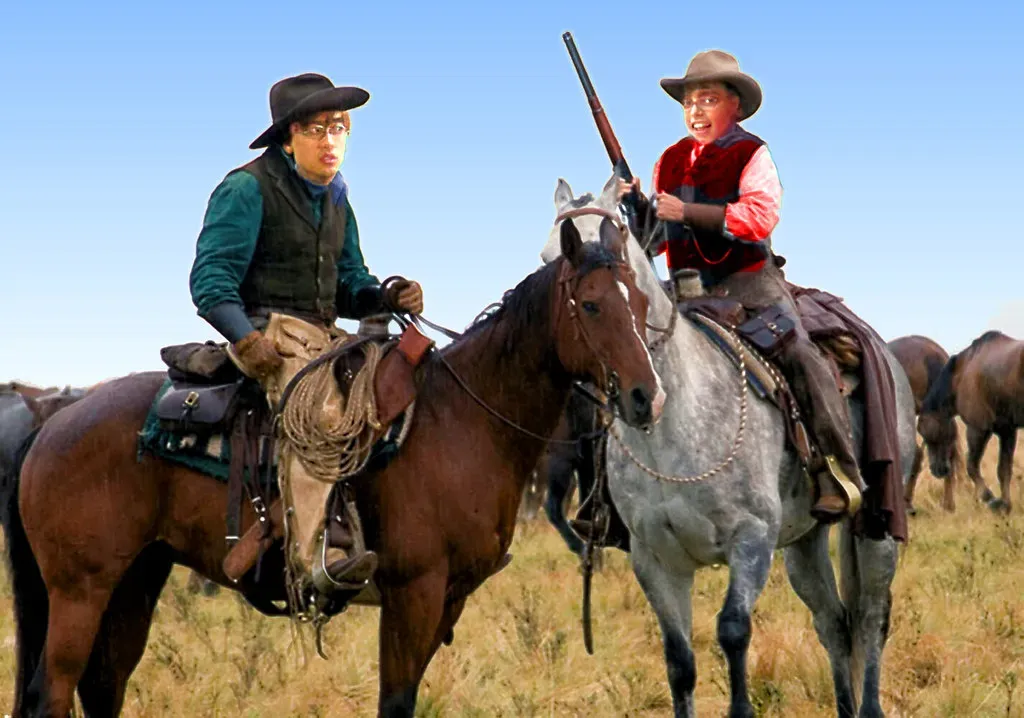
Horses respond to tone, energy, and body language more than to commands alone. A quiet voice paired with relaxed posture often achieves more than volume ever could. The animal teaches the difference between hearing and truly receiving information.
Carrying that awareness into conversations changes how meetings or family discussions unfold. People feel more heard when the listener stays fully attentive. The horse example makes the contrast clear.
Respecting Personal Boundaries
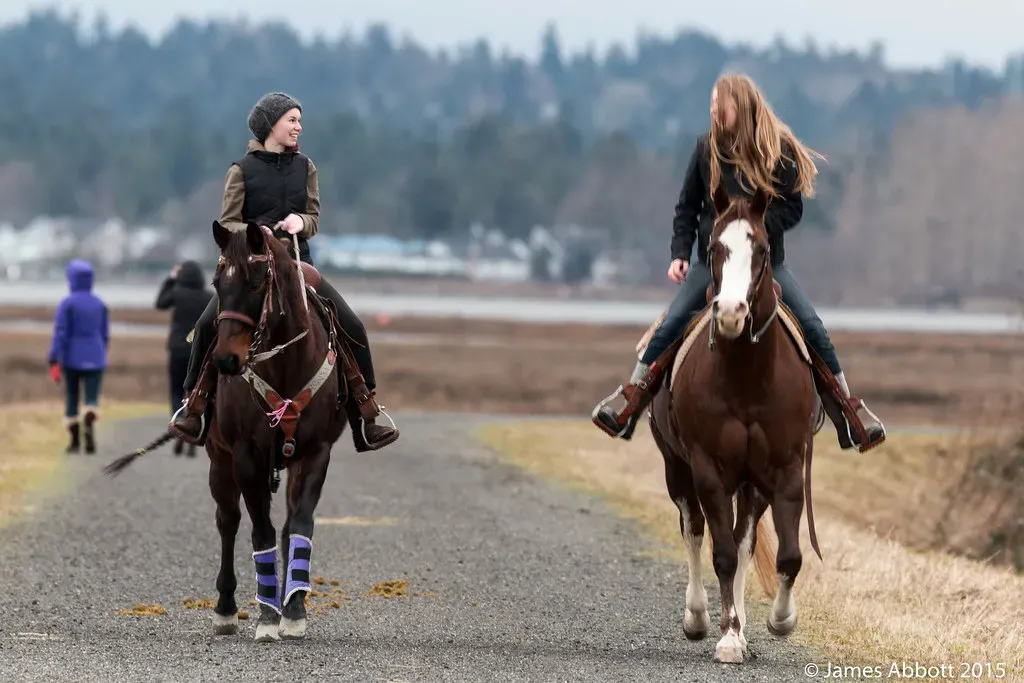
Every horse has clear limits about space and touch. Pushing past those limits creates resistance or fear. Learning to recognize and honor them builds mutual respect quickly.
The same awareness helps in human settings where people need room to process or decide. Giving that space often leads to better outcomes than pressing for immediate answers. Horses demonstrate the practical payoff of this respect.
Returning to a Centered State
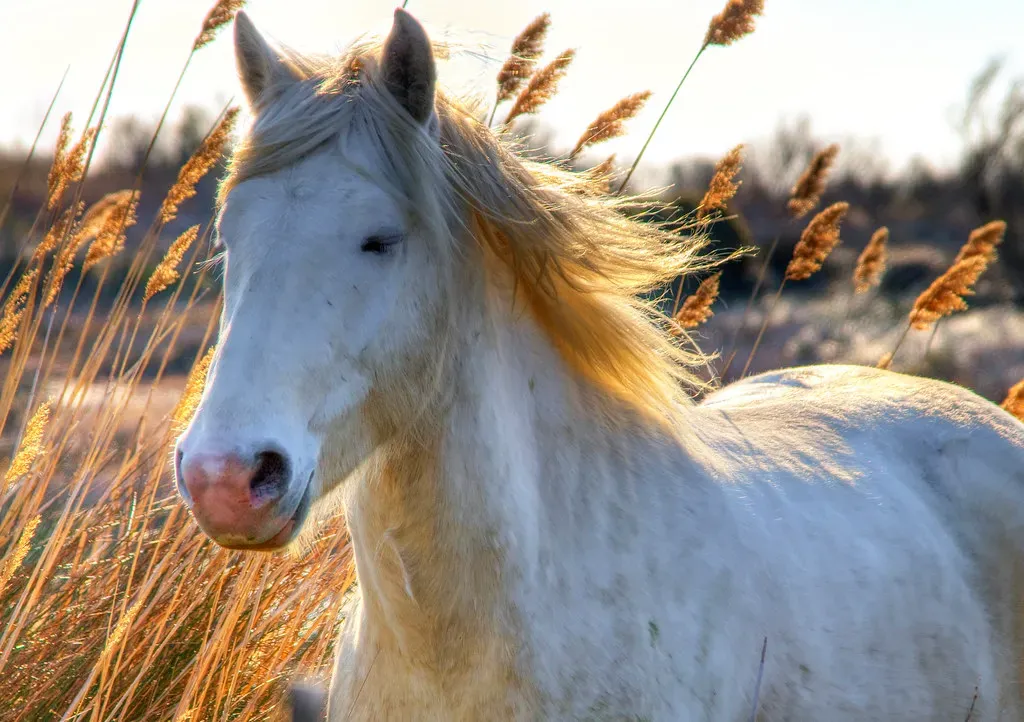
When a horse becomes unsettled it naturally seeks to regain balance through movement or stillness. It does not stay agitated longer than necessary. Watching this process offers a model for recovering from setbacks.
Handlers practice the same return to center by breathing and adjusting their own energy. The result is faster recovery for both. This cycle of disruption and restoration becomes a useful habit outside the barn as well.
Embracing Shared Vulnerability
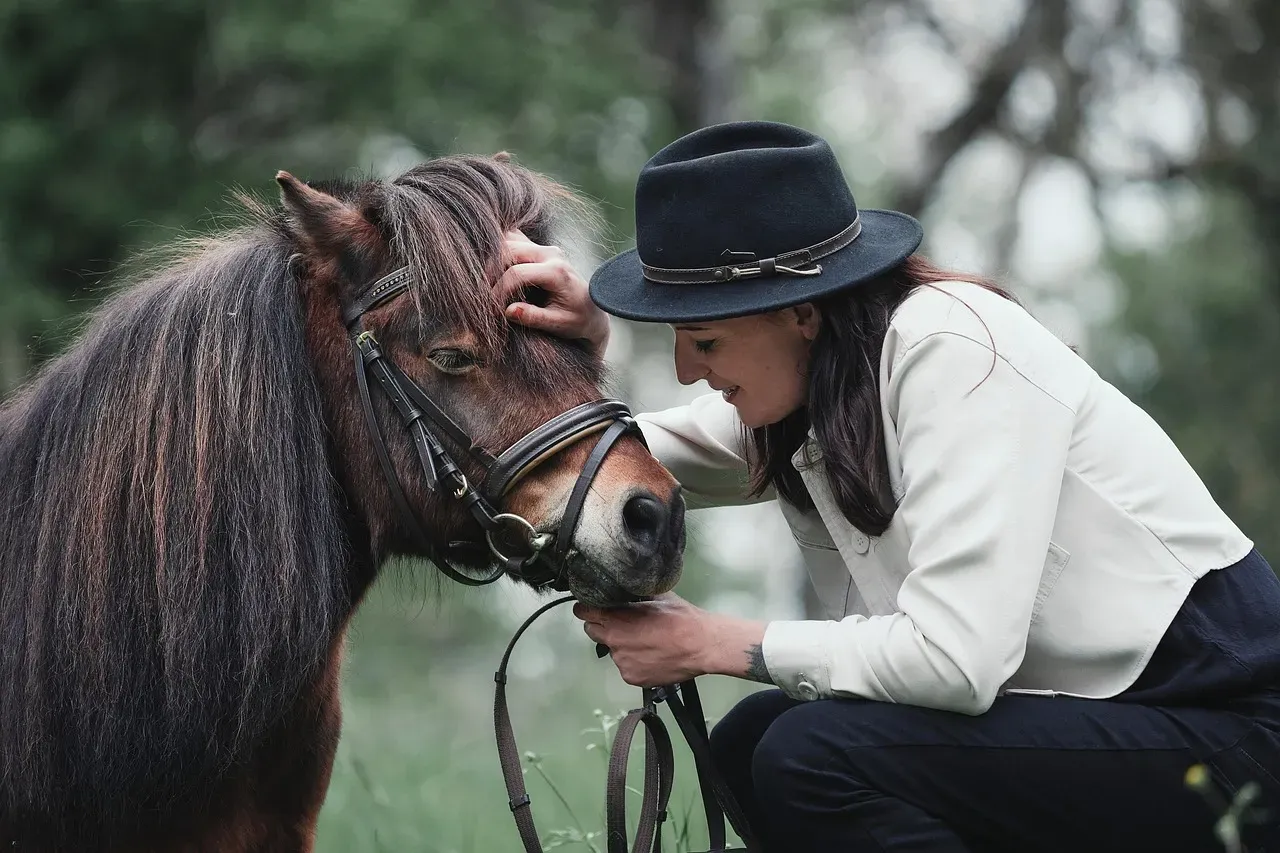
Horses and humans both carry fears and uncertainties into their interactions. Acknowledging that shared state without judgment opens the door to genuine partnership. Pretending otherwise only creates distance.
Over time this honesty leads to deeper trust and more enjoyable time together. The lesson extends to friendships and teamwork where admitting limits can strengthen rather than weaken bonds. Horses make the benefit tangible through their responses.
Spending time with horses offers more than exercise or recreation. It provides a steady mirror for qualities that modern life often overlooks. Those quiet lessons stay with you long after you leave the barn.
- 12 Animals That Can Predict Disasters (And How They Do It!) - August 8, 2026
- 11 Beautiful U.S. Destinations That Feel Strangely Untouched by Time - August 8, 2026
- Wild Horses Are Thriving Again in These 5 Western US States - August 8, 2026