
Elephants Gently Touching Remains of the Dead
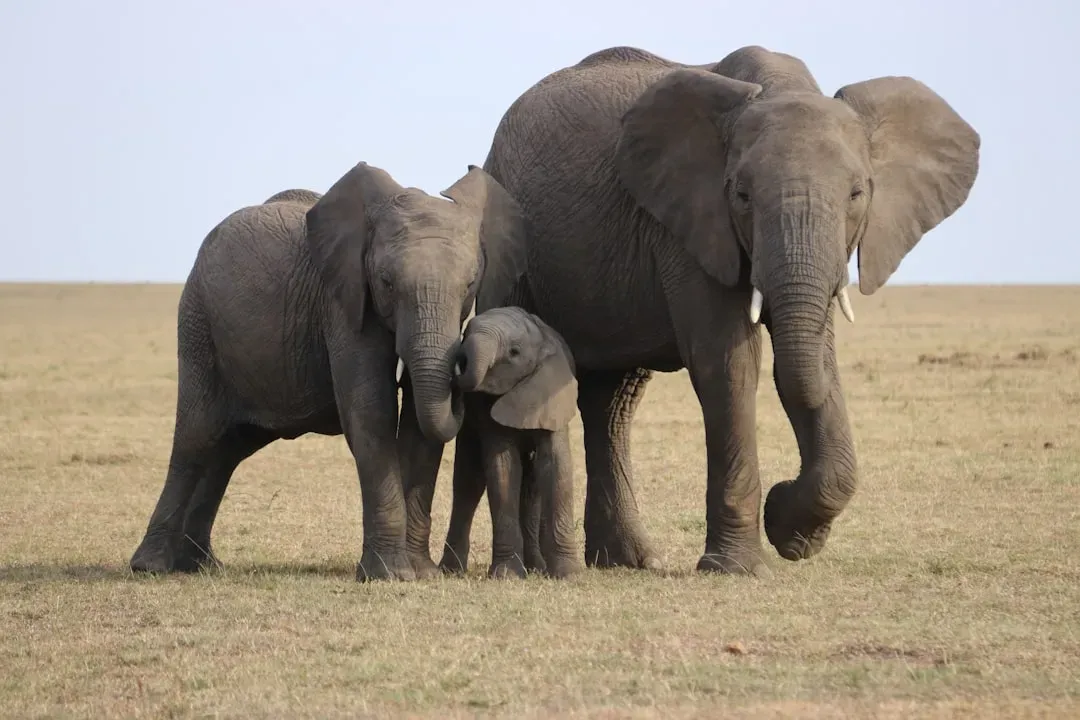
Elephants have been seen approaching the bones or bodies of deceased herd members and spending time touching them with their trunks. They sometimes carry pieces of bone or stand quietly near the site for extended periods. This behavior occurs across different groups and appears tied to specific individuals rather than random curiosity.
Researchers note that the animals may return to the same locations years later. The actions suggest a form of recognition and response to loss that goes beyond simple instinct. Such patterns appear in both wild and captive settings, adding weight to the idea that grief plays a role in their social lives.
Rats Freeing Trapped Companions at Personal Cost
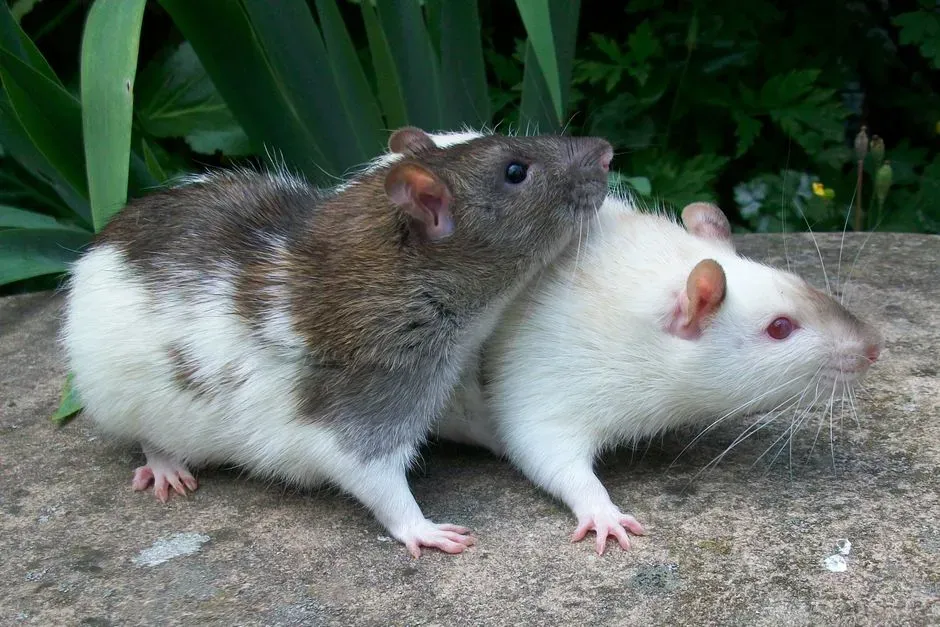
In laboratory tests, rats learned to operate a lever that released a soaked cage mate from water. They performed the action even when it meant forgoing a food reward that would otherwise drop into their own area. The helping response increased when the rescuer had prior experience with distress themselves.
Control conditions showed that rats ignored the lever when no companion was present. This selective effort points to a motivation rooted in the well being of another rather than pure self interest. The consistency across trials supports the presence of an emotional driver behind the choice.
Rats Producing Joyful Vocalizations When Tickled
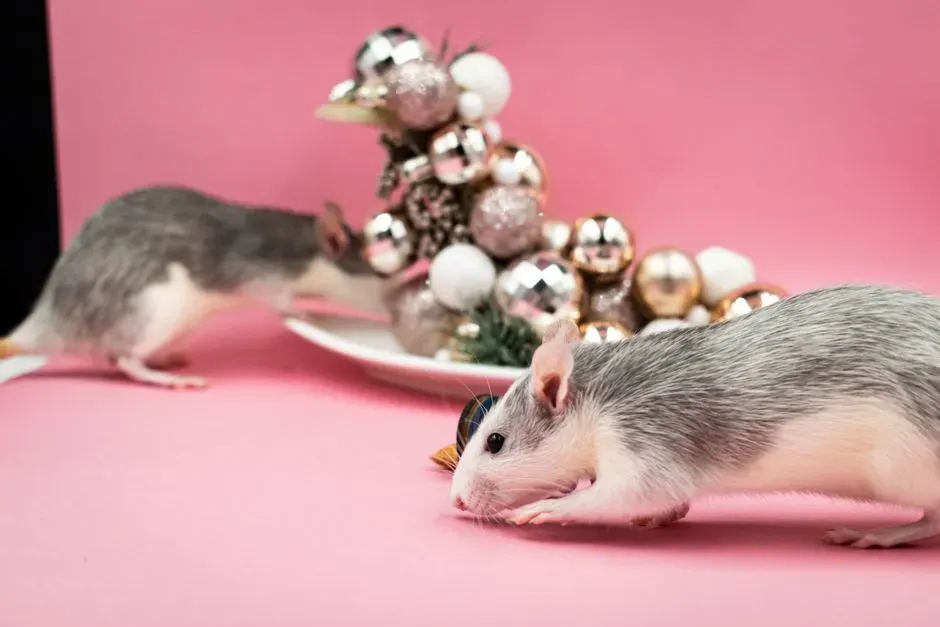
Young rats emit rapid, high pitched chirps during playful tickling sessions that resemble laughter in structure. These sounds occur alongside jumping and chasing behaviors that continue even after the tickling stops. The vocalizations differ clearly from those made during neutral handling.
Animals that receive tickling show more optimistic choices in subsequent decision tasks compared with those that do not. The response fades if the rats are stressed beforehand, indicating the sounds link to a positive internal state. This measurable shift offers one window into how play and reward register in rodent brains.
Dogs Responding Quickly to Human Distress Signals
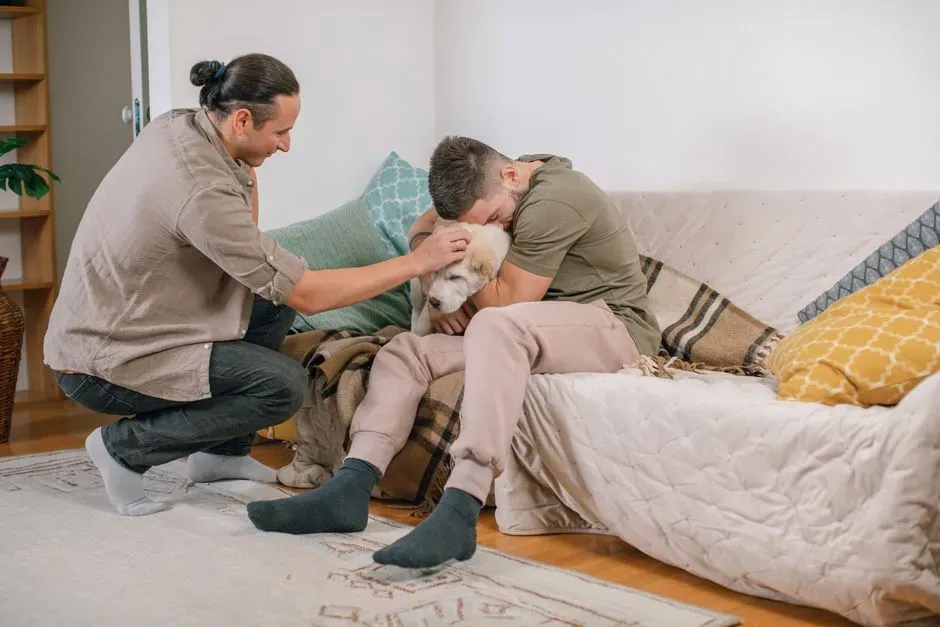
Dogs approach and attempt to comfort people who are crying or showing signs of upset, even when the person is a stranger. In one set of observations, service dogs interrupted their own rest to place a paw or body against an agitated owner. The timing of these interventions often matched moments of rising tension rather than random contact.
Studies tracking heart rate and behavior found that dogs altered their actions specifically around emotional cues from humans. They did not show the same pattern toward neutral sounds or calm individuals. This targeted response suggests an ability to register and act on another species emotional state.
Chimpanzees Withdrawing After Losing Close Kin
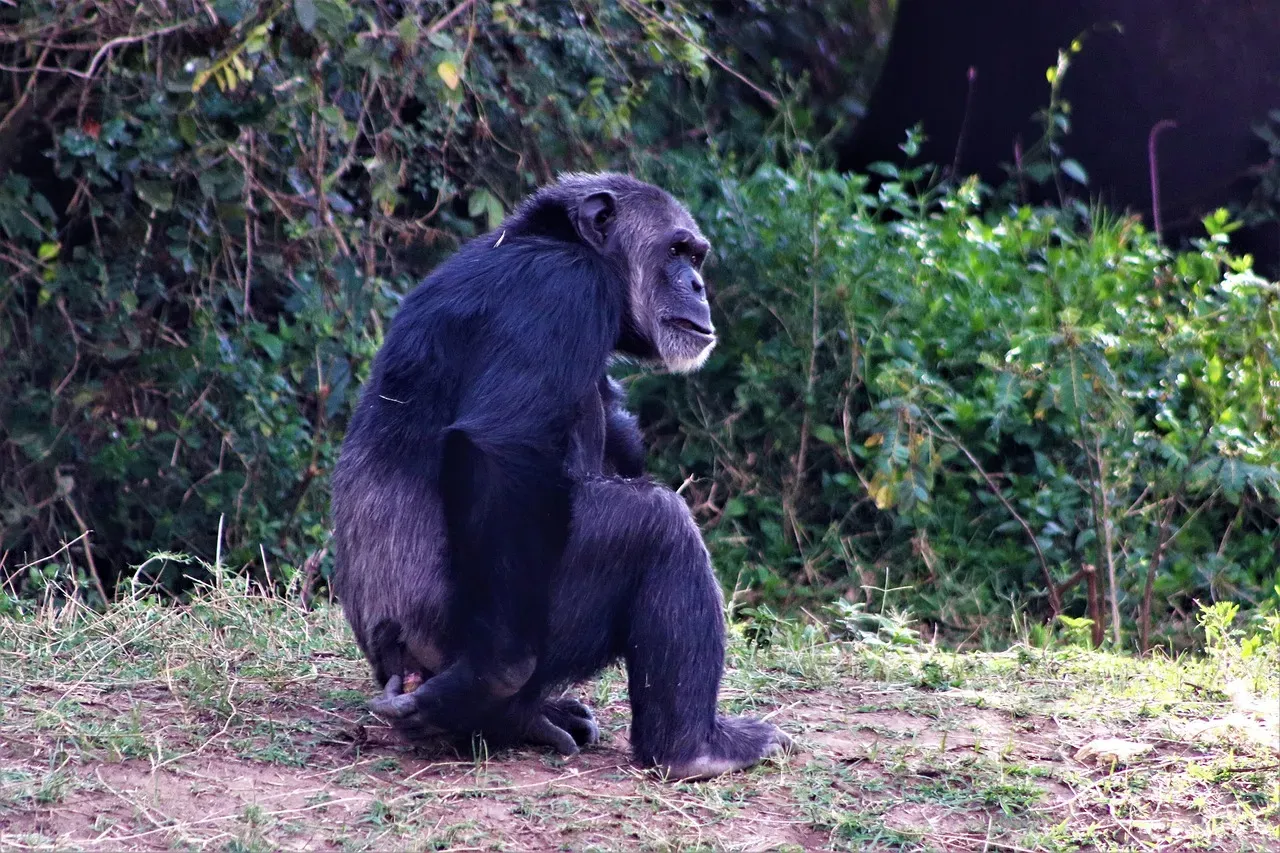
Young chimpanzees have been documented losing interest in food and social contact following the death of their mother. Some individuals sit apart from the group and show reduced activity for days or weeks. In rare cases the withdrawal becomes severe enough to affect survival.
Long term field records indicate that surviving relatives sometimes increase grooming or proximity to the grieving animal. The pattern appears across multiple communities and age groups. These changes in routine point to an internal adjustment that mirrors descriptions of sadness in other species.
Dolphins Carrying Deceased Calves for Days
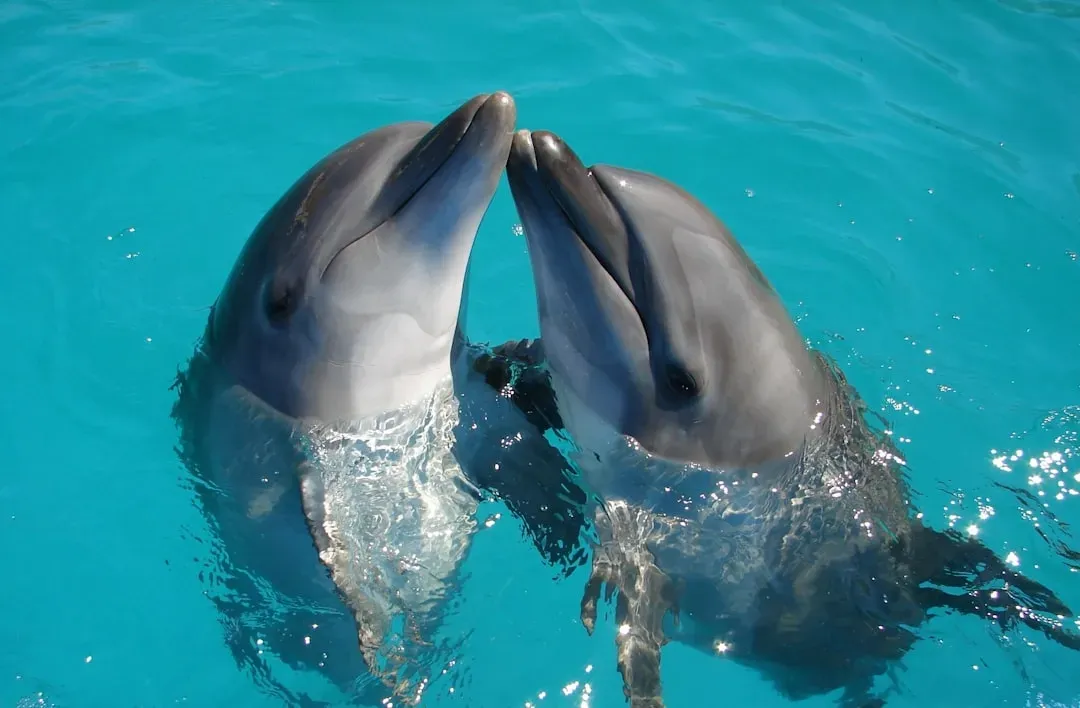
Mother dolphins have been observed supporting the body of a dead calf at the surface, preventing it from sinking. The behavior can last several days and includes repeated attempts to nudge or lift the calf. Other group members sometimes join or remain nearby during these periods.
The carrying stops once decomposition advances or the mother appears exhausted. Similar actions occur in different ocean regions and among various dolphin species. The persistence despite clear physical cost suggests an emotional attachment that overrides immediate practical needs.
Grizzly Bears Pacing and Vocalizing Over Lost Cubs
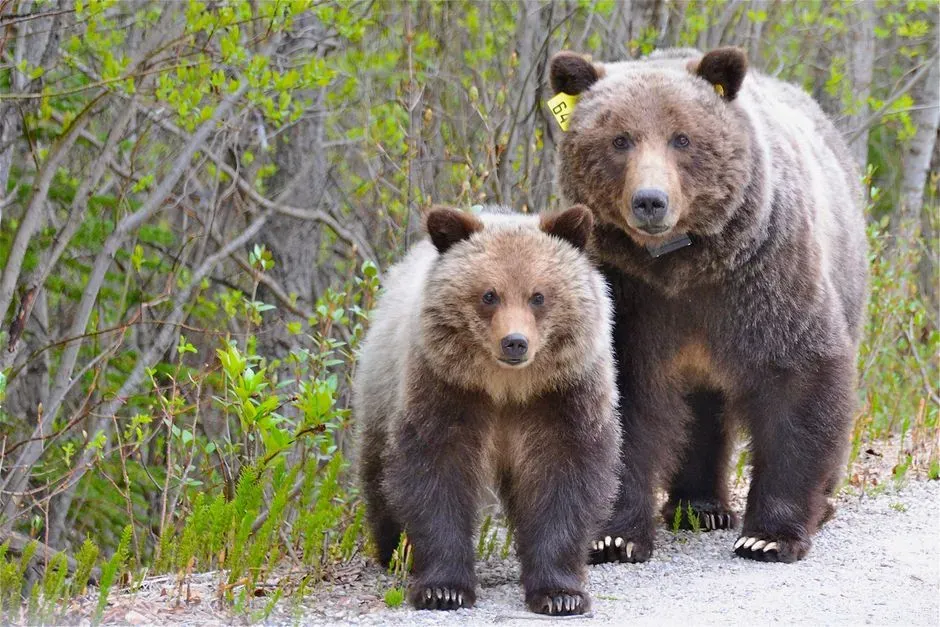
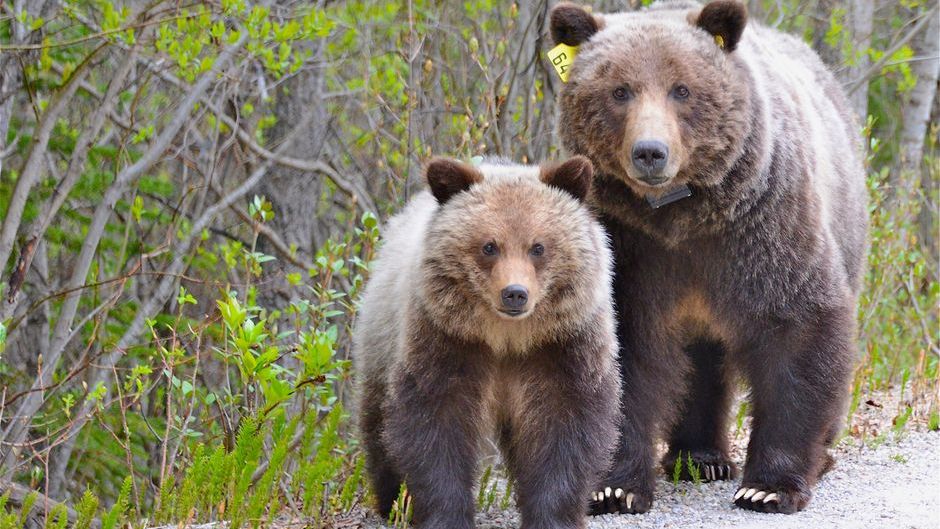
A mother grizzly was recorded dragging her injured cub from a road and then pacing while making repeated loud calls. She remained in the area even after the cub stopped moving. The sequence lasted long enough for observers to note clear changes in her posture and breathing.
Wildlife monitors who have followed the same bears over years report that such intense reactions are rare outside of injury or death events. The combination of physical effort and vocal output aligns with responses seen in other mammals facing loss. These field accounts add to the broader picture of parental investment carrying an emotional component.
Pigs Passing Emotional States to Nearby Pen Mates
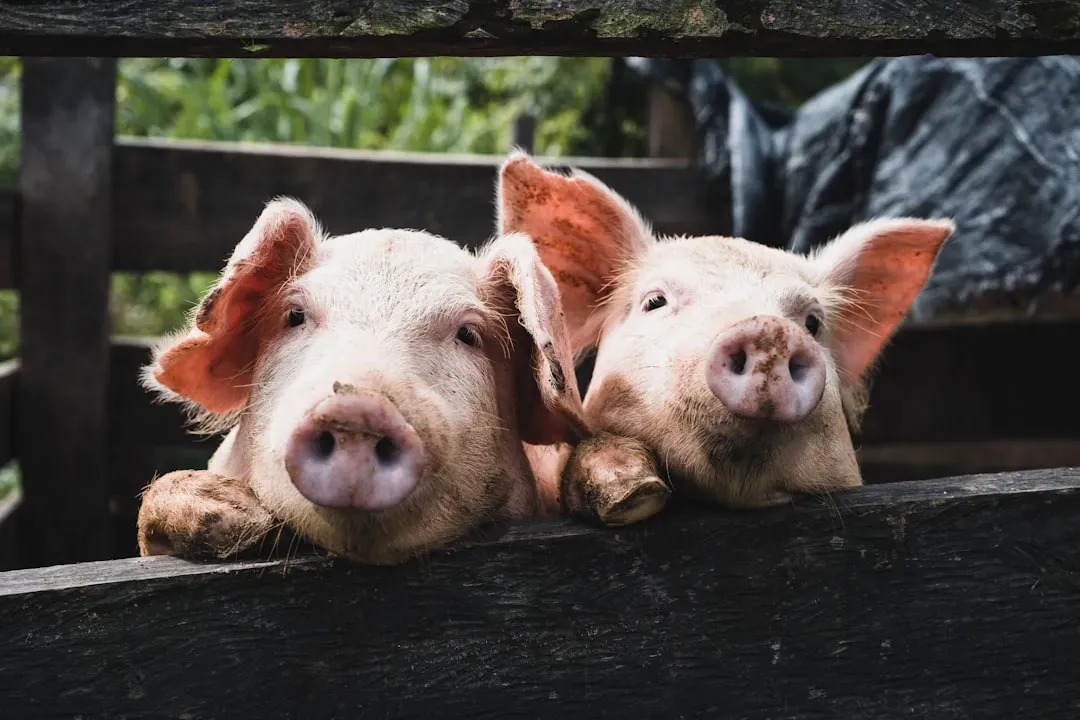
Pigs housed together show matching shifts in activity and stress hormone levels when one member experiences isolation or positive feeding. Saliva samples taken before and after confirmed that calm animals became more agitated when a stressed companion was present. The effect worked in both directions across the group.
Researchers measured behaviors such as tail position and vocal rate alongside the hormone data. The spread of these changes happened without direct physical contact in some trials. This social transmission suggests an underlying sensitivity to the feelings of others within the pen.
Honeybees Shifting Optimism After Unexpected Rewards
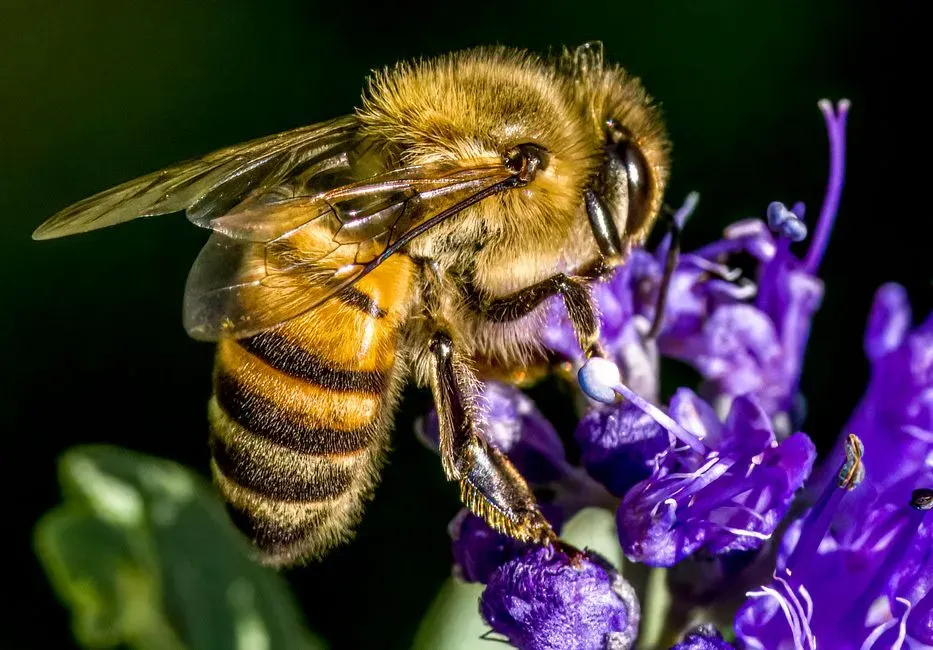
Bees that receive a sudden sugar treat become more likely to approach ambiguous scents in later tests. Their response pattern moves toward the choices made by bees in consistently good conditions. The shift reverses when the animals face stressors such as shaking or isolation beforehand.
These adjustments occur rapidly and can be tracked through simple choice assays. The pattern holds across multiple colonies and matches predictions from cognitive bias frameworks used in other species. Such flexibility indicates that internal state influences decision making even in small invertebrates.
Mice Displaying Distinct Facial Expressions for Different States
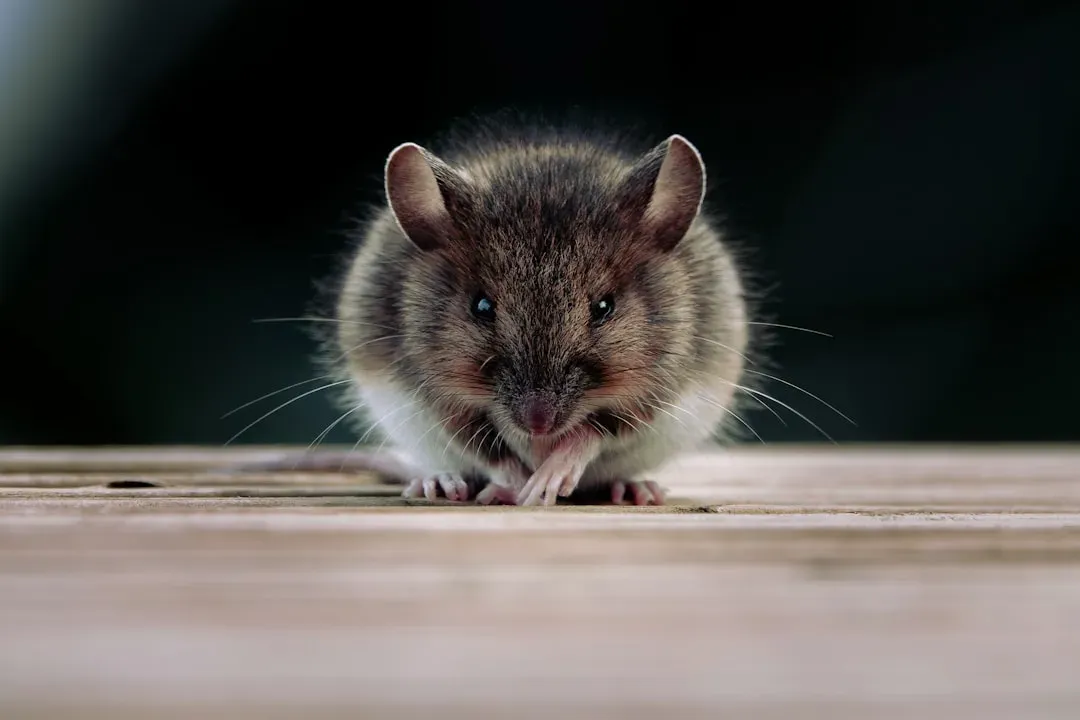
Video analysis of mouse faces reveals consistent ear, nose, and whisker positions that correspond to pleasure, disgust, or fear. Algorithms trained on these images can classify the expressions with high accuracy across individuals. The same movements appear when researchers apply stimuli known to produce those states.
Grimace scales developed from this work help assess pain or discomfort in laboratory settings. The expressions change predictably with context and recover when conditions improve. This visible mapping provides a practical tool for reading internal experience without relying solely on behavior counts.
Capuchin Monkeys Rejecting Unequal Rewards
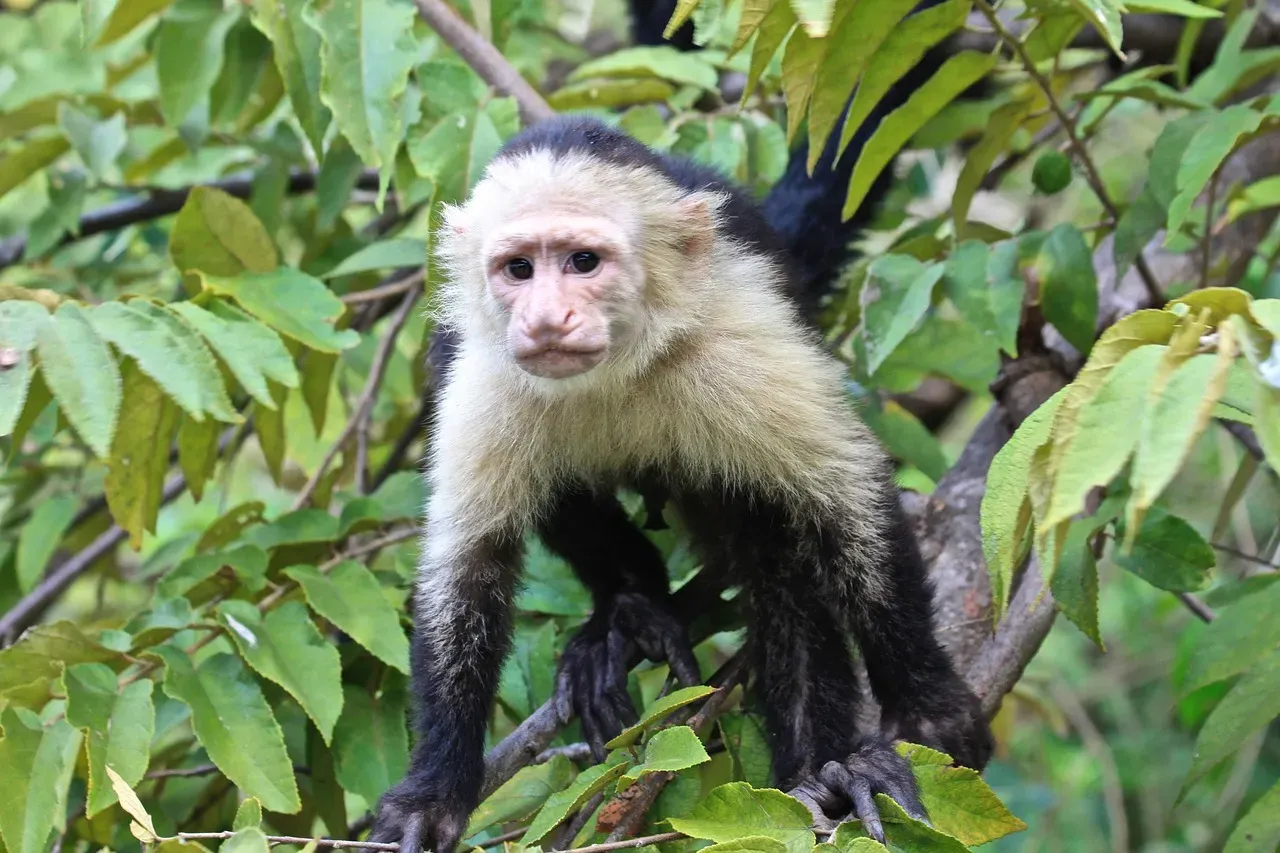
Capuchins that receive a lesser treat than a partner for the same task often refuse the reward or throw it away. The refusal rate rises when the partner receives a better item in plain view. Calm acceptance returns once rewards are equalized again.
The reaction appears in both captive and wild groups and persists across different food types. It does not occur when the partner receives nothing at all, only when the distribution feels unbalanced. This selective protest points to an awareness of relative outcomes that carries an emotional tone.
Observations like these continue to accumulate across species and settings. They remind us that the line between instinct and feeling may be thinner than once thought. Paying attention to these signals can shift how we view our place alongside other animals and what responsibilities that connection carries.
- Why Certain Birds Keep Crashing Into Skyscrapers at Night - August 7, 2026
- What Marsh Animal Are You According to Your Zodiac Sign - August 7, 2026
- 5 Majestic US Castles You Didn’t Know Existed - August 7, 2026