
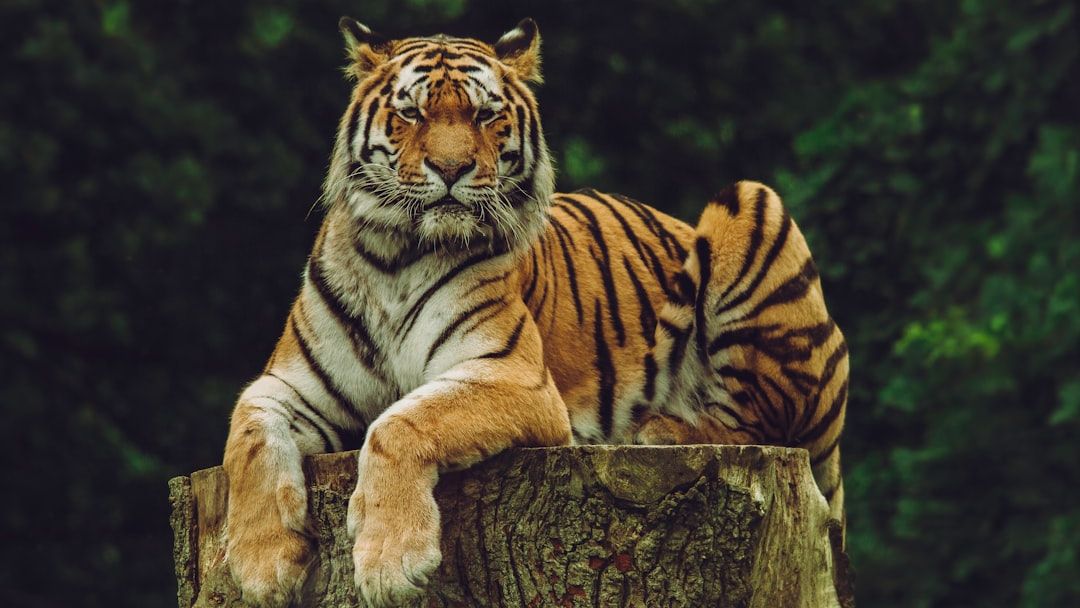
Myth 1: Lions Are the Kings of the Jungle
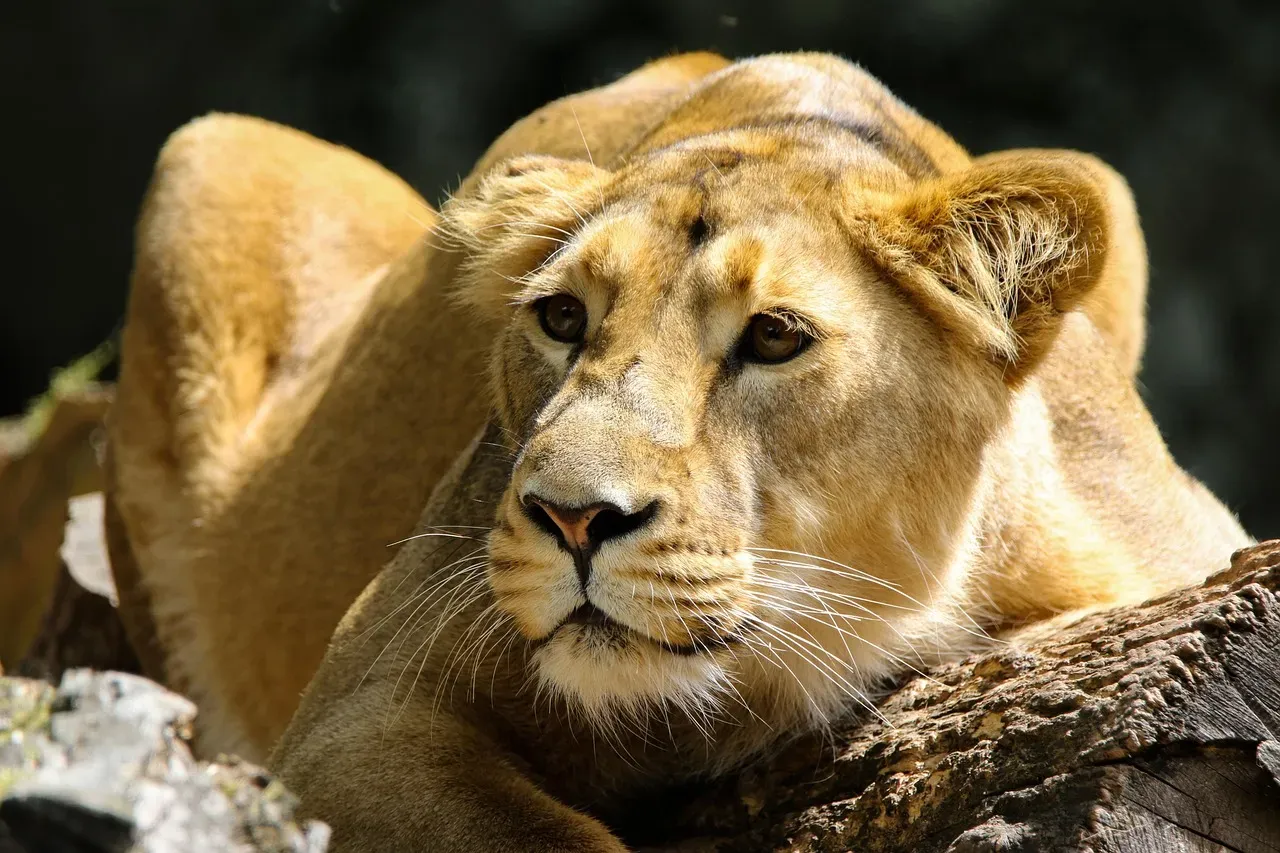
Lions earned their regal title through stories and symbols, yet they rarely set foot in actual jungles. Their natural range centers on open savannas and grasslands across Africa, with a small population in India. The dense forests people picture simply do not match where these cats thrive.
That mismatch matters because it shapes how lions hunt and socialize. They rely on teamwork in clearer terrain rather than stealth among thick trees. The jungle crown belongs more to tigers in parts of Asia.
Myth 2: Tigers Avoid Water at All Costs
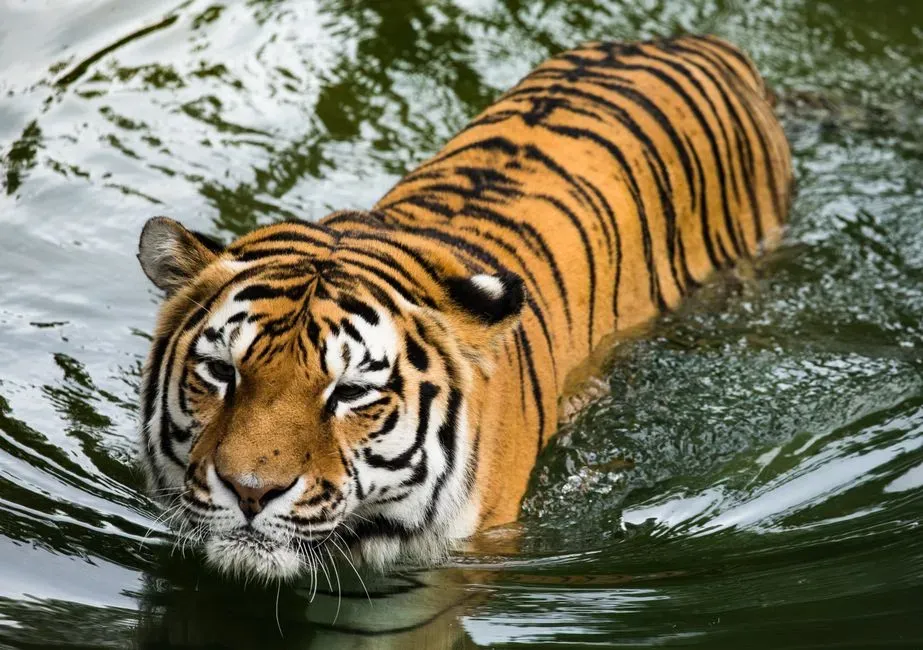
Many assume tigers behave like typical house cats around water, but the opposite proves true. These cats swim well and often cool off in rivers or lakes during hot weather. They have even been known to cross sizable bodies of water while patrolling territory.
Their comfort with water gives them an edge in certain habitats. Tigers use rivers as travel routes and sometimes hunt near shorelines. This trait sets them apart from lions, who tend to stay drier.
Myth 3: Male Lions Lead Every Pride
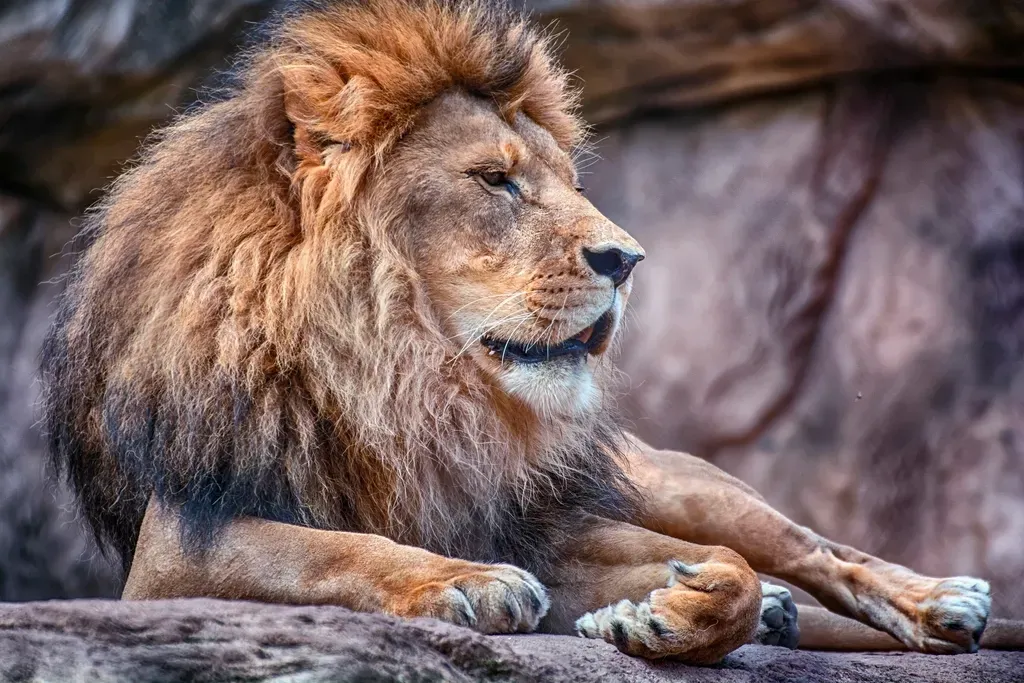
Popular images show a single male commanding his group, yet lionesses hold the real decision making power in most prides. Females coordinate hunts, choose den sites, and raise the young together. Males focus more on defense against outsiders.
Coalitions of two or three males often share a pride rather than one lone ruler. The females tolerate them mainly for protection of the cubs. This arrangement keeps the group stable across changing conditions.
Myth 4: Lions and Tigers Share the Same Wild Habitats
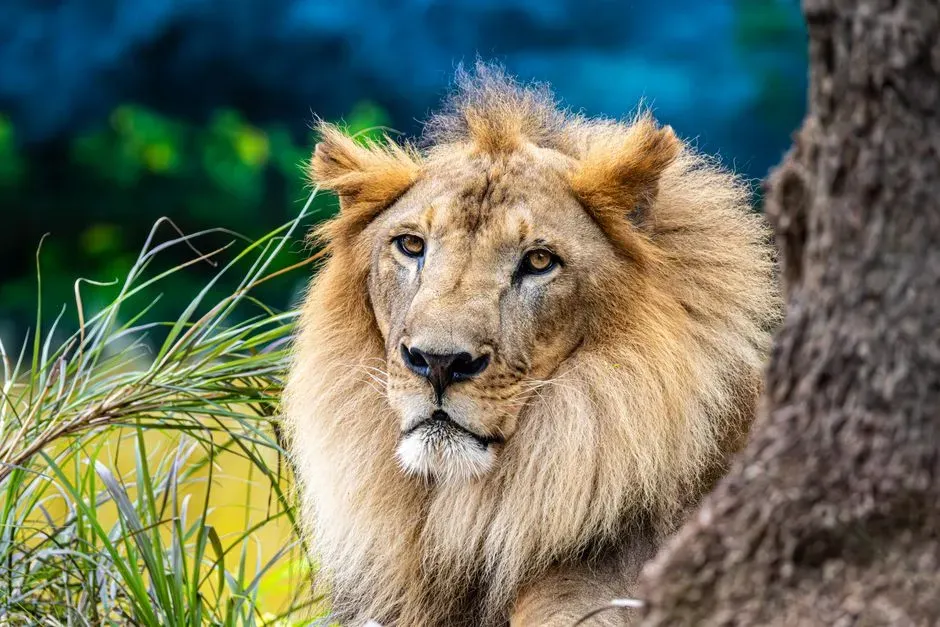
Stories sometimes place both cats in the same forests or plains, but their ranges do not overlap in nature today. Lions live mainly in Africa and one pocket of India. Tigers occupy scattered areas across Asia from India eastward.
Historical records show some past overlap in parts of Asia, yet current distributions keep them separate. This separation reduces direct competition for prey. Captive settings allow meetings that never happen in the wild.
Myth 5: Tigers Are Natural Man-Eaters
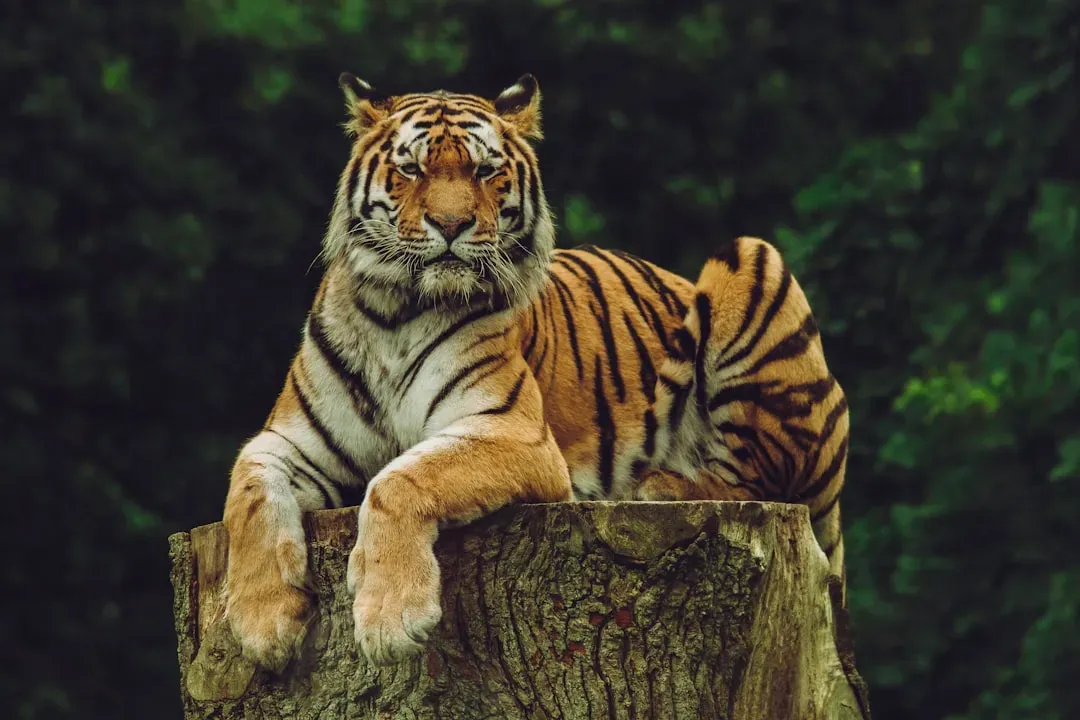
News of rare attacks can paint tigers as constant threats to people, yet most avoid humans entirely. They prefer wild prey like deer and wild boar when available. Habitat loss sometimes pushes individuals into conflict zones.
Even then, only a small number of tigers ever turn to livestock or people. Conservation efforts focus on reducing those encounters through better land management. The label of man-eater applies to exceptions rather than the rule.
Myth 6: Lions Rest All Day and Hunt Only at Night

Lions do spend many hours resting, but they stay active during daylight too. They often hunt at dawn or dusk when temperatures drop and prey moves. Pride members use the light to coordinate their efforts.
Daytime activity helps them monitor territory and care for cubs. The idea of total daytime weakness comes from old observations that do not match full studies. Their schedule adapts to local conditions.
Myth 7: A Big Mane Means a Dominant Male Lion
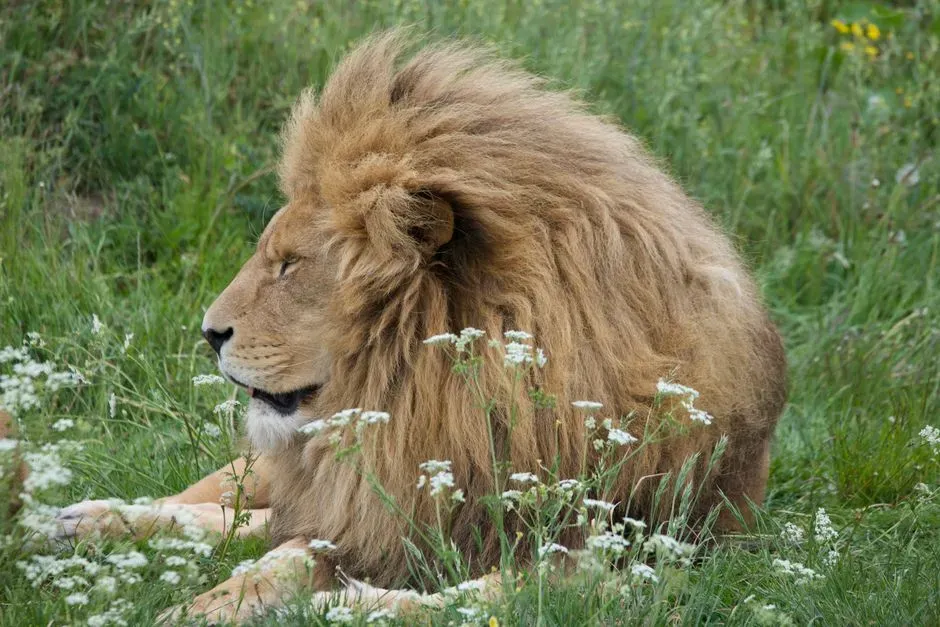
The impressive mane draws attention, yet size alone does not guarantee success in the pride. Some males with smaller manes still hold territory through alliances or fighting skill. Mane growth also depends on age, health, and even climate.
Females show more interest in males that defend well rather than those with the flashiest hair. The mane serves partly as protection during fights. It signals maturity more than guaranteed leadership.
Myth 8: Tigers Live Completely Alone Their Whole Lives
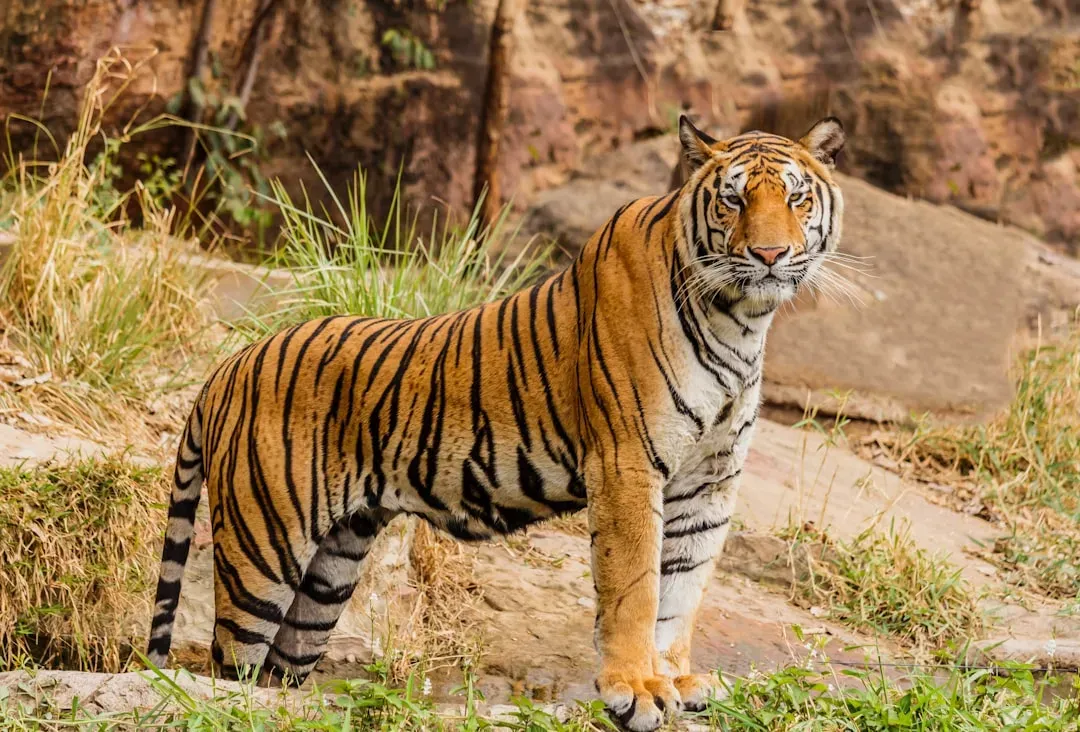
Tigers earn a reputation for solitude, but mothers stay with cubs for up to two years. Young tigers sometimes share space briefly after leaving their mother. Adults mark territories to avoid constant clashes rather than seek total isolation.
They communicate through scent and calls when ranges border each other. This loose network helps them find mates without daily contact. The solitary label fits better than constant group living, yet it leaves room for interaction.
Myth 9: Lions Always Win Fights Against Tigers
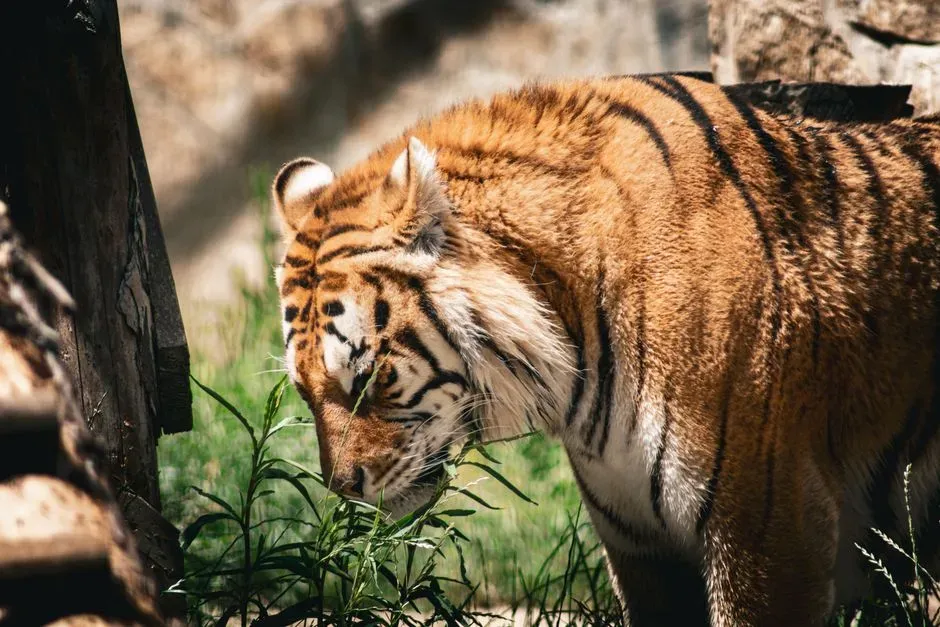
Old arena tales and films suggest lions dominate every matchup, but real comparisons depend on size, age, and experience. Tigers often weigh more and fight with both front paws while balanced on hind legs. Lions use their mane for some protection during clashes.
Neither species meets the other in the wild, so outcomes stay hypothetical. Captive observations show mixed results based on individuals. Strength varies widely within each group.
Myth 10: All Tigers Belong to One Uniform Species
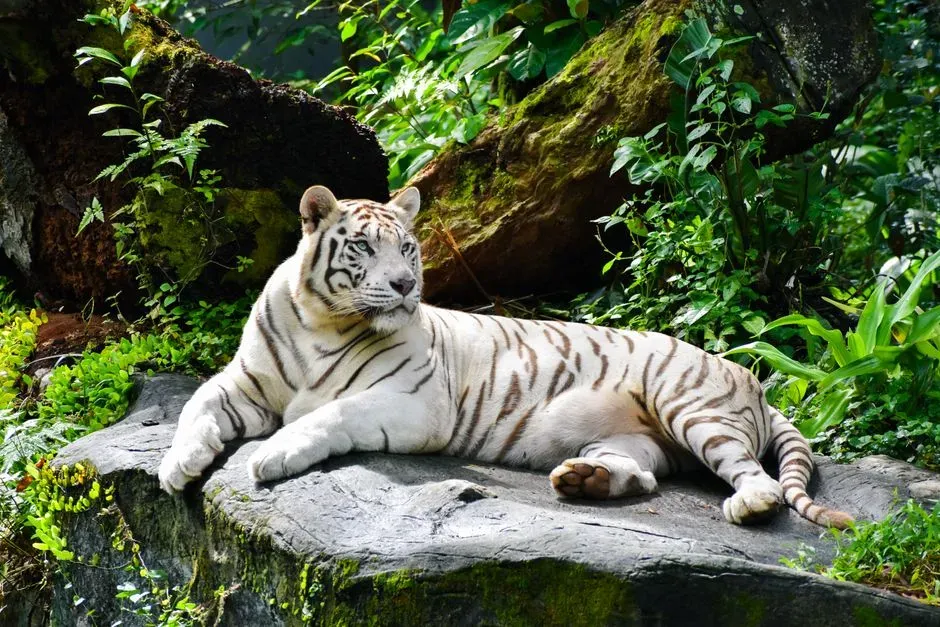
People often picture one classic tiger, yet several subspecies exist with differences in size and markings. Siberian tigers grow larger in colder climates, while Sumatran tigers stay smaller in island forests. Coat patterns and stripe density also shift by region.
These variations help each group blend into local surroundings. Conservation tracks them separately because threats differ. Treating them as identical overlooks important adaptations.
Myth 11: Lionesses Never Hunt Successfully Without Males
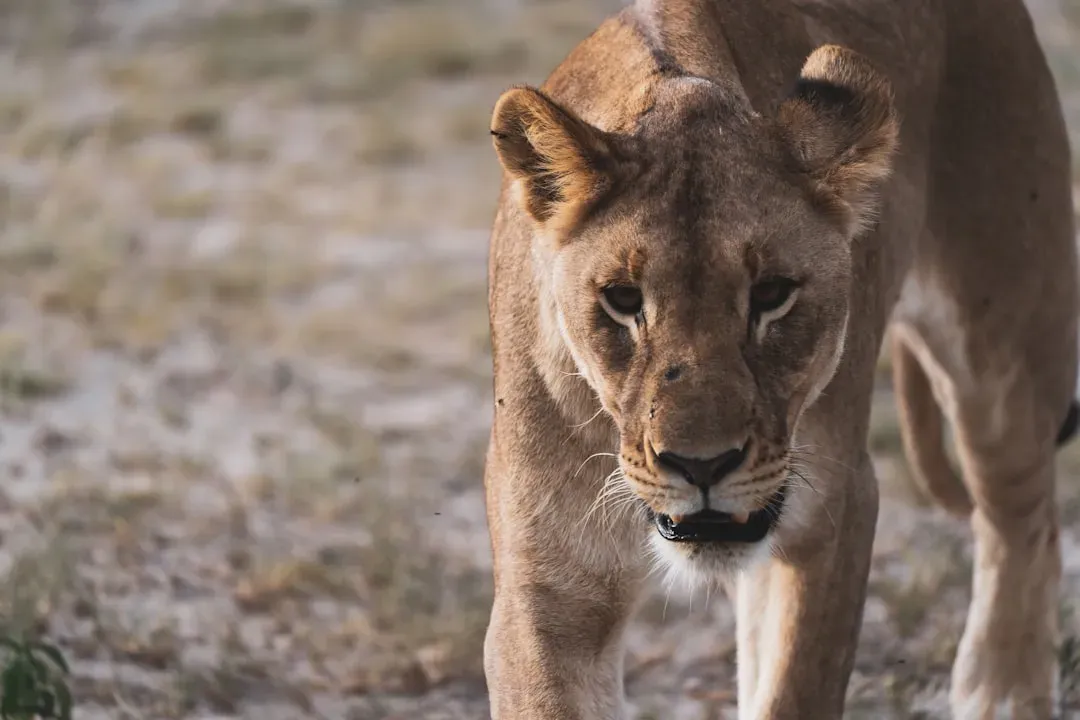
The image of males bringing home dinner overlooks the daily work of lionesses. Females perform most hunts and bring down the majority of prey. Their teamwork allows them to tackle animals larger than any single cat could manage.
Males join occasionally, especially with very large kills, but they spend more time patrolling. Pride success rests heavily on the females skills. This division keeps the group fed efficiently.
Myth 12: Tigers Have Poor Hunting Success Rates
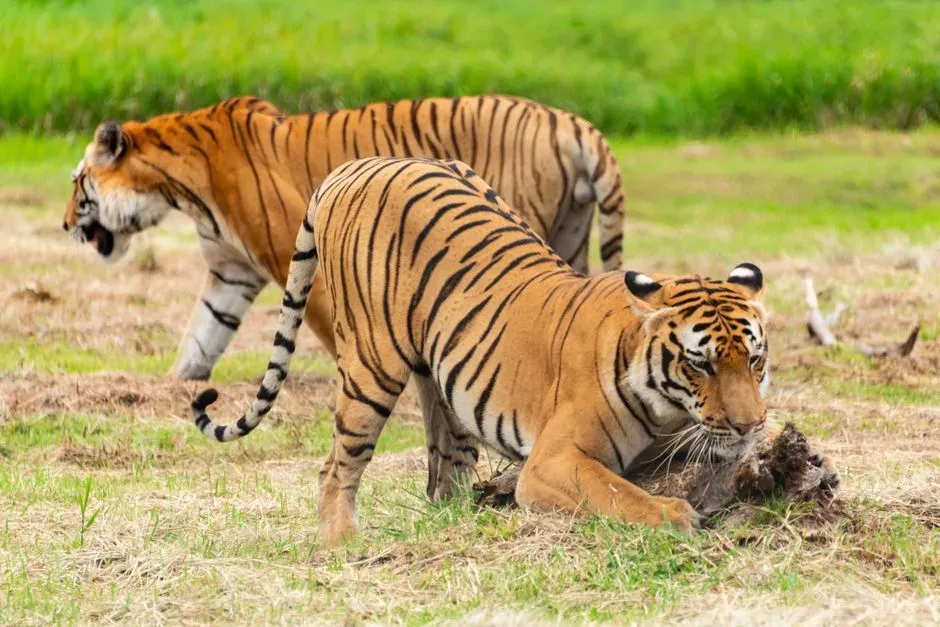
Some accounts claim tigers miss most attempts, yet their strike rate often reaches around one in five or better depending on prey. They rely on stealth and powerful bursts rather than long chases. Experience and habitat play big roles in outcomes.
Young tigers improve with practice just like other predators. Failures happen, but they do not define the species. Each cat adjusts tactics to local conditions.
Myth 13: Lions Roar Only to Intimidate Rivals
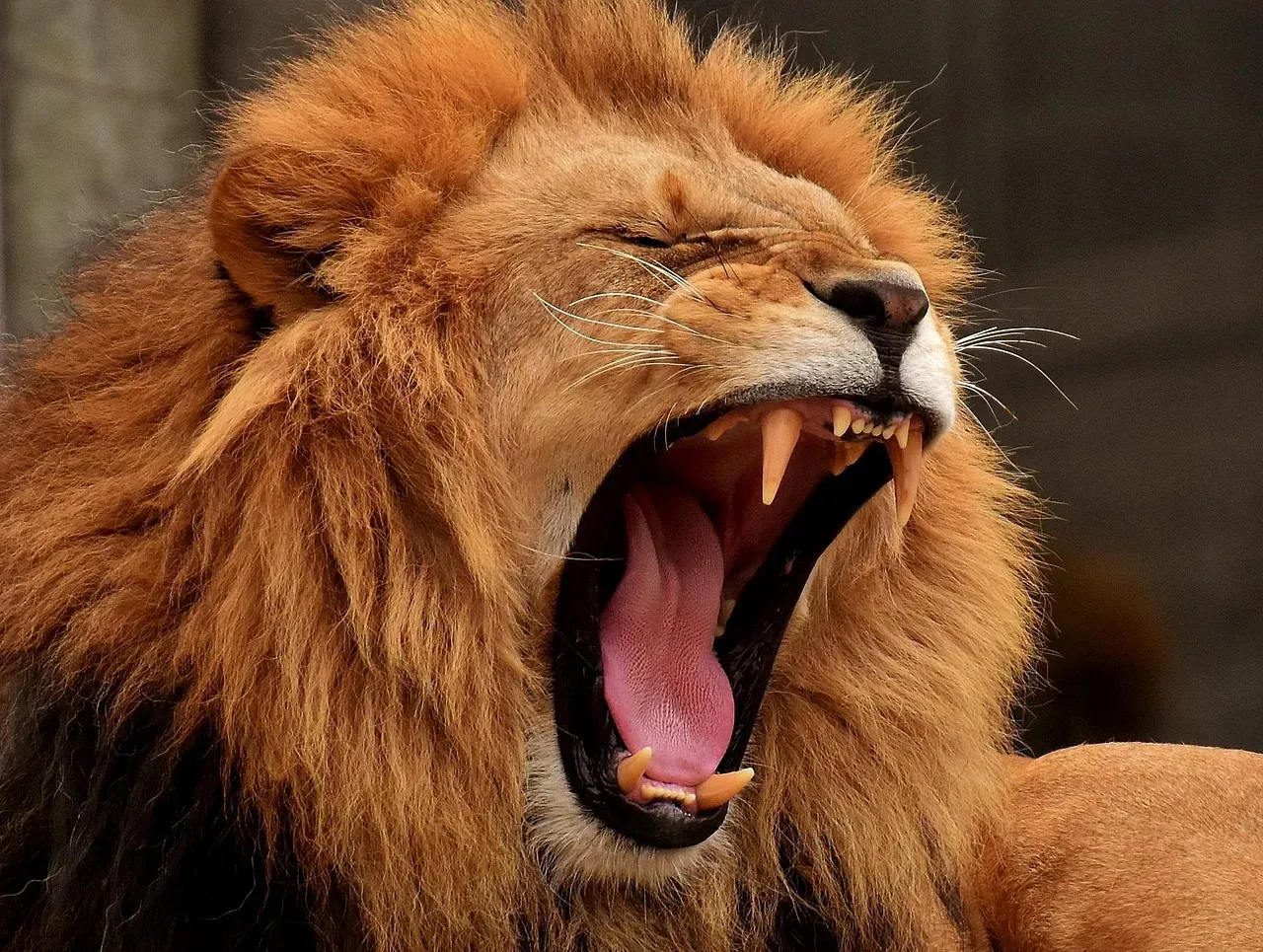
The deep roar travels far, yet it serves multiple purposes beyond threats. Lions use it to locate pride members across distances and to reinforce bonds. Females and cubs respond to these calls as part of daily coordination.
The sound also marks territory without constant patrols. Different roars carry different messages depending on context. This vocal range supports their social structure.
Myth 14: Tigers Cannot Climb Trees Like Other Cats
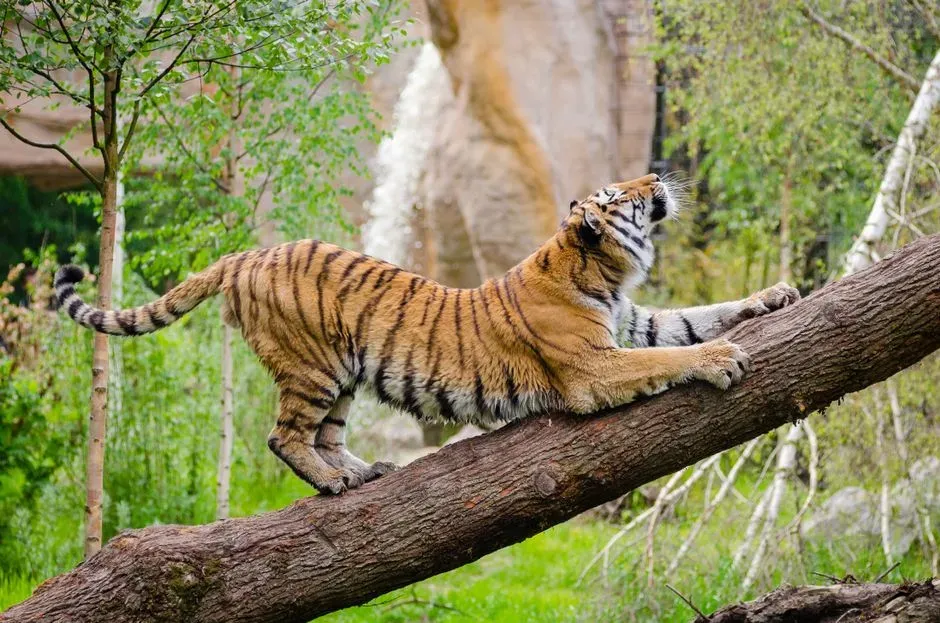
While tigers lack the climbing ease of leopards, they do scale trees when needed. Cubs practice early, and adults sometimes rest on low branches or stash kills. Their size limits how high they go compared with smaller cats.
Strong limbs and claws still allow useful vertical movement. This ability helps in certain forested areas. The myth underestimates their flexibility in varied terrain.
Dispelling these ideas matters because accurate knowledge supports better protection for both species. Misunderstandings can lead to poor decisions about habitat and conflict. When people see lions and tigers as they truly are, conservation gains clearer focus and stronger public support. These cats face real pressures from shrinking ranges and human activity, so facts help guide practical efforts that actually work.
- 6 Myths About Cougars That Are Completely Wrong - August 7, 2026
- 10 Amazing Animals That Can Predict Earthquakes - August 7, 2026
- What Is a Bear’s Worst Enemy? The Surprising Threats That Challenge Nature’s Most Powerful Giants - August 7, 2026