
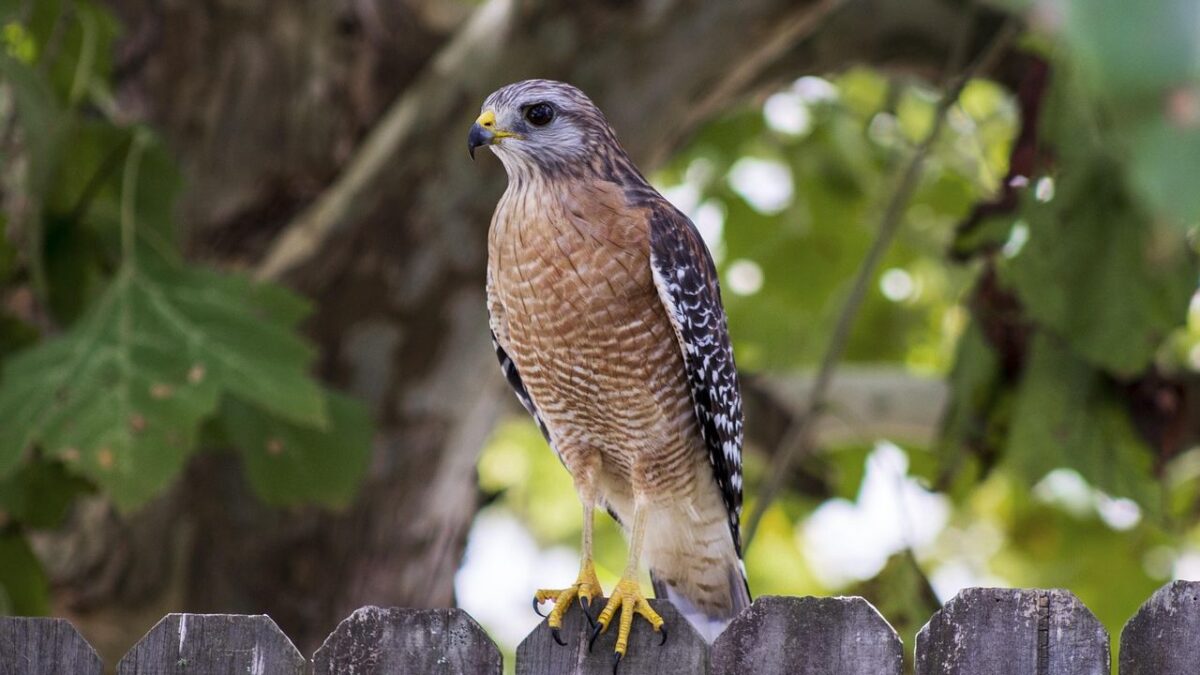
There is something arresting about spotting a hawk frozen in place on a backyard fence just as the first light breaks. The sight often stops people mid routine, prompting quiet questions about whether the bird is lost, injured, or simply passing through.
Wildlife experts point to straightforward behavioral reasons rather than anything mysterious. These moments usually reflect ordinary survival habits that become visible when human schedules overlap with the bird’s.
Why Hawks Choose Fences as Perches
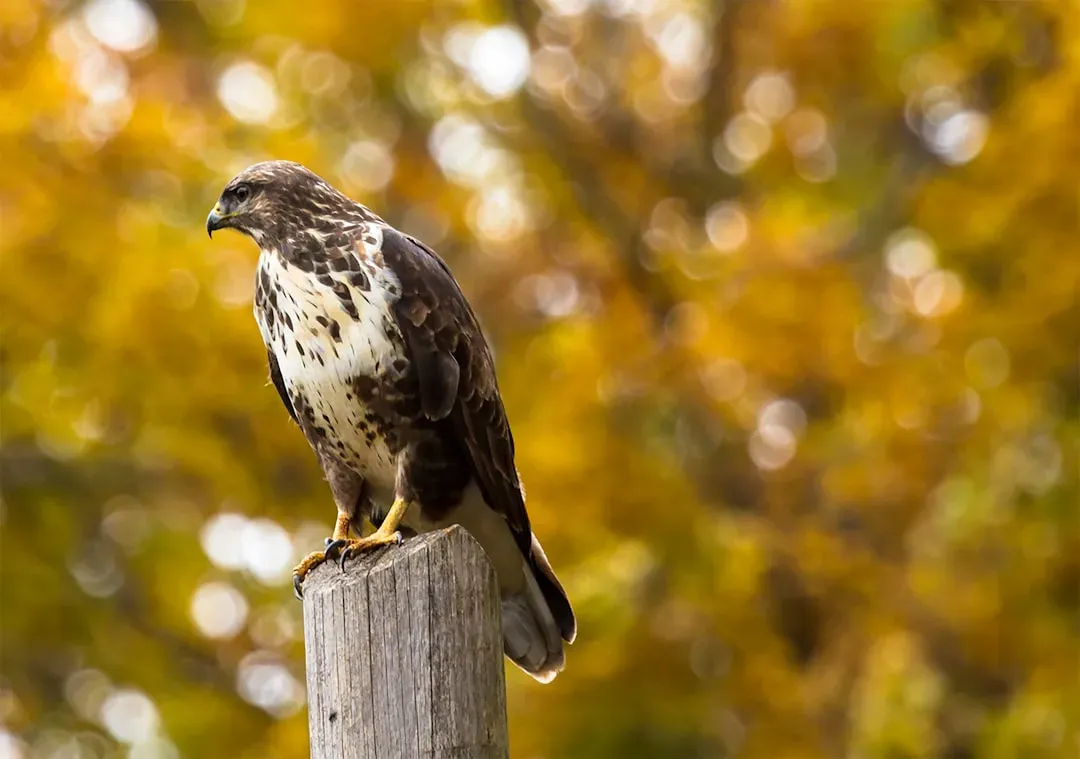
Fences offer an elevated vantage point without the effort of finding a tall tree. Hawks use these man made structures because they provide clear sight lines across open yards and fields where small mammals and birds move at dawn.
The height also keeps them safe from ground predators while they rest between flights. In suburban areas fences have become reliable substitutes for natural perches as development changes the landscape.
The Significance of Sunrise Timing
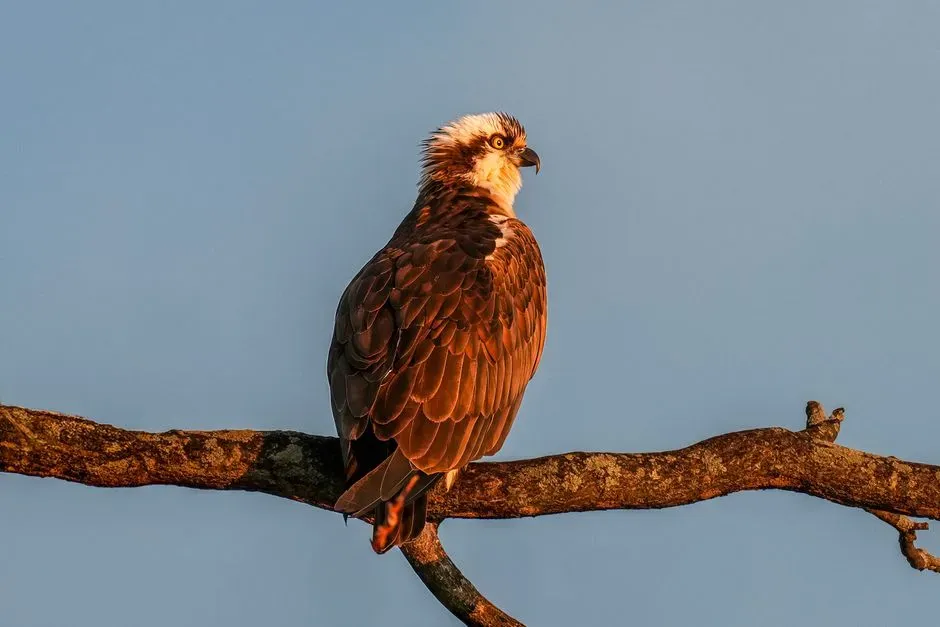
Many hawk species become active right at first light because that is when prey animals are most exposed. Rodents and songbirds stir early to feed before daytime heat or predators increase.
Sunrise also brings favorable thermals that help hawks conserve energy once they take flight. Sitting still beforehand lets them assess conditions and locate the first meal of the day without unnecessary movement.
Interpreting the Still Posture
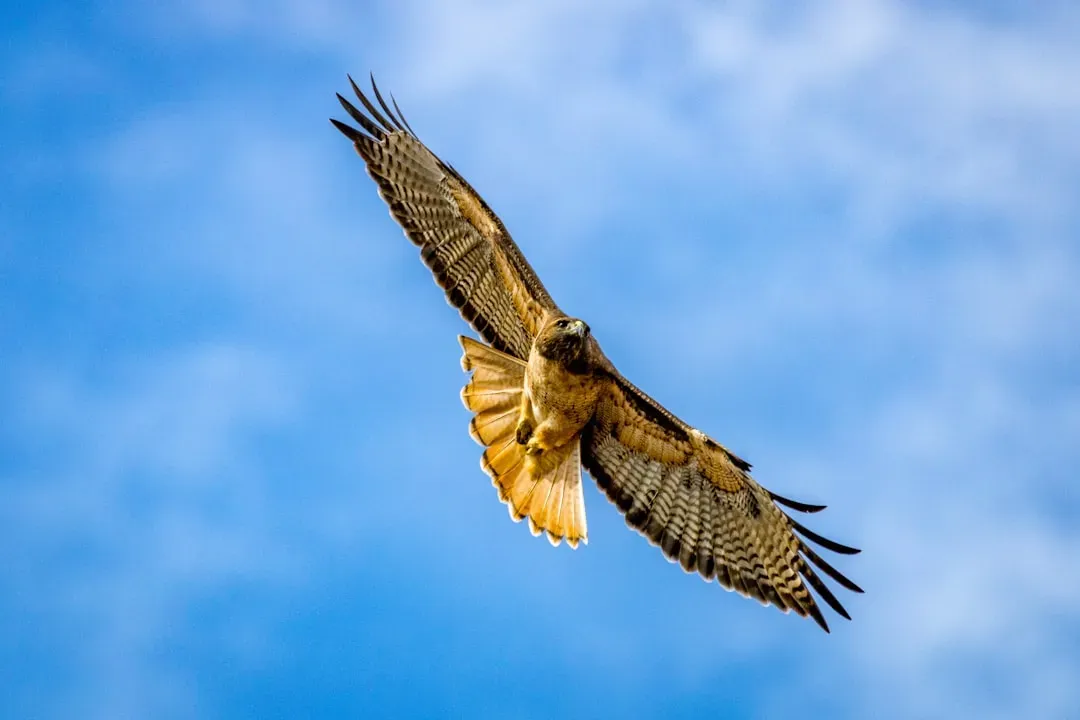
A motionless hawk is often scanning its surroundings rather than resting in the way people might assume. Their excellent vision allows them to detect the slightest movement from a distance while they remain perfectly still.
This behavior saves energy and reduces the chance of alerting prey. Experts note that what looks like inactivity is actually intense focus on potential targets below.
Hunting Strategies in the Early Light
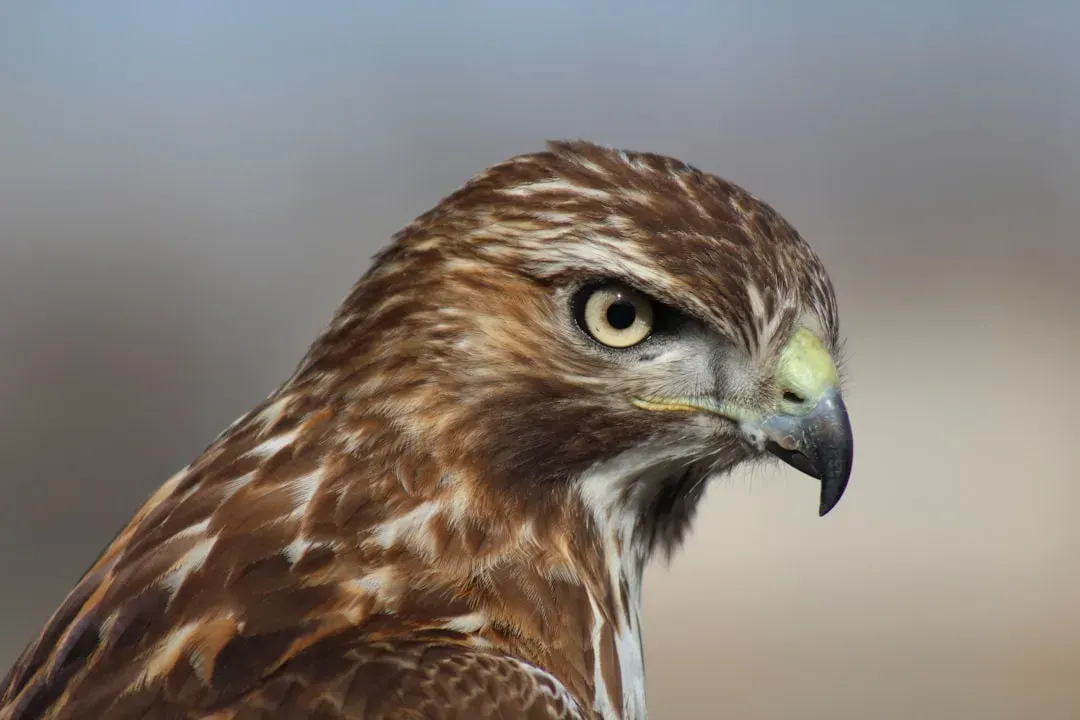
Perch hunting is a common tactic for several hawk species that prefer to wait and watch instead of soaring continuously. At sunrise the light angle helps them spot shadows and movement more easily than later in the day.
They may stay in one spot for minutes or longer if the area shows promise. Once prey is spotted the hawk drops quickly and silently, often returning to the same fence afterward.
Territorial Displays and Safety
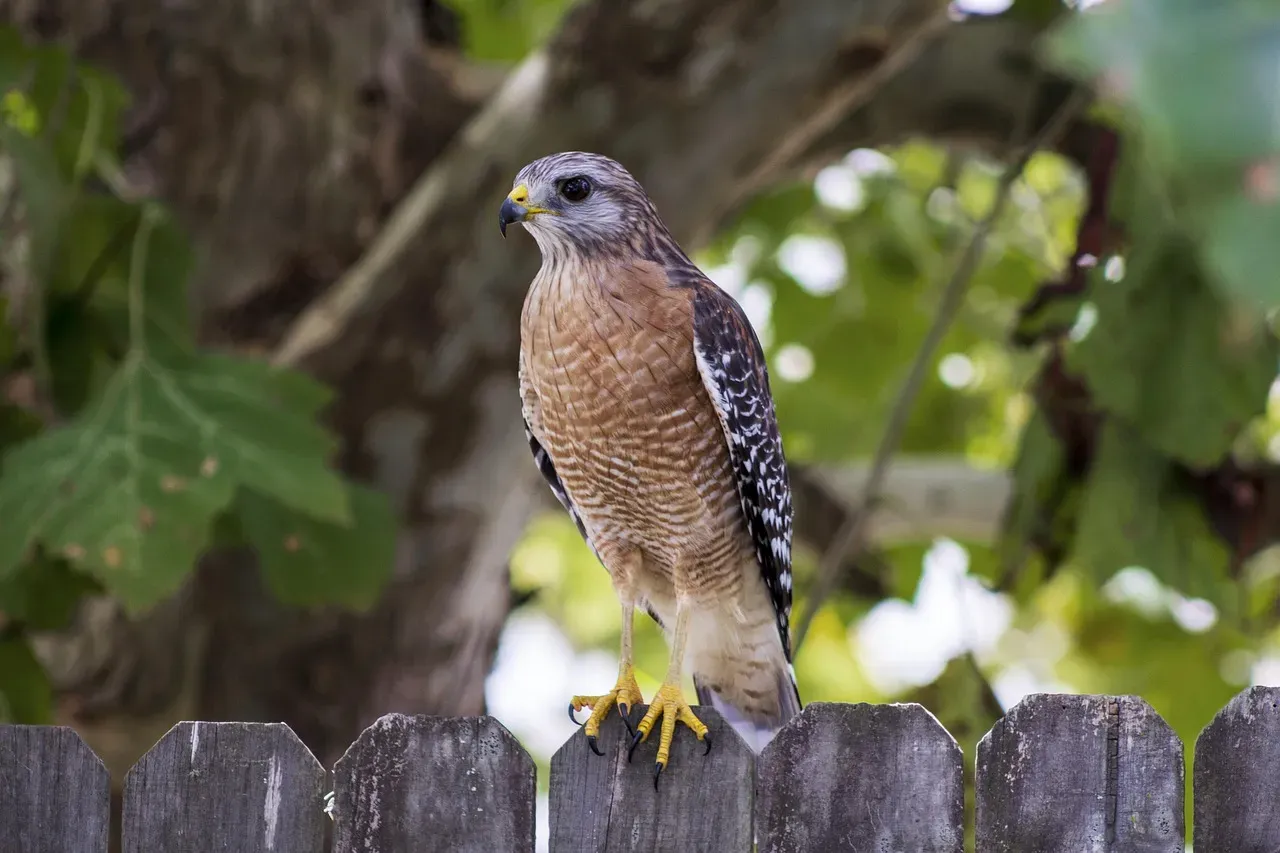
A hawk on a fence can also be monitoring its territory boundaries. These birds defend areas that contain reliable food sources and nesting sites, and a high perch makes it simple to notice intruders.
Stillness helps them avoid drawing attention while they gather information. In this way the fence becomes both a lookout and a temporary safe zone during vulnerable early morning hours.
Energy Management for These Birds of Prey
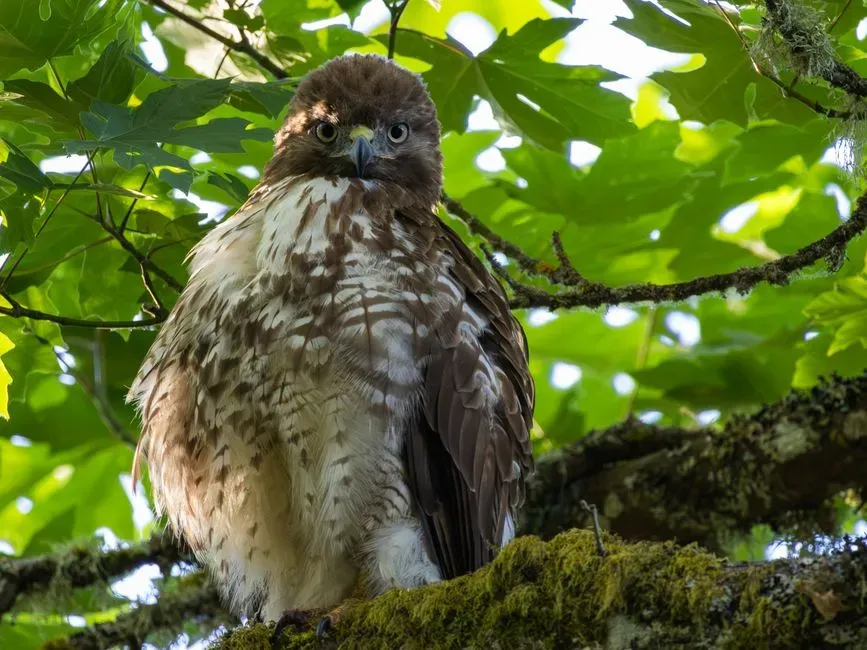
Hawks balance intense bursts of flight with long periods of quiet observation to maintain their strength. Sitting still at sunrise allows them to warm up in the growing light and prepare muscles without wasting calories.
This pattern is especially important during cooler months when food can be harder to find. The behavior supports overall health and helps them survive seasonal changes in their environment.
Appreciating These Encounters in Daily Life
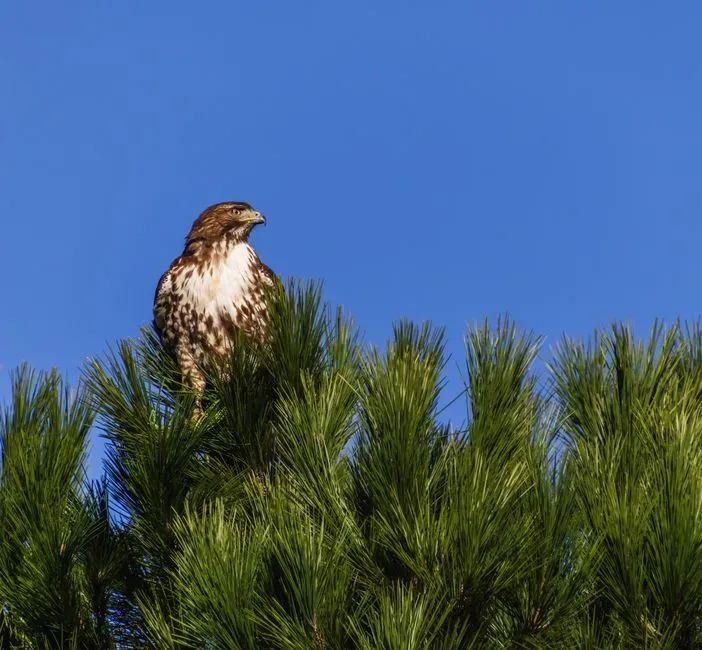
Seeing a hawk in this way offers a brief window into the rhythms of local wildlife that often go unnoticed. It reminds observers that even familiar spaces host complex natural activity right outside the window.
Instead of searching for deeper meaning, the practical takeaway is simply to pause and notice. These quiet sightings can foster a steadier awareness of the birds sharing the neighborhood and the small adjustments people can make to support them.

- Why Do Geese Fly in a ‘V’ Formation? The Scientific Reason Explained - August 10, 2026
- 10 Amazing Facts About The Pyramids of Giza - August 10, 2026
- 15 Little-Known Facts About DNA That Control More Than You Think - August 10, 2026