
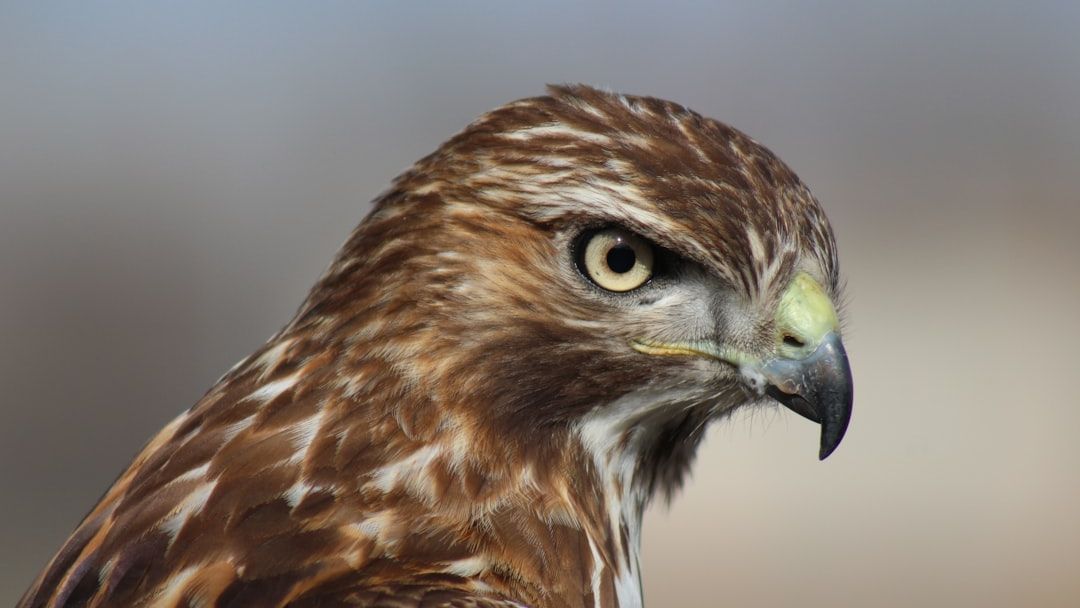
The Sit-and-Wait Hunting Strategy
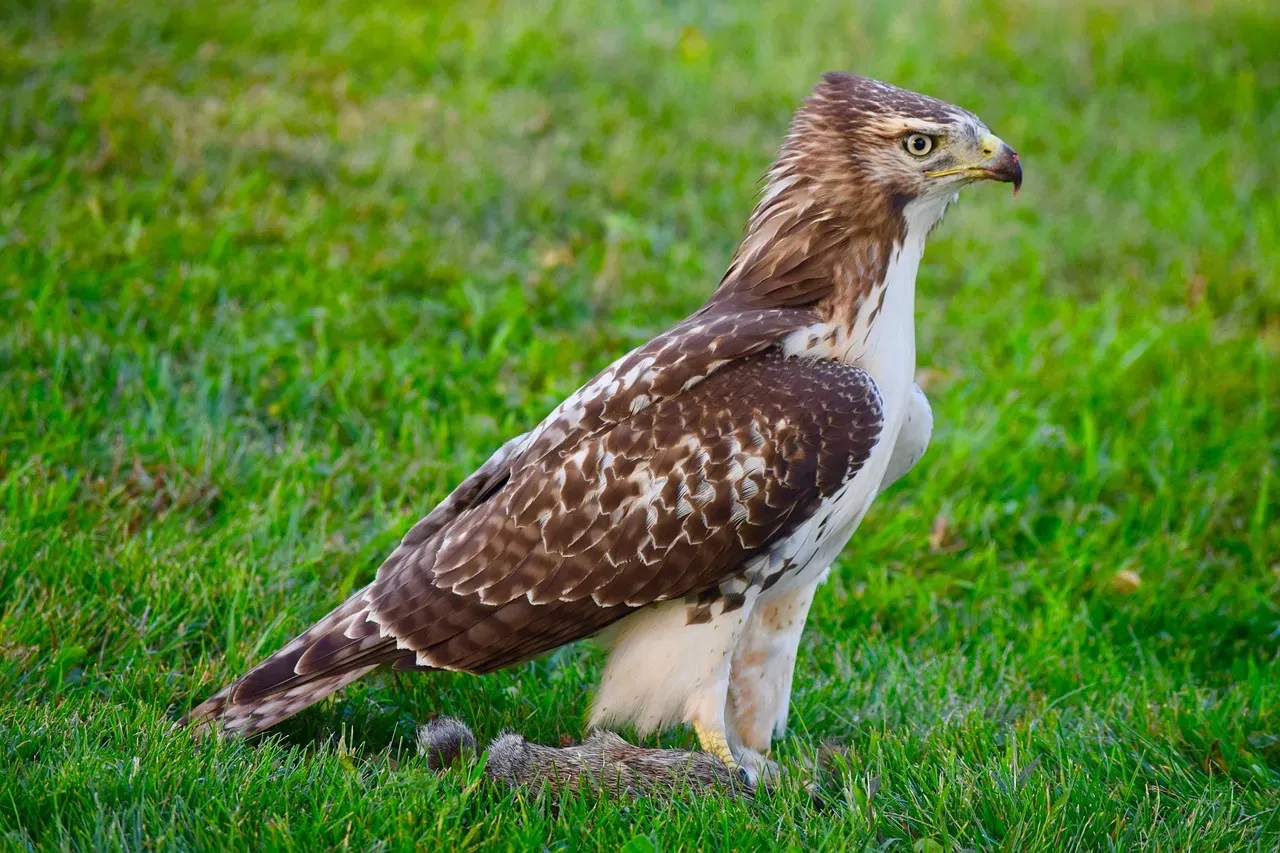
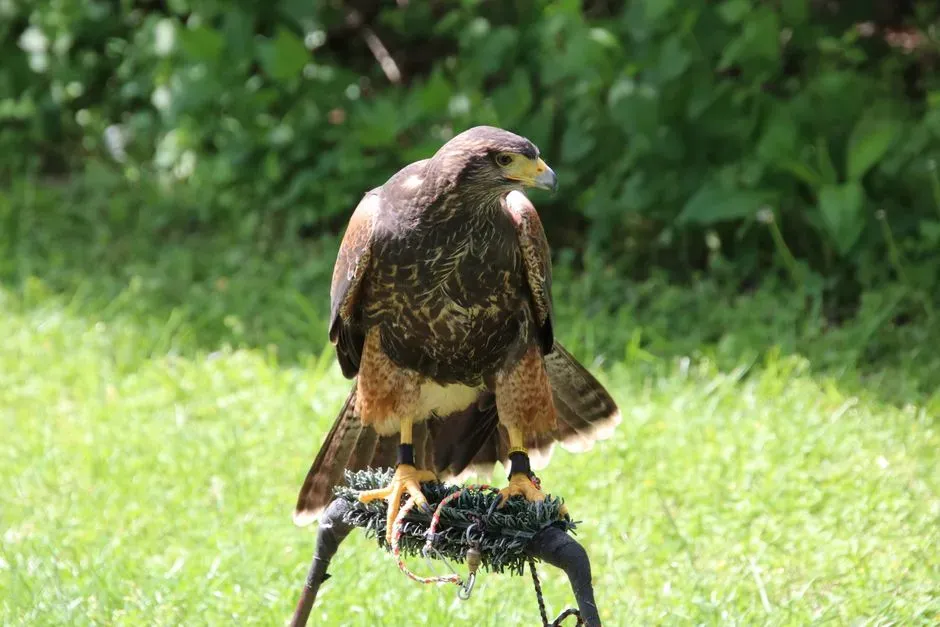
Hawks frequently rely on a perch-and-scan approach rather than constant flight. They settle on an elevated spot like a fence and remain motionless while they watch for movement in the grass or along the ground. This method saves energy compared to soaring or chasing prey through the air.
Small mammals and birds become active around dawn, giving the hawk a clear window to spot them from above. Experts note that red-tailed hawks in particular excel at this style of hunting because their keen vision picks up subtle shifts from a distance. The stillness is not boredom but focused attention on potential meals.
Why Sunrise Matters for Hawk Activity
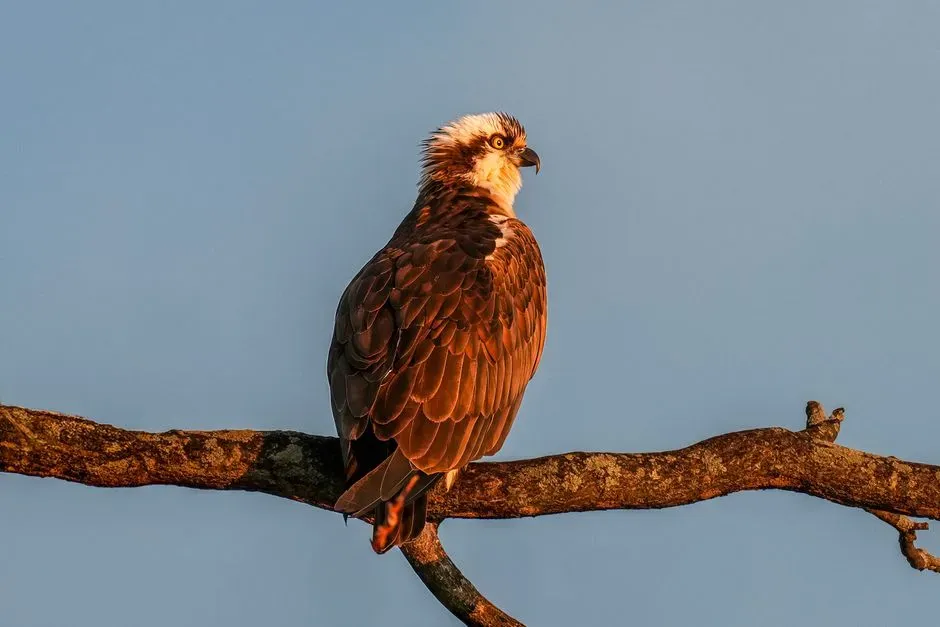
Prey species often show peak movement in the early morning hours when temperatures are cooler and cover feels safer. Hawks time their perching to match this window, positioning themselves before full daylight arrives. The rising sun also begins to create gentle air currents that later help with flight, though the birds stay grounded at first.
Studies of raptor routines show many species leave roosts near sunrise to take advantage of these conditions. A motionless hawk at that moment is simply preparing for the day ahead rather than reacting to anything unusual. This pattern holds across suburban yards and rural edges alike.
Choosing a Fence as a Prime Perch
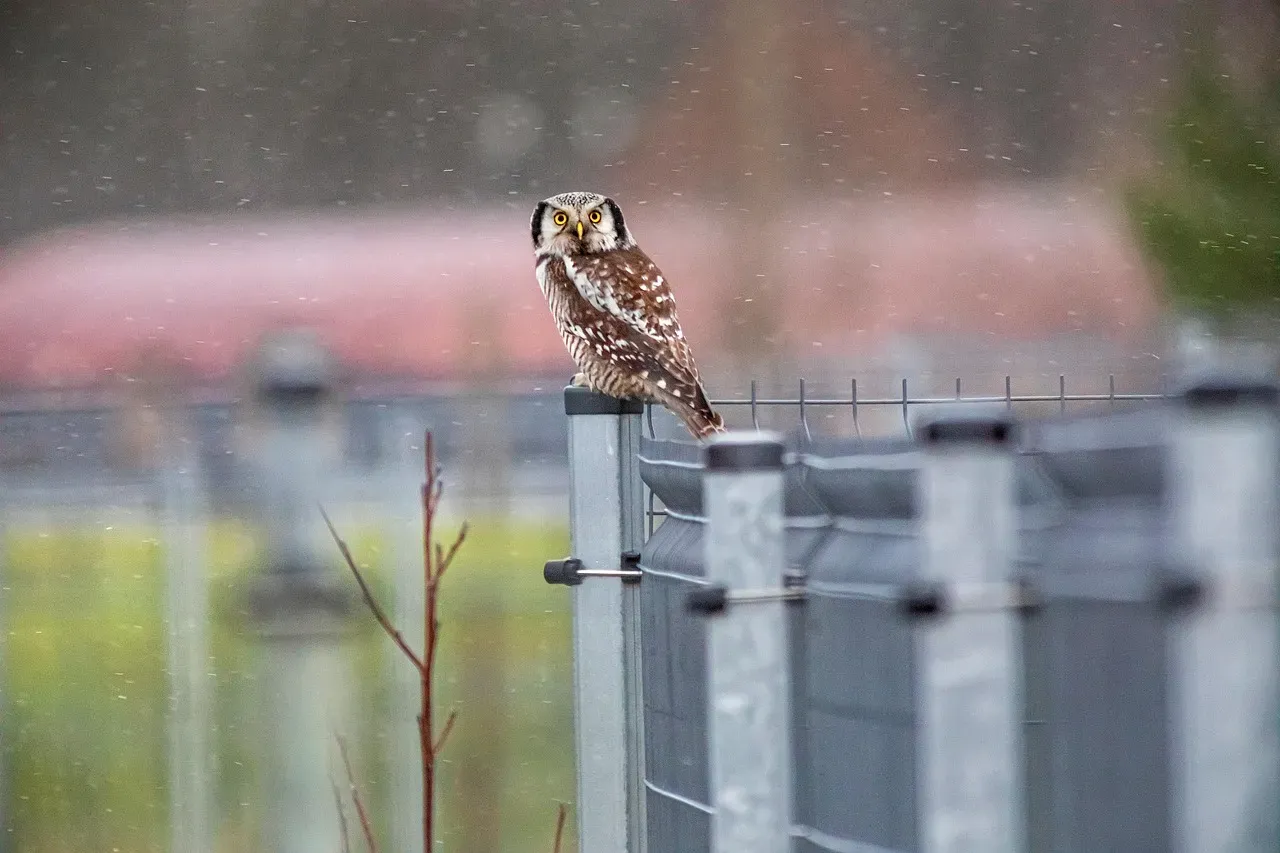
Fences offer an ideal combination of height and open sight lines without requiring the bird to expend effort finding a tree branch. The structure places the hawk above low vegetation where rodents and insects stir. Roadside and yard fences often border fields or lawns that support abundant small prey.
Conservation scientists explain that these man-made perches mimic natural edges where hawks naturally hunt. The location provides quick takeoff space if something catches the eye. Many common species gravitate toward such spots because they combine visibility with easy access to food sources.
Energy Conservation in the Early Hours
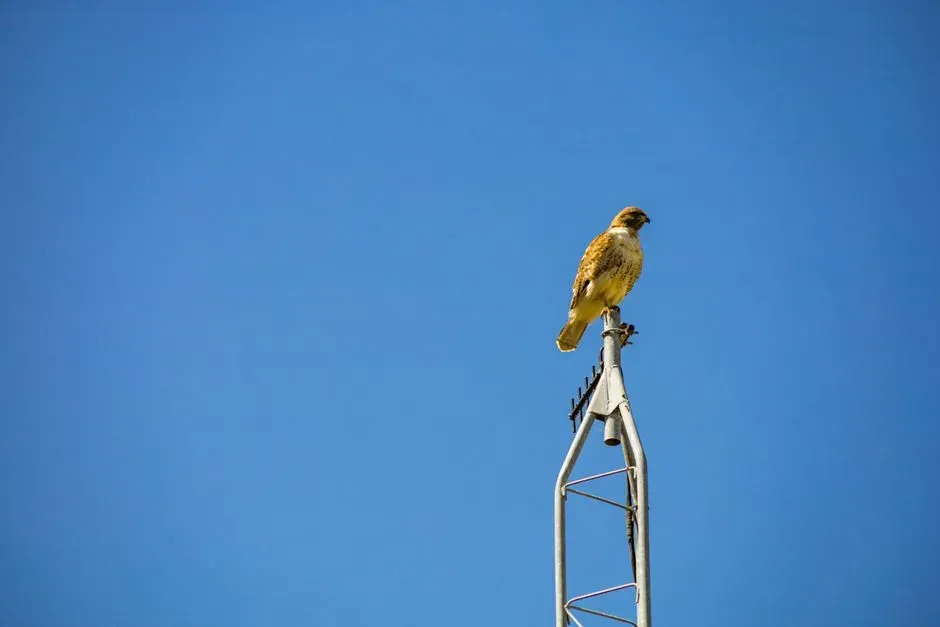
Remaining still allows the hawk to warm up gradually while minimizing heat loss through its feet and feathers. One-leg perching, common in these birds, further helps regulate body temperature during cooler dawn temperatures. This posture also reduces muscle fatigue before the more active parts of the day begin.
By conserving energy at sunrise, the bird can launch into hunting bursts when needed without starting depleted. Experts observe this as standard raptor physiology rather than any sign of distress. The behavior supports survival in environments where food availability fluctuates.
Common Hawk Species You Might Spot
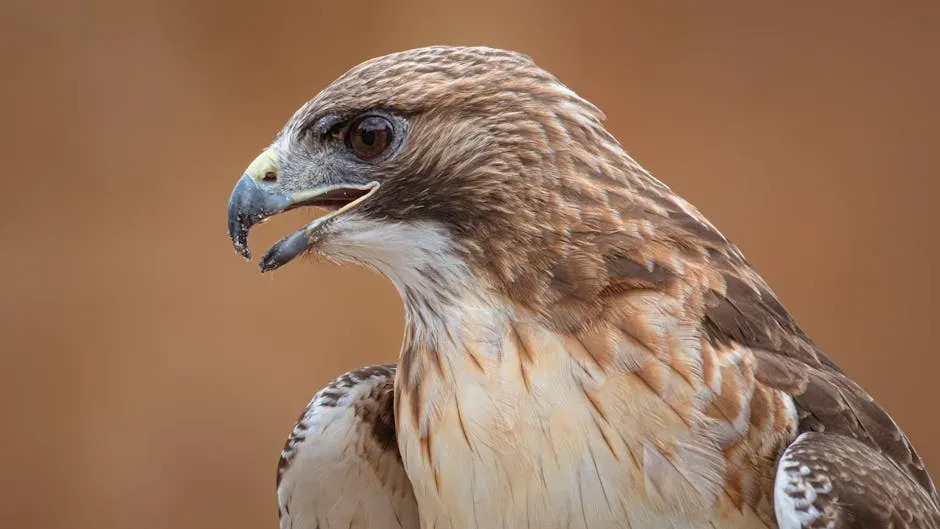
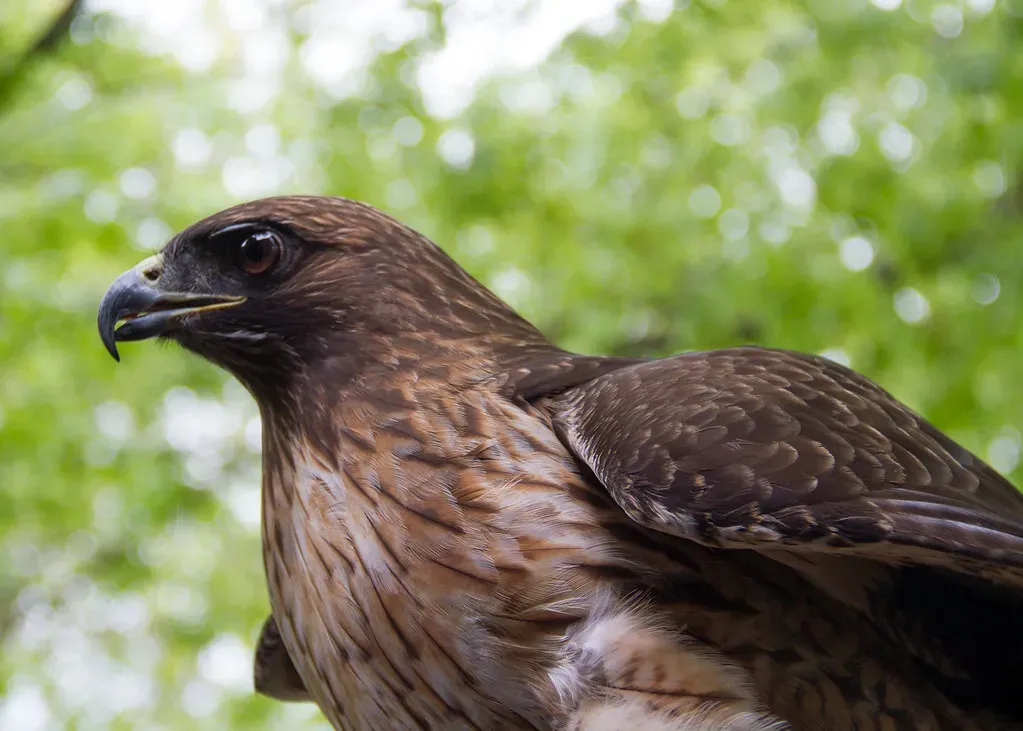
Red-tailed hawks appear most frequently in open or semi-open landscapes across North America. Their larger size and distinctive tail make them stand out when perched on fences. Cooper’s hawks and sharp-shinned hawks also use similar perches, though they tend toward more wooded edges.
Each species brings slight variations in timing and prey preference, yet all share the sit-and-wait tactic at dawn. Identification often comes down to size, tail shape, and habitat. Regular sightings in one yard usually point to a resident bird or a reliable hunting territory.
Signs the Bird Is Healthy and Alert
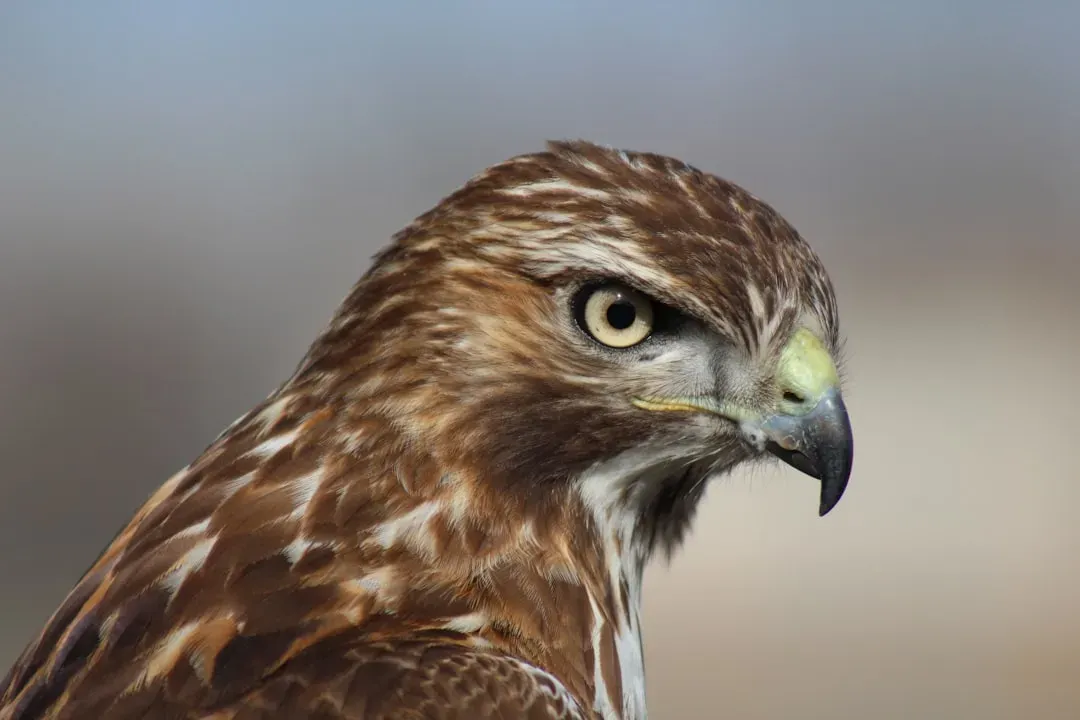
A hawk that stays put for extended periods but remains upright with eyes open shows normal alertness. It will typically take flight if approached too closely or if prey appears. Experts advise watching from a distance rather than assuming injury when the bird simply scans its surroundings.
Grounded or low-perched birds sometimes draw concern, yet many are simply eating or resting between hunts. The fence position itself signals the bird feels secure enough to focus outward. Persistent stillness paired with relaxed posture usually indicates a healthy individual.
How Weather and Seasons Influence This Behavior
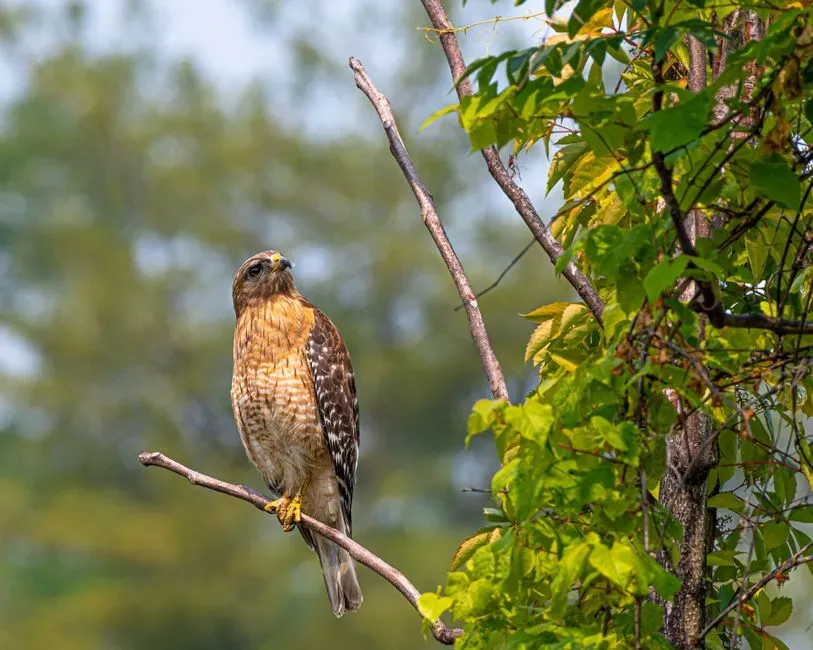
Cooler mornings encourage longer perching sessions as the hawk waits for prey to emerge. In winter, the same fence spot may serve as a reliable vantage when food is scarcer. Warmer seasons bring more frequent flights once thermals develop later in the morning.
Breeding periods can shift routines slightly, with adults balancing hunting and nest duties. Still, the basic pattern of early-morning perching persists year-round in suitable habitats. Local conditions like wind or recent rain also affect how long the bird lingers in one place.
What Experts Recommend Observing Next
Tracking whether the hawk returns to the same fence over several days reveals a consistent hunting route. Noting the time it stays and any successful strikes adds detail to the picture. Simple notes on nearby prey activity help connect the sighting to broader ecosystem patterns.
Wildlife observers gain the most by keeping a respectful distance and avoiding sudden movements. This approach lets the bird continue its natural routine undisturbed. Over time, such quiet watching builds appreciation for how these predators fit into everyday landscapes.
The Value of Noticing These Moments
Regular encounters with perched hawks highlight the quiet efficiency of local wildlife. They remind us that even familiar yards host complex hunting dynamics each morning. Paying attention to these details connects people more closely to the rhythms of the natural world around them. The presence of a still hawk at sunrise ultimately reflects successful adaptation rather than coincidence. It underscores how small habitat features like fences support larger predators in changing environments. Such observations encourage thoughtful stewardship of the spaces we share with these birds.

- 10 Large Dog Breeds That Will Never Grow Out of Their Puppy Nature - August 10, 2026
- 7 Puppy Training Mistakes Vets See Every Week (and Easy Fixes) - August 10, 2026
- Your Beloved Pet’s Final Gift: Understanding and Honoring Their Memory - August 10, 2026