
Ammonia

Ammonia hits raccoons hard because it mimics the scent of predator urine in a concentrated form. Soak rags in household ammonia and tuck them near entry points or trash areas. The sharp chemical odor irritates their sensitive noses right away.
Reapply after rain or every few days to keep the effect going. Many people notice raccoons backing off within a night or two once the smell lingers. Just keep it away from pets and kids since the fumes can bother them too.
Peppermint Oil
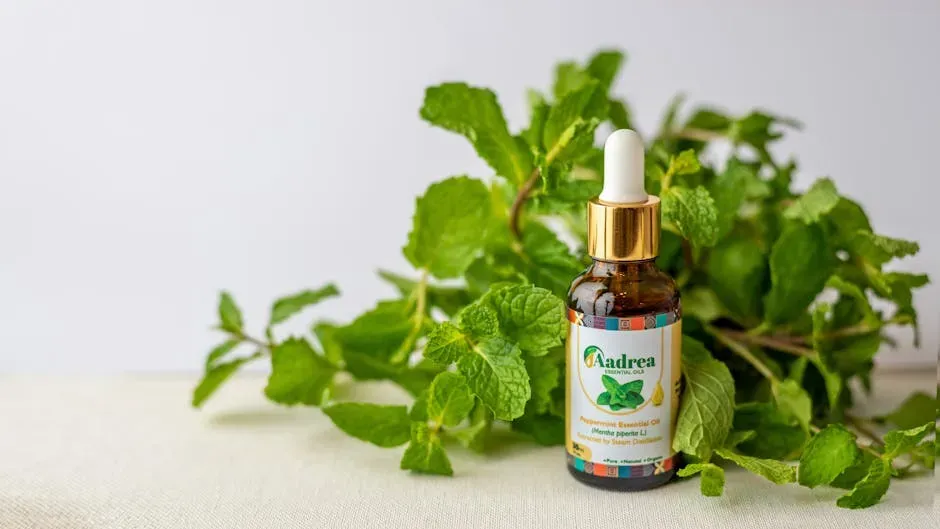
Peppermint oil delivers a menthol punch that overwhelms a raccoon’s sense of smell and masks food scents nearby. Dab cotton balls with a few drops of pure oil and place them around gardens or under porches. The fresh yet intense aroma spreads quickly in the air.
Refresh the cotton balls weekly or after storms for steady results. Homeowners often report fewer visits once the oil starts working its way through the area. It stays pleasant for people while still doing the job on the animals.
Cayenne Pepper
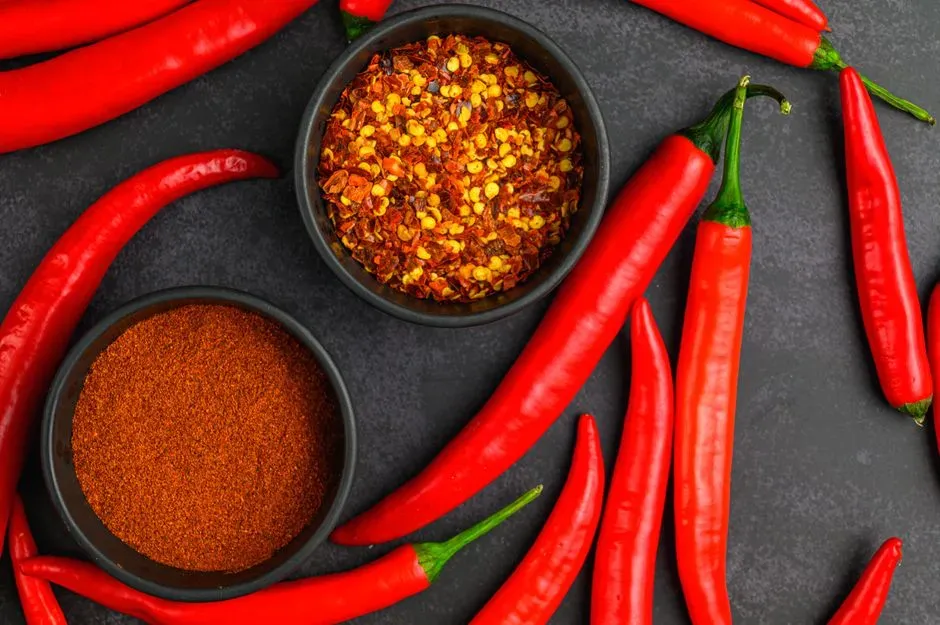
Cayenne pepper brings capsaicin into the mix, which creates a burning sensation in raccoon noses and mouths. Sprinkle the ground spice or mix it into a simple spray with water and dish soap around potential problem spots. The heat builds fast when they investigate.
Reapply after any moisture hits the ground. The strong spicy note lingers long enough to send curious visitors packing. Combine it with other scents for an even stronger barrier effect.
Vinegar

Vinegar’s acidic tang cuts through the air and leaves raccoons wanting no part of the area. Fill spray bottles with white or apple cider vinegar and mist along fences, decks, or near garbage cans. The sour smell clings to surfaces for hours.
Top up the application every couple of days, especially in damp weather. People find it works well as a quick, low cost option that needs little setup. The everyday kitchen staple turns into an effective outdoor tool.
Citrus Peels
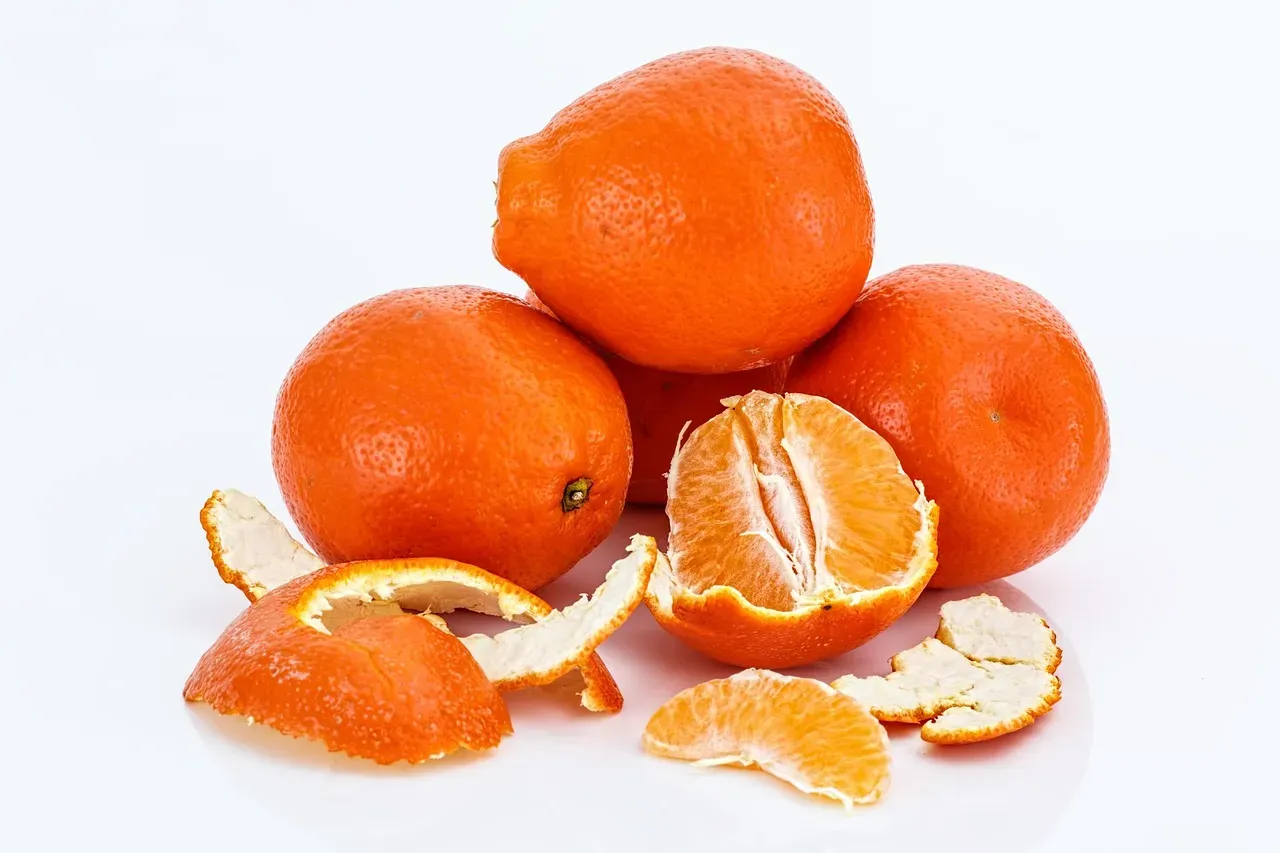
Orange and lemon peels release oils that raccoons find unpleasant and confusing. Scatter fresh peels or dried pieces around flower beds and along paths they use. The bright citrus scent fades slowly but stays noticeable to animals.
Replace the peels every few days as they dry out or get moved. Many gardeners like this method because it doubles as a natural addition to the landscape. The smell builds up over time and helps discourage repeat visits.
Mothballs
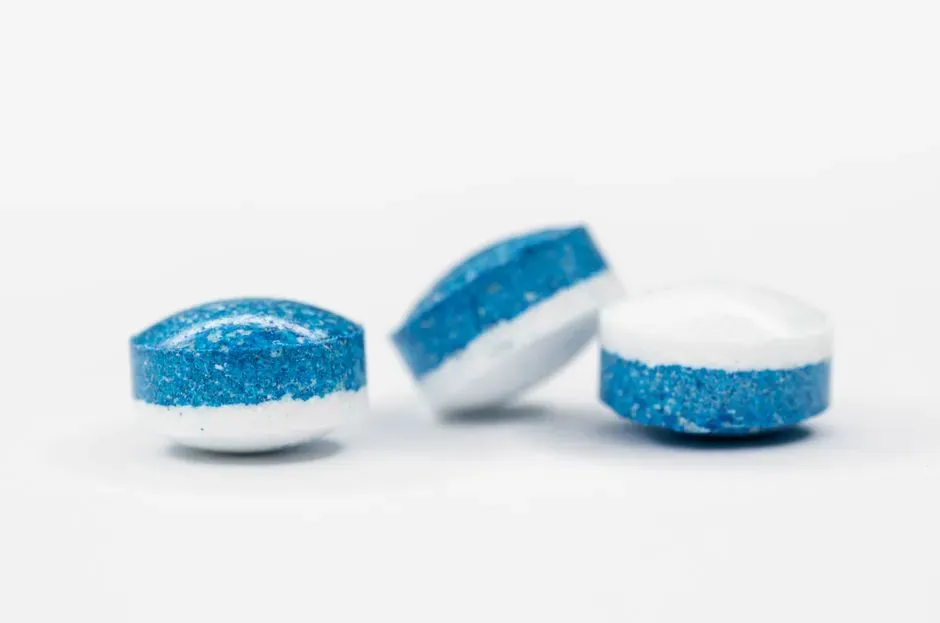
Mothballs pack naphthalene, a chemical odor that raccoons avoid when they can. Place a few in mesh bags or small containers near den sites or food sources, never loose on the ground. The strong, medicinal smell travels well in enclosed spaces.
Check local rules first since some areas restrict their outdoor use. The scent holds up longer than many natural options and can clear an area within a short time. Use sparingly and keep them out of reach of children and pets.
Predator Urine
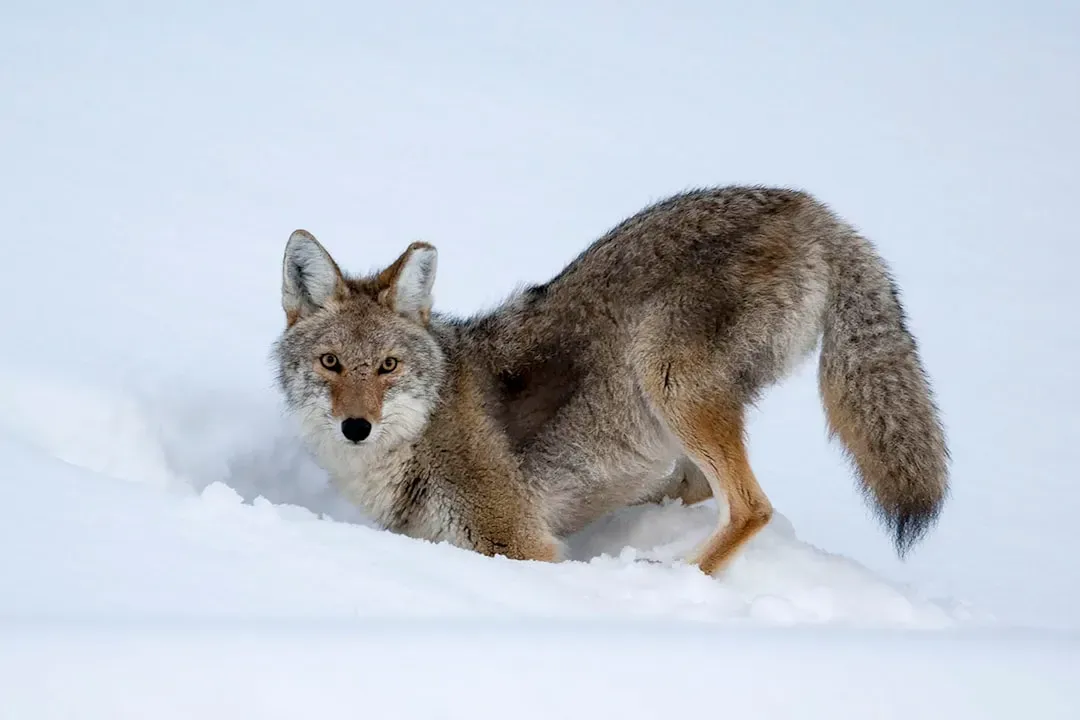
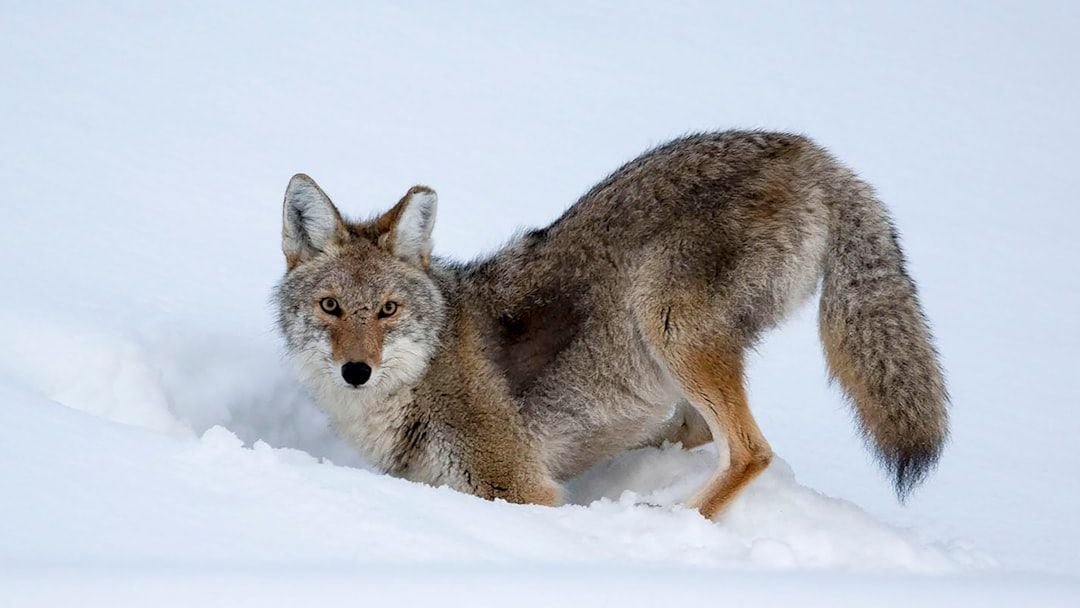
Coyote or fox urine signals danger to raccoons and triggers their instinct to leave. Buy commercial predator urine products and apply them around the perimeter of your yard or near attractants. The animal based scent reads as a real threat.
Reapply every week or after heavy rain to maintain the message. This approach taps into natural behaviors rather than just irritation. Results show up quickly when the urine stays fresh in the environment.
Coffee Grounds
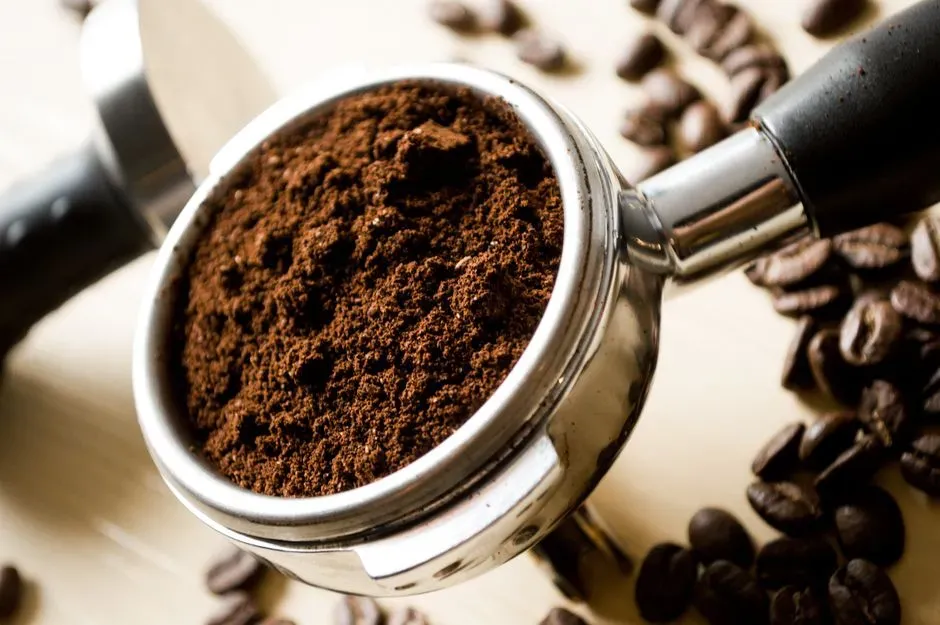
Used coffee grounds carry a bitter, roasted aroma that raccoons steer clear of in many cases. Spread the grounds in a thin layer around garden edges or trash storage spots. The smell intensifies as they dry and release more scent.
Refresh the layer after watering or storms. Gardeners appreciate how the grounds also improve soil while acting as a deterrent. The everyday waste turns into a simple, ongoing solution that fits right into normal routines. Raccoons respond to these smells because their noses drive survival decisions every night. Still, the most lasting success comes from removing food sources and sealing entry points at the same time. Scents give you a practical edge, yet they work best as part of a bigger plan that respects both your space and the animals trying to share it.

- 11 Amazing Facts About Squirrels That Explain Their Strange Behavior - August 10, 2026
- 10 Things You Should Never Do to a Dog - August 10, 2026
- 8 Signs Your Pet is Secretly a Genius (And How to Spot Them!) - August 10, 2026