
Understanding the Vulnerability of Sleep
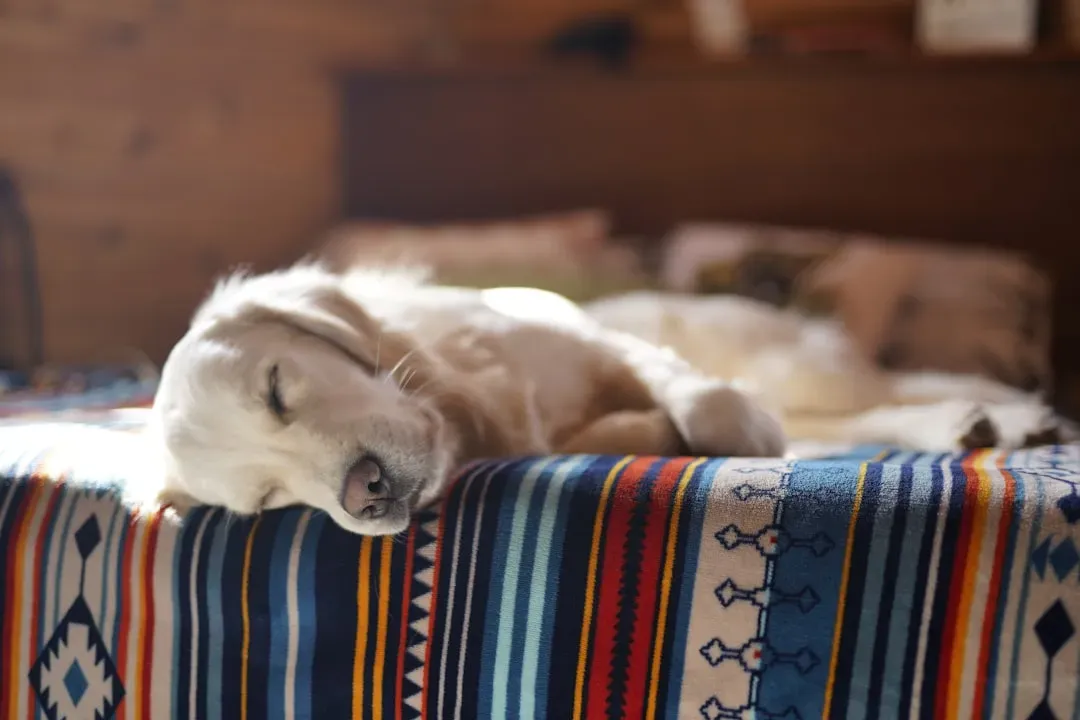
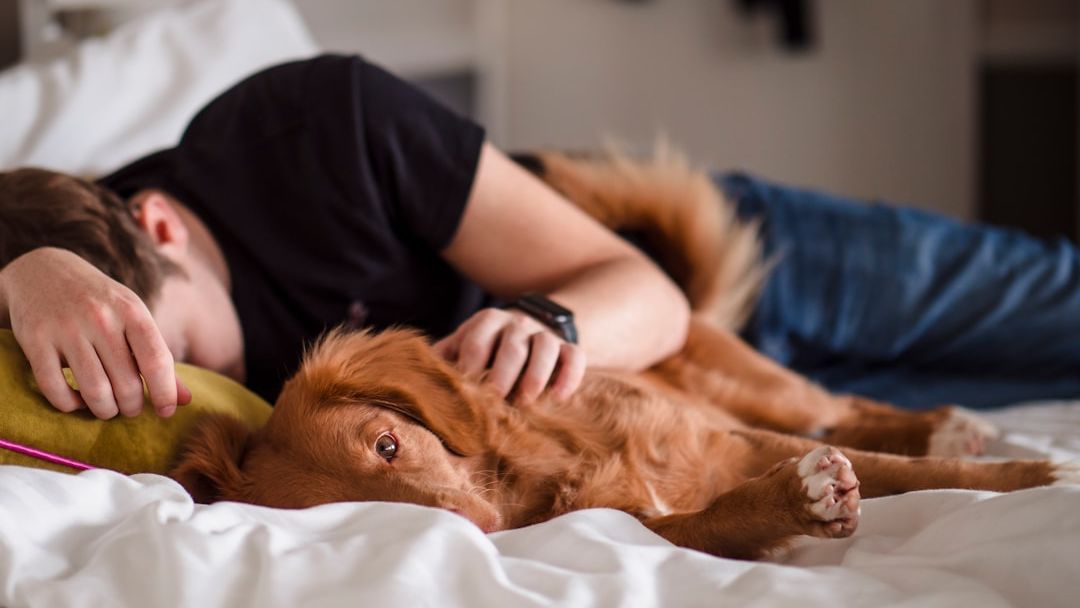
Sleep leaves any animal exposed, and dogs are no exception. They lower their guard completely when resting, which makes the choice of where and how they settle especially telling. A position that keeps part of their body in contact with another living thing offers a layer of reassurance during those unguarded hours.
This instinct traces back to times when safety depended on staying close to others who could alert the group to danger. Modern dogs still carry that same awareness even though household life rarely involves real threats. The contact becomes a simple way to borrow a sense of security from someone they already view as reliable.
Pack Instincts Passed Down Through Generations
Wolves and early dogs lived in tight groups where survival hinged on cooperation. Sleeping arrangements often placed vulnerable members near stronger ones so the whole unit stayed alert. Those patterns did not disappear when dogs moved into human homes.
Instead the behavior adapted. Your dog now treats the household as its pack and assigns you the role of a trusted member. Pressing their back against you mirrors the old habit of keeping a pack mate within reach while both rest. It is a quiet continuation of an ancient strategy rather than a new trick learned from training.
The Specific Meaning of Back to Back Contact

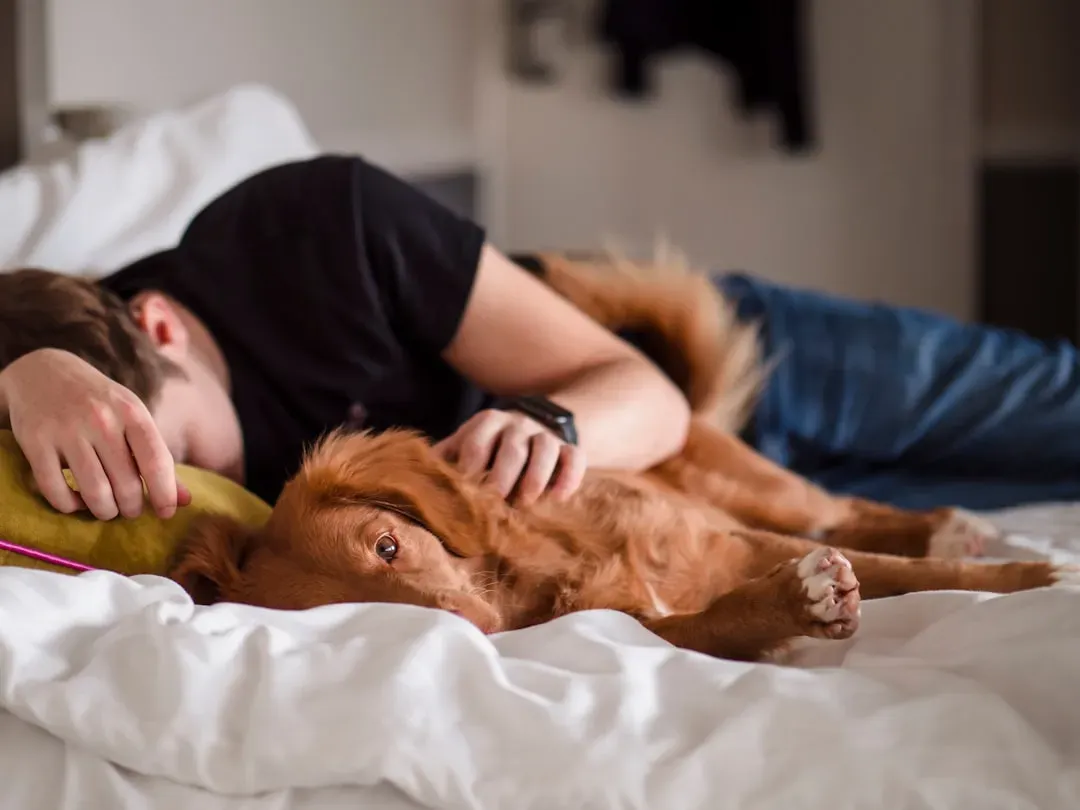
When a dog chooses to rest with its spine against you, it signals more than simple affection. The position leaves the belly and vital areas somewhat protected while still maintaining physical connection. Trainers and behavior observers often note this as a clear marker of comfort and acceptance.
The contact also allows the dog to feel subtle movements or shifts in your breathing. That feedback loop reinforces the feeling that everything around them is stable. Over time the habit strengthens because it consistently delivers the calm they seek at the end of the day.
How This Builds a Deeper Connection
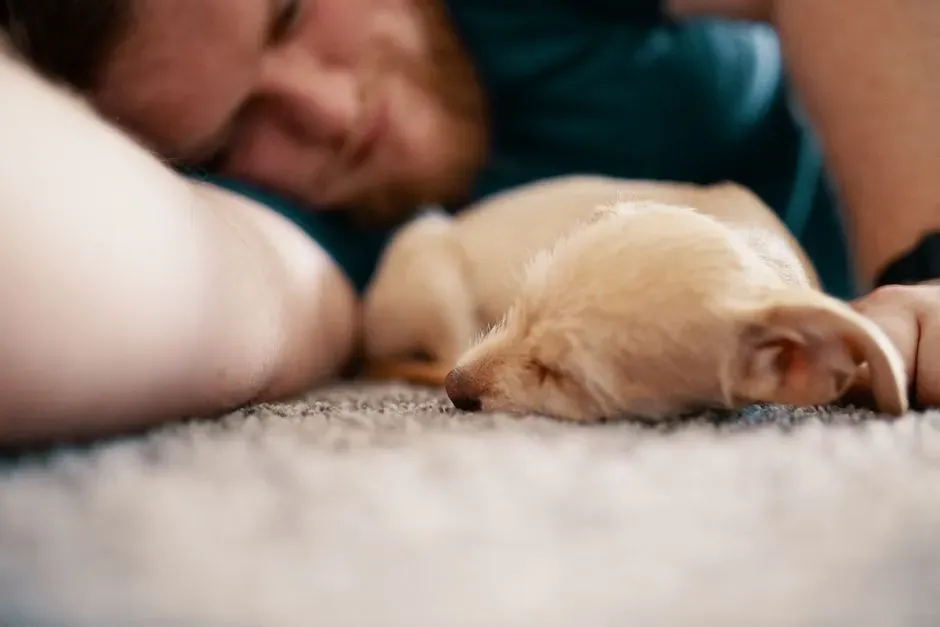
Shared sleep creates a rhythm that both dog and person settle into without effort. The repeated choice to stay close during rest hours reinforces daily interactions that happen while awake. Small moments of contact accumulate into a steady sense of belonging.
Owners often report that dogs who sleep this way seem more relaxed during other parts of the routine as well. The nighttime habit spills over into daytime confidence because the underlying trust is already established. It becomes one thread in a larger fabric of mutual reliance.
Differences in Individual Dog Personalities
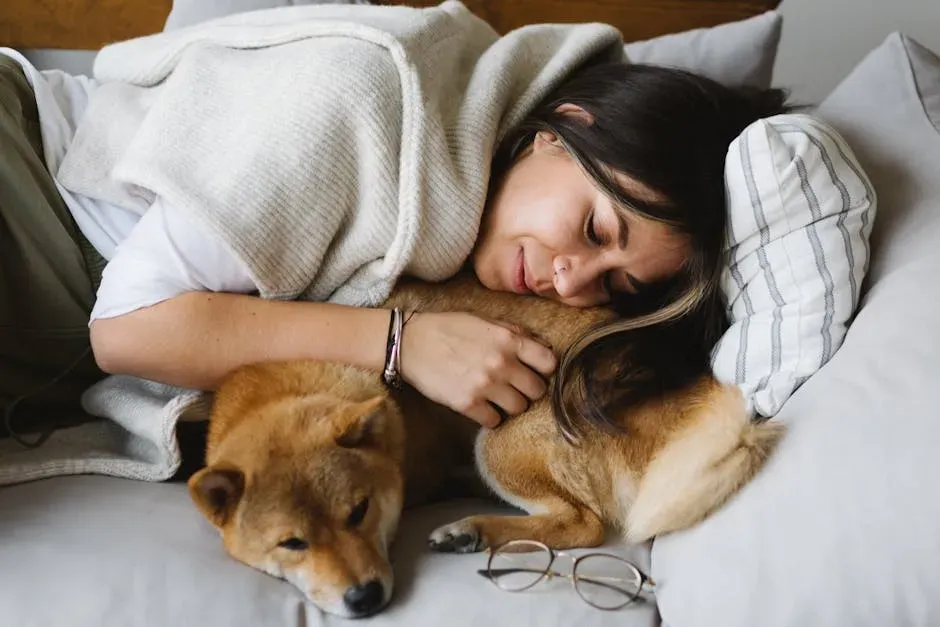
Not every dog seeks the same level of contact. Some prefer a few inches of space even while staying nearby, while others press in as if trying to merge into the same spot. Breed tendencies, early experiences, and age all play a part in how strongly the behavior shows up.
A rescue dog that once lived on the street may take longer to adopt the back touching habit than a puppy raised in a calm home. The variation does not mean one dog trusts more than another. It simply reflects different paths to feeling secure in the present moment.
Practical Ways to Encourage Positive Sleeping Habits

Creating a consistent bedtime routine helps dogs know when rest time begins. A quiet space with familiar bedding signals that the environment is safe for lowering defenses. Gentle routines around evening walks or last play sessions can make the transition smoother.
Respecting the dog’s choice of position matters too. Forcing closeness or moving them repeatedly can undo the very trust the behavior is meant to express. Allowing the contact to happen naturally keeps the signal genuine rather than trained.
What to Watch for in Changing Behaviors
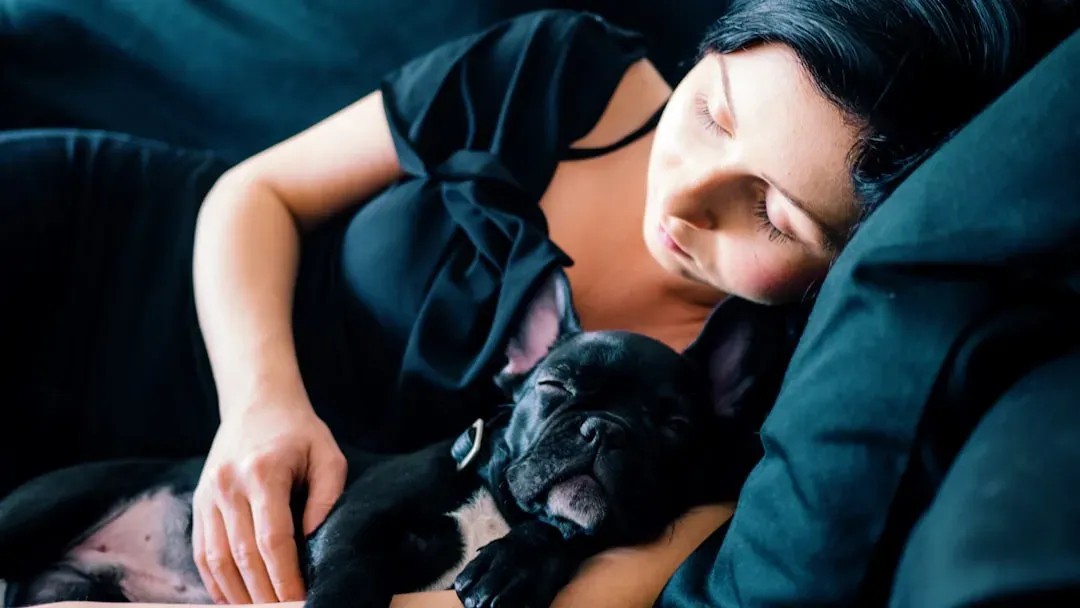
Sudden shifts in where or how a dog sleeps can point to discomfort or health changes. A dog that once pressed close but now seeks distance might be dealing with pain, anxiety, or simply growing older and preferring more space. Regular check ins with a veterinarian help sort out whether the change needs attention.
At the same time, an increase in contact seeking can reflect greater confidence in the home. Either direction offers useful information about the dog’s current state. Paying attention without overinterpreting keeps the relationship responsive and grounded.
The quiet decision to rest back to back turns an ordinary night into a small affirmation of belonging. Over months and years those repeated choices add up to something steady and real that both sides feel without needing words.
- The Secret Lives of Nocturnal Animals: What Happens After Dark - August 10, 2026
- 12 Incredible Facts About Monarch Butterflies and Their Migration - August 10, 2026
- Why the World is Obsessed with This Iridescent Spider: The Psychedelic Earth Tiger - August 10, 2026