
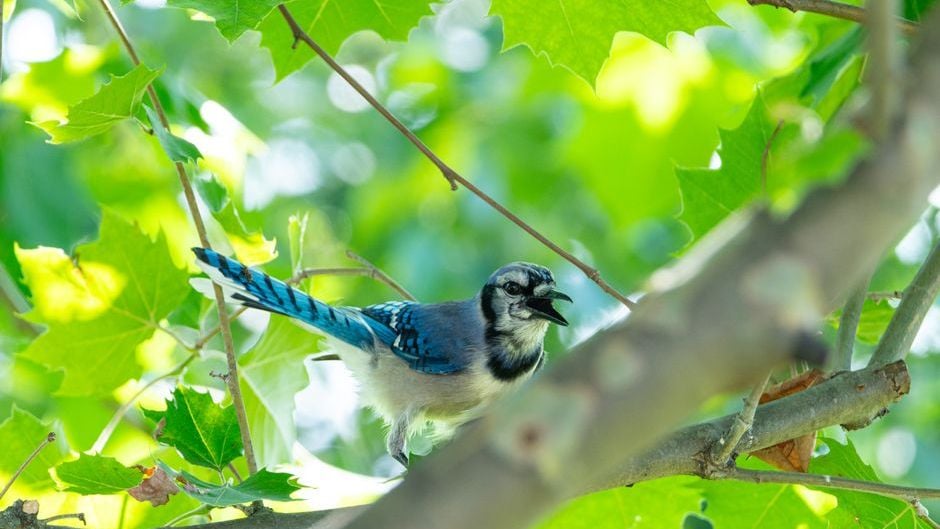
You step outside on a quiet morning only to hear that unmistakable screech cutting through the air right at sunrise. Blue jays have a way of making their presence known, and when they target a window it feels personal. The behavior has puzzled homeowners for years, yet recent observations from bird researchers point to clear patterns rooted in the birds daily needs.
The Vocal World of Blue Jays
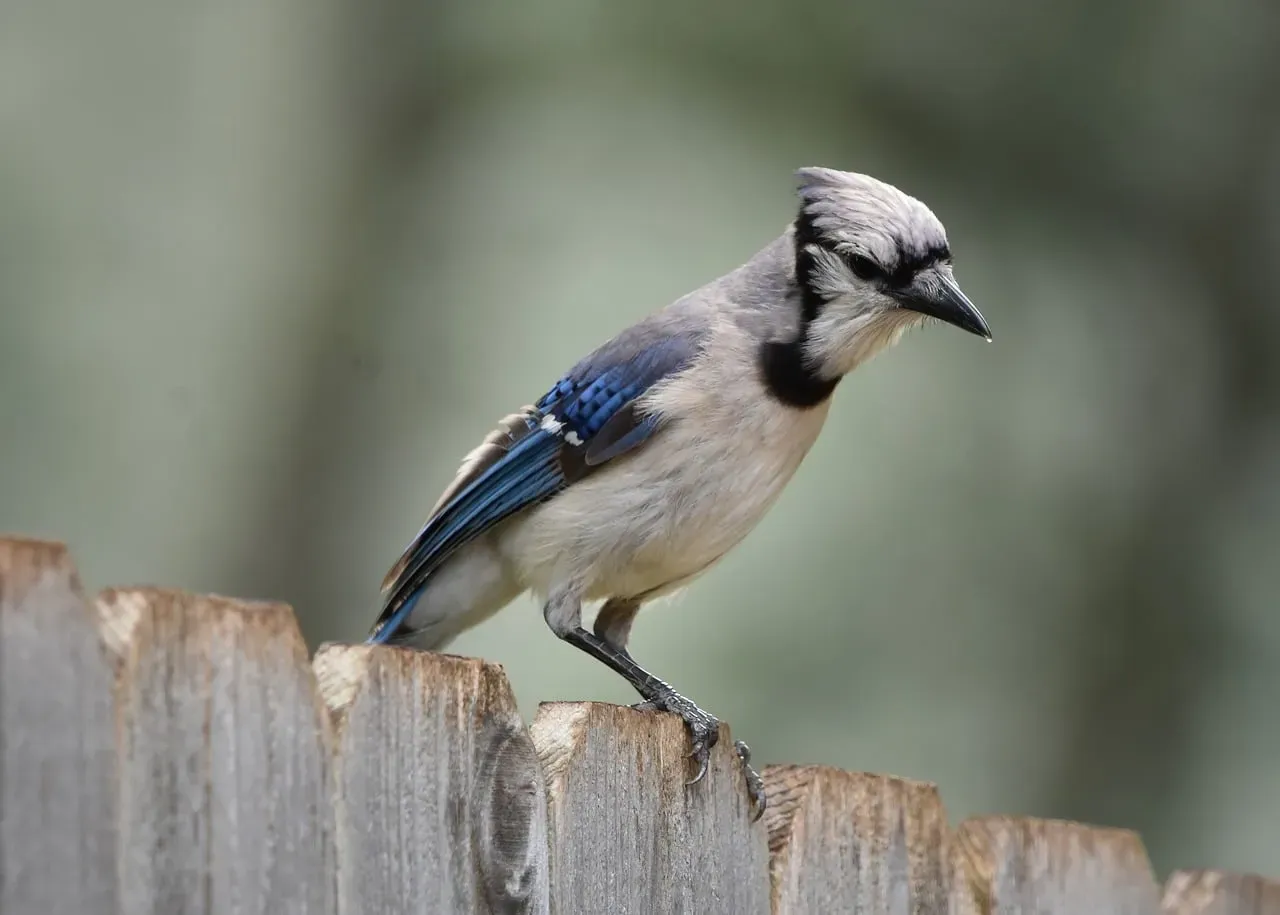
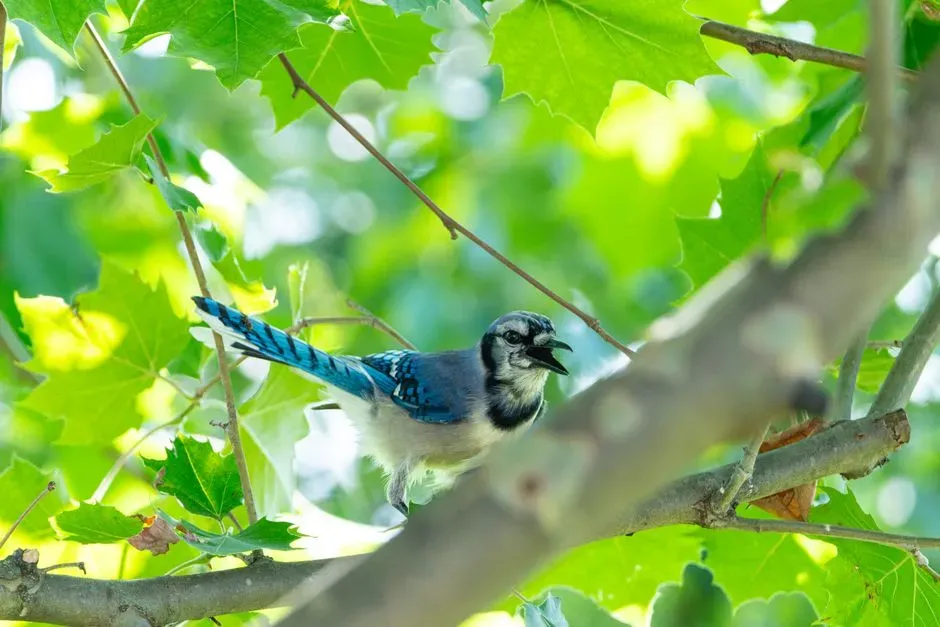
Blue jays belong to the corvid family and rank among the most talkative birds in North American backyards. Their calls range from soft clicks to loud screams that carry across neighborhoods. These sounds serve multiple purposes from warning others about nearby threats to claiming space for themselves.
Researchers note that the volume often increases during the first light of day when competition for resources peaks. A single bird can cycle through several different notes in quick succession. This variety helps them communicate with mates or flock members without leaving their chosen spot.
Why Windows Trigger Such Strong Reactions
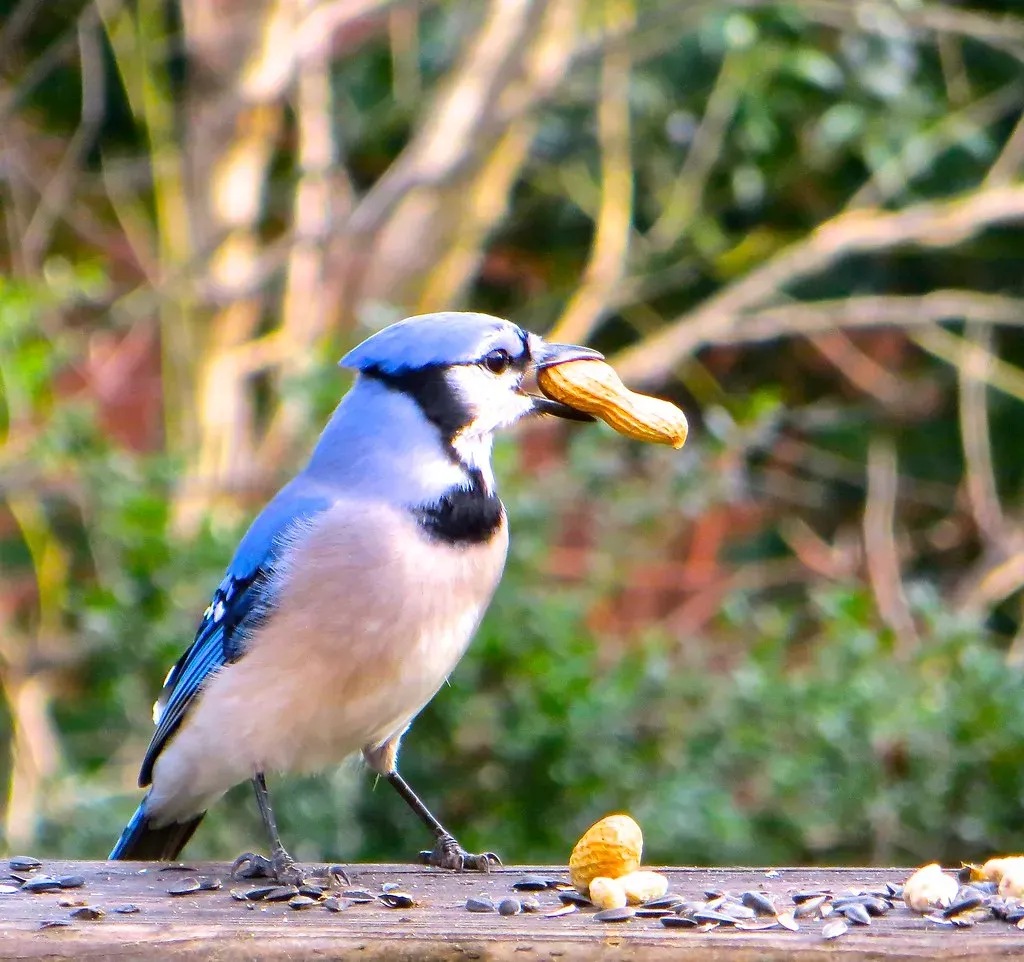
Windows create a perfect mirror on sunny mornings and blue jays often mistake their own reflection for a rival. The bird sees an intruder in its territory and responds with aggressive calls and dives. This reaction protects what the jay considers its own patch of trees and feeders.
Ornithologists have watched similar displays in other species that defend breeding areas. The early hour adds intensity because light levels make reflections especially sharp. Over time the same window becomes a regular target as the bird reinforces its claim.
Early Morning Routines and Timing

Blue jays rise with the sun and use those first hours to survey their surroundings before other birds become active. The 6 AM window aligns with peak foraging and territory checks across many regions. Cooler temperatures and fewer disturbances make it an ideal moment for loud announcements.
Studies of urban and suburban populations show that calls taper off once the day warms and activity spreads out. The timing also coincides with when insects and seeds become easier to spot. Homeowners notice the pattern most during spring and summer when daylight arrives earlier.
Territory and Social Signals

Each blue jay maintains a loose territory that overlaps with neighbors and family groups. Screaming at a window sends a clear message that the area remains occupied and defended. These displays help reduce actual fights by establishing boundaries through sound alone.
Younger birds learn the behavior by watching adults and practicing similar calls. The window simply provides a convenient surface that never moves or fights back. Over weeks the routine becomes part of the birds daily circuit.
Seasonal Shifts in Behavior
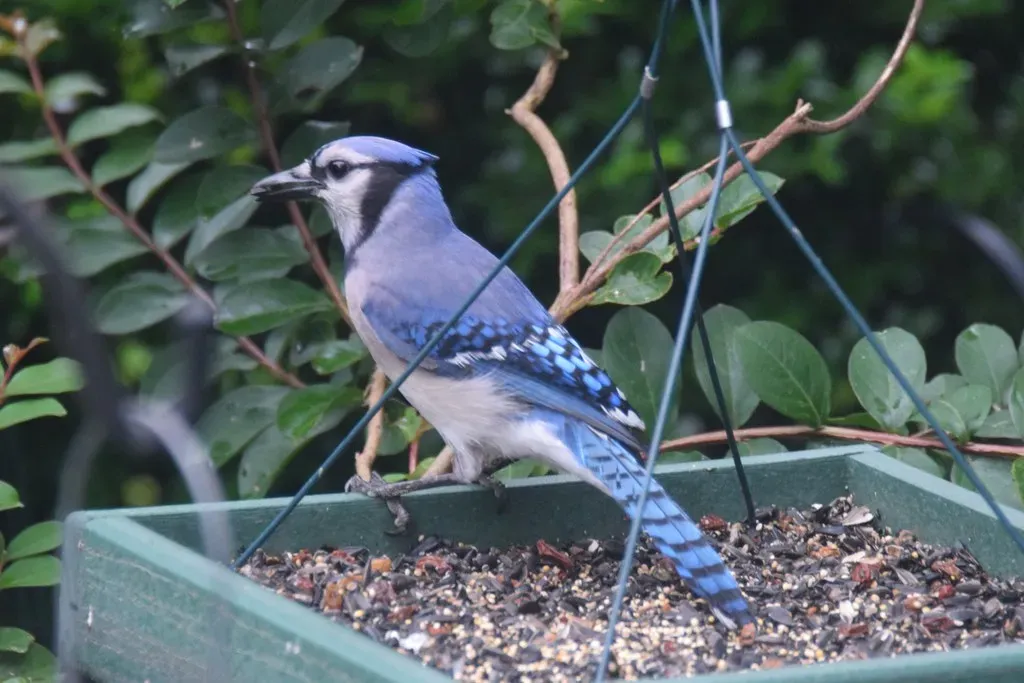
During breeding season the calls grow louder and more frequent as pairs work to protect nesting sites. Later in the year the focus shifts toward storing food for winter and the intensity drops slightly. Still the early morning window routine persists because the reflection never changes.
Migration patterns in some populations bring new individuals into neighborhoods and fresh rounds of vocal sparring. Weather also plays a role with calm clear mornings producing the sharpest reflections and therefore the strongest responses. Observers record fewer incidents on cloudy or rainy days.
What Field Studies Reveal

Long term monitoring by ornithologists shows that window directed calls almost always tie back to reflection based aggression rather than random noise. The birds do not target glass out of curiosity but out of a drive to remove perceived competition. This finding matches patterns seen in cardinals and robins that exhibit the same behavior.
Data collected from backyard cameras confirm that the activity peaks within the first thirty minutes after sunrise. The consistency across different regions suggests a widespread instinct rather than learned local habits. Continued tracking helps refine advice for people who want quieter mornings.
Learning to Live Alongside These Birds
Simple adjustments like closing curtains or adding decals can reduce the reflection and ease the daily chorus. Many homeowners find that moving feeders farther from windows also lowers the frequency of visits. These small changes respect the birds natural drive while restoring a bit of morning peace.
Blue jays bring color and intelligence to any yard and their presence signals a healthy local ecosystem. Accepting their early habits as part of the natural rhythm makes coexistence easier. In the end the screams remind us that even common birds follow complex rules shaped by survival needs.

- The Secret Lives of Nocturnal Animals: What Happens After Dark - August 10, 2026
- 12 Incredible Facts About Monarch Butterflies and Their Migration - August 10, 2026
- Why the World is Obsessed with This Iridescent Spider: The Psychedelic Earth Tiger - August 10, 2026