The Most Venomous Spider in the Continental United States Lives in One Specific Region and Almost No One Who Lives There Knows It-feature Image/Flickr
A quiet stretch of the Midwest and South Central states holds a secret that rarely makes headlines. People go about their days mowing lawns, sorting through old boxes in the garage, or reaching into dark corners without a second thought. Yet tucked away in those ordinary spaces lives a spider whose bite carries consequences few residents fully grasp.
Recognizing the Brown Recluse
Recognizing the Brown Recluse (Image Credits: Unsplash)
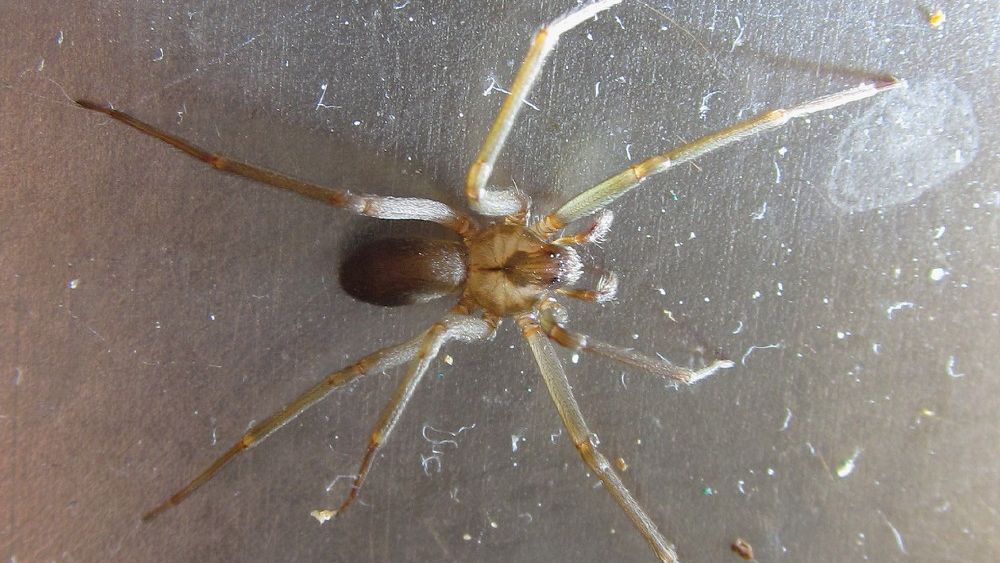
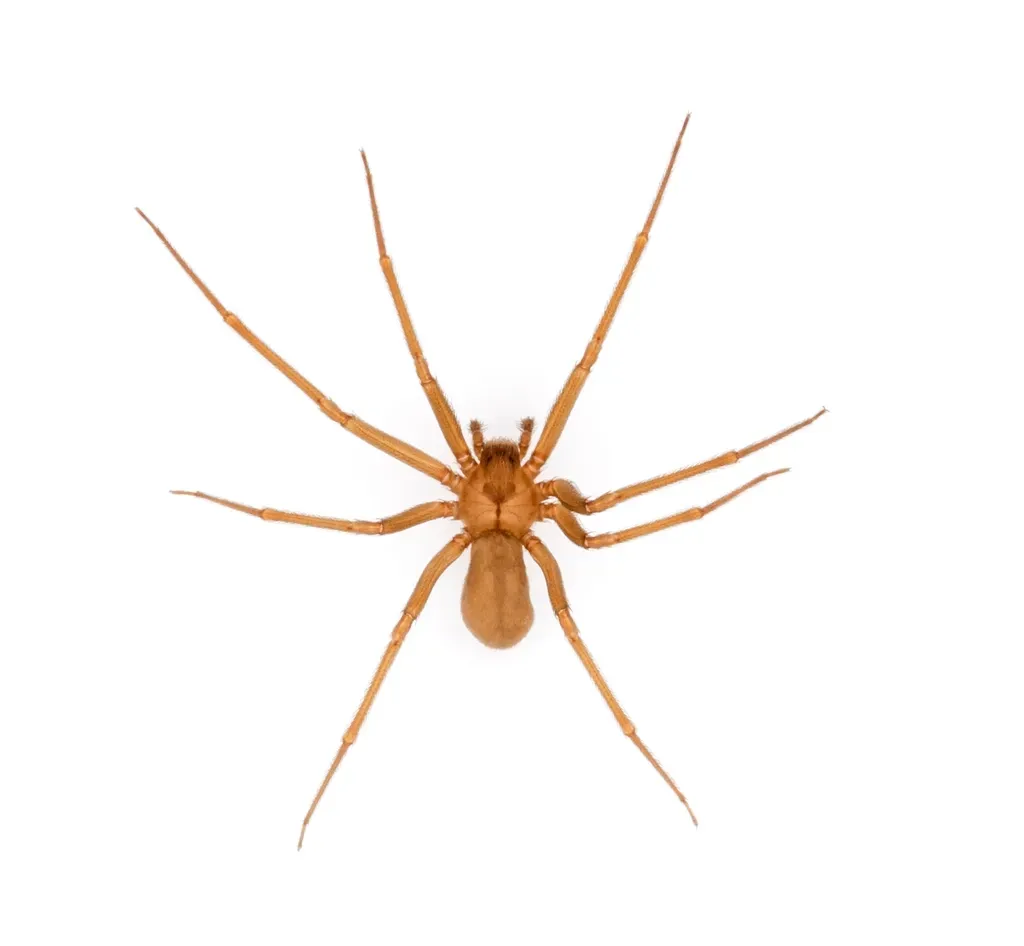
The spider in question is the brown recluse, a modest looking creature with a violin shaped marking on its back. Its body stays small, usually under half an inch, and its coloring blends into wood and cardboard. Most people never notice one until it has already wandered into a shoe or a folded towel. This species stays true to its name and avoids contact whenever possible. It prefers undisturbed spots where it can hunt small insects at night. The reclusive habit means sightings stay rare even in areas where populations thrive.
Understanding the Venom
Understanding the Venom (Image Credits: Unsplash)
Its venom works differently from many other spiders because it targets tissue rather than the nervous system. A bite can lead to a slow developing sore that sometimes requires weeks or months to heal. In rarer cases the damage spreads further and needs medical attention. The effects vary widely from person to person. Some feel only mild irritation while others experience more significant reactions. Medical experts note that deaths remain extremely uncommon yet the potential for lasting skin damage keeps the spider on watch lists in its native range.
Mapping Its True Range
Mapping Its True Range (Image Credits: Pexels)
The brown recluse occupies a fairly narrow band across the country. Its core territory runs from southeastern Nebraska down through Kansas, Missouri, and Oklahoma, then east into parts of Arkansas, Tennessee, and northern Georgia. Populations thin out quickly outside this zone. Outside experts have documented how the spider rarely establishes itself in new states despite occasional transport in moving boxes. This limited footprint explains why the same species draws little attention in coastal cities or northern states where it simply does not belong.
Why Awareness Stays Low
Why Awareness Stays Low (Image Credits: Rawpixel)
Residents in the heart of its range often treat spiders as background noise rather than a specific concern. Daily routines involve plenty of contact with attics, basements, and woodpiles yet few stop to consider which species might be present. The spider itself stays hidden during daylight hours so encounters feel accidental rather than routine. Local news stories tend to focus on more dramatic wildlife or seasonal pests. As a result the brown recluse receives less consistent public discussion than its reputation might suggest. Many families learn about it only after a bite occurs in their own home.
Sorting Fact From Exaggeration
Sorting Fact From Exaggeration (Image Credits: Pexels)
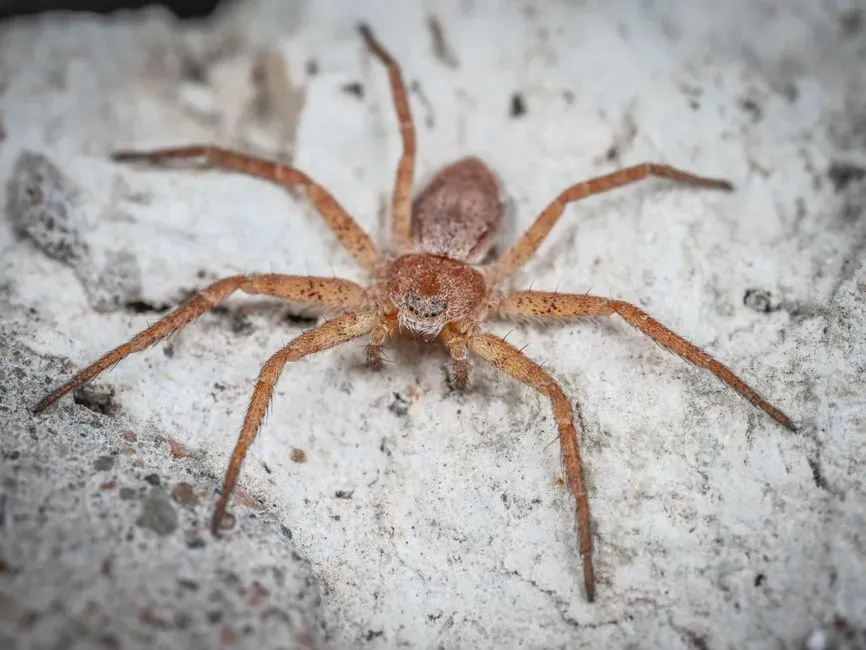
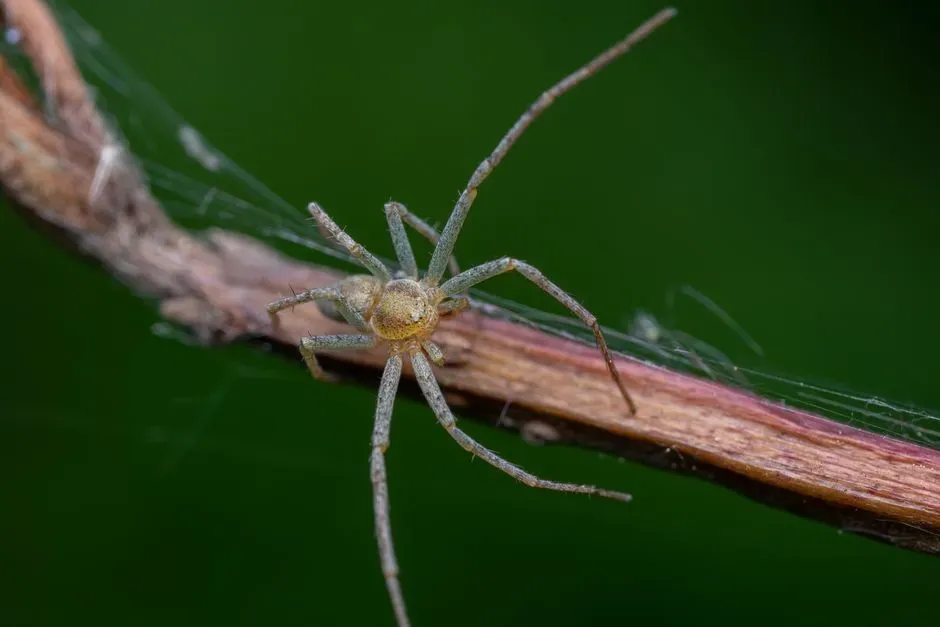
Online images and stories sometimes inflate the danger or spread the spider far beyond its actual range. In reality verified populations stay concentrated in that central band. Misidentifications happen often because other brown spiders look similar at a glance. Health professionals emphasize that proper identification matters for treatment decisions. Overreacting to every spider sighting creates unnecessary worry while underestimating the real species can delay care when needed. Balanced information helps both sides of that equation.
Practical Steps for Homeowners
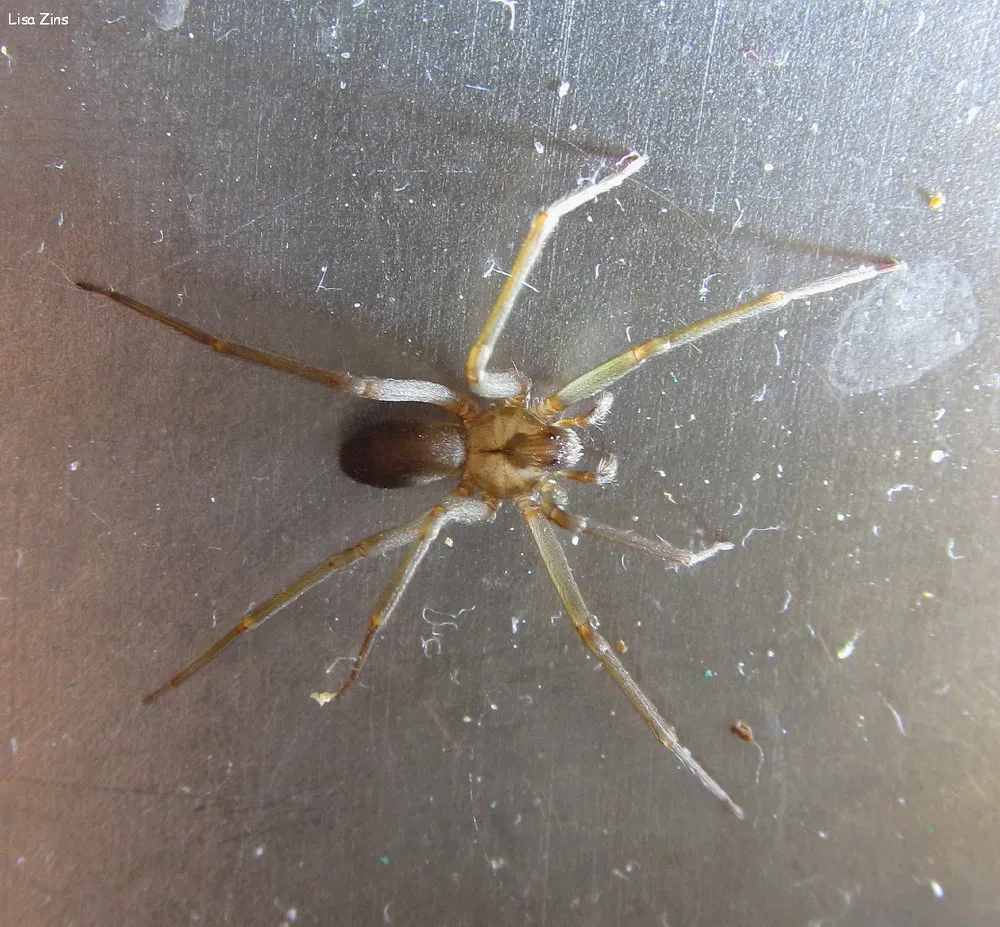
Practical Steps for Homeowners (Lisa Zins, Flickr, CC BY 2.0)
Simple habits reduce the chance of an unwanted meeting. Sealing cracks around foundations, storing items in sealed plastic bins, and shaking out clothing or shoes before use all make a difference. Regular cleaning in storage areas removes the clutter the spider prefers. Pest control services in the region sometimes offer targeted inspections for older homes. These checks focus on likely hiding spots rather than blanket spraying. The goal stays prevention instead of reaction after a bite.
Looking Ahead in the Region
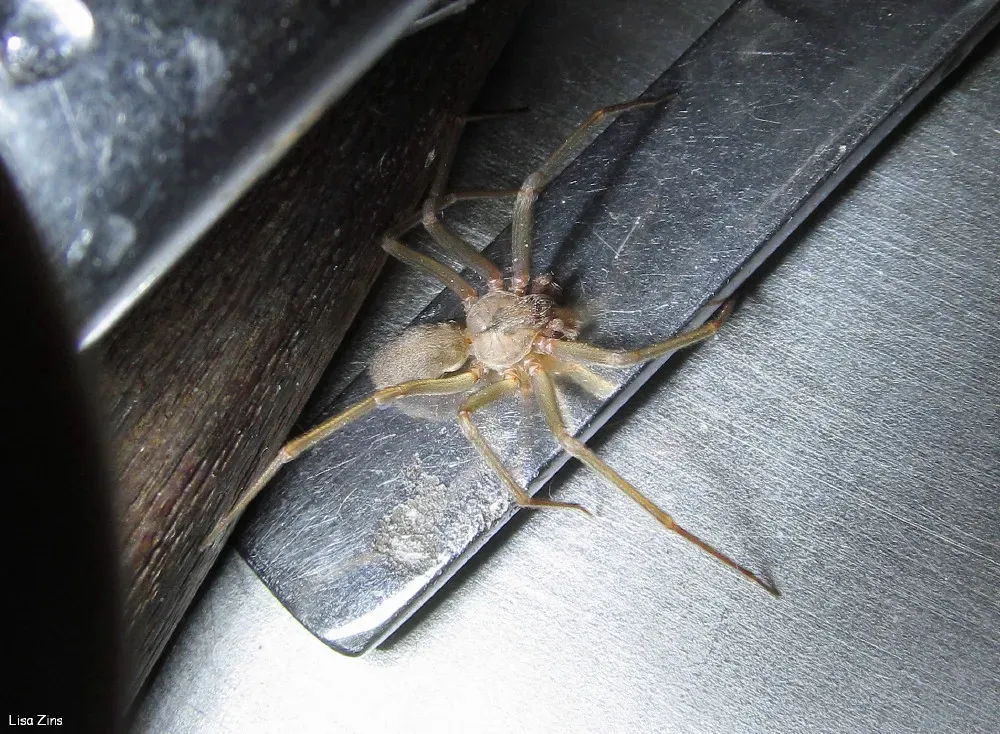
Looking Ahead in the Region (Lisa Zins, Flickr, CC BY 2.0)
The brown recluse will likely remain part of the landscape in its native states for years to come. Climate patterns and human building practices influence how populations shift at the edges of the range. Continued education through schools and community programs could close the awareness gap that still exists. Residents who understand the spider treat it with quiet respect rather than fear. That measured approach keeps daily life normal while respecting the small but real risks that come with living in its territory. In the end the spider serves as a reminder that some of the most notable wildlife stays right under our noses when we least expect it.
Did you find this helpful? Share it with a friend who’d love it too!
Gargi is an MA in History and a B.Ed graduate from India, with a deep passion for animals and wildlife awareness. As an article writer and editor at Animals Around The Globe, she combines her love for storytelling with her dedication to educating readers about animals, conservation, and responsible pet care. A devoted dog lover, Gargi enjoys creating engaging and informative content that inspires compassion and awareness toward the natural world.