
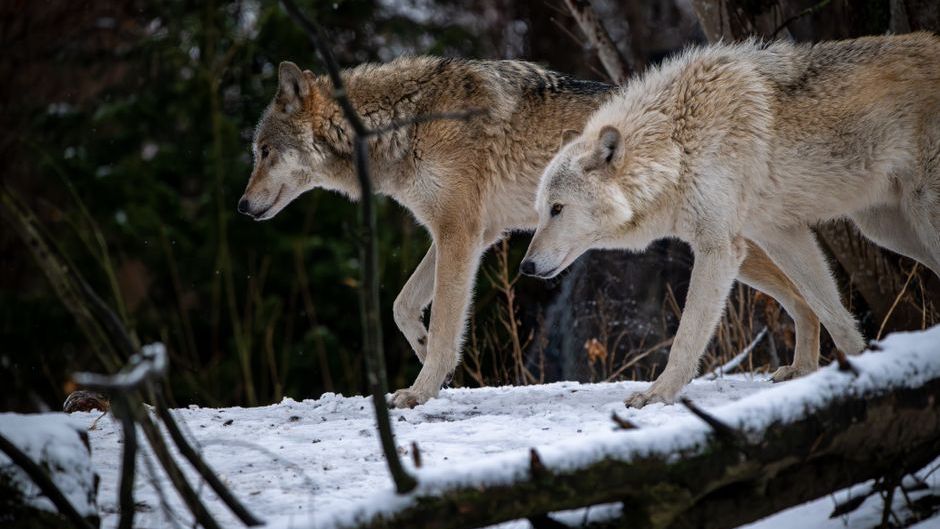
The Spring Confirmation That Changed the Picture
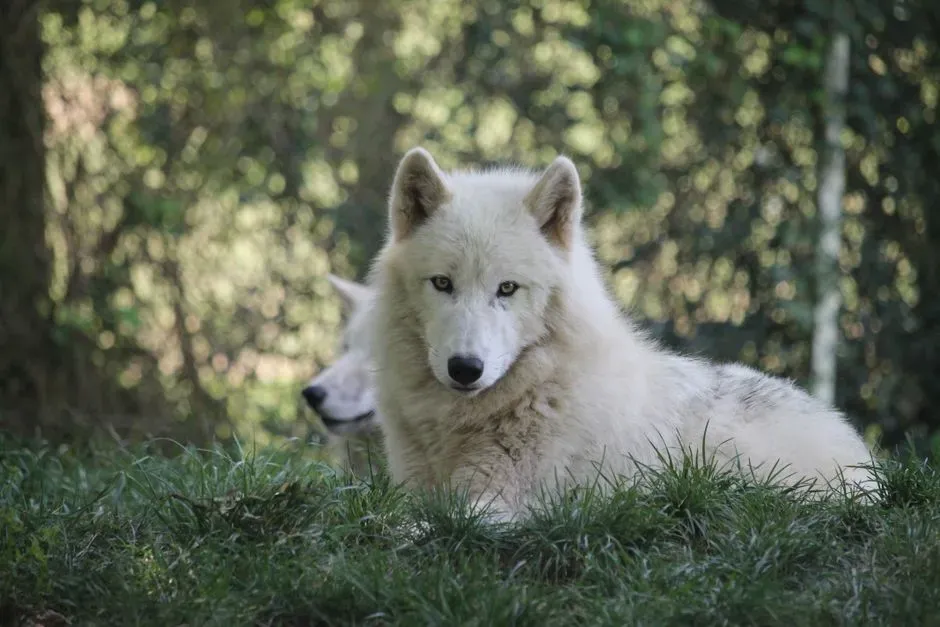
Colorado Parks and Wildlife announced the formation of three new wolf packs in the summer of 2025 after monitoring showed successful reproduction the previous spring. One of those groups established itself in a region that includes popular hiking routes. The confirmation came after trail camera footage and field observations documented pups traveling with adults.
Officials noted that packs are only recognized once a breeding pair produces offspring. This standard helped confirm the new group without relying on speculation. The timing aligned with broader monitoring efforts that track movements across several counties in the northwest part of the state.
How the Pack Found Its Range
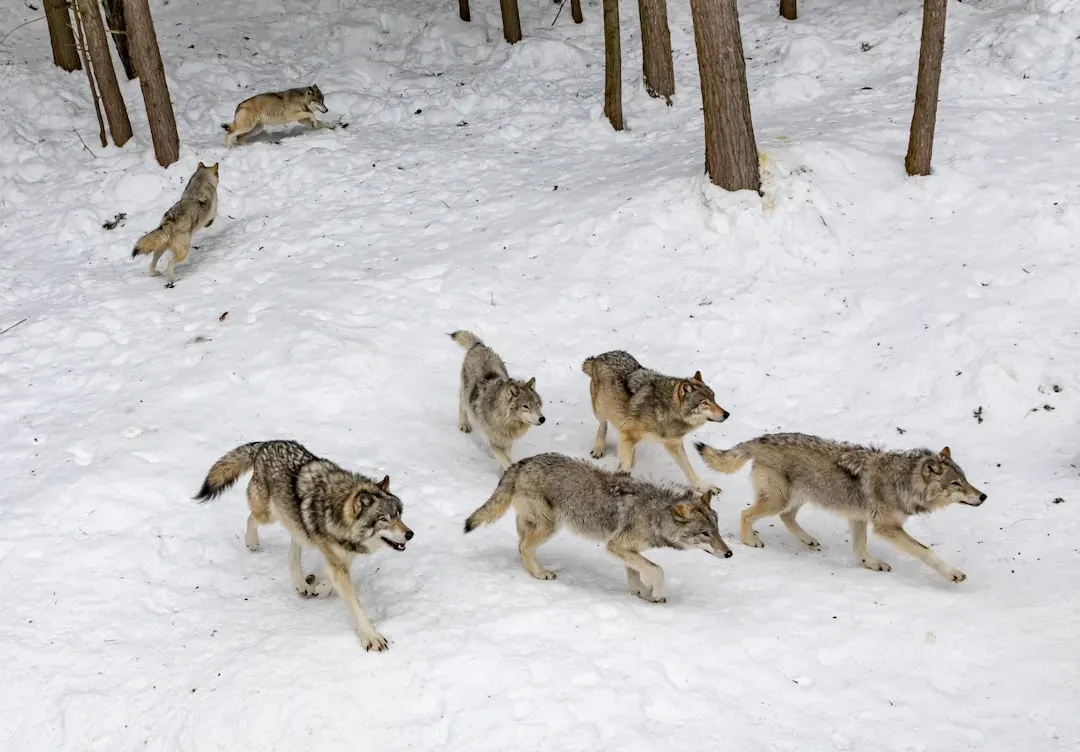
Wolves often disperse from established groups in search of new territory and mates. The latest pack appears to have followed that pattern, settling into an area with suitable prey and cover. Its claimed space overlaps zones where hikers regularly pass through on day trips and overnight outings.
Monitoring data shows the animals have settled into more localized movements rather than wide roaming. This shift suggests they are treating the area as home base. The presence of established trails nearby means human activity is already part of the environment the wolves navigate.
Daily Life for the New Residents
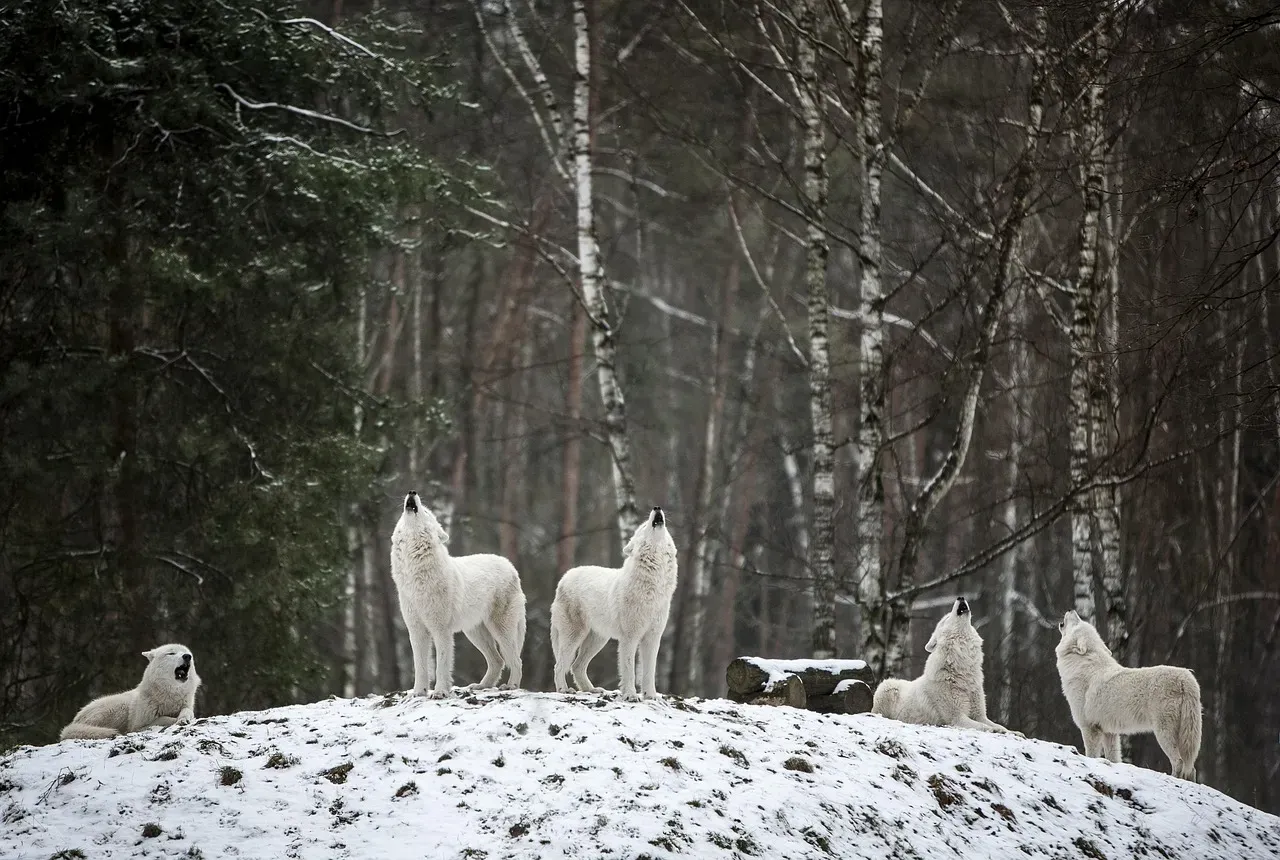
Pack members spend much of their time hunting, resting, and raising young within the territory. Pups born last spring would now be approaching their first year, learning the routes their parents use. The group stays mostly out of sight, though occasional signs like tracks or howls reach nearby trails.
Prey availability in the region supports the pack without forcing long hunts into more developed spots. This balance helps keep interactions with people limited. Still, the shared space means both hikers and wolves move through the same drainages and ridgelines on any given weekend.
Monitoring Efforts Behind the Scenes
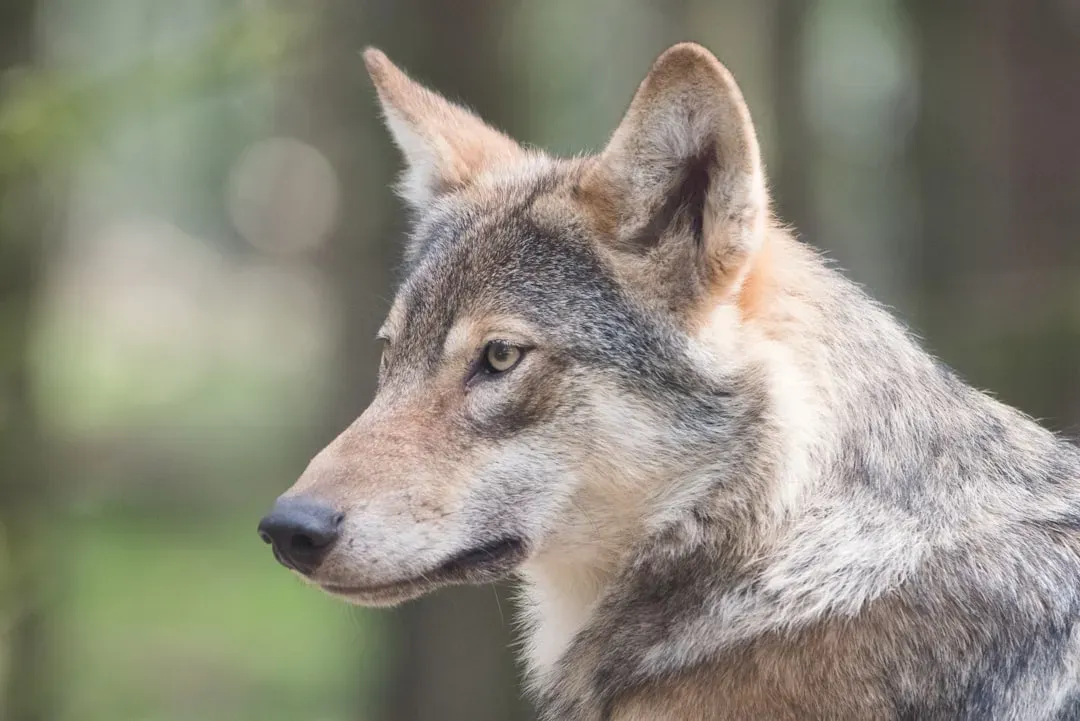
Wildlife staff rely on a mix of collar data, camera traps, and occasional visual sightings to track the pack. These tools give a clearer picture of territory boundaries and daily patterns. Updates from the agency help the public understand where wolves are active without revealing exact den locations.
Annual reports compile minimum population counts and note any new breeding activity. The process stays consistent year to year, allowing comparisons across seasons. This steady approach has documented the growth from the initial reintroductions to the current set of established groups.
What Hikers Might Notice
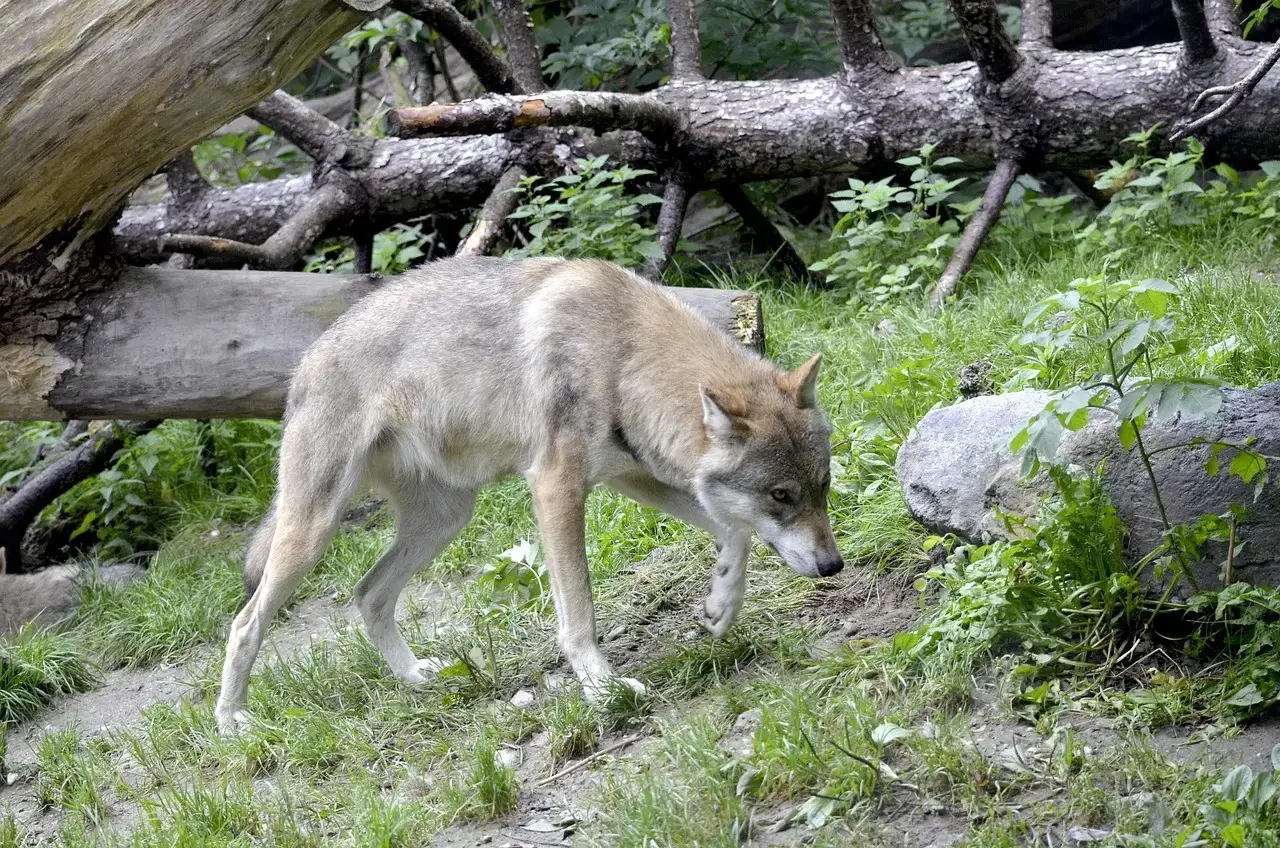
Most weekend visitors will never see a wolf, yet signs of their presence can appear along established paths. Tracks in mud or snow, scat along game trails, or distant howls at dusk offer subtle reminders. Awareness of these clues helps people move through the area with respect for the animals sharing it.
Basic precautions like keeping dogs on leash and making noise on blind corners reduce the chance of surprise encounters. The overlap with popular routes does not mean danger, but it does call for the same mindfulness hikers already use around other wildlife. The pack’s territory simply adds one more layer to the outdoor experience.
Broader Effects on the Landscape
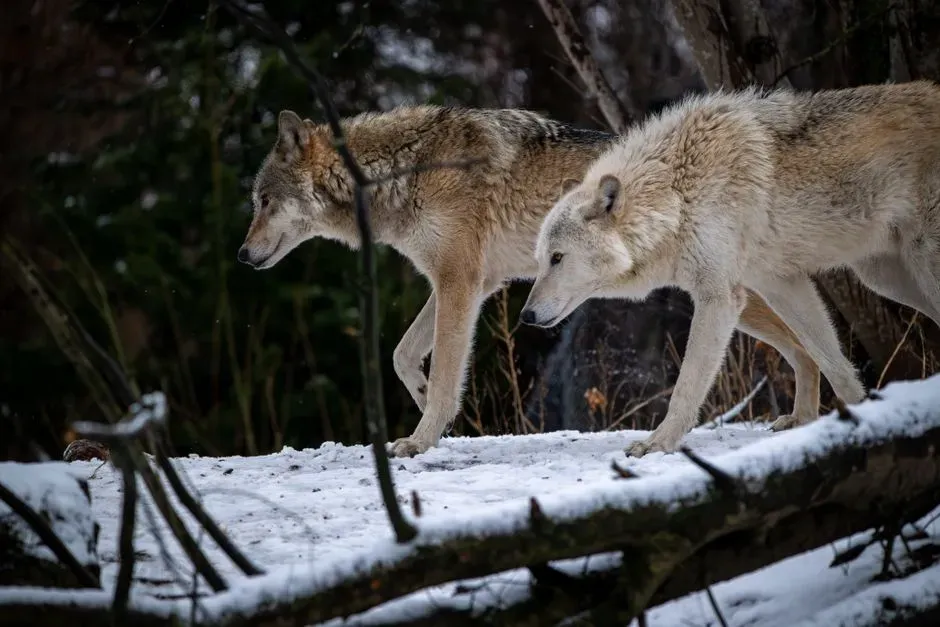
The return of wolves influences elk and deer behavior in subtle ways, which in turn shapes vegetation patterns over time. These changes unfold gradually and vary by location. In areas with steady human use, the dynamic plays out alongside existing recreational pressure.
Local ecosystems gain a missing predator that once helped maintain balance. The new pack contributes to that process while carving out space near trails. Observers note that coexistence depends on both the animals adapting and people staying informed about current conditions.
Looking Ahead With Measured Optimism
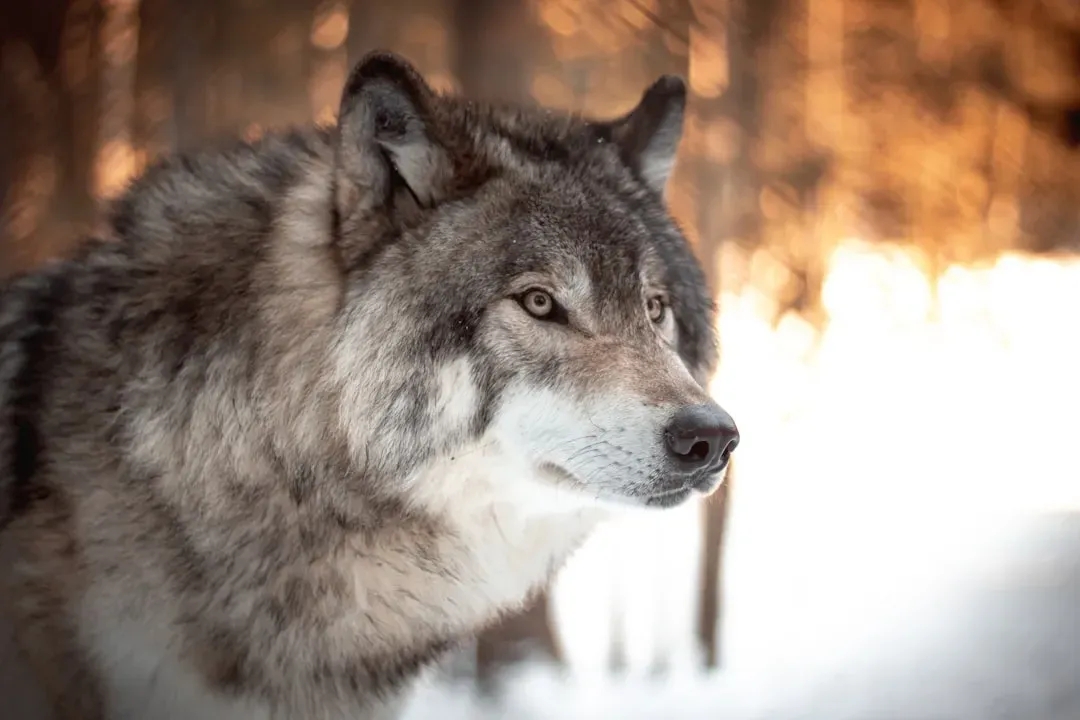
The confirmation of this pack marks another step in the state’s wolf recovery, yet it also highlights the practical realities of shared landscapes. Hikers will continue to enjoy the same trails, while the wolves settle into routines that largely avoid direct contact. Success will depend on ongoing monitoring and public understanding rather than dramatic shifts.
Colorado’s experience shows that reintroduction can produce self-sustaining groups even in regions with active outdoor recreation. The real test lies in how well everyone adapts as territories expand and new generations of wolves learn the lay of the land. That quiet evolution deserves attention without overstatement.

- What Would Happen If Mount St. Helens Erupted at Full Force Again - August 10, 2026
- 10 Fascinating Facts About Wolves That Most People Never Learn - August 10, 2026
- Dog Breeds That Can Sense When Death Is Near - August 10, 2026