

Great Smoky Mountains National Park Campgrounds
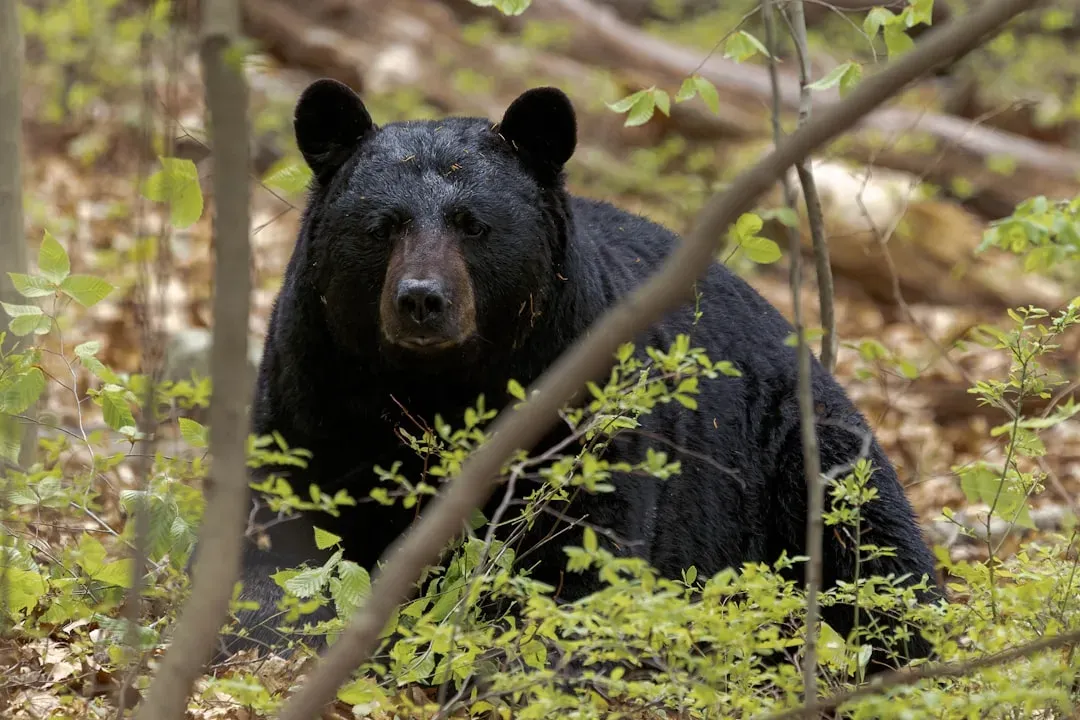
Black bears thrive across the Smokies thanks to abundant food sources and large protected areas. Campers at sites like Cades Cove and Elkmont report frequent sightings, especially during peak seasons when human traffic rises. Rangers track these encounters through official logs that highlight patterns tied to unsecured food and trash.
Many visitors learn the hard way that proper storage makes a real difference in keeping interactions minimal. The park sees thousands of reports annually, making it a consistent leader in eastern bear activity. Families return repeatedly because the scenery draws them back despite the wildlife presence.
Shenandoah National Park Campgrounds
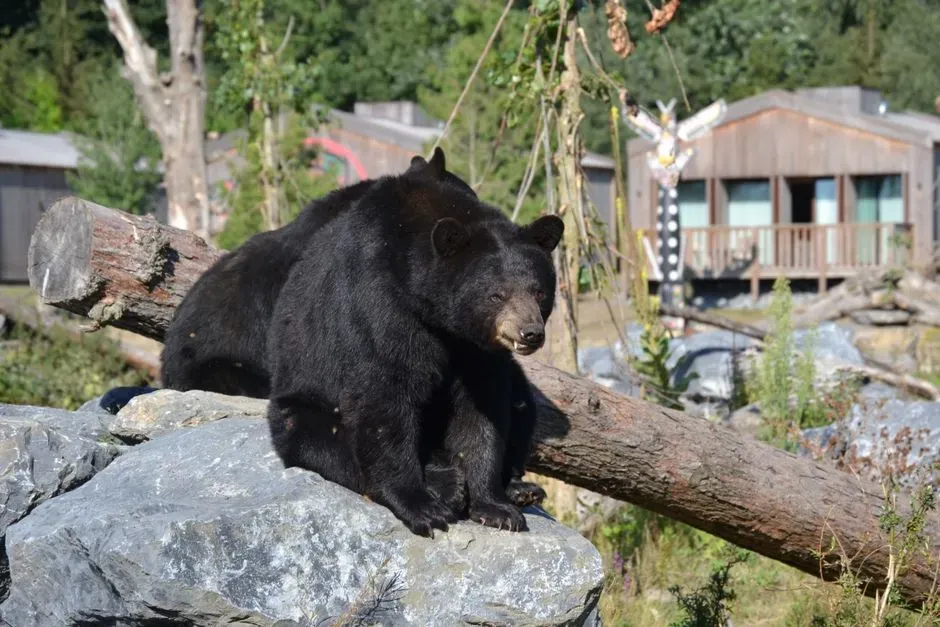
Virginia’s Shenandoah draws steady bear reports from its developed campgrounds along Skyline Drive. Black bears move through the area regularly, drawn by the mix of forest cover and nearby human activity. Documented cases often involve bears investigating campsites at dawn or dusk.
Park staff emphasize education programs that teach simple habits like hanging food and cleaning up immediately. These measures have helped reduce some conflicts over time. The park remains popular with weekend visitors who appreciate the easy access from major cities.
Adirondack Park Campgrounds
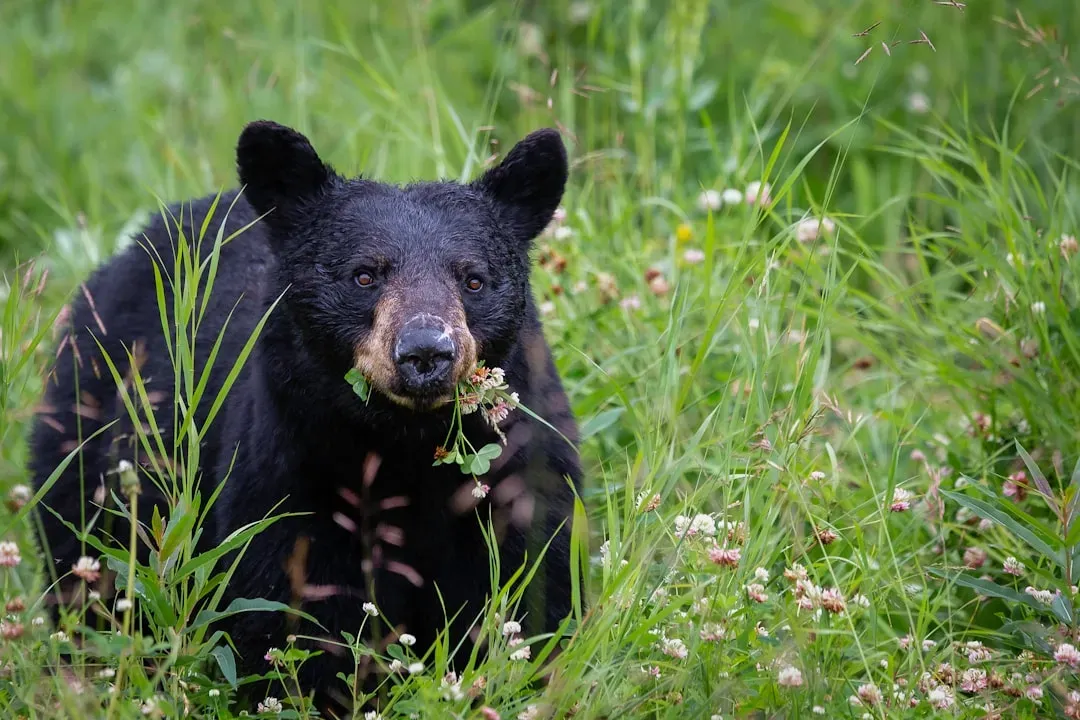
New York’s vast Adirondack region hosts numerous state campgrounds where black bear encounters appear regularly in visitor records. Areas like Lake Placid and Saranac Lake see activity linked to berry seasons and careless food handling. Hikers and campers note bears near trails and sites more often than expected.
Local guidelines stress bear resistant containers and prompt reporting of any unusual behavior. The combination of remote feel and high summer use creates ongoing opportunities for overlap between people and wildlife. Many return visitors adjust their routines after one close call.
Boundary Waters Canoe Area Campgrounds
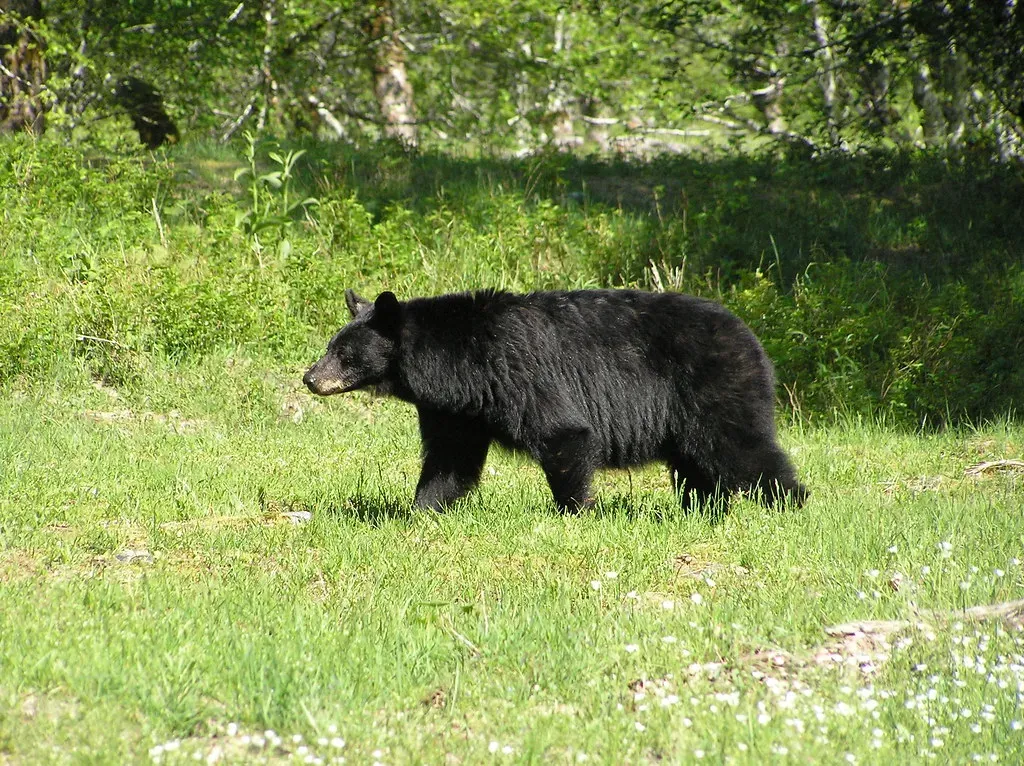
Minnesota’s Boundary Waters offers remote paddling routes where black bears frequent established campsites. Documented interactions often stem from food left accessible near water edges. The area’s popularity with serious outdoors enthusiasts keeps encounter numbers notable.
Strict leave no trace rules help, yet the sheer number of trips each season brings repeated reports. Bears here tend to be more habituated in spots with repeated human presence. Paddlers share stories of learning to secure everything tightly before nightfall.
Pisgah National Forest Campgrounds
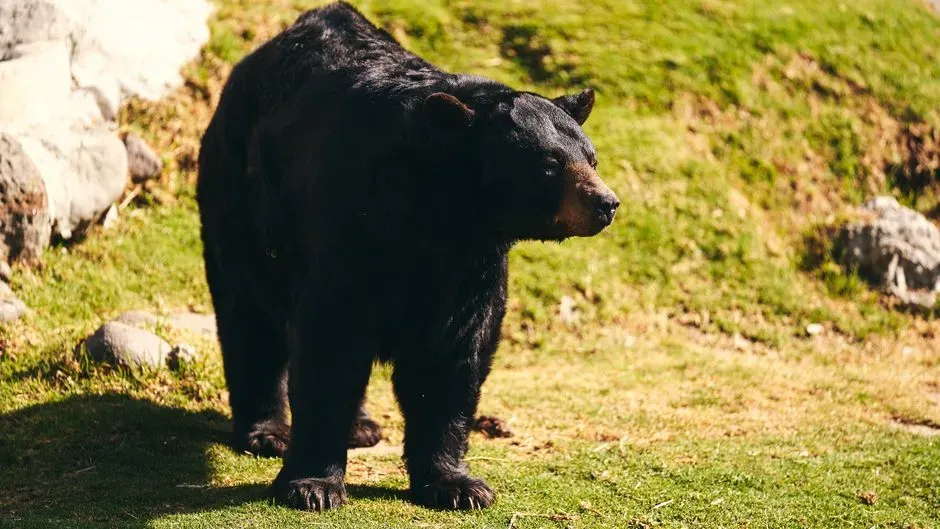
North Carolina’s Pisgah Forest includes several campgrounds where black bear activity shows up consistently in forest service records. The mix of trails and developed sites attracts both wildlife and visitors. Encounters often occur when campers overlook basic precautions during busy weekends.
Seasonal food availability plays a big role in when bears appear most. Rangers encourage early awareness rather than reaction after an incident. The forest draws repeat users who value its variety of terrain close to population centers.
George Washington and Jefferson National Forests Campgrounds
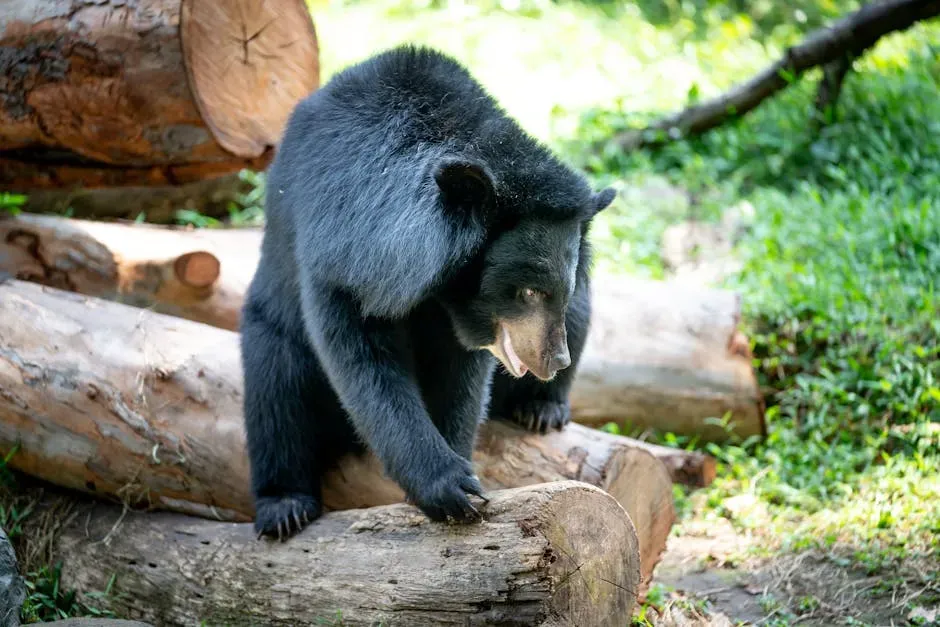
Virginia’s national forests contain dispersed and developed camping spots with regular black bear documentation. The large acreage supports healthy bear populations that overlap with recreational use. Reports frequently mention bears near picnic areas and tent pads.
Education on proper storage has become standard at many entry points. Weekend crowds increase the likelihood of brief sightings that stay non confrontational when handled correctly. The setting offers a quieter alternative to more famous parks nearby.
Allegheny National Forest Campgrounds
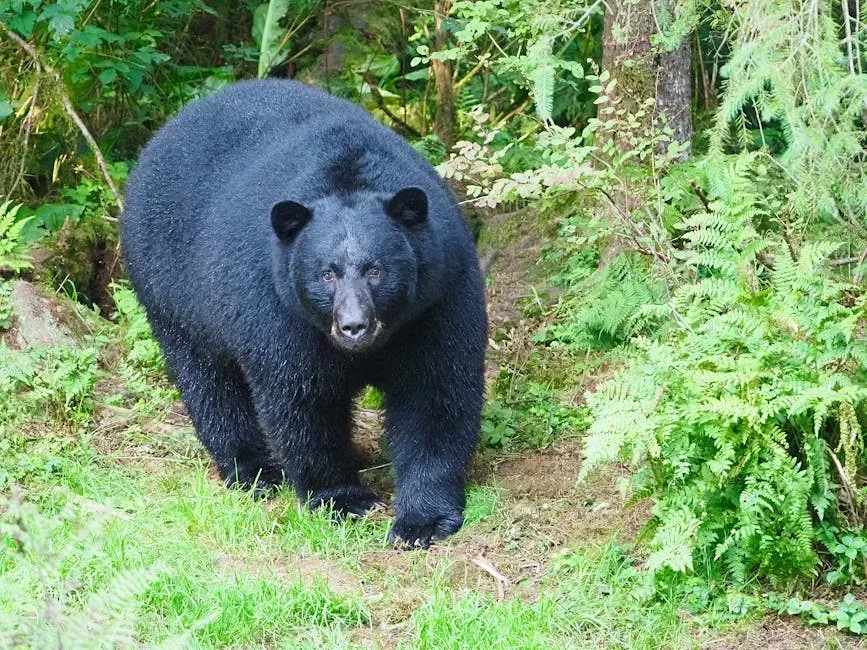
Pennsylvania’s Allegheny Forest sees documented bear activity at several popular camping locations. Black bears move through the mixed hardwood areas, especially when natural foods run low. Campers note patterns around established sites with high repeat visitation.
Simple steps like using provided bear boxes or hanging bags reduce most issues. The forest appeals to those seeking less crowded options within driving distance of urban areas. Records show steady but manageable encounters across the seasons.
Ocala National Forest Campgrounds
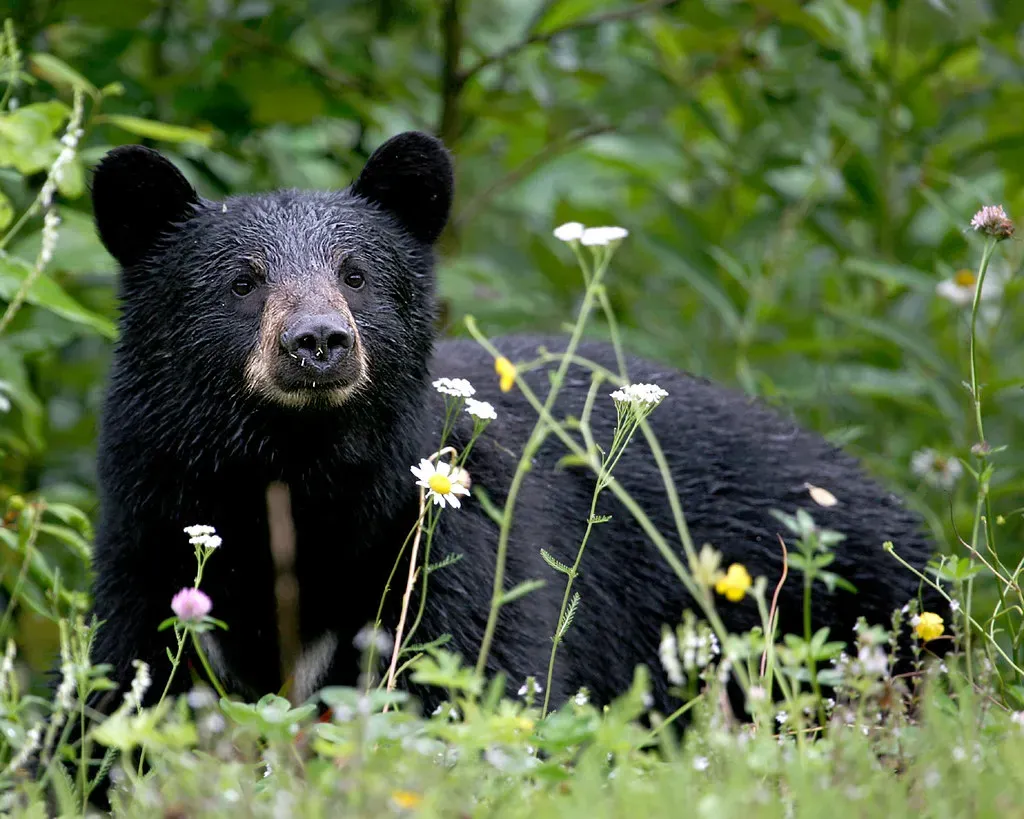
Florida’s Ocala National Forest stands out for black bear presence in a state many do not immediately connect with the animals. Campgrounds here record interactions tied to the scrub habitat and visitor traffic. Bears appear more often near water sources and established clearings.
Local management focuses on clear signage and visitor briefings before entry. The subtropical setting adds an unexpected layer to typical bear country experiences. Campers who prepare accordingly often enjoy the unique landscape without major incidents.
Preparation turns potential surprises into manageable parts of any trip. These locations remind travelers that bear country extends well beyond the usual assumptions, rewarding those who stay informed and respectful of the wildlife sharing the space.
- What Would Happen If Mount St. Helens Erupted at Full Force Again - August 10, 2026
- 10 Fascinating Facts About Wolves That Most People Never Learn - August 10, 2026
- Dog Breeds That Can Sense When Death Is Near - August 10, 2026