
The Persistent Puzzle of Pre-Dive Calls
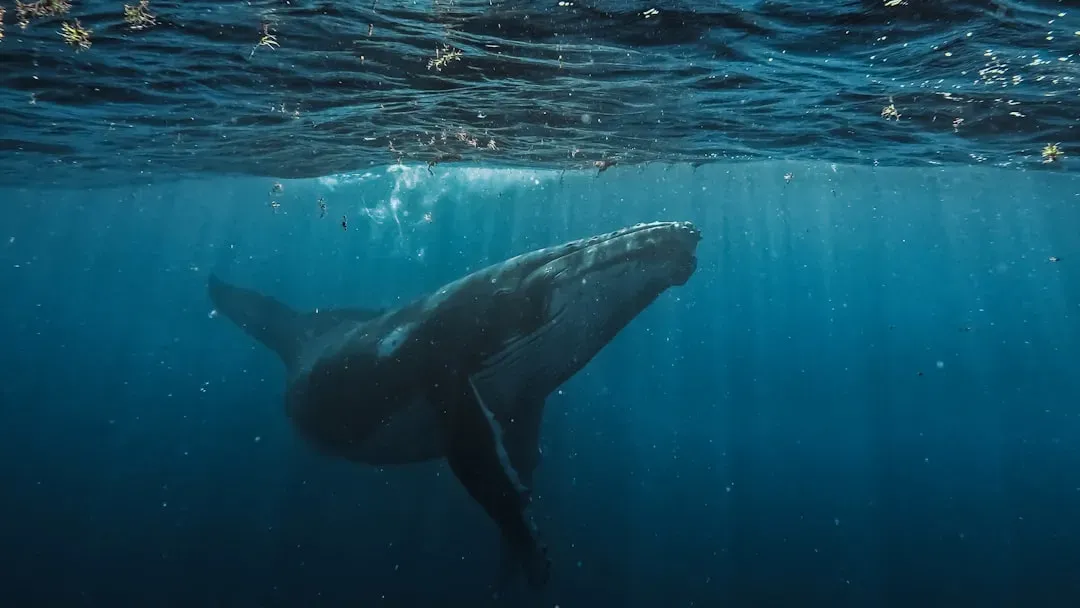
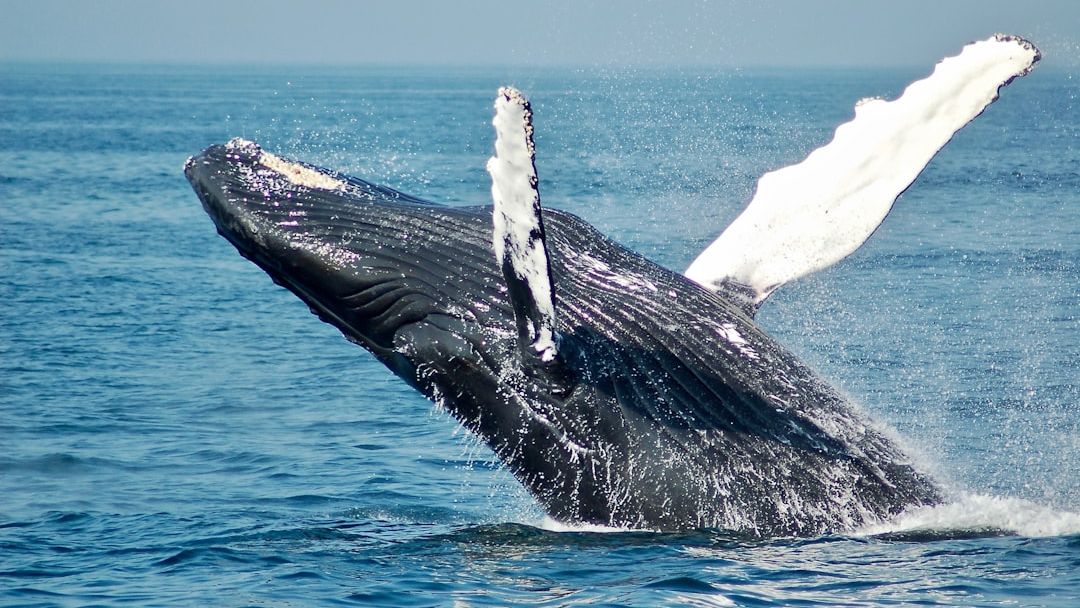
Marine biologists have documented a distinct vocalization that often occurs in the moments before certain whale species begin their descent into deeper waters. This sound appears across multiple populations and recording sites, yet its exact role continues to spark discussion rather than settled conclusions.
Unlike the rhythmic clicks used during active foraging or the longer songs associated with breeding seasons, this pre-dive signal tends to be shorter and more isolated. Researchers note that it shows up reliably enough to suggest a functional purpose, though that purpose has not settled into one clear category.
Early Recordings and Initial Assumptions
Acoustic monitoring efforts dating back decades captured these sounds alongside other whale vocalizations, often during expeditions focused on migration patterns or population counts. Early interpretations leaned toward simple communication signals meant to coordinate group movement or alert nearby animals to an upcoming dive.
Those assumptions rested on limited data from surface observations and basic hydrophone arrays. Over time, improved tagging technology revealed more context about the timing and repetition of the calls, which prompted a fresh look at whether the original explanations held up under closer scrutiny.
Sound Production in Deep-Diving Species
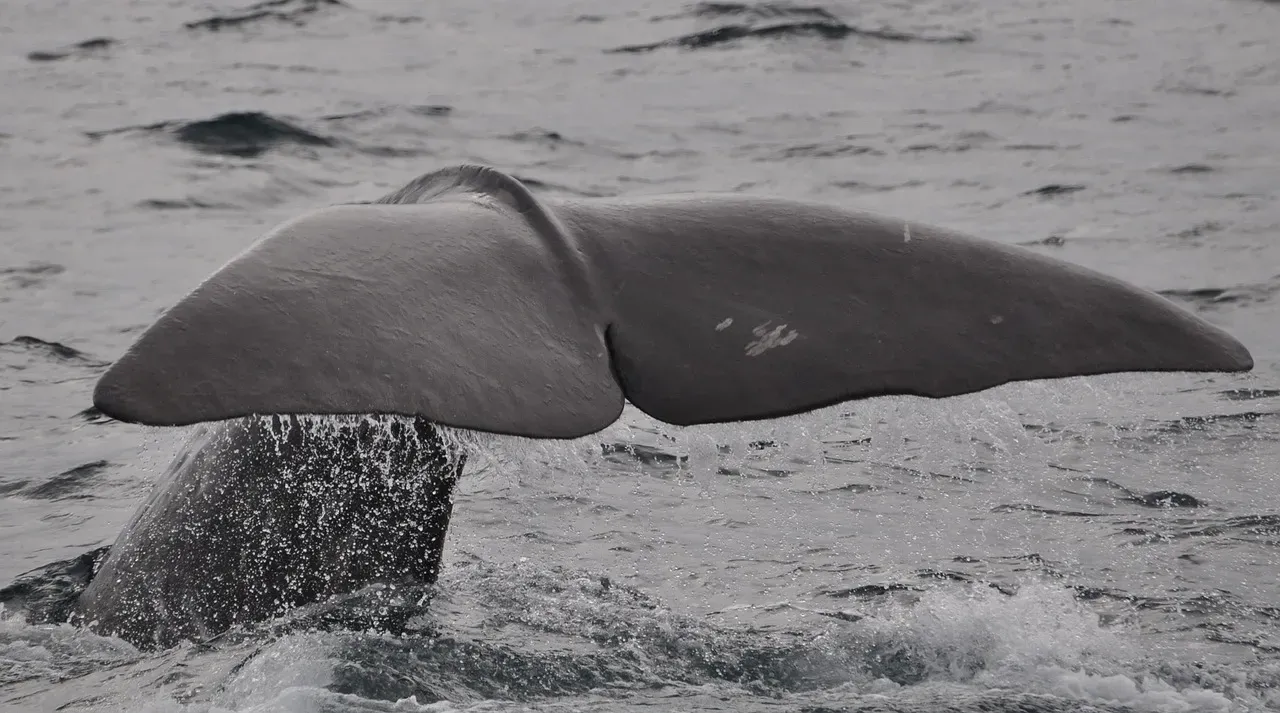
Species such as beaked whales and sperm whales routinely reach depths where light disappears and echolocation becomes essential for navigation and hunting. Their sound repertoire includes intense bursts that help map the environment in three dimensions during these extended trips underwater.
The pre-dive sound occurs before these animals switch fully into foraging mode, which raises questions about whether it serves as a transition signal or something more preparatory. Passive acoustic studies have tracked how these calls align with changes in body orientation and breathing patterns at the surface.
Shifting Perspectives in Recent Analyses
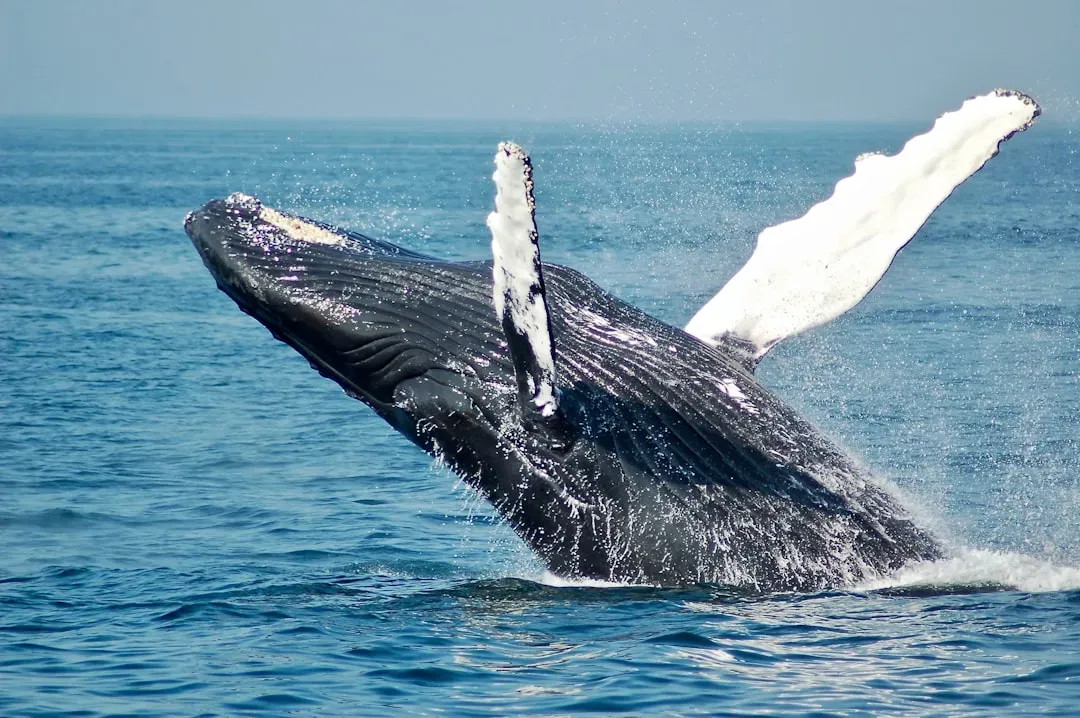
New data from long-term monitoring projects show that the same sound sometimes appears in contexts unrelated to immediate deep dives, such as during shallower movements or social interactions. This overlap has led some teams to reconsider whether the vocalization carries multiple meanings depending on the situation.
Advances in machine learning applied to large audio datasets have helped isolate subtle variations in frequency and duration that earlier equipment missed. These finer details suggest the sound may carry information about individual identity or environmental conditions rather than functioning as a single-purpose cue.
Challenges in Interpreting Underwater Behavior
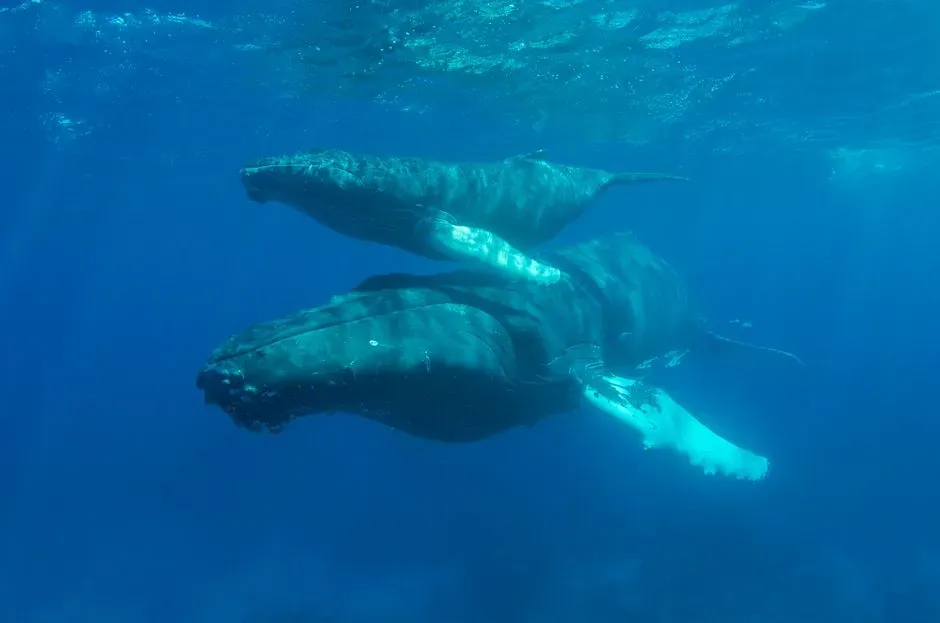
Direct observation of whales at depth remains difficult even with modern tags, leaving gaps between what is heard and what is actually happening below the surface. Factors like ocean noise, individual variation, and seasonal changes further complicate efforts to assign a fixed meaning to any one call.
Controlled experiments are rare because of ethical and logistical constraints, so most insights come from correlating sounds with dive profiles collected over months or years. This indirect approach yields useful patterns but leaves room for alternative readings of the same data.
Broader Questions About Whale Communication
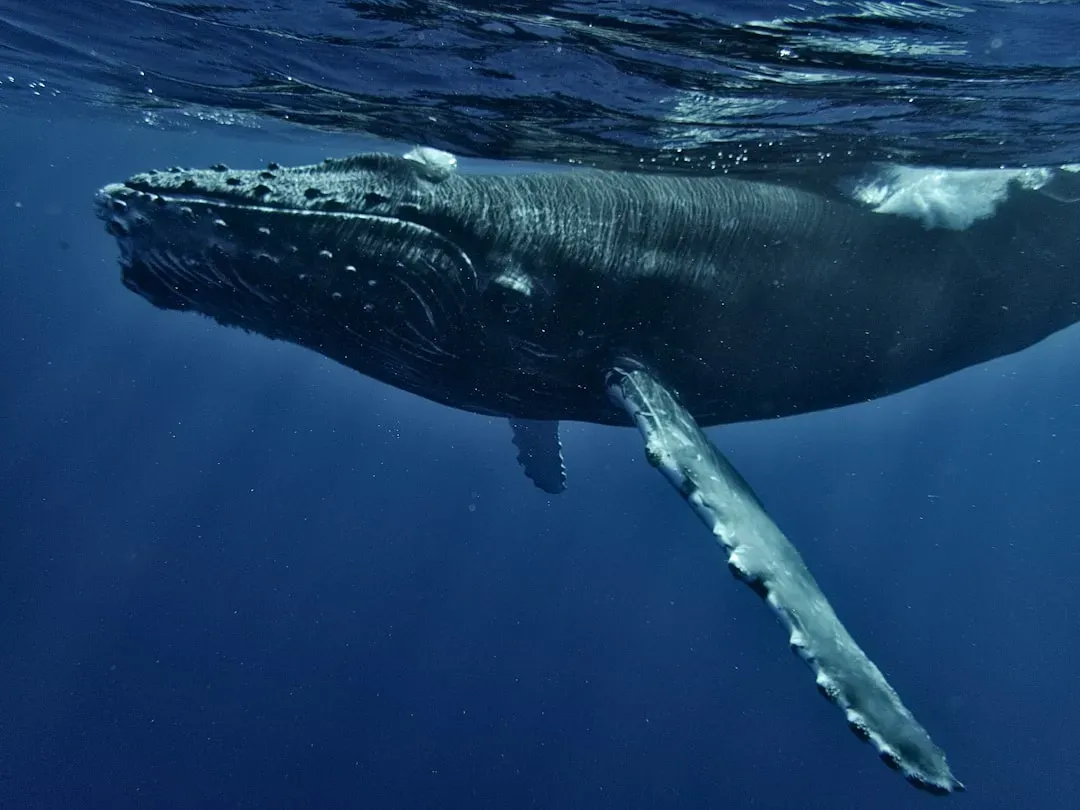
Whales rely on sound as their primary sense in an environment where vision is limited, which means every vocalization potentially serves overlapping roles in navigation, social bonding, and resource location. Rethinking one specific sound invites a wider review of how these animals structure their acoustic world.
Comparative work across different ocean basins has started to show regional differences in how the pre-dive signal is used, hinting at cultural or learned components rather than purely instinctive ones. Such findings align with growing evidence that whale societies maintain complex traditions passed between generations.
Looking Ahead With Measured Optimism
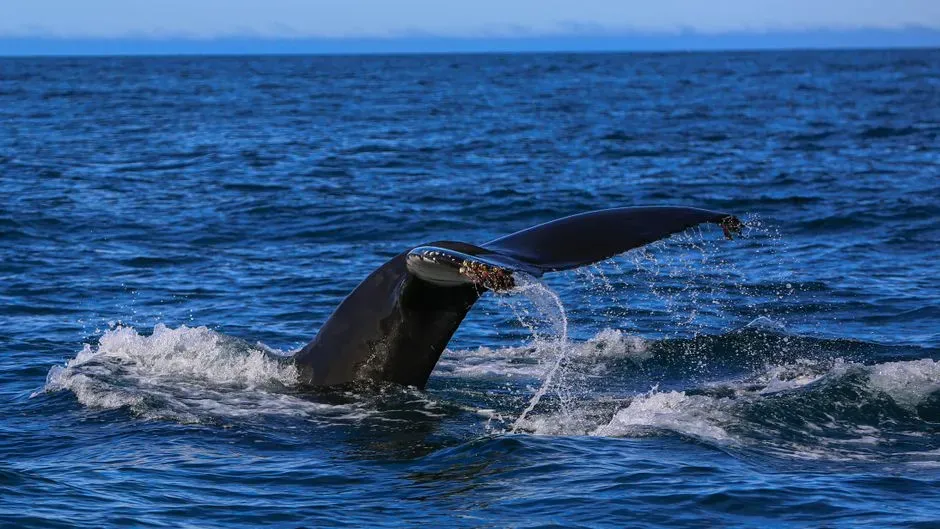
Continued investment in quieter ocean environments and expanded acoustic networks should gradually narrow the remaining uncertainties around these calls. The process will likely involve more collaboration between biologists, engineers, and data scientists than any single discipline could manage alone.
In the end, the willingness to revisit long-held ideas about whale sounds reflects a healthy respect for how little we still know about life in the deep ocean. That openness may prove more valuable than any single definitive answer.

- 15 Little-Known Facts About DNA That Control More Than You Think - August 10, 2026
- 10 Things Cats Never Forget About Their Owners - August 10, 2026
- 8 Ways Cats Show They're Worried About You - August 10, 2026