
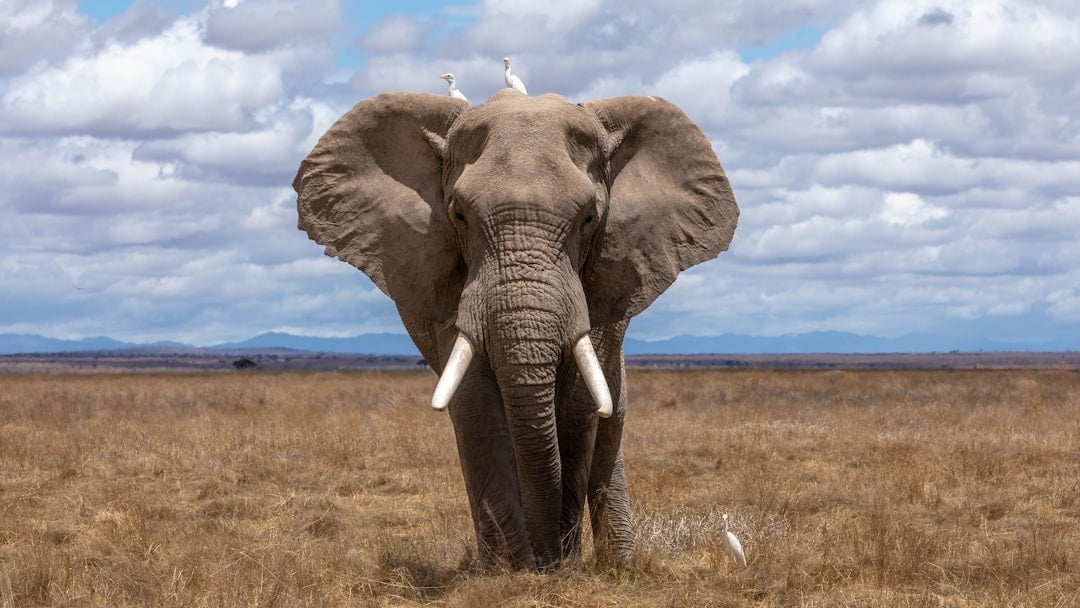
Elephants have long captured attention for the way they linger near the remains of their own kind. Travelers and researchers alike have described these moments as quiet and deliberate, with trunks reaching out to touch skulls or tusks in ways that feel almost intentional.
Yet recent zoological perspectives push back against the simple label of mourning. The pauses appear driven by something sharper, a form of investigation that serves specific needs rather than diffuse sorrow.
What Field Observations Actually Capture
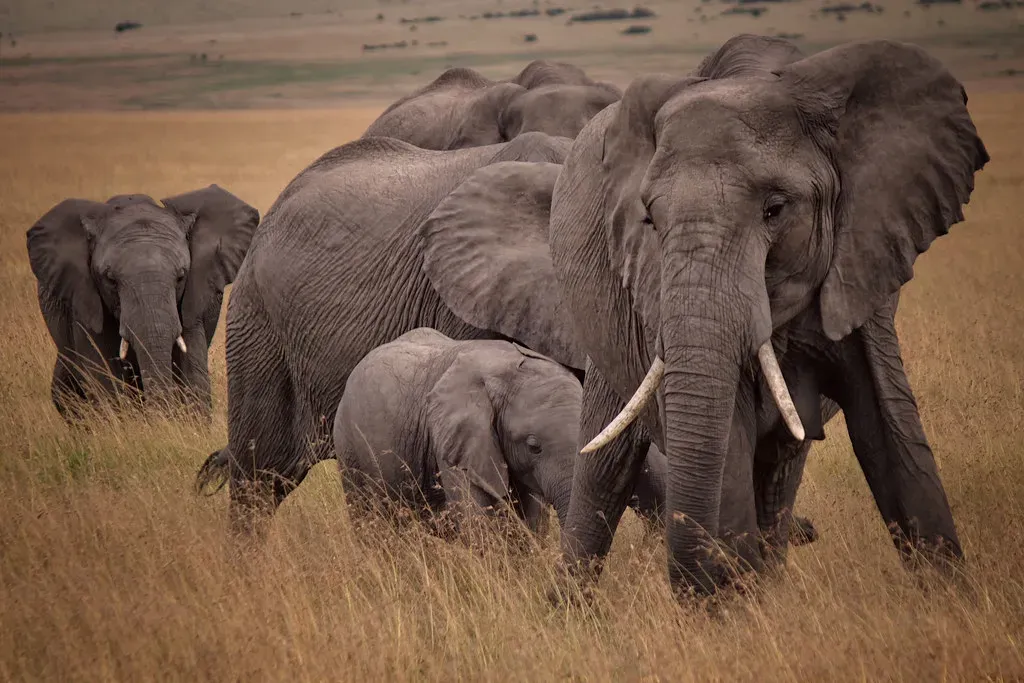
Researchers have documented elephants stopping at scattered bones in savannas and forests across Africa and Asia. The animals often spend several minutes circling the site, using their trunks to lift and examine individual pieces before moving on.
These encounters happen most often with remains of familiar group members rather than random carcasses. The behavior shows consistency across different populations, suggesting it forms part of a wider pattern rather than isolated incidents.
Why Human Grief Does Not Fit the Pattern
Human mourning involves rituals, repeated visits, and emotional expressions that persist over time. Elephant pauses lack that continuity and instead appear tied to the moment of discovery.
Zoologists note that the animals rarely return to the same bones on later journeys. The interaction ends once the examination concludes, pointing away from ongoing emotional attachment.
The Precision of Scent Based Investigation
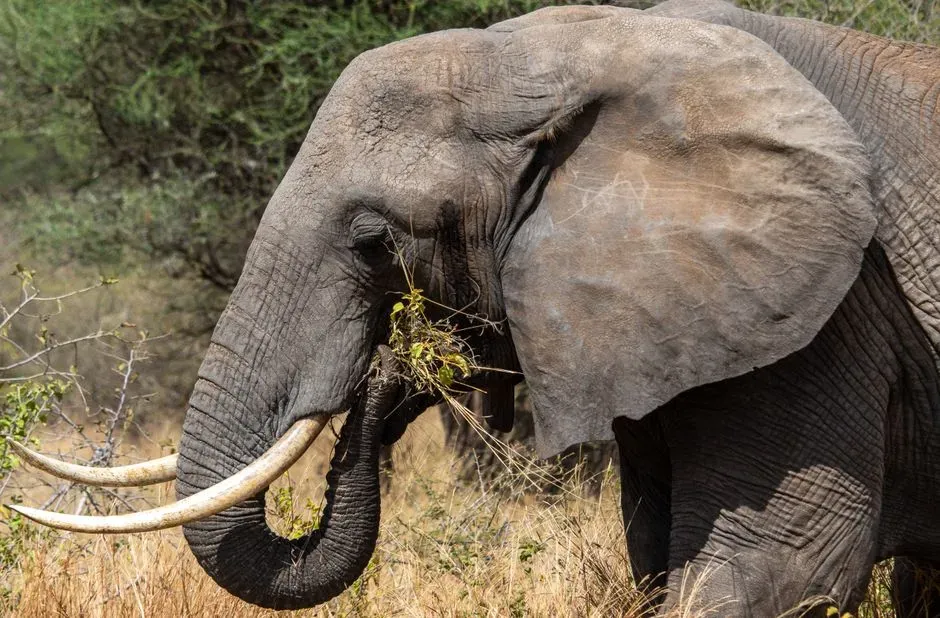
Elephants possess an extraordinary sense of smell that allows them to extract detailed information from bones. Chemical traces left behind can reveal identity, age, and even health status at the time of death.
This olfactory scan functions like a quick database check. It supplies data on whether the individual belonged to their social circle and what circumstances surrounded the end of life.
Memory Systems at Work During These Encounters
Elephants maintain long term social memories that help them track dozens of individuals across years. Bones serve as physical anchors that trigger those recollections without requiring the living animal to be present.
The process feels clinical in its efficiency. Rather than dwelling on loss, the pause updates internal records about group composition and potential risks in the area.
Practical Advantages Behind the Behavior
Detecting signs of disease or injury through bone examination could alert the group to environmental threats. This information gathering supports survival strategies in unpredictable landscapes.
Similar checks occur with other objects in the environment, showing that bones receive no special emotional status. The unsettling element lies in how matter of fact the whole sequence remains.
How This Fits Into Wider Animal Cognition
Many species display investigative behaviors around remains without any overlay of sadness. Crows and certain primates also examine bones, often for nutritional or informational reasons.
Elephants stand out because of their advanced social structure, yet the core mechanism stays rooted in utility. The pauses highlight cognitive sophistication without crossing into human style emotion.
Considering What These Moments Truly Reveal
The evidence points to a refined survival tool rather than shared sorrow. Elephants appear equipped to process death through data collection that keeps their complex societies functioning smoothly.
This view does not diminish the animals but reframes their actions as remarkably adapted to their world. It leaves open the possibility that their inner experience differs more from ours than popular stories suggest, a reminder that nature favors precision over sentiment when lives depend on it.

- Your Beloved Pet’s Final Gift: Understanding and Honoring Their Memory - August 10, 2026
- These Zodiac Signs Are Most Likely to Believe in Parallel Realities - August 10, 2026
- How to Understand Your Dog’s Body Language More Accurately - August 10, 2026