
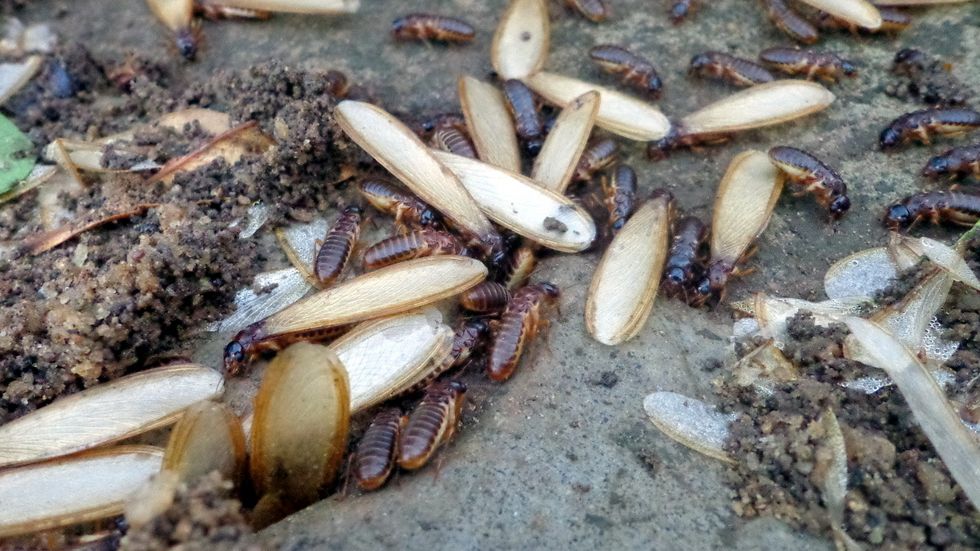
Imagine waking up one morning to find your beautiful hardwood floors buckling or your doors and windows sticking for no apparent reason. These unsettling changes could be more than just the result of humidity or aging; they might be silent alarms signaling a termite invasion. Termites are notorious for their stealthy destruction, often causing significant damage before homeowners even realize there’s a problem. Recognizing the early signs of termite activity is crucial in protecting your property from these hidden destroyers.
1. Mud Tubes Along Foundation Walls
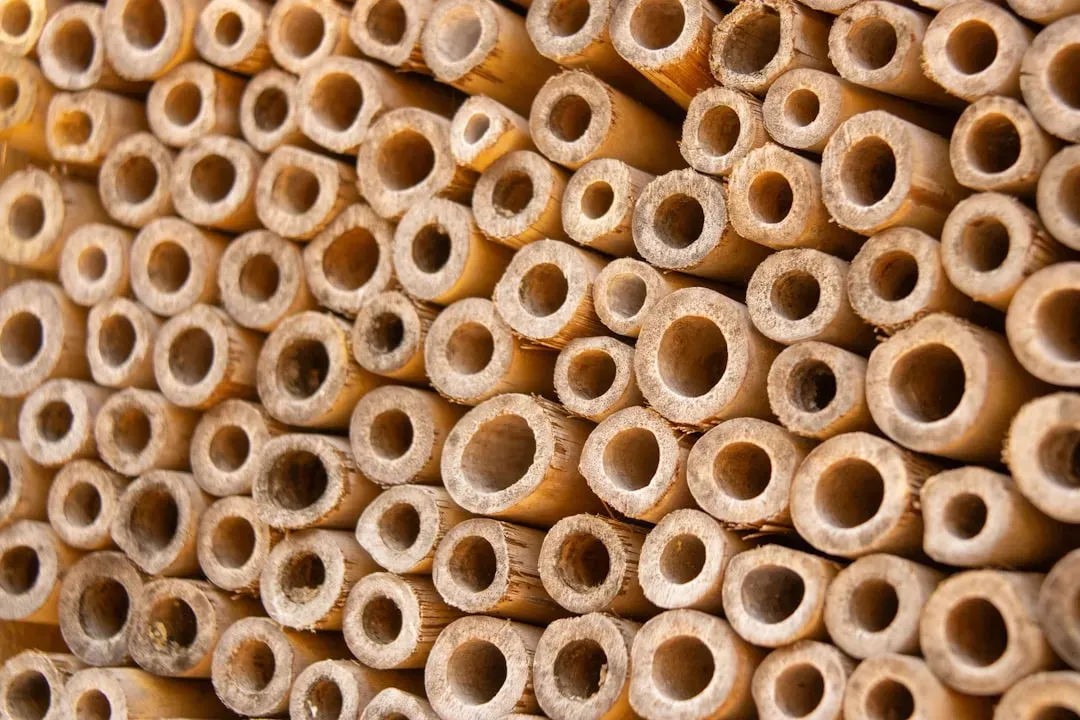
One of the most telltale signs of subterranean termites is the presence of mud tubes. These pencil-thin tunnels are constructed from soil and saliva, serving as protected highways between the termites’ underground colonies and their above-ground food sources – your home. You might spot these tubes along your foundation walls, crawl spaces, or even on exterior surfaces leading up to wood structures.
These mud tubes are essential for termites to maintain the moist environment they need to survive. If you break open a tube and find active termites inside, it’s a clear indication of an ongoing infestation. Even if the tubes appear abandoned, don’t be complacent; termites often rebuild them quickly, and their presence suggests that your property has been targeted.
2. Discarded Wings Near Windows and Doors
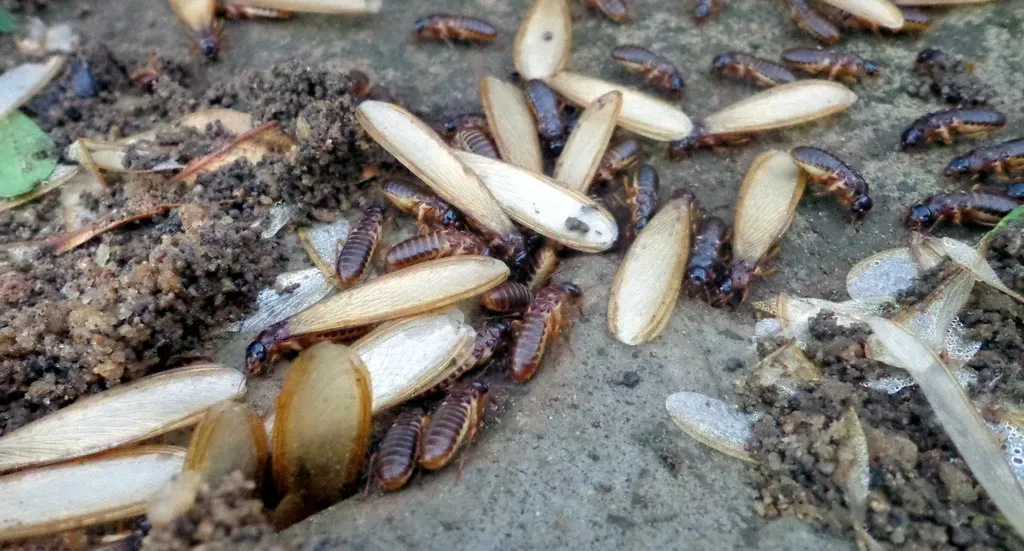
During certain times of the year, reproductive termites, known as swarmers or alates, take flight to establish new colonies. After their brief flight, they shed their wings, leaving behind small piles near windowsills, door frames, or other light sources. Discovering these discarded wings inside your home is a strong indicator that termites are not just nearby but may have already infiltrated your living space.
These swarmers are often mistaken for flying ants, but a closer look reveals differences: termite wings are equal in size, while ant wings are uneven. Spotting these wings should prompt immediate action, as it signifies that a mature colony is seeking to expand, potentially within your property.
3. Hollow or Damaged Wood
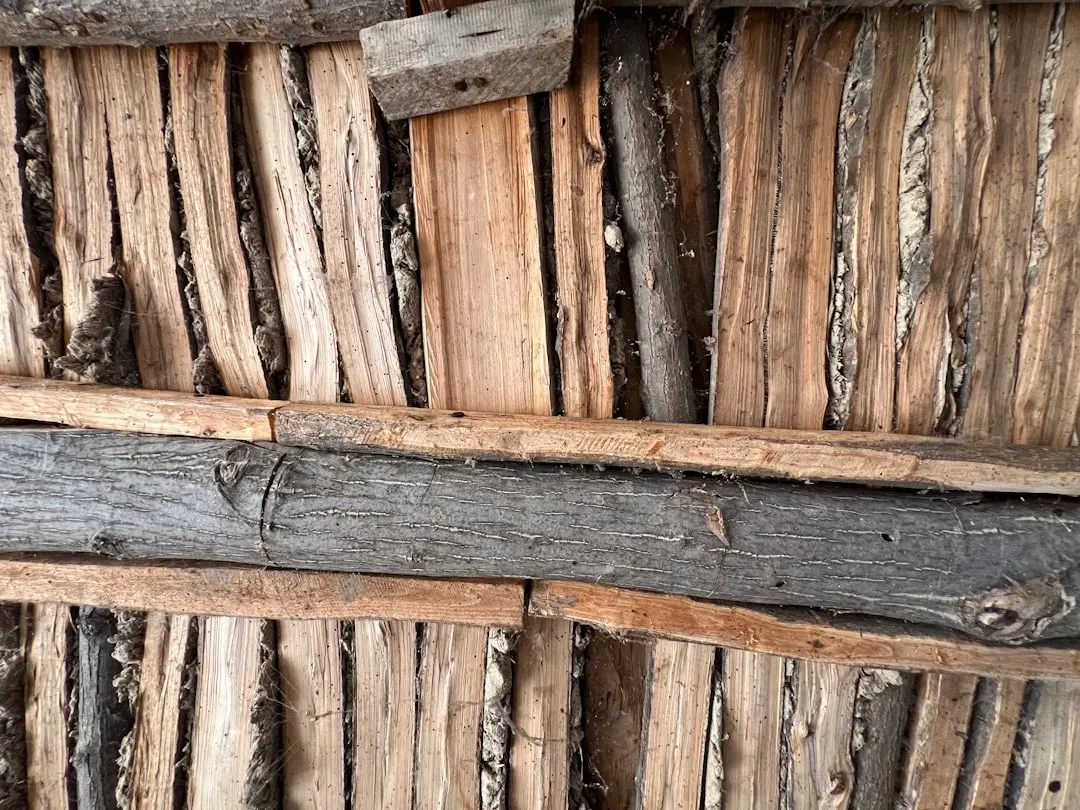
Termites consume wood from the inside out, leaving a thin veneer of timber or paint on the surface. This hidden damage can make wood sound hollow when tapped or feel papery to the touch. You might notice this in wooden beams, flooring, or furniture. In some cases, the damage becomes visible as blistering or darkening of the wood surface.
Regularly inspecting wooden structures by tapping and listening for hollow sounds can help detect termite activity early. If you discover wood that crumbles easily or has unexplained grooves and tunnels, it’s time to consult a professional for a thorough assessment.
4. Frass: Termite Droppings
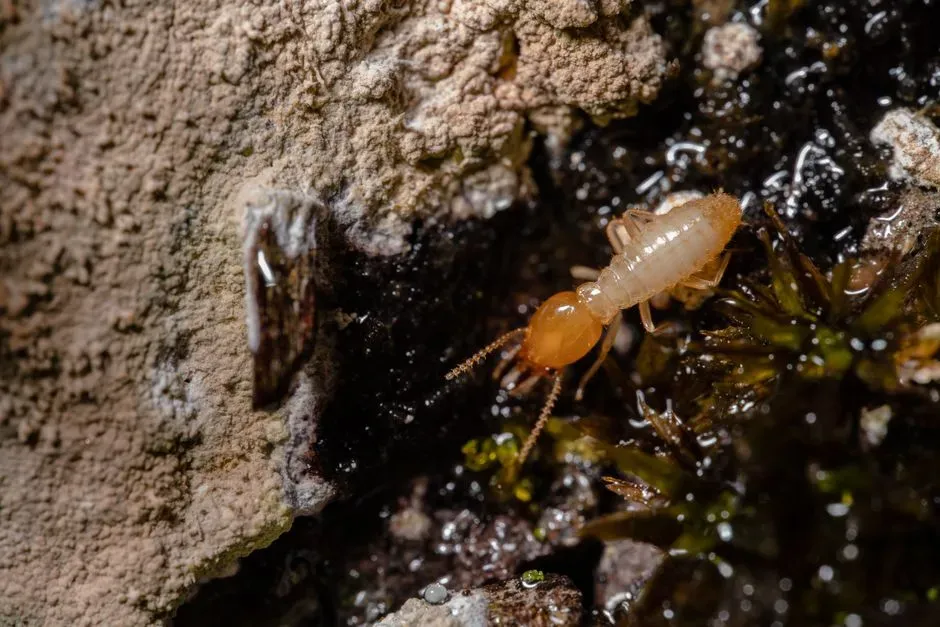
Drywood termites, unlike their subterranean counterparts, live entirely within the wood they consume. As they tunnel through, they create small kick-out holes to dispose of their fecal pellets, known as frass. These tiny, wood-colored droppings often accumulate in small piles beneath infested wood, resembling sawdust or coffee grounds.
Finding frass is a clear sign of drywood termite activity. These pellets are typically hexagonal and vary in color depending on the wood being consumed. Their presence indicates that termites are actively feeding within your home’s wooden structures.
5. Stuck Windows and Doors
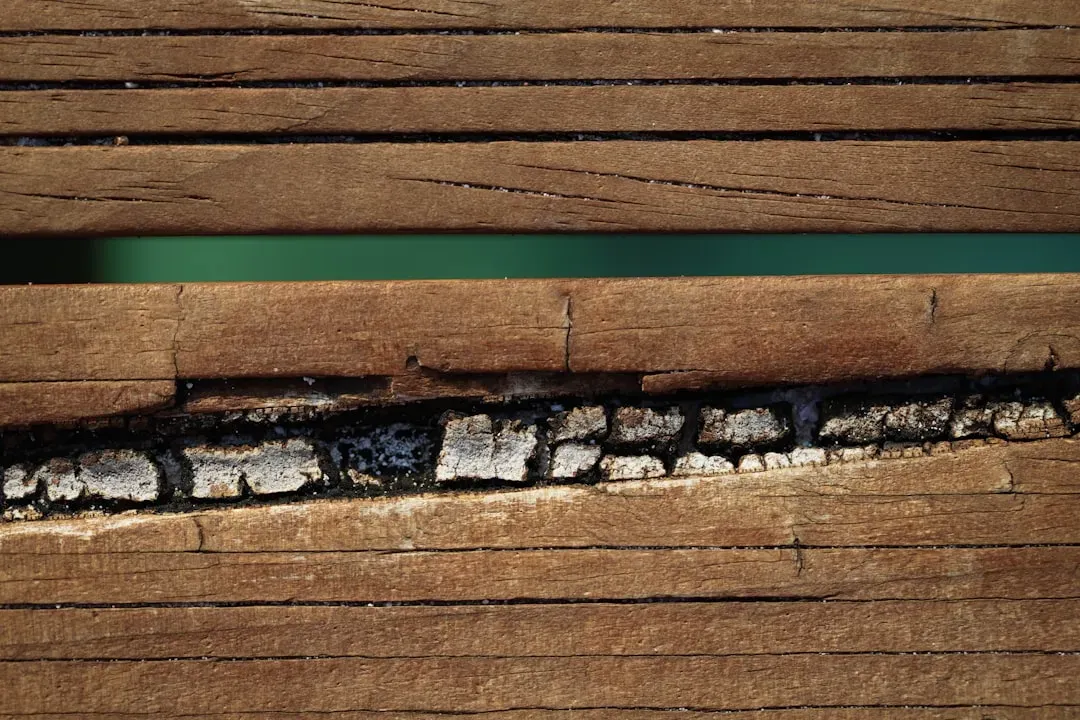
Have you noticed that your once smoothly operating windows and doors are now sticking or difficult to open? While humidity can cause wood to swell, termite damage can have a similar effect. As termites consume wood, they can cause warping, making it challenging to open or close affected windows and doors.
This subtle sign is often overlooked but can be an early indicator of termite activity. If you experience this issue alongside other signs, such as frass or hollow-sounding wood, it’s advisable to seek a professional inspection to determine the extent of the infestation.
6. Blistering or Bubbling Paint

Termites can introduce moisture into wood as they tunnel through, leading to changes in the wood’s surface. This moisture can cause paint to bubble, peel, or blister, often resembling water damage. If you notice such irregularities without an apparent water source, termites could be the culprits.
Pay close attention to walls, ceilings, and wooden surfaces where paint anomalies appear. While these signs might be subtle, they can indicate significant termite activity beneath the surface, compromising the integrity of your home’s structure.
In conclusion, termites are insidious pests that can cause extensive damage before their presence becomes obvious. By staying vigilant and recognizing these early signs – mud tubes, discarded wings, hollow wood, frass, sticking windows and doors, and blistering paint – you can take proactive steps to protect your property. Don’t wait for visible damage to confirm your suspicions; early detection is key. If you notice any of these signs, it’s imperative to contact a pest control professional promptly. After all, isn’t it better to be safe than sorry when it comes to safeguarding your home?

- Game of Thrones Houses as U.S. Animals – From Bison to Alligators? - August 12, 2026
- Which Creature Matches Your Zodiac Sign’s Reaction to Chaos - August 12, 2026
- 10 Fascinating Facts About Fireflies That Make Summer Nights Feel Magical - August 12, 2026