
1. Scratching or Scurrying in the Walls
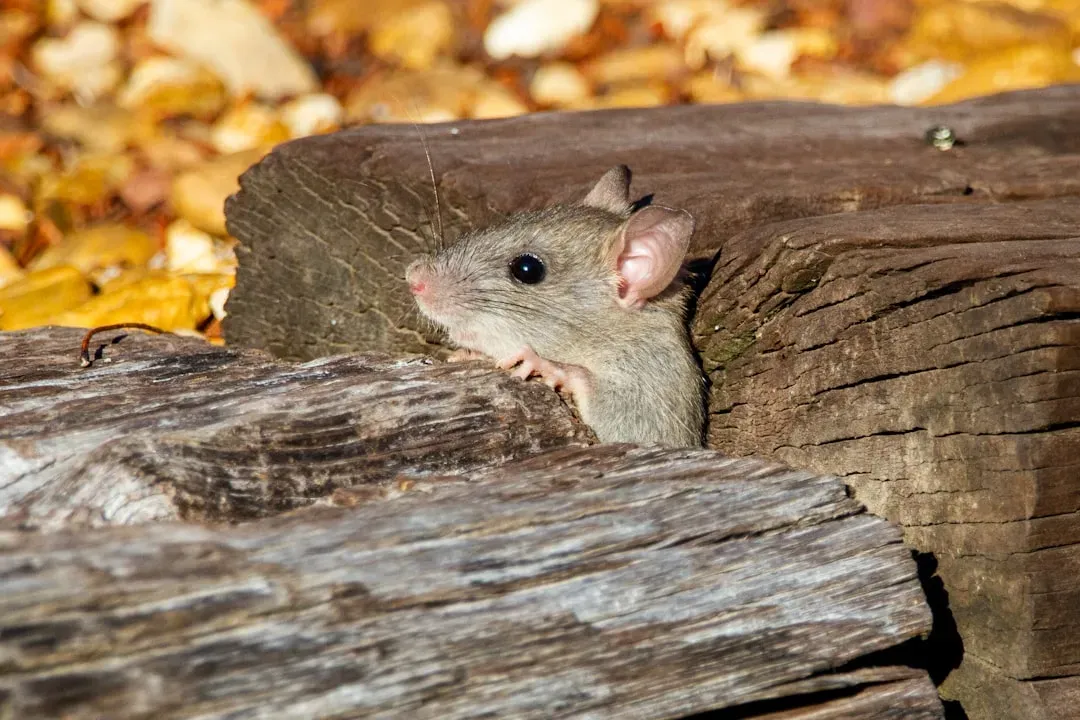
Hearing light scratching or rapid scurrying within your walls during the night often points to rodents like mice or rats. These nocturnal creatures are adept at navigating through wall cavities, seeking food and shelter. Their tiny claws and constant movement can create persistent, unsettling sounds.
Beyond the noise, rodents can cause significant damage by gnawing on wires, insulation, and even structural components. If you suspect their presence, it’s crucial to address the issue promptly to prevent further harm and potential health risks.
2. Thumping or Heavy Footsteps Overhead
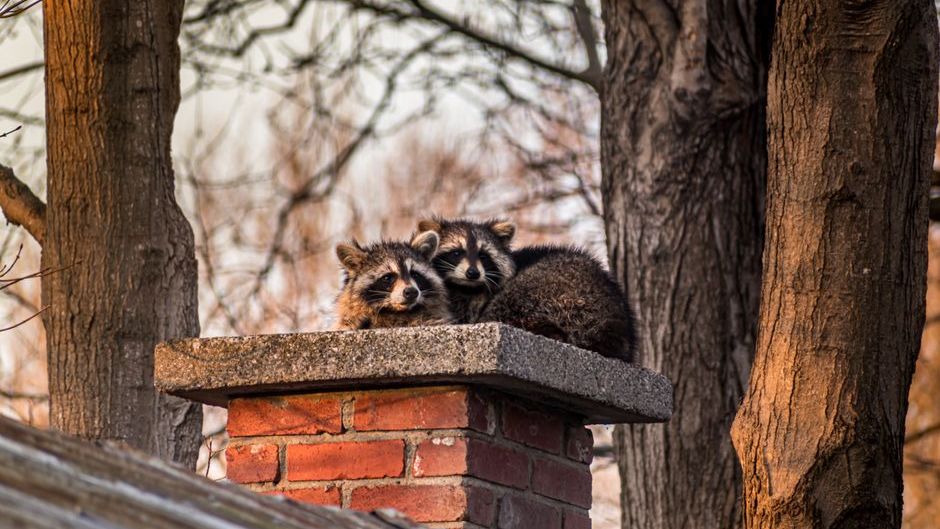
Distinct thumping or the sound of heavy footsteps in your attic during nighttime hours may indicate the presence of larger animals such as raccoons or opossums. These creatures are nocturnal and can be quite active as they search for food or nesting sites.
Raccoons, in particular, are known for their strength and dexterity, allowing them to access attics through vents or damaged roofing. Their activities can lead to structural damage and pose health risks due to droppings and potential disease transmission.
3. Fluttering or Chirping Sounds
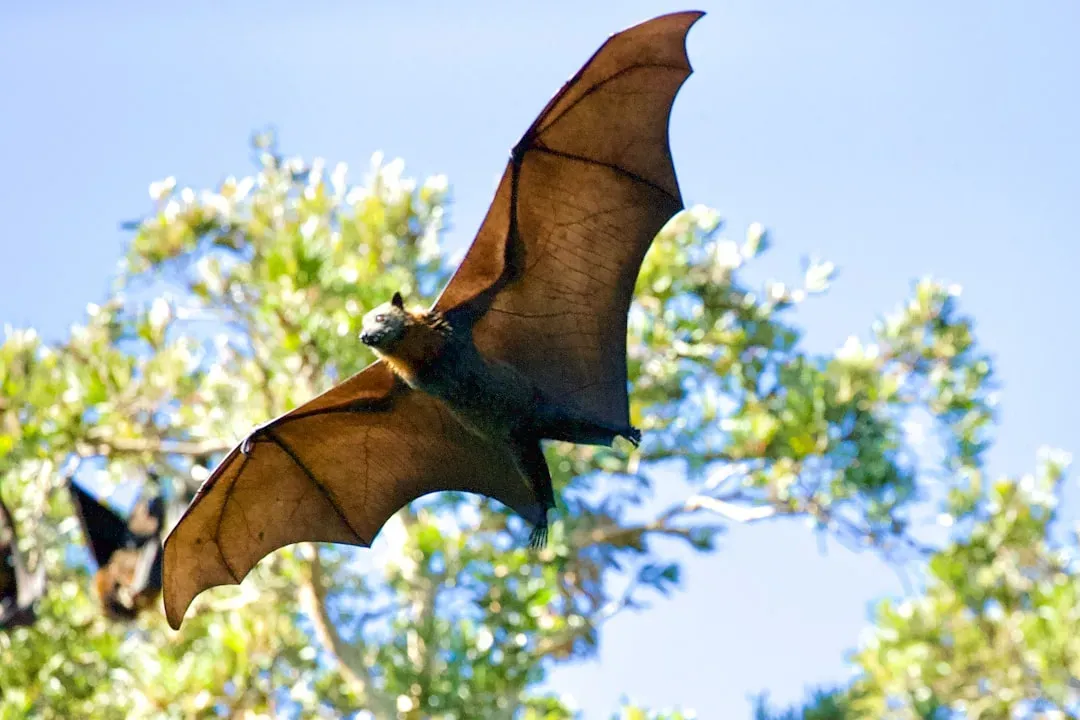
If you hear fluttering wings or high-pitched chirping near your roof or chimney at dusk or dawn, bats might be the culprits. These nocturnal mammals often roost in attics or eaves, entering through small openings.
While bats play a vital role in controlling insect populations, their presence inside your home can be problematic. Accumulated guano (bat droppings) can lead to unpleasant odors and health concerns, making it essential to address a bat infestation promptly.
4. Rapid Scratching or Rolling Noises

Fast, repetitive scratching or the sound of small objects rolling in the attic during the early morning or late afternoon often points to squirrels. These diurnal animals are active during the day and may use your attic as a nesting site or storage area for food.
Squirrels can cause damage by chewing on wood, wires, and insulation. Their daytime activity patterns can help distinguish them from nocturnal pests, aiding in accurate identification and appropriate intervention.
5. Chirping or Clicking Sounds
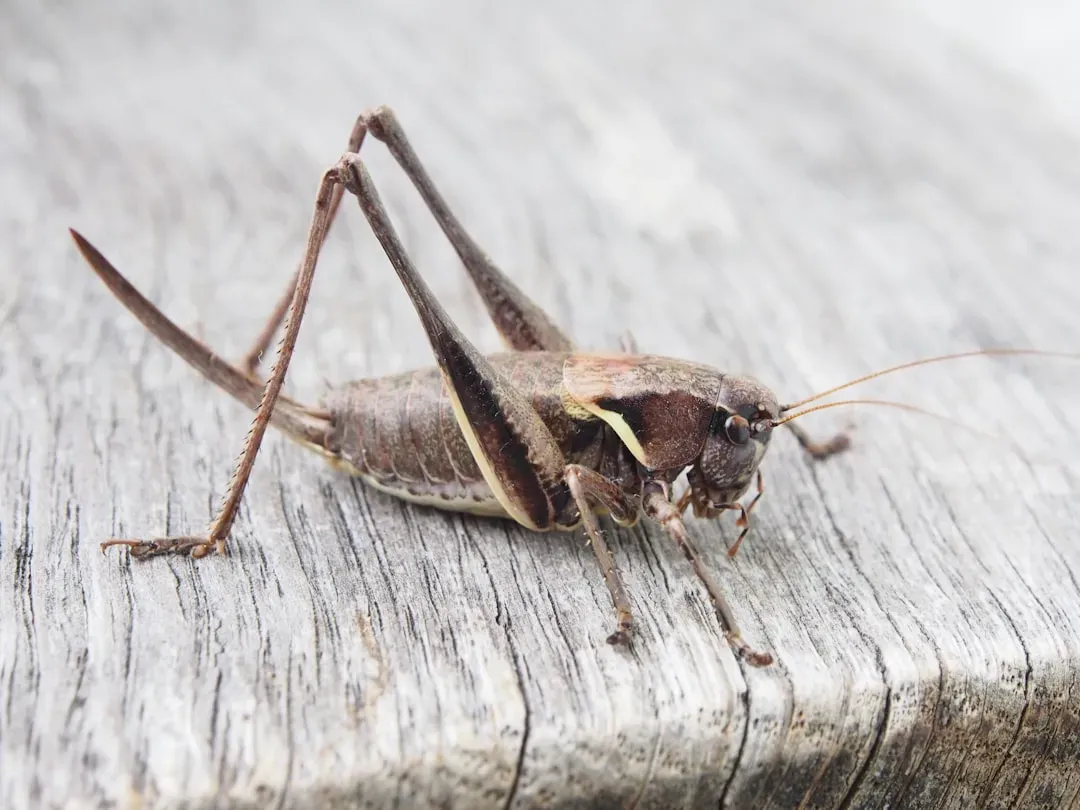
Persistent chirping or clicking noises at night might be attributed to insects like crickets or katydids that have found their way indoors. These sounds are typically harmless but can be annoying when amplified by the quiet of the night.
Ensuring that windows and doors are properly sealed can help prevent these insects from entering your home. If the noise becomes bothersome, locating and removing the intruding insect is usually a straightforward solution.
6. Buzzing or Humming Noises
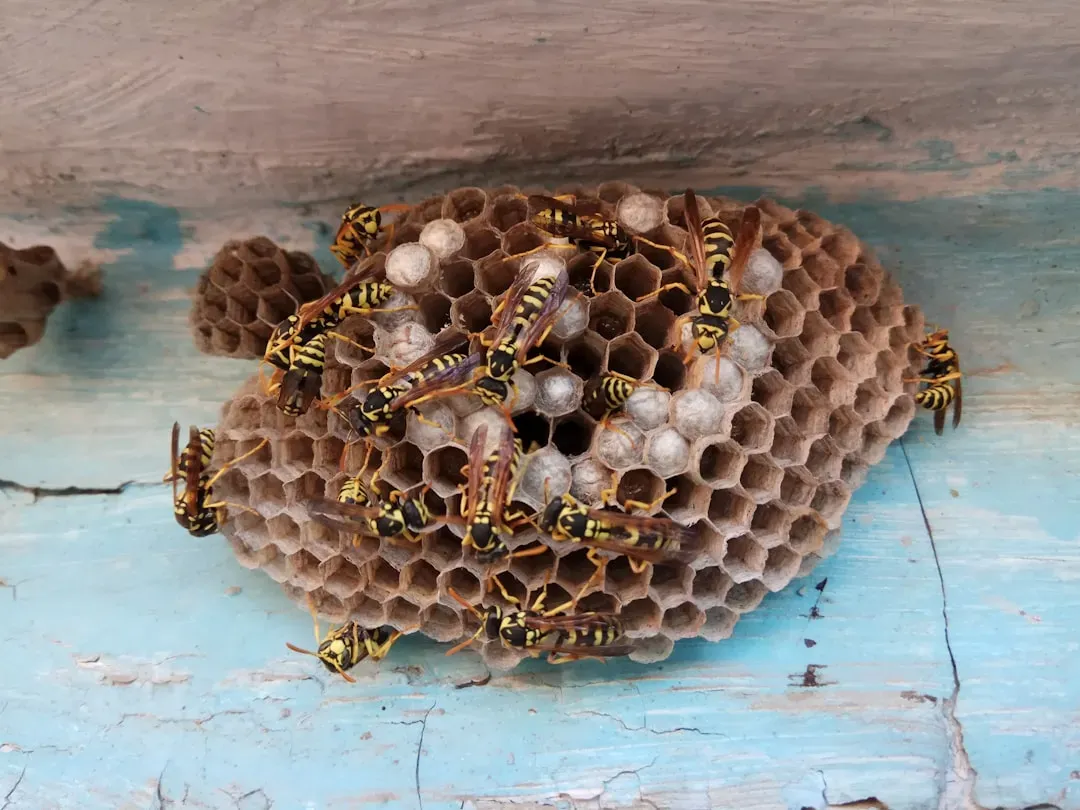
A continuous buzzing or humming sound, especially near walls or ceilings, could indicate the presence of a bee or wasp nest within your home. These insects can build nests in wall cavities, attics, or chimneys, leading to audible buzzing as they move about.
Addressing a bee or wasp infestation requires caution, as disturbing the nest can provoke aggressive behavior. It’s advisable to contact a professional pest control service to safely remove the nest and prevent future occurrences.
7. Light Tapping or Pecking Sounds
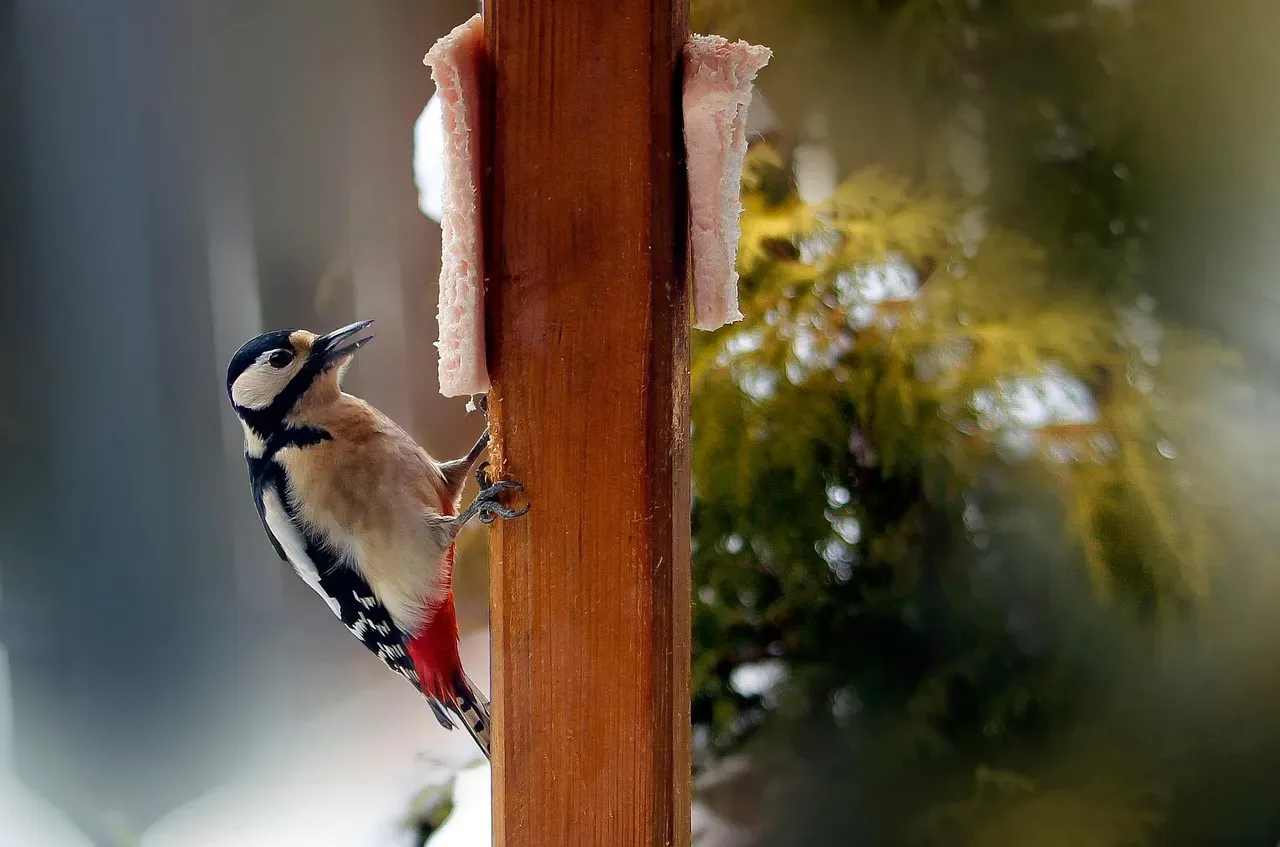
Soft tapping or pecking noises on windows or walls during the night might be caused by birds, such as woodpeckers, seeking food or shelter. While less common at night, some birds can be active during twilight hours.
These sounds can be startling but are generally harmless. However, if a bird becomes trapped inside your home, it can cause damage and distress. Ensuring that vents and chimneys are properly screened can help prevent birds from entering your living spaces.
8. Distant Howling or Screaming

Hearing distant howling or screaming sounds at night can be unsettling. These noises are often produced by animals like foxes or coyotes communicating with each other. While these sounds originate outside your home, they can carry over long distances, especially in quiet rural areas.
Understanding that these are natural animal calls can provide peace of mind. However, if such noises become frequent or are accompanied by signs of animals near your property, it may be wise to take precautions to secure pets and livestock.
9. Loud Banging or Popping Sounds

Sudden loud bangs or popping noises, especially when the temperature drops at night, are often due to the thermal expansion and contraction of building materials. As materials like wood and metal cool, they contract, sometimes producing sharp sounds.
While this is typically a normal occurrence, if the noises are accompanied by visible structural issues like cracks or if they are unusually loud and persistent, it may be prudent to consult a professional to assess the integrity of your home’s structure.
10. Continuous Water Running Sounds

Hearing the sound of running water when all fixtures are turned off can indicate a plumbing issue, such as a leak or a running toilet. This can lead to increased water bills and potential water damage over time.
It’s important to investigate the source of the sound promptly. Checking toilets, faucets, and visible pipes for leaks can help identify the problem. If the source isn’t apparent, contacting a plumber is advisable to prevent further damage.
In conclusion, while many nighttime noises in your home are caused by harmless animal activities, some sounds can indicate more serious issues requiring immediate attention. Being attuned to these sounds and understanding their potential sources can help you take appropriate action to maintain a safe and comfortable living environment. Remember, when in doubt, it’s always best to consult with professionals to address any concerns effectively.
- What Kind of Ocean Predator Are You Based on Your Zodiac Sign - August 13, 2026
- The Silent Hunters: Rare Glimpses Into The World of Nocturnal Predators - August 13, 2026
- 15 of the World’s Most Beautiful Blue-Eyed Animals - August 13, 2026