What Wildlife Biologists Never Tell Homeowners About Feeding Birds in Winter (One Practice Can Kill an Entire Flock)-feature image/Unsplash
As winter’s chill sets in, many homeowners eagerly hang bird feeders, hoping to assist their feathered friends through the harsh months. While this gesture is well-intentioned, certain overlooked practices can inadvertently harm, or even decimate, local bird populations. One such practice, often omitted from common advice, poses a significant threat: the improper maintenance of bird feeders.
The Unseen Peril: Disease Transmission at Feeders
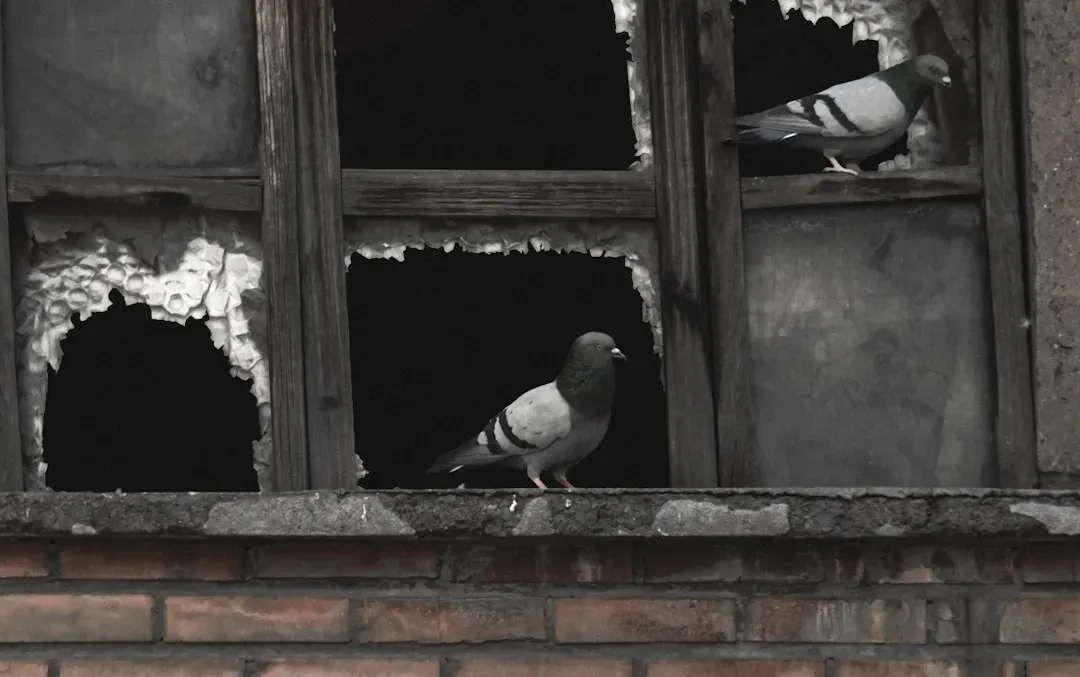
The Unseen Peril: Disease Transmission at Feeders (Image Credits: Unsplash)
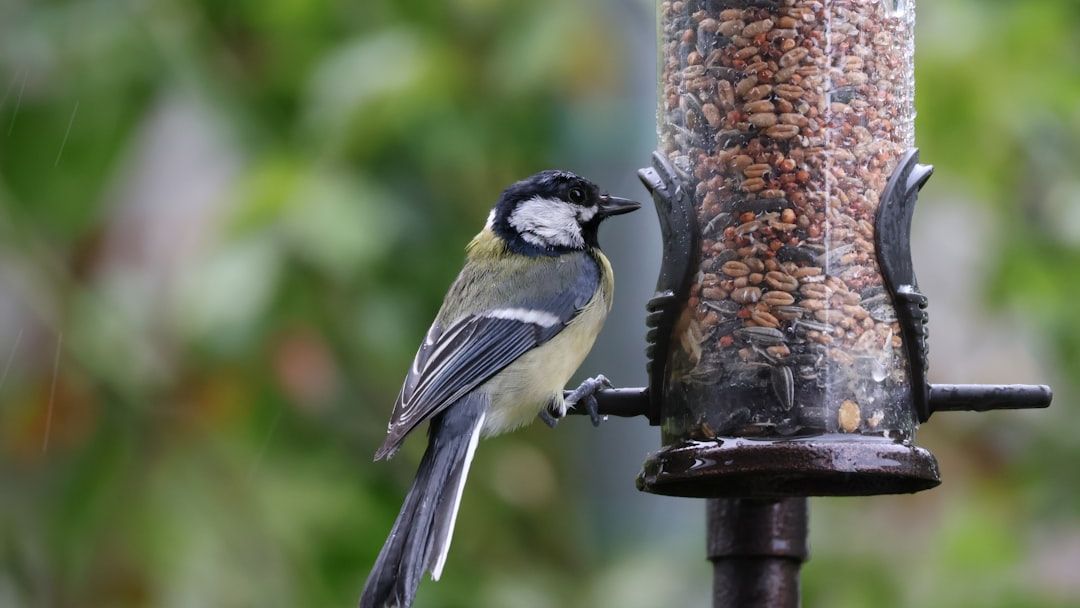
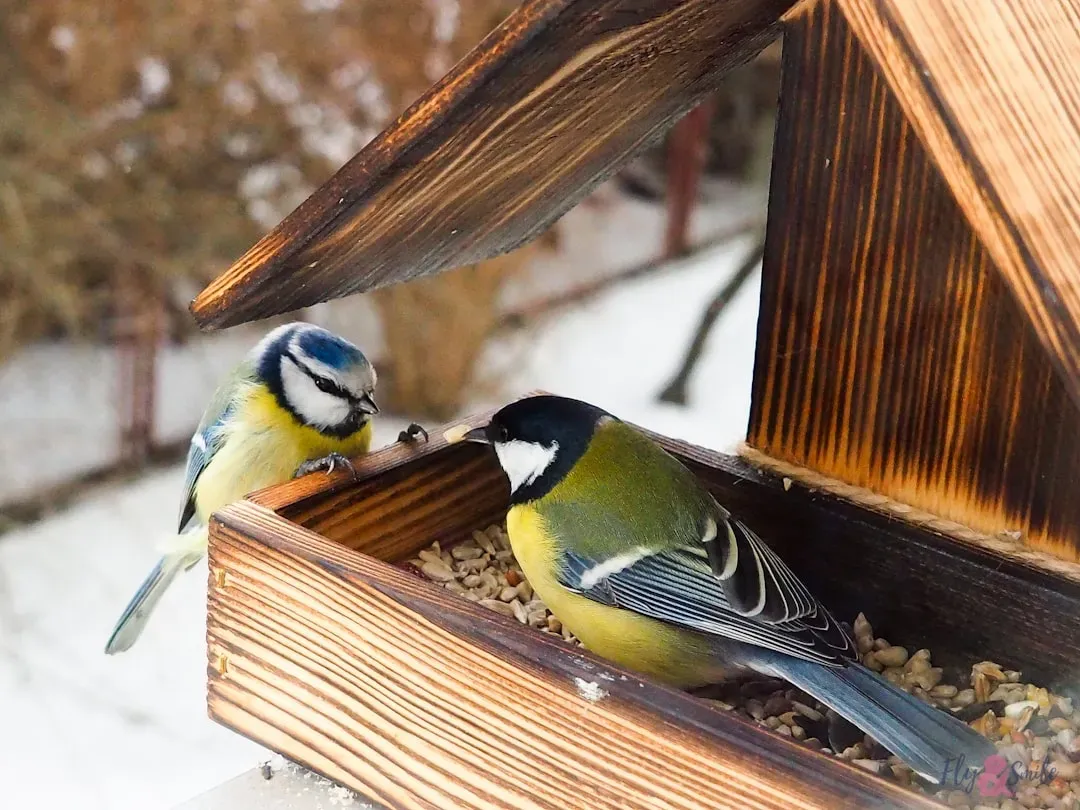
Bird feeders, when not regularly cleaned, become breeding grounds for harmful pathogens. Diseases like salmonellosis and avian conjunctivitis can spread rapidly among birds congregating at these feeding stations. The close contact and shared surfaces facilitate the transmission of bacteria and viruses, leading to outbreaks that can wipe out entire flocks. Regular cleaning of feeders with a 10% bleach solution is essential to prevent such devastating consequences.
The Fatal Attraction: Predators Lured by Feeders
The Fatal Attraction: Predators Lured by Feeders (Image Credits: Pixabay)
An unintended consequence of bird feeders is the attraction of predators. The congregation of birds can draw the attention of hawks, cats, and other predators, turning a safe haven into a hunting ground. This increased predation risk can lead to significant declines in local bird populations. To mitigate this, place feeders near natural cover like shrubs or trees, providing birds with quick escape routes.
The Double-Edged Sword: Dependency on Supplemental Feeding
The Double-Edged Sword: Dependency on Supplemental Feeding (Image Credits: Unsplash)
While feeders provide an easy food source, they can lead to dependency, especially during winter. Birds may reduce their natural foraging behaviors, making them vulnerable if the feeder is suddenly removed or if food supply is inconsistent. This reliance can disrupt natural survival instincts and reduce resilience. To prevent this, ensure feeders are consistently stocked throughout the winter months.
The Silent Killer: Moldy and Contaminated Seeds
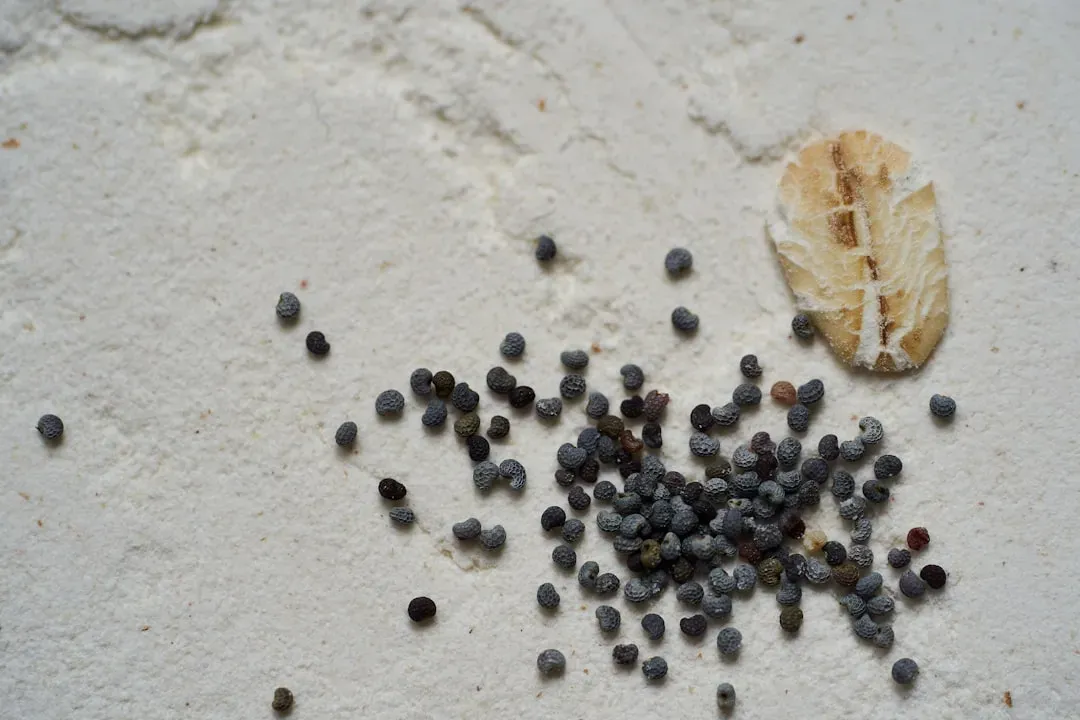
The Silent Killer: Moldy and Contaminated Seeds (Image Credits: Unsplash)
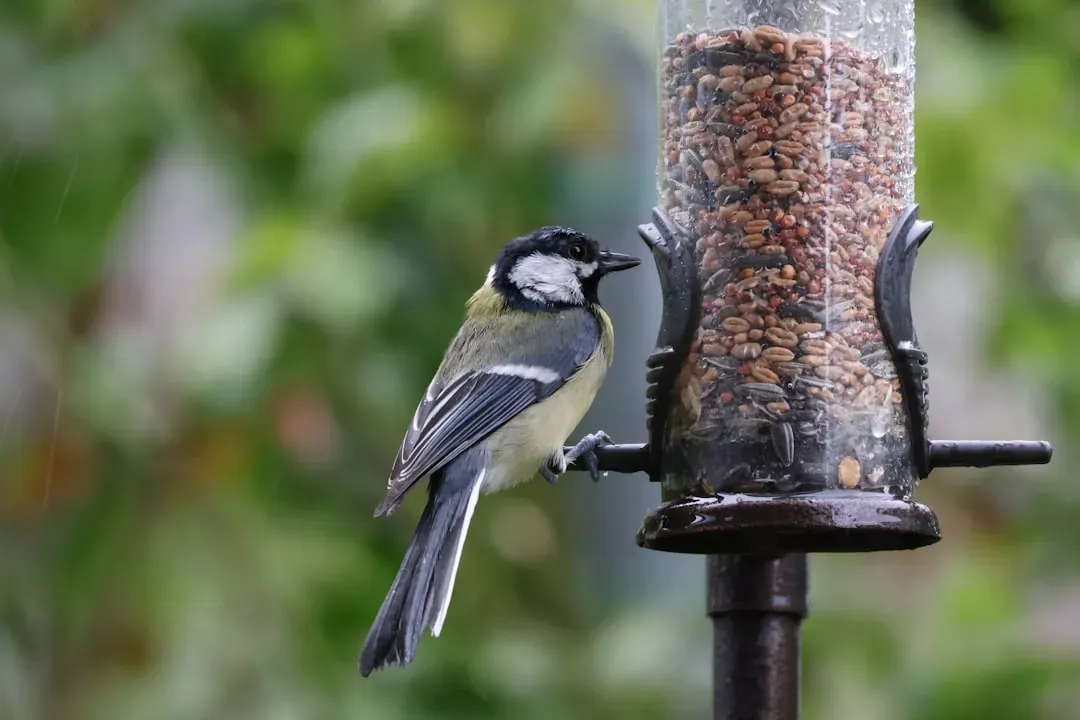
Seeds left in feeders for extended periods can become damp and moldy, posing serious health risks to birds. Moldy seeds can harbor toxins that are lethal when ingested. Regularly check and replace seeds, especially after rain or snow, to ensure the food remains safe and nutritious. Using feeders with proper drainage can also help keep seeds dry.
The Overlooked Hazard: Window Collisions
The Overlooked Hazard: Window Collisions (Image Credits: Unsplash)
Feeders placed too close to windows can lead to fatal collisions. Birds, startled by predators or sudden movements, may fly into windows, resulting in injury or death. To reduce this risk, position feeders either very close to windows (less than 3 feet) or farther away (more than 30 feet). Applying window decals or using screens can also make windows more visible to birds.
The Unintended Consequence: Altered Migration Patterns
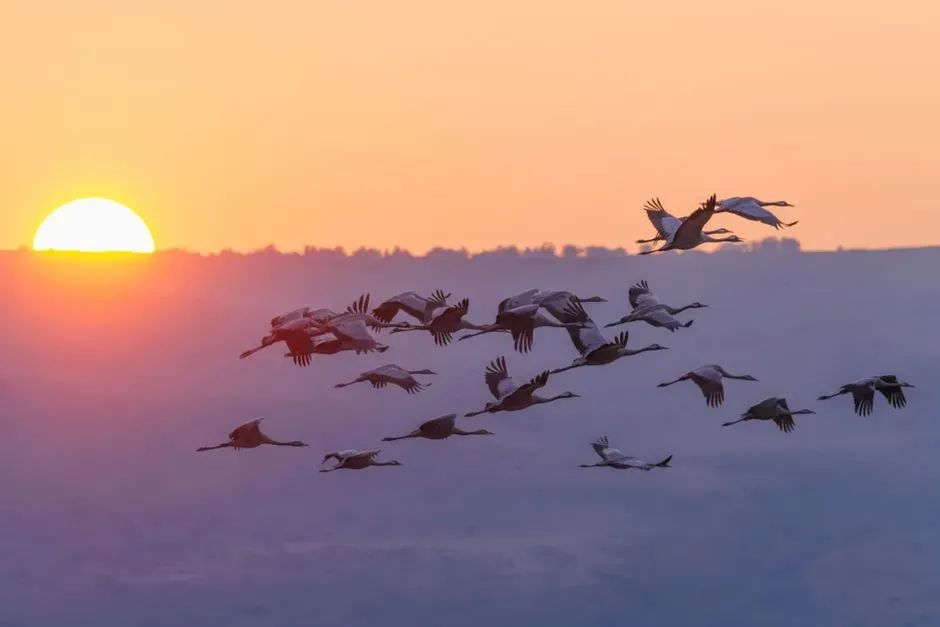
The Unintended Consequence: Altered Migration Patterns (Image Credits: Pexels)
Consistent feeding can influence the natural migration behaviors of certain bird species. Some birds may choose to overwinter in areas where feeders are abundant, potentially exposing them to harsh conditions they are not equipped to survive. This disruption can have cascading effects on ecosystems. It’s crucial to research the species in your area and understand how feeding may impact their natural behaviors.
The Neglected Aspect: Nutritional Imbalance
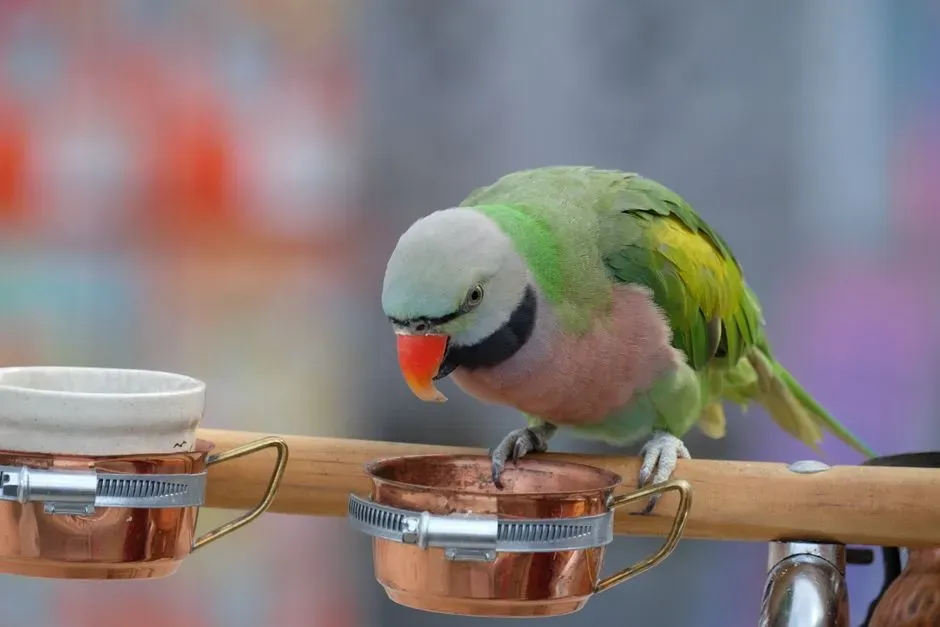
The Neglected Aspect: Nutritional Imbalance (Image Credits: Pexels)
Not all birdseed mixes are created equal. Some may lack essential nutrients, leading to health issues over time. Offering a variety of seeds, suet, and fresh water can help provide a balanced diet. Avoid feeding birds human food scraps, as they can be harmful and lack necessary nutrients.
The Community Effort: Coordinating with Neighbors
The Community Effort: Coordinating with Neighbors (BOMBMAN, Flickr, CC BY 2.0)
Birds often have feeding circuits, visiting multiple feeders in a neighborhood. If several feeders are suddenly removed, it can leave birds without sufficient food sources. Communicating with neighbors to coordinate feeding efforts can help ensure a stable food supply and reduce dependency on any single feeder.
In conclusion, while feeding birds in winter is a compassionate act, it’s imperative to do so responsibly. By maintaining clean feeders, providing appropriate food, and being mindful of placement, homeowners can support local bird populations without inadvertently causing harm. Remember, the goal is to assist, not to disrupt. Are your feeding practices truly benefiting your feathered visitors?
Did you find this helpful? Share it with a friend who’d love it too!
Gargi is an MA in History and a B.Ed graduate from India, with a deep passion for animals and wildlife awareness. As an article writer and editor at Animals Around The Globe, she combines her love for storytelling with her dedication to educating readers about animals, conservation, and responsible pet care. A devoted dog lover, Gargi enjoys creating engaging and informative content that inspires compassion and awareness toward the natural world.