
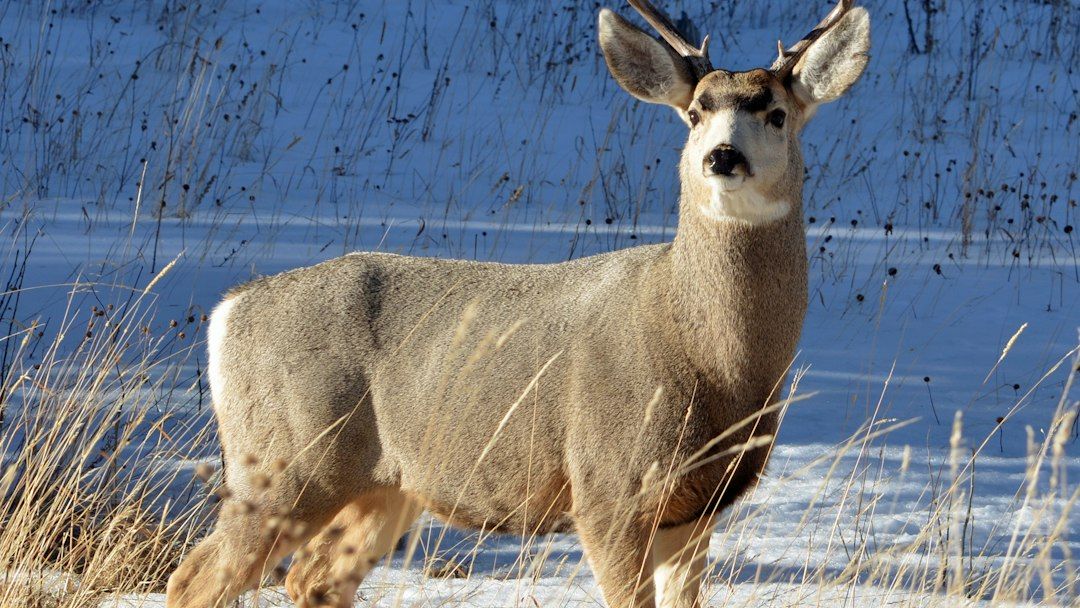
Imagine sipping your morning coffee, gazing out the window, and spotting a deer cautiously stepping into your yard. It’s a serene scene, but have you ever wondered what subtle behaviors precede this moment? Understanding these signs not only deepens our connection with wildlife but also prepares us for unexpected encounters. Let’s delve into the 12 telltale behaviors deer exhibit before entering your yard and uncover the critical sign that indicates a deer might be gearing up to charge.
1. Slowing Their Pace

As deer approach unfamiliar territory, they instinctively reduce their speed. This deliberate slowdown allows them to assess their surroundings meticulously, ensuring no predators lurk nearby. By moving cautiously, they minimize noise, making it harder for potential threats to detect their presence.
Observing a deer transition from a brisk walk to a slow, measured pace is a clear indication that it’s evaluating the safety of your yard. This behavior underscores their innate survival instincts, emphasizing caution over haste.
2. Frequent Head Turns
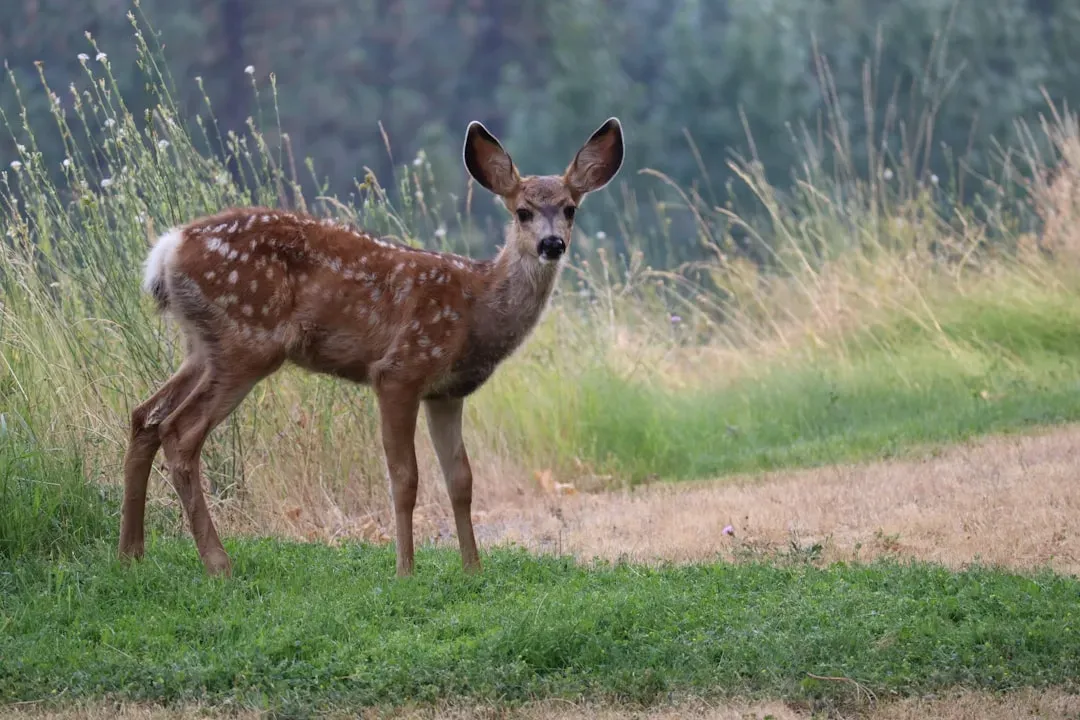
Deer possess an acute sense of awareness, often turning their heads in multiple directions to scan for danger. This constant vigilance helps them detect movement or unusual sounds that might signal a threat.
When you notice a deer repeatedly looking around before entering your yard, it’s actively ensuring the area is secure. This behavior highlights their reliance on keen observation to navigate potentially hazardous environments.
3. Testing the Wind
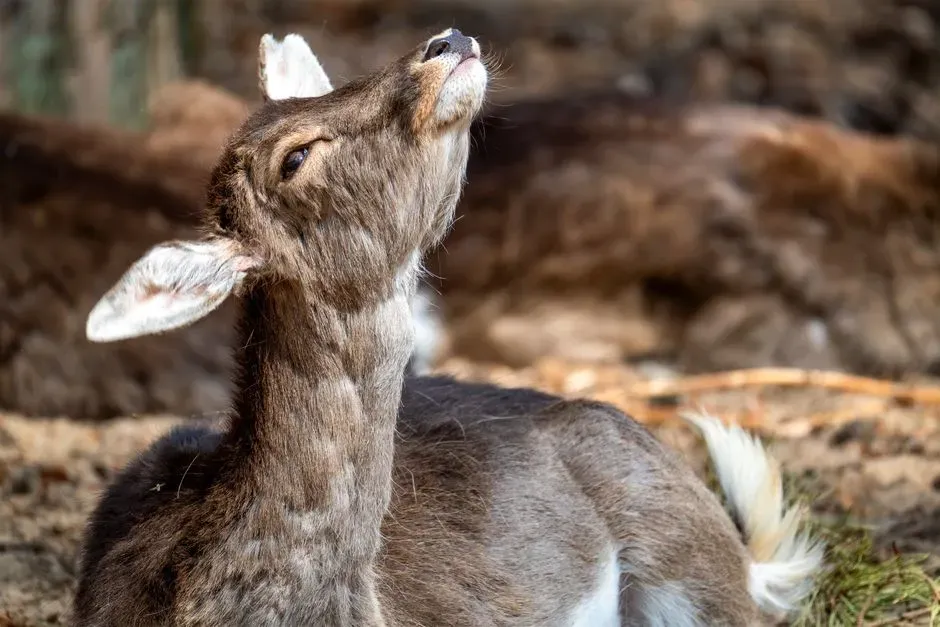
With a highly developed sense of smell, deer often lift their noses to catch scents carried by the wind. This olfactory check helps them identify predators or unfamiliar presences in the vicinity.
Seeing a deer pause and sniff the air before stepping into your yard indicates it’s gathering crucial information about its surroundings. This scent-checking behavior is vital for their safety, allowing them to detect threats that might be hidden from view.
4. Pausing at Cover Edges

Before venturing into open spaces like your yard, deer often stop at the boundary between dense cover and open areas. This pause allows them to survey the open space for potential dangers.
Such behavior demonstrates their preference for environments where they can quickly retreat to safety if needed. The hesitation at the edge of cover is a strategic move to ensure the open area is free from immediate threats.
5. Ears in Constant Motion
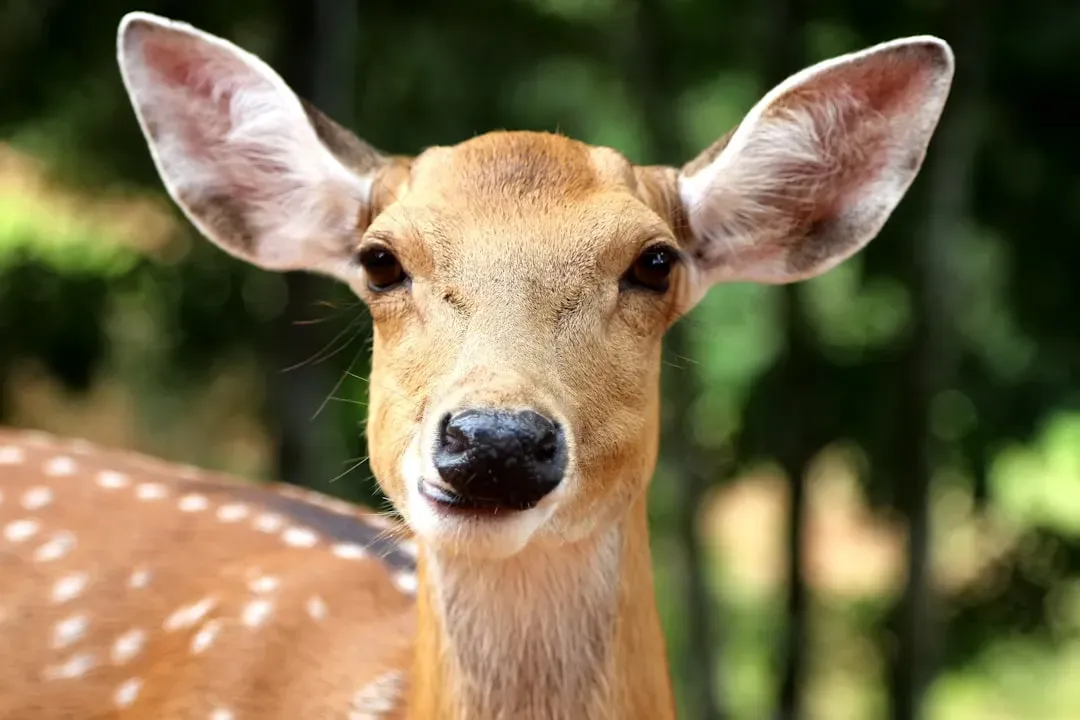
Deer’s ears are incredibly mobile, rotating independently to capture sounds from various directions. This constant movement helps them detect even the faintest noises that might indicate danger.
Observing a deer’s ears twitching and turning before entering your yard signifies its heightened state of alertness. This auditory vigilance is crucial for their survival, especially in unfamiliar territories.
6. Stomping Their Hooves
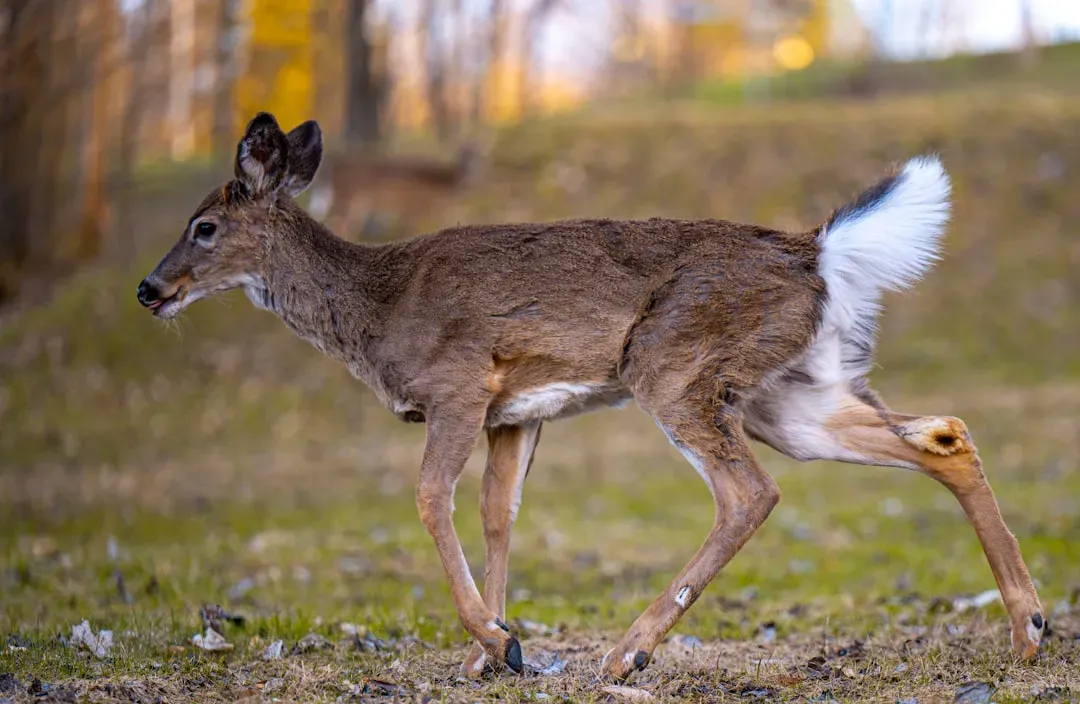
When uncertain about a potential threat, deer may stomp their hooves on the ground. This action serves as a warning signal to other deer and a test to provoke movement from hidden predators.
If a deer stomps its hoof before entering your yard, it’s expressing caution and attempting to confirm the safety of the area. This behavior is a clear sign of their wariness and desire to avoid danger.
7. Flicking Their Tails
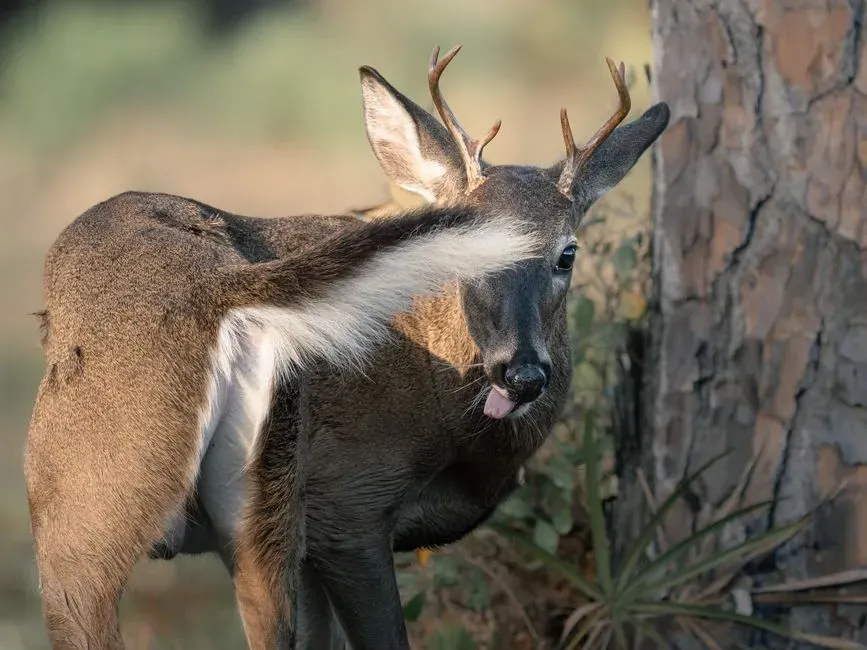
A deer’s tail movements can convey various messages. A gentle flick might indicate relaxation, while rapid flicking can signal agitation or alertness.
Noticing a deer flick its tail before entering your yard can provide insights into its comfort level. Understanding these subtle cues helps in interpreting their behavior and potential reactions.
8. Sniffing the Ground
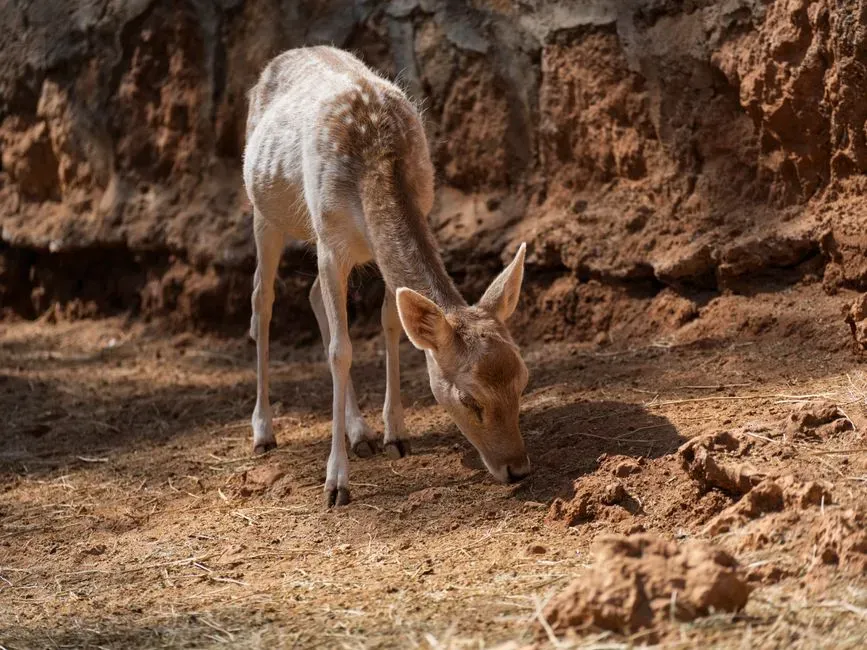
Deer often lower their heads to sniff the ground, gathering information about recent activity in the area. This behavior helps them detect the presence of other animals or humans.
When a deer engages in ground-sniffing before entering your yard, it’s assessing the safety and familiarity of the environment. This olfactory investigation is a key component of their cautious approach.
9. Displaying Raised Hackles
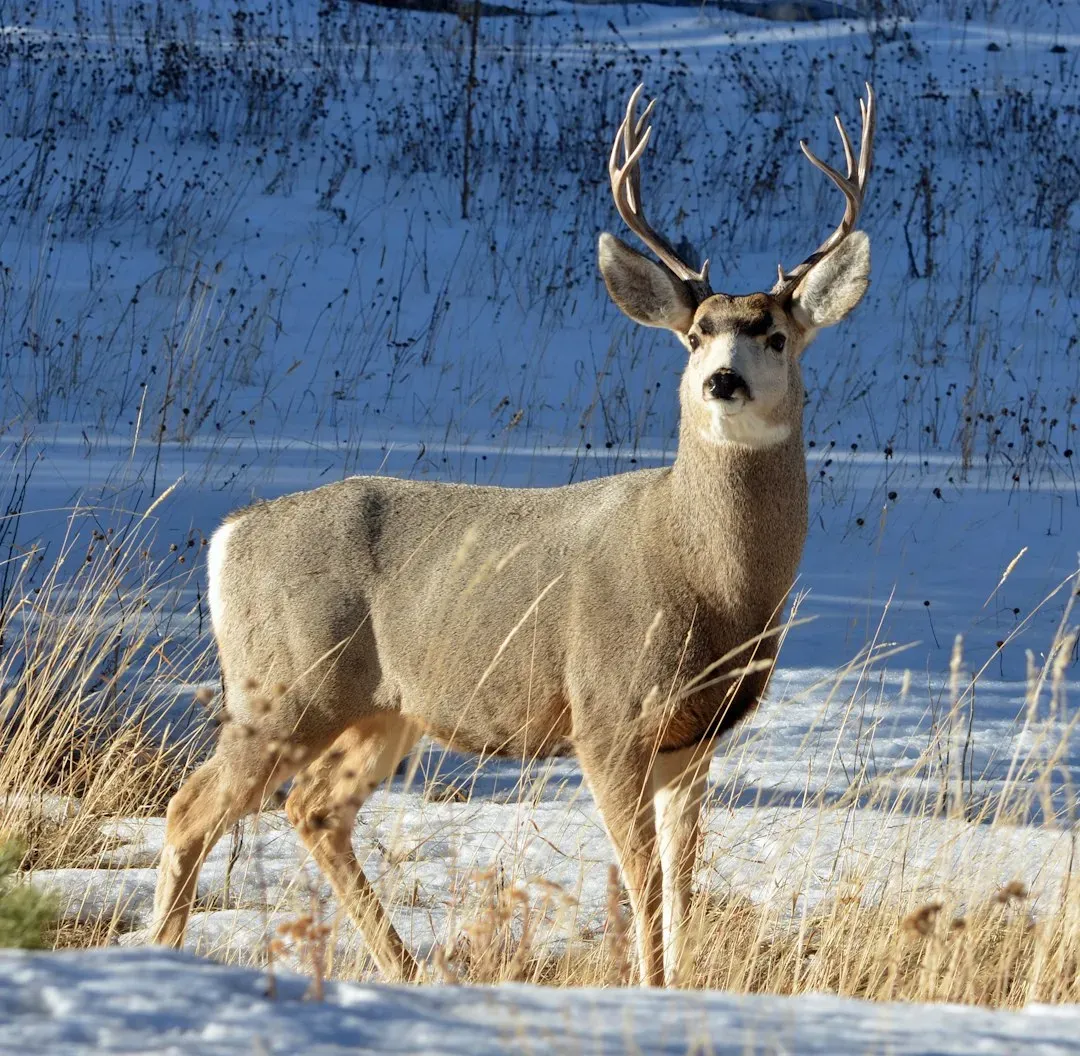
In moments of heightened alertness or aggression, a deer’s hair along its spine may stand on end, known as raised hackles. This physiological response makes them appear larger and more intimidating.
Observing raised hackles before a deer enters your yard indicates a state of agitation or readiness to defend itself. This sign suggests the deer is on high alert and prepared for potential confrontations.
10. Making Direct Eye Contact

Deer may fix their gaze directly on a perceived threat, maintaining eye contact to assess intentions. This behavior can be a precursor to defensive actions.
If a deer locks eyes with you before entering your yard, it’s evaluating whether you pose a danger. Such intense scrutiny is a sign of their cautious nature and readiness to react if necessary.
11. Lowering Their Head

A lowered head, especially with ears pinned back, can indicate aggression or preparation to charge. This posture is often accompanied by other warning signs.
Noticing a deer lower its head before entering your yard is a serious indication of potential aggression. It’s essential to recognize this behavior and respond appropriately to avoid escalation.
12. Snorting or Blowing
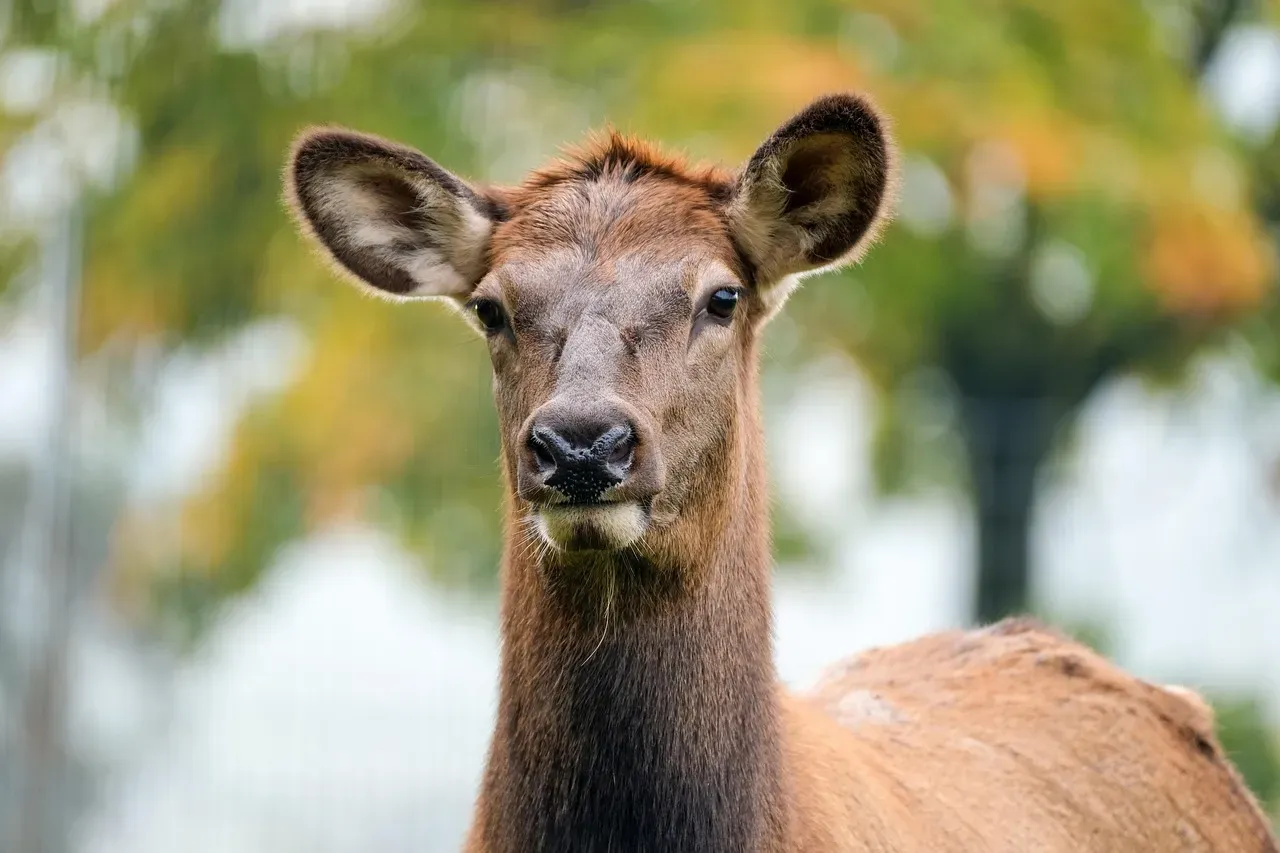
Deer may emit a loud snort or blowing sound when alarmed. This vocalization serves to alert other deer and intimidate potential threats.
Hearing a deer snort before it enters your yard is a clear signal of its discomfort and readiness to flee or defend itself. This auditory cue is a vital part of their communication and survival strategy.
The One Sign They’re About to Charge: Aggressive Posturing
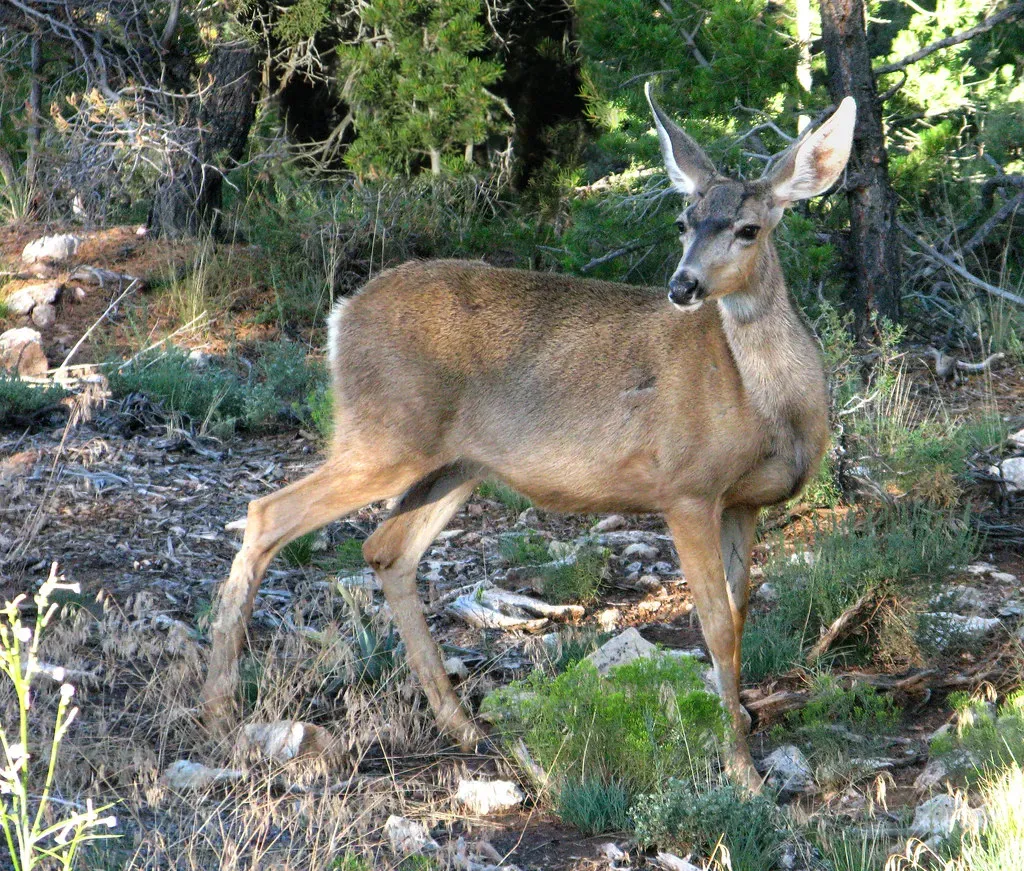
When a deer feels cornered or perceives an immediate threat, it may exhibit aggressive posturing. This includes a combination of the behaviors mentioned: stomping, snorting, lowering the head, and direct staring.
Recognizing this combination of signs is crucial, as it indicates the deer is prepared to charge to defend itself. In such situations, it’s imperative to slowly back away, avoid direct eye contact, and give the deer ample space to retreat.
Understanding these behaviors not only enriches our appreciation of deer but also ensures safer interactions. By recognizing the subtle cues deer provide, we can coexist harmoniously with these magnificent creatures. So, next time you spot a deer near your yard, observe closely – what might it be telling you?

- What Happens to Your Brain in the Final 60 Seconds Before Death – Neuroscientists Just Mapped It - August 13, 2026
- The Most Dangerous Myths About Tornadoes at Night - August 13, 2026
- How To Ride A Horse Safely - August 13, 2026