

Ever found yourself the unexpected leader of a stray dog parade, wondering why you’ve been chosen for this impromptu companionship? It’s not just happenstance. Trainers reveal that a specific, unconscious trait you exhibit might be the magnet drawing these canines to your side.
The Power of Scent: An Invisible Invitation
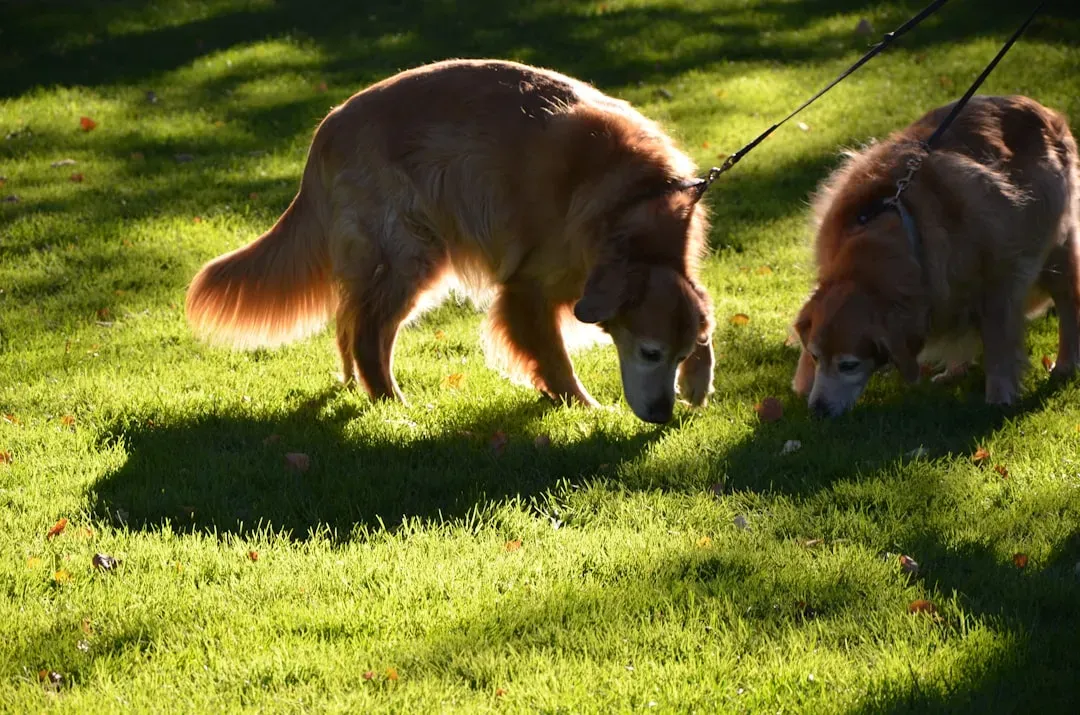
Dogs experience the world predominantly through their noses. Your unique scent profile, influenced by your diet, environment, and even the products you use, can be particularly enticing to a stray dog. If you’ve recently handled food or been around other animals, you might unknowingly carry aromas that pique a dog’s curiosity, leading them to trail you in hopes of a treat or companionship.
Body Language: Speaking Without Words
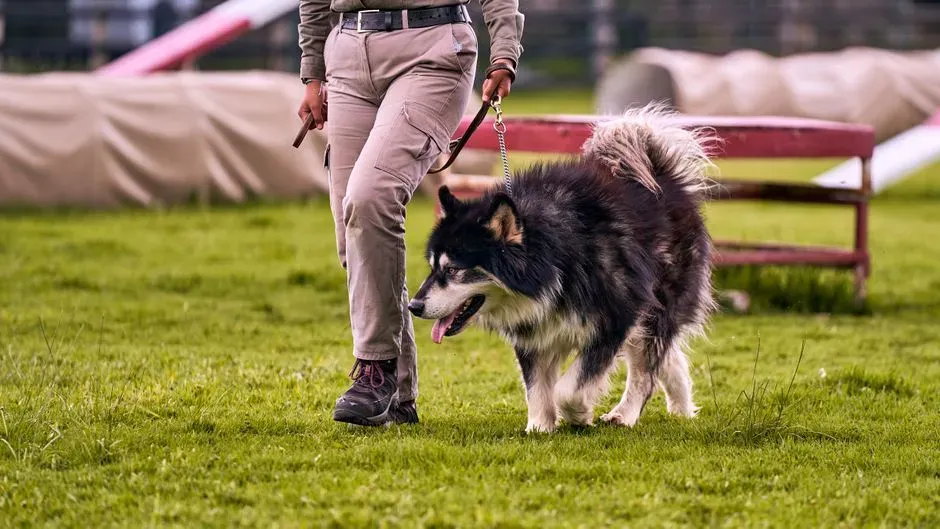
Without uttering a single word, your posture and movements communicate volumes to a dog. An open stance, relaxed shoulders, and unhurried movements signal approachability and safety. Stray dogs, often wary due to past experiences, are naturally drawn to individuals whose body language exudes calmness and non-threatening vibes.
Emotional Energy: The Unseen Connection
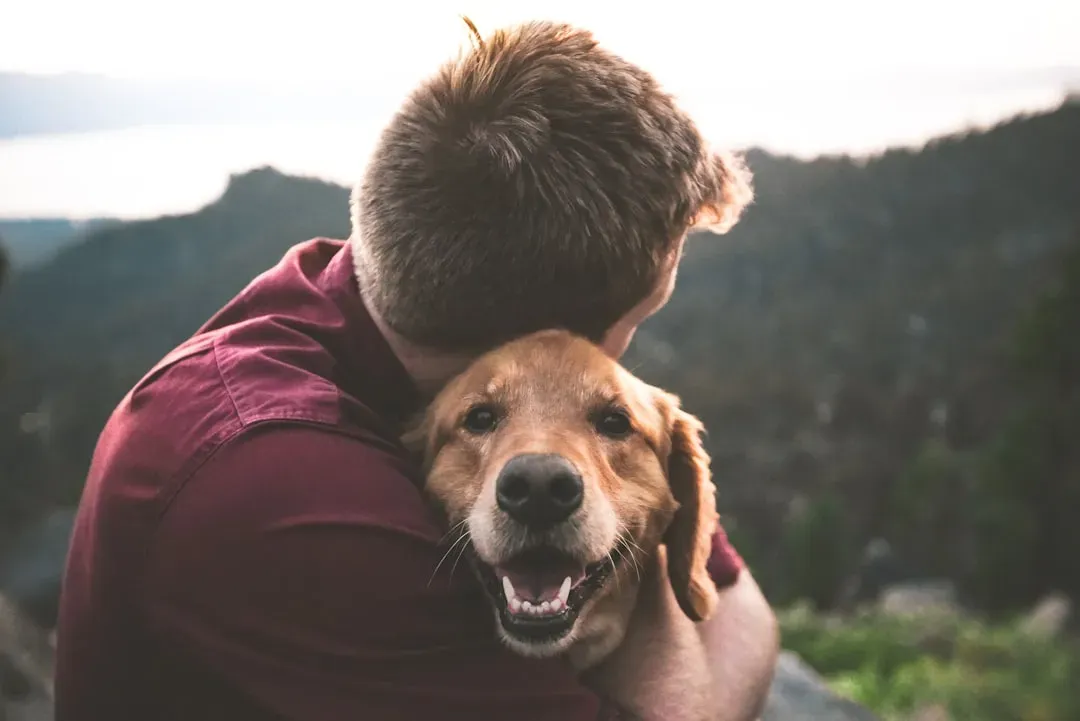
Dogs are remarkably attuned to human emotions. If you’re radiating calmness and positivity, a stray dog might find solace in your presence. Conversely, if you’re anxious or fearful, they might either keep their distance or, intriguingly, approach to offer comfort, sensing your need for companionship.
Past Positive Interactions: Building Trust Over Time

Stray dogs often remember individuals who have shown them kindness. If you’ve previously offered food, water, or even a gentle pat to a stray, they might recall this positive interaction and choose to follow you, associating you with safety and care.
Consistent Behavior: Predictability Breeds Trust
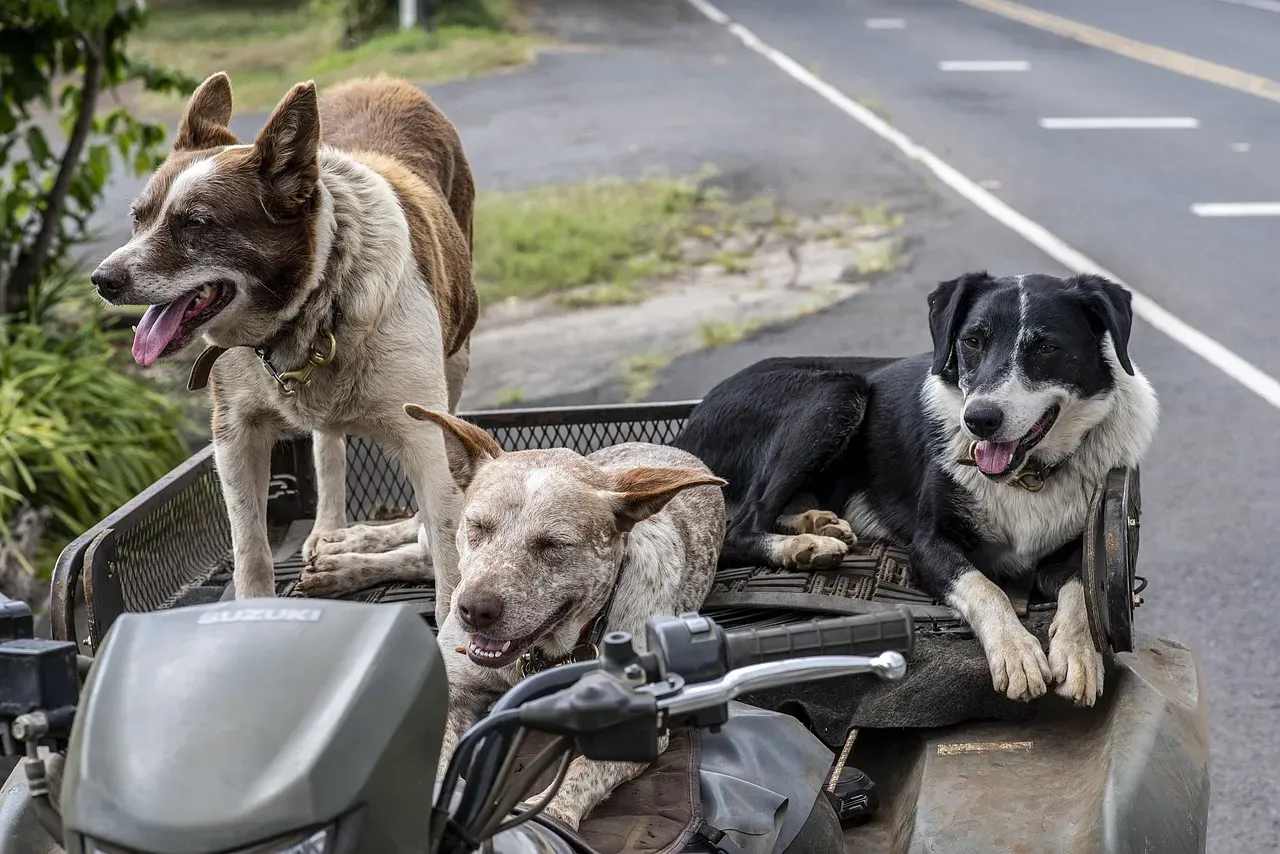
Dogs thrive on routine and predictability. If your daily patterns involve walking the same route or frequenting certain areas, stray dogs in the vicinity might become familiar with your presence. This consistency can make you a figure of trust in their eyes, prompting them to follow you, anticipating positive interactions.
Vocal Tone: The Sound of Safety

The way you speak can be as influential as what you say. A soft, soothing voice can be incredibly inviting to a stray dog. Even if you’re not directly addressing them, your tone can convey warmth and safety, encouraging them to stay close.
Natural Affinity: Some People Just Have It
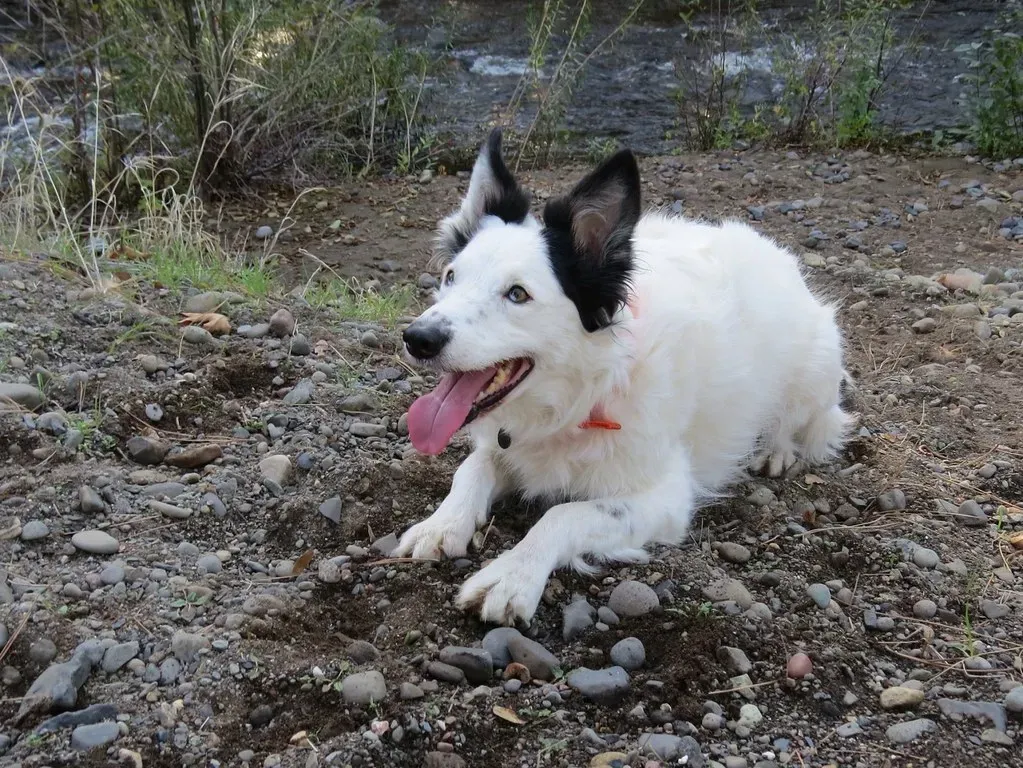
Some individuals naturally exude an aura that dogs find appealing. Whether it’s a combination of scent, energy, and demeanor, these people often find themselves the preferred companions of canines, both stray and domesticated.
In conclusion, while it might seem random when a stray dog decides to follow you, it’s often a combination of subtle cues and traits you exhibit. Your scent, body language, emotional energy, and past interactions all play a role in this unique form of silent communication. So, the next time you find a furry friend trailing behind, consider what unspoken signals you might be sending. Could you be the beacon of safety and kindness they’ve been searching for?

- What Happens to Your Brain in the Final 60 Seconds Before Death – Neuroscientists Just Mapped It - August 13, 2026
- The Most Dangerous Myths About Tornadoes at Night - August 13, 2026
- How To Ride A Horse Safely - August 13, 2026