
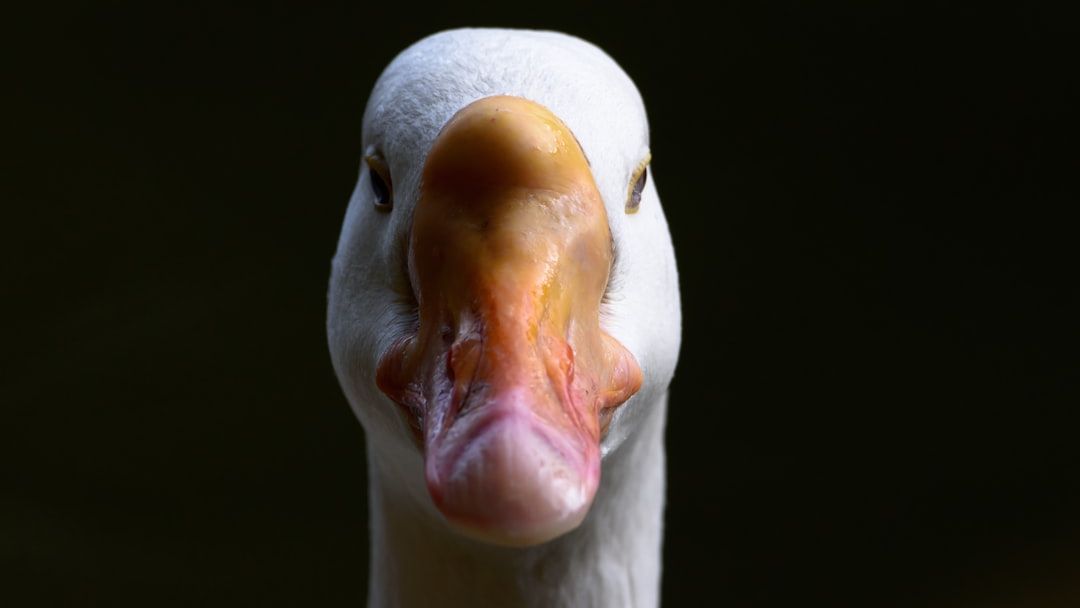
Imagine enjoying a peaceful stroll by the lake when suddenly, a hissing, honking goose charges at you. These seemingly serene birds can become unexpectedly aggressive, especially during nesting season. Recognizing the warning signs of an impending goose attack is crucial to avoid injury. Here are 11 behaviors geese exhibit before they strike, and understanding them might just save you from a painful encounter.
Hissing: The Universal Warning
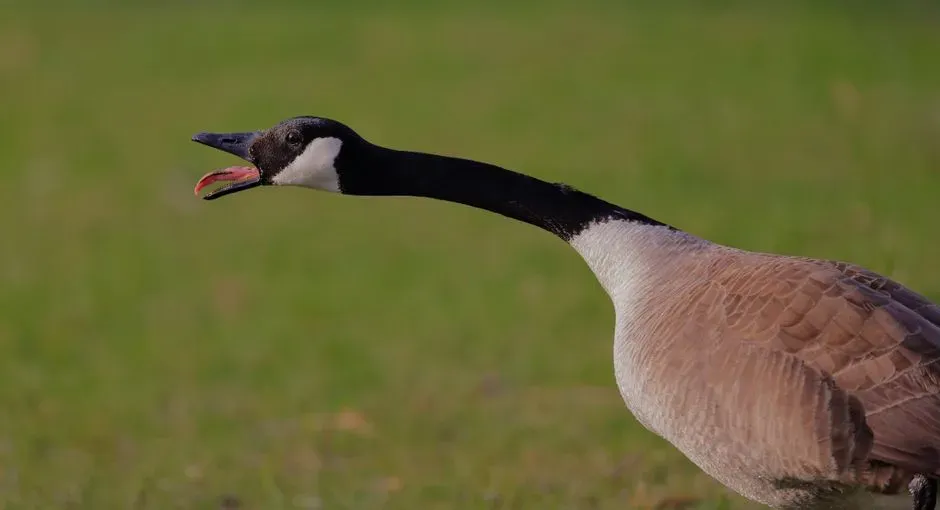
When a goose starts hissing, it’s issuing a clear warning to back off. This sound indicates the bird feels threatened and is prepared to defend its territory. Ignoring this auditory cue can escalate the situation, leading the goose to take more aggressive actions. Always heed a goose’s hiss as a signal to create distance.
Honking: Alarm Bells Ringing

Loud, repetitive honking serves as an alarm call, signaling distress or alerting other geese to potential danger. If a goose directs persistent honking at you, it’s a sign that you’re perceived as a threat. This behavior often precedes physical aggression, so it’s wise to retreat calmly when you hear it.
Head Bobbing: The Prelude to a Charge
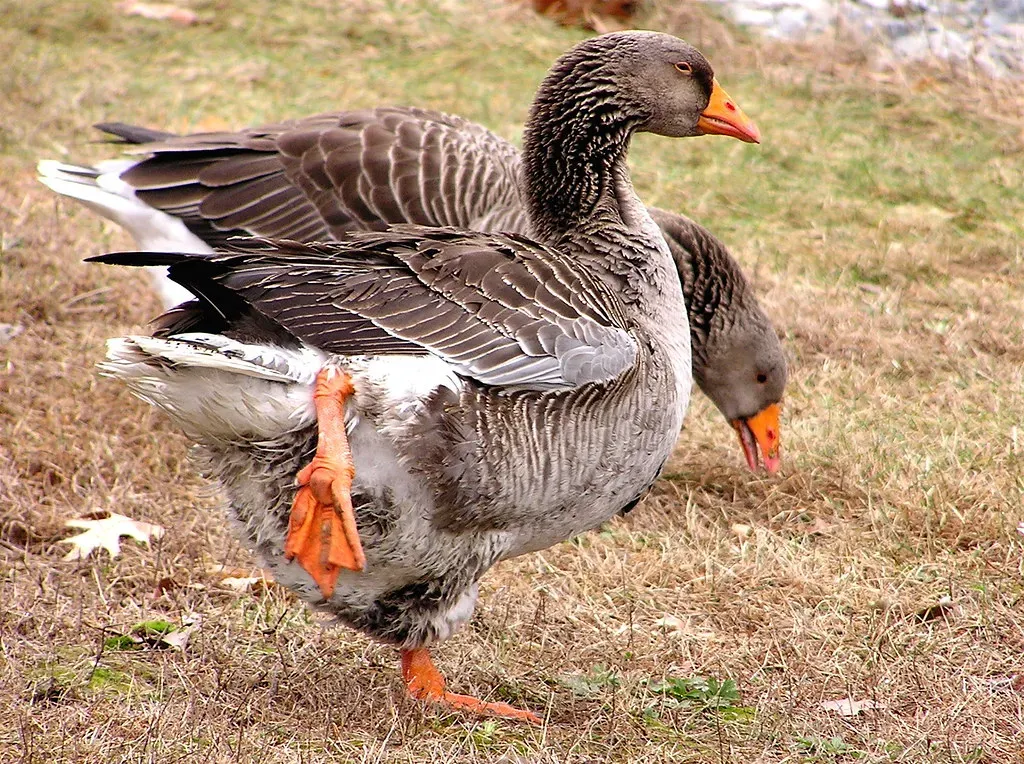
Rapid up-and-down head movements indicate agitation and readiness to confront intruders. This behavior is a precursor to a potential charge, especially if combined with other warning signs. Observing head bobbing should prompt you to slowly back away to avoid provoking an attack.
Neck Stretching: Assessing the Threat
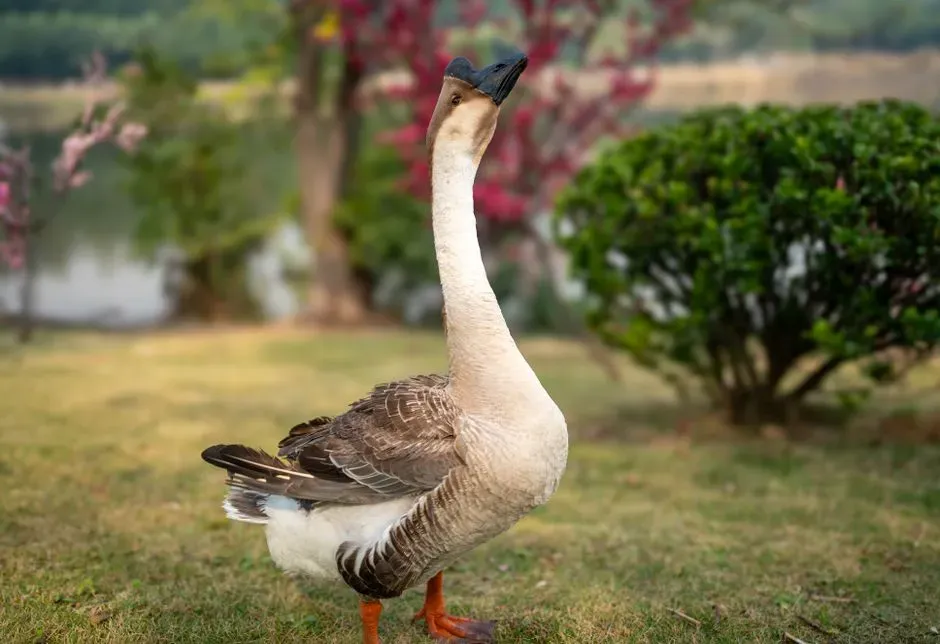
A goose extending its neck forward is evaluating the perceived threat and preparing to act. This posture signifies alertness and a readiness to defend its space. If you notice a goose stretching its neck toward you, it’s best to increase the distance between you and the bird.
Wing Flapping: Displaying Dominance
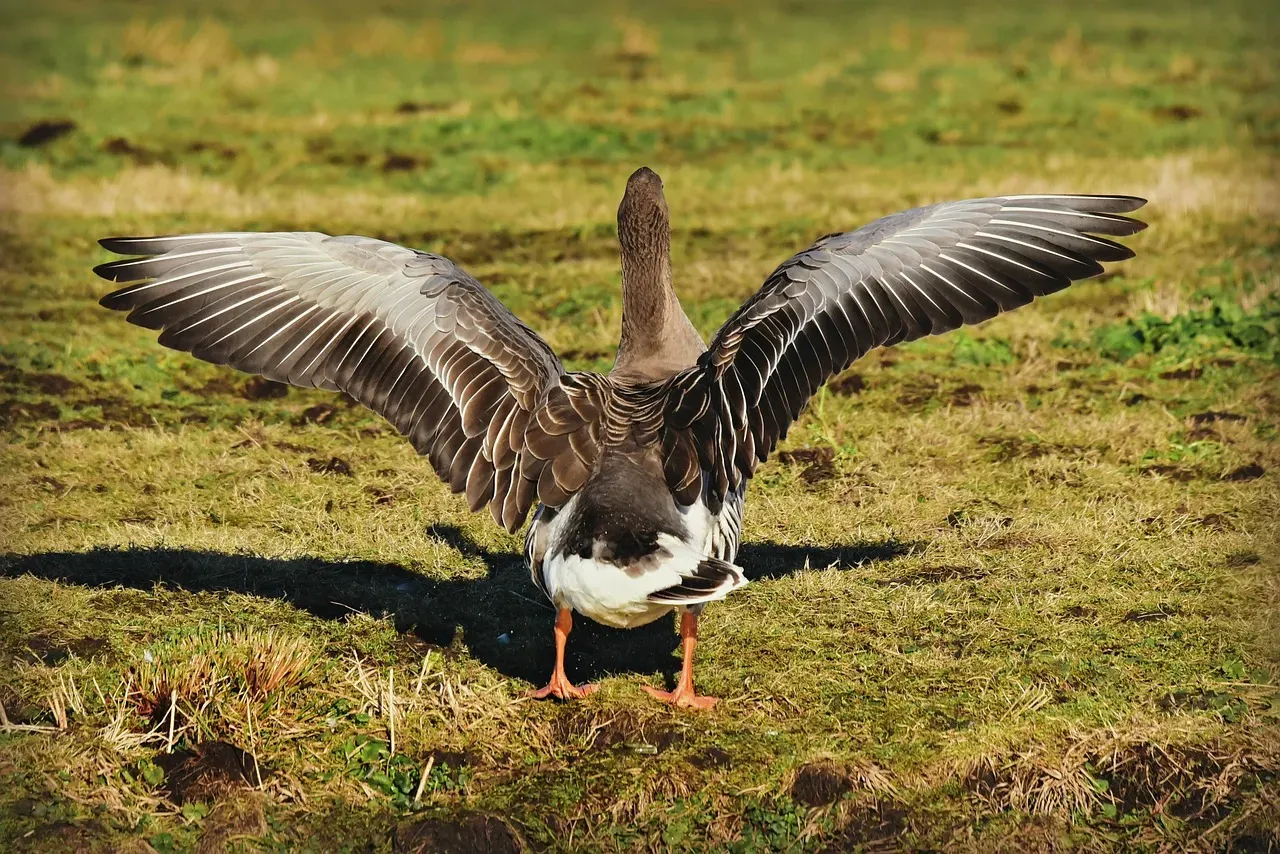
Aggressive wing flapping is a tactic geese use to appear larger and more intimidating. This display is meant to deter threats and assert dominance over their territory. Witnessing this behavior is a clear indication to retreat and avoid further provocation.
Charging: The Final Warning
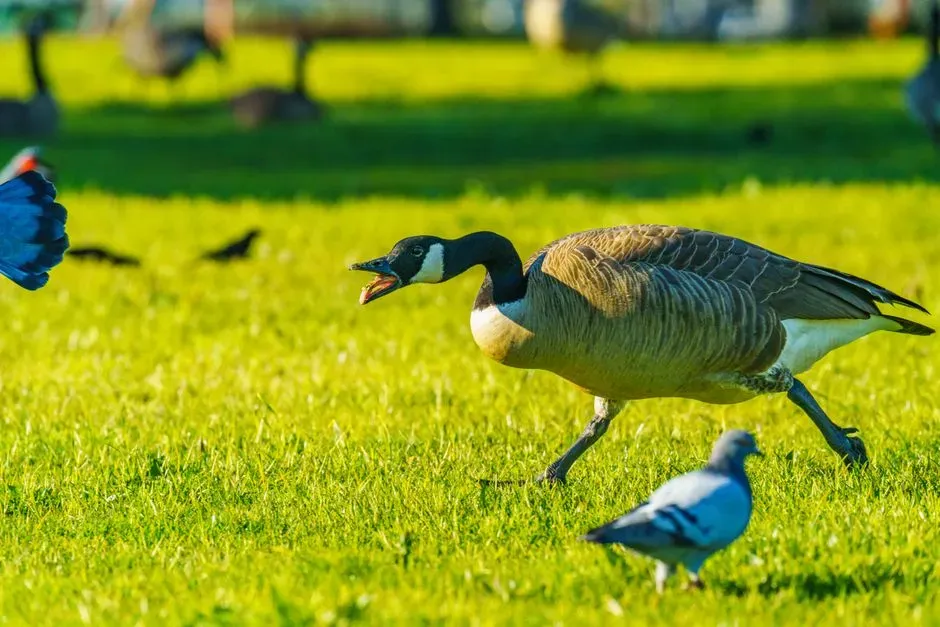
When a goose lowers its head and charges toward you, it’s making a last-ditch effort to drive you away. This behavior is often accompanied by hissing and honking, signaling that the goose is ready to escalate to physical aggression. Standing your ground calmly and slowly backing away can help de-escalate the situation.
Feather Ruffling: Preparing for Battle
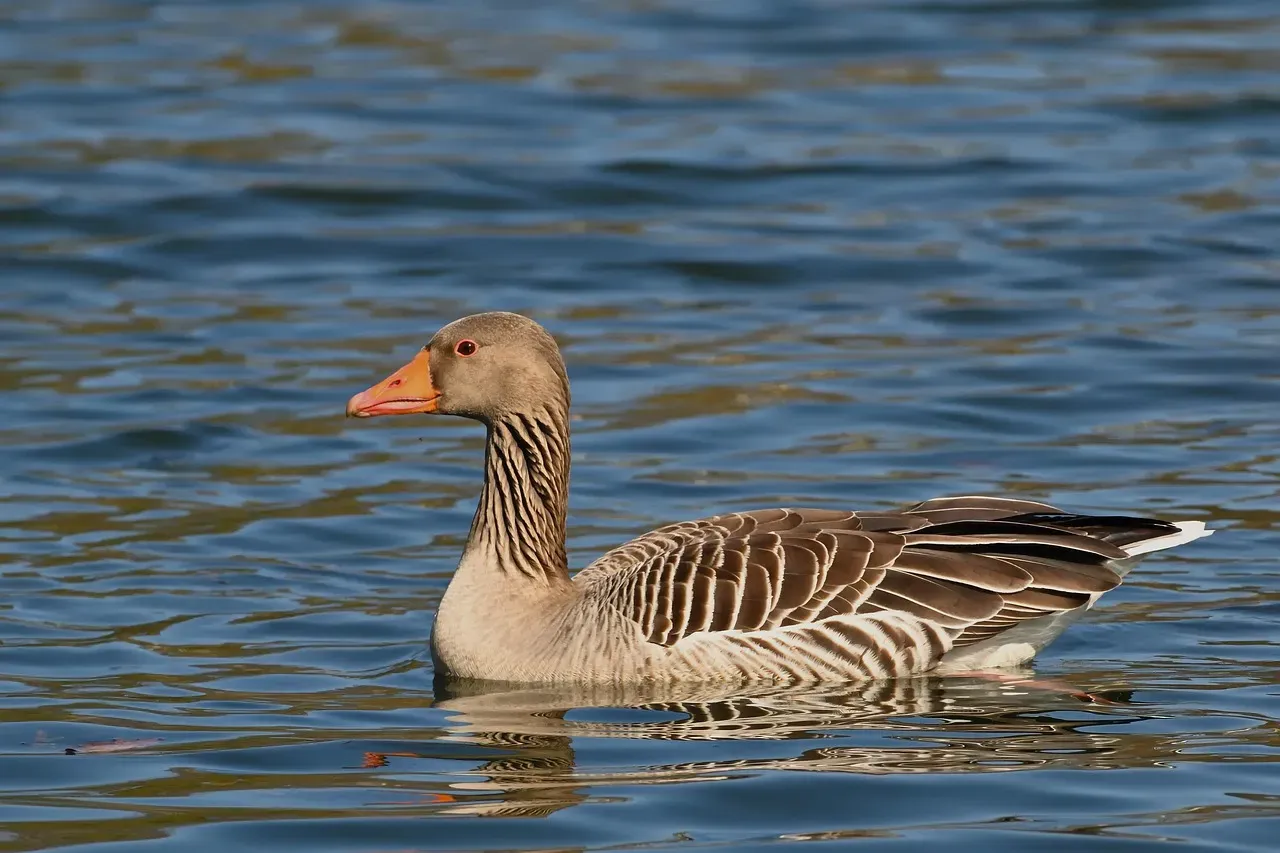
Ruffling feathers is a sign that a goose is agitated and preparing to defend itself. This behavior increases the bird’s apparent size and serves as a visual warning to potential threats. Recognizing this sign allows you to remove yourself from the area before the situation intensifies.
Direct Eye Contact: Locking Onto the Threat
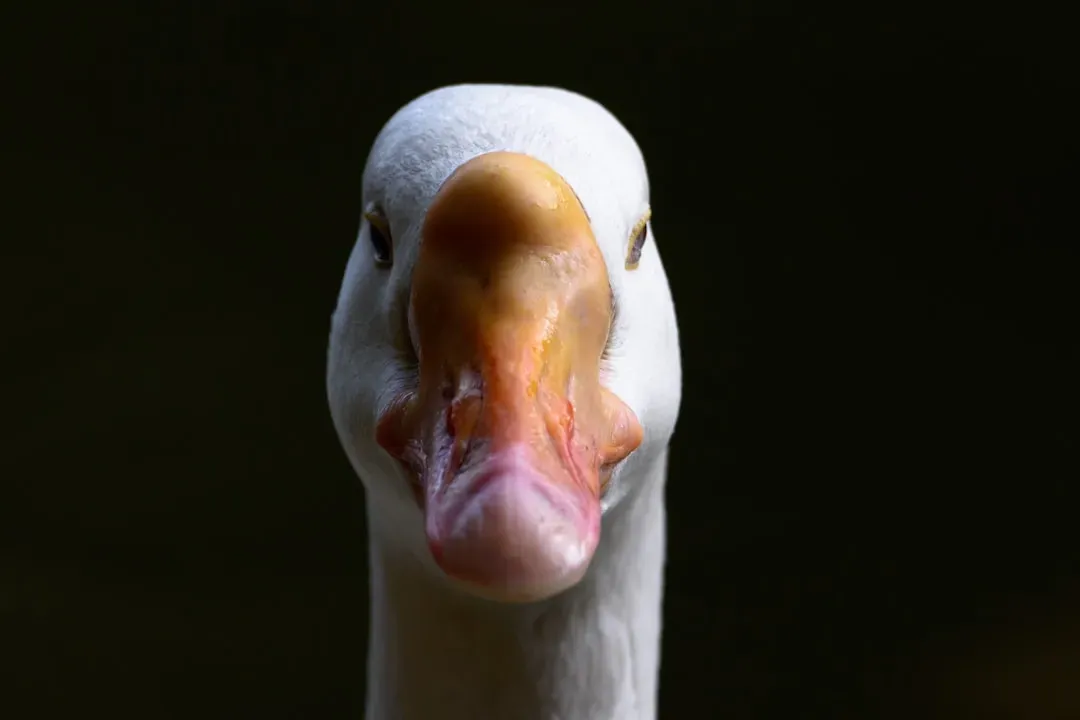
Maintaining intense eye contact is a goose’s way of focusing on a perceived threat. This behavior indicates that the bird is assessing your intentions and deciding on its next move. Breaking eye contact and slowly retreating can help reduce the perceived threat level.
Posturing: The Intimidation Stance
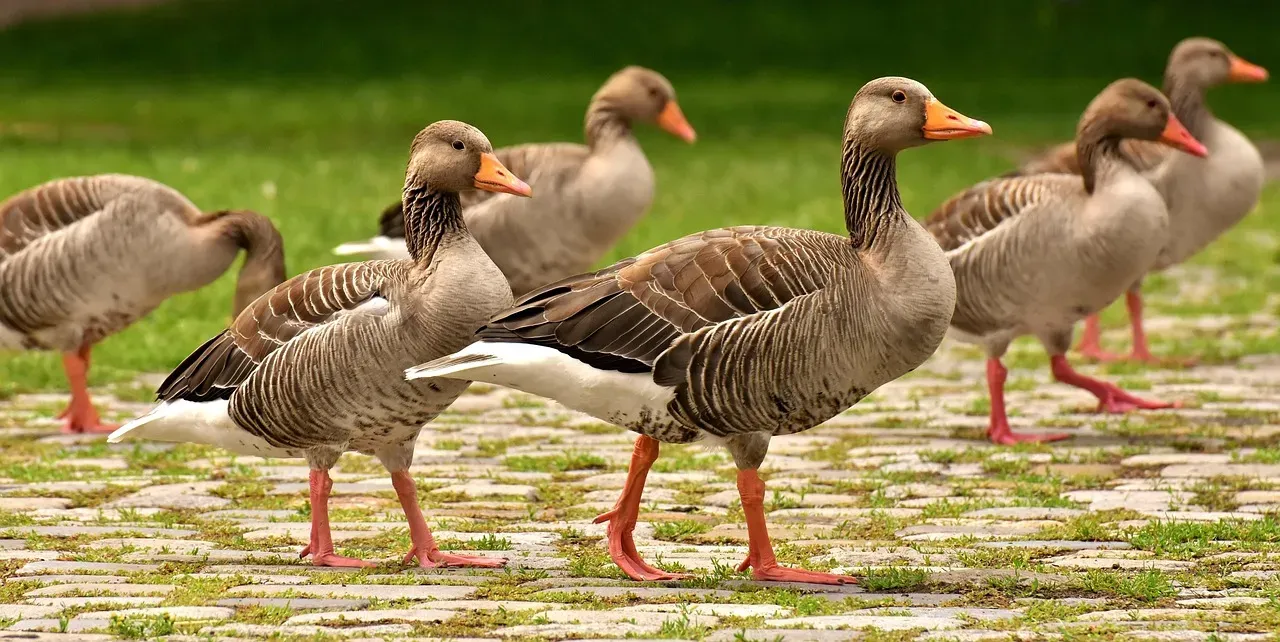
An aggressive goose will stand tall, puff up its feathers, and adopt a menacing posture to intimidate intruders. This display is designed to make the goose appear more formidable and deter potential threats. Recognizing this stance is a cue to calmly and slowly distance yourself from the bird.
Vocalizing in Unison: Rallying the Troops
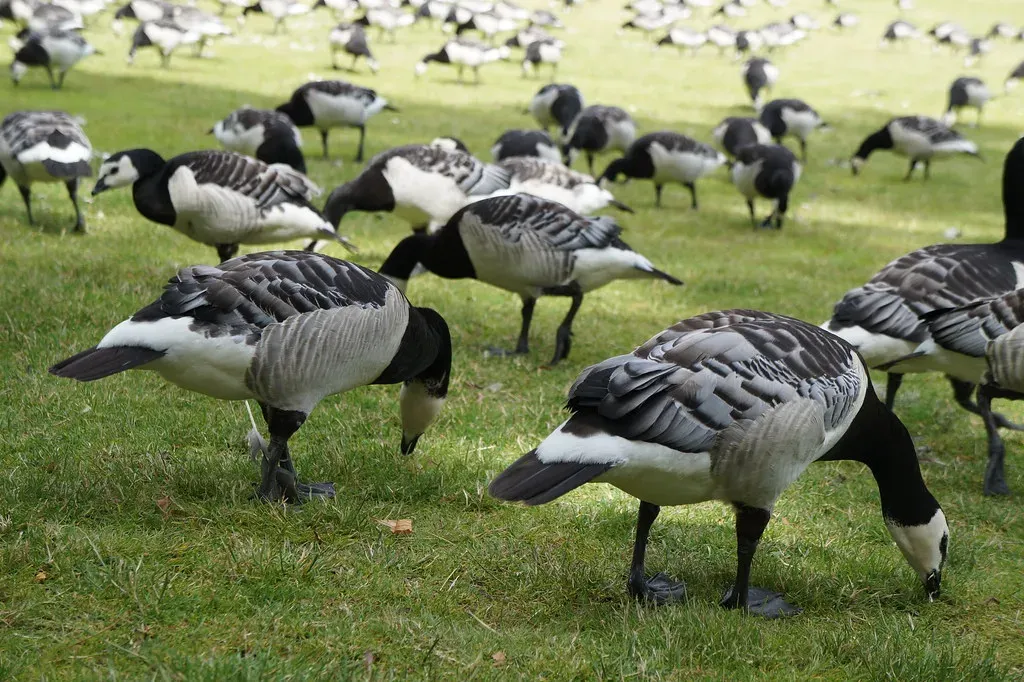
When multiple geese vocalize together, they’re coordinating a group defense strategy. This behavior indicates that the flock perceives a significant threat and is preparing to act collectively. In such situations, it’s crucial to remove yourself from the area promptly to avoid multiple geese becoming aggressive.
Blocking Pathways: Asserting Control
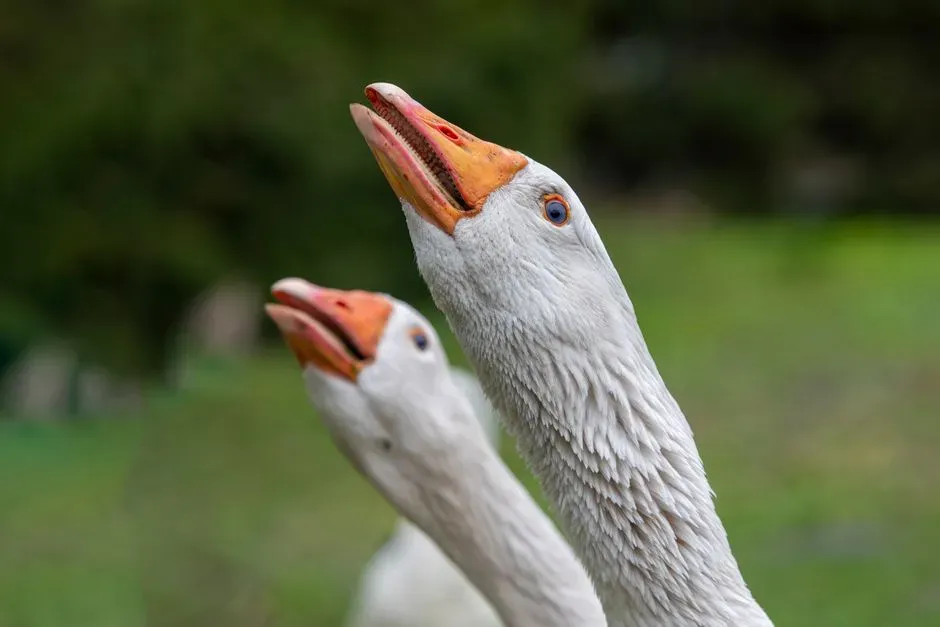
Geese may position themselves to block your path, asserting control over their territory. This behavior is a non-verbal way of communicating that you’re not welcome in that area. Respecting this boundary by finding an alternative route can prevent potential confrontations.
Understanding these warning signs is essential for safely coexisting with geese, especially during their nesting season. By recognizing and respecting these behaviors, you can avoid provoking an attack and ensure a peaceful encounter with these protective birds. Remember, geese are not inherently aggressive; they are simply defending their territory and young. By giving them space and heeding their warnings, we can coexist harmoniously.

- Dog Breeds That Can Detect Cancer Before Your Doctor Does - August 13, 2026
- 10 Amazing Facts About Finches That Make Birdwatchers Love Them - August 13, 2026
- 10 Signs Your Dog Might Be Happier Than You Think They Are - August 13, 2026