
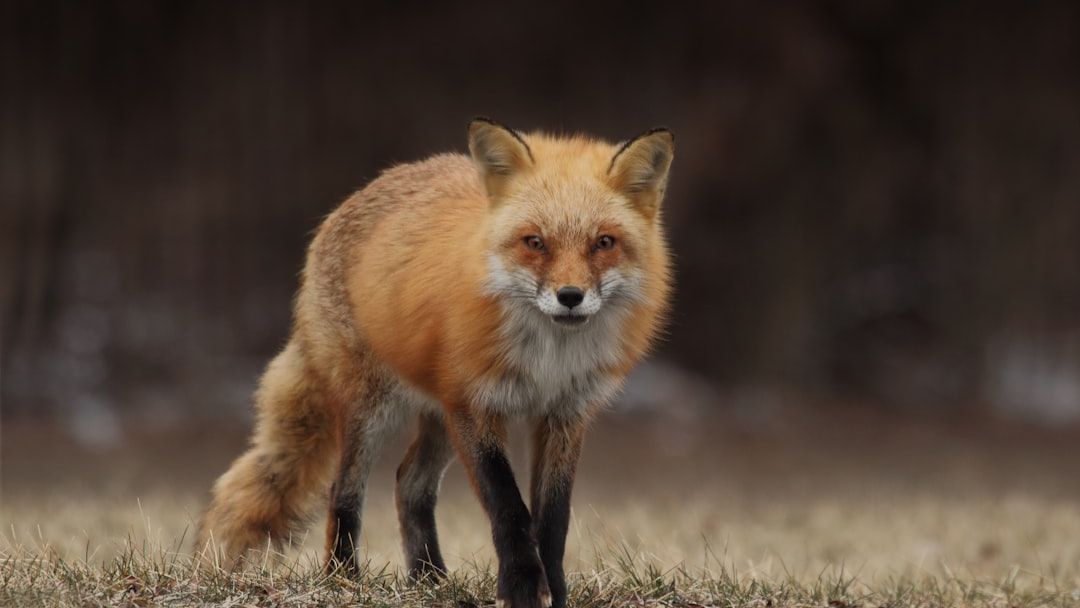
Your Neighborhood Is Already Part of Their Territory
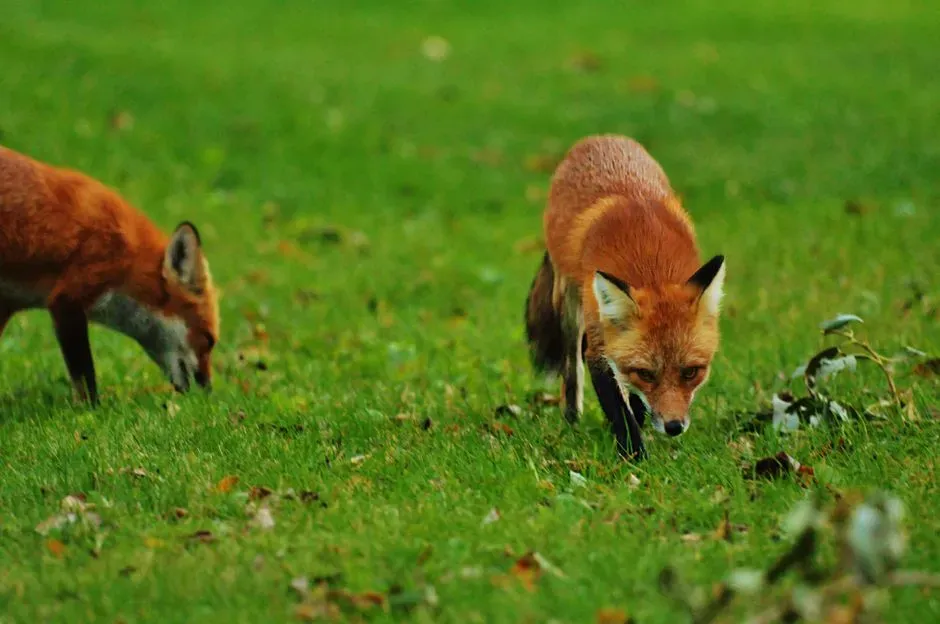
The first thing to understand is that the fox visiting your yard probably considers your entire street, and several beyond it, to be home turf. Research shows that suburban foxes typically maintain territories of roughly 25 to 100 acres, significantly smaller than their rural counterparts’ ranges of 500 or more acres, due to the concentration of resources in human areas. That compression of space is precisely what makes repeat sightings so reliable.
These territories are meticulously patrolled and marked with urine, scat, and glandular secretions, creating invisible boundaries that most humans never perceive. When a fox keeps appearing along the same fence line or cutting across the same corner of your lawn, it’s following a well-worn internal map. You’re not witnessing a visit. You’re watching a property patrol.
Territorial behavior includes scent marking and using excrement to denote territory boundaries, which means that the fox leaving traces in your garden is essentially posting “No Trespassing” signs for other foxes. The quiet repetition of the behavior is the whole point.Food Is Almost Always the Core Reason
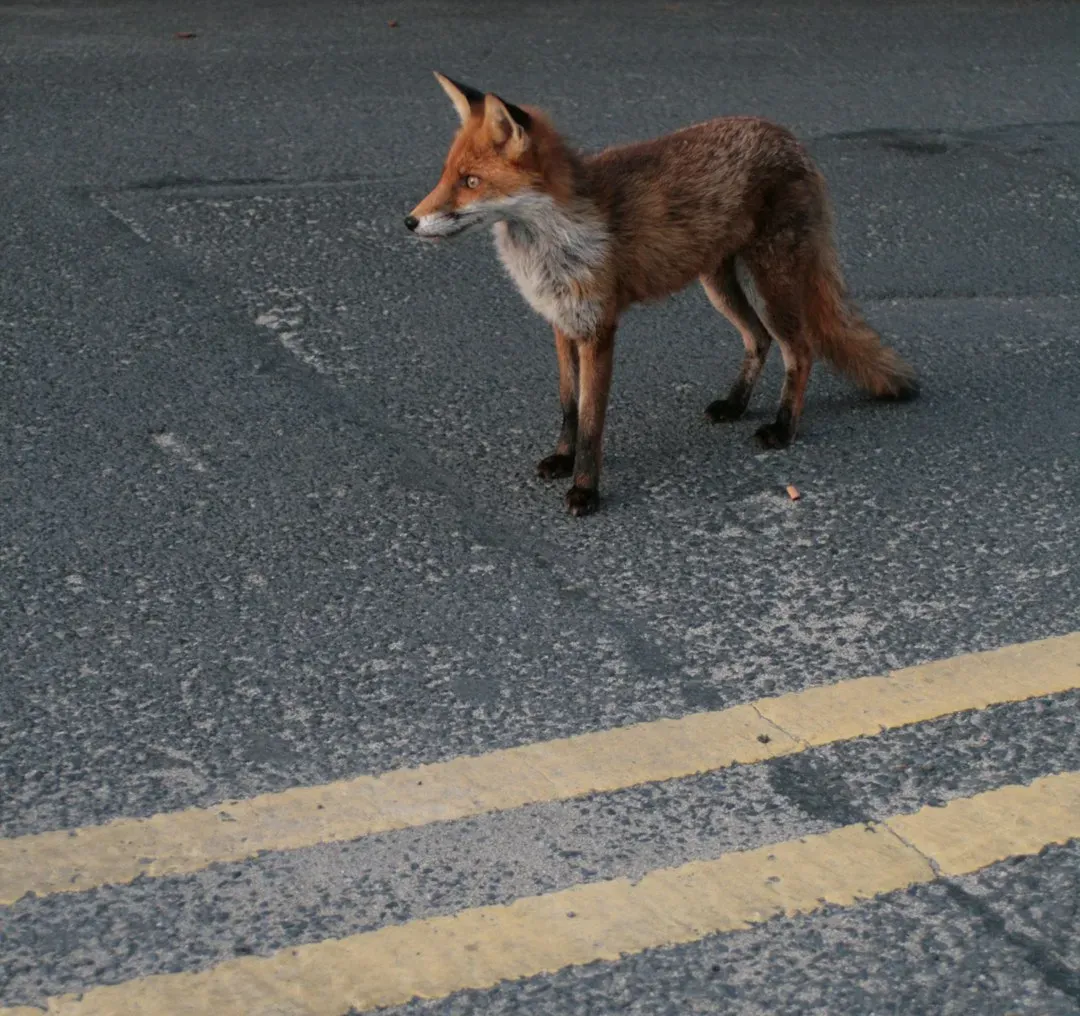
Food availability is perhaps the most significant factor. If a fox consistently finds food in a specific location, it will likely return. This includes intentional feeding by humans, accessible garbage, pet food left outdoors, and abundant natural prey. It really is that simple, and that mechanical.
Foxes are opportunistic omnivores, meaning they eat a wide variety of foods, including small mammals, birds, insects, fruits, and vegetables. In urban areas, they may also scavenge for food in garbage cans. Your neighborhood, seen through the eyes of a fox, is a kind of open buffet, stocked nightly by residents who don’t realize they’re setting the table.
Despite reliance on human-related food waste, urban foxes maintain predatory behaviors by hunting small mammals like rats and mice, birds, insects, and even amphibians within green spaces or derelict lots. This varied diet helps them meet nutritional needs and aids in population control of common pest species like rats. So the fox circling your compost heap isn’t just scavenging. It’s hunting too, and your neighborhood’s rat population is part of the draw.
They’ve Learned to Read Human Schedules

Foxes are generally crepuscular or nocturnal animals in rural settings to avoid predators and humans. In urban environments, they tend to shift their activity patterns more strictly to nighttime hours. This change reduces the risk of encounters with people and vehicles while taking advantage of reduced human activity during late hours.
What’s genuinely striking is just how precise this timing can get. Some studies have documented that foxes learn individual human schedules, avoiding yards during times when residents are typically outdoors and utilizing those spaces during predictable periods of human absence. Think about that for a moment. The fox isn’t just avoiding people in general. It may specifically know when you leave for work.
This temporal partitioning allows foxes to share physical space with humans while rarely encountering them directly. It’s a form of coexistence that requires no negotiation and leaves almost no trace. Most of the fox activity happening in your neighborhood occurs during hours you’re simply not watching.
Shelter and Denning Sites Bring Them Back Year After Year
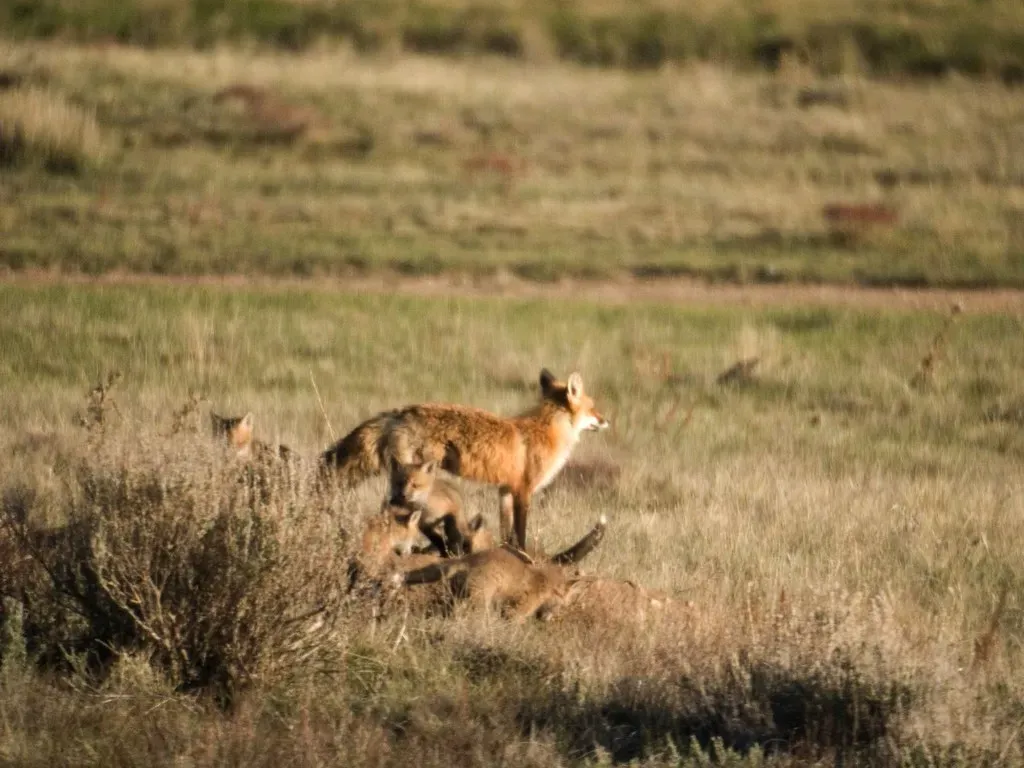
Foxes seek out safe and sheltered places to rest, breed, and raise their young. Suitable dens can be found in thick vegetation, under sheds, in piles of wood, or even in burrows abandoned by other animals. Once a fox finds a site that works, there’s very little reason to abandon it.
During the breeding season, which typically occurs in late winter to early spring, a fox may establish a den in a secluded spot within your neighborhood. If the location remains undisturbed and continues to offer safety, the fox might return to the same denning area in subsequent years. That’s a multi-year relationship with a very specific patch of your property.
Foxes can even pass down successful den sites or feeding areas to their offspring, which means the pattern can last for multiple seasons. This generational loyalty to place is one of the less obvious reasons why fox sightings in a given neighborhood can persist for years, even as individual animals come and go.
Urban Foxes Are Genuinely Getting Bolder
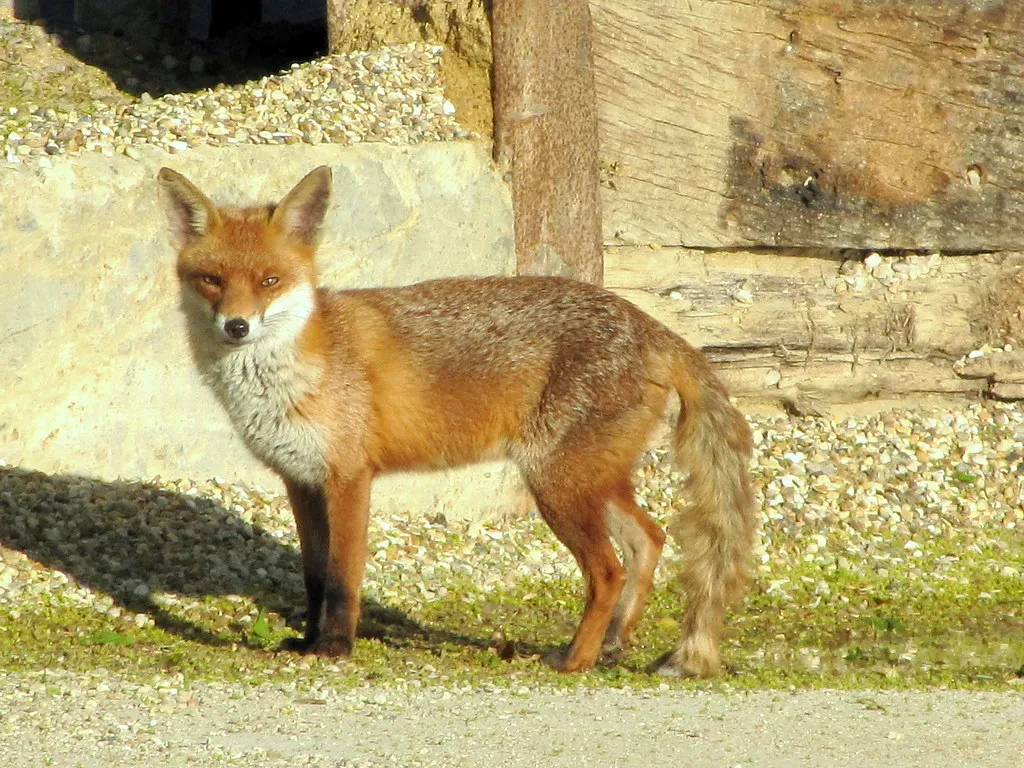
There’s a broader biological trend worth knowing about. Certain personality traits or behaviors may be advantageous when living with humans and exploiting the urban environment. Individuals that are bolder and can solve problems of how to access food quicker are more likely to be successful in obtaining food and thus to reproduce. Over time, these traits may be selected for within urban populations, producing smarter and more courageous foxes.
Studies provide evidence that red foxes living in more urbanized environments tend to be bolder than their rural counterparts. This isn’t just anecdotal, it’s measurable across populations. Fear in urban foxes diminishes over time, and in the presence of food, urban foxes display slightly reduced fear compared with their less urban counterparts. The fox lingering on your lawn without immediately fleeing is exhibiting a trait that has been quietly rewarded across generations.
The Ecological Role They’re Playing in Your Backyard
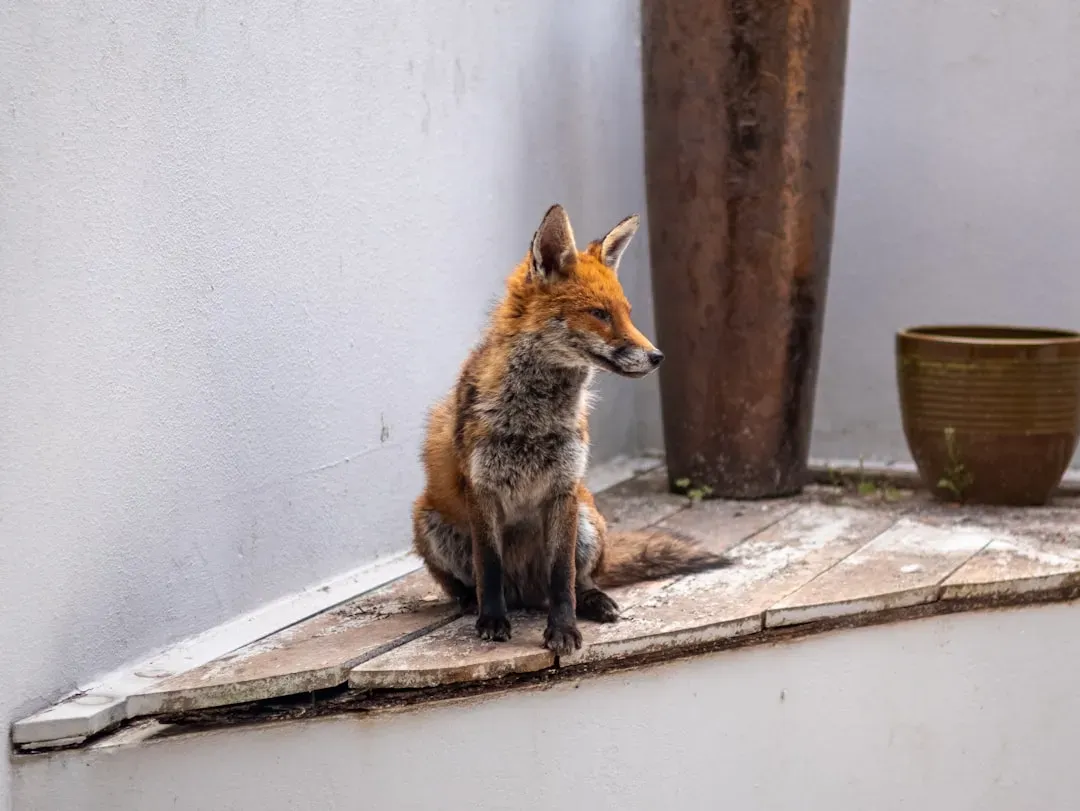
It’s easy to think of a returning fox purely as an inconvenience. The ecological picture is more interesting than that. Urban foxes provide significant ecological services that often go unrecognized. As mesopredators, they help control populations of rodents that can damage infrastructure and spread disease. A single fox family can consume thousands of rats and mice annually, providing natural pest management services.
Research in Chicago demonstrated that neighborhoods with established fox territories experienced significantly lower rat populations compared to similar areas without foxes. That is a tangible, street-level benefit. By preying on synanthropic species like rats or feral pigeons, urban foxes contribute positively by controlling pest populations.
Beyond direct ecological benefits, foxes serve as charismatic ambassadors that connect urban residents with wildlife. Studies show that positive encounters with urban wildlife like foxes increase public interest in conservation and environmental stewardship. There’s something genuinely valuable about living in close proximity to a wild predator, even a modest one.
What Habituation Actually Looks Like, and Why It Matters
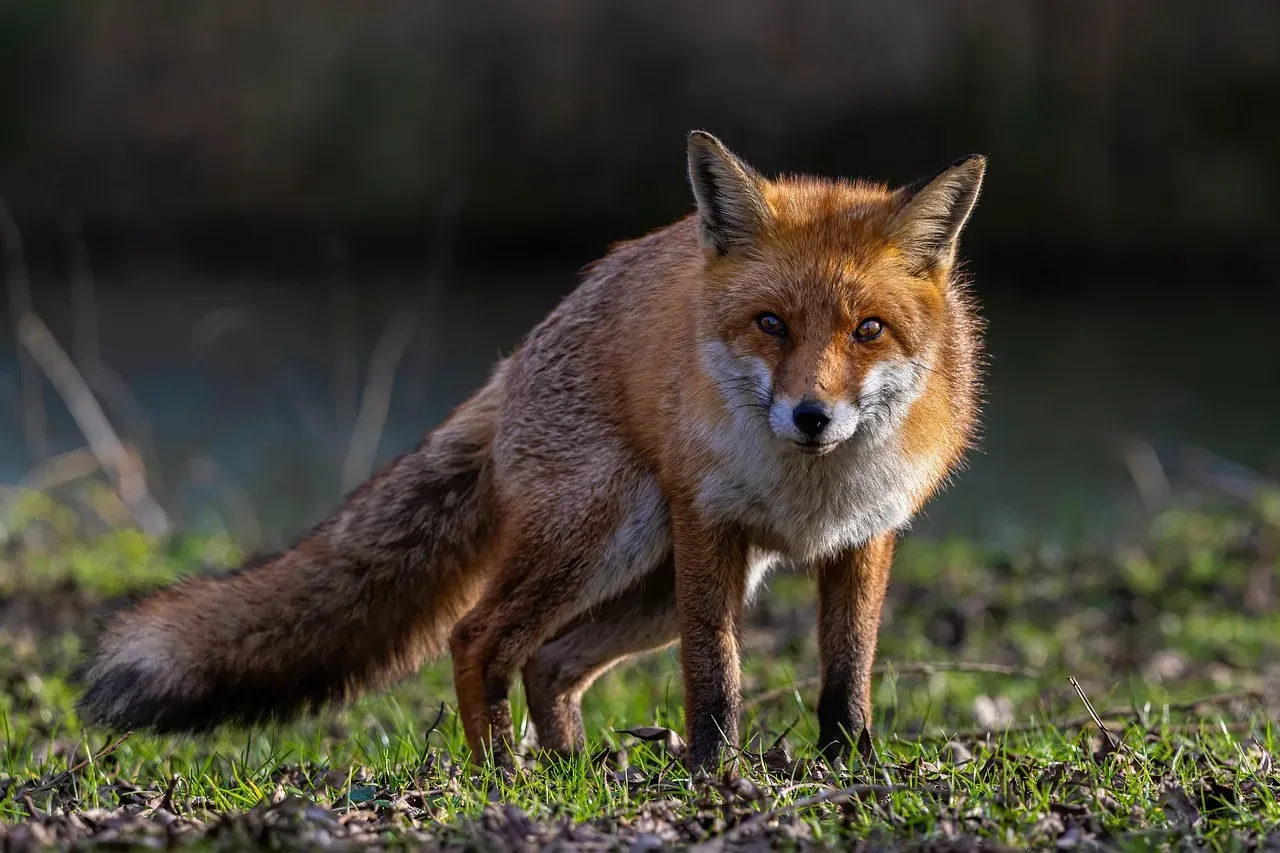
While foxes are naturally wary of humans, repeated exposure without negative consequences can lead to habituation. If a fox learns that your neighborhood is a source of food and shelter without threats, it may become bolder and more frequent in its visits. This is a meaningful distinction from natural boldness. Habituation is learned, and it can be reversed.
Fox behavior is directly influenced by how humans act towards them. If people encourage close contact then this will drive tolerance to our presence, and if people feed the foxes they will develop an association between humans and food. Well-meaning neighbors who put out scraps can unknowingly accelerate this process across an entire street.
While they are very much wild animals, foxes who are fed by humans show behavior of dependency. A fox that approaches you casually in daylight isn’t being friendly in any meaningful sense. It’s displaying a learned behavior that reduces its natural self-sufficiency over time, and that’s rarely good for the animal.
Signs Your Yard Is a Regular Stop on Their Route
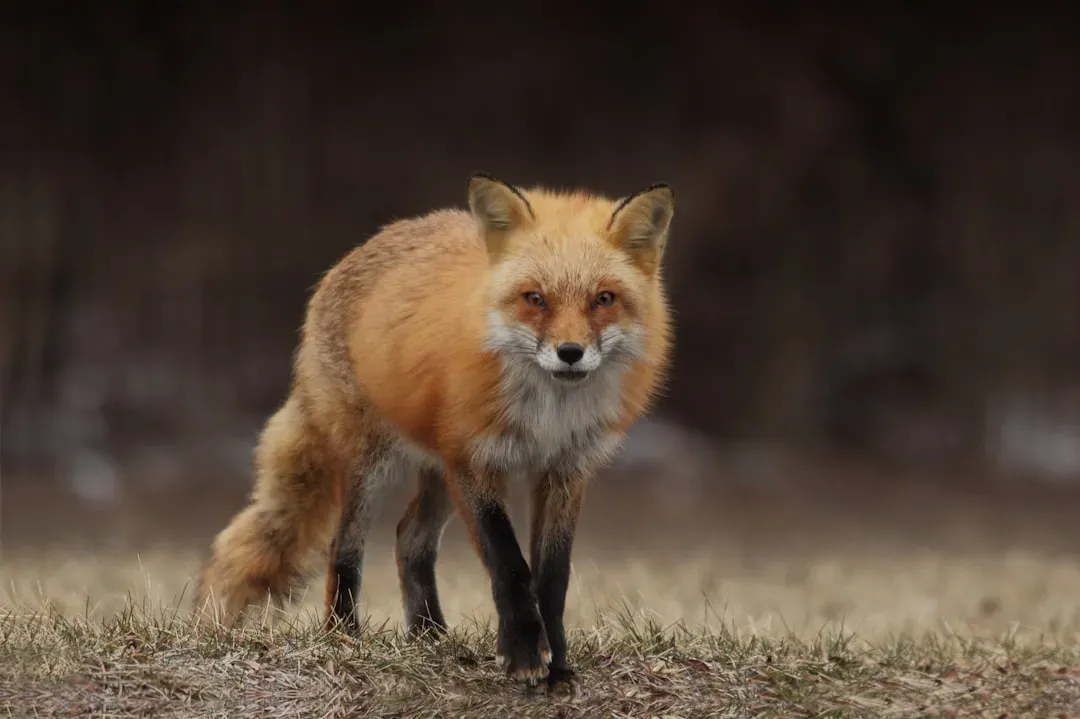
You don’t always need to see a fox to know one has been through. Identifying fox tracks and droppings is a key method of detecting their presence. Fox tracks are typically small and oval-shaped with distinct claw marks, often confused with small dog tracks. Their droppings are usually dark, cylindrical, and tapered at one end, often containing fur, bones, or seeds from their varied diet.
Foxes prefer secluded, quiet areas such as under sheds, decks, porches, or dense shrubbery, where they can safely raise their young. These dens are typically well-hidden and may have multiple entrances for easy escape. If you’ve noticed disturbed soil near the base of a garden structure, that’s worth investigating. Researchers have also documented that suburban foxes modify their vocal communication patterns in response to urban environments. They tend to vocalize less frequently during human active hours. The eerie barking you hear at 2 a.m. is territorial communication, not distress.
How to Respond Without Making Things Worse
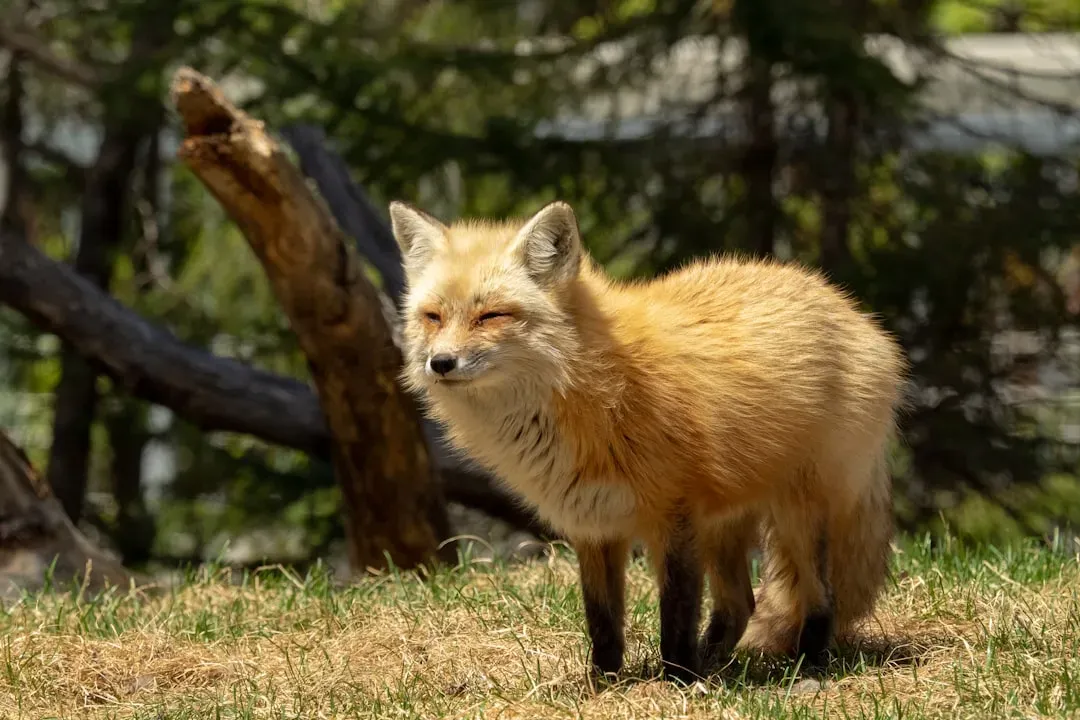
If the fox visits are welcome, that’s fine, but even passive tolerance requires some thought. It’s crucial to avoid feeding foxes intentionally, as this can diminish their natural fear of humans and lead to problematic interactions. Maintaining a respectful distance ensures both human and animal safety, preserving the delicate balance of coexistence.
If you’d prefer fewer visits, the most effective approach is removing what draws them in. Securing trash bins, removing outdoor food sources, and sealing potential denning sites can discourage foxes from settling too close to human dwellings. Foxes feel more comfortable in tall grass and dense shrubbery, so keeping your lawn cut short will make them feel exposed, deterring them. Maintaining a tidy yard, removing dense shrubbery, and using motion-activated lights or sprinklers can make your property less appealing.
Worth noting: trying to trap or remove foxes rarely solves the problem long-term. Research consistently demonstrates that trapping and removing urban foxes creates vacant territories quickly filled by new individuals, making culling ineffective for population control. Instead, wildlife professionals focus on education and conflict prevention. The territory doesn’t disappear when the animal does. Another fox simply moves in.
Conclusion: A Wild Animal That Has Quietly Made Peace With Our World

- Why the Cheetah Is Not Just the Fastest, But Also the Quietest - August 14, 2026
- 15 Dog Breeds Known for Their Unwavering Loyalty and Affection - August 14, 2026
- Why Do Birds Sing at Dawn? The Scientific Reason Explained - August 14, 2026