
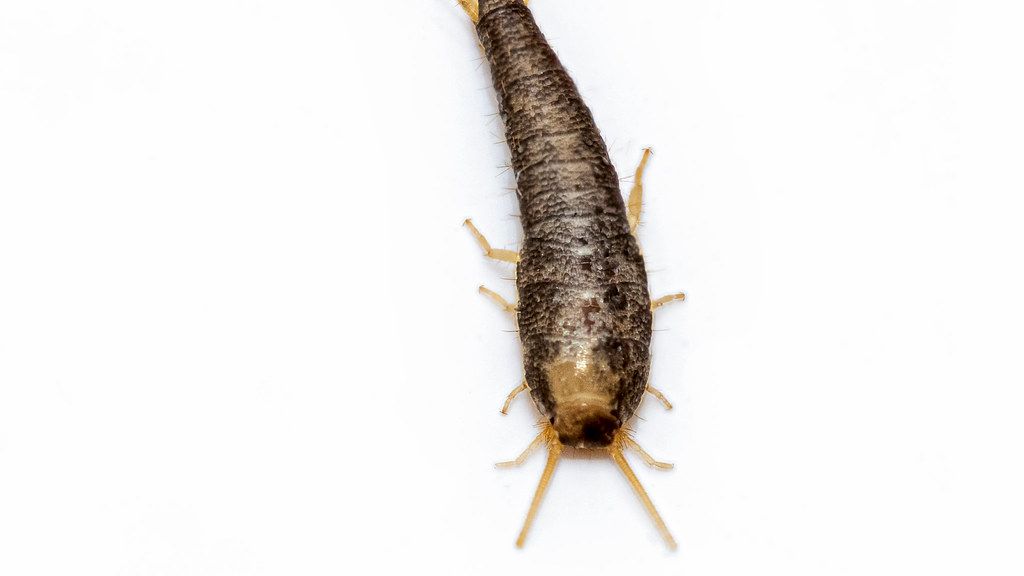
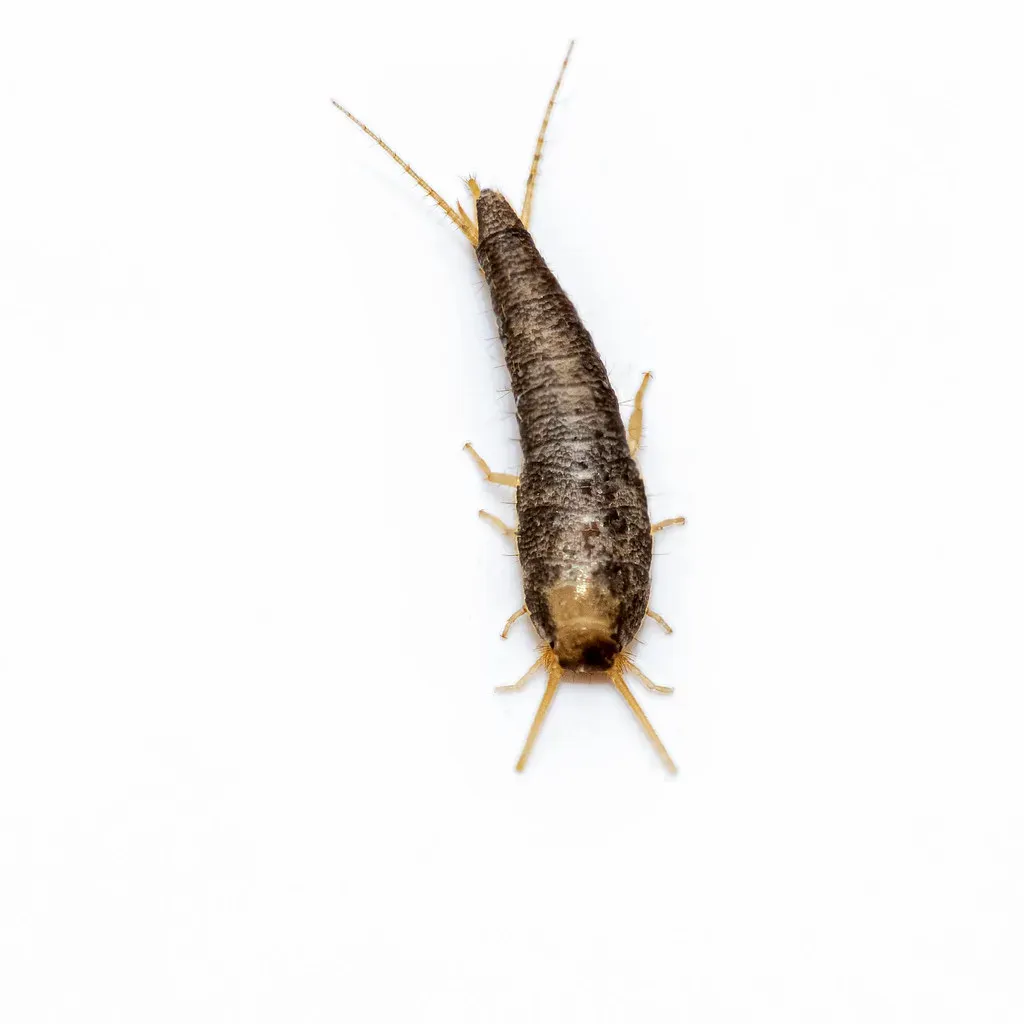
Most people picture silverfish as rare visitors that show up only in neglected basements or old libraries. Yet these quick moving insects often find their way into perfectly ordinary homes through routines that seem harmless at first glance.
The real surprise comes when you realize how many everyday actions create the exact conditions they need to thrive. Moisture, starch based food sources, and hidden crevices turn out to be far more common than most homeowners suspect.
Leaving Food Crumbs and Spills Unattended

Silverfish have a strong preference for starchy residues that linger on counters and floors after meals. A few forgotten crumbs from toast or cereal provide enough nutrition for them to settle in and reproduce over time. Kitchens that see daily use but skip a thorough wipe down at the end of the evening give these insects an easy entry point into the home.
Even small spills behind appliances or under the sink can go unnoticed for days. Once the moisture mixes with any leftover starch, the spot becomes an ideal micro habitat. Regular sweeping and immediate cleanup after cooking reduce the appeal dramatically without requiring extra effort beyond normal routines.
Maintaining High Humidity Levels Indoors

Silverfish need consistent moisture to survive and often seek out rooms where humidity stays above normal levels. Bathrooms after long showers or kitchens without proper ventilation create pockets of damp air that feel comfortable to them. Many households run exhaust fans only briefly or skip dehumidifiers during humid months, allowing conditions to persist.
Basements and laundry rooms compound the issue when air circulation remains poor. Over time the steady dampness encourages silverfish to explore further into living spaces. Simple habits like running fans longer or using a moisture absorber in problem areas can shift the balance without major renovations.
Storing Books and Papers in Damp Areas

Paper products supply the cellulose that silverfish digest easily, making stacks of old magazines or books an attractive target. When these items sit in closets, attics, or garages with fluctuating temperatures, they absorb ambient moisture and become even more inviting. People often keep sentimental papers or reference materials in the very spots that stay coolest and dampest.
Over months the combination of starch in the paper and hidden humidity supports steady insect activity. Moving such storage to drier, better ventilated locations breaks the cycle. Checking boxes periodically for signs of damage also helps catch problems before they spread.
Ignoring Small Leaks and Plumbing Issues
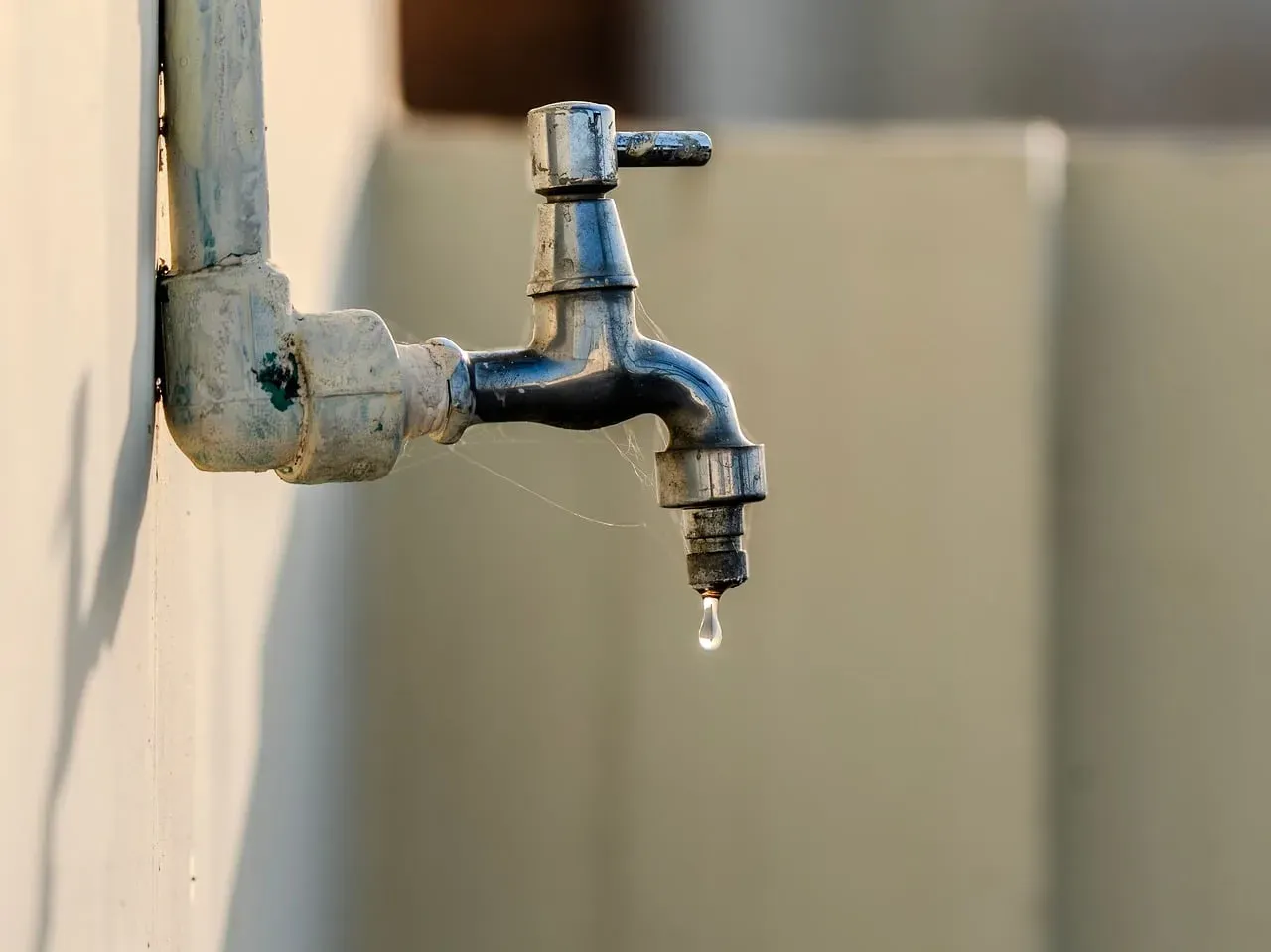
A slow drip under the sink or a minor pipe condensation problem rarely seems urgent until silverfish appear nearby. These insects gravitate toward any consistent water source, no matter how small, because it supports their need for hydration. Households that delay repairs or rely on temporary fixes allow the surrounding area to stay moist long enough for pests to establish themselves.
Even condensation on cold pipes in the basement can create trails that lead silverfish toward other parts of the house. Addressing leaks promptly and insulating pipes where possible removes one of their most reliable resources. Regular plumbing checks become a worthwhile habit once the connection to unwanted visitors becomes clear.
Overwatering Indoor Plants

Houseplants add life to a room yet excess water in saucers or overly damp soil creates micro environments that silverfish enjoy. The combination of moisture and any organic matter in the potting mix offers both hydration and food. Many plant owners water on a fixed schedule without checking whether the soil has dried sufficiently between sessions.
Placing pots directly on wooden floors or near baseboards further increases the chance that silverfish will explore the area. Allowing soil to dry out more thoroughly and emptying saucers after watering reduces the draw. Grouping plants away from walls also limits easy access routes into the rest of the home.
Accumulating Clutter Like Cardboard and Fabric
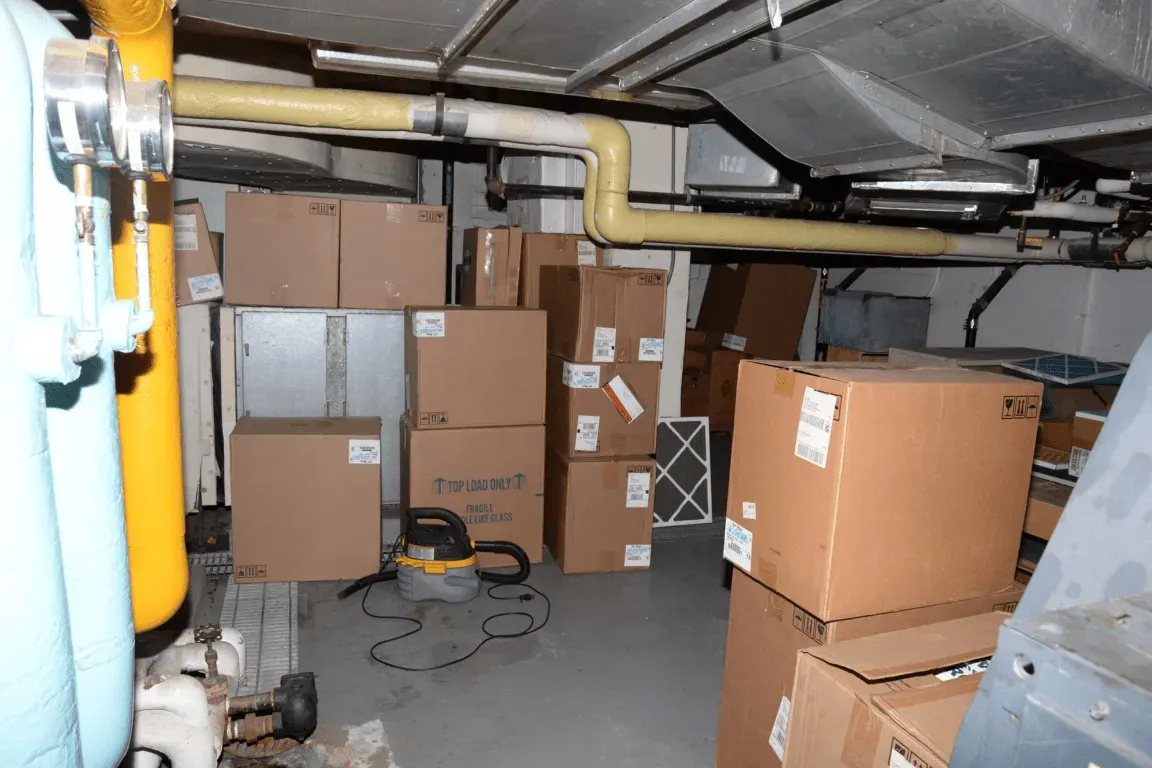
Cardboard boxes and piles of unused clothing or linens provide both shelter and cellulose based material that silverfish consume. When these items sit undisturbed in corners or storage spaces, they trap humidity and create dark hiding spots. Households that hold onto packaging or seasonal items for long periods often overlook how appealing the setup becomes.
Fabric stored in plastic bins that are not fully sealed can still attract attention if any starch residue remains from previous use. Rotating stored goods and keeping storage areas organized limits the available real estate. Clearing out excess cardboard on a regular basis removes one more layer of protection these insects rely on.
Neglecting to Seal Entry Points Around the House
Small gaps around windows, doors, and utility lines allow silverfish to move indoors from outside or between rooms. Over time weather stripping wears down or caulk cracks, creating pathways that feel natural to the insects. Many homeowners focus on visible pests and miss these structural details until silverfish sightings increase.
Basement windows and foundation cracks deserve particular attention because they connect directly to moist outdoor environments. Taking time to inspect and reseal these areas each season closes off easy access. The effort pays off by reducing the overall number of entry opportunities available throughout the year.
Changing a handful of these habits does more than reduce silverfish sightings. It also improves overall home comfort and prevents other moisture related issues from taking hold. The payoff comes from consistency rather than perfection, turning ordinary maintenance into quiet protection for the spaces you use every day.

- 11 Ways Your Cat Is Secretly Protecting You Every Day - August 14, 2026
- 10 Mistakes People Make When Camping in Wolf Country - August 14, 2026
- 8 Dog Breeds That Form the Strongest Bond With One Person - August 14, 2026