
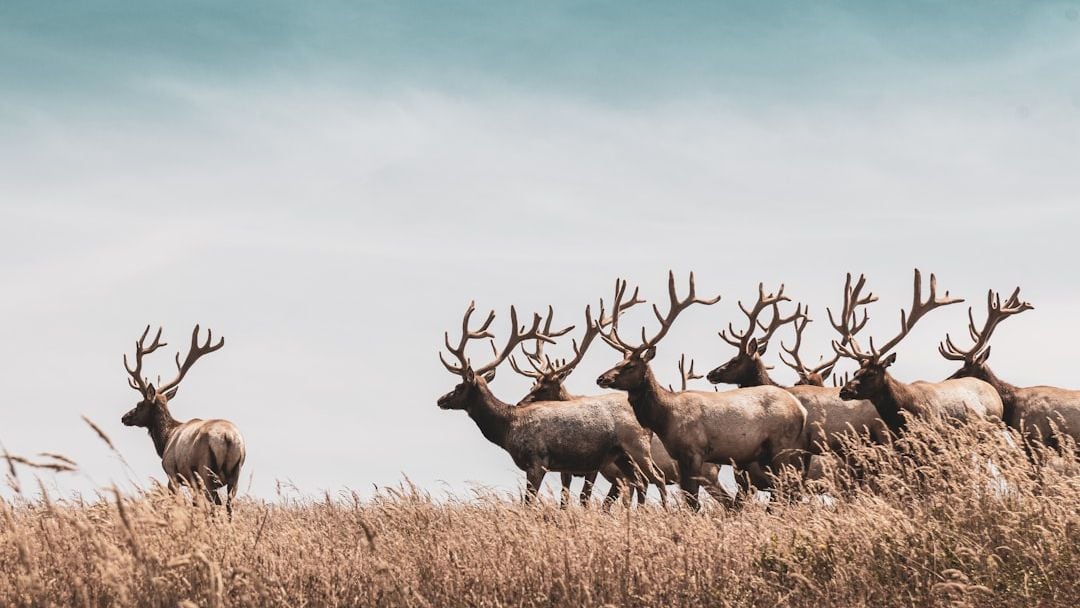
Imagine the vast, rugged landscapes of Colorado, once teeming with majestic elk herds, now witnessing a silent retreat of these iconic creatures. The decline isn’t just a whisper among conservationists; it’s a clarion call demanding our attention. But what’s driving this unsettling trend?
Urban Expansion: The Silent Invader

Colorado’s breathtaking vistas have long attracted settlers and developers alike. As cities sprawl and suburbs encroach upon the wilderness, elk habitats are being fragmented. This urban creep doesn’t just steal land; it disrupts migration corridors essential for elk survival. The once seamless landscapes are now dotted with roads, fences, and buildings, making it challenging for elk to access vital resources.
Moreover, the noise and activity associated with urban areas can deter elk from utilizing nearby habitats, even if they remain physically accessible. This avoidance behavior further reduces the usable habitat available to them, compounding the challenges they face.
Recreational Pressures: Loving Nature to Death
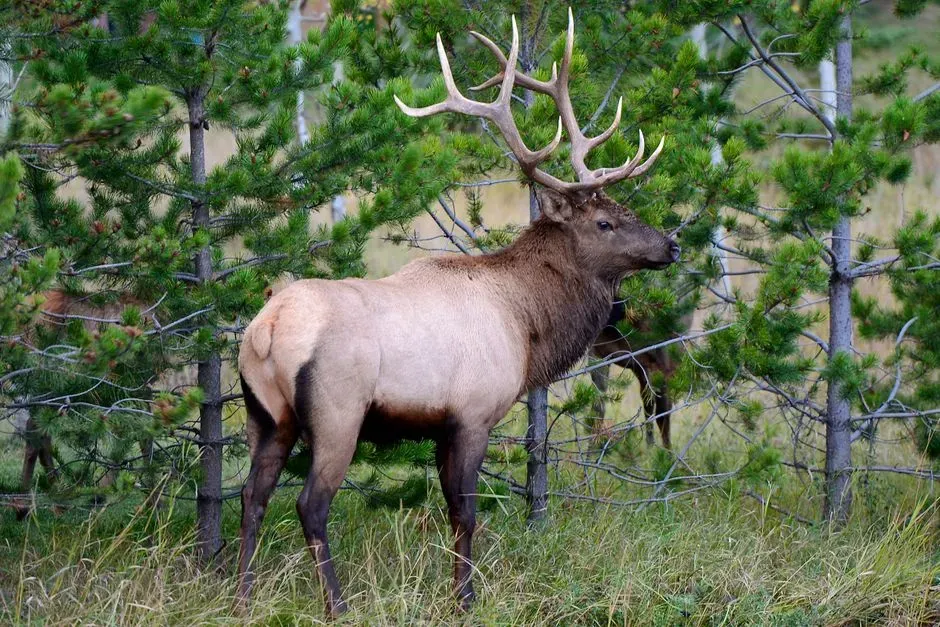
Colorado’s allure isn’t limited to its residents. Tourists flock year-round, seeking adventure in its mountains and forests. However, this surge in outdoor recreation has unintended consequences. Trails crisscrossing elk habitats lead to increased human presence, causing elk to alter their natural behaviors. Studies have shown that elk tend to avoid areas with high human activity, leading to reduced access to quality forage and increased energy expenditure.
Additionally, the constant disturbance can interfere with critical life stages, such as calving. When elk are repeatedly displaced from preferred calving areas, calf survival rates can plummet, threatening future population stability.
Climate Change: An Unpredictable Adversary
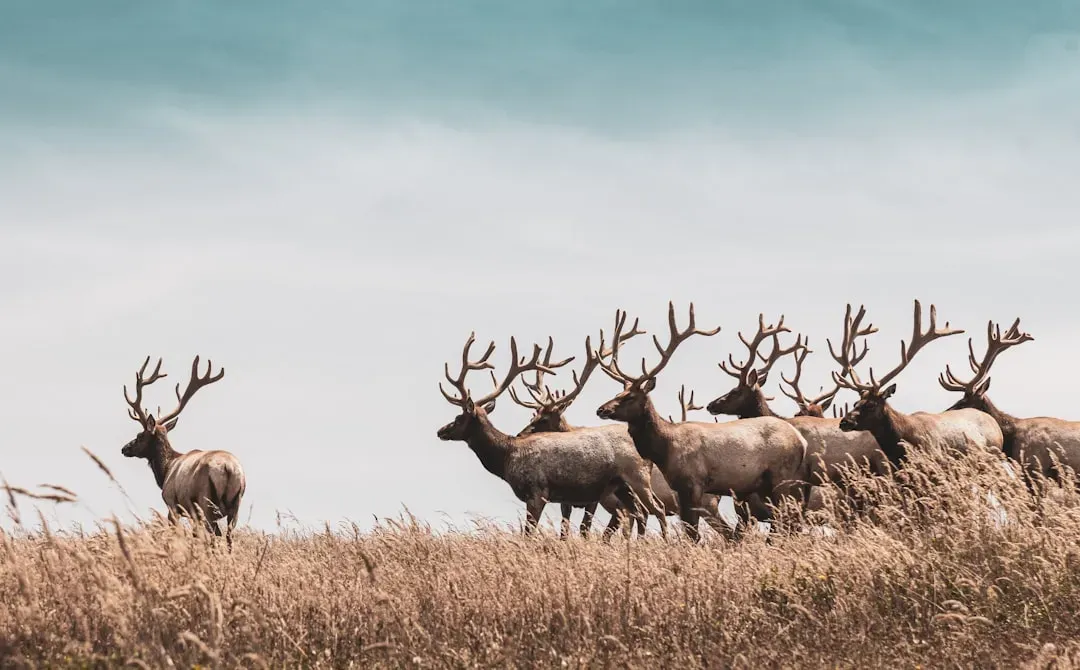
The unpredictable whims of climate change have thrown a wrench into the delicate balance of ecosystems. Altered precipitation patterns and temperature fluctuations affect the growth of vegetation, the primary food source for elk. Drought conditions can lead to poor forage quality, impacting elk nutrition and reproduction rates.
Furthermore, warmer winters can disrupt traditional migration patterns. Elk may linger longer in higher elevations, exposing them to harsher conditions when unexpected snowfalls occur, leading to increased mortality rates.
Predation and Disease: Nature’s Double-Edged Sword
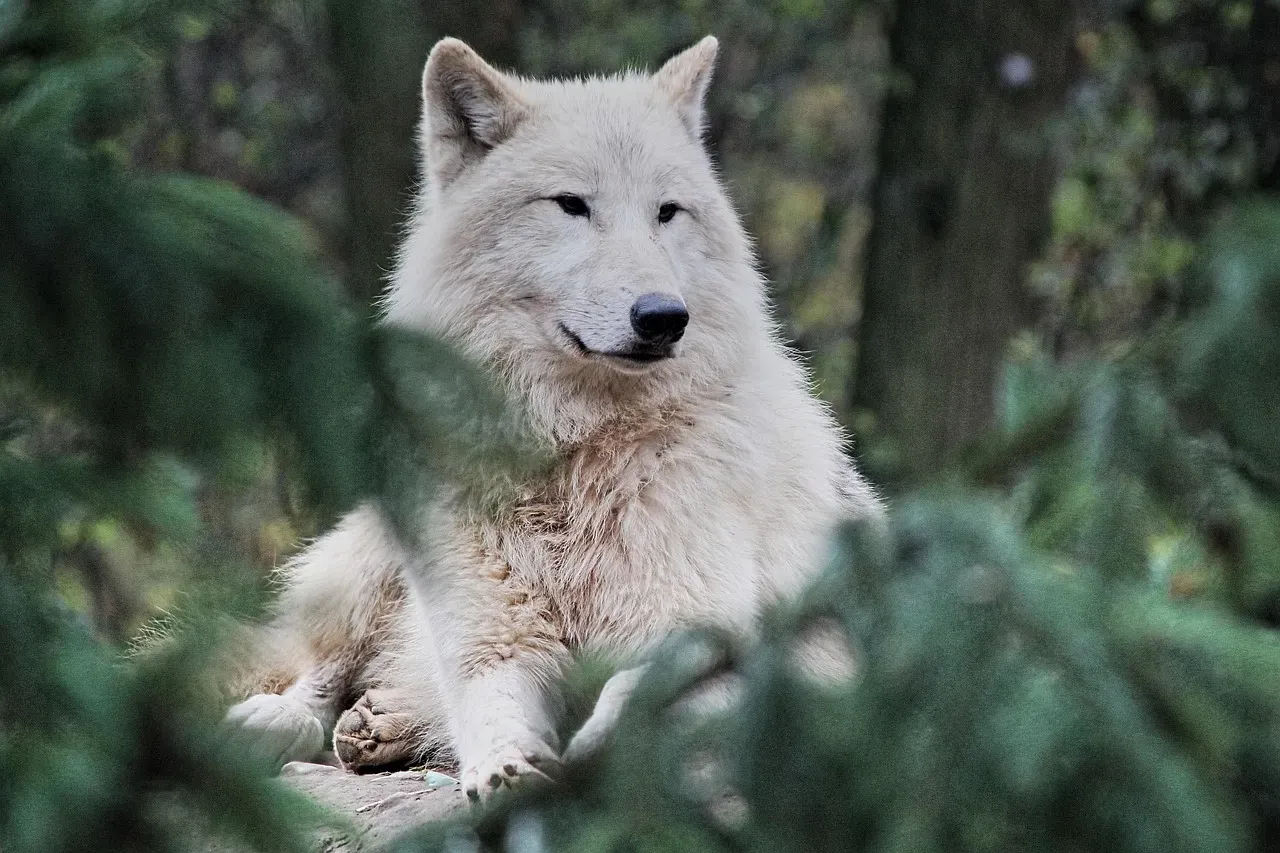
While predation is a natural component of ecosystems, changes in predator populations can influence elk numbers. The reintroduction and natural migration of predators like wolves into Colorado have sparked debates about their impact on elk herds. While some argue that predators help maintain healthy elk populations by culling the weak, others fear they may exacerbate the decline.
Diseases such as Chronic Wasting Disease (CWD) also pose significant threats. This fatal neurological illness affects deer and elk, leading to drastic population reductions in affected areas. The spread of CWD is a growing concern for wildlife managers striving to maintain healthy elk herds.
Human-Wildlife Conflicts: A Delicate Balance
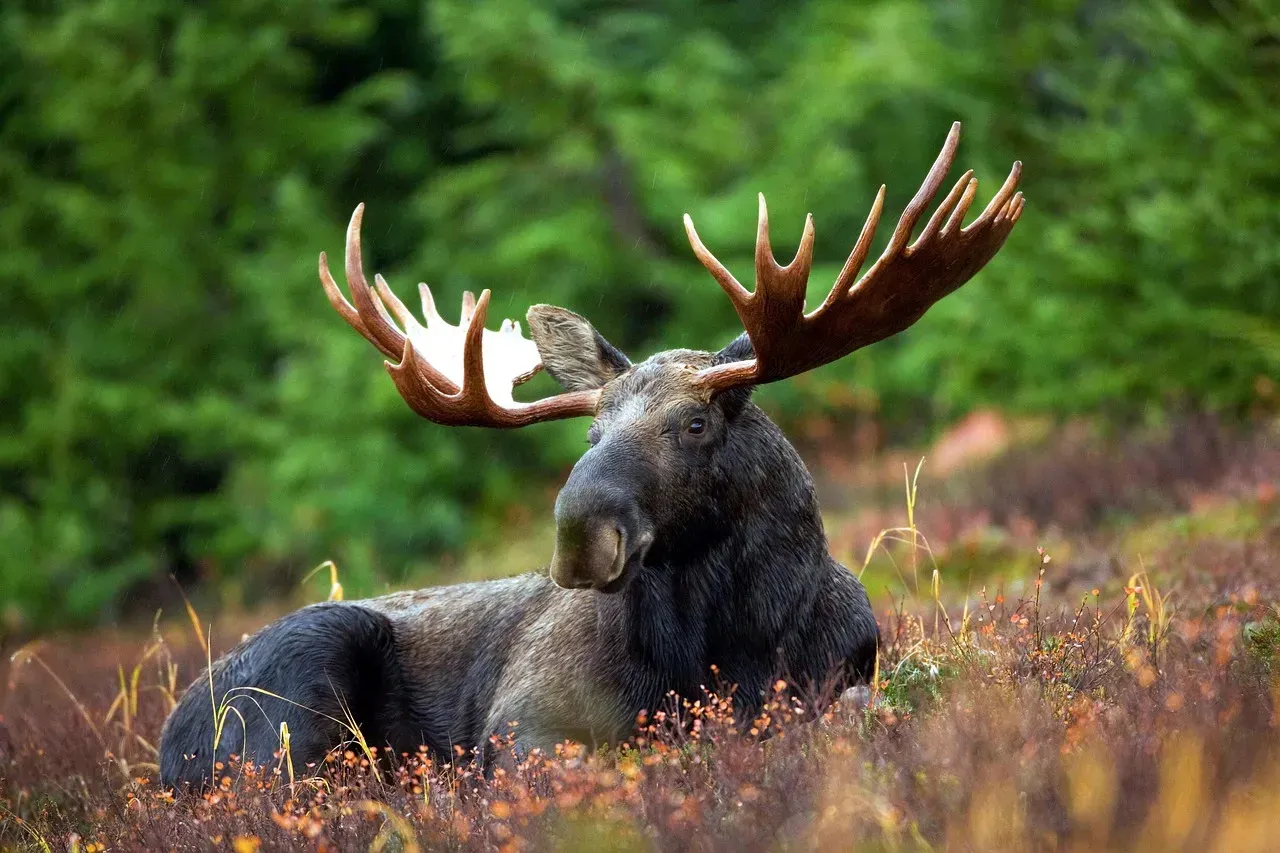
As human populations grow, interactions between people and elk become more frequent. Elk wandering into agricultural lands can cause significant crop damage, leading to conflicts with farmers. In urban areas, elk can pose traffic hazards, leading to accidents and injuries.
These conflicts often result in calls for increased management interventions, such as culling or relocation, which can further stress elk populations and disrupt their natural behaviors.
Conservation Efforts: A Race Against Time
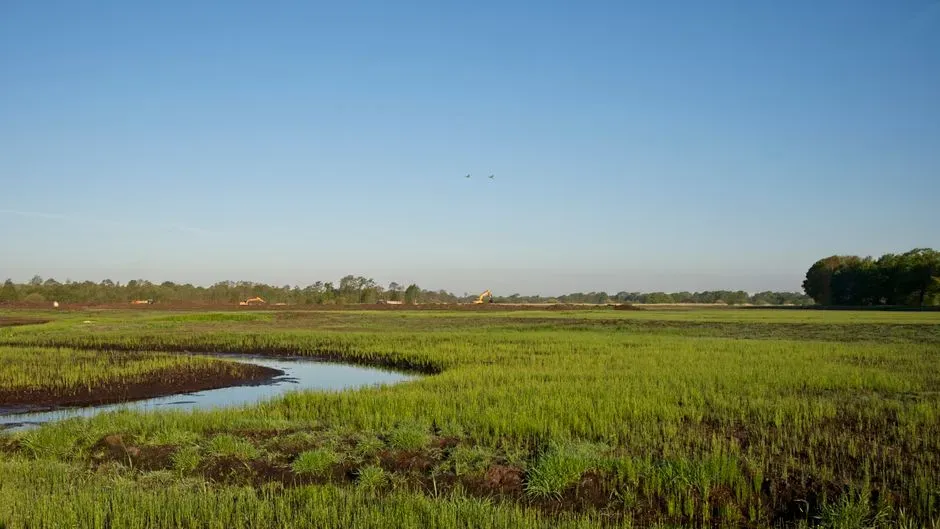
Recognizing the decline, various conservation initiatives have been launched. Habitat restoration projects aim to reconnect fragmented landscapes, providing elk with the corridors they need. Public education campaigns strive to inform residents and visitors about responsible recreation practices to minimize disturbances.
However, these efforts require time, resources, and widespread cooperation. The challenge lies in balancing human interests with the needs of wildlife, ensuring that both can thrive in Colorado’s shared spaces.
Looking Ahead: The Path to Recovery
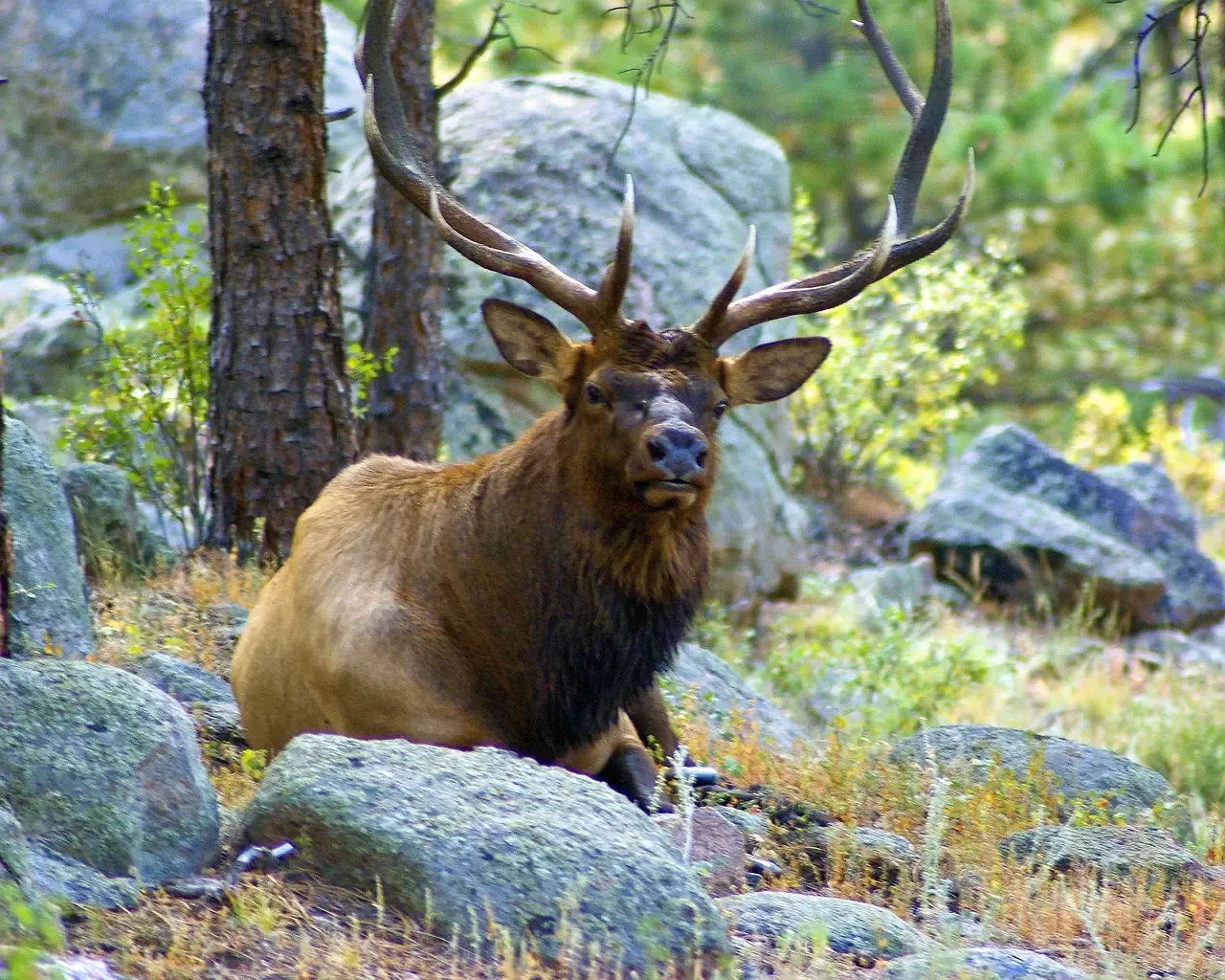
The decline of Colorado’s elk herds is a multifaceted issue, woven from threads of urbanization, recreation, climate change, predation, disease, and human-wildlife conflicts. Addressing it requires a holistic approach, integrating science-based management strategies with community engagement.
As stewards of the land, we must ask ourselves: Are we willing to make the necessary sacrifices and changes to ensure that future generations can witness the grandeur of elk roaming Colorado’s landscapes? The answer will determine the fate of these magnificent creatures and the health of the ecosystems they inhabit.

- What Happens to Your Brain in the Final 60 Seconds Before Death – Neuroscientists Just Mapped It - August 13, 2026
- The Most Dangerous Myths About Tornadoes at Night - August 13, 2026
- How To Ride A Horse Safely - August 13, 2026