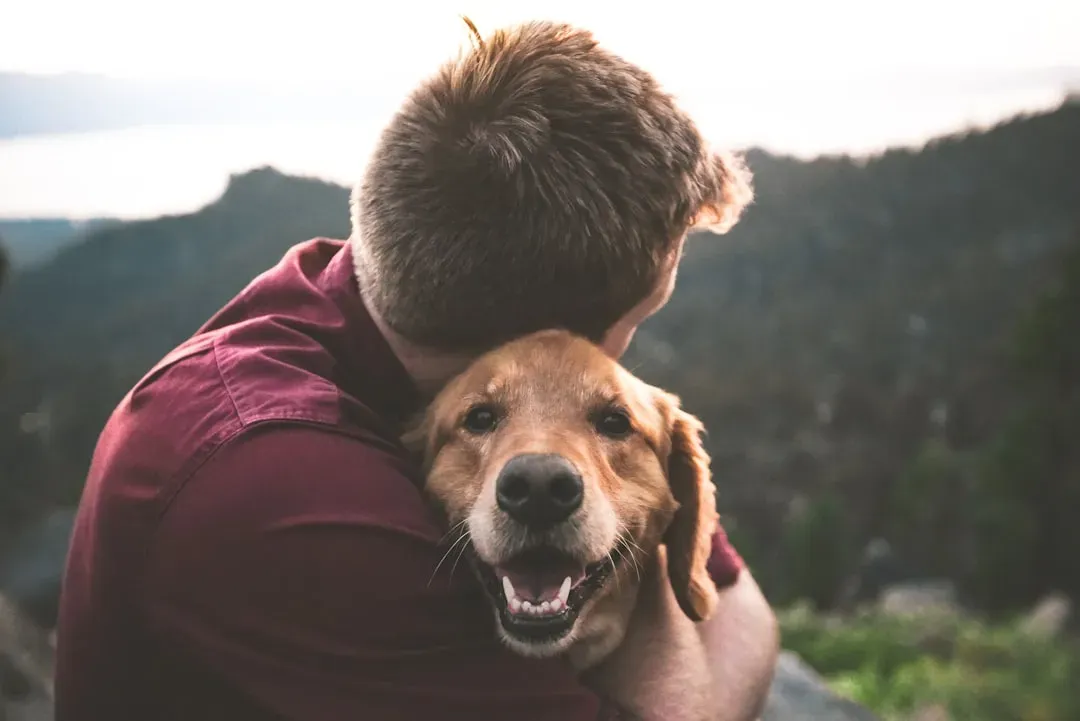
What Your Dog's Behavior Is Really Telling You — A Vet Explains-feature image/Pexels
Most dog owners believe they understand their furry friends’ behaviors, but many common actions are often misinterpreted. For instance, a wagging tail doesn’t always signify happiness, and a playful bark might not be an invitation to play. Misreading these signals can lead to confusion and missed opportunities to address your dog’s needs. Here’s what experts actually say about decoding your dog’s behavior.
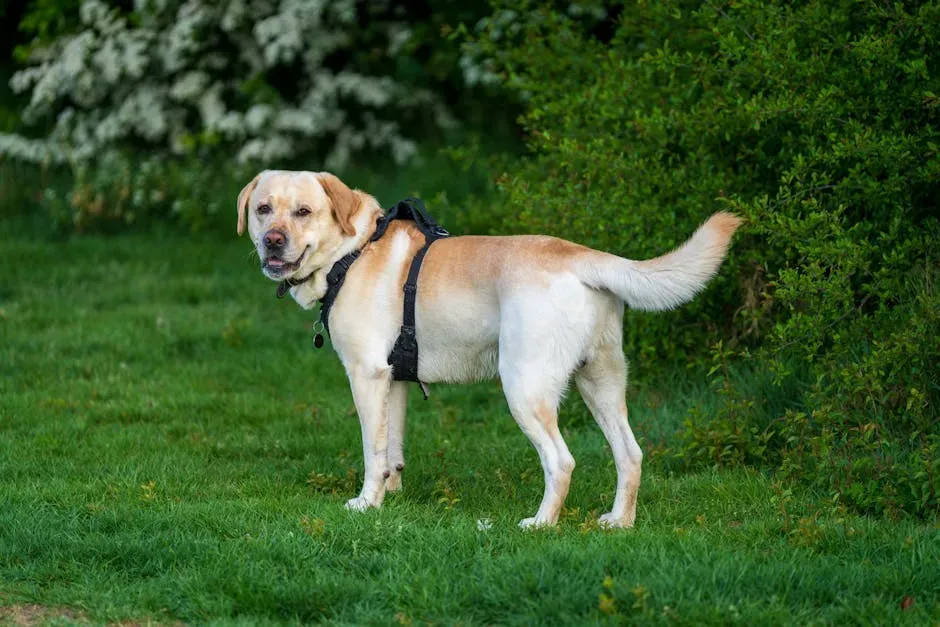
12 – Tail Wagging: Not Always a Sign of Joy
12 – Tail Wagging: Not Always a Sign of Joy (Image Credits: Pexels)
A wagging tail is commonly associated with a happy dog, but the reality is more nuanced. The position and movement of the tail provide critical insights into a dog’s emotional state. For example, a tail held high and wagging stiffly can indicate alertness or even aggression, while a low, slow wag may suggest insecurity or submission. Understanding these subtleties is essential to accurately interpret your dog’s feelings. ([petmd.com](https://www.petmd.com/dog/behavior/why-do-dogs-wag-their-tails?utm_source=openai))
But tail wagging is just the tip of the iceberg when it comes to canine communication.
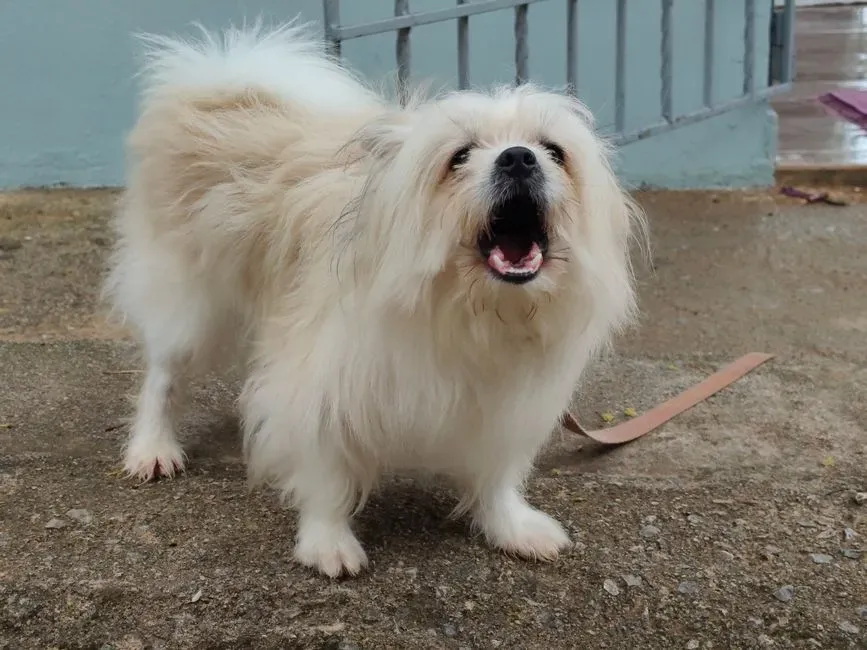
11 – Barking: More Than Just Noise
11 – Barking: More Than Just Noise (Image Credits: Pexels)
Barking serves multiple purposes beyond alerting owners to strangers. Dogs bark to express excitement, seek attention, signal boredom, or even indicate distress. The tone, pitch, and frequency of barks can help decipher their meaning. For instance, a series of rapid, high-pitched barks might indicate excitement, while prolonged, low-pitched barks could signal a threat or discomfort. ([petmd.com](https://www.petmd.com/dog/behavior/why-do-dogs-bark?utm_source=openai))
Understanding barking patterns can enhance your response to your dog’s needs.
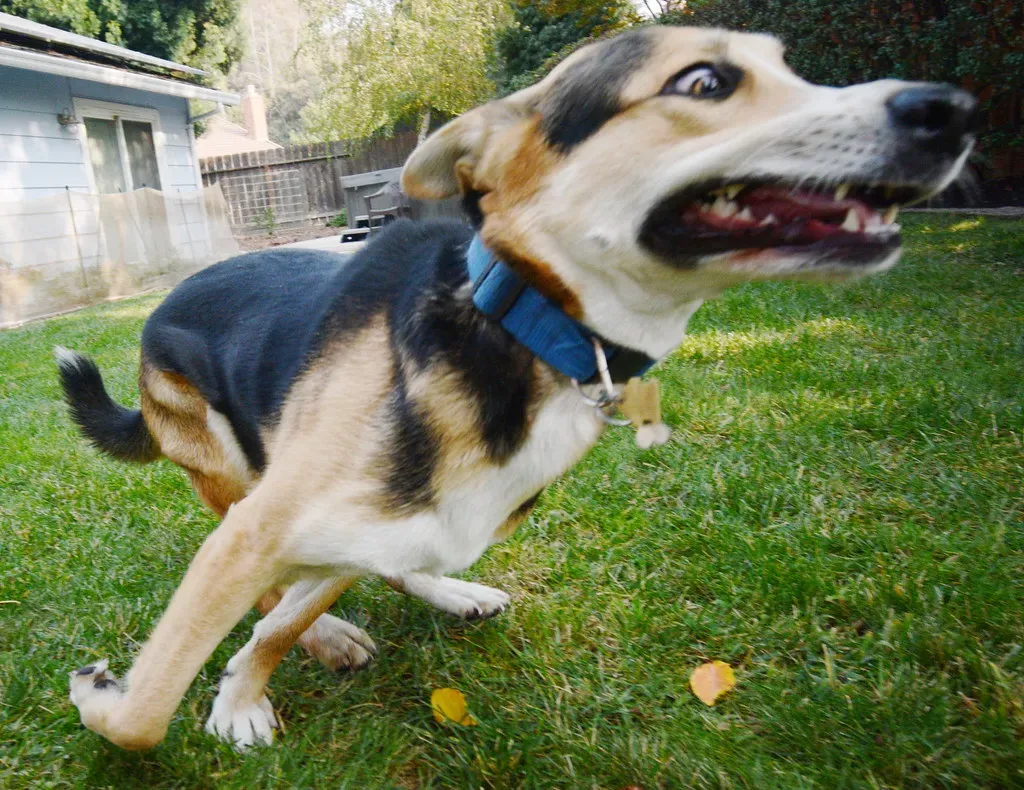
10 – Zoomies: A Burst of Energy
10 – Zoomies: A Burst of Energy (sonstroem, Flickr, CC BY 2.0)
Sudden, frantic bursts of activity, often referred to as “zoomies,” are a normal canine behavior. These episodes, scientifically known as Frenetic Random Activity Periods (FRAPs), allow dogs to release pent-up energy and stress. While entertaining, it’s important to ensure your dog has a safe space to express this behavior without causing harm to themselves or others. ([petful.com](https://www.petful.com/behaviors/dog-zoomies/?utm_source=openai))
But what about behaviors that seem less playful?
9 – Raised Hackles: A Sign of Arousal
9 – Raised Hackles: A Sign of Arousal (Image Credits: Pexels)
When a dog’s hackles – the hairs along their back – stand up, it’s a sign of heightened arousal. This reaction can be triggered by excitement, fear, or aggression. It’s a physiological response indicating that the dog is on high alert. Observing the context and accompanying body language is crucial to determine the underlying emotion. ([pangovet.com](https://pangovet.com/pet-behavior/dogs/what-are-dog-hackles/?utm_source=openai))
Recognizing raised hackles can help you assess situations that may require intervention.
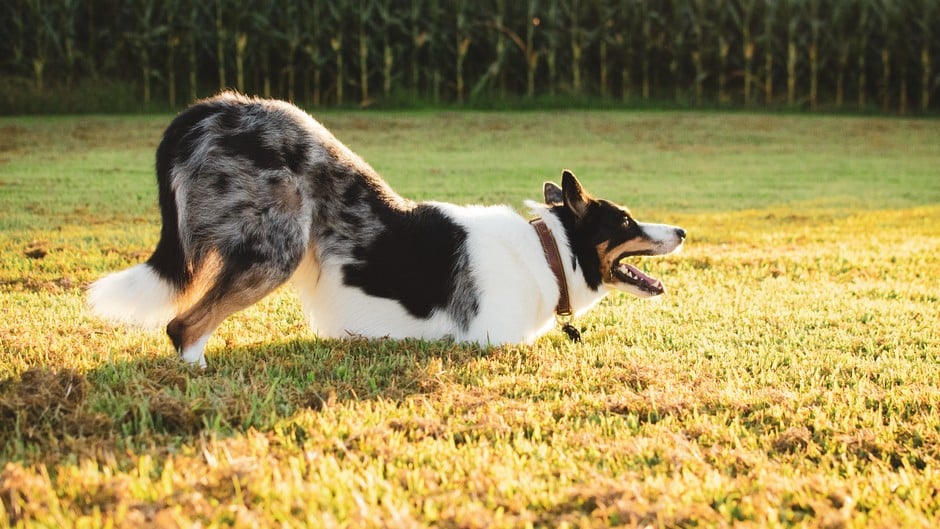
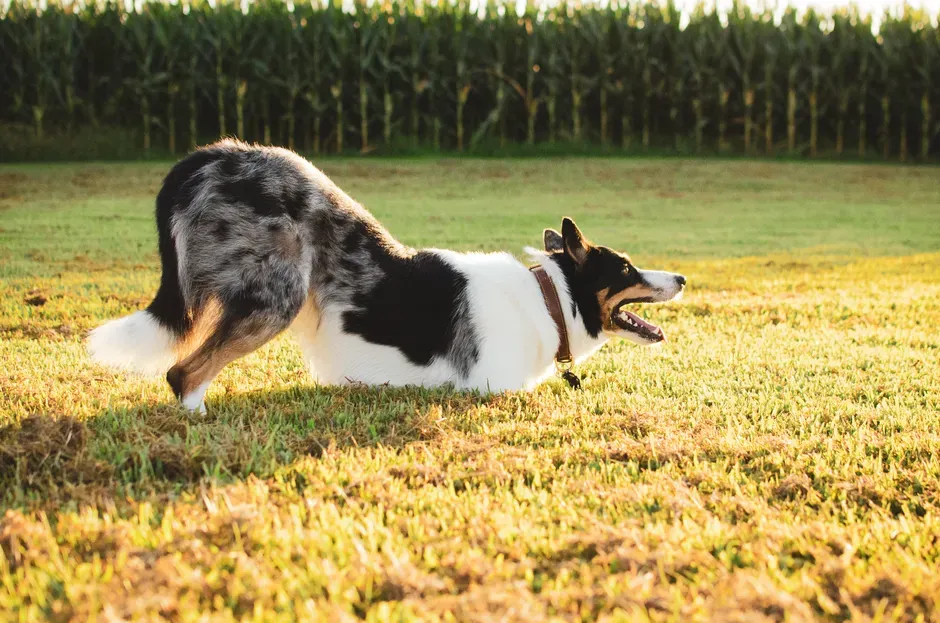
8 – Play Bows: An Invitation to Engage
8 – Play Bows: An Invitation to Engage (Image Credits: Pexels)
A dog lowering its front legs while keeping its rear end up is performing a play bow, a universal sign of a desire to play. This posture indicates that subsequent actions, like barking or nipping, are meant in a playful context. Understanding this signal can prevent misinterpretation of playful behavior as aggression. ([dogster.com](https://www.dogster.com/dog-behavior/how-do-dogs-play/?utm_source=openai))
But not all body language is so straightforward.
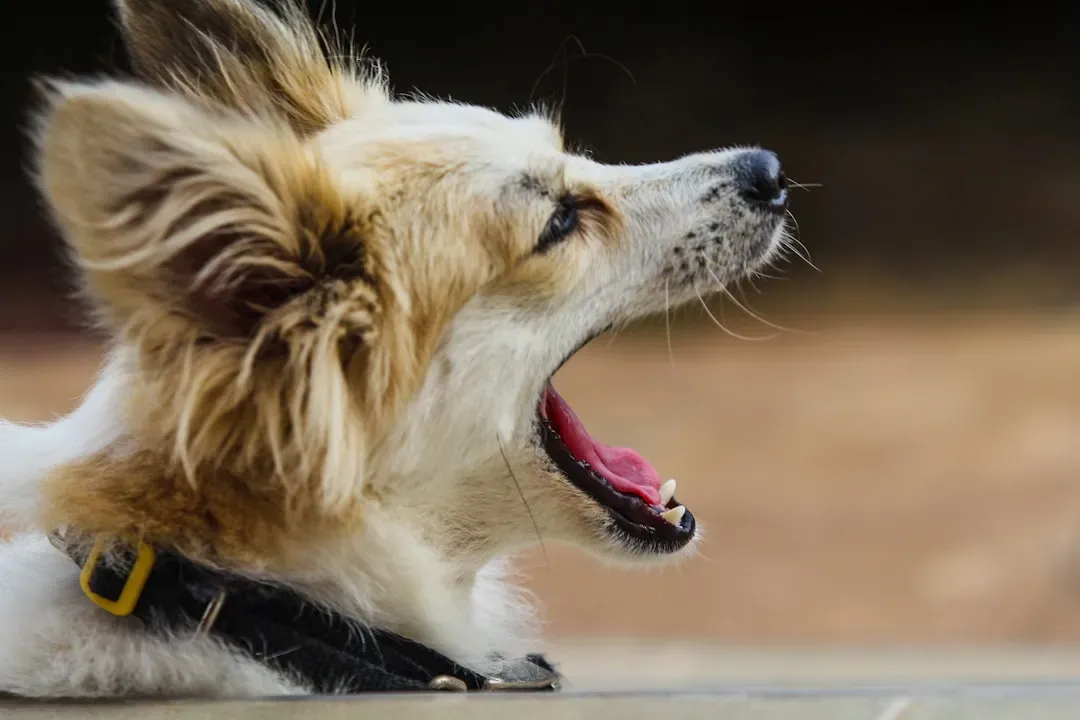
7 – Yawning and Lip Licking: Signs of Stress
7 – Yawning and Lip Licking: Signs of Stress (Image Credits: Unsplash)
Dogs often yawn or lick their lips when they’re stressed or anxious. These behaviors, known as calming signals, are attempts to self-soothe in uncomfortable situations. Recognizing these signs can help you identify and alleviate stressors in your dog’s environment. ([petmd.com](https://www.petmd.com/dog/behavior/how-to-read-dog-body-language?utm_source=openai))
Understanding these subtle cues is vital for your dog’s well-being.
6 – Pacing: More Than Restlessness
6 – Pacing: More Than Restlessness (Image Credits: Pexels)
Pacing can indicate anxiety, boredom, or a need for exercise. If your dog paces frequently, it might be a sign that they’re not getting enough physical or mental stimulation. Providing regular exercise and engaging activities can help reduce this behavior. ([medvet.com](https://www.medvet.com/dog-behaviors/?utm_source=openai))
But what about behaviors that seem more concerning?
5 – Excessive Licking or Chewing: Possible Health Issues
5 – Excessive Licking or Chewing: Possible Health Issues (Image Credits: Pixabay)
If your dog is constantly licking or chewing a particular area, it could indicate allergies, skin conditions, or even anxiety. Persistent licking can lead to sores and infections, so it’s important to consult a veterinarian if this behavior continues. ([medvet.com](https://www.medvet.com/dog-behaviors/?utm_source=openai))
Addressing the root cause is essential for your dog’s comfort.
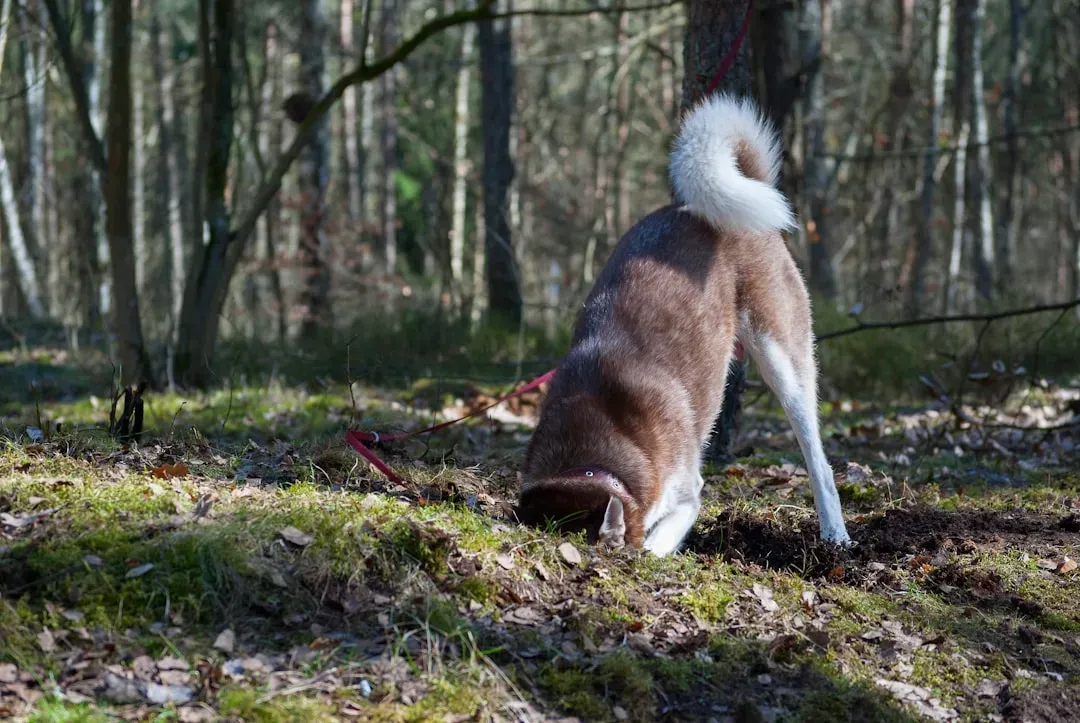
4 – Digging: Instinctual or Behavioral?
4 – Digging: Instinctual or Behavioral? (Image Credits: Unsplash)
Dogs dig for various reasons, including seeking comfort, hunting prey, or out of boredom. While it’s a natural behavior, excessive digging can be problematic. Providing designated digging areas or engaging toys can help redirect this behavior. ([medvet.com](https://www.medvet.com/dog-behaviors/?utm_source=openai))
Understanding the motivation behind digging is key to managing it.
3 – Head Tilting: Processing Information
3 – Head Tilting: Processing Information (Image Credits: Pexels)
When a dog tilts its head, it’s often trying to better understand a sound or visual cue. This adorable behavior indicates curiosity and attentiveness. However, if head tilting is frequent or accompanied by other symptoms, it could signal a medical issue requiring veterinary attention. ([medvet.com](https://www.medvet.com/dog-behaviors/?utm_source=openai))
But what about behaviors that seem more aggressive?
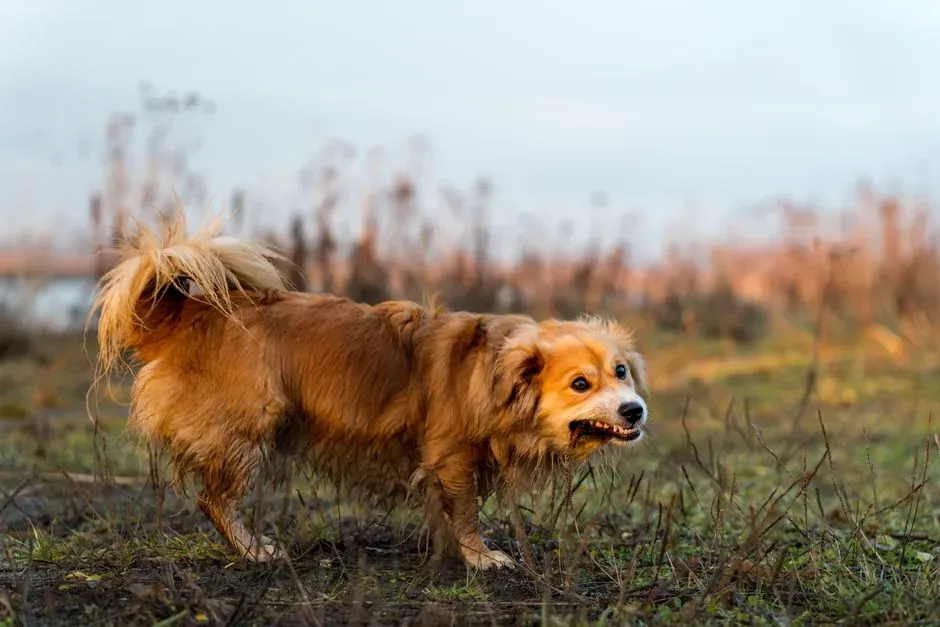
2 – Growling: A Warning Signal
2 – Growling: A Warning Signal (smerikal, Flickr, CC BY-SA 2.0)
Growling is a dog’s way of expressing discomfort or warning. It’s important not to punish growling, as it’s a valuable communication tool. Instead, identify and address the underlying cause of the discomfort to prevent escalation.
Understanding growling can prevent misunderstandings and promote safety.
1 – Leaning on You: Seeking Comfort
1 – Leaning on You: Seeking Comfort (Image Credits: Unsplash)
When a dog leans on you it means it looks for you for comfort and security. The dog completely leans on a human when it trust tghe human with the weight as well their mental security.
Did you find this helpful? Share it with a friend who’d love it too!
Gargi is an MA in History and a B.Ed graduate from India, with a deep passion for animals and wildlife awareness. As an article writer and editor at Animals Around The Globe, she combines her love for storytelling with her dedication to educating readers about animals, conservation, and responsible pet care. A devoted dog lover, Gargi enjoys creating engaging and informative content that inspires compassion and awareness toward the natural world.