
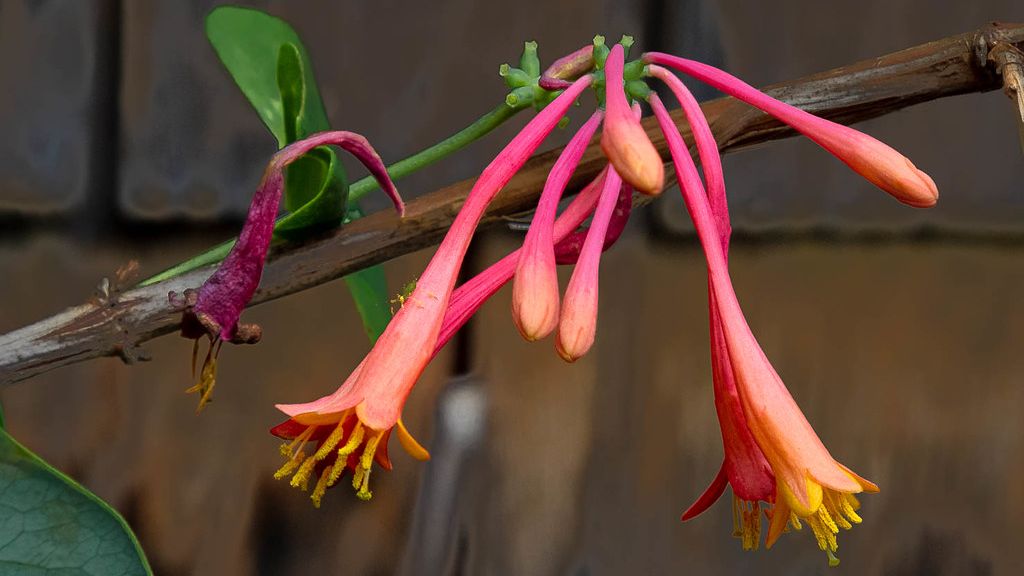
There is something almost surreal about watching a hummingbird hover inches from your face, wings beating 50 times per second, those iridescent feathers shifting from green to copper in the morning light. Most gardeners spend years chasing that moment and never quite get it right. They hang a single red feeder, wait a few weeks, and wonder why the hummingbirds never stick around. The truth is, attracting these tiny powerhouses is less about luck and more about understanding what they actually need.
The good news is that even small changes to your garden can turn it into a hummingbird hotspot. Whether you have a sprawling backyard or a narrow balcony, the strategies ahead are specific, proven, and genuinely satisfying to put into practice. A few of them will surprise you, and at least one will make you rethink everything you thought you knew about feeders.
13 Plant Native, Nectar-Rich Flowers
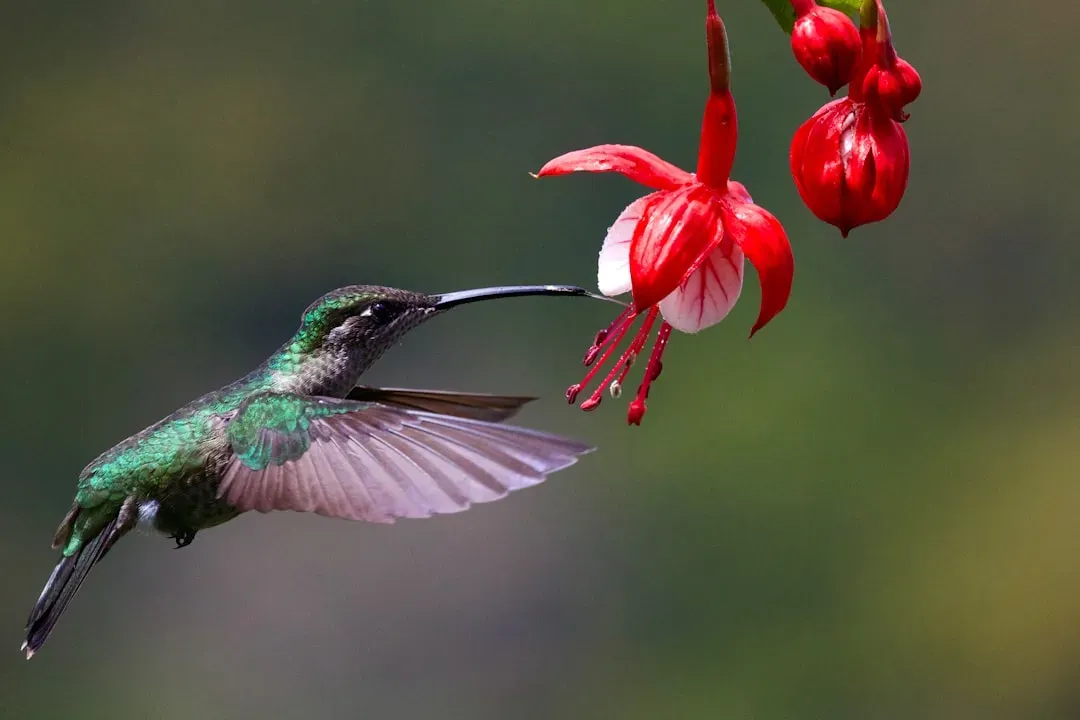
Hummingbirds and native plants have been evolving together for thousands of years, which means native species produce exactly the kind of nectar these birds are wired to seek out. Plants like bee balm, trumpet vine, and cardinal flower are not just pretty additions to a garden – they are essentially a hummingbird’s home cooking. The familiarity draws them in faster than almost anything else you can do.
Beyond the appeal to hummingbirds, native plants are naturally adapted to your local soil and rainfall, which means less watering, less fussing, and a more resilient garden overall. You are not just planting flowers; you are rebuilding a small piece of the habitat these birds depend on. That is a genuinely powerful thing to do with a weekend and a trowel.
12 Incorporate a Variety of Blooming Periods
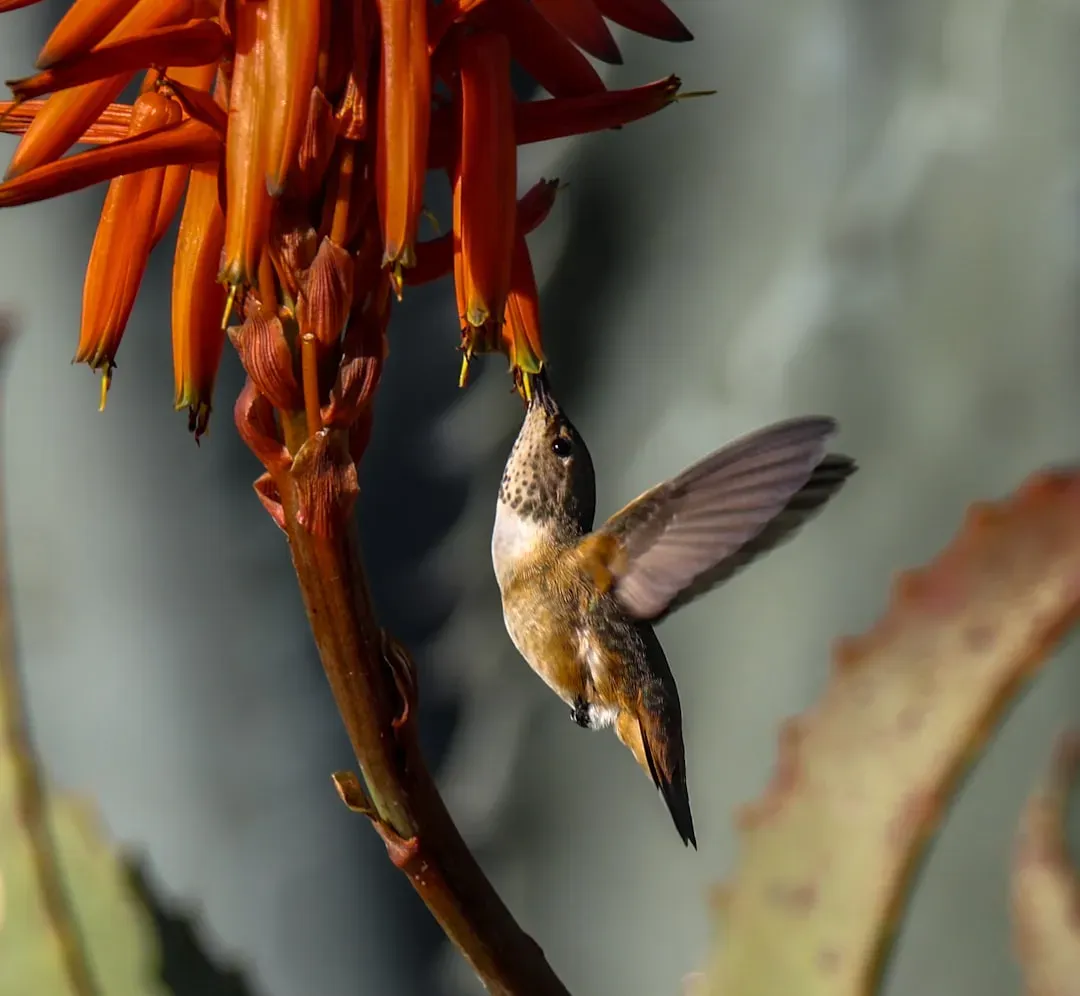
A hummingbird does not visit a garden once and decide it is their territory for life. They follow the food. If your garden blooms magnificently in June and goes quiet by August, the birds will simply move on to wherever the nectar is. The fix is elegant: plan your plantings so something is always opening as something else is fading. Columbine in spring, bee balm through summer, salvia into fall — that kind of layered calendar keeps hummingbirds anchored to your space for months.
This approach also does something quietly remarkable for the broader garden. Bees, butterflies, and other pollinators benefit from that same continuous bloom cycle, so what starts as a hummingbird strategy becomes a full-blown living ecosystem. The garden stops feeling like a decoration and starts feeling like it is actually alive.
11 Choose Brightly Colored, Tubular Flowers
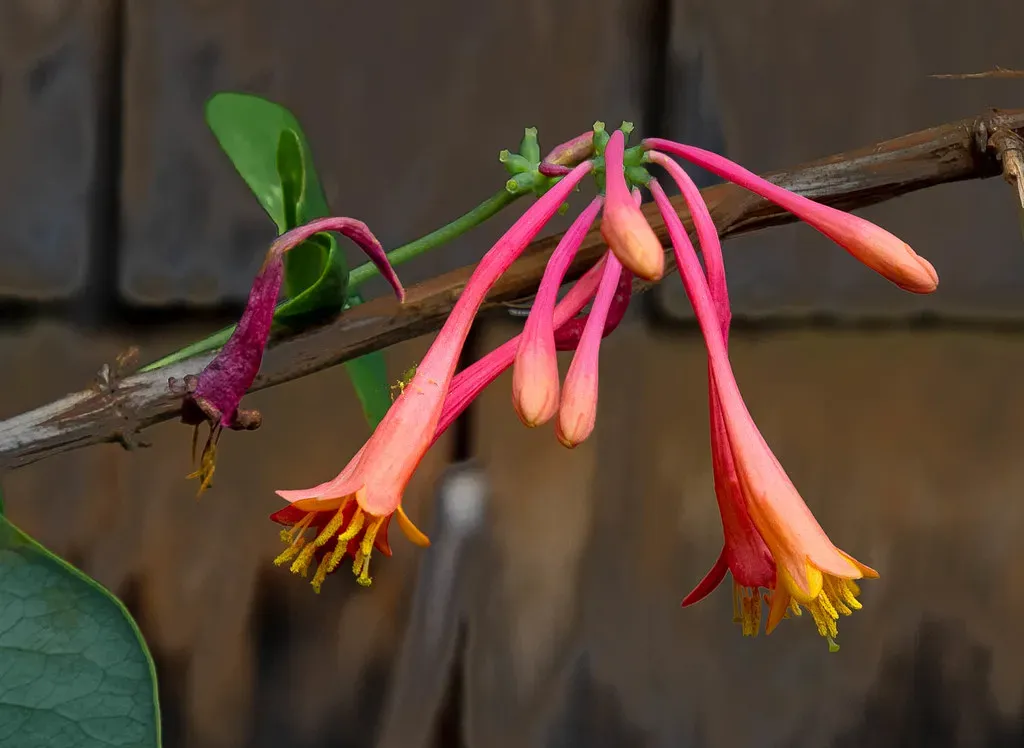
Red gets all the credit, but hummingbirds are genuinely attracted to a whole spectrum of vivid colors — hot pinks, deep oranges, electric purples — as long as the flower shape gives them somewhere to put that needle-thin beak. Tubular flowers like trumpet honeysuckle, petunias, and salvia are essentially designed for them. The long narrow throat fits their bill perfectly and keeps the nectar safely inside, away from insects that cannot reach it.
Think of tubular flowers as a private table reserved specifically for hummingbirds. They get first access to high-quality nectar, they linger longer at each flower, and your garden becomes associated with reliable reward. Once a hummingbird finds a dependable source, it will memorize your garden and return to it on a daily circuit.
At a Glance: Best Tubular Flowers by Season
- Spring: Eastern red columbine, lungwort, coral honeysuckle
- Summer: Bee balm, scarlet sage, trumpet honeysuckle, cuphea, petunia
- Late summer – fall: Mexican sunflower (tithonia), salvia, red hot poker
- Color range to aim for: Red, hot pink, deep orange, and electric purple — all proven hummingbird draws
10 Install Multiple Feeders Strategically
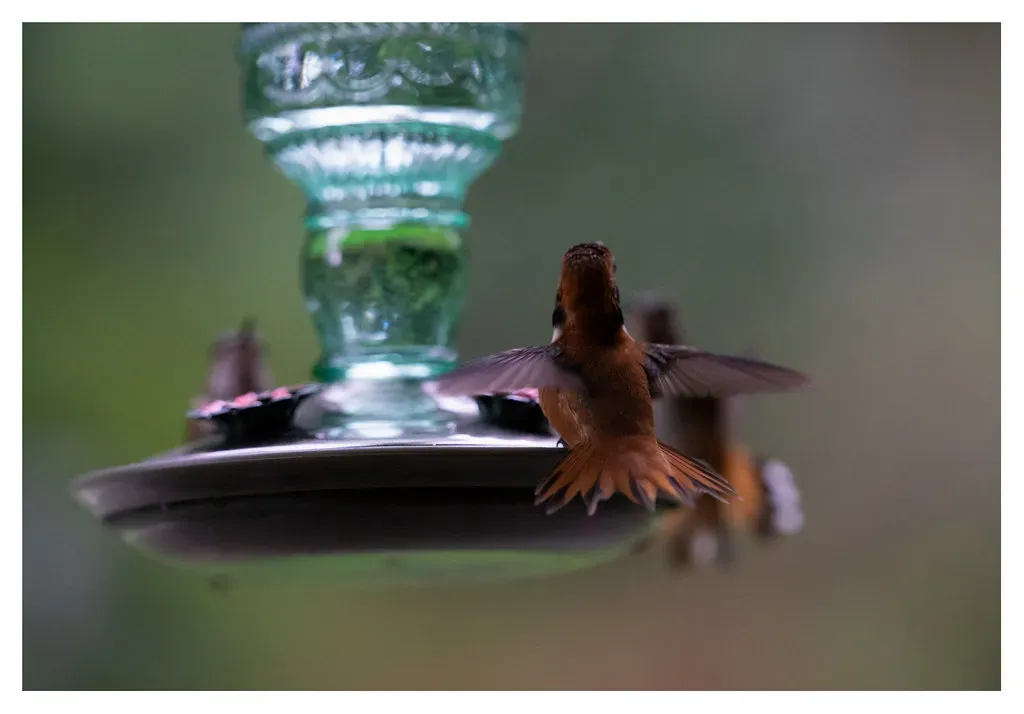
Here is something most beginners do not expect: hummingbirds are fiercely territorial. One dominant male can spend more energy chasing rivals away from a single feeder than he spends actually eating. The result is that fewer birds get fed, and the aggression makes your garden feel chaotic rather than welcoming. The solution is to place multiple feeders in locations where they cannot all be seen from one perch, so no single bird can guard them all.
Spread them around corners, behind shrubs, on opposite sides of the yard. What you are doing is outsmarting the bully. Suddenly the garden supports four or five hummingbirds instead of one stressed-out gatekeeper, and the activity level transforms. On a good summer morning, you can look out and see several birds feeding at the same time — which is exactly the kind of scene that makes neighbors stop and stare over the fence.
Quick Compare: Feeder Placement Rules
- Space feeders at least 15–20 feet apart to prevent one bird from guarding all of them.
- Place feeders out of each other’s sightlines — around corners or behind shrubs works best.
- Hang feeders within 3 feet of a window or more than 10 feet away to reduce dangerous window strikes.
- Keep feeders away from seed or suet feeders — larger visiting birds intimidate hummingbirds.
- First-time visitors typically appear within 3–7 days of a feeder going up.
9 Maintain Clean and Fresh Feeders
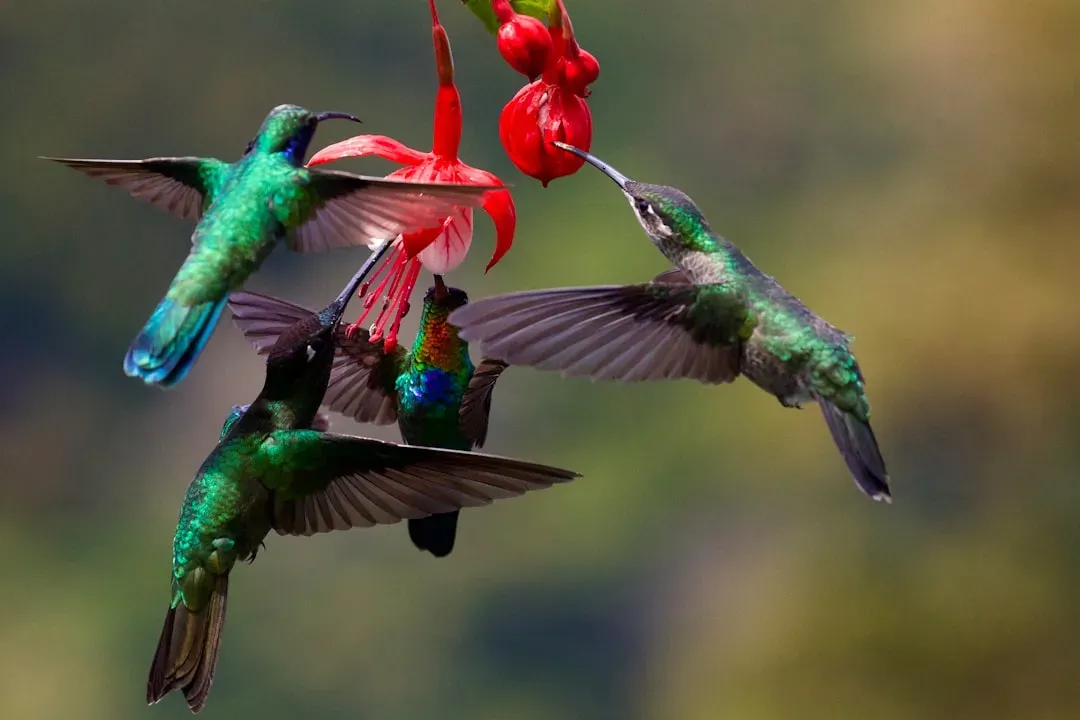
Nectar ferments quickly in warm weather, and a hummingbird that drinks spoiled sugar water can become seriously ill. In temperatures above 80°F, nectar in an outdoor feeder can turn bad in as little as two days. That means checking and refreshing feeders is not optional — it is the core maintenance task that determines whether your feeder helps or harms the birds visiting it.
The recipe is simple: one part plain white sugar dissolved in four parts water, cooled before filling. No red dye, no honey, no artificial sweeteners — just sugar water. Clean the feeder thoroughly with hot water every time you refill it, paying attention to the ports where mold loves to hide. A well-maintained feeder signals to hummingbirds that this is a safe and reliable stop, and they will keep coming back.
8 Provide Water Sources for Bathing
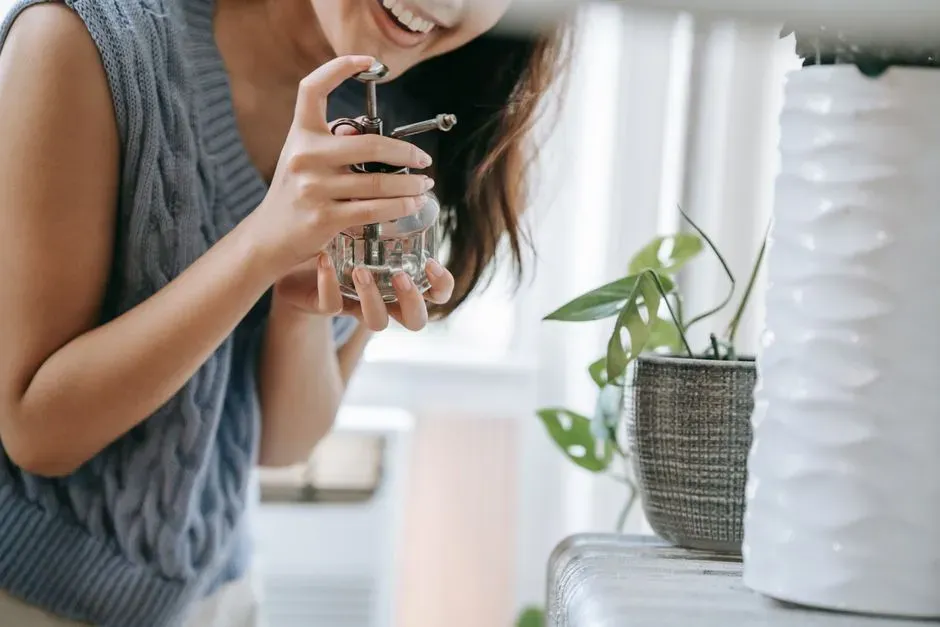
Most people think of feeders and flowers when they plan for hummingbirds, and they forget about water entirely. But hummingbirds bathe daily — it is essential for feather maintenance and temperature regulation. The catch is that they do not use traditional birdbaths, which are too deep and too still. What they love is moving water: a gentle mister, a dripper suspended over a shallow dish, or a small fountain with a fine spray.
A mister attached to a shrub branch is one of the most effective and underused hummingbird features a garden can have. Hummingbirds will fly directly through the mist, hover in it, and return repeatedly throughout the day. It turns your garden into something closer to a spa than a feeding station, and it is genuinely mesmerizing to watch.
7 Create Safe Perching Areas
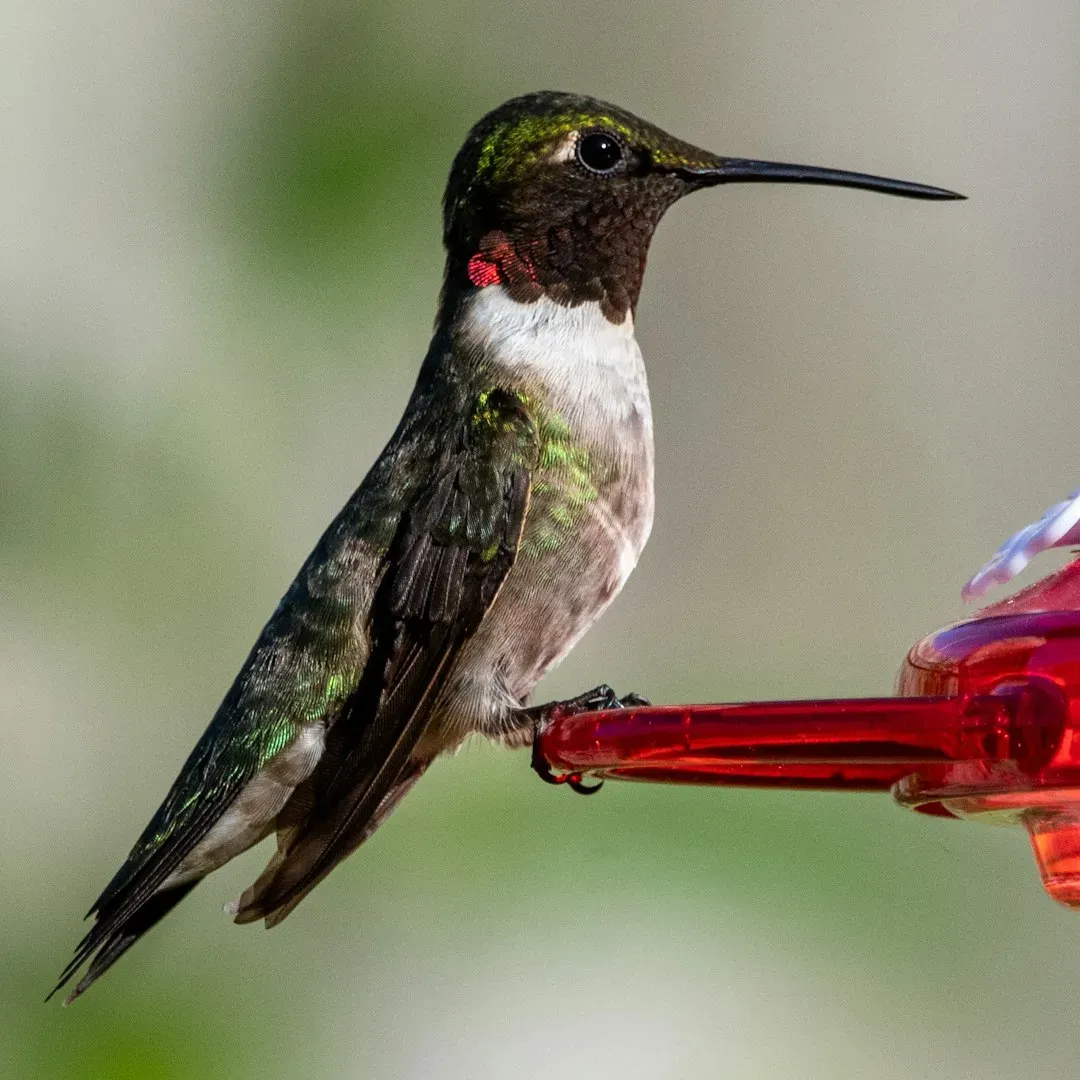
Hummingbirds spend far more time sitting than most people realize. Between feeding bursts, they need exposed perches with clear sightlines — thin bare branches, wire trellises, or even the top of a shepherd’s hook — where they can rest, digest, and keep watch over their territory. A garden without good perches feels unsettled to them, like a restaurant with nowhere to sit down.
Positioning a small dead branch or a simple wooden dowel near your feeders gives them exactly what they need. You will notice that the same bird returns to the same perch repeatedly, which means you can begin to predict where to look and when. That regularity is part of what makes hummingbird watching so satisfying — eventually, they become characters you recognize.
Worth Knowing
- Hummingbirds rest as often as every 15 minutes between feeding bursts — perches close to feeders are not optional extras.
- Their heart rate reaches 1,260 beats per minute in active flight, making rest genuinely critical to survival.
- A hummingbird’s hippocampus is 2 to 5 times larger (relative to brain volume) than most songbirds — they will remember exactly which perch is theirs.
- Research on banded birds shows strong “site fidelity” — hummingbirds have been documented returning to the same feeder on nearly the same calendar date year after year.
6 Avoid Pesticides and Herbicides
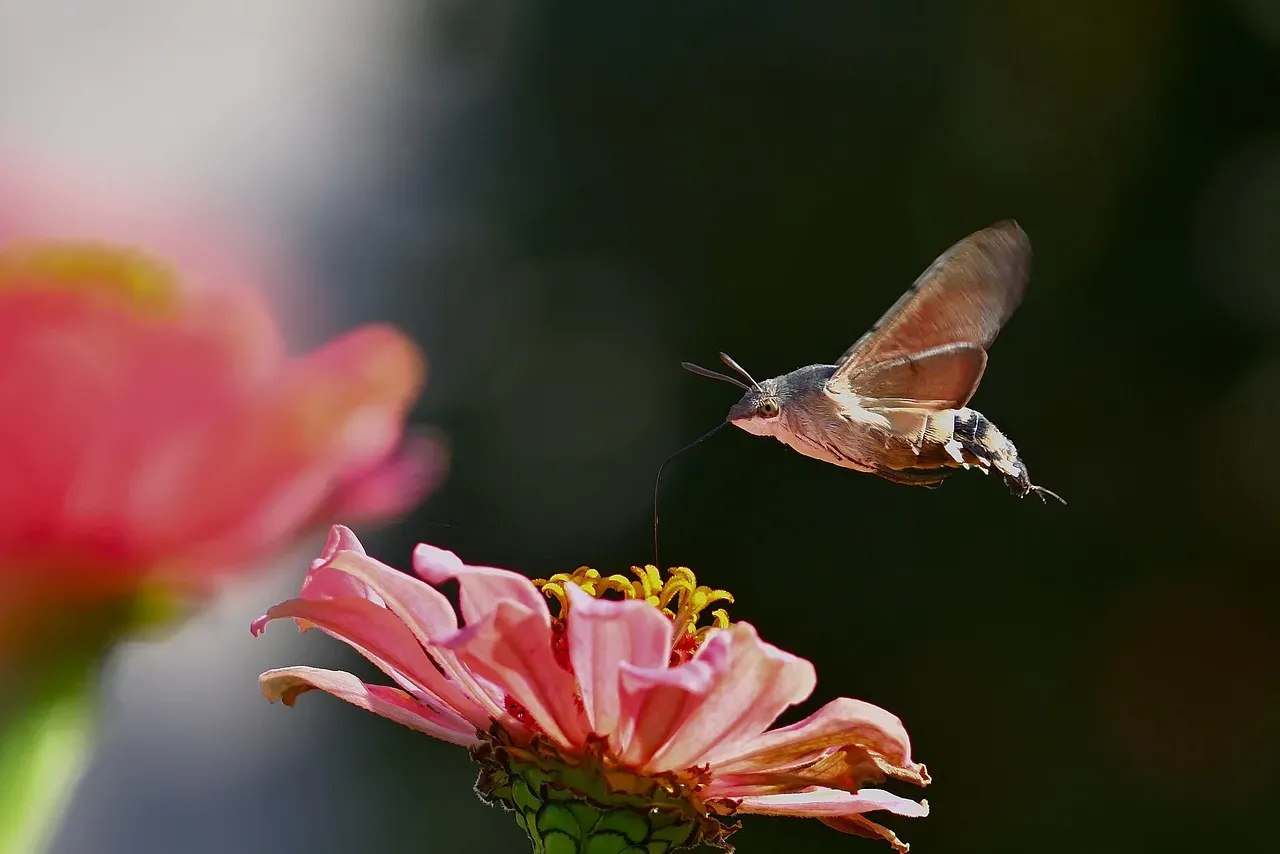
This one surprises people, but hummingbirds are not pure nectar drinkers. They need insects and spiders for protein, especially during nesting season when they are feeding young. Aphids, gnats, fruit flies, and small spiders are all part of a hummingbird’s diet. A garden that has been treated with pesticides may look pristine, but to a hummingbird it is a food desert.
Switching to organic gardening practices does not mean accepting a damaged garden. It means allowing a natural balance to establish itself, where pest populations are kept in check by predators rather than chemicals. Hummingbirds are part of that balance. When you stop killing the insects, the birds have more reasons to stay — and your garden becomes part of a functioning food web rather than a chemically managed display.
5 Offer Nesting Materials
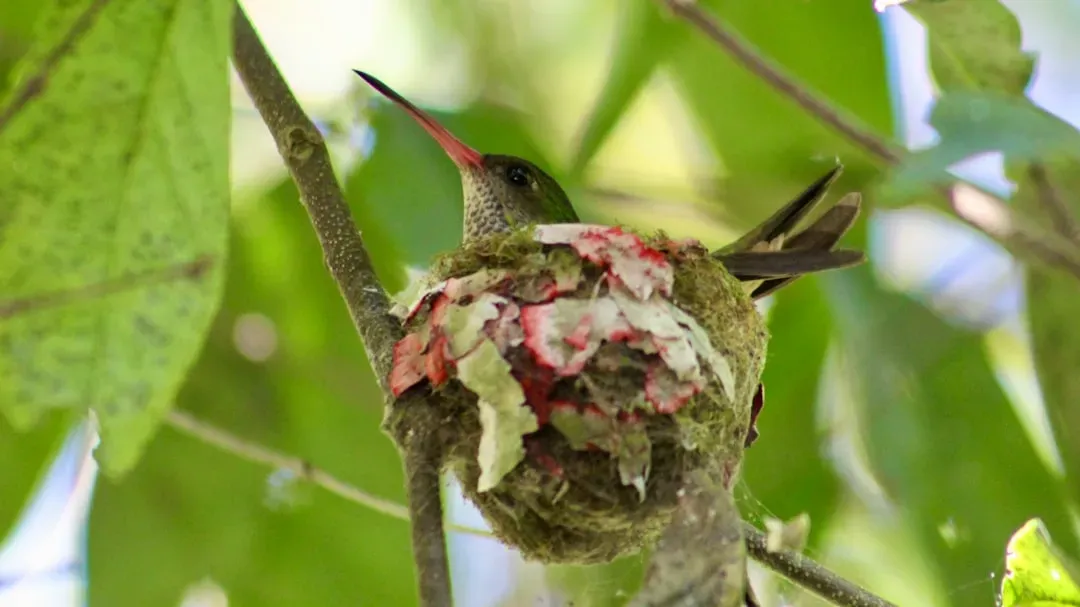
Female hummingbirds build some of the most astonishing nests in the bird world — walnut-sized cups made of plant fibers, bound together with spider silk and camouflaged with lichen on the outside. The spider silk is not decorative. It allows the nest to stretch as the chicks grow, which is an engineering solution that took millions of years to develop. If a female finds good nesting materials in your garden, she will build nearby, and that means hummingbirds in your yard all season long.
Leave spider webs in sheltered corners rather than sweeping them away. Allow patches of soft moss to remain undisturbed. If you find plant down from cattails or similar sources, scatter a small amount loosely in a shrub. You are not building the nest for her — you are stocking the supply shelf she will use to build it herself, which is a meaningful distinction and a quiet act of hospitality.
Why It Stands Out: The Hummingbird Nest
- A finished nest is roughly the size of a walnut — one of the smallest bird nests in North America.
- Hummingbird eggs weigh less than 1 gram — about the weight of a paperclip.
- Spider silk binding allows the nest to expand as chicks grow, a structural feature no human-made material has replicated at that scale.
- Nests are camouflaged with lichen on the exterior, making them nearly invisible even to experienced birders.
- Do any pruning with care in spring — an active nest can be easy to miss and impossible to replace.
4 Plant in Clusters
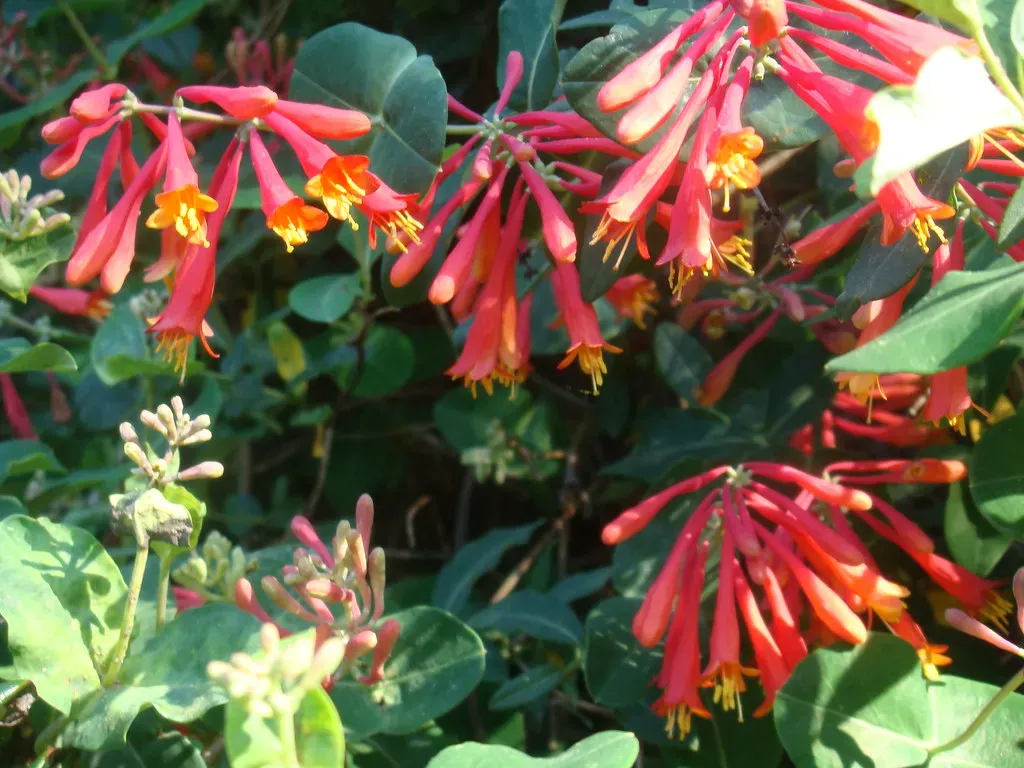
A single cardinal flower tucked between two hostas is easy to miss. Twelve cardinal flowers grouped together become a beacon that a hummingbird can spot from fifty yards away. Clustering the same species creates a concentrated food source that is worth the effort of a dedicated visit, and it also makes your garden far more visually dramatic for anyone standing at the window watching.
Think of it from the hummingbird’s perspective: they are burning enormous amounts of energy in flight, so every feeding decision is an energy calculation. A dense patch of blooms offers the best caloric return for the least effort. Gardens that are planted in thoughtful clusters get visited more often and for longer periods than those where plants are scattered randomly across the bed.
3 Skip the Red Dye in Your Nectar
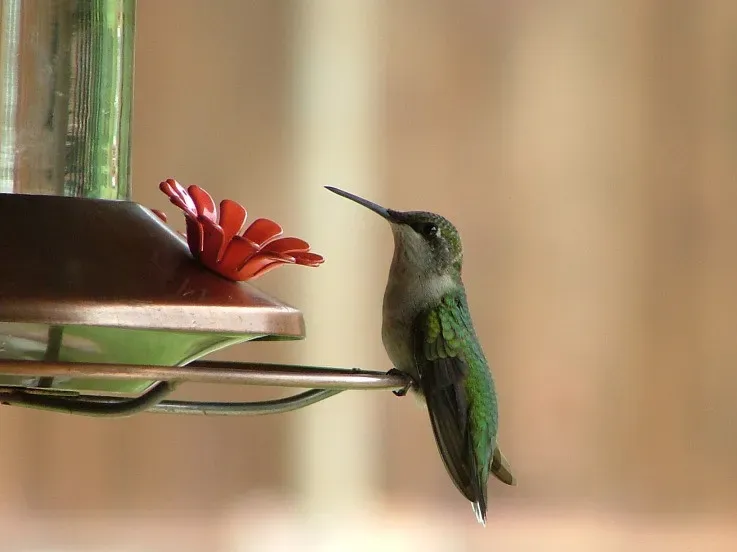
The red-dye myth is one of the most persistent pieces of bad gardening advice still circulating. Manufacturers add red coloring to commercial nectar mixes to make the product look more appealing to buyers, not to birds. Hummingbirds are attracted to the red color of the feeder itself — the ports, the base, the flower-shaped openings — not to the color of the liquid inside. Dyed nectar adds nothing beneficial and may cause harm over time.
Plain sugar water, made fresh and kept clean, is the gold standard. If you want to add color that actually helps, tie a small piece of red ribbon near the feeder to catch the eye of a passing bird. Once a hummingbird has found and visited your feeder, the color becomes irrelevant — they will remember exactly where it is and return on their own schedule, dye or no dye.
2 Think Vertically With Vines and Hanging Baskets
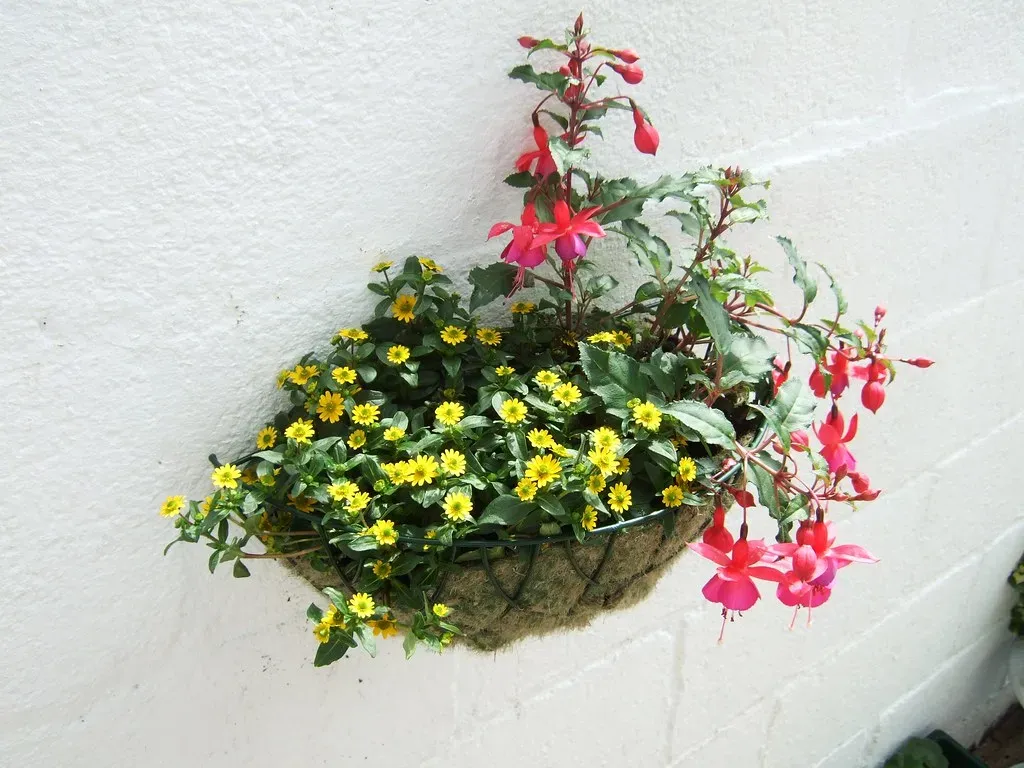
Most gardeners think about hummingbird planting at ground level, but these birds feed at every height. Trumpet vine climbing a fence, fuschia hanging in a basket near the porch, and salvia rising from a raised bed together create a layered foraging environment that keeps birds moving through your space rather than visiting one spot and leaving. Vertical planting also makes your garden feel lush and abundant, which is part of what draws wildlife in the first place.
Hanging baskets deserve particular attention because they can be positioned exactly where you want to watch from — a kitchen window, a porch chair, a deck railing. A basket of hot pink petunias or trailing salvia hung at eye level is not just beautiful; it is a front-row seat to something that will stop you mid-conversation every single time a bird arrives. That combination of convenience and spectacle is hard to beat.
1 Make Your Garden a Year-Round Sanctuary, Not Just a Summer Stopover
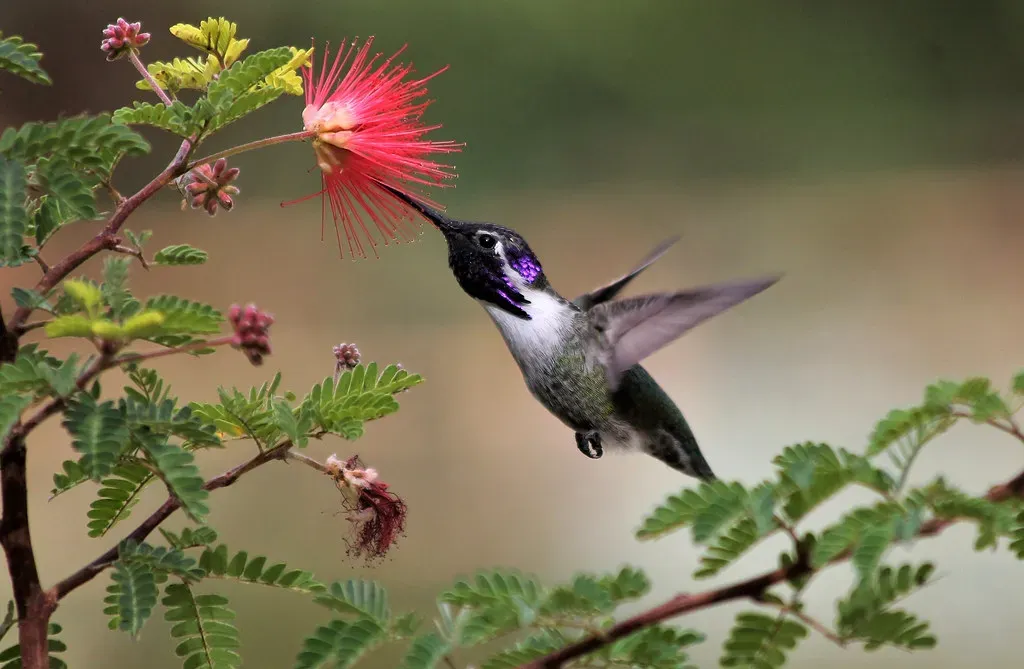
The gardeners who attract the most hummingbirds are not the ones who put out the fanciest feeders in June. They are the ones who have built a garden that offers food, water, shelter, and nesting opportunities across the entire season — from the moment the first scouts arrive in early spring to the last stragglers pushing south in October. Hummingbirds have remarkable spatial memory. A garden that treated them well last year is a garden they will seek out again this year.
Think of it less as a project and more as a relationship. Every clean feeder, every cluster of native blooms, every mister left running on a hot afternoon is a small act of welcome. Do enough of them consistently and you stop chasing hummingbirds. They start finding you. There are few things in a summer garden more earned — or more quietly magnificent — than that.
At a Glance: Year-Round Sanctuary Checklist
- Spring (March–May): Put feeders out before the first scouts arrive; early-blooming columbine and lungwort bridge the gap.
- Summer (June–August): Refresh nectar every 2–3 days; keep misters running on hot afternoons; monitor clusters for peak bloom.
- Late summer (Aug–Sept): Mexican sunflower and fall salvia fuel pre-migration feeding frenzies — one of the busiest periods you will see.
- Fall (Sept–Nov): Keep feeders up until 2 weeks after the last sighting; late migrants depend on them.
- Year-round (Southern states): Some species, including Anna’s hummingbird, are permanent residents — maintain at least one feeder through winter.
If there is one honest opinion worth offering here, it is this: the people who struggle to attract hummingbirds are usually the ones treating it as a hardware problem, buying more feeders and brighter plastic flowers when what is actually missing is habitat. Hummingbirds are not decorations you can purchase and install. They are wild animals making calculated survival decisions. Build a garden that genuinely serves their needs, and they will reward you with a presence that no lawn ornament could ever replicate. Start with two or three of these strategies this season, build from there, and by next summer you may find yourself rearranging patio furniture just to get a better view.

- 11 Ways Your Cat Is Secretly Protecting You Every Day - August 14, 2026
- 10 Mistakes People Make When Camping in Wolf Country - August 14, 2026
- 8 Dog Breeds That Form the Strongest Bond With One Person - August 14, 2026