
You’ve probably looked at your dog recently and thought, “Where did the time go?” One day they were a chaotic puppy eating your shoes, and now they move a little slower getting up in the morning, sleep a little longer in the afternoon, and look at you with those deep, knowing eyes that somehow seem older and wiser than before. It’s one of the quietest heartbreaks of dog ownership – watching your best friend age. But here’s what most owners get wrong: they wait too long to make changes, assuming a slowdown is just “normal aging” when it’s often something very manageable.
Veterinarians have a very different picture of senior dog care than what most people practice at home. Some of what they recommend will surprise you. Some will make you feel like you still have real power to change how well – and how happily – your dog lives out their golden years. Here are 13 things that actually matter, ranked from foundational to urgent.
13 – Recognizing When Your Dog Actually Becomes a Senior
Most people think of “senior dog” as a label that kicks in around seven or eight years for every dog. The reality is more complicated and more important than that. Small breeds often don’t hit true senior status until nine or ten years old, while giant breeds like Great Danes or Bernese Mountain Dogs can be considered seniors as early as five or six. That’s not a minor detail – it changes your entire care timeline.
If you own a large or giant breed and you’ve been coasting on the assumption that your five-year-old dog is still in their prime, your vet may see things very differently. The earlier you understand where your dog sits on that aging spectrum, the earlier you can catch problems that are much easier to manage at the beginning than at the end. This one piece of knowledge alone can buy your dog real, meaningful time.
At a Glance: When Does Senior Status Begin?
- Small breeds (under 20 lbs) – Chihuahuas, Yorkies, Toy Poodles: around 10–12 years
- Medium breeds – Beagles, Cocker Spaniels, Border Collies: around 8–10 years
- Large breeds – Labs, German Shepherds, Golden Retrievers: around 8–9 years
- Giant breeds – Great Danes, Saint Bernards, Mastiffs: as early as 5–7 years
- A general rule: senior status begins in the last 25% of a dog’s estimated lifespan
12 – Why Once-a-Year Vet Visits Are No Longer Enough
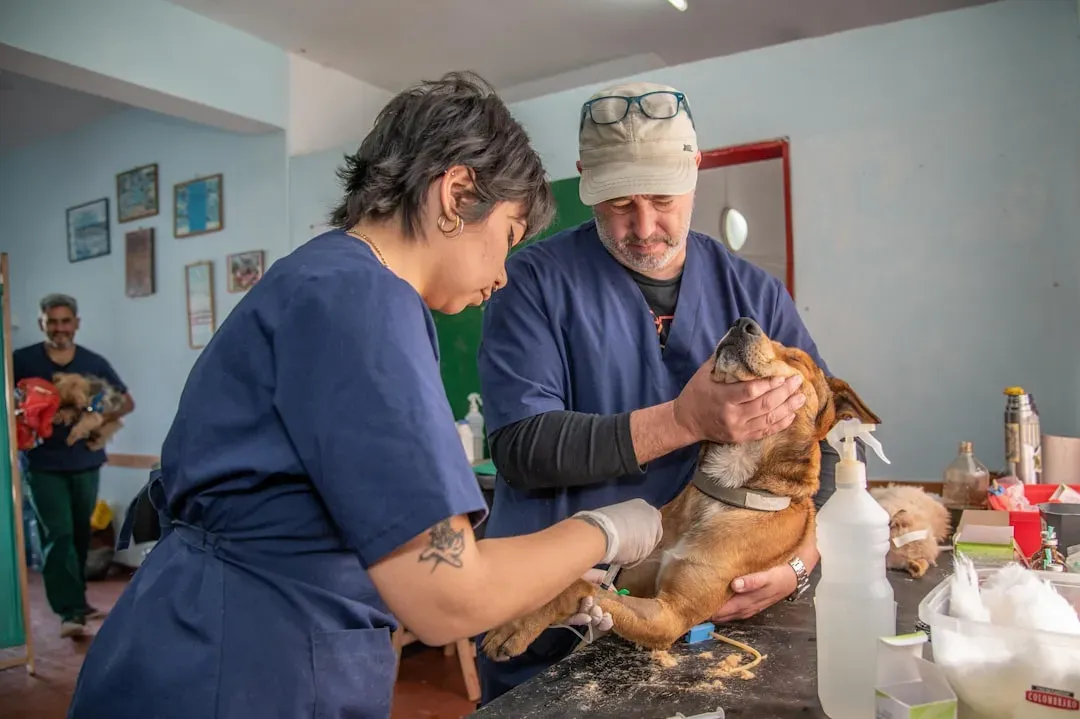
Annual vet visits feel responsible, and for younger dogs, they usually are. But for a senior dog, a year between check-ups is a long time. Conditions like early kidney disease, arthritis, dental decay, and heart changes can progress significantly in twelve months – often silently, with almost no outward signs until they’ve already done damage. Vets recommend shifting to semi-annual check-ups once your dog crosses into senior territory, and there’s a compelling reason behind that.
Those twice-yearly visits typically include bloodwork, physical exams, and sometimes blood pressure checks – all tools that can catch internal changes your dog can’t tell you about. Catching a kidney issue at stage one versus stage three is not a small difference. It can mean years of comfortable, managed life versus a crisis. Think of it less as “more vet trips” and more as “buying your dog more good days.”
11 – The Senior Dog Food Myth You Probably Believe

Walk into any pet store and you’ll find bags of food stamped “Senior Formula” in warm, reassuring fonts. It feels like the obviously right choice. But many veterinary nutritionists will tell you it’s not that simple. Senior dogs don’t have a single universal nutritional profile – their needs depend heavily on their size, breed, existing health conditions, and activity level. Some seniors actually need more protein to maintain muscle mass, not less.
Others genuinely do need calorie control to prevent the weight gain that quietly crushes aging joints. The point isn’t that senior food is bad – it’s that defaulting to it without a conversation with your vet might mean your dog gets a generic formula when they needed a targeted one. A fifteen-minute nutrition conversation with your vet can genuinely change what the next few years look like for your dog.
10 – Even a Few Extra Pounds Can Be Quietly Devastating

When a dog gains a couple of pounds, it’s easy to shrug it off. They look a little rounder, maybe a little cuddlier. But on a twenty- or thirty-pound senior dog, that extra weight creates a disproportionate load on joints that are already beginning to wear. The connection between weight and arthritis pain in dogs is not subtle – it’s direct and measurable, and vets see it play out constantly.
The good news is that weight management in senior dogs doesn’t have to mean deprivation. It usually means smarter portioning, swapping calorie-dense treats for lower-calorie alternatives, and pairing food adjustments with appropriate exercise. Dogs that maintain a healthy weight in their senior years move more freely, need fewer pain medications, and generally seem happier. That’s a powerful lever – and it’s mostly in your hands.
9 – Exercise Still Matters – But Not the Same Way
Some owners back off exercise almost completely when their dog starts slowing down, worried about causing pain or injury. Others push the same long hikes they’ve always done, hoping to keep their dog young. Both extremes tend to backfire. Senior dogs still need regular movement to maintain muscle mass, joint flexibility, and mental health – but the type and duration of that exercise genuinely needs to change.
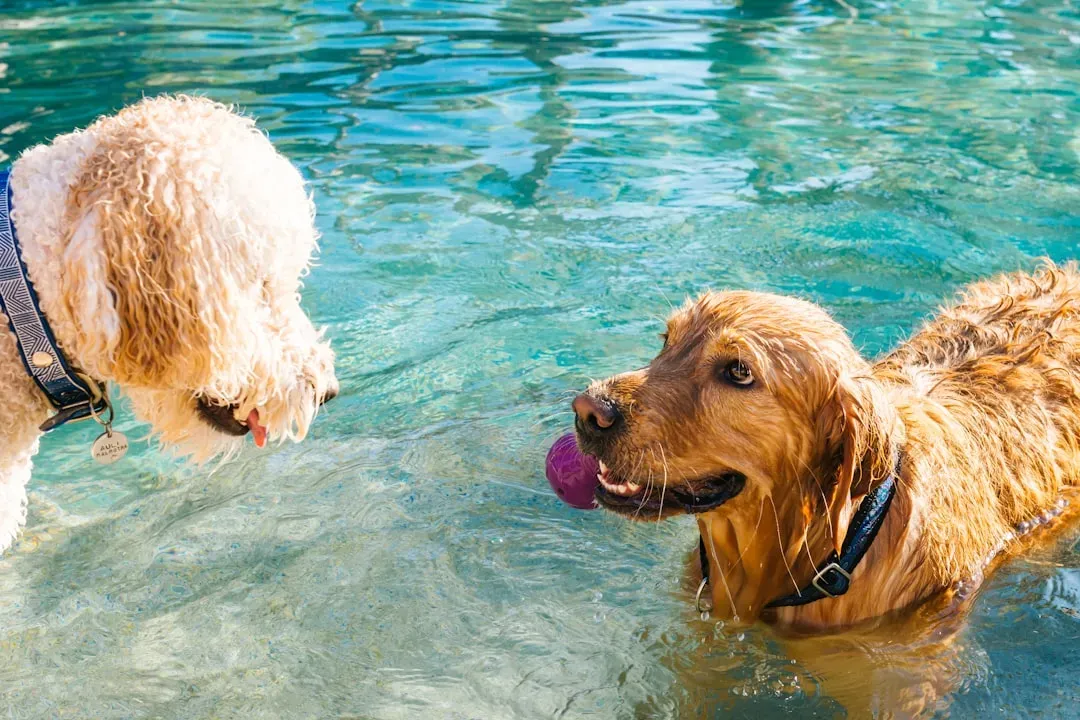
Shorter, more frequent walks work better than one long exhausting one. Swimming is exceptional for senior dogs with arthritis because it keeps them moving without grinding joint surfaces together. The key is watching your dog’s response – if they’re stiff for hours after a walk, it was probably too much. If they perk up and seem energized afterward, you’ve likely hit the right level. Let them tell you what they can handle, because they will.
8 – Cognitive Decline Is Real – and Owners Miss It All the Time

Canine cognitive dysfunction is essentially a dog version of dementia, and it’s more common than most owners realize. But because the early signs – staring blankly at walls, seeming confused in familiar spaces, waking at odd hours, or having indoor accidents despite being house-trained for years – can all look like “just getting old,” many dogs go undiagnosed for a long time. That delay matters, because there are interventions that can genuinely slow progression.
Prescription medications, dietary adjustments, and targeted mental enrichment – puzzle feeders, scent games, short training sessions – have all shown meaningful results in dogs with early cognitive decline. The worst thing you can do is assume nothing can be done. The best thing you can do is bring a specific list of behavioral changes to your vet and let them assess what’s actually going on in that beautiful, aging brain.
Fast Facts: Canine Cognitive Dysfunction by the Numbers
- More than 1 in 5 dogs over age 9 show clinical signs of cognitive decline
- Around 28% of dogs aged 11–12 are affected; that figure climbs to 68% by ages 15–16
- Canine cognitive dysfunction shares hallmarks with human Alzheimer’s disease, including beta-amyloid plaque buildup
- The condition is widely underdiagnosed – many owners attribute the signs to normal aging
- Early intervention with medication, diet, and enrichment can meaningfully slow progression
7 – Your Home Might Be an Obstacle Course for an Aging Dog
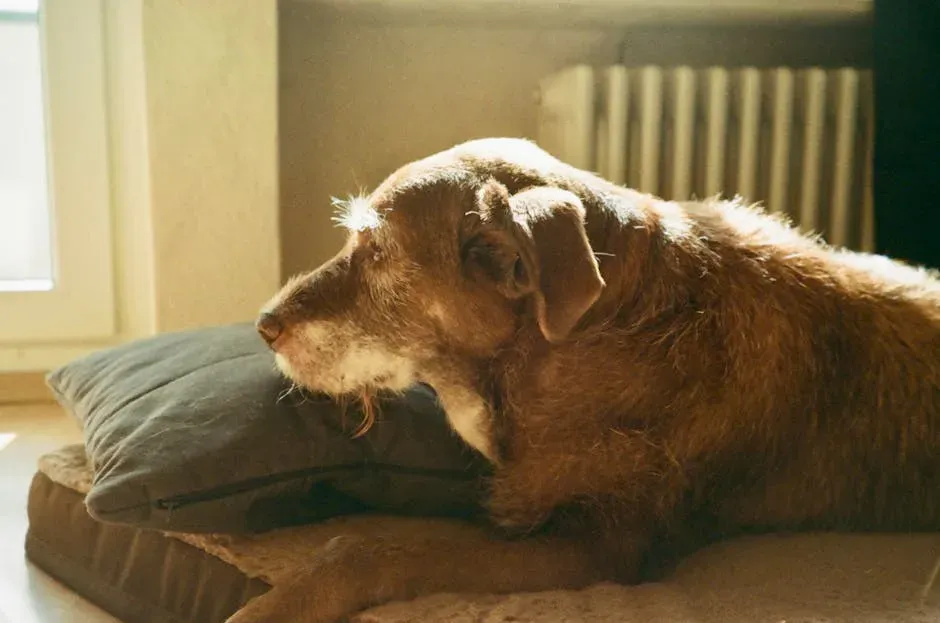
Hardwood floors that never bothered your dog at four years old become genuine hazards at ten. A dog with early arthritis or muscle weakness can slip, scramble, and fall in ways that cause real injuries – and the fear of slipping can make them stop moving as much, which accelerates physical decline. Non-slip rugs in key areas – near food and water bowls, at the base of stairs, beside their favorite resting spot – make an immediate difference.
Orthopedic beds matter more than people think, too. Lying on a hard floor for hours creates pressure on aging joints the same way it would for an elderly person sleeping on concrete. Ramps for getting onto couches or into cars can protect a dog who still wants to be close to you but can no longer safely jump. These modifications aren’t expensive or complicated, and the relief they provide – physically and emotionally – is visible almost immediately.
6 – Dental Disease in Senior Dogs Is Far More Serious Than Bad Breath
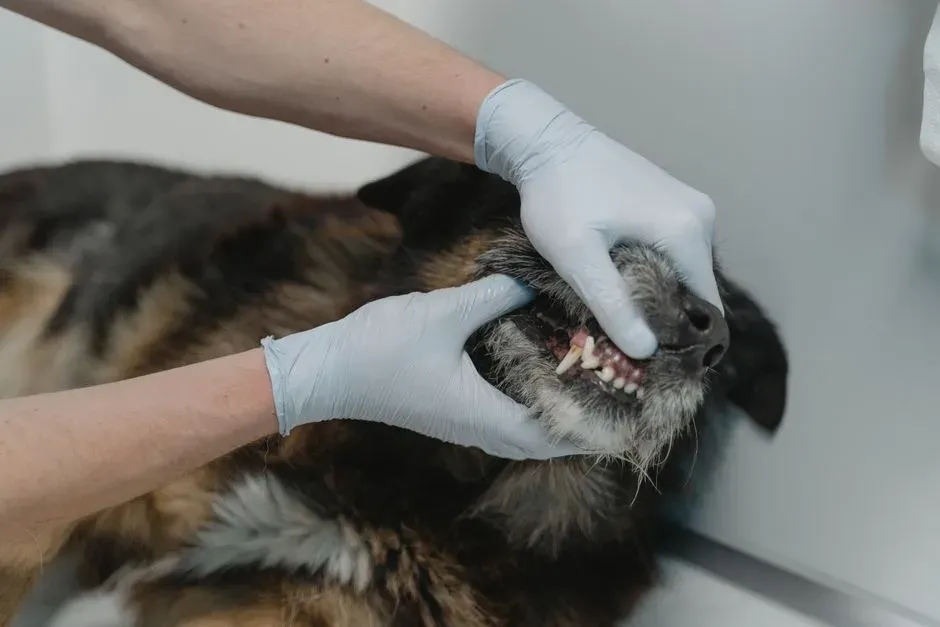
By the time most dogs reach senior age, dental disease is already present to some degree – and most owners have no idea how much pain it’s causing. Dogs are hardwired to hide pain, so a dog with severely infected gums may still be eating, still wagging their tail, still appearing fine on the surface. Meanwhile, bacteria from that infection can travel through the bloodstream and affect the heart, kidneys, and liver.
Professional cleanings under anesthesia, while they require some medical preparation in older dogs, are generally considered safe and often transformative. Owners frequently report that their dog seems years younger after a thorough dental cleaning – more energetic, more interested in food, more playful. At-home brushing is the gold standard for prevention, but even dental chews and water additives are better than nothing. Don’t let dental care be the thing you kept meaning to get to.
5 – Vision and Hearing Changes Sneak Up on Everyone
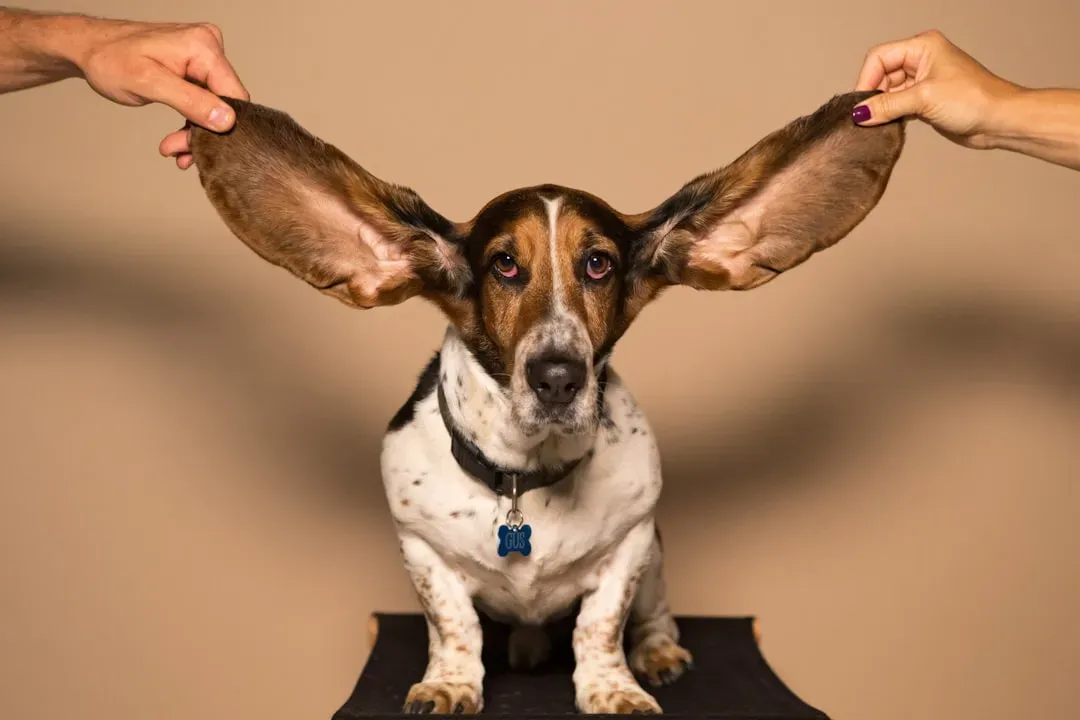
It rarely happens overnight. Vision and hearing loss in dogs tends to creep in gradually, and because dogs adapt so naturally – relying more on scent, on routine, on your energy – owners often don’t notice until the loss is significant. A dog who seems suddenly skittish or startled more easily may be experiencing hearing changes. A dog who hesitates at the top of stairs or bumps into things in low light may be losing visual clarity.
The most important thing to understand is that dogs handle these losses remarkably well when their environment is consistent and safe. Keeping furniture in familiar arrangements, using verbal cues more deliberately, approaching a hearing-impaired dog from their line of sight rather than sneaking up – these small adaptations dramatically reduce anxiety. Your dog isn’t becoming difficult. They’re navigating a changed world and counting on you to make it less frightening.
Worth Knowing: Simple Home Adaptations That Help
- Non-slip rugs near food bowls, stairs, and favorite rest spots reduce fall risk significantly
- Orthopedic or memory-foam beds reduce joint pressure during long rest periods
- Ramps or pet stairs protect dogs who want to be on the sofa or in the car but can’t safely jump
- Consistent furniture placement helps vision-impaired dogs navigate confidently
- Raised food and water bowls can ease neck and shoulder strain for larger breeds
4 – A Change in Appetite Is Never “Just Getting Older”
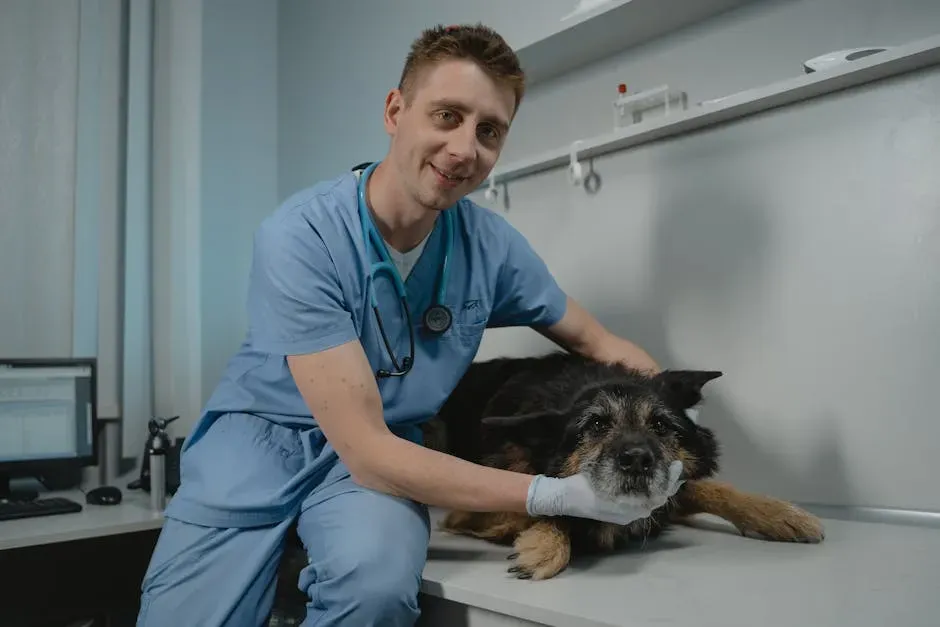
When a senior dog starts eating less, turning away from food they used to love, or eating significantly more than usual, it’s tempting to chalk it up to age. But changes in appetite are one of the most reliable early signals that something is medically wrong. Nausea from kidney disease, pain from dental issues, discomfort from gastrointestinal changes, or hormonal disorders can all show up first as a shift in how a dog relates to their food bowl.
Digestive changes are equally worth tracking. More frequent loose stools, constipation, or obvious discomfort after eating in a dog who used to have a stomach of steel deserves a vet conversation – not just a food switch. Sometimes the fix is simple: smaller, more frequent meals, a more digestible protein source, or a probiotic. Sometimes it points to something that needs treatment. Either way, the answer doesn’t come from guessing.
3 – Arthritis Pain Is Undertreated in Most Senior Dogs
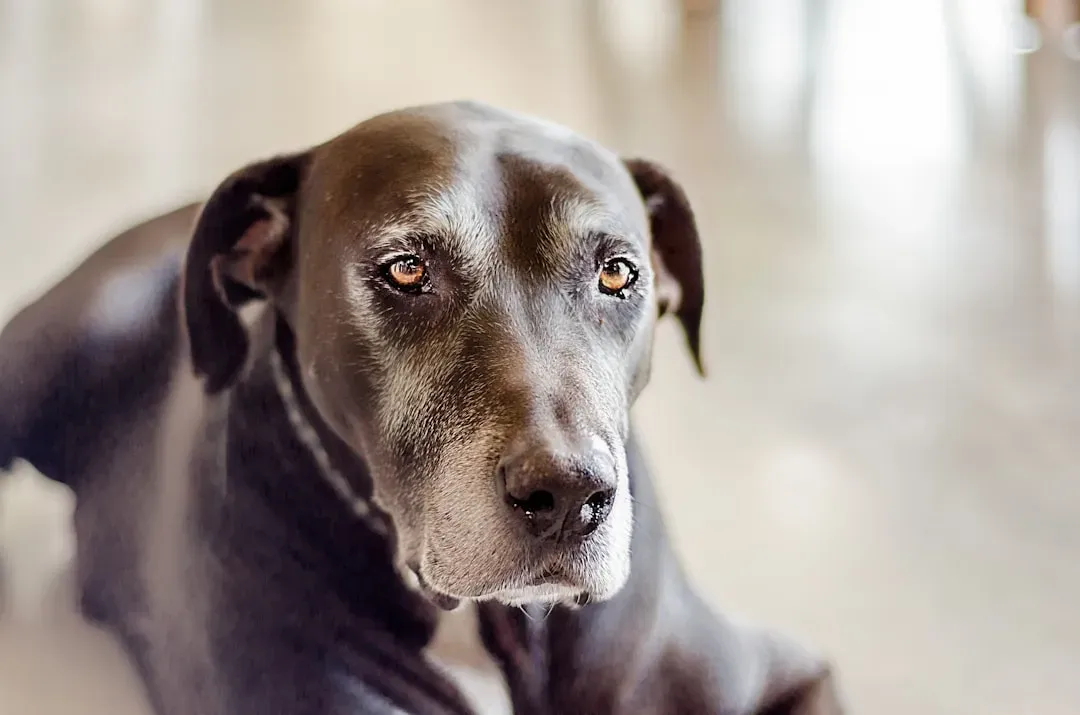
Arthritis is almost universal in senior dogs, especially larger breeds – and yet it remains one of the most undertreated conditions in veterinary practice, not because vets don’t know how to treat it, but because owners often don’t recognize how much pain their dog is actually in. A dog who moves more slowly, hesitates to go up stairs, no longer jumps onto the furniture, or seems grumpier than usual isn’t “just slowing down.” That reluctance is often pain talking.
The treatment landscape for canine arthritis has genuinely improved. Prescription anti-inflammatories, joint supplements containing omega-3 fatty acids and glucosamine, laser therapy, and even newer injectable medications have given many arthritic dogs a visible new lease on life. Physical therapy for dogs – yes, it exists, and it works – can rebuild muscle support around damaged joints and restore mobility in ways that surprise even owners who assumed the window had closed. Pain management in senior dogs is not giving up; it is the entire point.
Quick Compare: Canine Arthritis Treatment Options
- NSAIDs (prescription anti-inflammatories) – most established, fast-acting, vet-supervised
- Joint supplements (glucosamine, omega-3s) – widely used, preventive and supportive, available OTC
- Laser therapy – non-invasive, reduces inflammation, growing availability at clinics
- Injectable monoclonal antibodies – newer option targeting nerve growth factor, monthly dosing
- Canine physical therapy – rebuilds muscle support, restores mobility, often used alongside medication
- Weight management – reducing load on joints is one of the most impactful interventions of all
2 – Emotional and Social Needs Intensify With Age
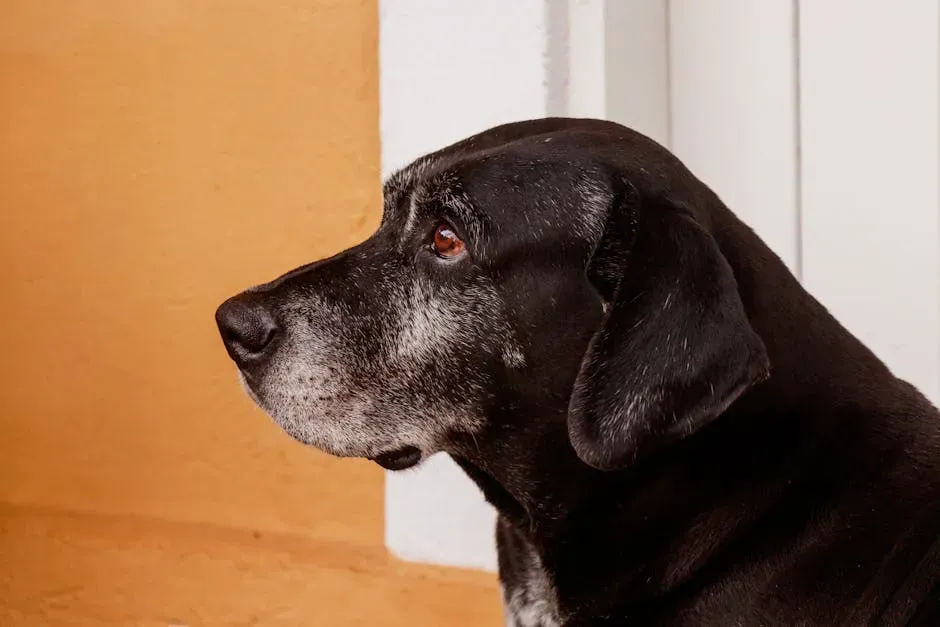
This one doesn’t get enough attention. As dogs age, many become more attached, more sensitive to changes in routine, and more in need of quiet, reliable companionship. A senior dog who suddenly seems anxious, clingy, or unsettled may not be sick – they may simply be experiencing the emotional shifts that come with aging, including changes in how they process the world around them. Your presence genuinely matters more to them now, not less.
Maintaining routine, offering gentle affection, and protecting them from stressful situations – chaotic households, rough play with younger dogs, long periods of isolation – all contribute to emotional stability in ways that show up physically. Chronic stress in senior dogs suppresses immune function and worsens inflammation. Keeping their emotional world calm and predictable is not just kindness; it is active care. The dog who spent ten years making your life warmer deserves to feel safe in theirs.
1 – Knowing When Comfort Becomes the Whole Goal

This is the conversation no one wants to have, but every vet will tell you it’s the most important one. There comes a point in a senior dog’s life when the goal of care shifts – from maintaining health to protecting quality of life, and eventually to making the hardest, most loving decision a pet owner can make. Recognizing that shift, and being willing to have honest conversations with your vet about it, is the final and most profound act of stewardship.
Quality of life scales – tools that assess pain levels, appetite, mobility, hygiene, happiness, and connection – exist specifically to help owners navigate this without being ruled purely by grief or guilt. The question your vet is really asking when they walk you through these is not “are you ready to let go?” It’s “is your dog still experiencing more good moments than hard ones?” That answer changes over time, and watching for it with clear eyes is the last great thing you can do for a dog who gave you everything they had.
Here’s the honest conclusion: most senior dog care isn’t complicated – it’s just intentional. It requires you to stop treating your aging dog the same way you treated your young one and start actually looking at who they are now. The owners who do that consistently – who adjust, adapt, pay attention, and advocate at the vet – give their dogs something genuinely rare: a senior life that feels comfortable, connected, and dignified. Your dog never stopped showing up for you. The senior years are simply your turn to show up for them, in ways that actually count.

- The 6 Zodiac Signs Whose Spirit Animals Reveal Their Darkest Secrets - August 15, 2026
- 10 Things You Should Never Do Around Cats (Even If You Think They Like It) - August 15, 2026
- What Legendary Animal Are You According to Your Zodiac Sign - August 15, 2026