
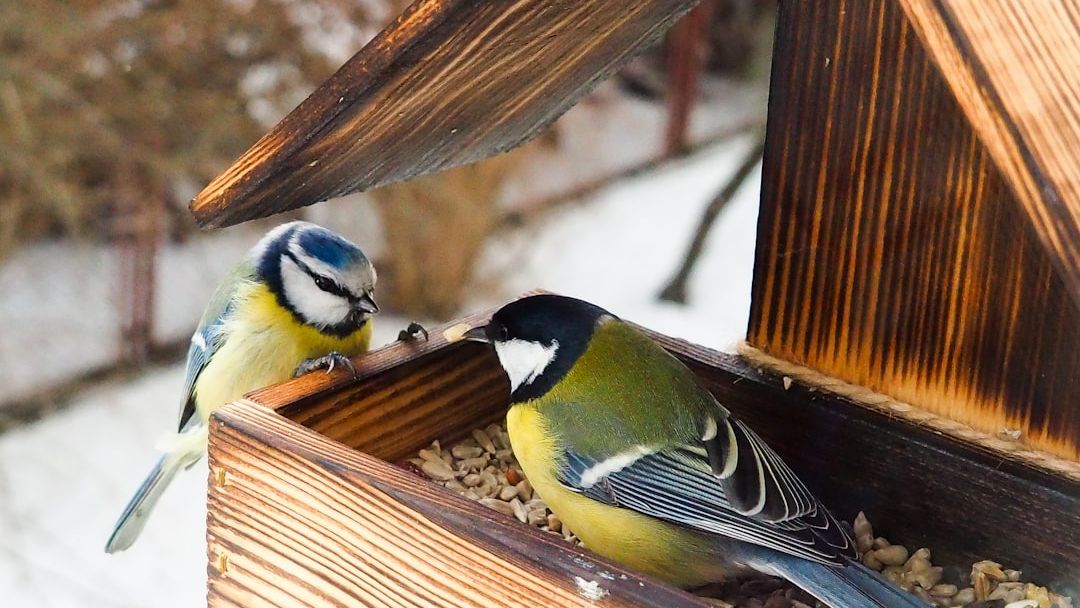
You don’t need a farm, a wildlife degree, or a budget that makes your eyes water. Some of the most bird-rich yards in America are modest suburban lots where the owners made a handful of smart, intentional choices – and then let nature do the rest. Cardinals at the window before your coffee’s done. Hummingbirds hovering three feet from your face. The kind of mornings that actually slow you down.
The secret isn’t what most people think. It’s not about the fanciest feeder or the rarest seed. It’s about building the right environment – and a few of the ideas on this list will genuinely surprise you. Some of the most powerful ones cost almost nothing. Number 9, especially, is the kind of thing most tidy-yard people resist – until they see what happens.
14. Plant Native Trees and Shrubs
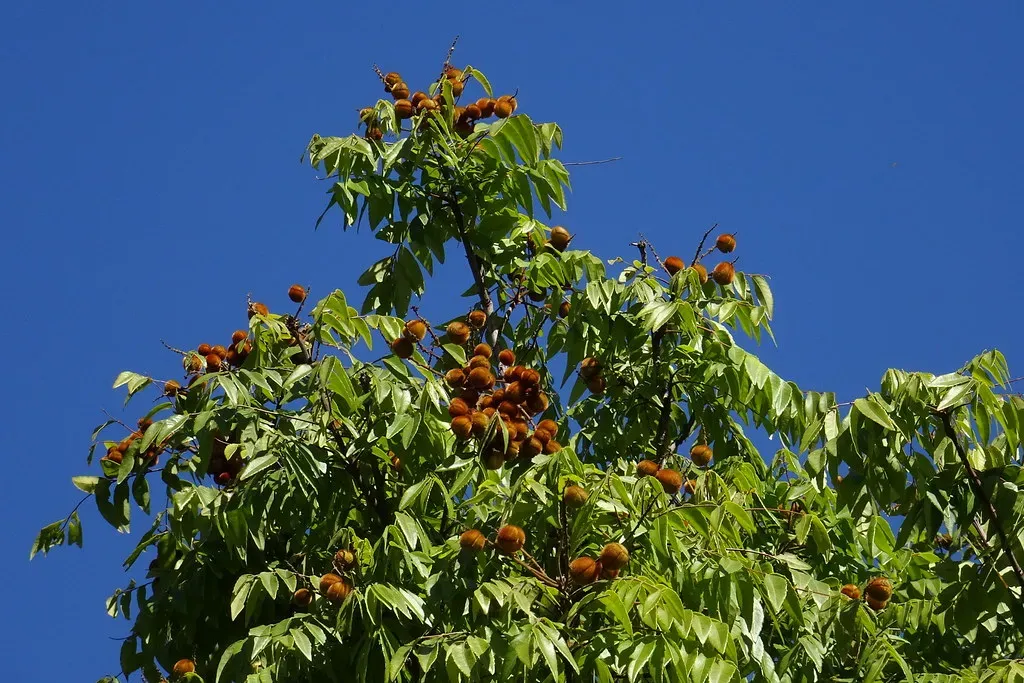
If you only do one thing on this list, make it this. Native trees and shrubs are the backbone of any bird-friendly yard because they offer what birds have relied on for thousands of years – familiar shelter, familiar food, and a sense of safety. Dogwood trees produce berries that bluebirds and cardinals genuinely can’t resist. Native oaks support hundreds of caterpillar species, which is exactly what songbirds feed their nestlings in spring.
The real magic happens when you layer your plantings – tall canopy trees, mid-height shrubs, and low ground cover – because different bird species feed and nest at different heights. A yard with that kind of structure doesn’t just attract one or two familiar species. It becomes a functioning habitat. You’ll start noticing birds you’ve never seen in your neighborhood before, and they’ll keep coming back.
Fast Facts
- Native oaks can support 550+ species of caterpillars – a non-native ginkgo supports just five.
- 96% of terrestrial birds in North America feed insects to their young, and most of those insects only thrive on native plants.
- Native cherries, willows, and maples also rank among the top insect-producing trees for nesting birds.
- A native variety of a tree can support up to 35 times more caterpillars than a non-native variety of the same species.
- Avoid pruning trees and shrubs during nesting season: early March through late July.
13. Provide a Reliable Water Source
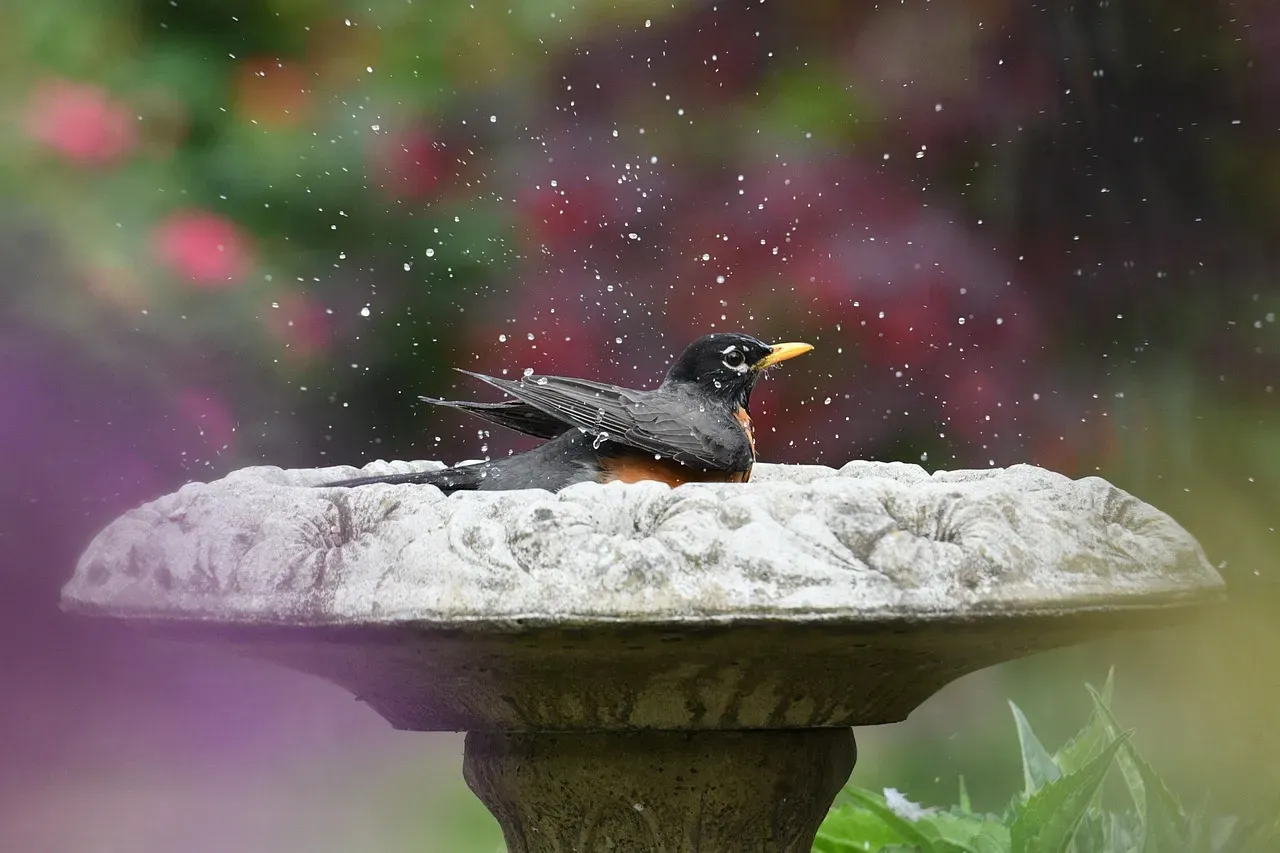
Water might be the single most underrated thing you can add to a yard. During summer heat waves, birds will travel surprisingly long distances just to find a clean drink. A basic birdbath works, but the real draw is movement – a simple drip attachment or small solar fountain turns a quiet bath into something birds notice from the air. The sound alone pulls them in.
One critical habit: clean the birdbath every few days. Stagnant water grows algae and can spread avian diseases, which means the feature you added to help birds can quietly harm them. Position the bath near shrubs or low branches so birds have an escape route close by – that sense of safety makes them far more likely to linger, bathe, and return tomorrow.
12. Install Multiple Bird Feeders
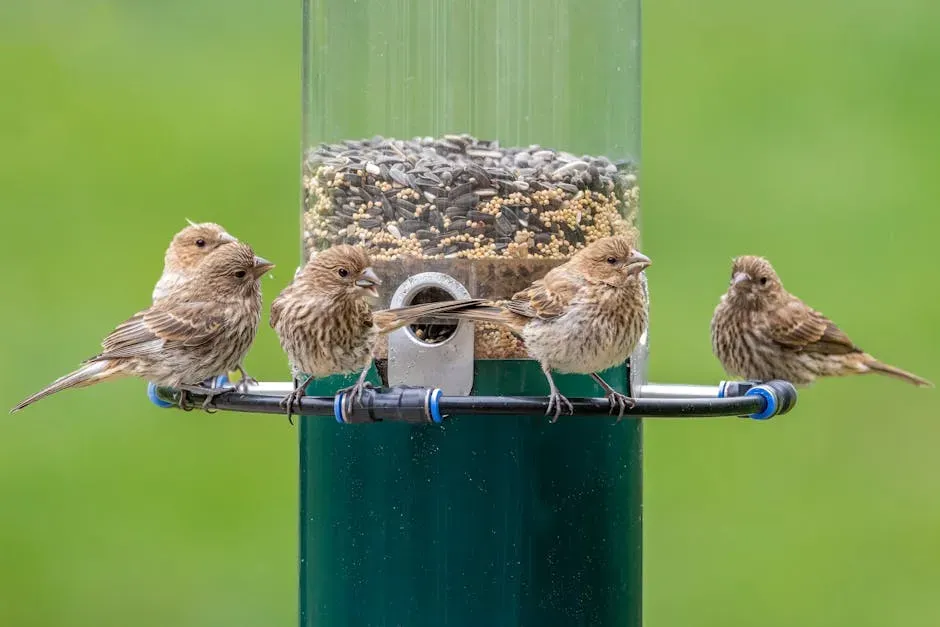
A single feeder hung from a shepherd’s hook will attract a few brave visitors. A thoughtful arrangement of multiple feeder styles? That’s when your yard starts to feel like a genuine destination. Tube feeders with small ports are built for finches. Platform feeders suit ground-feeding birds like juncos and mourning doves. Hanging feeders with larger perches work beautifully for chickadees and nuthatches.
Spread them out rather than clustering them together. When feeders are too close, dominant species bully smaller birds away, and you lose the variety. Placing feeders at different heights and different corners of the yard mimics how birds naturally forage – and it means more species can feed at the same time without conflict. More feeders, more peace, more birds.
Quick Compare
- Tube feeder (small ports) – Best for goldfinches, siskins, and house finches
- Platform feeder – Ideal for juncos, sparrows, and mourning doves
- Suet cage – Top choice for woodpeckers, nuthatches, and chickadees
- Nyjer sock or tube – Pulls in American goldfinches in impressive numbers
- Oriole feeder (nectar + fruit) – Attracts Baltimore and Bullock’s orioles in season
11. Offer a Variety of Bird Foods
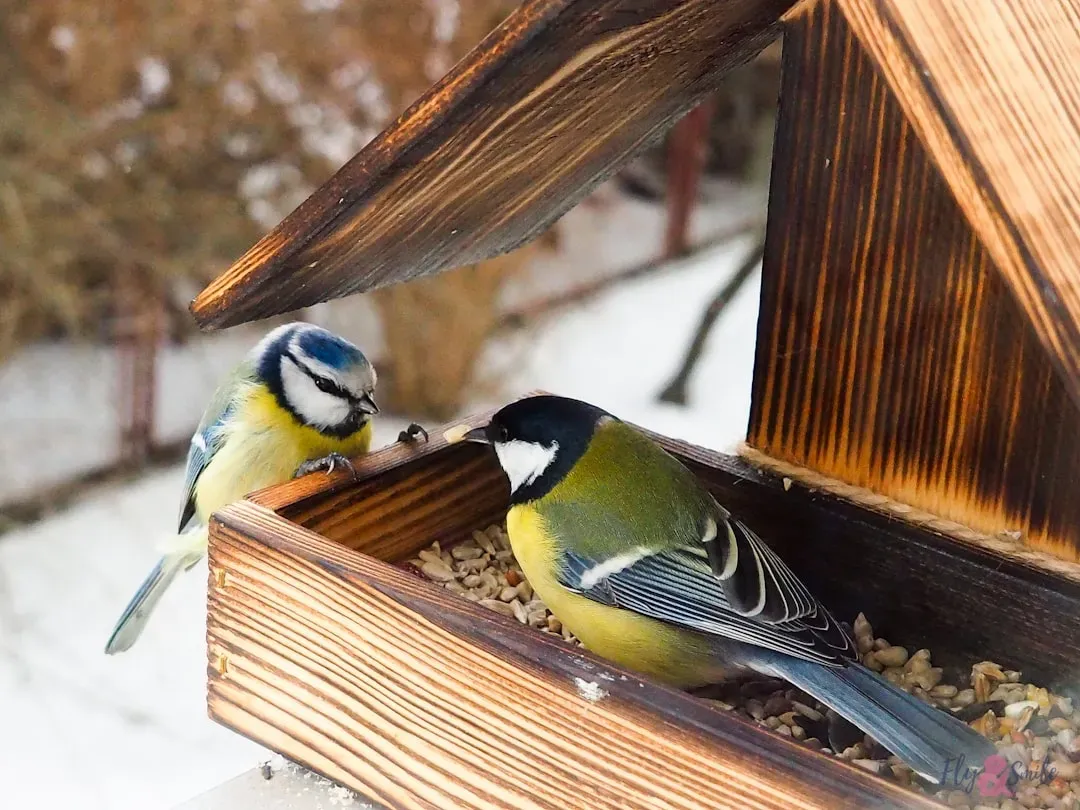
Black oil sunflower seeds are the closest thing to a universal bird food – the shells are thin enough for small beaks, and the fat content is high enough to matter. But if you stop there, you’re leaving a lot of species off the guest list. Nyjer seeds bring American goldfinches in droves. Suet cakes in a wire cage will have woodpeckers and nuthatches showing up before you’ve finished hanging it.
One thing worth knowing: those cheap mixed seed bags often contain milo and red millet as filler. Most birds toss those seeds onto the ground, where they rot, attract rodents, and create a mess under your feeders. Spend slightly more on quality seed blends or buy individual seeds separately, and you’ll get more birds visiting, less waste, and far fewer problems on the ground below.
10. Create Shelter with Dense Plantings
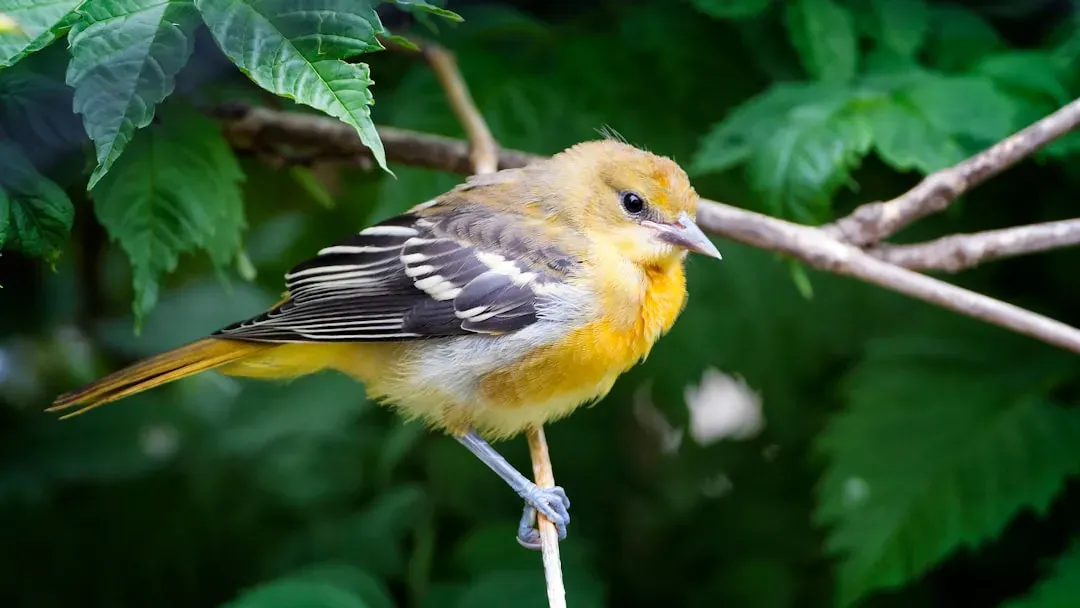
Birds don’t just need food – they need to feel safe while they eat it. Open, manicured yards with no cover make birds nervous, and nervous birds don’t stay long. Dense shrubs like hollies, viburnums, and native hawthorns give birds somewhere to dart when they sense a threat. That few seconds of cover is the difference between a bird that visits once and one that treats your yard as home base.
Evergreens are especially valuable because they provide that same cover in February when every deciduous plant in the yard is bare. A mix of broadleaf evergreens and deciduous shrubs creates layered shelter across every season. Birds – especially sparrows, thrushes, and wrens – will roost in those dense evergreen branches on cold winter nights, sometimes in small groups, staying warm together until morning.
9. Leave Dead Trees and Branches

This is the one that trips people up, because everything in us wants a neat yard. But a standing dead tree – what birders call a snag – is some of the most valuable real estate in the entire backyard ecosystem. Woodpeckers excavate cavities in soft, decaying wood. Once they move on, those holes become ready-made homes for bluebirds, chickadees, titmice, and small owls. A single dead tree can house multiple nesting families in a single season.
If a full snag isn’t safe or practical, even leaving a few dead branches on a living tree makes a difference. Birds use bare branches as hunting perches – you’ll often see a kingfisher or a flycatcher sitting stock-still on a dead limb, watching the yard below. It looks untidy to some people. To the birds, it looks like home. Once you start watching what happens around that dead wood, you’ll stop seeing it as an eyesore.
Worth Knowing
- Dead trees (snags) provide nesting cavities for bluebirds, chickadees, titmice, great crested flycatchers, screech owls, and nuthatches.
- Woodpeckers create the original holes; dozens of other species move in once woodpeckers vacate.
- Even a single dead limb on a live tree serves as a hunting perch for flycatchers, kestrels, and kingfishers.
- If safety is a concern, a certified arborist can assess which snags can stay standing without risk.
8. Provide Nesting Boxes
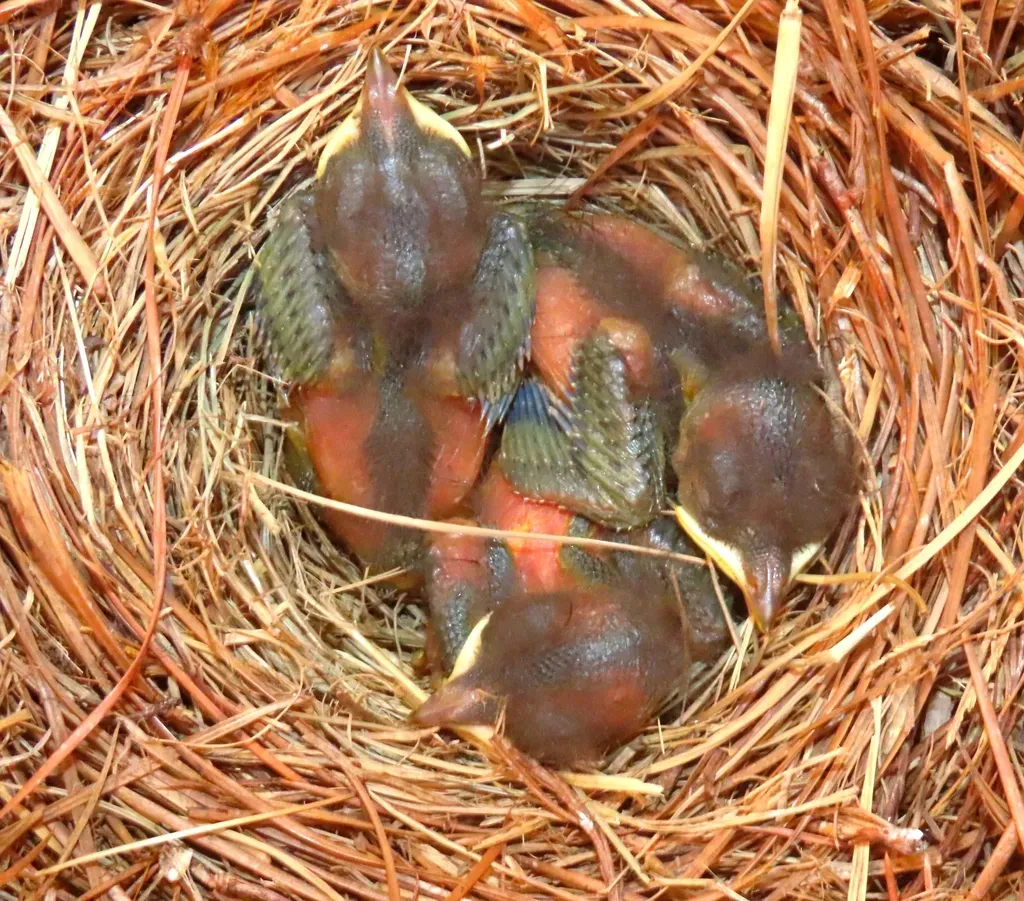
Many cavity-nesting birds – bluebirds especially – have lost nesting habitat as old-growth trees and wooden fence posts disappear from the landscape. A well-placed nest box is a direct, practical answer to that problem. The entrance hole size is everything: a 1.5-inch hole suits bluebirds and tree swallows, while a slightly larger opening works for house wrens and chickadees. Get the dimensions wrong and you either exclude the birds you want or invite the ones you don’t, like starlings.
Mount boxes on a pole rather than a tree when possible – it makes predator guards easier to install and keeps the box more isolated from climbing mammals. Face the entrance away from prevailing winds and direct afternoon sun. Clean out old nesting material at the end of each season so the box is fresh and ready come spring. Birds that successfully raised a brood in a box will frequently return to the same box the following year.
At a Glance: Nest Box Basics
- Eastern & Western Bluebird: 1.5″ entrance hole; pole-mount 5–6.5 ft off the ground
- Mountain Bluebird: 1 9/16″ entrance hole
- Chickadee / House Wren: 1.125″ hole discourages larger competing species
- Predator guard: A metal stovepipe baffle on the pole is the most effective deterrent against raccoons and snakes
- No perch needed – perches actually help house sparrows and starlings gain entry
- Clean out annually after each breeding season to reduce parasites and invite return nesters
7. Offer Natural Nesting Materials
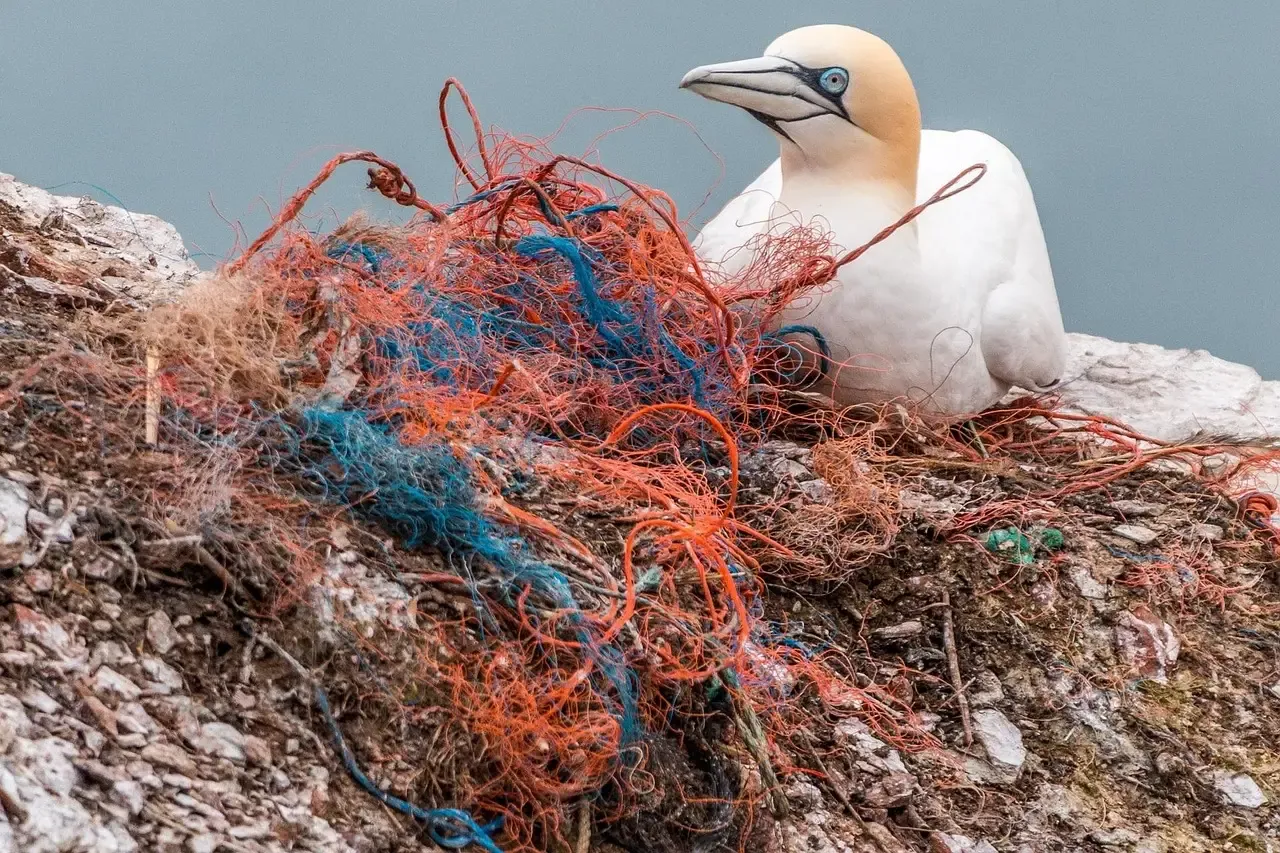
Breeding season turns your yard into a construction zone, and birds are working hard to gather everything they need. You can make their lives significantly easier by leaving out natural nesting materials in a small mesh basket or open container: short lengths of dry grass, small twigs, dried leaves, and clean animal fur if you have pets that shed. Robins are especially enthusiastic about mud and plant fiber. Orioles weave long plant fibers into their hanging nests with impressive precision.
What to avoid: dryer lint looks like a great option but it falls apart when wet and can trap nestlings. Synthetic string or yarn can tangle around legs and feet, sometimes fatally. Stick with natural, biodegradable materials and keep the pieces short – under four inches – so there’s no risk of entanglement. The birds will sort through what you offer and take exactly what they need.
6. Maintain a Pesticide-Free Yard
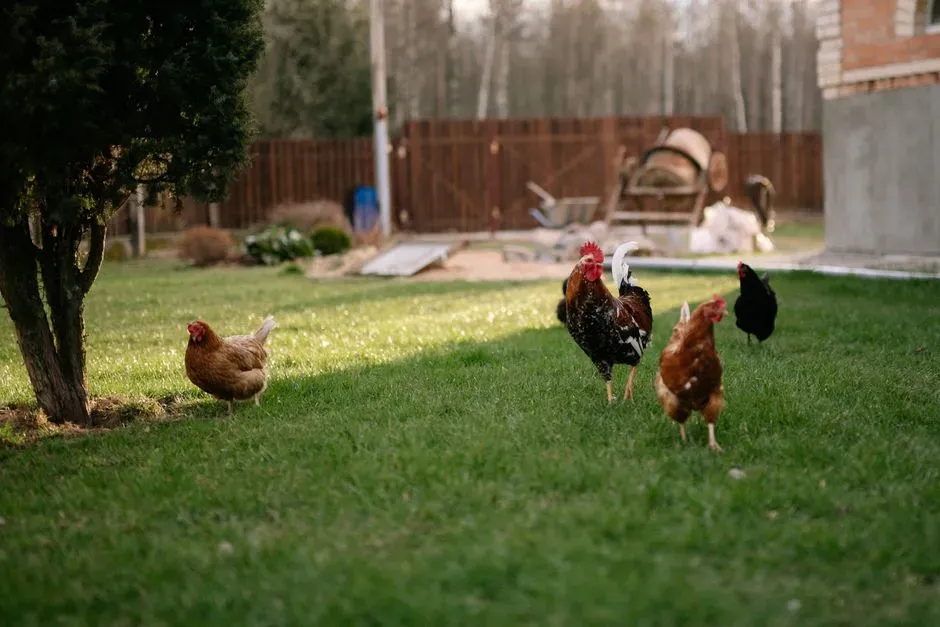
Here’s something that often surprises people: even insectivorous birds aren’t primarily eating the bugs you can see. They’re hunting the caterpillars, beetles, and soft larvae living in your soil, in your leaf litter, and inside the bark of your trees. A single clutch of nestling chickadees requires somewhere between 6,000 and 9,000 caterpillars to fledge. When pesticides knock out the insect population, the birds quietly disappear – not dramatically, just gradually, season by season.
Going pesticide-free doesn’t mean accepting a garden eaten down to the stems. It means tolerating some leaf damage, welcoming natural predators like ladybugs and spiders, and understanding that a yard with insects is a yard with birds. The trade is absolutely worth it. Within a season or two of stopping pesticide use, the insect diversity returns – and so does the bird activity that follows it.
5. Plant a Wildflower Meadow
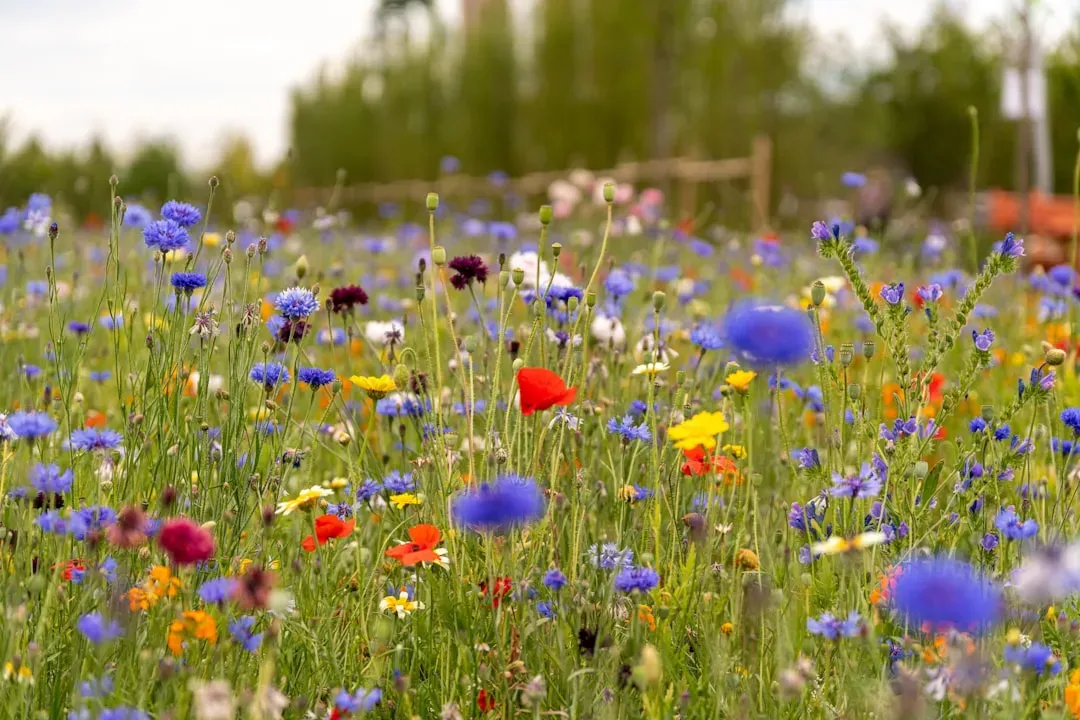
Converting even a small section of lawn into native wildflowers is one of the highest-impact changes you can make for birds – and one of the lowest-maintenance once it’s established. Native wildflowers like coneflowers, black-eyed Susans, and native sunflowers produce seed heads that goldfinches, sparrows, and chickadees feed from directly through fall and winter. You don’t even need to cut them back in autumn – leave the seed heads standing and let the birds harvest them naturally.
The insect benefit is just as significant. Native wildflowers support specialist native bees and moths, whose larvae become bird food. A wildflower patch that buzzes with pollinators in summer becomes a foraging hotspot for warblers and vireos hunting insects in the foliage. It looks beautiful, it requires less water than turf grass, and it works for birds in ways that a mowed lawn simply never can.
4. Install a Drip or Misting System
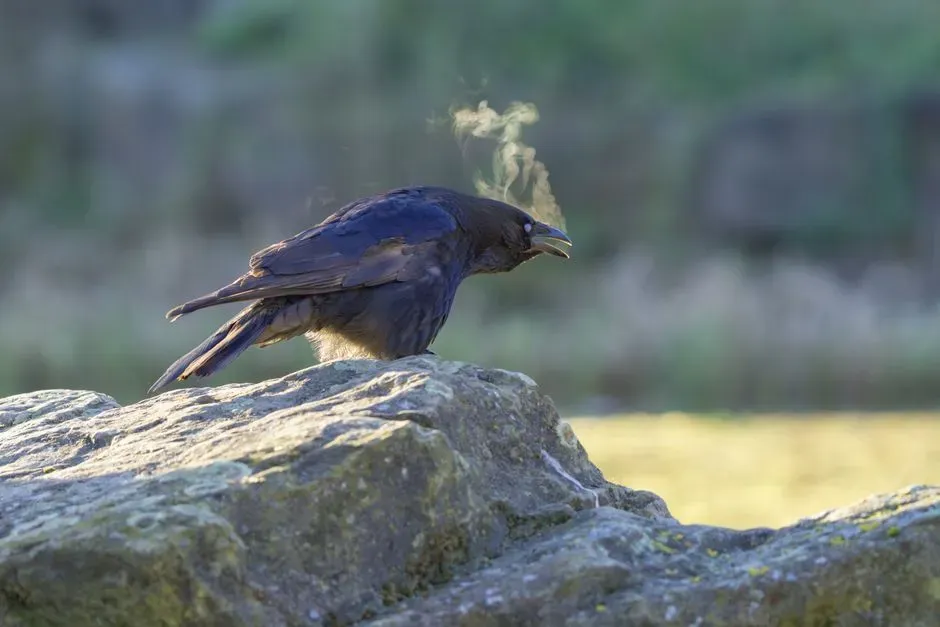
Still water is good. Moving water is extraordinary. The soft sound of dripping water carries through a yard in ways that catch a bird’s attention from surprising distances. Warblers – birds that often pass through without stopping – will detour toward the sound of a misting system. Thrushes, tanagers, and orioles that rarely visit seed feeders will show up at a misting setup with remarkable regularity during spring and fall migration.
Solar-powered dripper and mister attachments are inexpensive, easy to set up, and require no electrical wiring. Attach one to the rim of your existing birdbath and it immediately becomes a more dynamic feature. Some birders report that a mister alone, placed near dense shrubs during migration season, attracts more new species in a single week than months of seed feeding. If you want to see birds you’ve never seen in your yard before, this is one of the fastest ways to do it.
Why It Stands Out
- Moving water is audible from much farther away than a still bath – it pulls in migrants that would otherwise pass over.
- Warblers, tanagers, and orioles – species that rarely approach seed feeders – respond strongly to misters.
- Solar-powered drippers typically cost $15–$40 and need no wiring or plumbing changes.
- A mister near dense shrubs creates a bathing microhabitat that mimics natural forest seeps.
3. Keep Cats Indoors
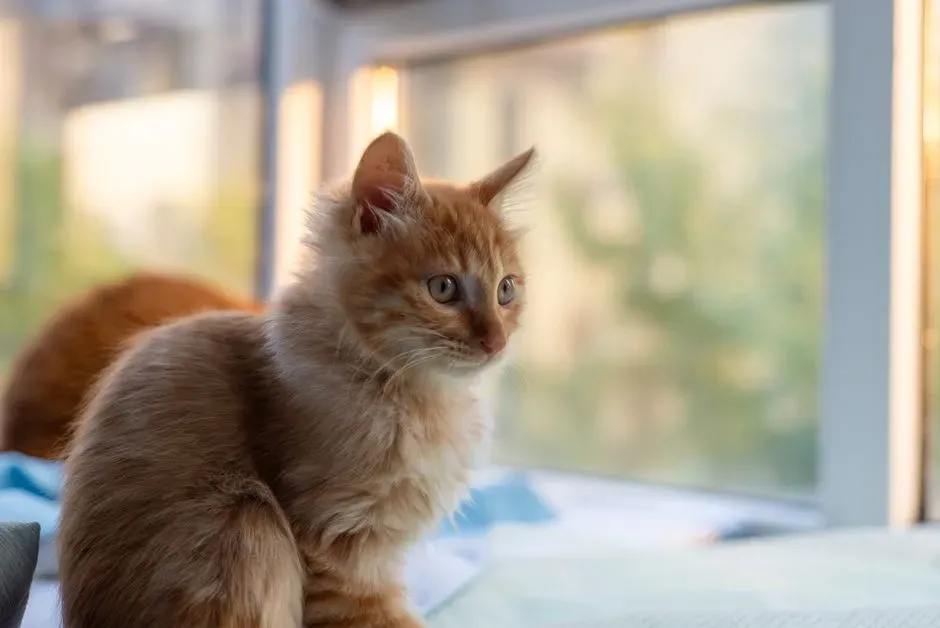
This one is uncomfortable to say but too important to skip. Domestic and feral cats are the leading human-linked cause of bird mortality in North America – peer-reviewed research published in Nature Communications estimates free-ranging cats kill between 1.3 and 4 billion birds per year in the United States, with unowned cats responsible for roughly two-thirds of those deaths. A well-fed house cat that goes outside still hunts, not because it’s hungry, but because the instinct runs deep. Birds at low feeders, birds bathing in ground-level baths, fledglings that haven’t yet learned to fly well – they’re all vulnerable in ways that are genuinely difficult to mitigate while cats have outdoor access.
Keeping cats indoors protects your birds, but it also protects your cats – from traffic, disease, and the kinds of wildlife encounters that don’t end well for the cat. If full indoor life isn’t realistic, a “catio” enclosure or supervised outdoor time on a leash can give cats stimulation without the predatory access. Bells on collars have limited effectiveness; research confirms they don’t account for a cat’s ability to move slowly and pounce without warning. The hard truth is that no feeder setup, no native planting, and no nesting box program works as well as it should while an unmonitored cat is hunting the same yard.
2. Reduce Window Collisions
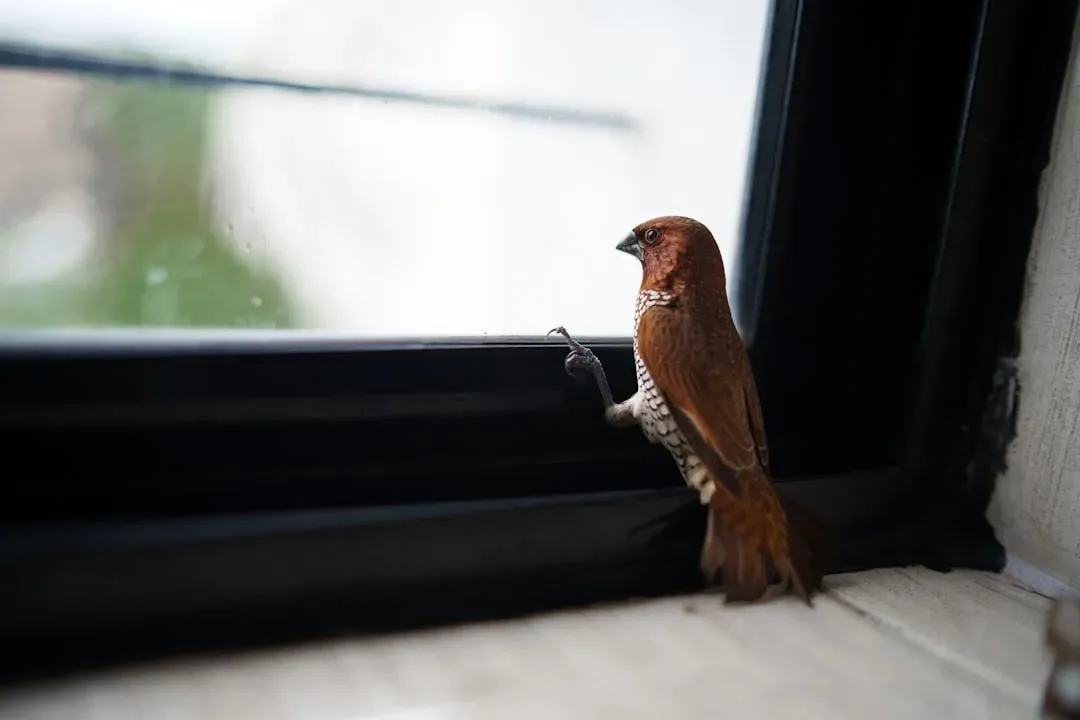
Research now suggests that window strikes kill well over one billion birds in the United States every year – and a 2024 study found that roughly 60% of birds who survive the initial impact still die later from brain injuries. It’s one of those statistics that seems impossible until you’ve heard the dull thud against your own glass and found a stunned or dead bird on your deck. The problem is reflections – birds see the sky and trees mirrored in the glass and fly straight toward what looks like open space. Large picture windows and glass doors are the most dangerous, but any reflective surface is a risk.
The fix doesn’t have to be ugly. Window decals spaced about 2 inches apart across the glass surface break up the reflection enough to signal an obstacle. Exterior screens, window films with UV patterns visible to birds but nearly transparent to human eyes, and simply moving feeders either within 3 feet of windows or more than 30 feet away both significantly reduce strike frequency. Placing a feeder very close to a window sounds counterintuitive, but at that range birds don’t have the flight speed to cause fatal impact. Distance or interruption – either approach works.
1. Go Layered and Think Year-Round
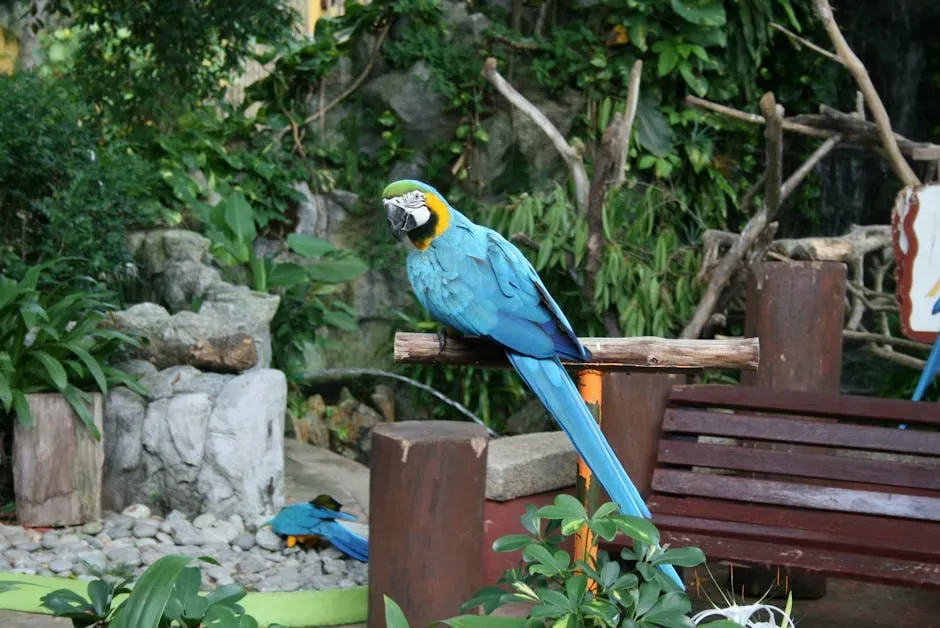
The yards that become true bird paradises aren’t the ones with the most expensive equipment. They’re the ones that offer something in every season – berries in winter, insects in spring, nesting cover in summer, seed heads in fall. That kind of year-round thinking is what transforms a yard from a place birds pass through into a place they return to, season after season, because they know it will provide what they need.
Layering is the physical expression of that philosophy. Low ground cover for sparrows and thrushes. Mid-height shrubs for nesting warblers and catbirds. Tall canopy trees for orioles and tanagers. Water in the center. Feeders at the edges. Dead wood left standing. Chemicals left on the shelf. You don’t have to do everything at once – start with two or three changes this season, add more next year, and pay attention to what shows up. The birds will tell you what’s working. And once the yard finds its rhythm, the mornings out there become genuinely hard to walk away from.
A bird-friendly yard isn’t just a gift to the birds – it’s a gift to yourself. In a world that moves faster every year, there’s something quietly radical about creating a space where wild creatures choose to live alongside you. Start somewhere. Start anywhere. The cardinals will find you.

- 7 Hidden Signs Your Dog Is Secretly Unhappy (And How to Fix It) - August 15, 2026
- 12 Amazing Facts About Beavers That Show How They Transform Entire Ecosystems - August 15, 2026
- 12 Everyday Things in Your Home That Rabbits See as Life-Threatening - August 15, 2026