
Everyone assumes the Labrador and the Golden Retriever have basically always ruled the American living room. They haven’t. Buried in old registration ledgers and forgotten breed clubs is a completely different story – one where dozens of dogs that once slept by American fireplaces, hauled American sleds, and worked American farms simply stopped existing.
Some vanished because a war overseas wiped out their breeders. Others lost their job to a machine and never found a new one. A few just got out-marketed by flashier dogs with better publicity. What follows isn’t a nostalgia trip – it’s a list of genuinely strange, genuinely capable dogs America let slip away, and a few of these stories will make you a little angry on their behalf.
#18 – St. John’s Water Dog
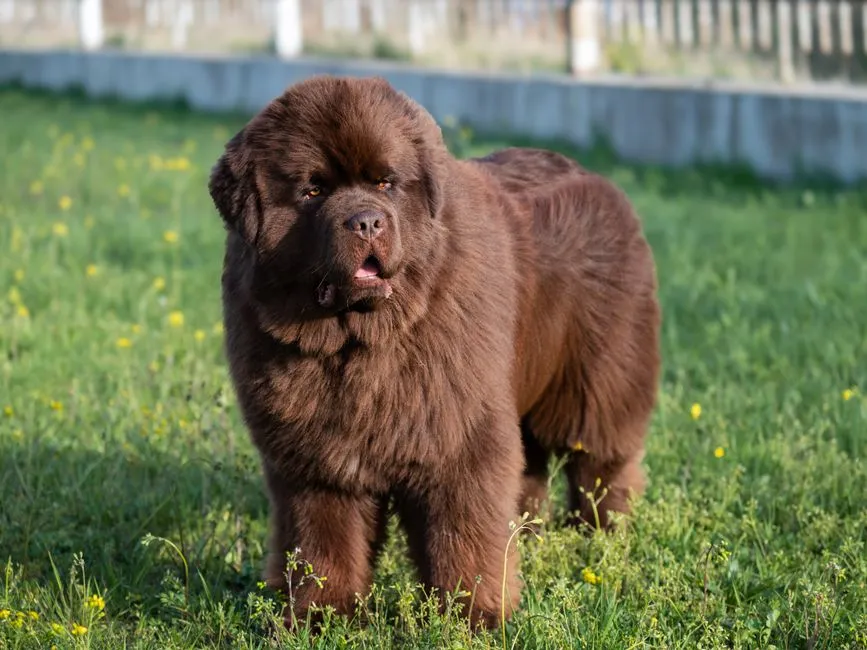
Most people have never heard of the dog that literally built the Labrador Retriever. This rugged Canadian import arrived with Newfoundland fishing crews and quickly became a versatile water worker prized by American sportsmen in the 1800s. It possessed an almost supernatural ability to dive and retrieve in icy water for hours without tiring.
Crossbreeding with other dogs slowly diluted the pure line until there was nothing left to protect. By the early 20th century, pure examples were essentially gone, and today its only legacy is scattered through the genes of every Lab, Golden, and Chessie that fetches a ball at the lake. The dog that made modern retrievers possible never got to see what it started.
Quick Compare
- Labrador Retriever – inherited the dense, water-repellent double coat
- Golden Retriever – inherited the soft mouth and gentle retrieving drive
- Chesapeake Bay Retriever – inherited the raw stamina for freezing water
#17 – Salish Wool Dog
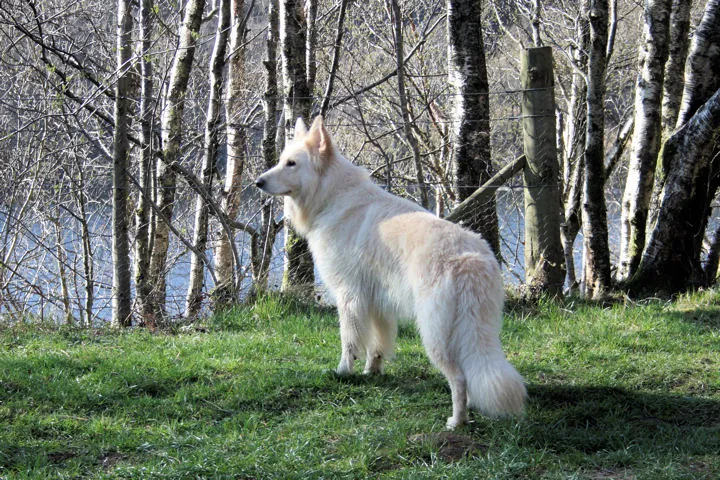
Indigenous Coast Salish communities in the Pacific Northwest once kept entire villages of these white, long-haired dogs for one purpose: wool. They were sheared like sheep, and their thick undercoat was spun into blankets that kept families alive through brutal winters. This wasn’t a hobby breed – it was a textile mill on four legs.
European settlement brought cheap trade blankets and mass-produced textiles, and almost overnight the Wool Dog’s entire reason for existing evaporated. By the late 1800s, the breed had vanished completely from American soil, taking with it a genetic line found nowhere else on Earth.
#16 – Hawaiian Poi Dog
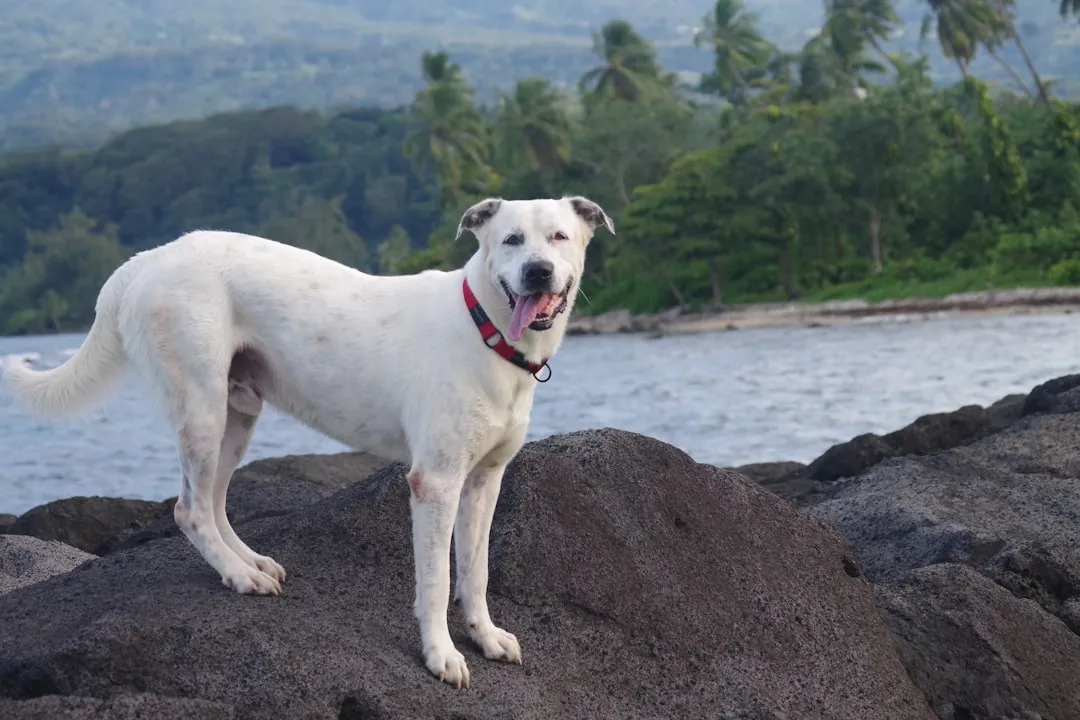
Native Hawaiians raised these small, sturdy dogs as spiritual guardians and, in leaner times, as food, feeding them a vegetarian diet built around poi that gave the breed its name and kept them docile enough to live inside the home. They weren’t pets in the modern sense – they were part of the household’s spiritual and physical survival.
European contact brought larger Western dogs that outcompeted and interbred with the Poi Dog until the pure strain simply stopped existing. No genuine specimens have been documented since the early 1900s, making it one of the few American dog breeds to go fully, irreversibly extinct rather than just fade in popularity.
#15 – Turnspit Dog
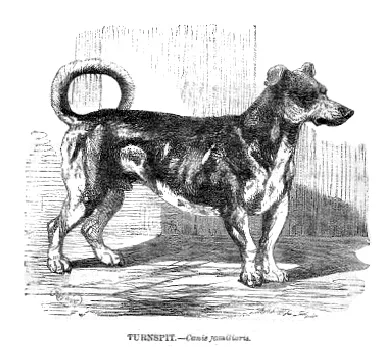
Victorian-era kitchens across America and Europe relied on these short-legged, barrel-chested little dogs to run inside a wheel that turned the roasting spit over the fire. They weren’t companions – they were living kitchen appliances, bred specifically for endurance instead of affection, and most people who ate a proper Sunday roast never even saw the dog doing the work.
Once mechanical spits and gas stoves arrived, the Turnspit’s entire job disappeared in a single generation. Nobody thought to rescue a breed built for obsolescence, and it was fully extinct by the early 1900s – a dog erased by its own convenience.
#14 – English White Terrier
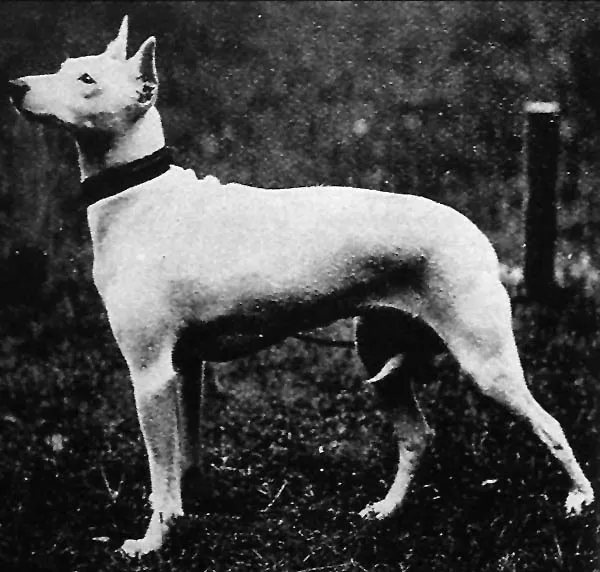
This flashy, pure-white terrier was a favorite in American cities during the late 1800s, prized both for its striking looks and its no-nonsense rat-catching skills. It was the kind of dog that turned heads on a city block while quietly earning its keep in the alleys behind it.
Breeders got greedy, though, crossing it heavily into other terriers to help create the Bull Terrier, and the original white strain simply stopped being bred on its own. Today its bloodline survives only as an echo, inside the modern Bull Terrier’s white coat variety.
#13 – Tweed Water Spaniel
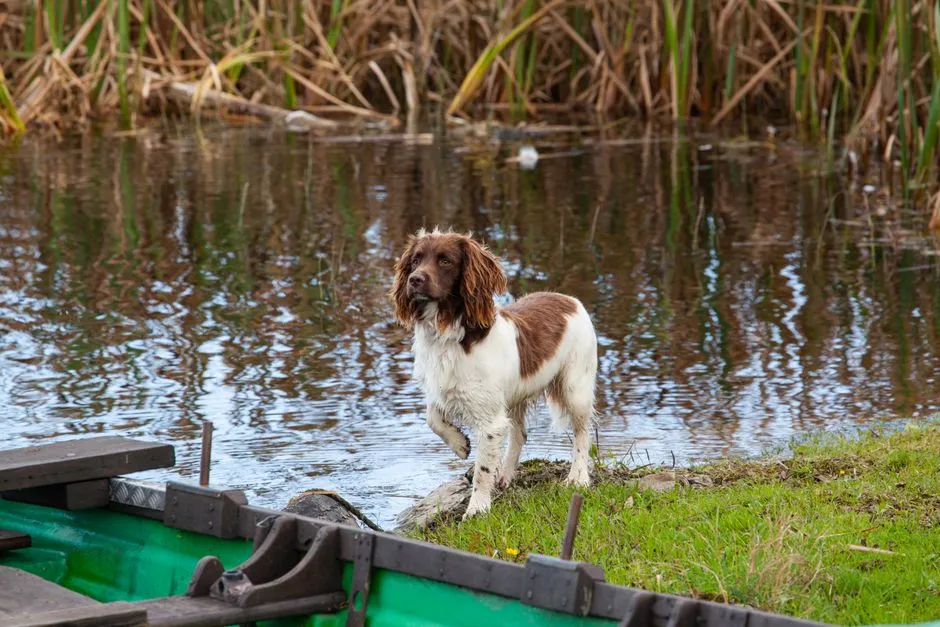
Scottish immigrants brought these curly-coated water dogs to American hunting grounds in the 19th century, where they excelled at retrieving waterfowl across the Great Lakes region long before bigger, flashier retrievers took over. For a while, they were the dog every serious duck hunter wanted in the boat.
Larger, more marketable retriever breeds eventually crowded them out of both fields and breeding programs, and the entire line faded from official records by the 1930s. There’s no coming back from that kind of silence – the Tweed Water Spaniel simply stopped being written down.
#12 – Bullenbeisser
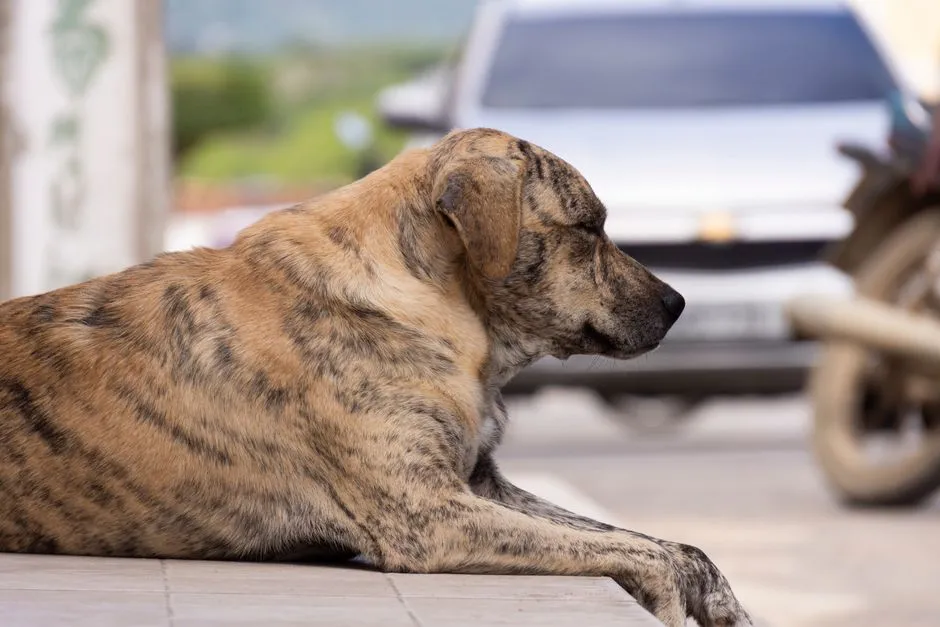
German immigrants relied on this powerful mastiff-type dog for farm work and protection across the Midwest, where its raw strength made it invaluable on tough rural properties. It wasn’t glamorous – it was a working dog built for a hard job, and it did that job well for generations.
It’s also a direct ancestor of the Boxer, but selective breeding aimed at show rings gradually stripped away the original working strain until nothing pure was left. Pure Bullenbeissers haven’t existed in the U.S. for generations, leaving only a famous descendant to carry the name forward.
#11 – Alpine Spaniel
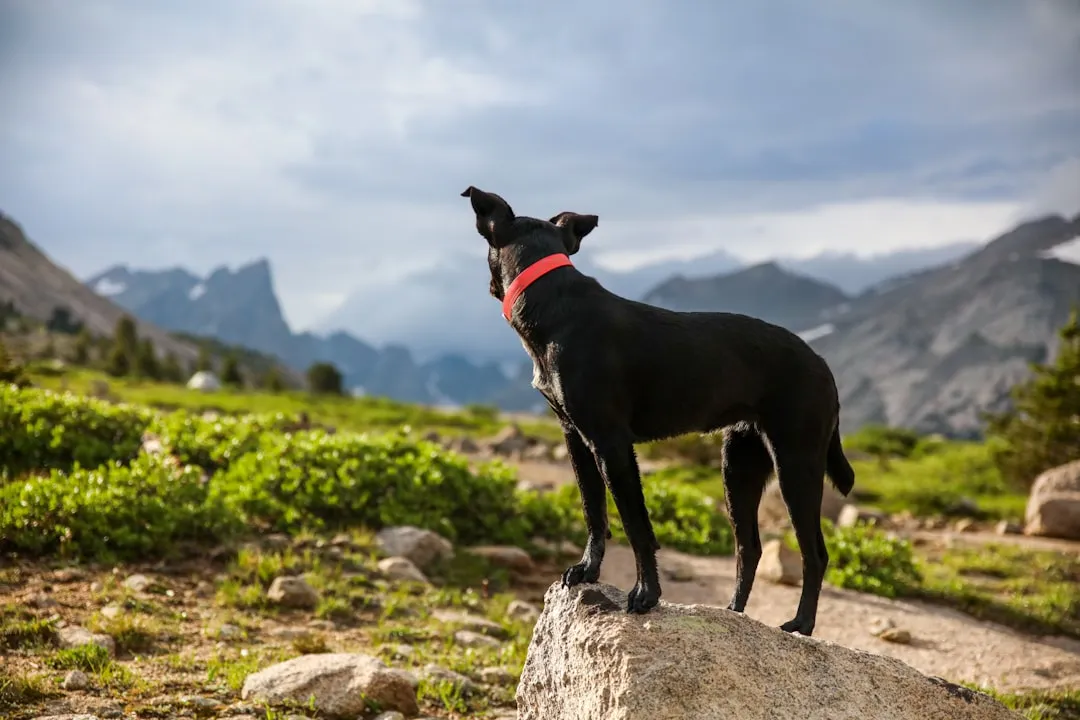
Early American mountain guides and settlers in the Rockies valued these large, sure-footed dogs for genuine rescue work, sending them out into conditions that would stop most other breeds cold. They were close relatives of the St. Bernard, built for the same brutal terrain and the same life-or-death stakes.
Unlike their famous cousin, though, they never caught on with the public, and the breed quietly died out in the early 20th century without ever getting the recognition its work deserved. It’s one of the more frustrating disappearances on this list, simply because nobody was watching closely enough to notice it happening.
#10 – Kurī
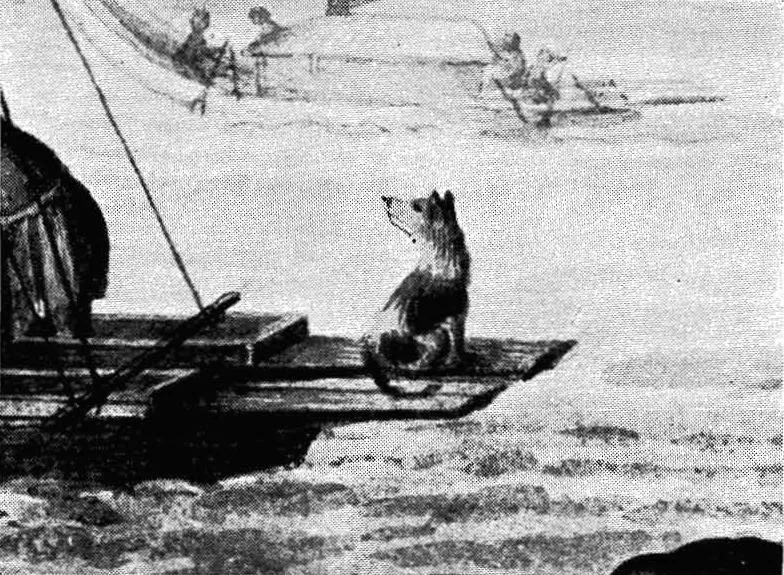
Polynesian settlers brought these dogs to Hawaii, where they became woven into daily life for centuries as hunters, companions, and, at times, a source of food during hard seasons. For generations, they were simply part of the fabric of island life, with no written standard needed because everyone already knew what they were.
European dogs arrived and replaced them almost immediately after contact, interbreeding until the original type disappeared entirely. No pure Kurī remain anywhere today, making it one of the cleanest extinctions on this entire list.
#9 – American Water Spaniel
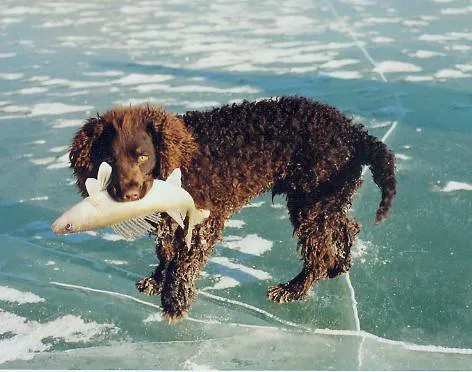
Developed in the Great Lakes states, this compact, curly-coated dog was once the go-to retriever for duck hunters who needed something small enough to fit comfortably in a rowboat but tough enough to handle icy water all day. It was practical, versatile, and genuinely American in a way few breeds can claim.
Larger retriever breeds and a general decline in waterfowl hunting slowly pushed it into obscurity, and today fewer than 3,000 puppies are registered annually. That’s a shockingly small number for a dog with a genuine, documented American working history – and a real warning sign for how close it is to disappearing entirely.
Fast Facts
- Official state dog of Wisconsin since 1985
- One of the few sporting breeds developed entirely in the United States
- Sized to work comfortably from a small rowboat
- Fewer than 3,000 puppies registered nationwide each year
#8 – Otterhound
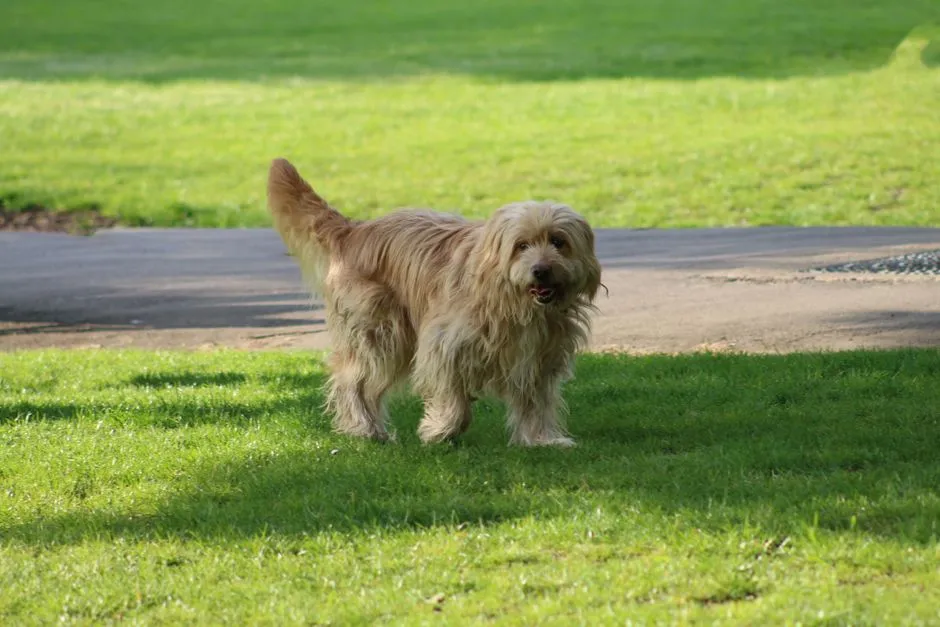
Webbed feet and a shaggy, waterproof coat made this English import perfect for American otter and beaver trappers throughout the 1800s, giving hunters a dog that could work rivers and streams for hours without slowing down. It was purpose-built for a job that no longer legally exists.
Otter hunting was eventually banned outright, and the breed never successfully transitioned into life as a household pet the way other sporting dogs managed to. Worldwide numbers are now lower than many officially endangered species, which makes the Otterhound one of the rarest dogs most Americans have never even heard of.
#7 – Dandie Dinmont Terrier
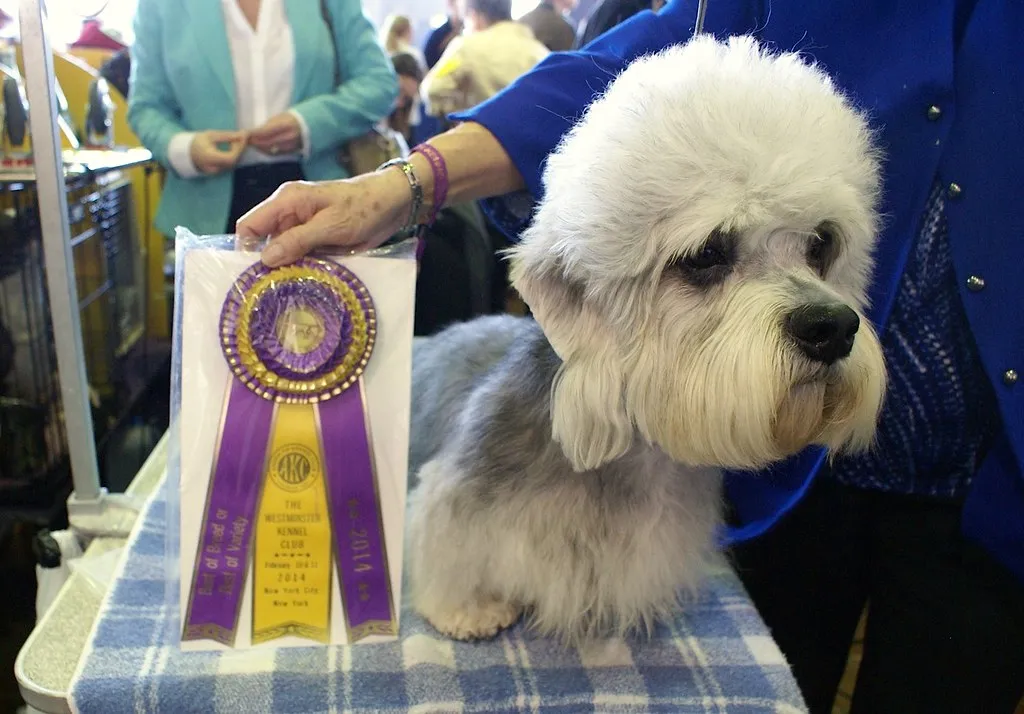
This low-slung, pepper-or-mustard-colored terrier charmed American families in the early 1900s with its distinctive topknot, soulful eyes, and famously loyal personality. It had genuine star quality for a small dog and a devoted following to match.
Then the world wars hit European breeding programs hard, and the disruption was severe enough that the breed never fully recovered stateside afterward. Only a handful of litters are born in North America each year now, making a Dandie Dinmont puppy something most breeders will never even see in their lifetime.
#6 – Plott Hound
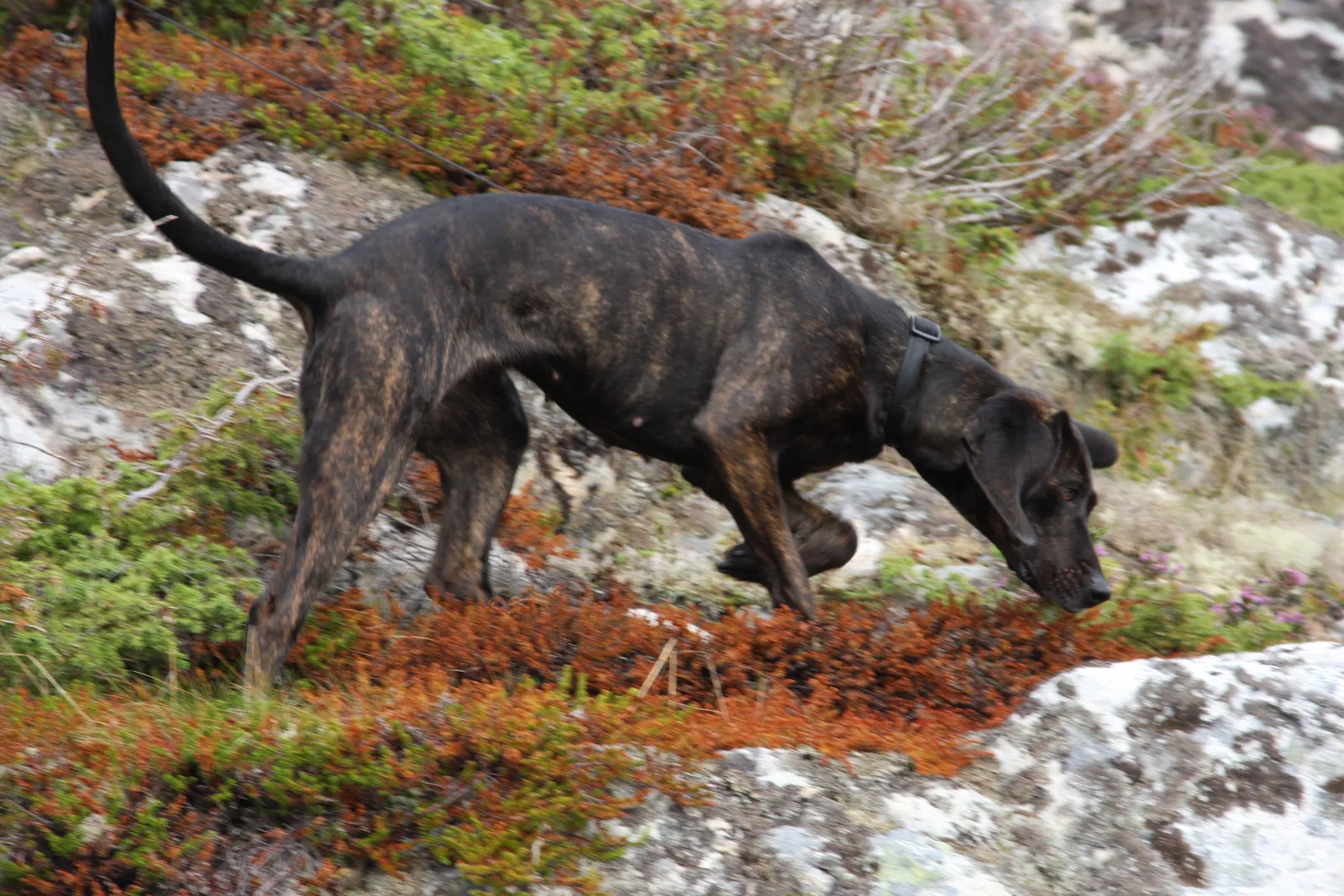
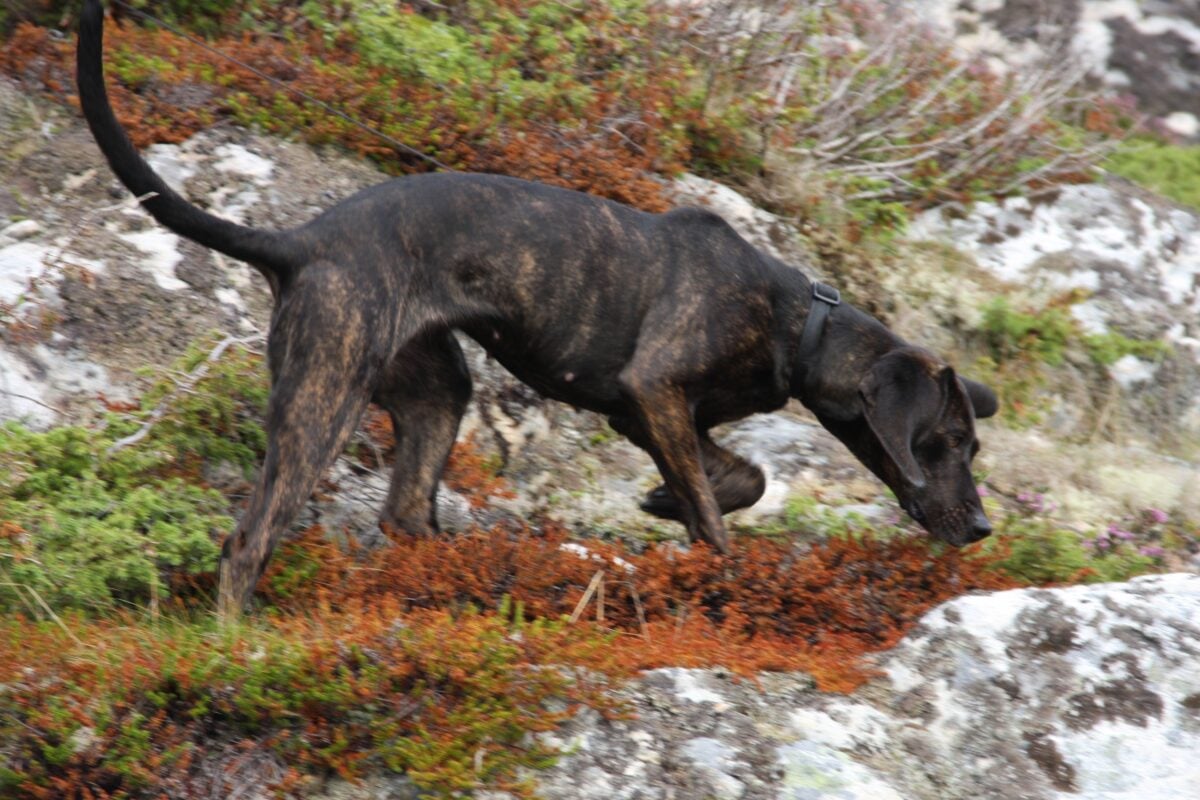
North Carolina’s official state dog was once a common, respected sight on Southern farms, prized for boar-hunting drive that few other breeds could match. Farmers who owned one didn’t just have a pet – they had a working partner they trusted with genuinely dangerous game.
Modern hunters increasingly prefer easier-to-train, more predictable breeds, which has left the Plott largely forgotten outside its home region despite its official status. AKC registrations remain among the lowest of any hound breed, a quiet indignity for a dog with a state title to its name.
Worth Knowing
- Named North Carolina’s official state dog in 1989
- Descended from German hounds brought over in the 1750s
- Bred specifically for the nerve to track wild boar
- Ranks among the least-registered hounds in the AKC today
#5 – American Foxhound
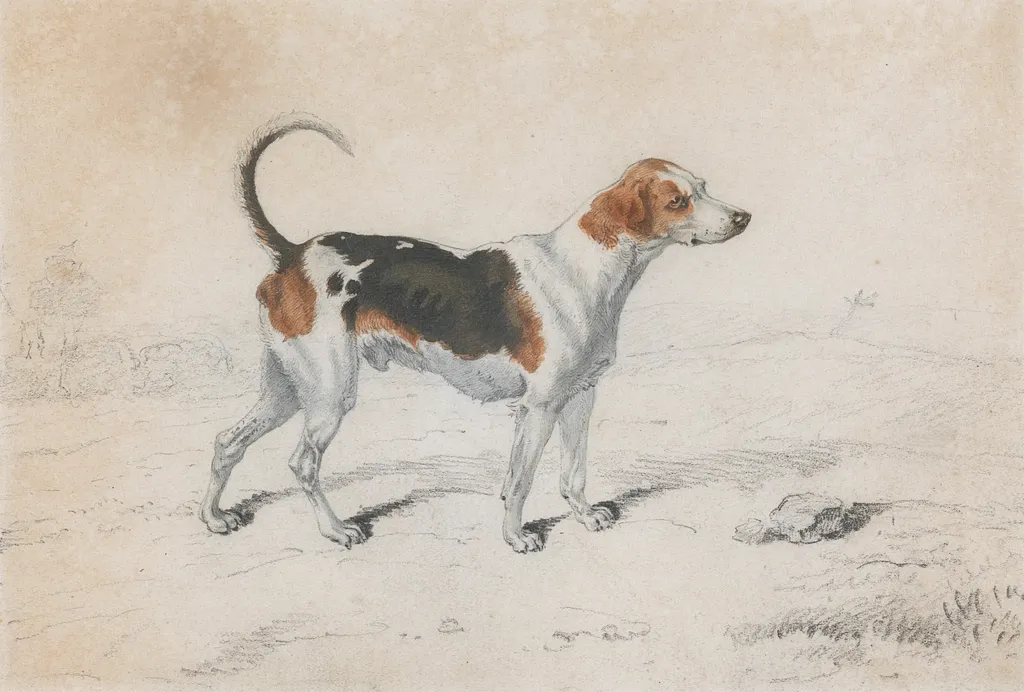
George Washington himself helped develop this rangy, musical-voiced hound for colonial fox hunts, making it one of the few American dog breeds with a direct founding-father origin story. That kind of history should have guaranteed its popularity for centuries.
Instead, it’s been thoroughly eclipsed by beagles and other pack hounds in the modern era, and most Americans today have never seen a pure working line in person. It’s technically still recognized – it’s just been politely ignored for the better part of a century.
#4 – Harrier
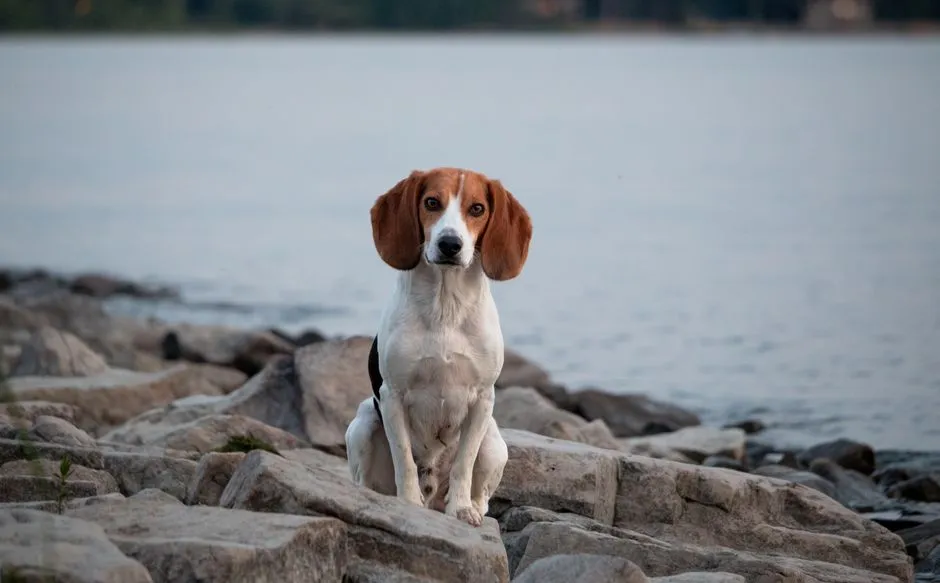
This medium-sized English hound was imported in real numbers during the 1800s specifically for hare hunting on American estates, filling a niche that neither smaller nor larger hounds could quite match. For a while, it had a genuine, specific job that only it could do well.
Smaller beagles and larger foxhounds eventually squeezed it out of both show rings and open fields, and it now ranks near the bottom of AKC popularity lists year after year. It’s the kind of breed that never did anything wrong – it just got crowded out by louder competition.
#3 – Chinook
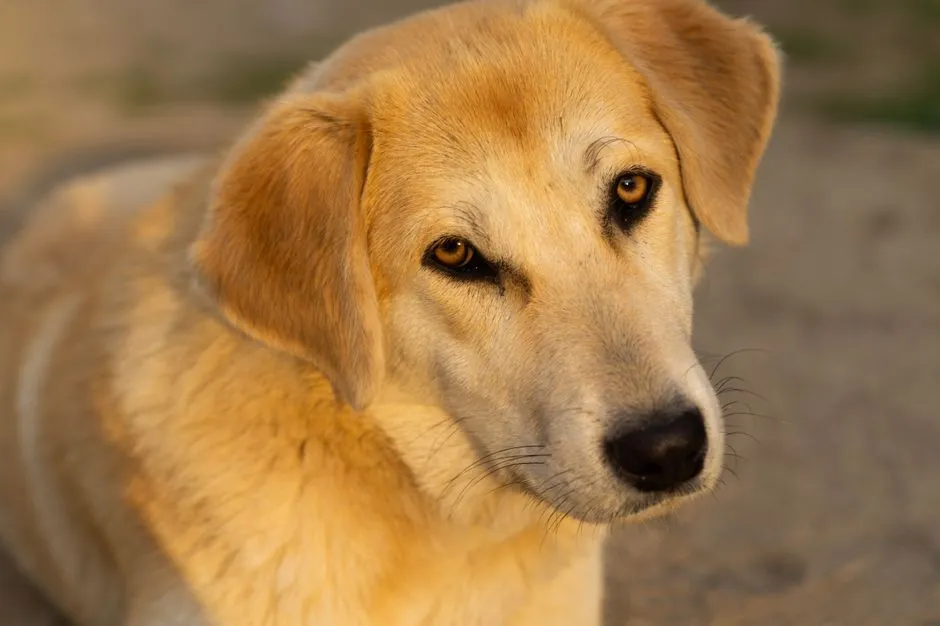
Developed in New Hampshire in the early 1900s as the ultimate sled dog, this tawny, powerfully built breed helped power actual Antarctic expeditions, proving its worth in some of the harshest conditions on the planet. That kind of resume should have made it a household name.
After its creator’s death, numbers plummeted so badly the breed nearly disappeared for good before a small group of dedicated fanciers stepped in to revive it. It remains one of America’s rarest native breeds, saved by stubborn loyalty rather than popularity.
#2 – Cesky Terrier
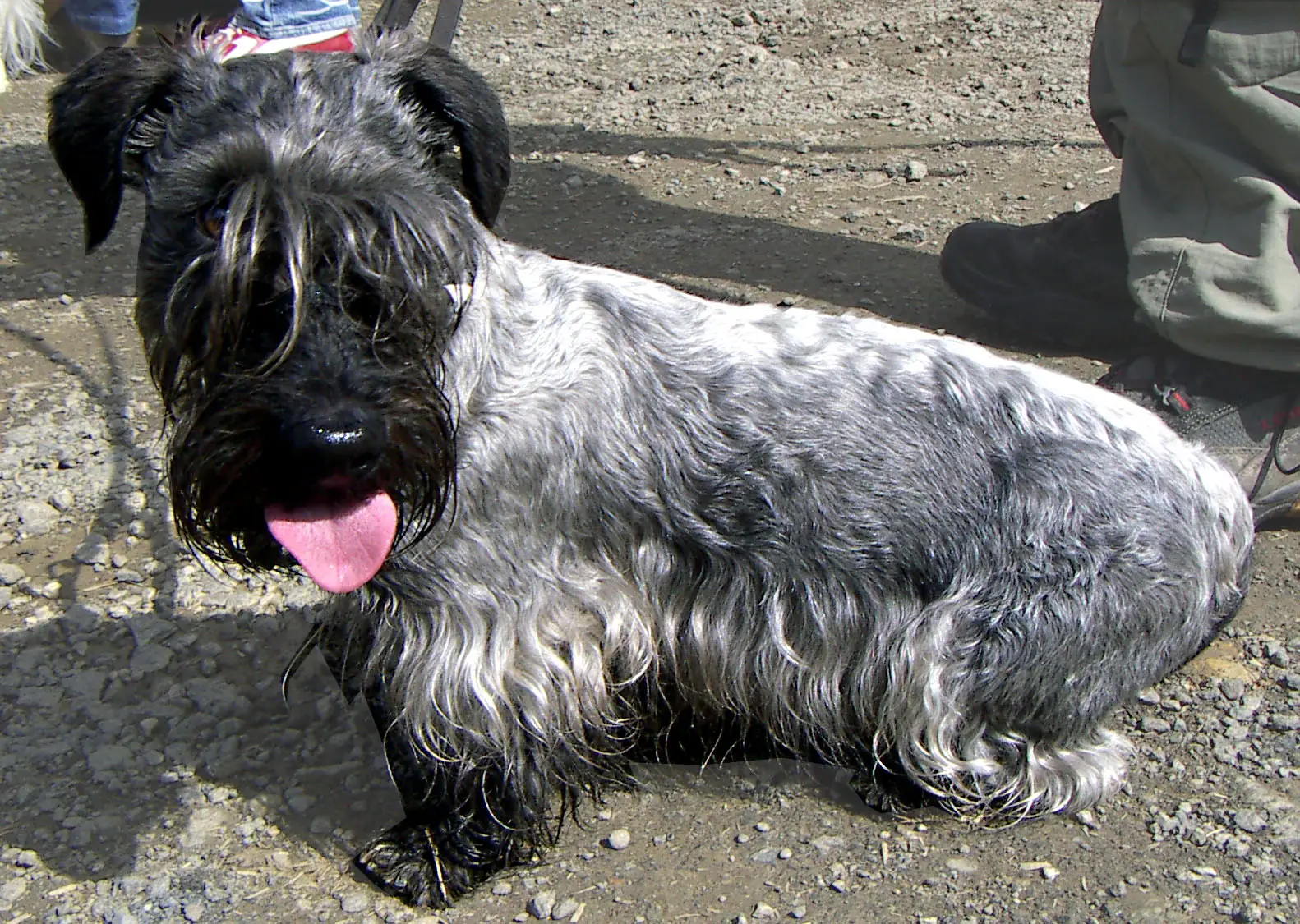
Created in Czechoslovakia specifically to be a smaller, calmer, more manageable terrier, this gray-coated dog reached American shores in small numbers after World War II. Its deliberate breeding for a low-shedding coat and mellow temperament should have made it a natural fit for suburban families everywhere.
For reasons nobody has ever fully explained, it just never caught on the way similar breeds did. Fewer than 100 are registered in the U.S. at any given time, making it one of the most quietly overlooked dogs in the entire country.
#1 – Norwegian Lundehund
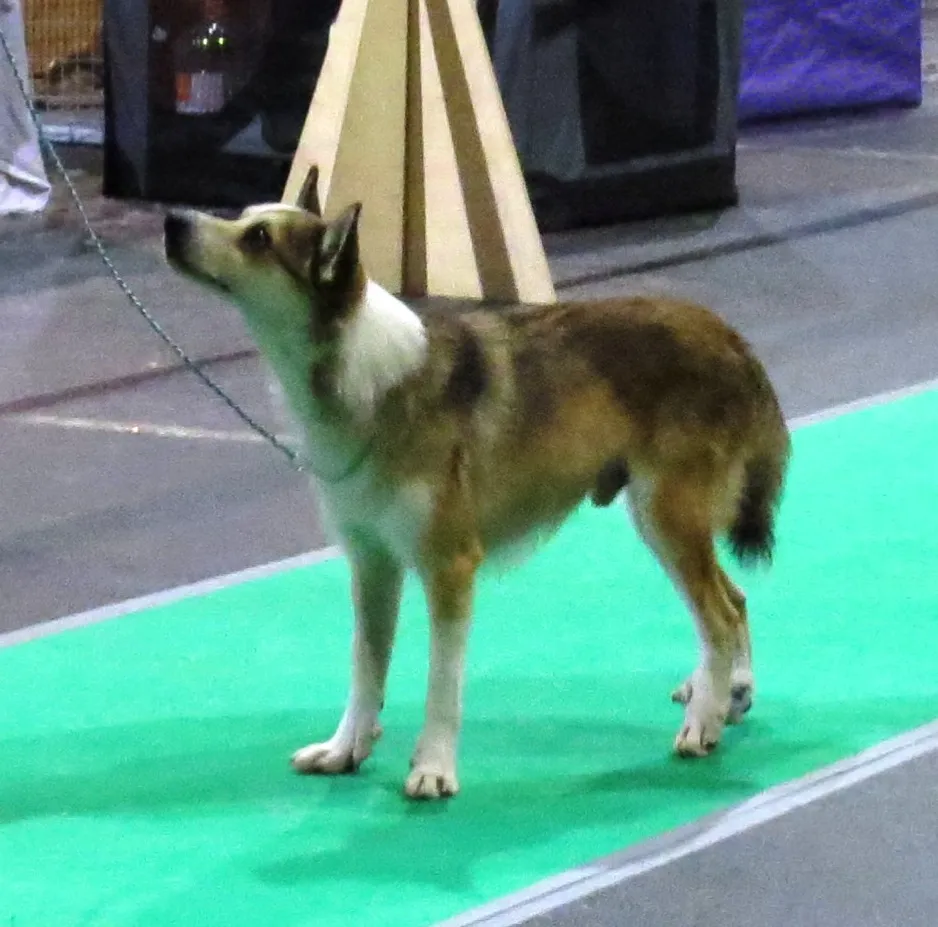
This six-toed, flexible-necked puffin hunter from Norway has one of the strangest bodies in the entire dog world, built to squeeze through narrow sea cliffs and rocky burrows most dogs couldn’t dream of entering. It was brought to America in tiny numbers and nearly vanished again almost as soon as it arrived.
Its extreme rarity and genuinely unique anatomy make it a living piece of history rather than just another rare breed. It is currently the rarest AKC-recognized breed in the United States, which means most Americans will go their entire lives without ever seeing one in person.
Why It Stands Out
- Born with six fully functioning toes on each foot
- Able to bend its head backward until it touches its own spine
- Can fold its ears shut to block out water and debris
- Currently the rarest breed recognized by the AKC
The Bottom Line
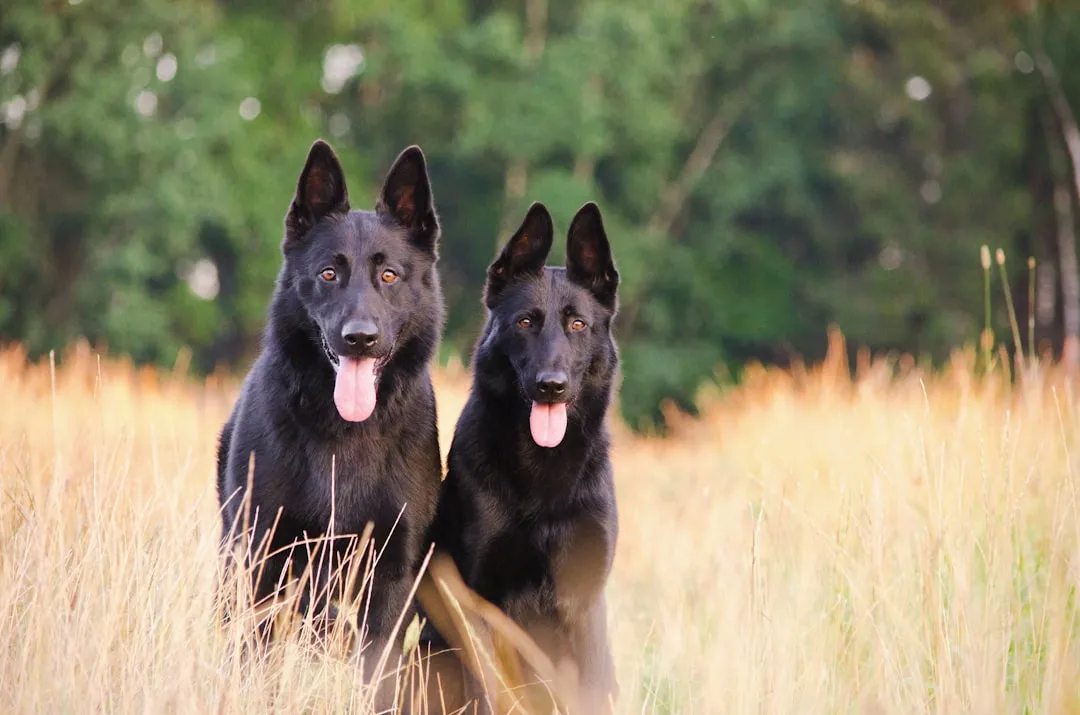
Eighteen breeds that once earned their keep in American homes got pushed to the margins by convenience, fashion, and changing laws – not because they stopped being good dogs. That’s the part that stings the most. None of this happened because these breeds failed us. It happened because we stopped paying attention.
Reviving even a handful of these lines would restore working ability, genetic diversity, and honestly, a little bit of character that modern breeding has quietly narrowed out of existence. If any of these dogs deserve a second chance, it’s the ones that spent generations doing real work nobody remembers anymore. Which one would you actually bring home?

- 7 Surprising Benefits of Spending Time Outdoors With Your Dog Every Day - July 10, 2026
- 7 Costly Mistakes When Starting a Hobby Farm - July 10, 2026
- 9 Animals Making a Comeback Across Missouri - July 10, 2026