
Close your eyes and picture a typical American driveway in 1985. There’s a station wagon, a basketball hoop bolted to the garage, and almost certainly a dog waiting by the screen door – a Cocker Spaniel, a Collie, maybe a fluffy white Samoyed grinning like it just heard a joke. These weren’t rare dogs. They were everywhere.
So here’s the part that catches people off guard: most of those same breeds have all but disappeared from modern neighborhoods, and hardly anyone noticed it happening. No scandal, no single event – just a slow fade that AKC registration numbers quietly confirm. Twenty-five of them dropped off the map, and a few of the reasons why are stranger than you’d expect.
#1 – Cocker Spaniel: The Breed That Was Basically Furniture
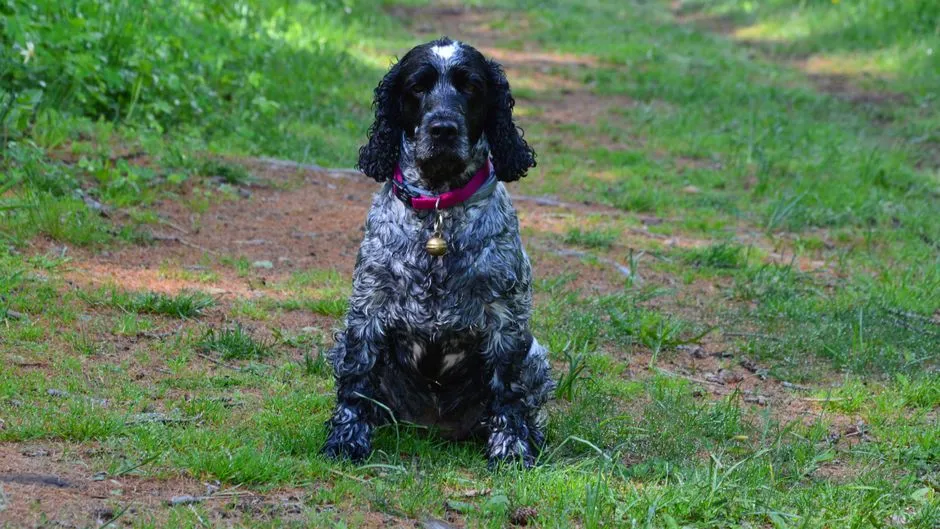
For most of the 1980s, the Cocker Spaniel wasn’t just popular – it was the most registered breed in America, full stop. Silky ears, soulful brown eyes, that eager-to-please face that showed up in dog food commercials and family Christmas cards on repeat. If a sitcom needed a “normal family dog,” this was it.
Then the wheels came off. Breeders chasing that perfect show-ring look pushed the breed toward exaggerated features, and chronic ear infections, eye problems, and even documented temperament issues in some lines followed close behind. Owners who once lined up for Cocker puppies started looking elsewhere, and the breed’s slide from the top spot has never really reversed.
#2 – Afghan Hound: The Supermodel Nobody Could Actually Live With
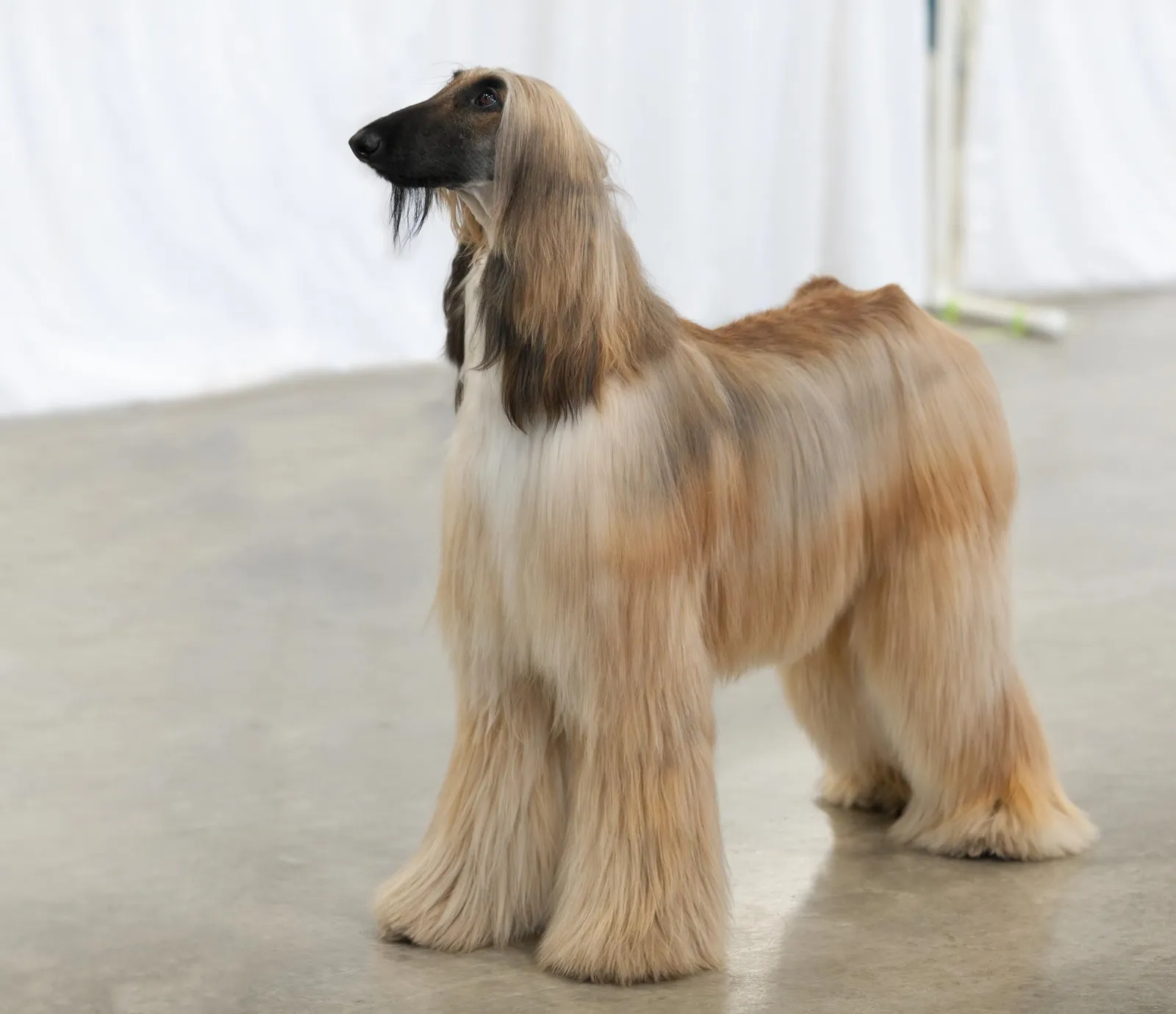
Nothing said “1980s glamour” quite like an Afghan Hound gliding across a manicured lawn, that impossibly long coat flowing behind it like something out of a shampoo commercial. Wealthier households treated them almost like living sculptures – a breed you owned to be noticed, not necessarily to cuddle.
That was also the problem. Underneath the show-dog shine was an aloof, independent animal that didn’t crave affection the way most families wanted, paired with a coat that demanded hours of brushing just to avoid matting. Once the novelty wore off, so did the demand, and the Afghan Hound’s registration numbers have fallen further than almost any breed on this list.
#3 – Chow Chow: The Lion in Everyone’s Living Room
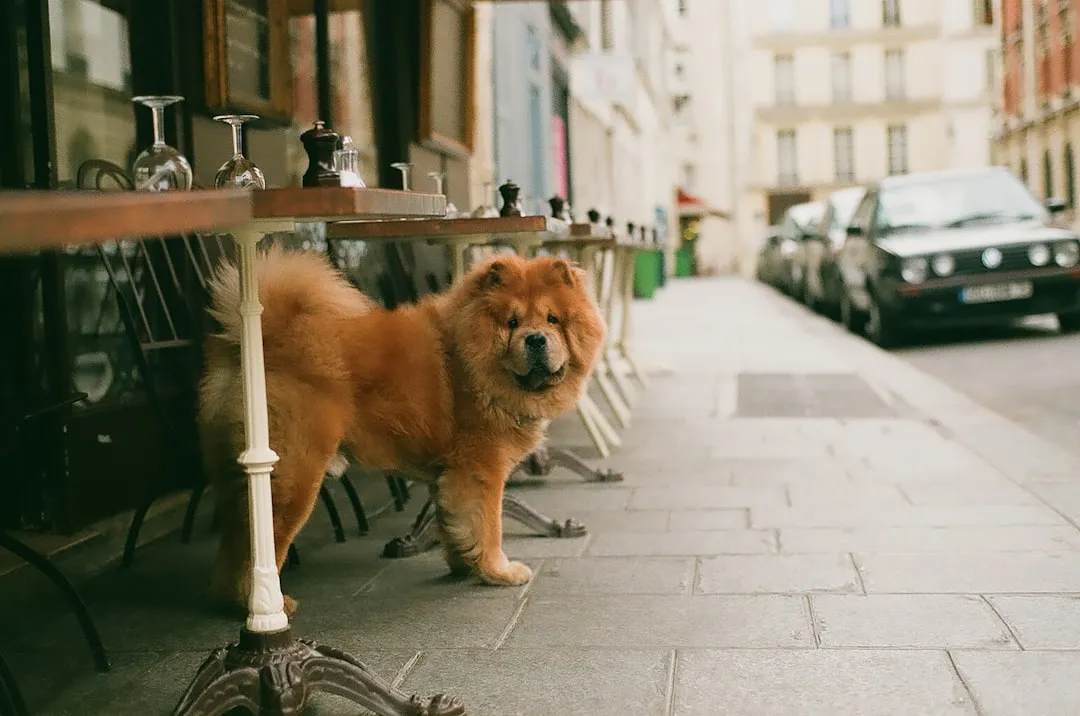
Kids in the 1980s were obsessed with the Chow Chow’s strange, wonderful details – the thick mane like a tiny lion, and that unmistakable blue-black tongue that made every playground argument about “is that real?” end the same way. They were common status pets in suburban homes, prized for their unusual look and steady watchdog instincts.
But Chow Chows are famously not pushovers. Their stubborn, independent streak surprised first-time owners who expected a plush toy and got a small, opinionated bear instead. Combine that with eye and joint issues tied to their unique build, and it’s easy to see why so many families quietly moved on to easier breeds.
#4 – Dalmatian: The Movie Star With a Hidden Health Secret
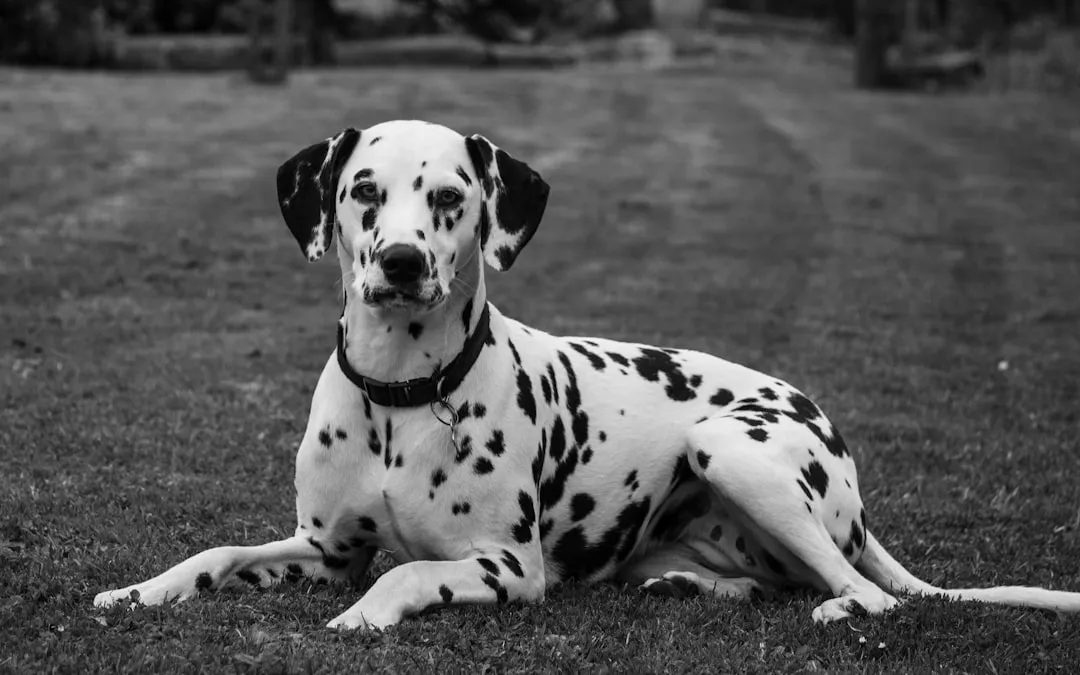
When 101 Dalmatians hit theaters and TV screens throughout the decade, spotted puppies suddenly seemed like the obvious choice for any family with a big backyard. Firehouse mascots, Olympic-level energy, that unmistakable pattern – Dalmatians felt like a guaranteed crowd-pleaser.
What a lot of new owners didn’t know: a significant share of Dalmatians are born with some degree of hearing loss, a genetic quirk tied directly to their coat pattern. Add in skin sensitivities and an activity level most households weren’t prepared for, and the movie-fueled boom collapsed almost as fast as it started.
Fast Facts
- Congenital deafness shows up in as much as 30% of Dalmatians worldwide – the highest rate of any breed.
- Large-scale studies put it at roughly 70% normal hearing, 22% deaf in one ear, and 8% deaf in both.
- The condition is genetically tangled up with the same pigmentation genes that create the breed’s signature spots.
- Reputable breeders now BAER-test every litter before puppies go to new homes.
#5 – Doberman Pinscher: The Guard Dog Everyone Feared and Loved
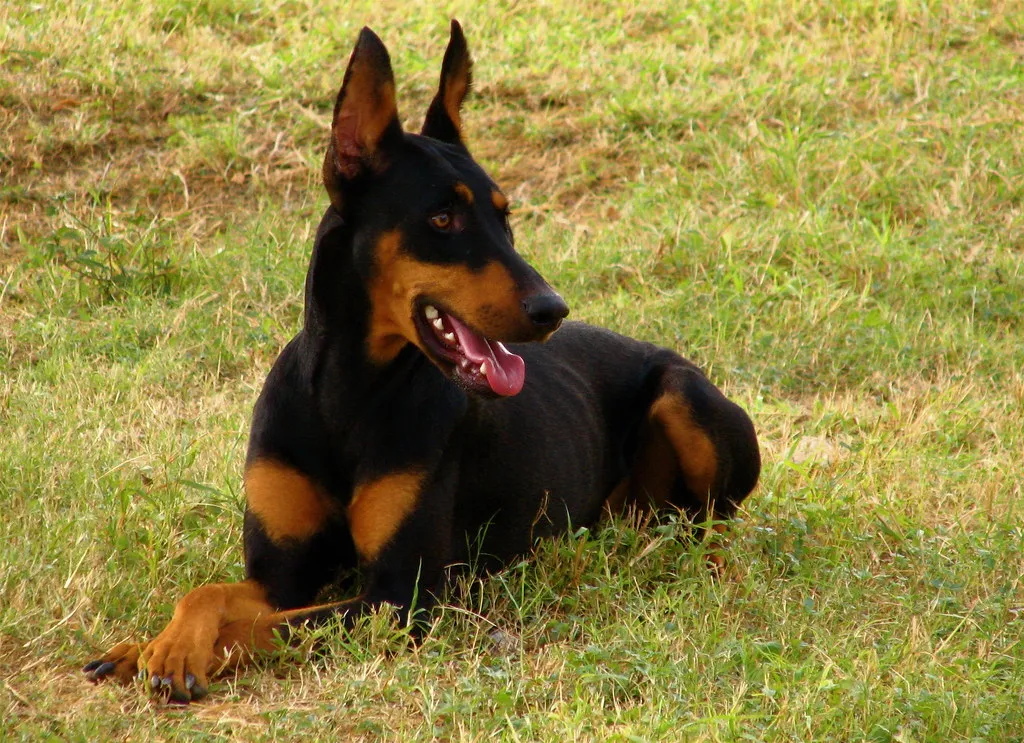
In an era obsessed with home security, the Doberman Pinscher was the answer. Sleek, muscular, and unmistakably alert, they patrolled suburban yards and appeared in enough cop shows and horror movies to cement their reputation as the ultimate protector.
Years later, that same intensity became a harder sell for average families, especially as public opinion shifted around large guardian breeds. Add a well-documented predisposition to dilated cardiomyopathy, a serious heart condition that shortened many Dobermans’ lives, and it’s clear why the breed never fully reclaimed its 1980s standing.
#6 – Irish Setter: The Red Blur That Ran Off With America’s Heart
Big Red’s Disney legacy was still fresh in people’s minds throughout the ’80s, and Irish Setters became the go-to symbol of an active, outdoorsy family. That deep mahogany coat and boundless energy made them look incredible sprinting across a field.
The trouble is, “boundless energy” isn’t a compliment when you live in a two-bedroom house with a small yard. Combine their real exercise demands with a genetic tendency toward epilepsy in some lines, and it becomes obvious why fewer modern families are lining up for one.
#7 – Lhasa Apso: The Tiny Monastery Guard Dog Gone Quiet
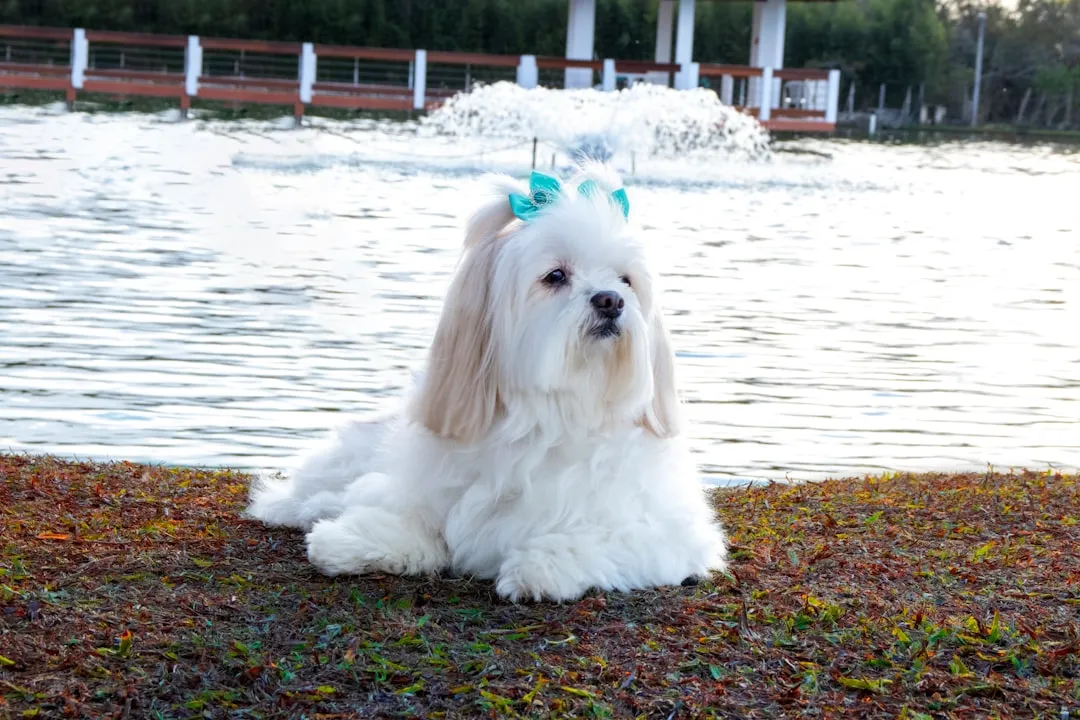
Originally bred to guard Tibetan monasteries, Lhasa Apsos found a second life in 1980s American apartments as watchful, long-coated little sentinels. Their alert bark and dignified attitude made them feel like much bigger dogs trapped in a small body.
But that flowing coat needed near-daily attention to stay mat-free, and as low-shedding, lower-maintenance toy breeds gained popularity, busy modern owners simply stopped choosing them. The breed didn’t get worse – it just got out-competed by convenience.
#8 – Old English Sheepdog: The Shaggy Icon Nobody Remembers Anymore
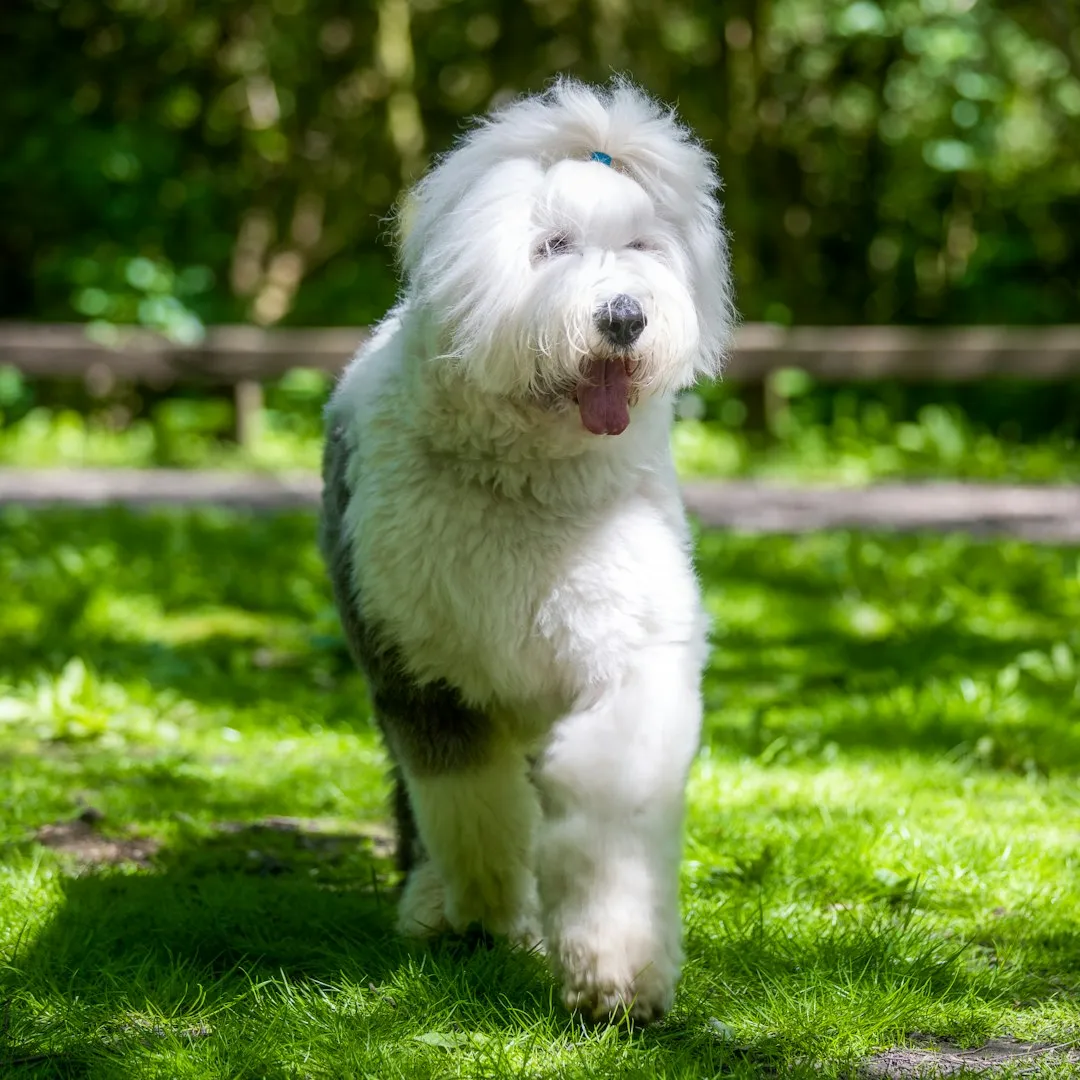
Thanks to its starring role as the Dulux paint mascot and its bear-like, bouncing gait, the Old English Sheepdog was one of the most recognizable dogs of the era. That shaggy, no-eyes-visible look was instantly charming and instantly memorable.
Unfortunately, that famous coat is also a full-time job – mats form fast, and grooming sessions can eat up hours every week. As families got busier and expectations around pet maintenance shifted, the Old English Sheepdog’s popularity quietly deflated.
#9 – Pekingese: The Palace Dog That Lost Its Throne
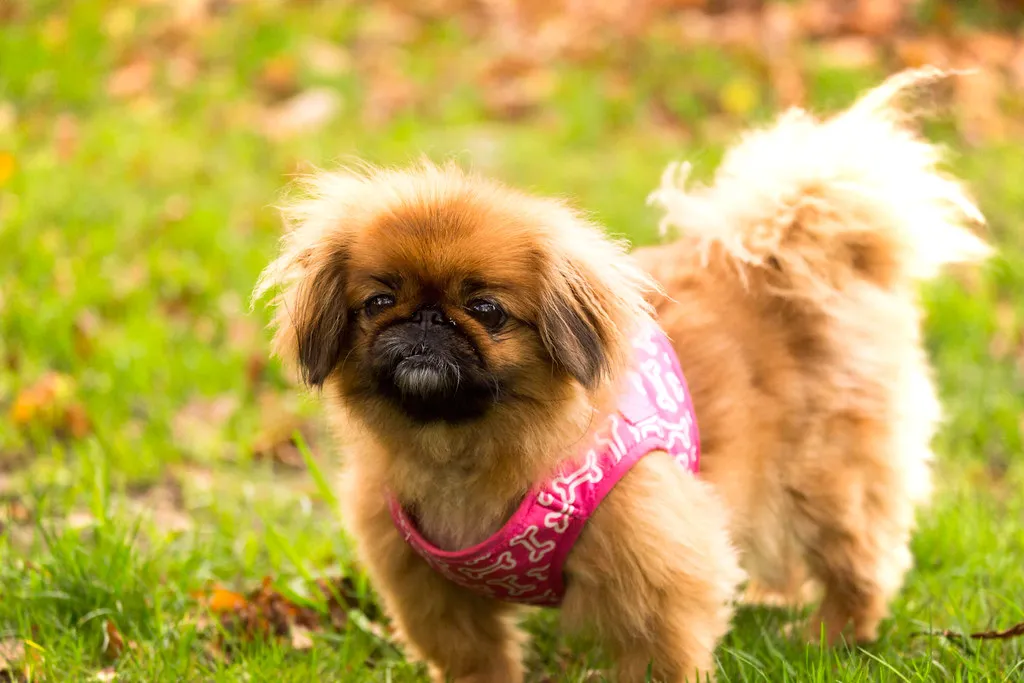
With roots tracing back to the Chinese imperial court, Pekingese carried an air of old-world luxury that fit right in with 1980s status symbols. Owners liked that they were small enough to carry, dignified enough to photograph, and rare enough to feel special.
Their flat, brachycephalic faces, however, come with real breathing difficulties and heat intolerance that became harder to ignore as veterinary awareness grew. Fewer breeders wanted to work with those health complications, and fewer buyers wanted to manage them at home.
#10 – Weimaraner: The Dog That Became Art
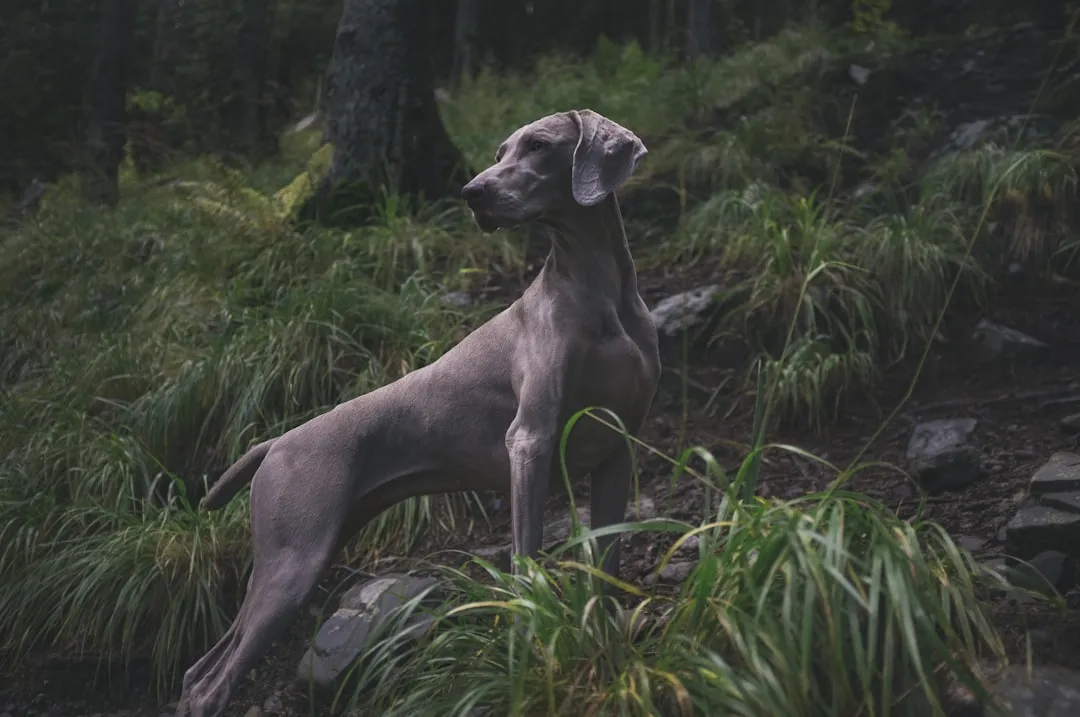
Long before Instagram, the Weimaraner had its own viral moment. Photographer William Wegman’s surreal portraits of his Weimaraner, Man Ray, turned the breed into an unexpected 1980s pop culture fixture, showing up in books, calendars, and even on Sesame Street.
Real Weimaraners, though, are far less serene than those photos suggested. They’re intense working dogs with a strong prey drive and a need for serious daily exercise, and once the artistic novelty faded, plenty of owners realized they’d signed up for far more dog than they bargained for.
#11 – Borzoi: The Russian Aristocrat Nobody Talks About
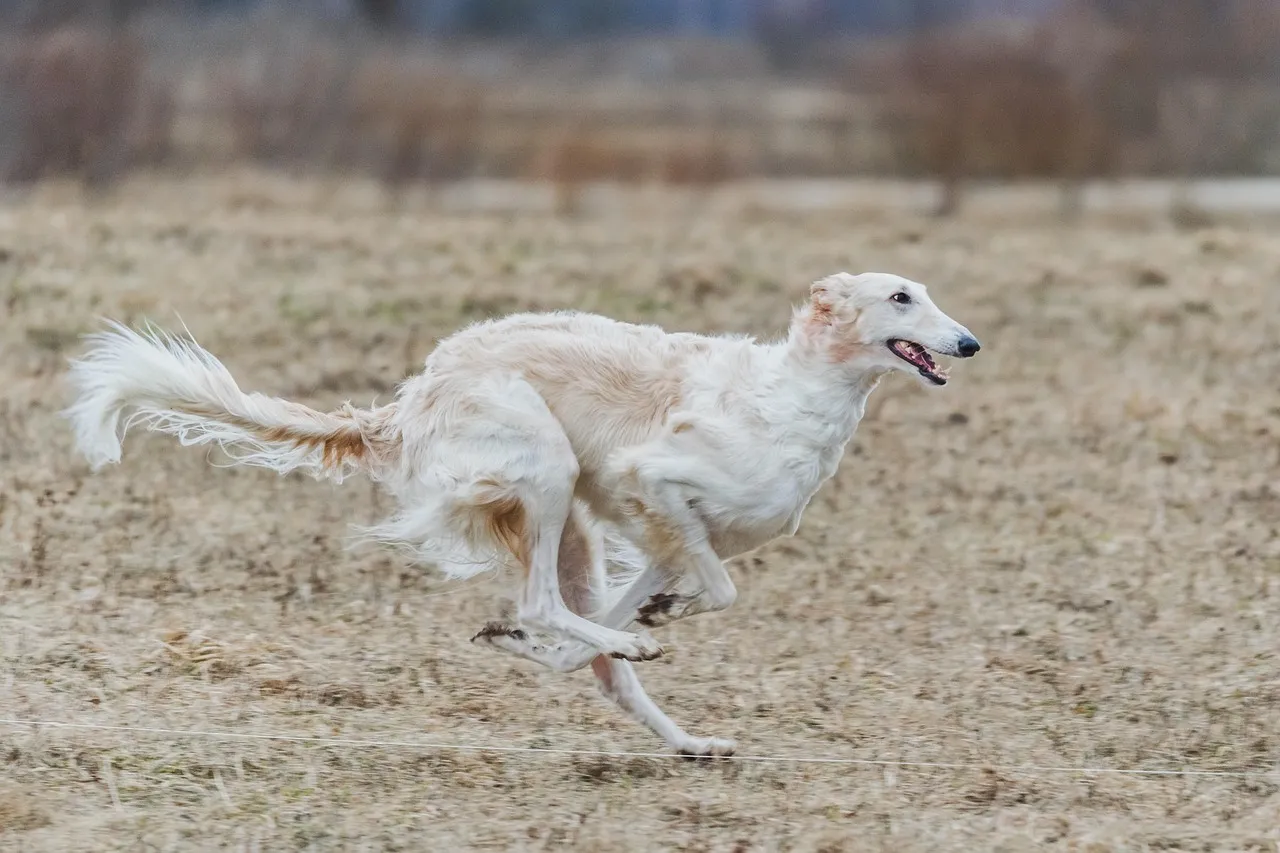
With its narrow, elegant frame and effortless bursts of speed, the Borzoi carried an air of old Russian nobility that fit the decade’s fascination with exotic, sophisticated pets. Owners loved that a dog built for hunting wolves could also lounge quietly on a living room rug.
But that specialized sighthound instinct made them a poor match for the average household, and the breed never had the mainstream visibility of more media-friendly dogs. As pop culture moved on, so did the Borzoi’s already-modest spotlight.
#12 – Fox Terrier: The Scrappy Neighborhood Regular
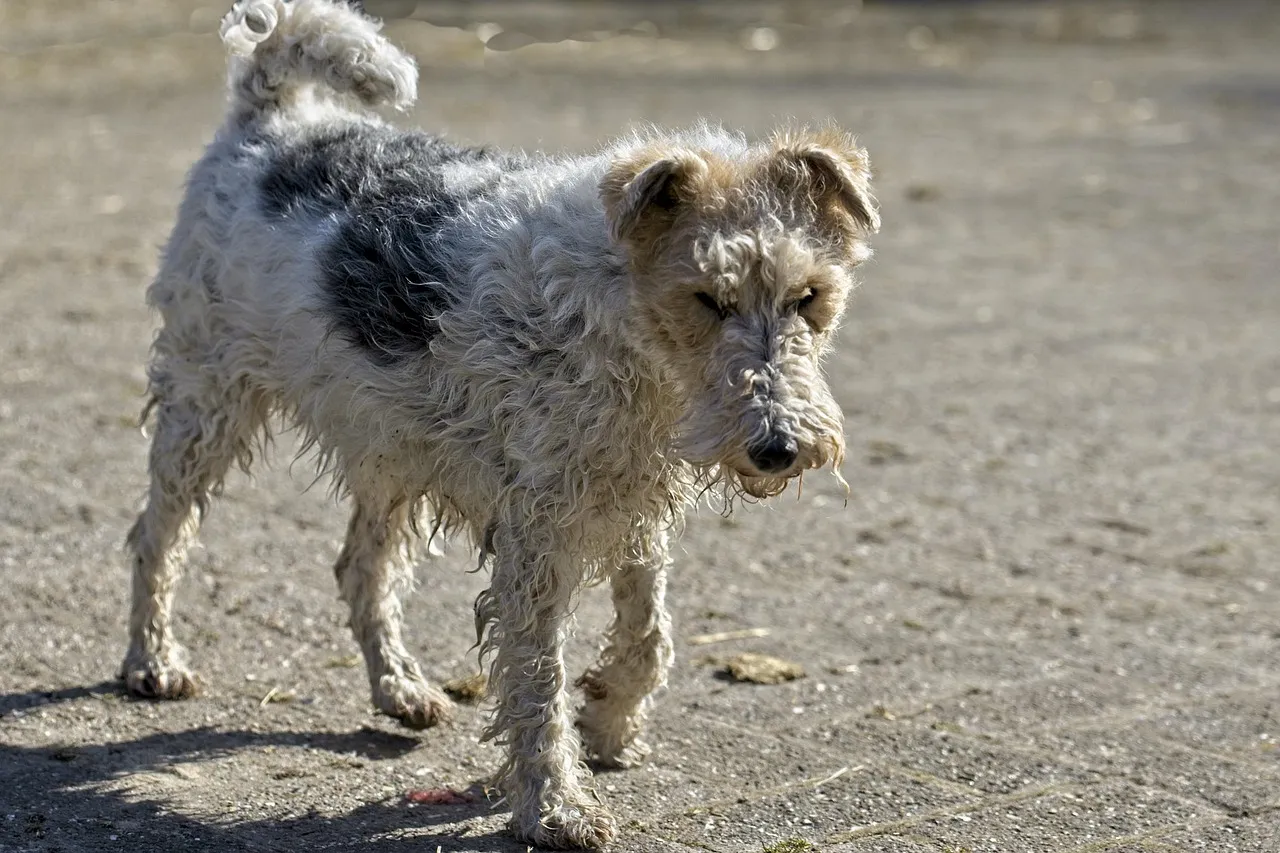
Wiry-coated and endlessly energetic, the Fox Terrier used to be one of those dogs you’d see trotting alongside kids on bikes in nearly every 1980s neighborhood. Their compact size and feisty personality made them easy to love and easy to spot.
That same feistiness, though, requires a confident, consistent owner willing to put in real training time. As families gravitated toward breeds marketed as more “plug and play,” the Fox Terrier’s everyday presence quietly thinned out.
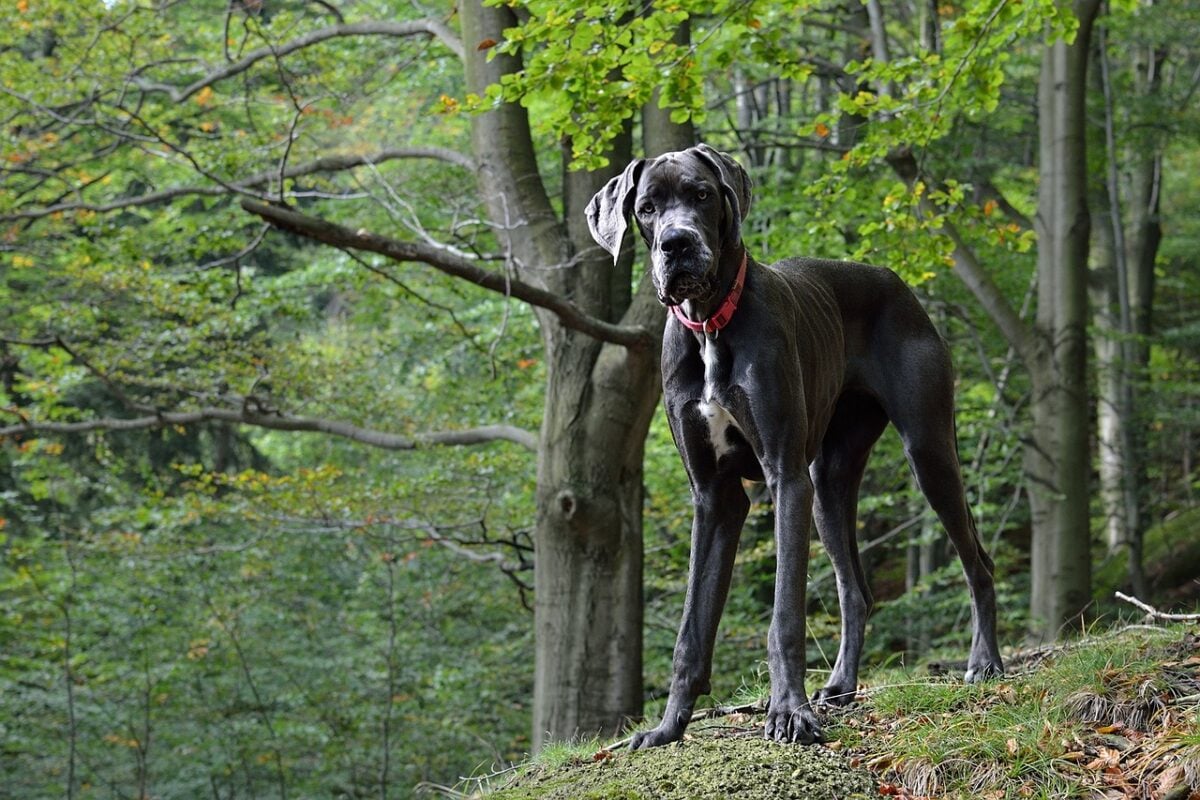
#13 – Great Dane: The Gentle Giant With a Heartbreaking Catch
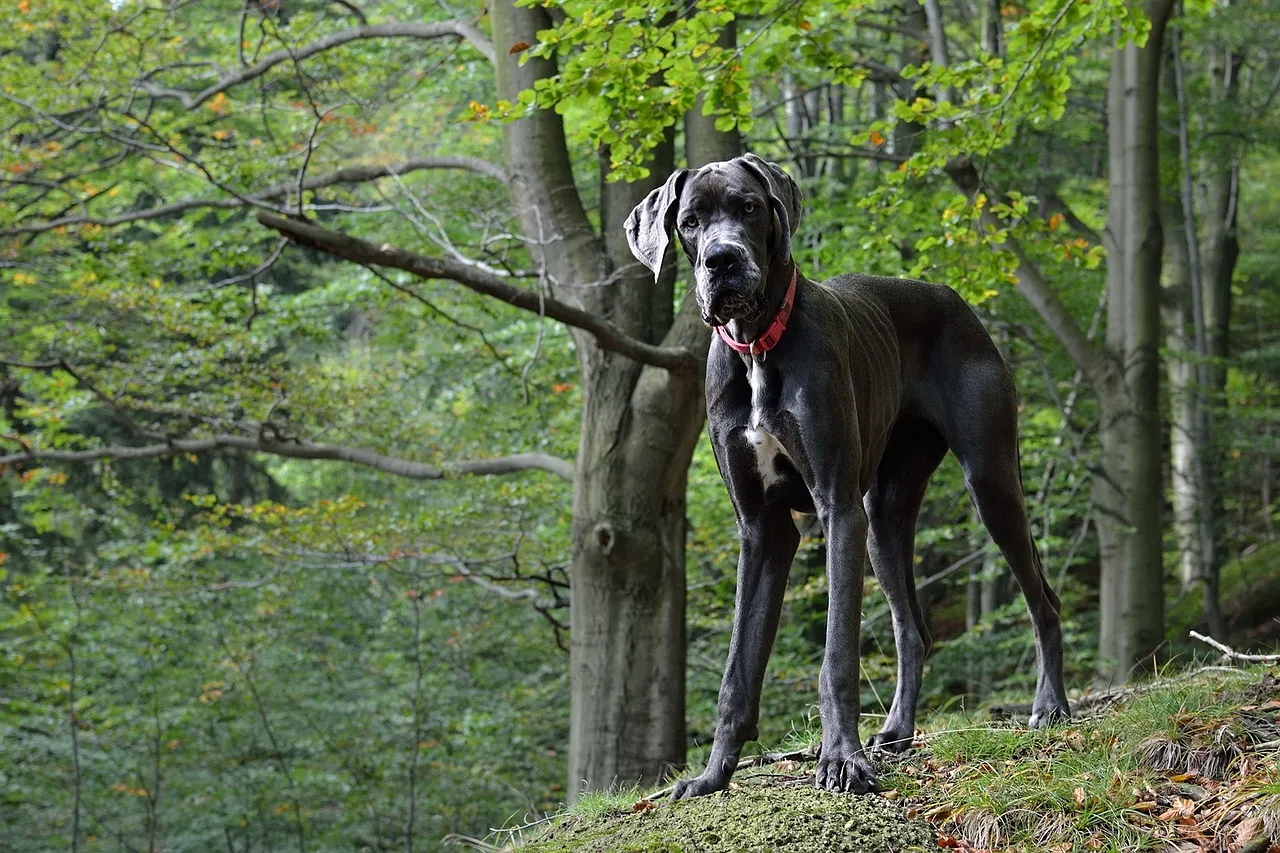
Thanks in part to Scooby-Doo’s cartoon fame, Great Danes were the ultimate 1980s statement dog – massive, goofy, and surprisingly affectionate for their size. Families with big yards treated them like oversized, loyal shadows.
The catch that newer owners often underestimate is heartbreakingly simple: Great Danes typically only live 8 to 10 years, and giant breeds come with real space and health demands. As families weighed that tradeoff more carefully, many quietly chose medium-sized dogs instead.
At a Glance
- Males: 30 to 32 inches at the shoulder, 140 to 175 pounds. Females: 28 to 30 inches, 110 to 140 pounds.
- Average lifespan: 7 to 10 years, among the shortest of any popular breed.
- Bloat (gastric torsion) is widely considered the breed’s number-one killer.
- Despite its size, the Great Dane is famously a couch-loving indoor dog, not an outdoor kennel breed.
#14 – Norwegian Elkhound: The Viking Dog America Forgot
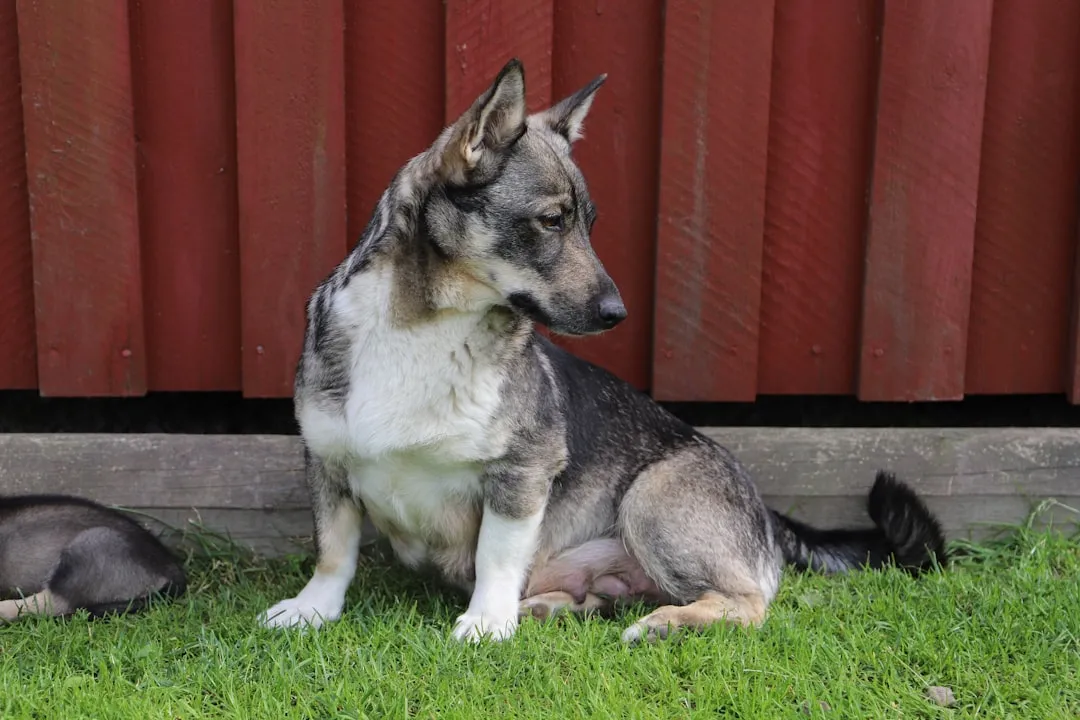
Built for hunting moose in brutal Scandinavian winters, the Norwegian Elkhound brought a rugged, cold-weather charm to 1980s outdoor households. Its thick gray coat and independent spirit made it feel like a small piece of Viking history.
That independence, though, is exactly what modern owners often struggle with – this is a strong-willed breed that needs an experienced handler, not a casual first-time dog owner. As demand shifted toward more predictable temperaments, the Elkhound slipped further from view.
#15 – English Setter: The Hunter’s Best Friend Left Behind
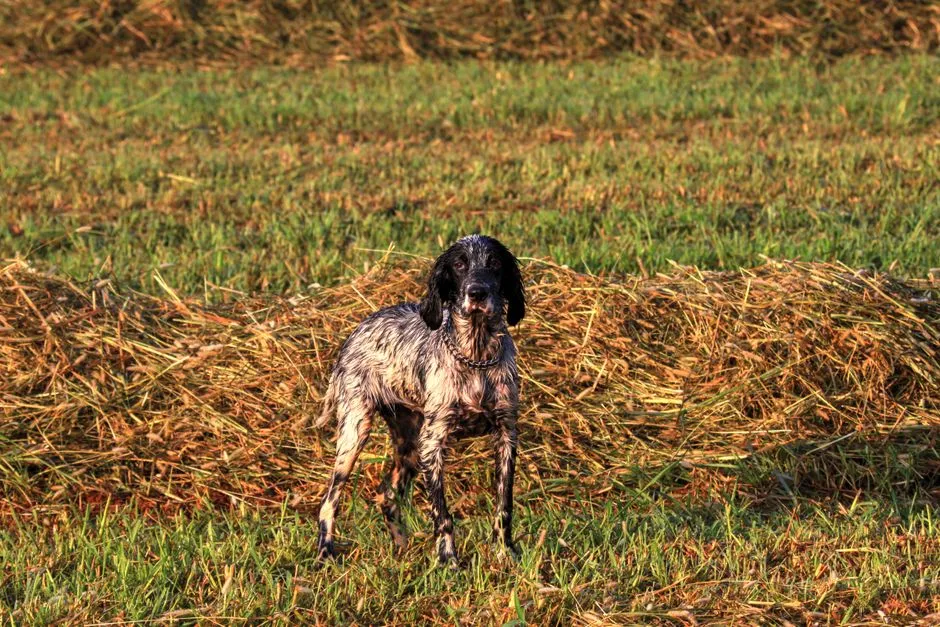
With their elegant speckled coats and graceful field movement, English Setters were a fixture in both hunting circles and suburban show homes throughout the ’80s. They looked as good posing for a portrait as they did working a field.
But their specialized training needs made them a tougher sell for casual owners, especially as more versatile, easier-to-train sporting breeds rose in popularity. The English Setter never disappeared entirely – it just became a specialist’s dog instead of an everyman’s dog.
#16 – Shih Tzu: The Lap Dog That Lost Its Edge
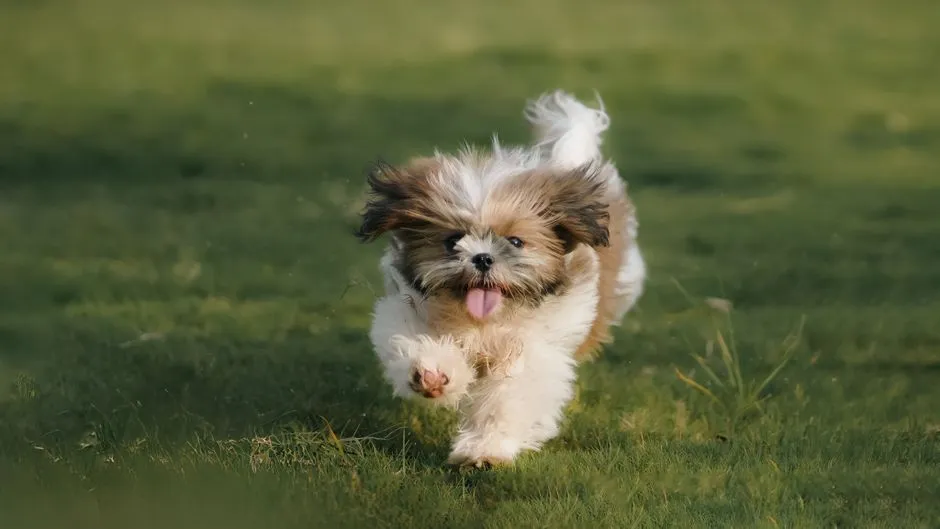
Shih Tzus rode a wave of popularity in the 1980s as the ultimate decorative companion – small, affectionate, and dressed in a flowing coat that matched the era’s love of ornate style. Apartment dwellers especially couldn’t get enough of them.
Their brachycephalic faces bring breathing and overheating risks, though, and their coats require serious daily upkeep. As newer toy breeds promising “easier care” flooded the market, the Shih Tzu’s once-dominant grip on small-dog popularity started to slip.
#17 – Maltese: The Snow-White Status Symbol
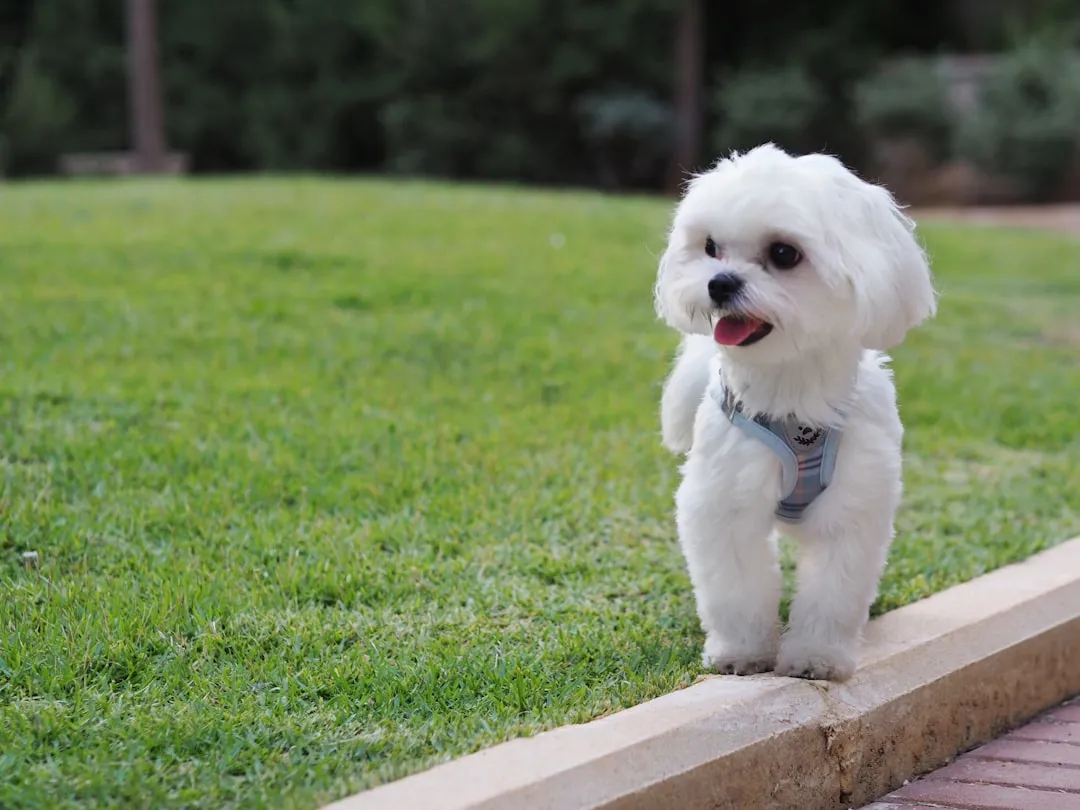
Pure white, silky-coated, and small enough to tuck under an arm, the Maltese was practically a fashion accessory in 1980s cities. Owners loved the elegance of the breed almost as much as its affectionate personality.
Keeping that famous white coat spotless, however, takes constant grooming, and that maintenance burden pushed more owners toward lower-fuss alternatives. The Maltese didn’t get less lovable – it just got less convenient in a world chasing convenience.
#18 – Basset Hound: The Droopy-Eared Icon With a Stubborn Streak
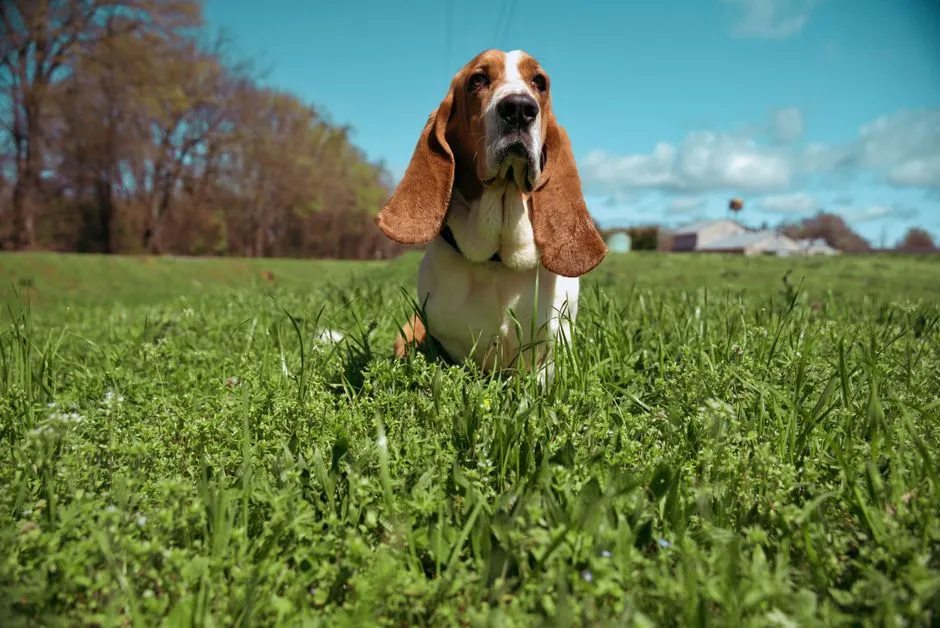
Basset Hounds were everywhere in 1980s pop culture, from shoe commercials to sitcom side characters, thanks to their unmistakably droopy, soulful expression. Their laid-back energy made them feel like the ultimate low-drama family dog.
Underneath that mellow exterior, though, is a genuinely stubborn scent hound that can be surprisingly hard to train, plus a body shape prone to back and joint problems. As families realized “laid-back” didn’t mean “easy,” the breed’s numbers quietly softened.
#19 – Collie: The TV Star Whose Fame Couldn’t Save It
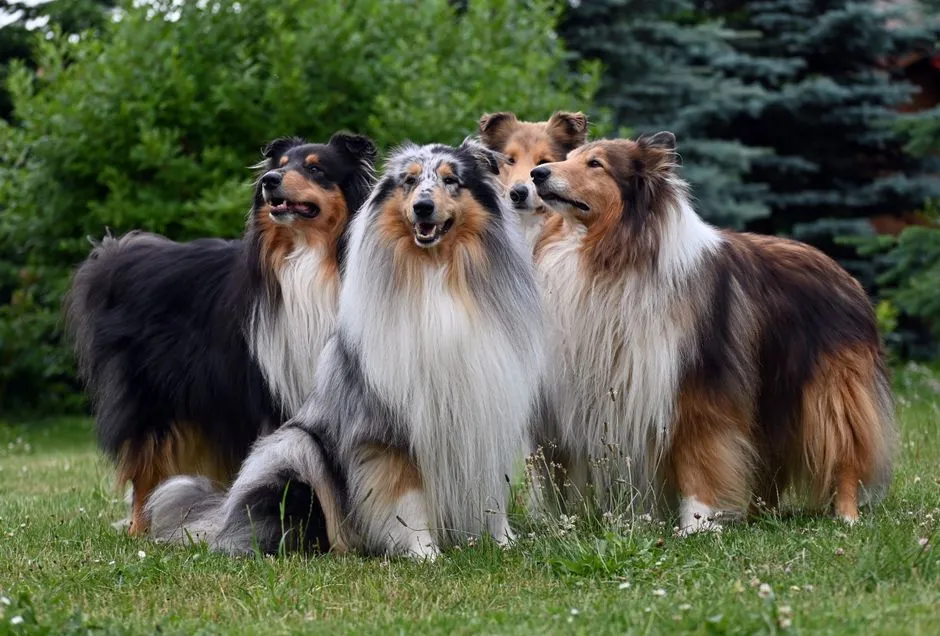
Lassie reruns kept the Collie’s legend alive well into the 1980s, and plenty of families chose the breed specifically because they wanted their own loyal, herding hero at home. That flowing coat and intelligent gaze made them instantly recognizable.
But breeding for that dramatic show-ring appearance sometimes came at the cost of the breed’s original working soundness, and health concerns crept in over time. As newer, more robust herding breeds gained ground, the Collie’s everyday presence gradually faded from suburban yards.
#20 – Samoyed: The Smiling Dog Everyone Wanted, Fewer Could Keep
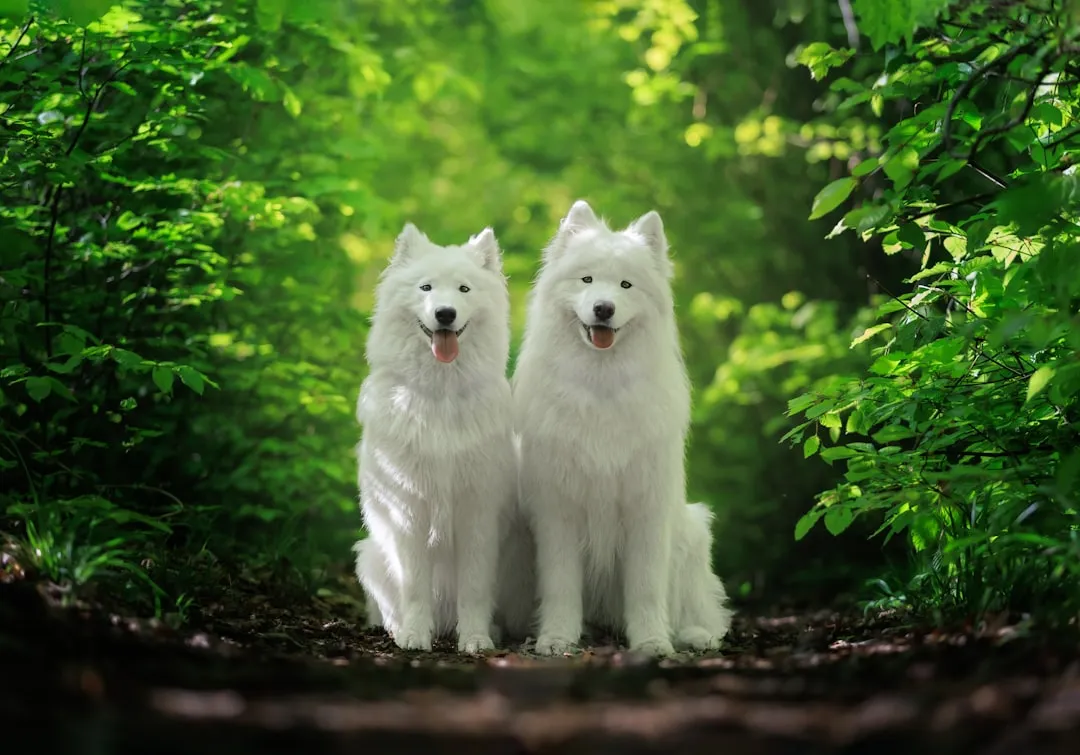
With their thick white coats and that famous upturned mouth that looks exactly like a smile, Samoyeds were an easy dog to fall in love with in the 1980s. They photographed beautifully and radiated a cheerful, friendly energy.
That gorgeous coat, bred for surviving Siberian winters, sheds constantly and needs serious brushing to stay healthy – and Samoyeds also need real daily exercise to stay balanced. As modern life got busier, fewer families could match the breed’s actual needs, no matter how much they loved the smile.
Worth Knowing
- Originally bred by the nomadic Nenets people of Siberia to herd reindeer, pull sleds, and guard camps in brutal cold.
- The “Sammy smile” isn’t just cute – the upturned mouth corners kept the dogs from drooling icicles in freezing weather.
- As a double-coated breed, Samoyeds “blow” their undercoat heavily once or twice a year, shedding far more than their fluffy look suggests.
- They were built for hours of outdoor work, not a quiet nine-to-five apartment schedule.
#21 – Bulldog: The Mascot That Struggled to Breathe
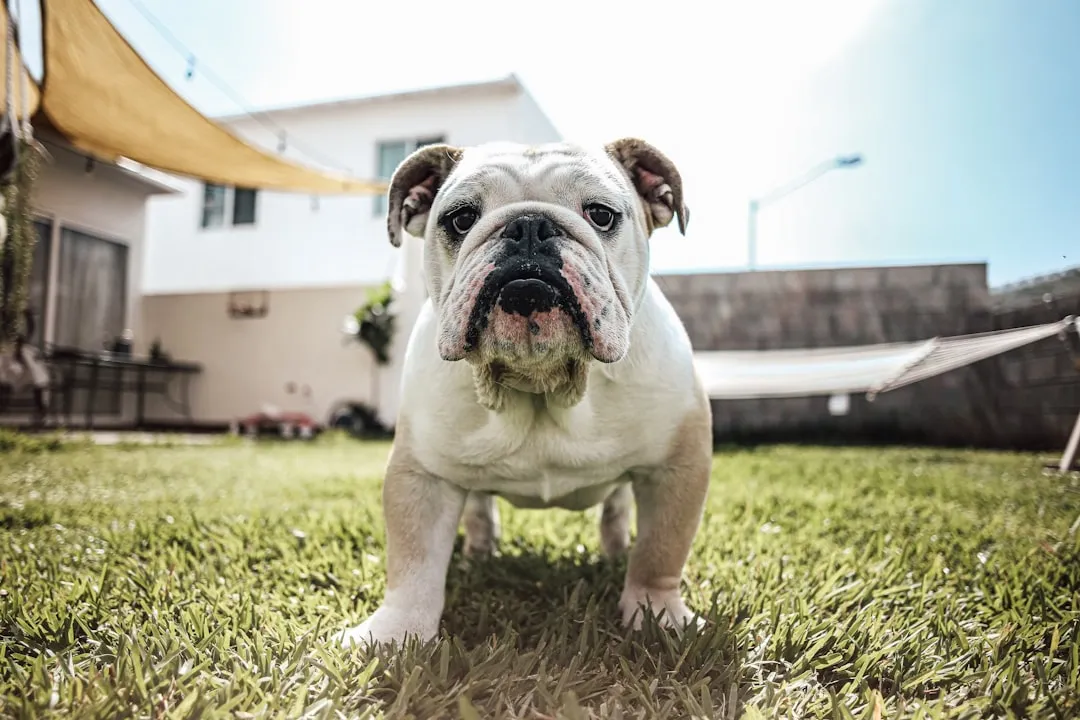
Stocky, wrinkled, and endlessly recognizable, the English Bulldog was a beloved mascot breed throughout the 1980s, showing up on college campuses and family porches alike. Its calm, affectionate nature made it an easy fit for almost any household.
As veterinary science caught up, though, the extent of the breed’s breathing difficulties, or BOAS, became harder to overlook, along with joint and skin issues tied to its compact build. Health-conscious buyers increasingly started looking at similar-looking breeds without the same medical baggage.
#22 – Boxer: The Playful Protector With a Hidden Weakness
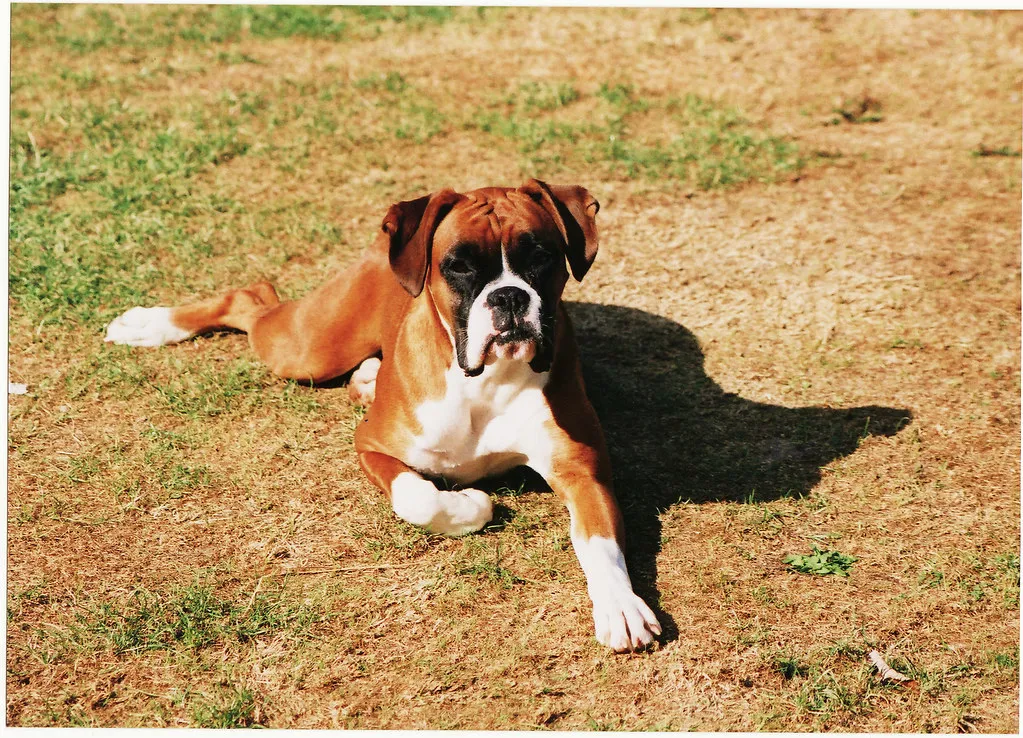
Boxers combined athleticism, loyalty, and an almost comedic goofiness that made them a favorite among active 1980s families. Their expressive faces and boundless play energy made them feel like the ultimate kid-friendly protector.
Behind that playful exterior, Boxers carry a well-documented risk for cardiomyopathy and certain cancers that shortened many dogs’ lives. As families started prioritizing longevity and lower health risk, the breed’s once-strong numbers began a slow decline.
#23 – Rottweiler: The Working Dog Reputation Couldn’t Save
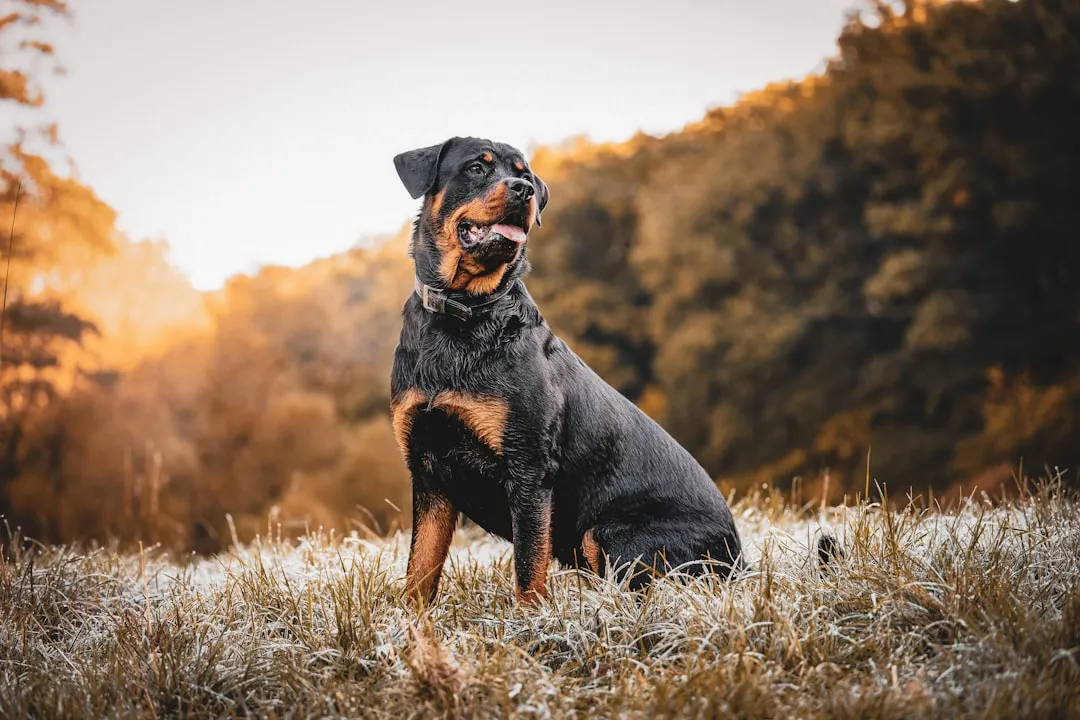
Rottweilers built a strong reputation in the 1980s as dependable guardians and workers, prized for their confidence and raw physical power. Many families chose them specifically for the sense of security they provided.
But as media coverage around large guardian breeds intensified in the years that followed, public perception shifted hard, and casual buyers increasingly steered clear regardless of individual temperament. Responsible breeders still champion the Rottweiler today, but its everyday household presence never returned to 1980s levels.
#24 – Saint Bernard: The Gentle Giant Too Big for Modern Life
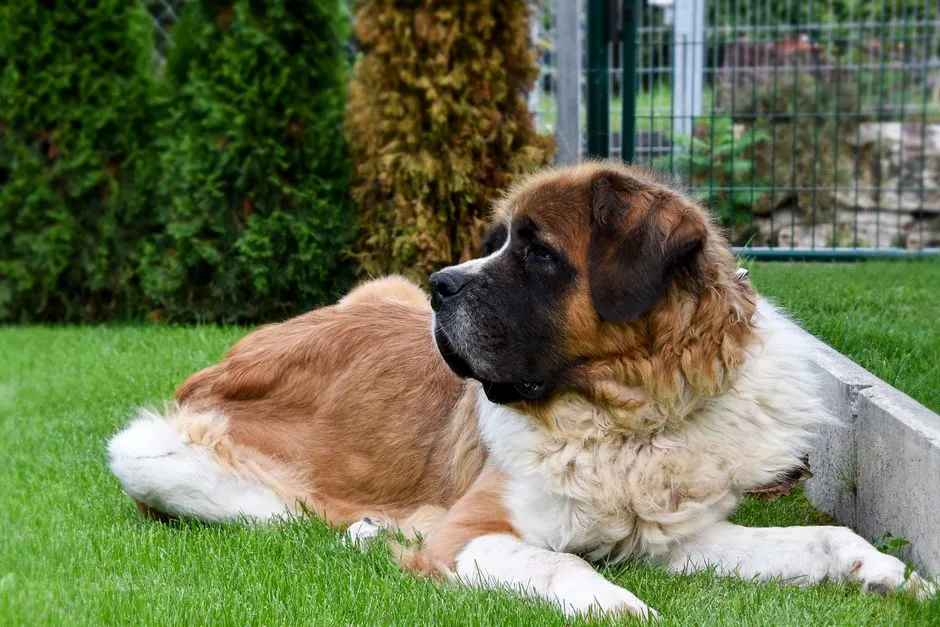
Long before Beethoven made them a ’90s movie sensation, Saint Bernards had already earned their place in 1980s homes as the ultimate oversized, drooling softie. Their calm, patient temperament made them surprisingly good with kids despite their intimidating size.
But a dog that can weigh more than some adult humans comes with real costs – bloat risk, joint problems, and a shockingly short lifespan for such a beloved breed. As smaller living spaces became the norm, fewer families had the room, budget, or heart to handle the eventual loss of such a giant, short-lived companion.
#25 – Airedale Terrier: The King of Terriers Nobody Remembers Anymore
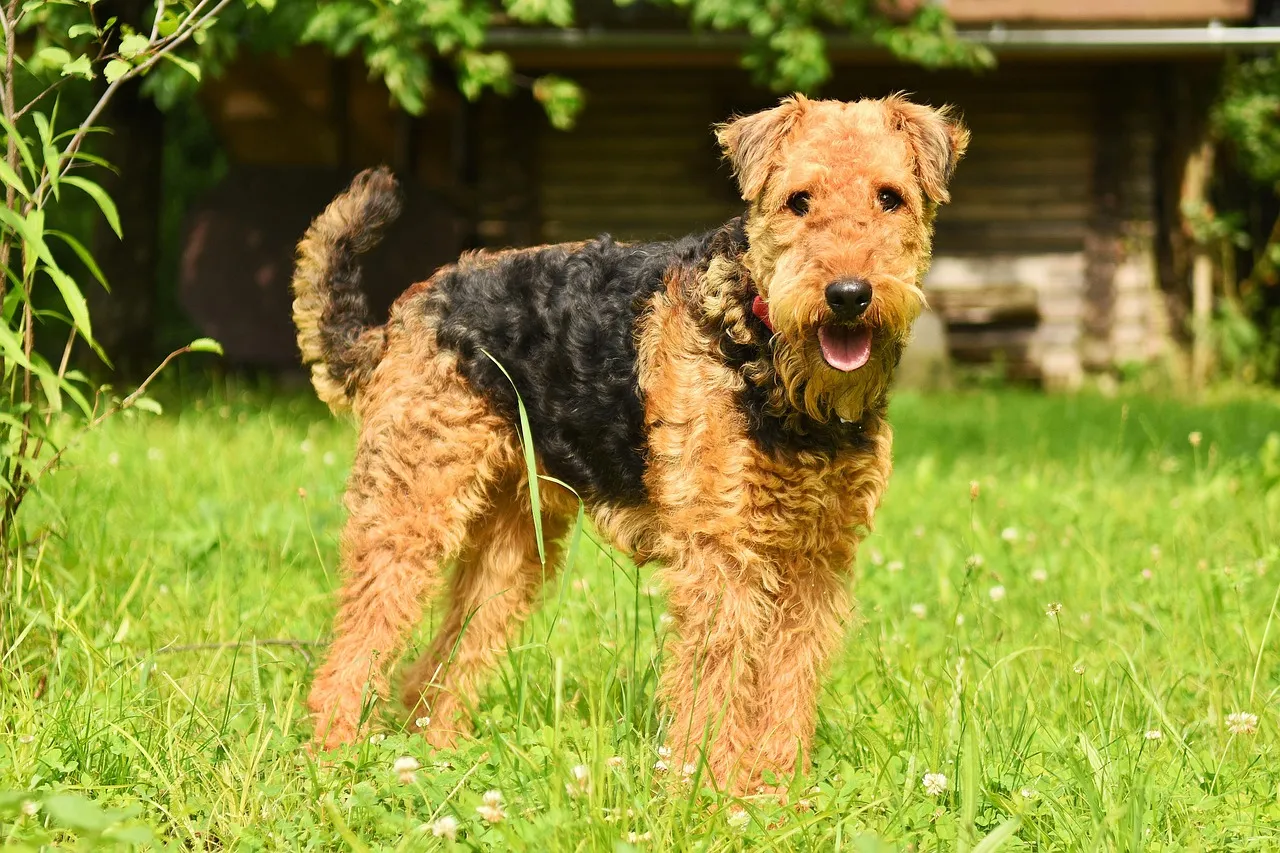
Once nicknamed the “King of Terriers,” the Airedale had serious historical clout – it worked as a police dog, a war messenger, and even shared the White House with Theodore Roosevelt decades earlier. By the 1980s it was still a respected, if less flashy, presence in American homes, known for its wiry coat and confident, no-nonsense attitude.
Today, most people under 40 have never even heard of it. As flashier, more media-friendly breeds dominated pop culture and dog food commercials, the Airedale’s quiet competence just couldn’t compete for attention. It’s arguably the most dramatic vanishing act on this entire list – a breed with genuine historical weight that simply got left behind.
Why It Stands Out
- Nicknamed the “King of Terriers” for being the largest breed in the terrier group.
- Three U.S. presidents in a row – Woodrow Wilson, Warren Harding, and Calvin Coolidge – each kept an Airedale in the White House.
- Harding’s Airedale, Laddie Boy, had his own hand-carved chair and reportedly attended Cabinet meetings.
- Served as a battlefield messenger dog for British forces during World War I.
- By the 1920s, the Airedale was briefly the most popular dog breed in the entire United States.
There are no bad dogs, only inconvenient truths about how much work good ones take.
Anonymous breeder, often repeated in dog training circles
The Bottom Line
Here’s the uncomfortable truth behind all 25 of these breeds: almost none of them disappeared because they stopped being good dogs. They disappeared because modern life stopped being built for them.
We traded grooming time, training patience, and tolerance for quirky, strong-willed personalities for something easier to manage – and in doing so, quietly let go of some genuinely remarkable animals. If you grew up with an Afghan Hound gliding across the lawn or a Chow Chow guarding the porch, you weren’t just raising a pet. You were part of the last generation that treated character as a feature, not a flaw. That’s worth remembering the next time someone tells you “easier” always means “better.”
