
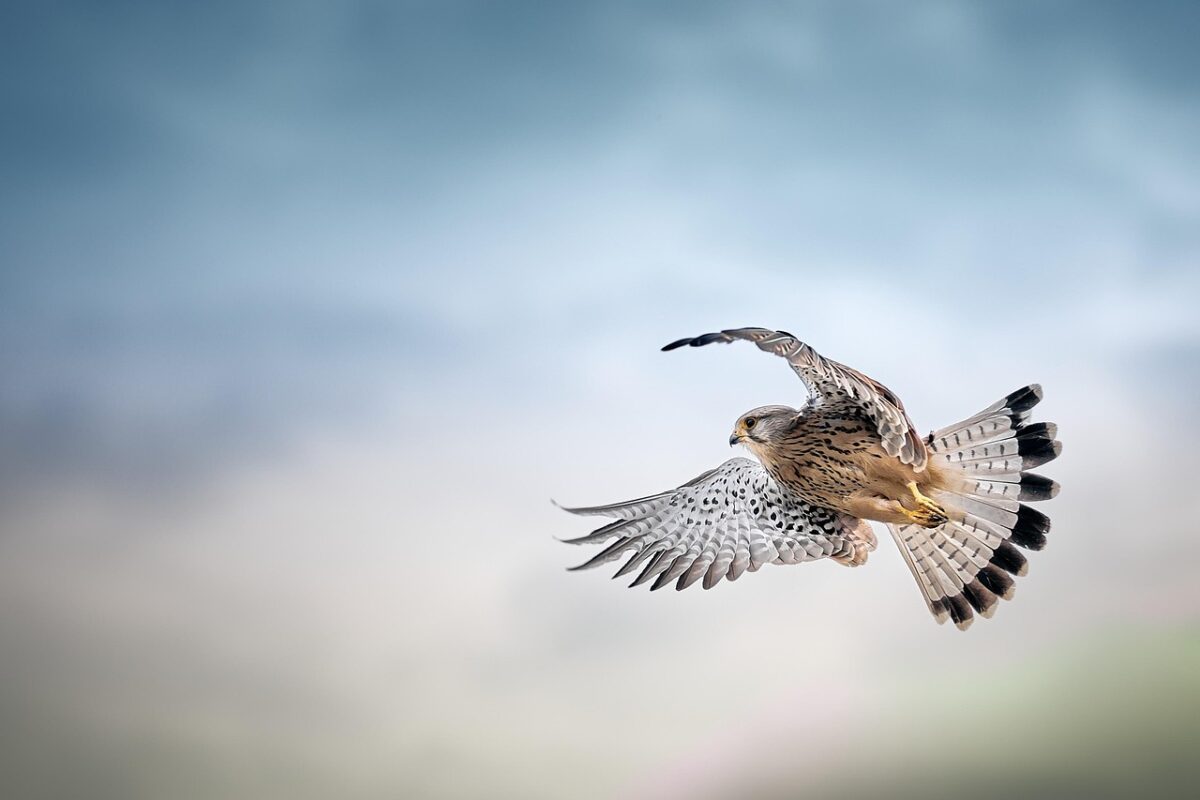
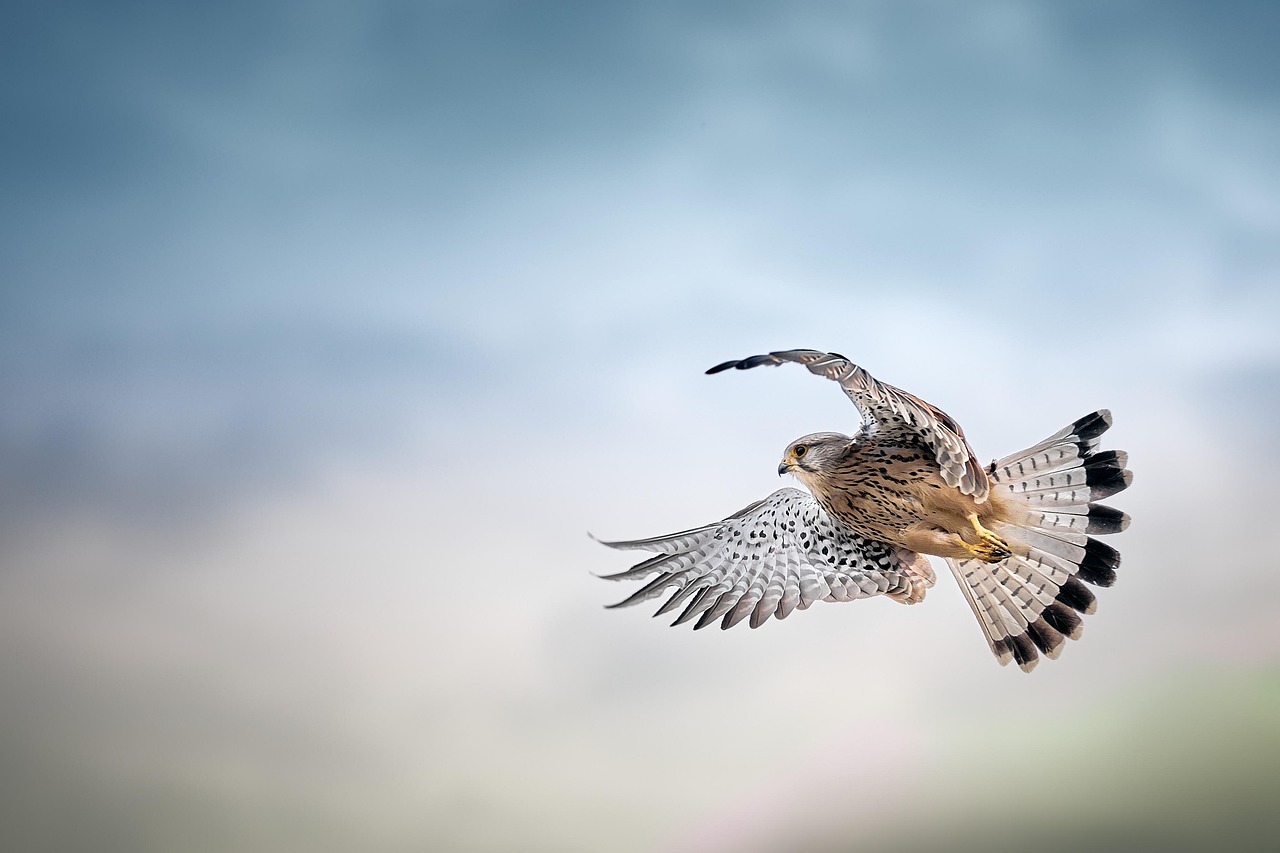
Spotting hawks circling the same spot above your neighborhood for three consecutive days can be both intriguing and puzzling. This behavior isn’t random; it’s deeply rooted in the hawks’ survival strategies and environmental interactions. Understanding the reasons behind this repeated circling can offer a fascinating glimpse into the lives of these majestic birds.
Riding the Thermals: Nature’s Elevators
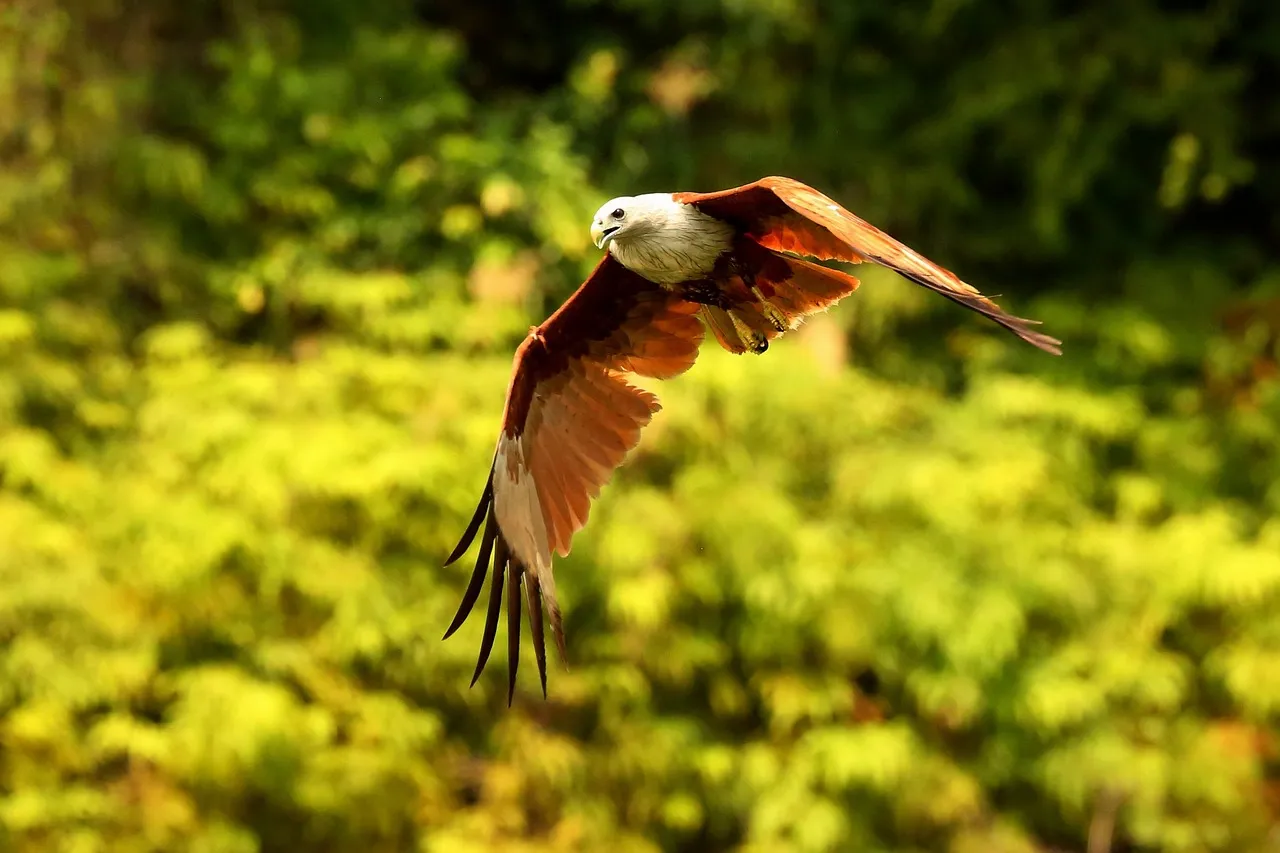
Hawks are masters of energy conservation, often utilizing rising columns of warm air known as thermals to soar effortlessly. By circling within these thermals, they gain altitude without expending much energy, allowing them to survey large areas for prey or suitable habitats. If your neighborhood consistently produces strong thermals – perhaps due to specific land features or urban heat islands – hawks may return repeatedly to exploit these favorable conditions.
Scouting for Prey: Aerial Surveillance
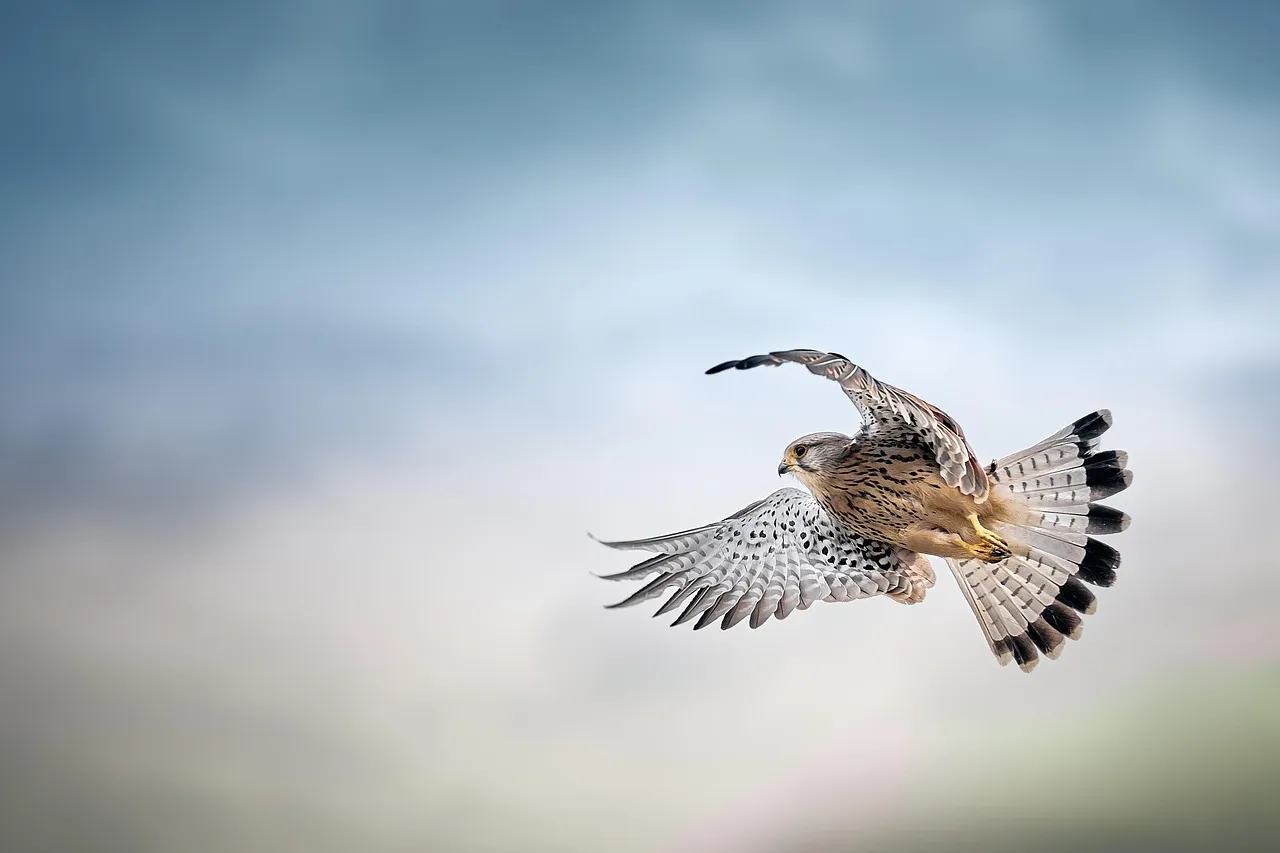
Circling behavior is also a strategic hunting technique. From their elevated vantage point, hawks can scan the ground for movement, identifying potential prey such as rodents, small birds, or even insects. If your area provides abundant food sources, hawks are likely to frequent it, using their keen eyesight to detect and capture meals efficiently.
Territorial Displays: Asserting Dominance

Hawks are territorial creatures, especially during breeding seasons. Circling over a specific area can be a way to assert dominance and signal to other hawks that the territory is claimed. This behavior helps prevent conflicts and ensures access to resources within the designated area.
Nesting Nearby: Protecting the Homestead
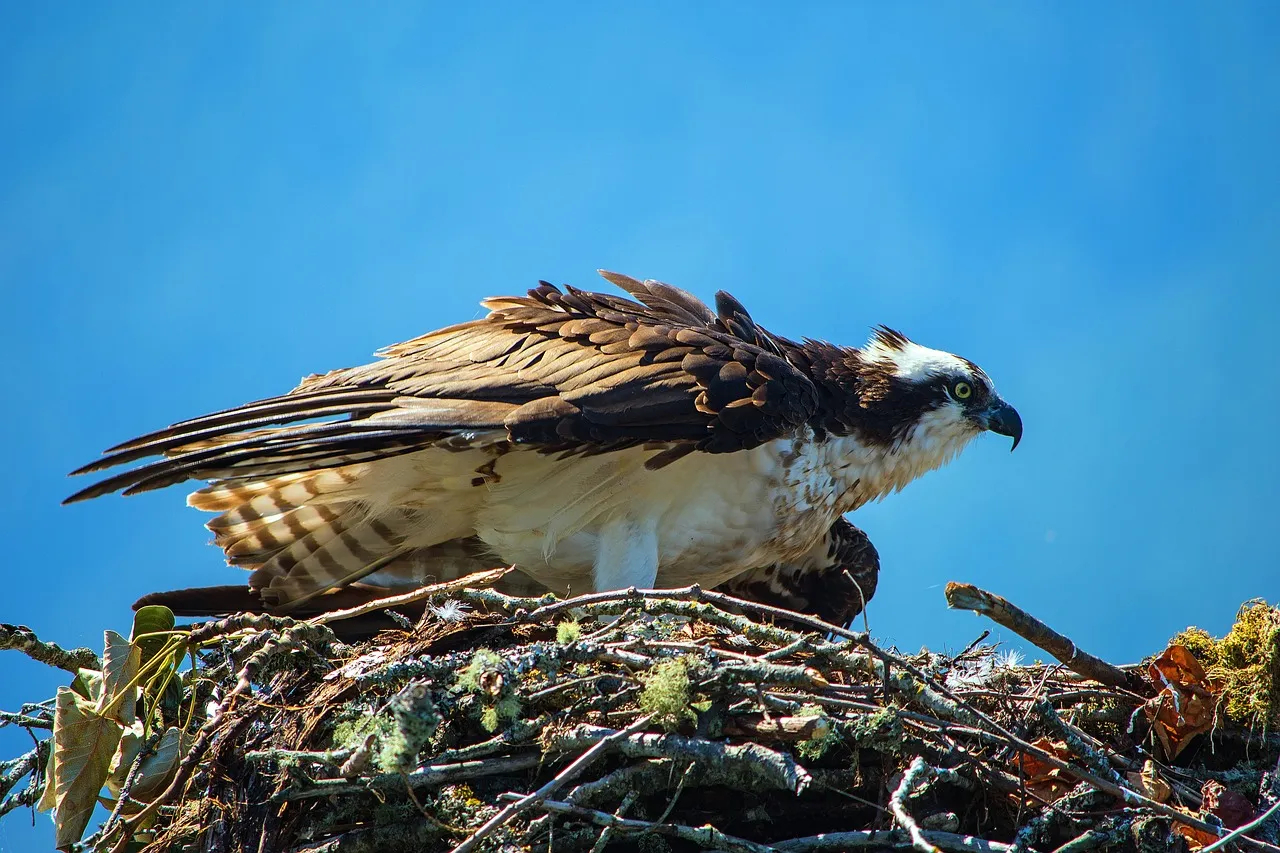
Repeated circling might indicate that hawks have established a nest nearby. They often patrol the vicinity to protect their young from potential threats and to keep an eye on their nesting site. Observing this behavior during nesting season suggests that your neighborhood provides a safe and resource-rich environment conducive to raising their offspring.
Migration Patterns: Rest Stops in the Sky
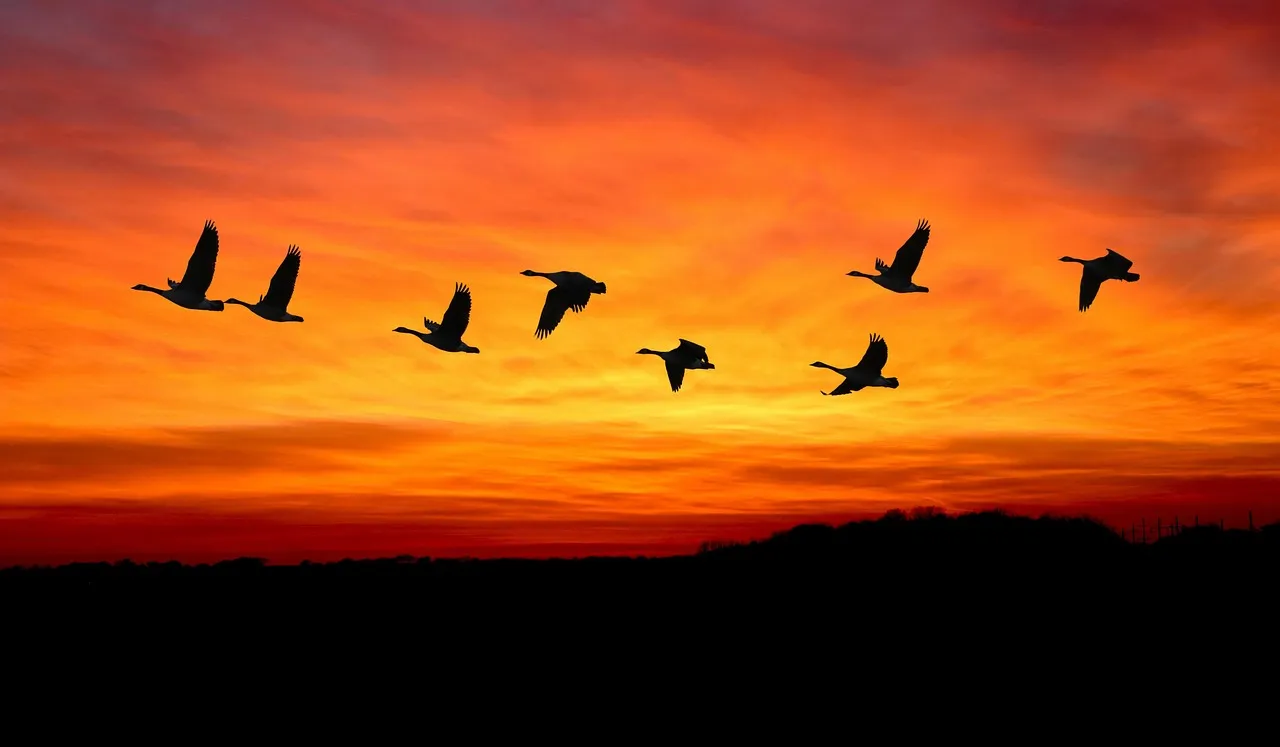
During migration periods, hawks travel long distances and require rest stops to refuel. If your area offers suitable resting spots and abundant food, migrating hawks may circle overhead as they prepare to land and recuperate before continuing their journey. This temporary behavior aligns with their need to find hospitable environments along migration routes.
Environmental Factors: Urban Attractions
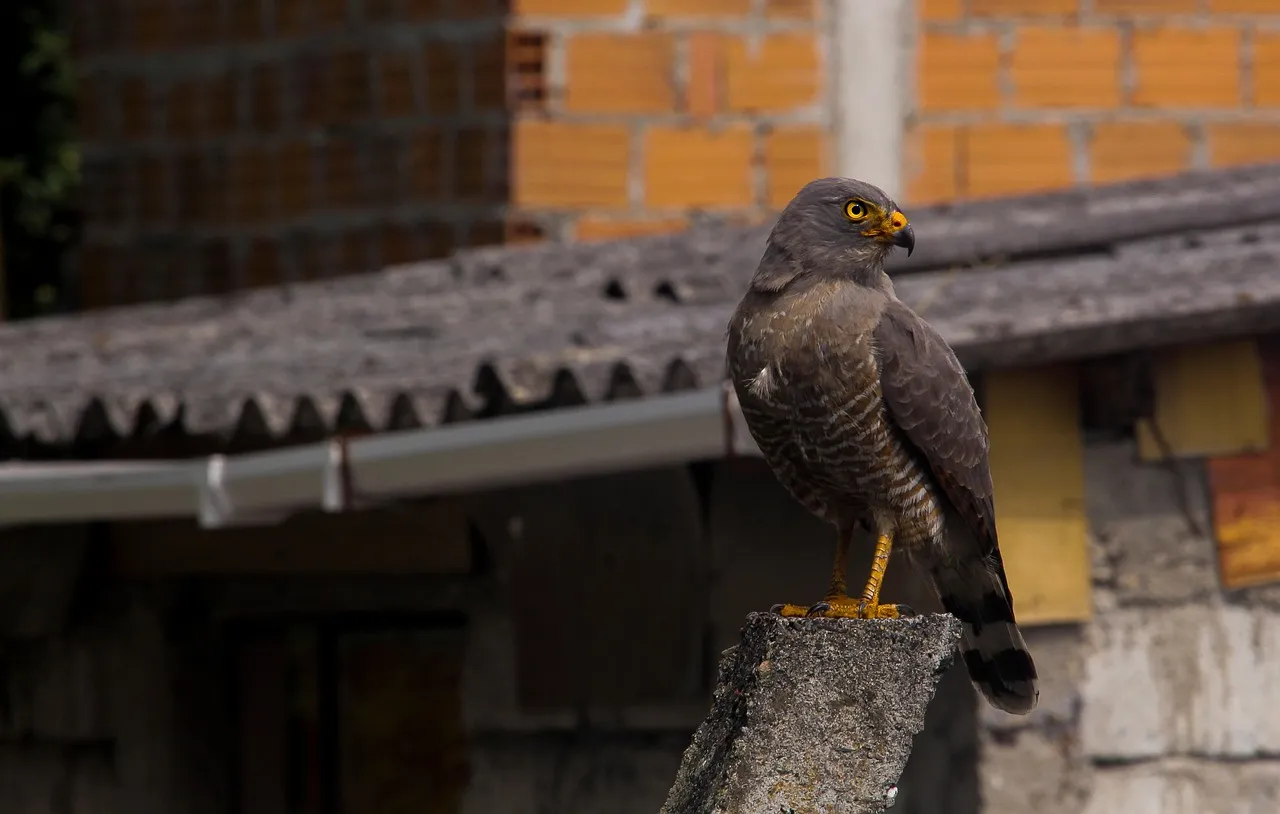
Urban areas can inadvertently attract hawks due to the presence of bird feeders, open green spaces, and even small pets. These elements can create a microhabitat rich in potential prey, drawing hawks to circle and hunt in the vicinity. Additionally, certain architectural structures can generate thermals, further enticing hawks to the area.
Spiritual Symbolism: Messengers in the Sky
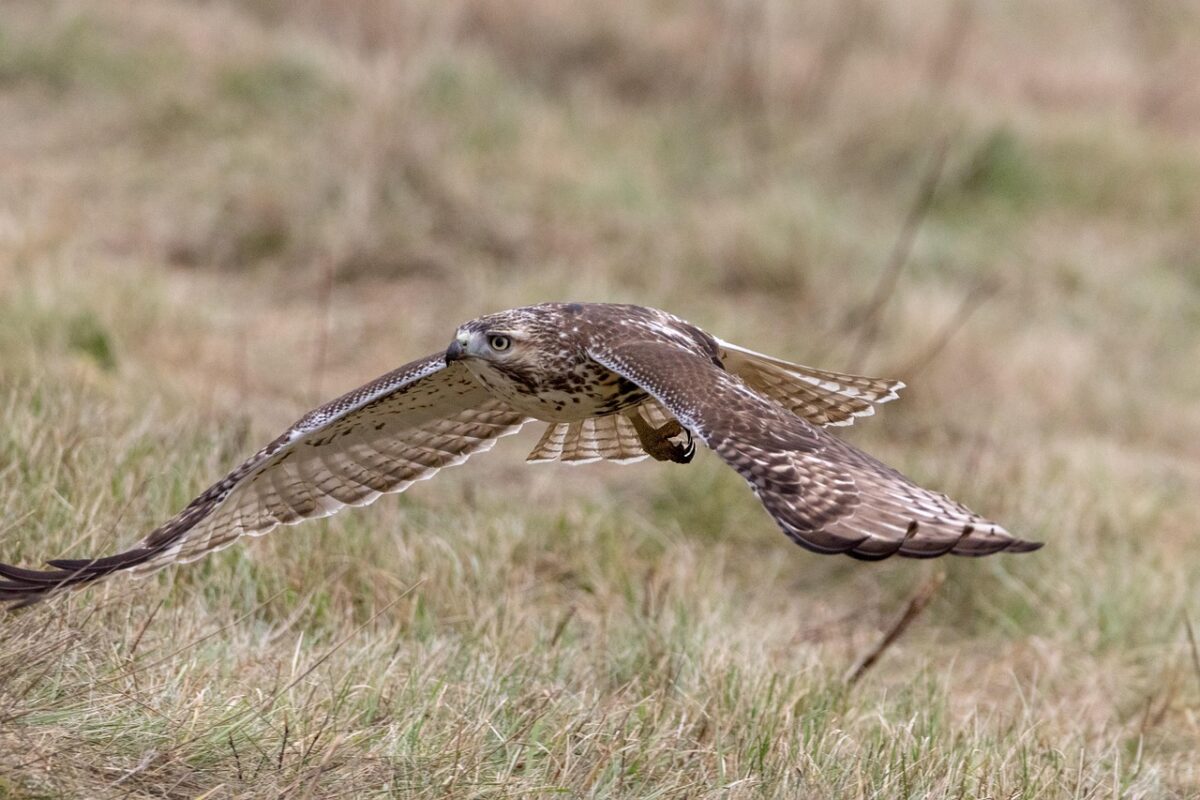
Beyond ecological reasons, hawks hold significant symbolism in various cultures. They are often seen as messengers or omens, representing vision, strength, and guardianship. Repeated sightings might be interpreted as a sign to pay attention to one’s surroundings or to be aware of upcoming changes.
In conclusion, the persistent circling of hawks above your neighborhood is a multifaceted behavior influenced by environmental conditions, hunting strategies, territorial instincts, and even cultural symbolism. Rather than viewing this as mere coincidence, it’s an opportunity to appreciate the complex interplay between wildlife and urban ecosystems. So, the next time you see hawks gracefully soaring overhead, consider the myriad reasons behind their presence and what it reveals about the natural world coexisting with our own.
