

Imagine waking up in the dead of night, peering out your window, and locking eyes with a deer standing motionless, gazing directly at your home. It’s a scene that feels almost otherworldly, stirring a mix of curiosity and unease. But before you let your imagination run wild, let’s delve into the real reasons behind this nocturnal encounter.
Deer Are Crepuscular, Not Nocturnal
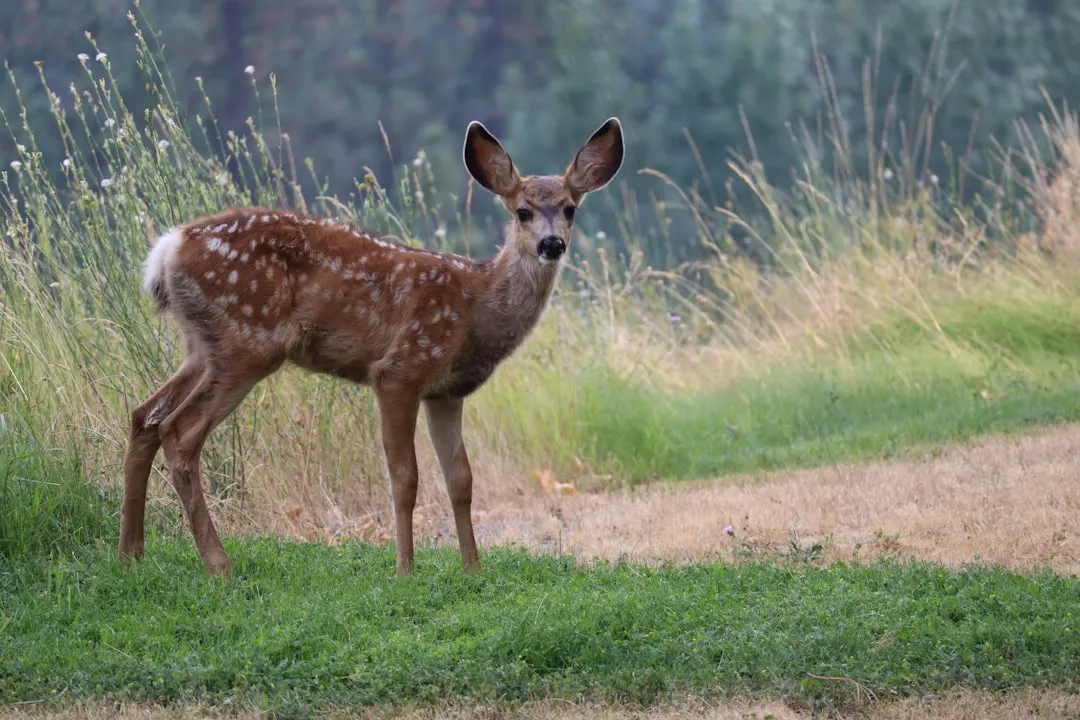
Contrary to popular belief, deer aren’t strictly nocturnal creatures. They’re crepuscular, meaning they’re most active during the twilight hours of dawn and dusk. However, various factors can push them to adjust their activity patterns, leading to unexpected nighttime appearances.
Human Activity Influences Deer Behavior

In areas with significant human presence, deer often alter their routines to avoid encounters. The hustle and bustle of daytime activities can drive them to seek food and explore during the quieter nighttime hours, bringing them closer to residential areas under the cover of darkness.
Artificial Lights Attract Deer

Your home’s lights can be a beacon for deer. They’re naturally curious and may be drawn to illuminated areas, mistaking them for open spaces or potential food sources. This attraction can lead to those eerie late-night stares through your window.
Deer Have Exceptional Night Vision
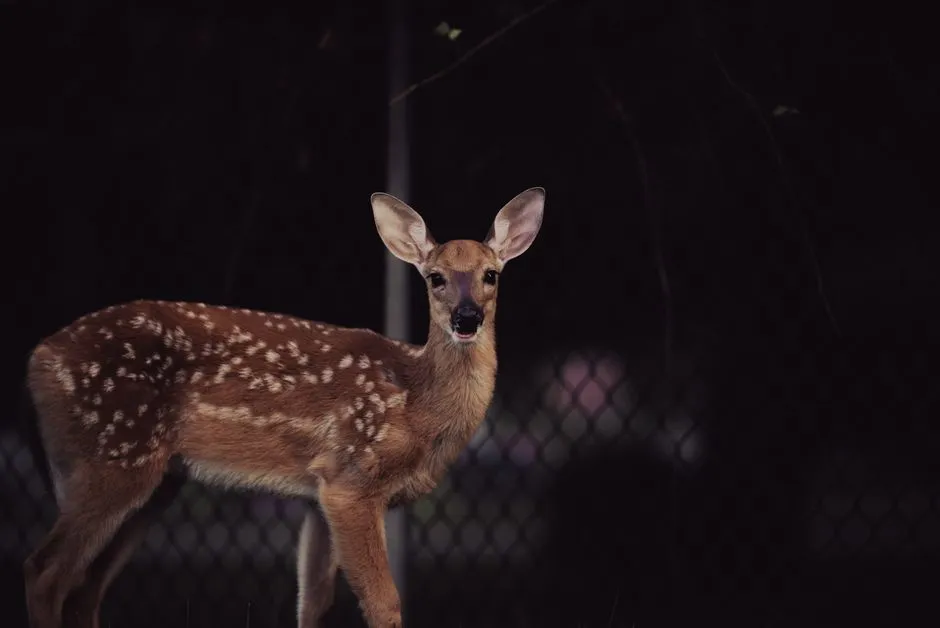
Equipped with eyes adapted for low-light conditions, deer can see remarkably well at night. This superior night vision allows them to navigate and forage in the dark, making nighttime visits to your yard more feasible and less risky for them.
Seasonal Changes Affect Deer Movements

During certain times of the year, especially in the fall mating season known as the rut, deer become more active and may roam beyond their usual territories. This increased movement can result in unexpected appearances in suburban neighborhoods at odd hours.
Deer Are Naturally Cautious and Curious

When a deer stands still and stares, it’s assessing its environment for potential threats. This behavior is a survival tactic, allowing the deer to gather information before deciding whether to flee or continue its activities. Your house, with its unfamiliar sights and sounds, becomes a point of interest in their cautious exploration.
Understanding and Coexisting with Urban Wildlife
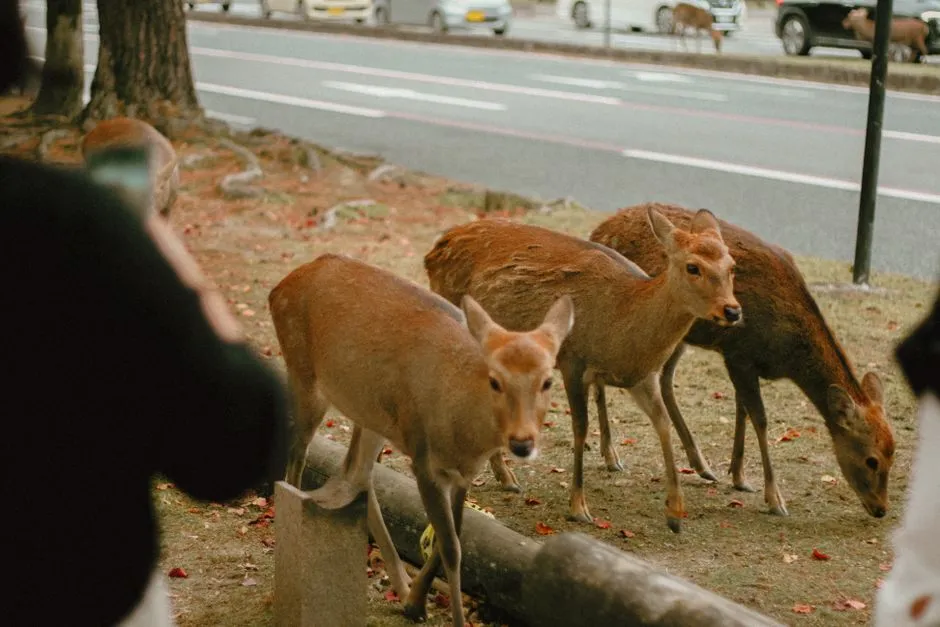
As human developments encroach on natural habitats, encounters with wildlife like deer become more common. Recognizing that these animals are adapting to their changing environments helps us appreciate their presence and encourages peaceful coexistence.
In conclusion, spotting a deer staring at your house at 3 AM isn’t a harbinger of mystical events or a cause for alarm. It’s a testament to the adaptability of wildlife and a reminder of the delicate balance between human habitats and nature. So, the next time you find yourself in a midnight stare-down with a deer, consider it a unique glimpse into the secret life of these fascinating creatures. Who knew the night held such quiet wonders?
