
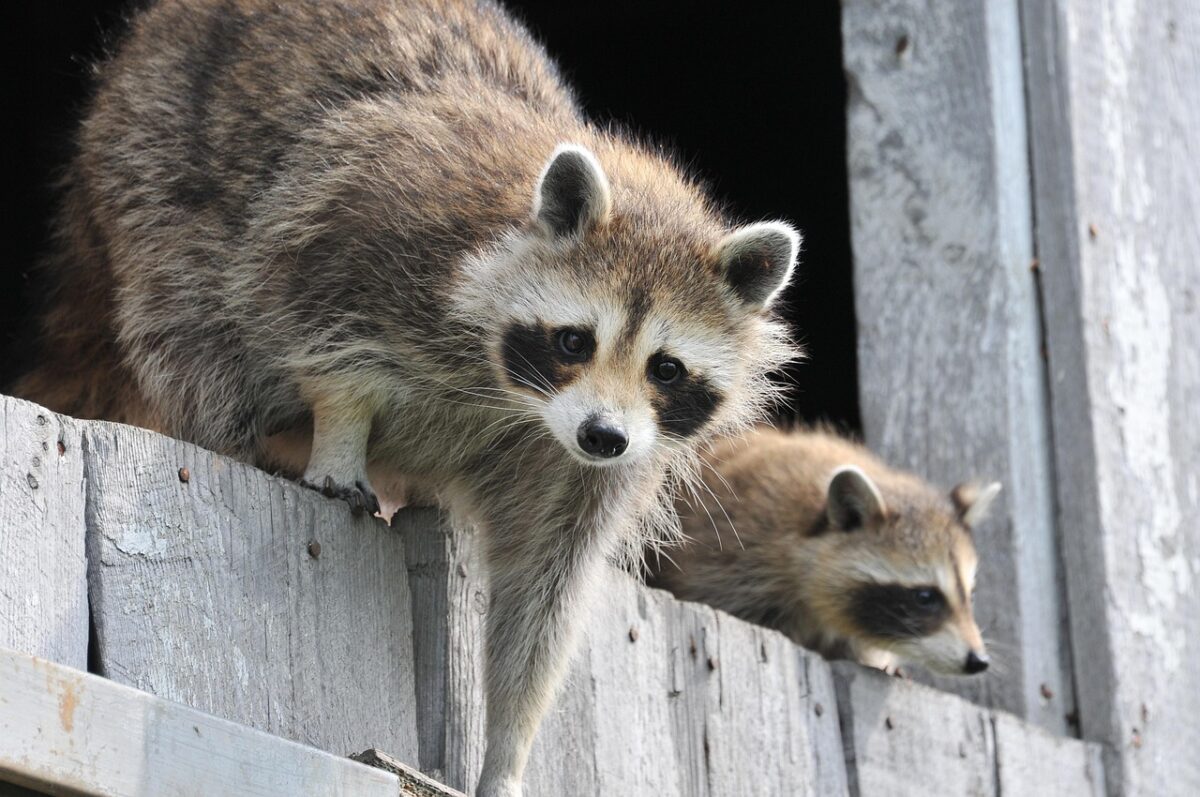
Ever been jolted awake by mysterious noises outside your window, only to dismiss them as the wind or a stray cat? Think again. Those unsettling sounds might be a prelude to an uninvited guest – raccoons. These nocturnal creatures are not just rummaging through your trash; they could be scouting for a way into your home. Recognizing their specific sounds can be the first step in preventing a full-blown invasion.
1. Persistent Scratching and Scraping

Imagine the eerie sound of claws methodically scraping against wood or siding. This isn’t just a random noise; it’s a raccoon attempting to gain entry. Their dexterous paws and sharp claws make them adept climbers, and they often target weak spots like vents, loose shingles, or even window screens. If you hear this persistent scratching, it’s a clear sign they’re trying to breach your home’s defenses.
Beyond the annoyance, this behavior can lead to significant structural damage. Raccoons are known to tear through materials to create entry points, leaving your home vulnerable to the elements and other pests. Addressing these sounds promptly can save you from costly repairs down the line.
2. Thumping and Heavy Footsteps
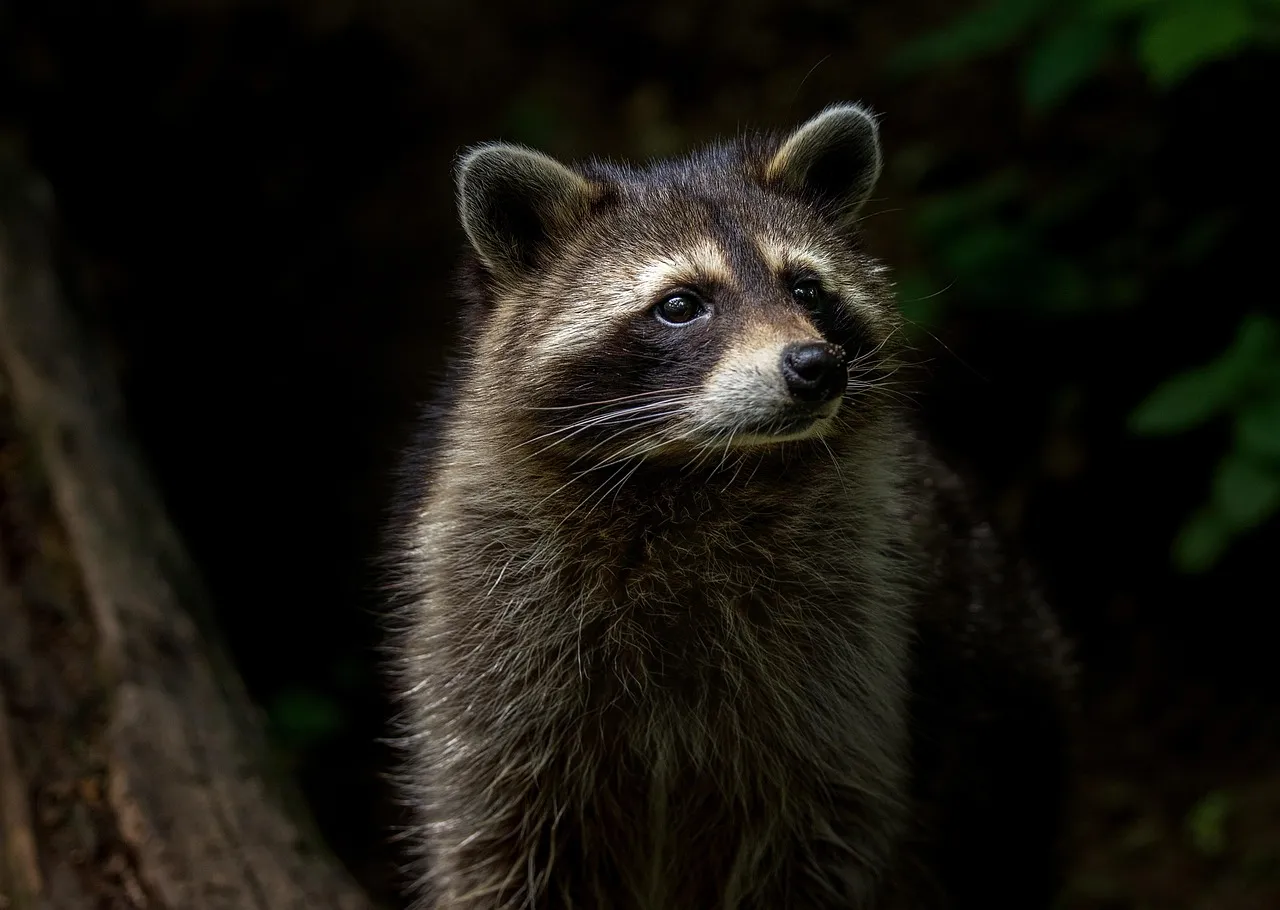
The sound of heavy thuds or footsteps on your roof or near windows isn’t your imagination. Raccoons, weighing up to 20 pounds, aren’t the most graceful creatures. Their movements can be surprisingly loud, especially when they’re exploring potential entry points. These thumping noises often indicate that a raccoon is assessing your home for vulnerabilities.
Ignoring these sounds can be perilous. Once raccoons identify a weak spot, they’re persistent in exploiting it. Their weight and strength allow them to dislodge loose shingles or pry open vents, making it essential to address any unusual noises promptly.
3. Chittering and Chirping
A series of high-pitched chirps or chittering sounds outside your window can be unsettling. These vocalizations are often used by raccoons to communicate with each other, especially during mating season or when a mother is calling her young. Hearing these sounds near your home suggests that raccoons are not just passing through – they’re establishing territory.
This behavior is particularly concerning because it indicates a potential nesting site nearby. Raccoons prefer warm, secluded areas to raise their young, and your attic or crawl space might be the perfect spot. Early detection of these sounds can prevent a full-scale infestation.
4. Growling and Hissing
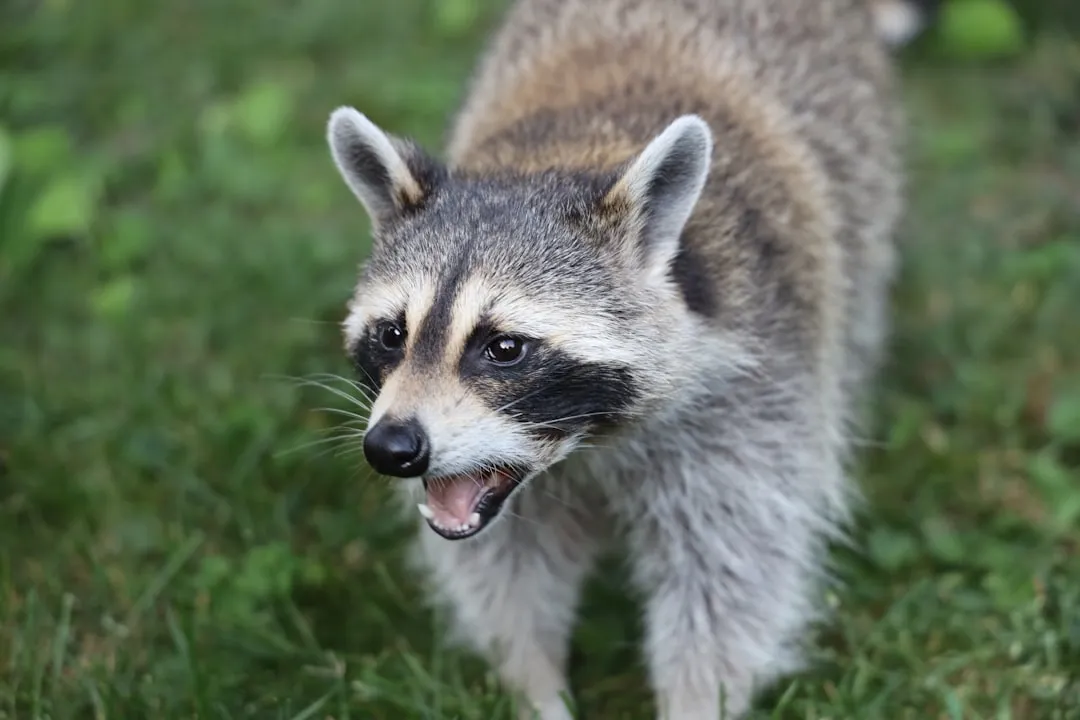
Low growls or sharp hisses are clear indicators of aggression or territorial disputes among raccoons. If these sounds are emanating from just outside your window, it suggests that multiple raccoons are vying for dominance, possibly over a prime nesting location – like your home.
Such aggressive behaviors near your residence are a red flag. It means raccoons are not only present but are actively considering your property as a potential den. Addressing this promptly can prevent them from establishing a foothold inside your home.
5. Whining and Whimpering

Soft whining or whimpering sounds, especially during the night, often come from young raccoons communicating with their mother. If these sounds are close to your home, it indicates that a mother raccoon has chosen a nearby location to raise her kits.
This proximity is concerning because mother raccoons are fiercely protective and can become aggressive if they feel their young are threatened. Moreover, the presence of a raccoon family increases the likelihood of them seeking shelter inside your home, making it crucial to address these sounds immediately.
6. Loud Purring or Trilling

While purring is often associated with contentment in cats, raccoons also produce a similar sound when they’re comfortable or communicating with their young. A loud purring or trilling noise near your window suggests that raccoons feel safe and are possibly nesting nearby.
This sense of security can lead them to explore your home further, seeking entry points to establish a more permanent residence. Recognizing and addressing these sounds can deter them from making your home theirs.
7. Knocking or Banging Sounds
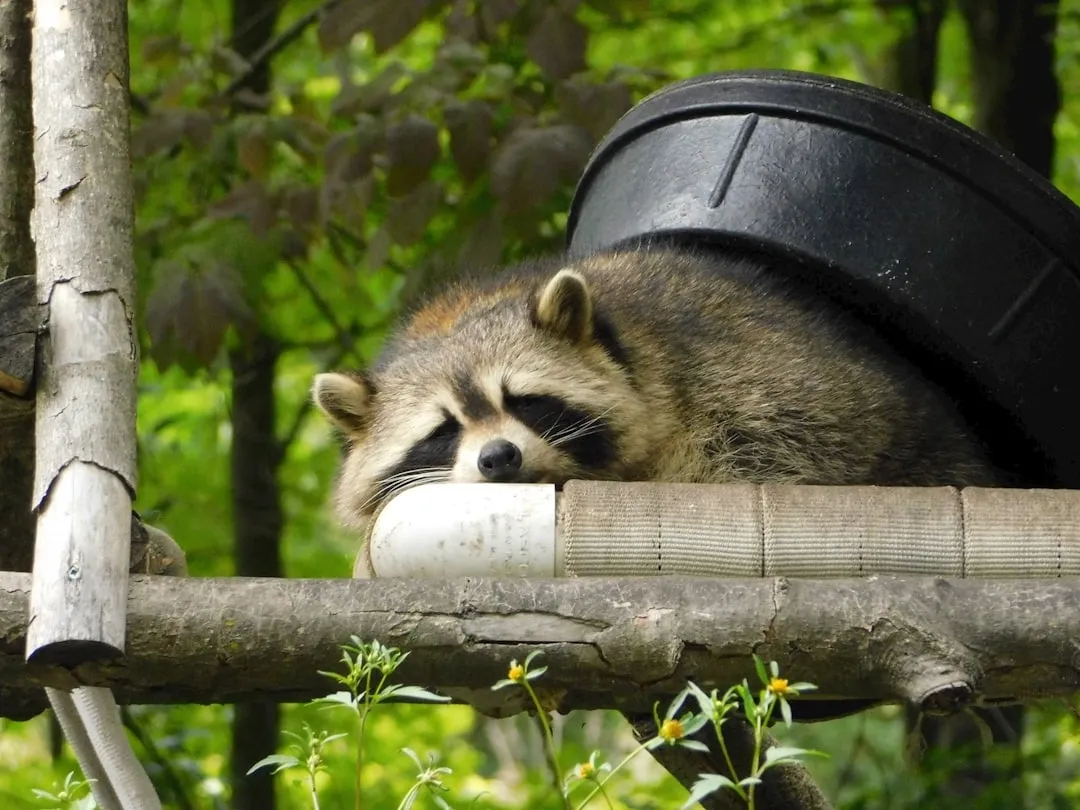
Unexplained knocking or banging noises outside your window can be alarming. These sounds often result from raccoons tipping over trash cans, moving objects, or attempting to open containers. Their curiosity and dexterity make them adept at manipulating objects in their environment.
Such noises indicate that raccoons are actively foraging near your home and testing the accessibility of potential food sources. Securing trash cans and removing attractants can help deter them from frequenting your property.
8. Screeching or Screaming
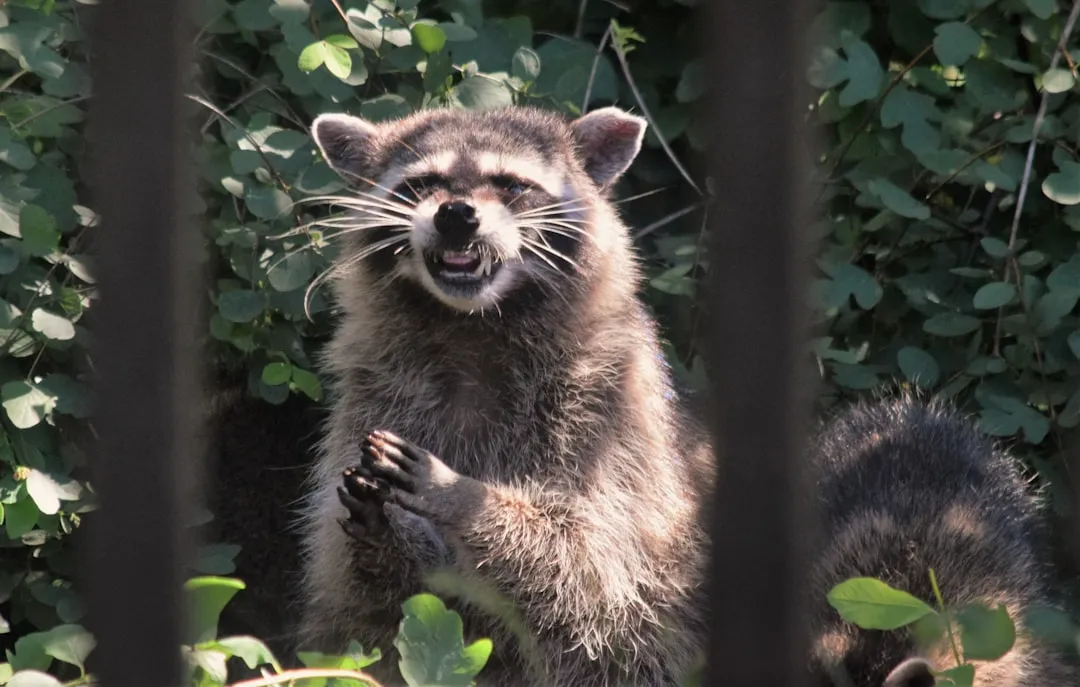
High-pitched screeches or screams are among the most unsettling raccoon sounds. These vocalizations typically occur during fights, mating, or when a raccoon is in distress. Hearing such intense noises near your window suggests heightened raccoon activity and potential conflicts over territory or mates.
This level of activity near your home increases the risk of raccoons attempting to enter your residence. Being proactive in addressing these sounds can prevent them from becoming more than just a nighttime nuisance.
Conclusion
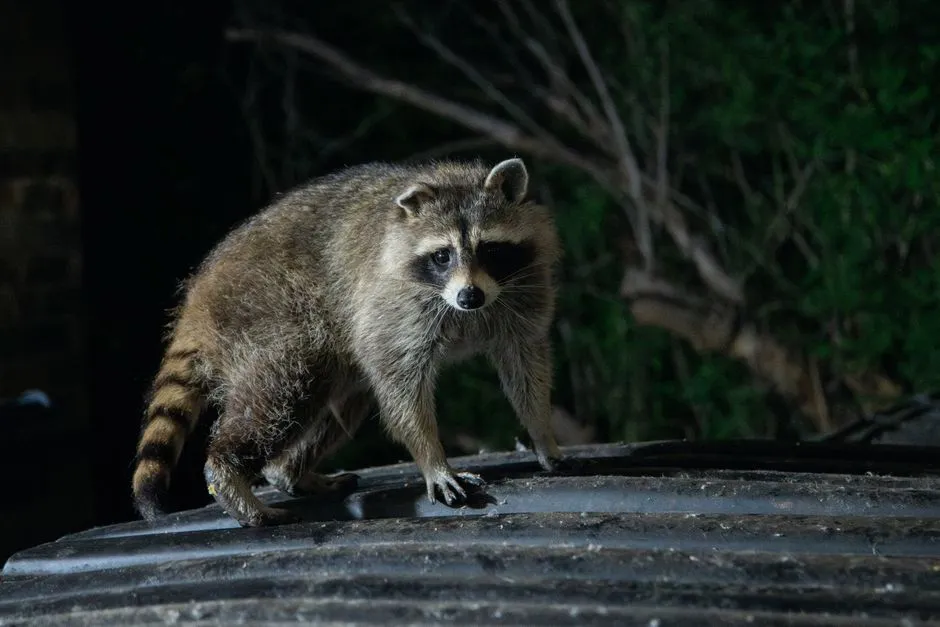
Recognizing and understanding these raccoon sounds is more than just an exercise in wildlife observation – it’s a crucial step in protecting your home. Each of these noises serves as a warning sign, indicating that raccoons are not just passing by but are considering your property as a potential den. By staying vigilant and addressing these sounds promptly, you can prevent these nocturnal nuisances from becoming unwelcome housemates. After all, isn’t it better to be safe than sorry?
