
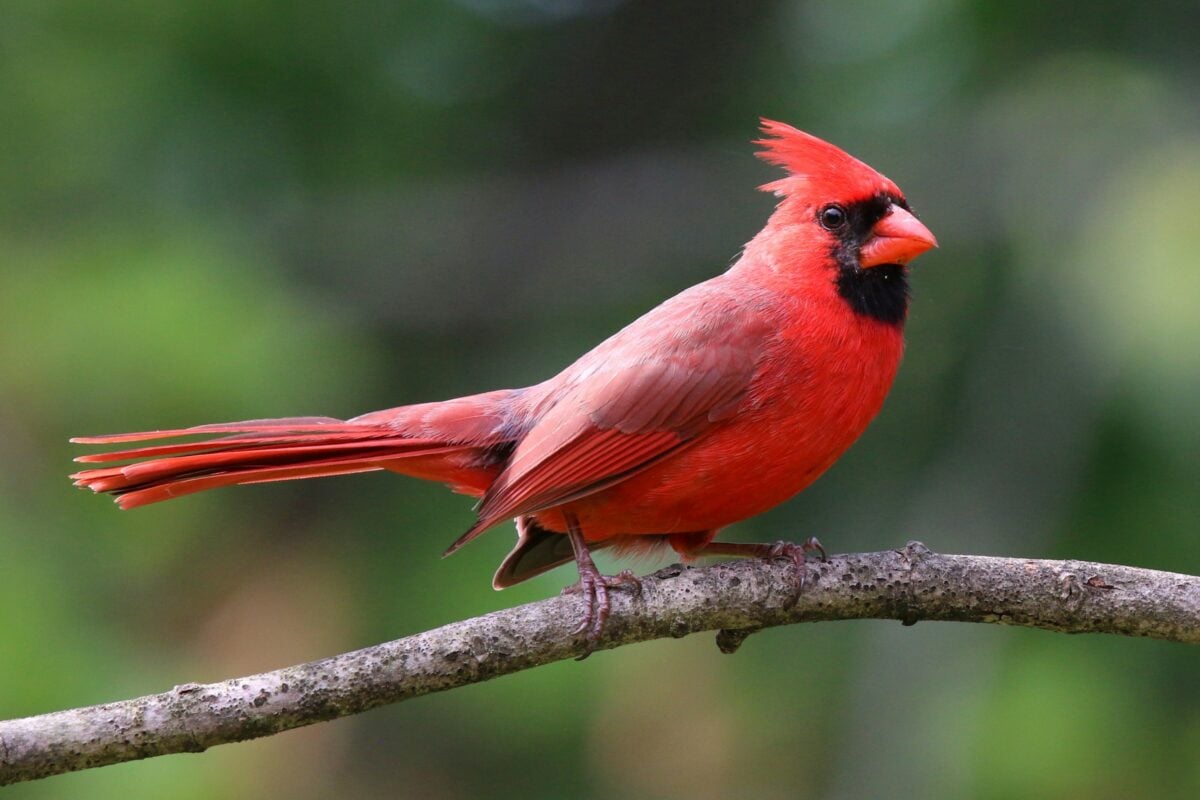
Imagine stepping into your backyard on a crisp morning, only to be greeted by the vibrant red flash of a Northern Cardinal. These striking birds, with their brilliant plumage and melodic songs, have captivated observers for centuries. But have you ever wondered if there’s a particular time of year when these avian visitors are more prevalent? Let’s delve into the patterns of cardinal visits and uncover what 19th-century naturalists noted about their seasonal behaviors.
Cardinals: Year-Round Residents with Seasonal Peaks
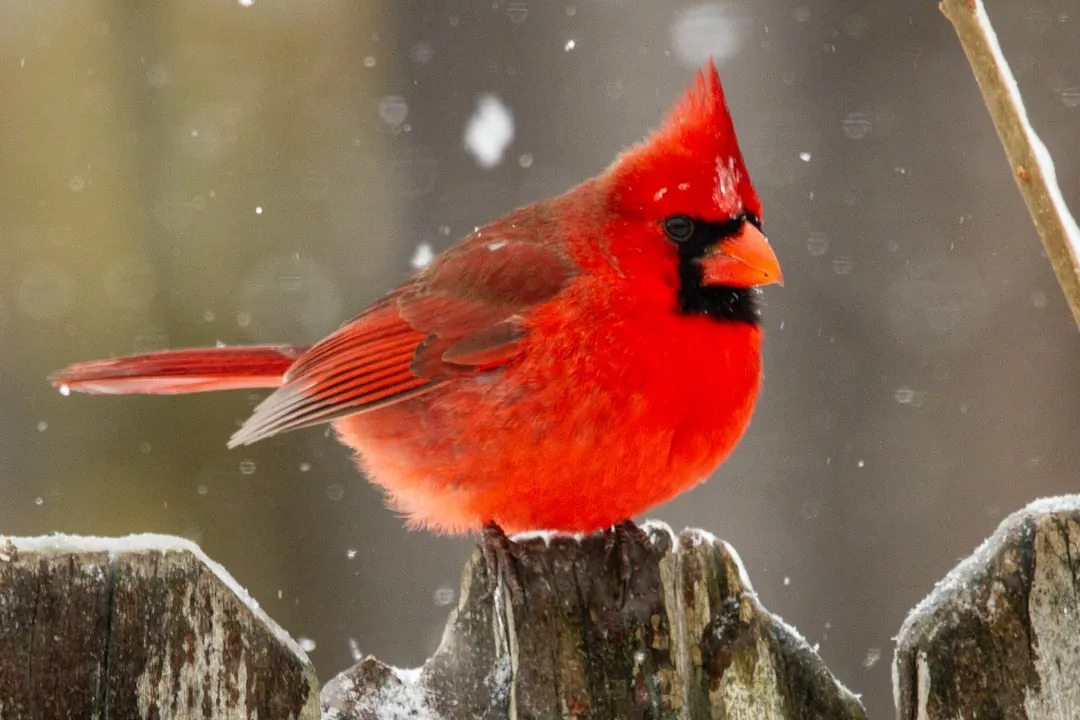
Unlike many songbirds that migrate with the changing seasons, Northern Cardinals are non-migratory, gracing our landscapes throughout the year. However, their activity levels and visibility can fluctuate depending on the time of year. While they remain present in all seasons, certain months witness a noticeable uptick in their visits, especially to backyard feeders and gardens.
During the breeding season, which typically spans from March through September, cardinals become particularly active. This period sees increased foraging as they gather food for their young, leading to more frequent appearances in areas where food is readily available. Additionally, the males’ vibrant red plumage becomes even more conspicuous as they defend territories and court mates.
Spring: A Symphony of Cardinal Songs
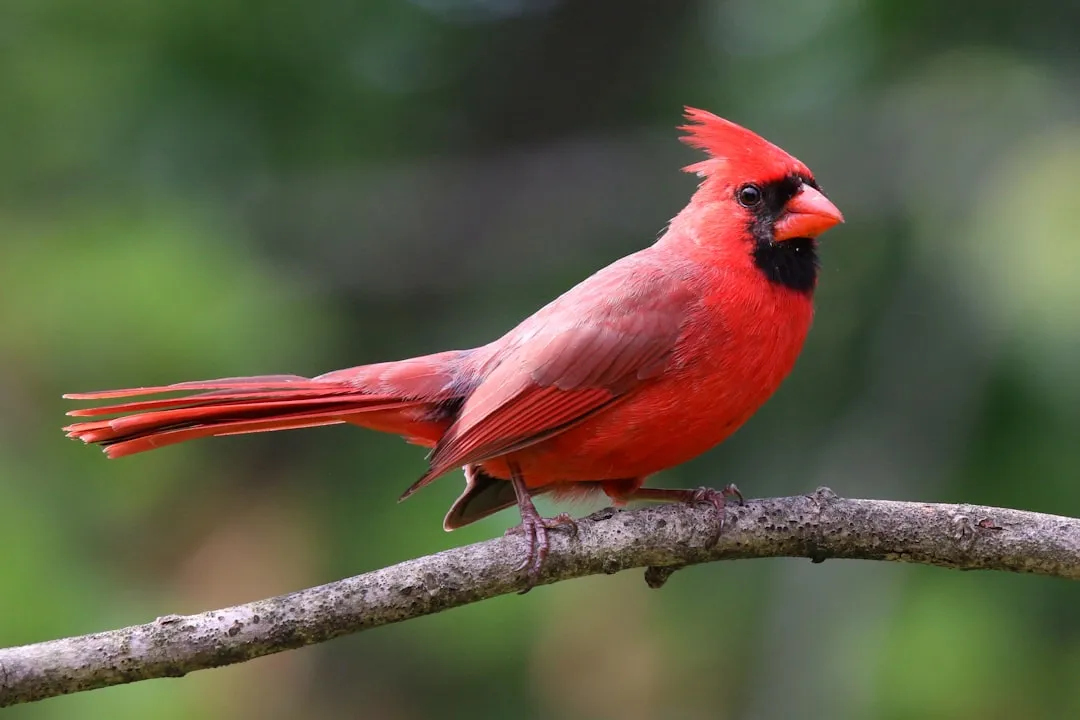
As winter’s grip loosens and spring emerges, cardinals herald the season with their melodious songs. Males are especially vocal during this time, singing to establish territories and attract females. This vocal activity makes them more noticeable to human observers, contributing to the perception of increased visits during these months.
In regions like Texas, the breeding season can commence as early as January, with egg-laying observed from March through July. This extended period of reproductive activity ensures that cardinals remain a prominent presence in these areas throughout the spring and summer months.
Summer: Nurturing the Next Generation
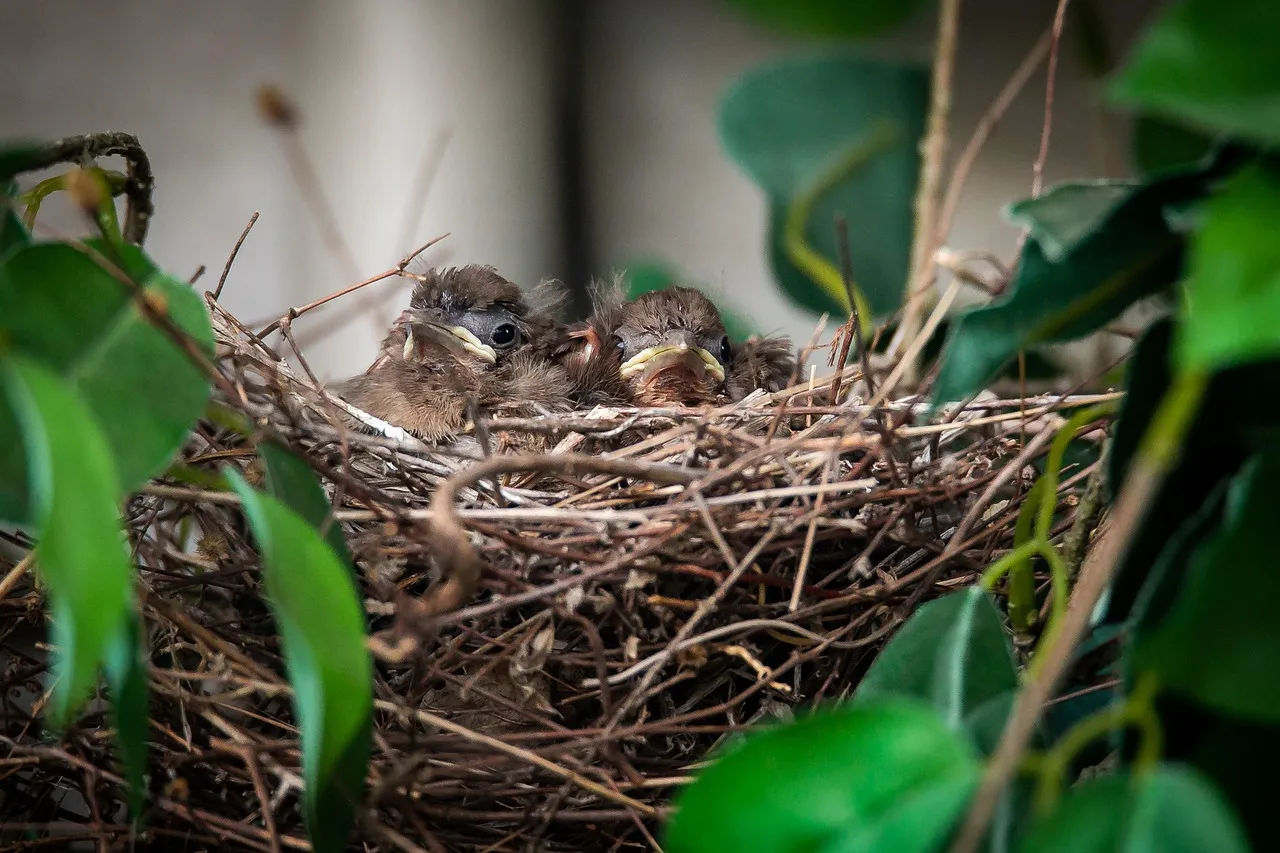
Summer months are bustling times for cardinals. With nests full of hungry chicks, both parents are engaged in constant foraging to meet the demands of their offspring. This heightened activity often leads to more frequent sightings, especially in areas where food sources are abundant.
Interestingly, cardinals are known to raise multiple broods in a single season. In the southern parts of their range, it’s not uncommon for them to have up to three broods between March and September. This continuous cycle of nesting and feeding keeps them highly active and visible during the warmer months.
Autumn: Preparing for the Lean Months
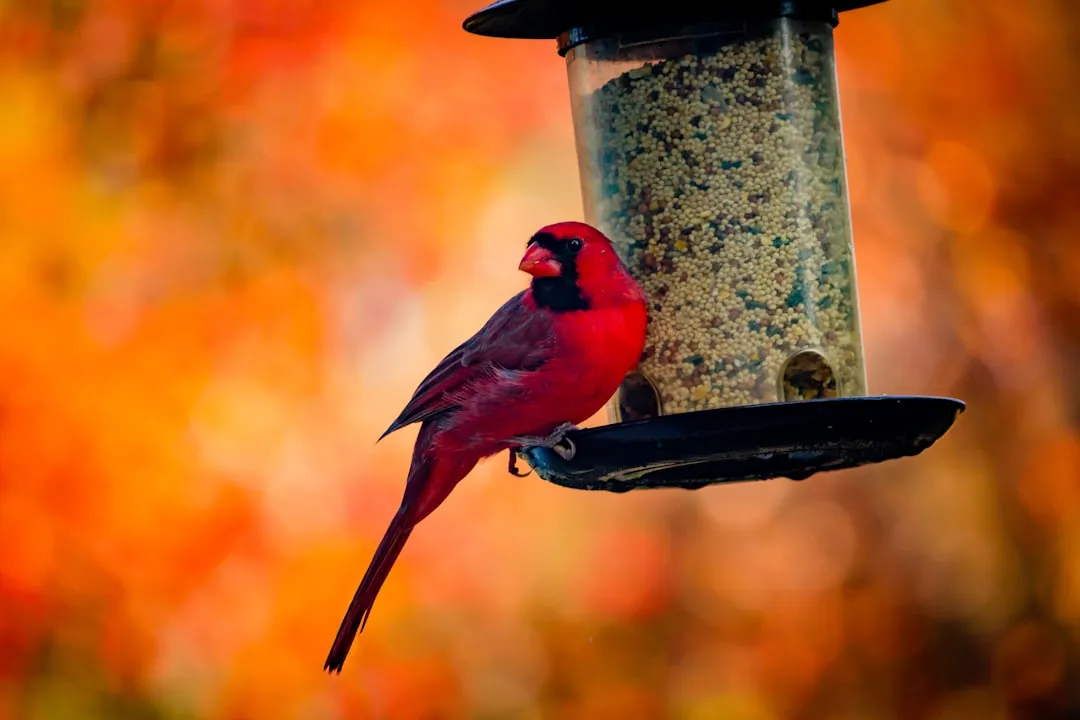
As autumn arrives, cardinals begin to shift their focus towards building fat reserves to sustain them through the colder months. Their diet transitions to include more seeds and fruits, leading them to frequent backyard feeders stocked with sunflower seeds and other favorites.
During this time, their bright plumage stands out against the changing foliage, making them easier to spot. Additionally, the reduced foliage provides less cover, further increasing their visibility to human observers.
Winter: A Splash of Red in a Monochrome Landscape
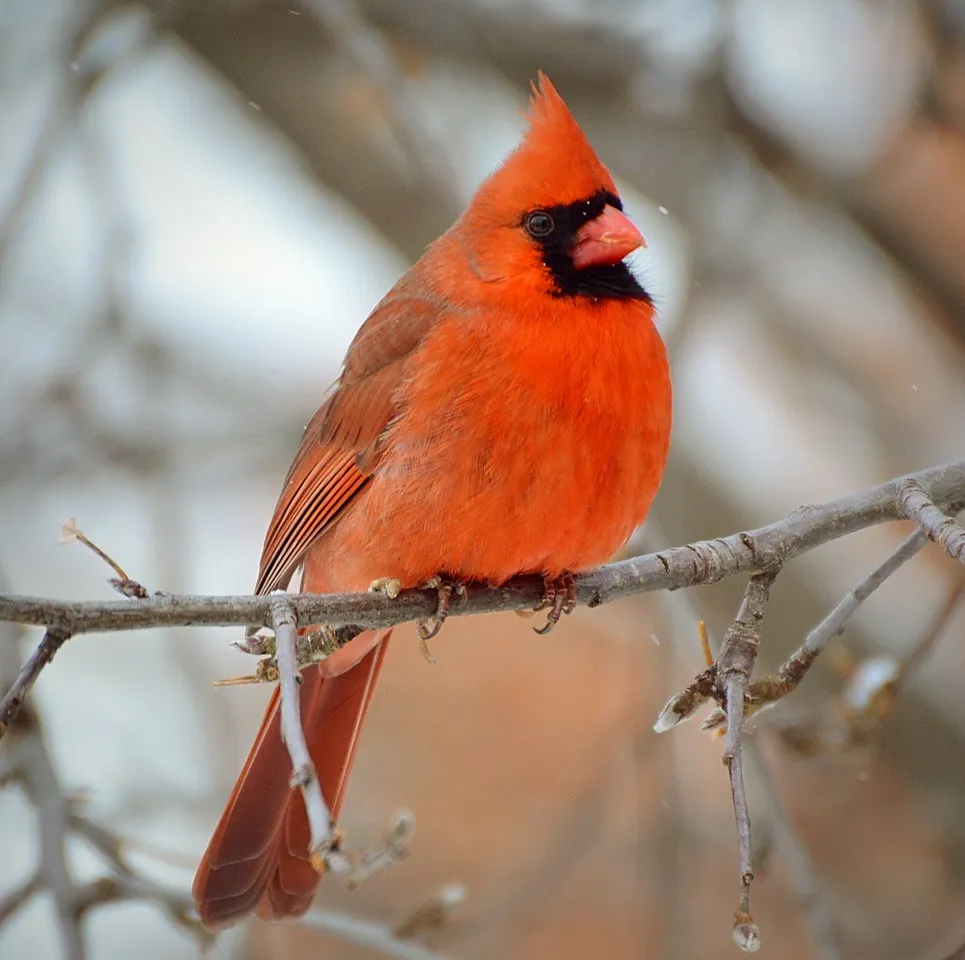
Winter landscapes can often appear stark and lifeless, but the presence of cardinals adds a splash of color to the scene. Their non-migratory nature means they remain in their territories year-round, often visiting feeders to supplement their diet when natural food sources are scarce.
In northern regions, such as Massachusetts, cardinals have become year-round residents, adapting well to suburban environments and readily visiting feeders during the winter months. Their bright red plumage against a snowy backdrop makes them a favorite among bird enthusiasts during this season.
19th-Century Observations: Early Encounters and Expanding Ranges
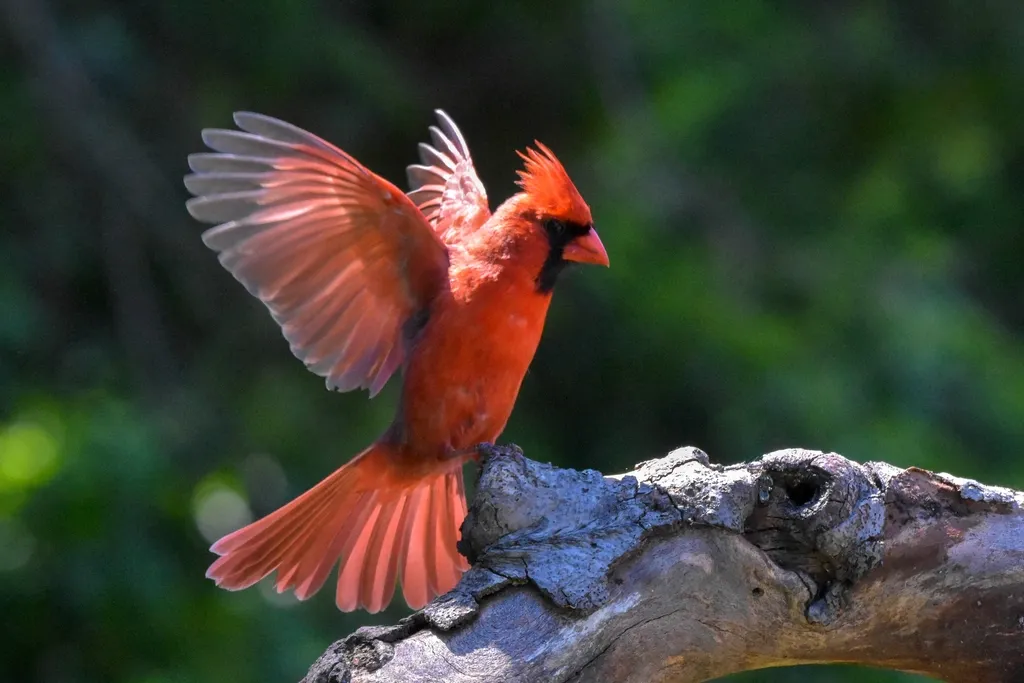
Historical records from the 19th century provide fascinating insights into the distribution and behavior of Northern Cardinals. Notably, these birds were not always as widespread as they are today. Their range expansion into northern areas is a relatively recent phenomenon.
For instance, in Indiana, the first recorded sighting of a cardinal was in the spring of 1885. This marked the beginning of their northward expansion, as they adapted to new habitats and became more common in areas previously outside their traditional range.
Conclusion: A Year-Round Delight with Seasonal Highlights
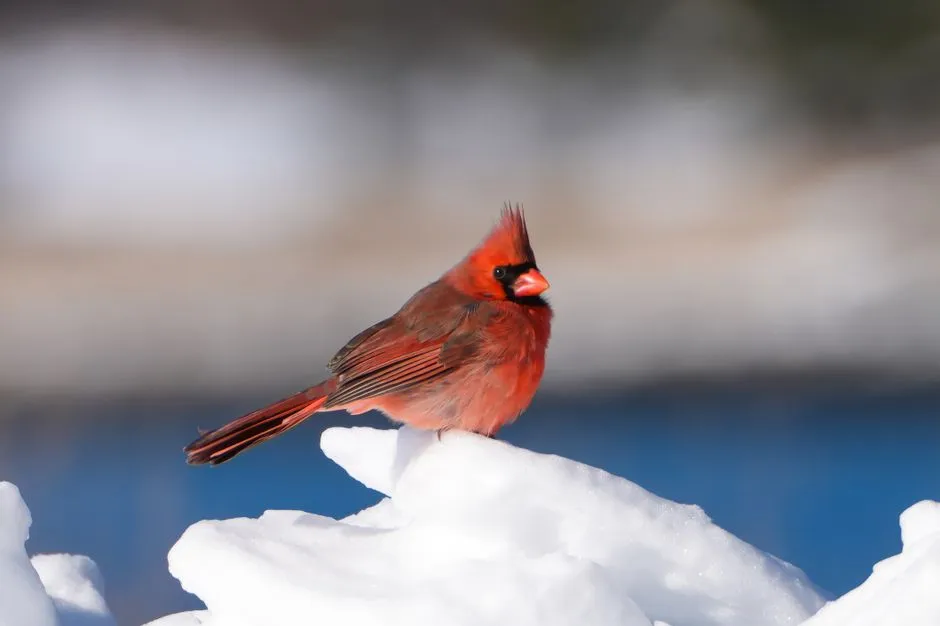
While Northern Cardinals are present throughout the year, their visibility and activity levels do exhibit seasonal variations. Spring and summer months, coinciding with their breeding season, often see increased visits as they engage in nesting and feeding behaviors. Historical accounts from the 19th century highlight their expanding range and adaptability, underscoring the dynamic nature of these beloved birds.
So, the next time you spot a cardinal in your yard, consider the time of year and the behaviors associated with that season. Their presence is a testament to nature’s rhythms and the enduring allure of these vibrant songbirds.
