
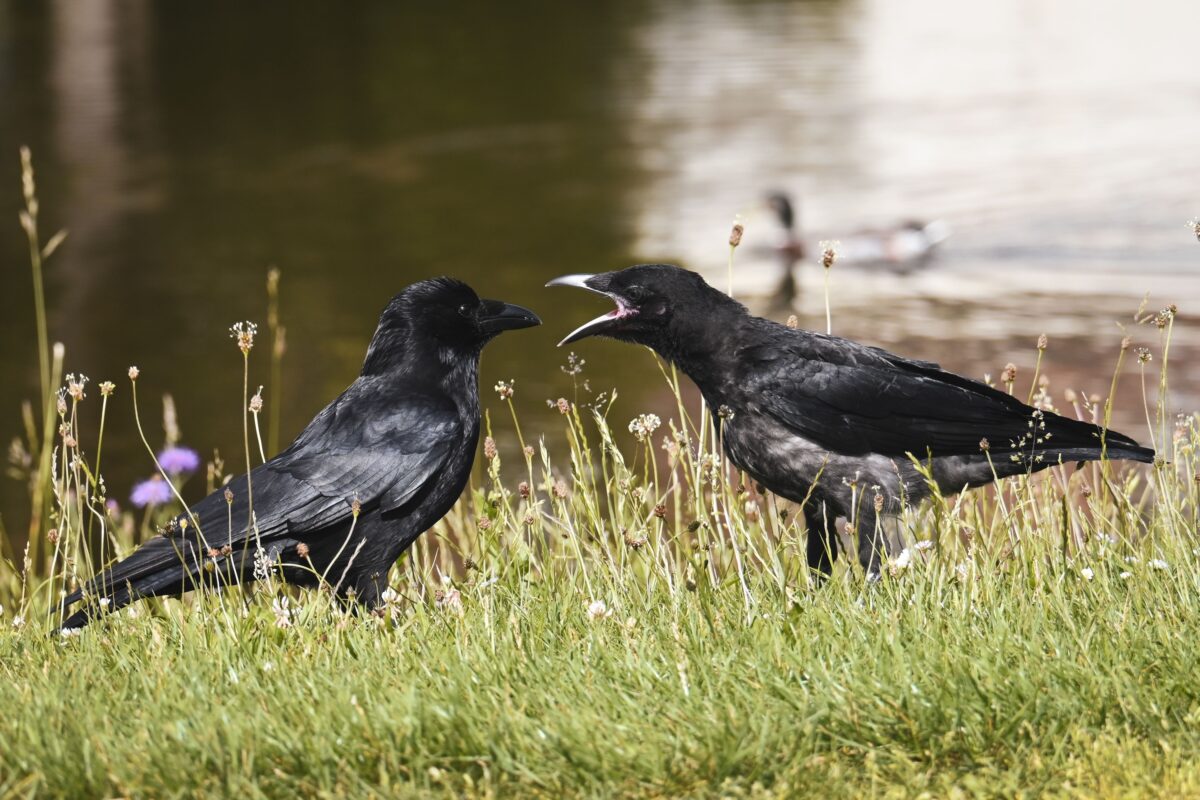
Crows are not just ordinary backyard visitors; their behaviors can reveal a lot about their perception of you and your space. If you’ve noticed certain patterns, it might be that these intelligent birds have included you in their territorial considerations. Let’s delve into the signs that suggest crows see you as part of their domain.
1. Frequent Vocalizations Directed at You
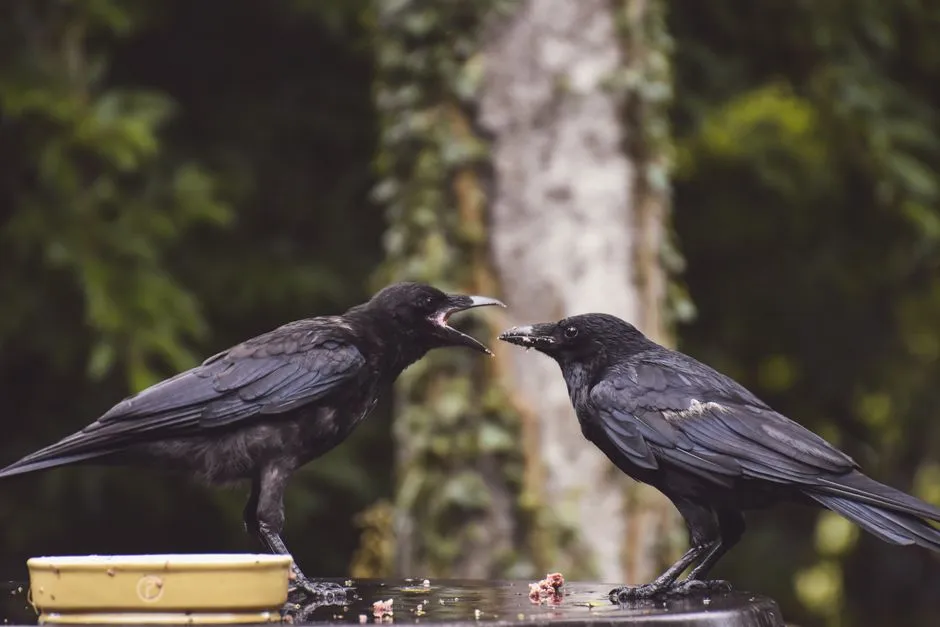
If crows consistently caw when you’re outside, they’re likely communicating with you. These vocalizations can range from friendly greetings to warnings, depending on their tone and context. Crows use specific calls to convey messages, and a repeated pattern aimed at you indicates recognition and inclusion in their social structure.
Their ability to remember human faces means they can develop a unique relationship with individuals. Over time, these calls may evolve, reflecting changes in their perception of you.
2. Following You Around the Yard
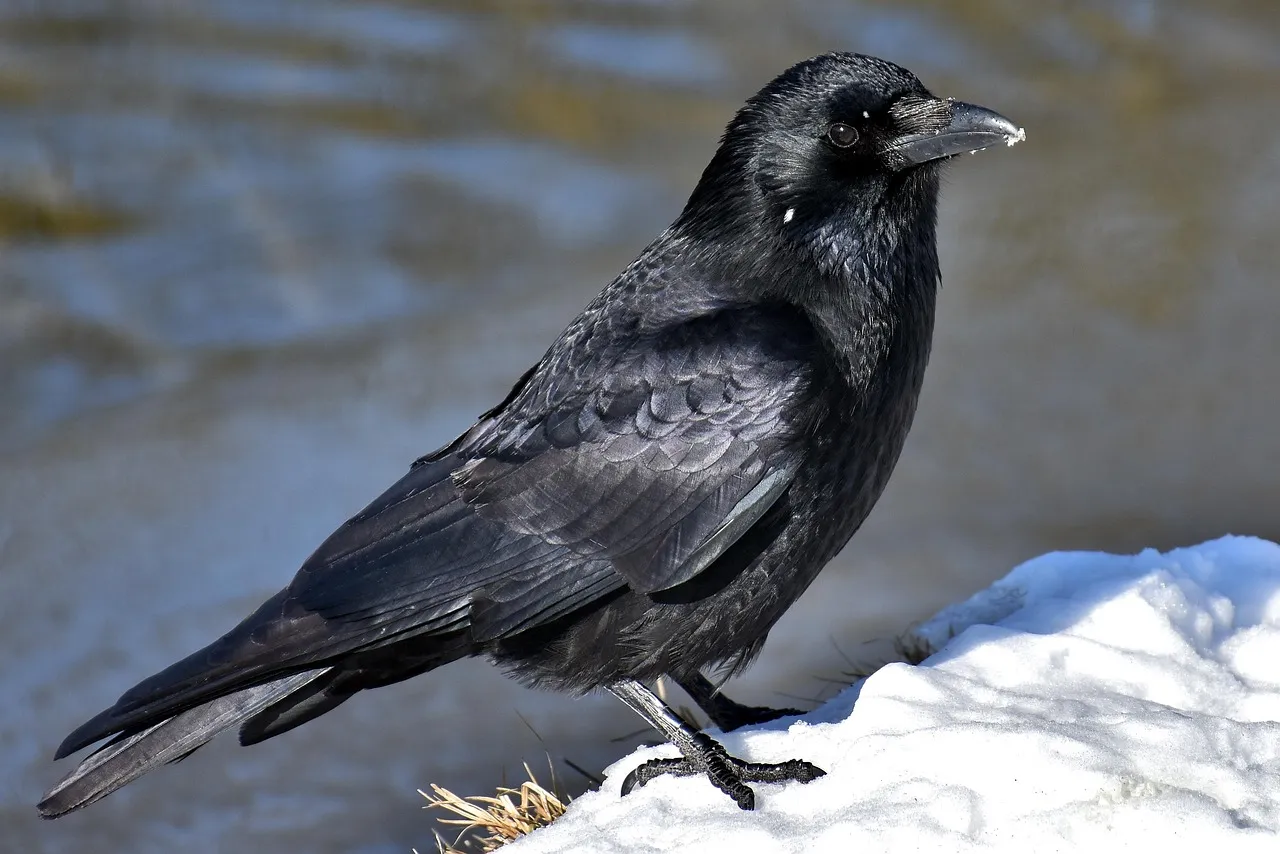
When crows shadow your movements, it’s a sign of their interest and acceptance. This behavior suggests they’ve grown comfortable with your presence and consider you a familiar figure within their territory.
Such following can also be a form of monitoring, ensuring that you’re not a threat to their nesting sites or food sources. It’s a testament to their keen observational skills and territorial nature.
3. Leaving Objects or ‘Gifts’ for You
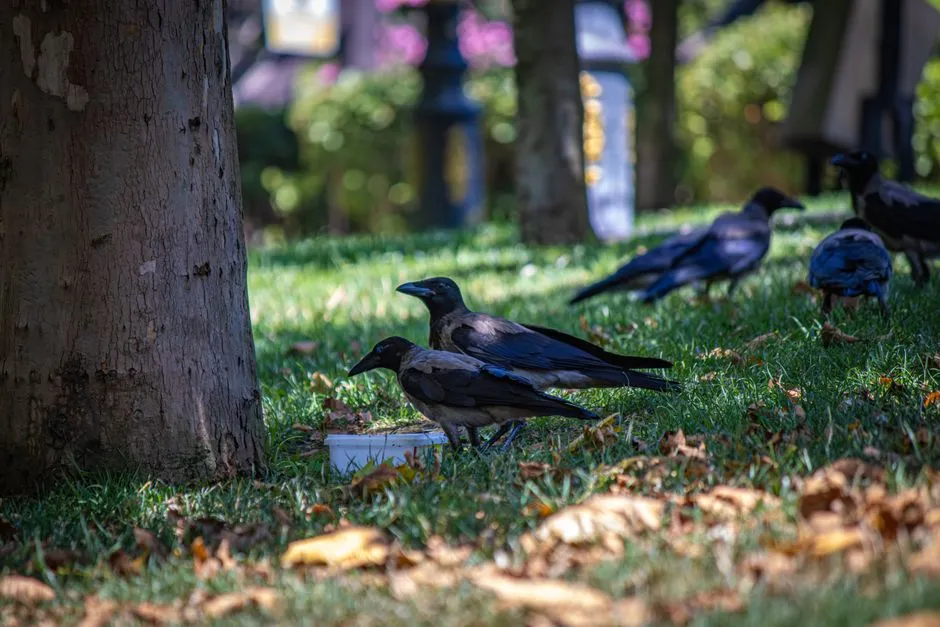
Crows are known to leave shiny objects or small trinkets for humans they favor. This gifting behavior indicates a level of trust and recognition, marking you as a significant presence in their environment.
These offerings can range from bits of metal to colorful stones, each chosen with apparent care. It’s their way of strengthening the bond and acknowledging your role in their territory.
4. Defending You from Other Birds or Animals
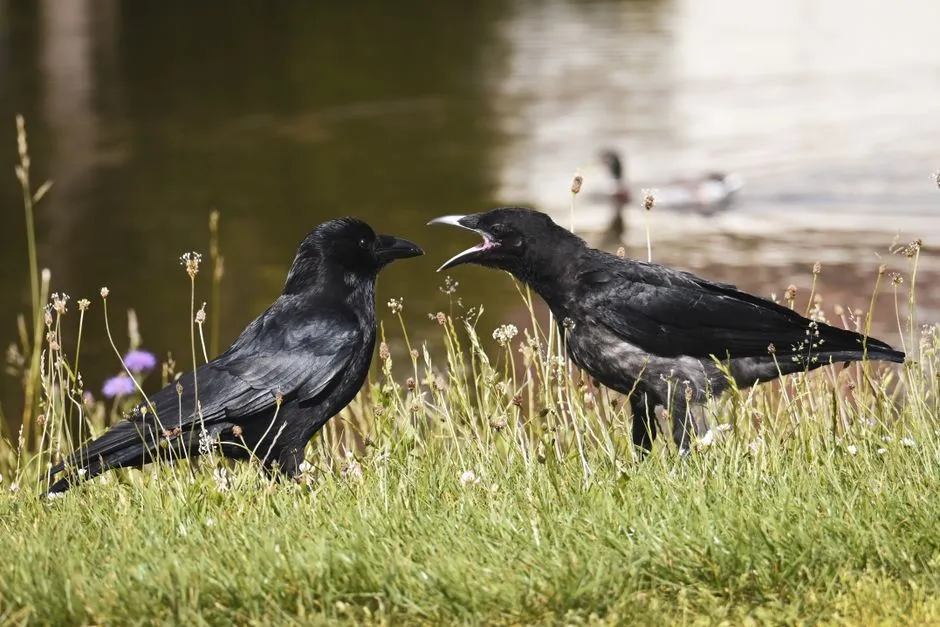
If crows actively chase away other birds or animals when you’re around, they’re displaying protective behavior. This suggests they view you as part of their group and are willing to defend you from perceived threats.
Such actions highlight the depth of their social bonds and their capacity to extend these connections beyond their species. It’s a clear indication of their territorial loyalty.
5. Nesting Close to Your Home
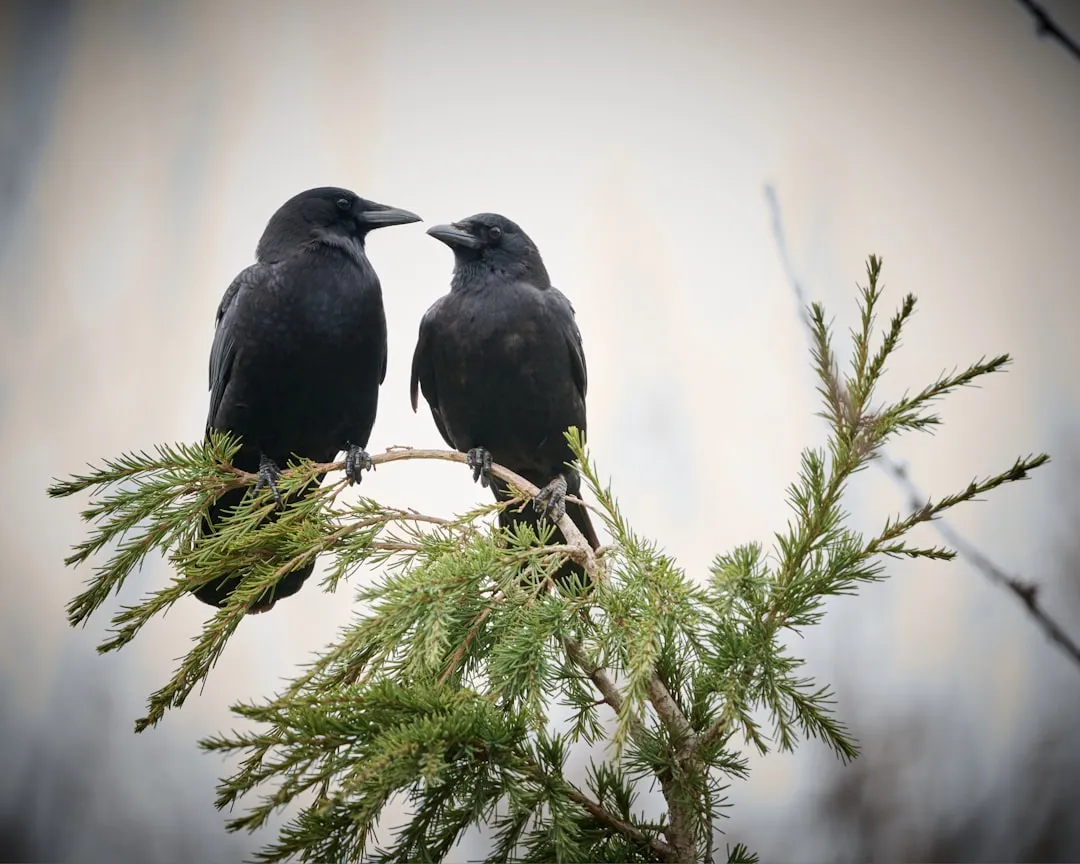
Choosing to build nests near your residence signifies a high level of trust. Crows prefer safe, resource-rich areas for nesting, and your proximity suggests they consider your presence beneficial rather than threatening.
This closeness allows them to monitor you and the environment effectively, ensuring the safety of their young. It’s a profound sign of their acceptance and territorial inclusion.
6. Engaging in Playful Behavior Around You
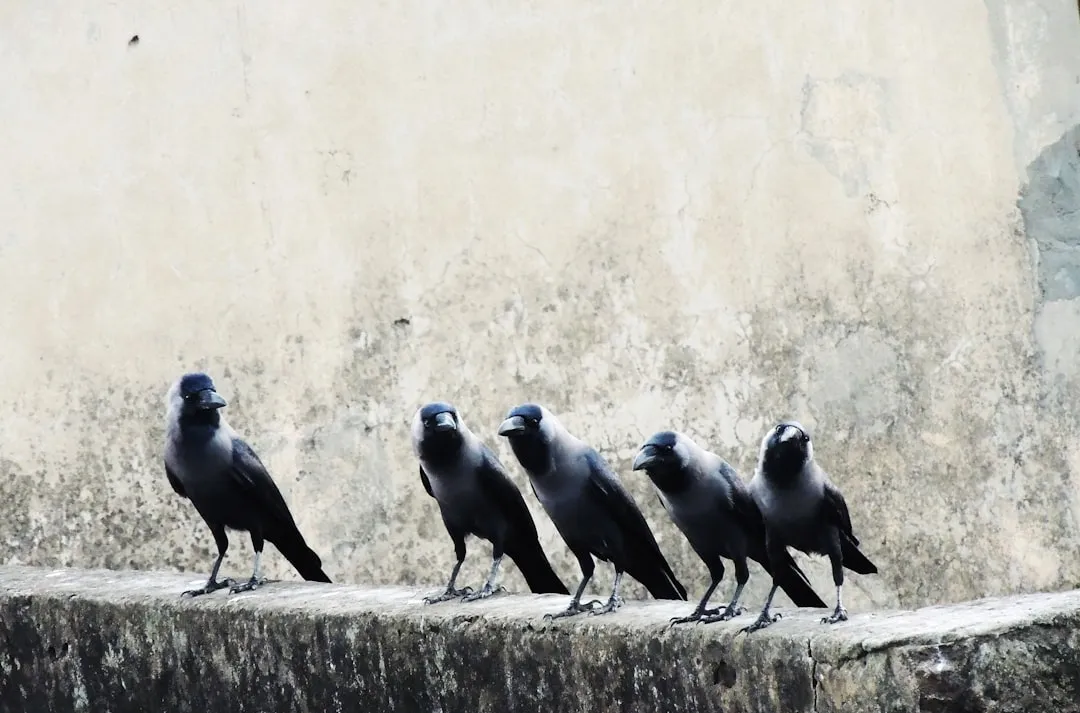
Observing crows playing or performing aerial acrobatics in your vicinity indicates comfort and familiarity. Play is a sign of a relaxed state, and choosing to do so near you suggests they see you as a non-threatening part of their world.
These playful displays can also be a form of social interaction, inviting you to engage or simply acknowledging your presence in a positive light.
7. Bringing Their Young Near You
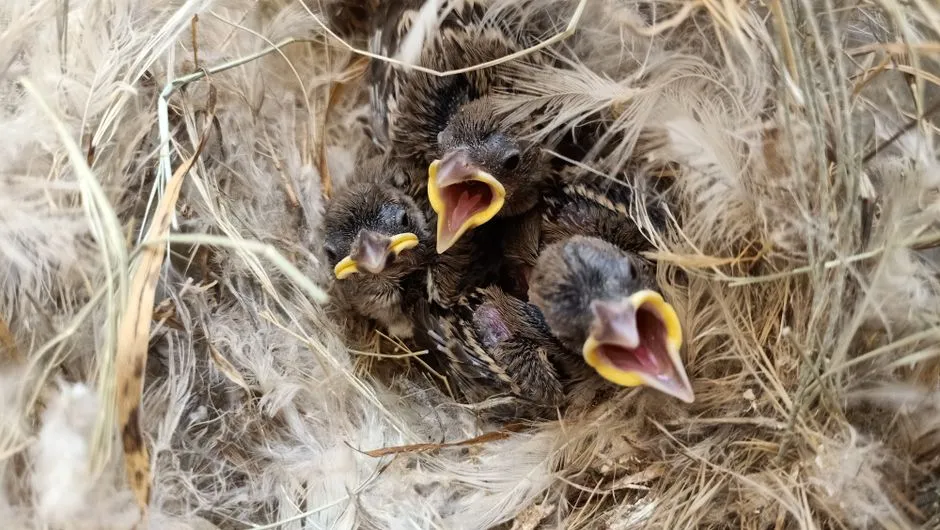
Introducing their fledglings to your yard is a significant gesture. It means they trust you enough to expose their vulnerable offspring to your presence, integrating you into their family dynamics.
This behavior underscores the depth of their trust and the strength of the bond they’ve established with you over time.
8. Responding to Your Calls or Gestures
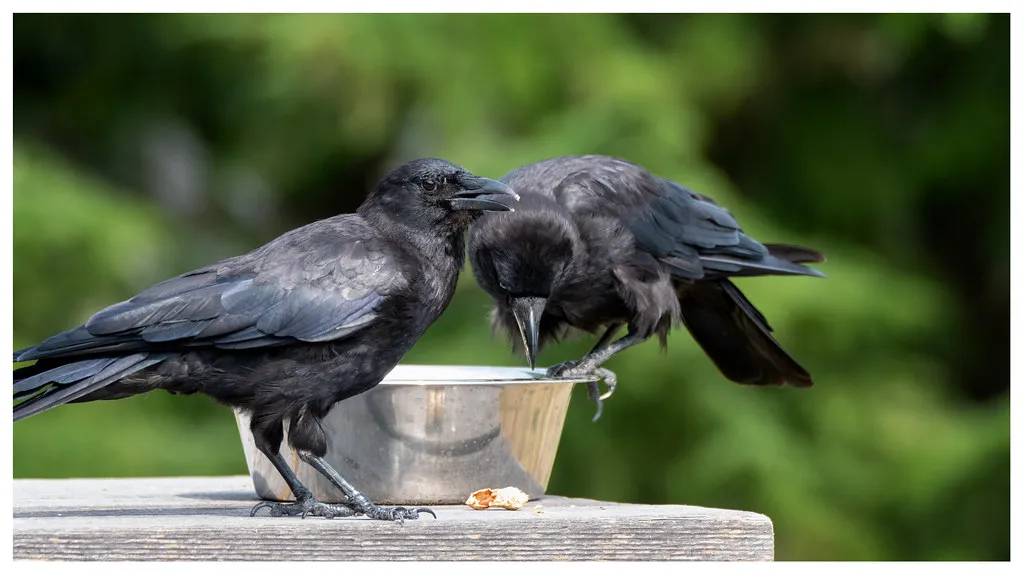
If crows react to your voice or hand movements, it’s a clear sign of recognition. Their responsiveness indicates they’ve associated you with specific cues, further solidifying your role in their territorial framework.
This interactive communication showcases their intelligence and adaptability, as well as the mutual understanding developed between you.
9. Watching Over Your Activities
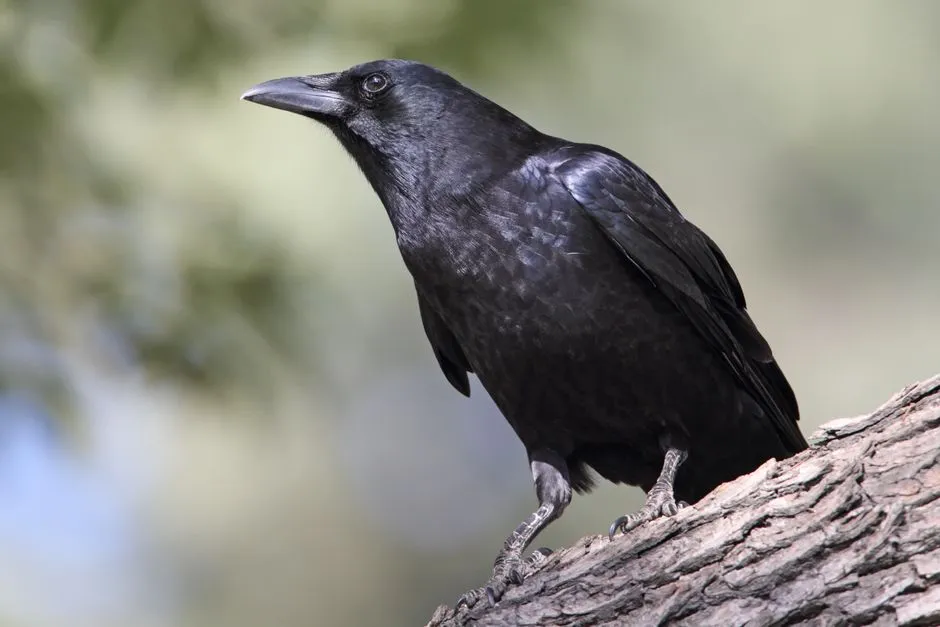
Crows observing you from a distance, especially from elevated perches, are keeping tabs on your actions. This vigilance suggests they consider you an integral part of their environment, warranting attention and awareness.
Their watchfulness ensures they stay informed about potential changes or threats, maintaining the balance within their territory.
10. Sharing Food Sources with You
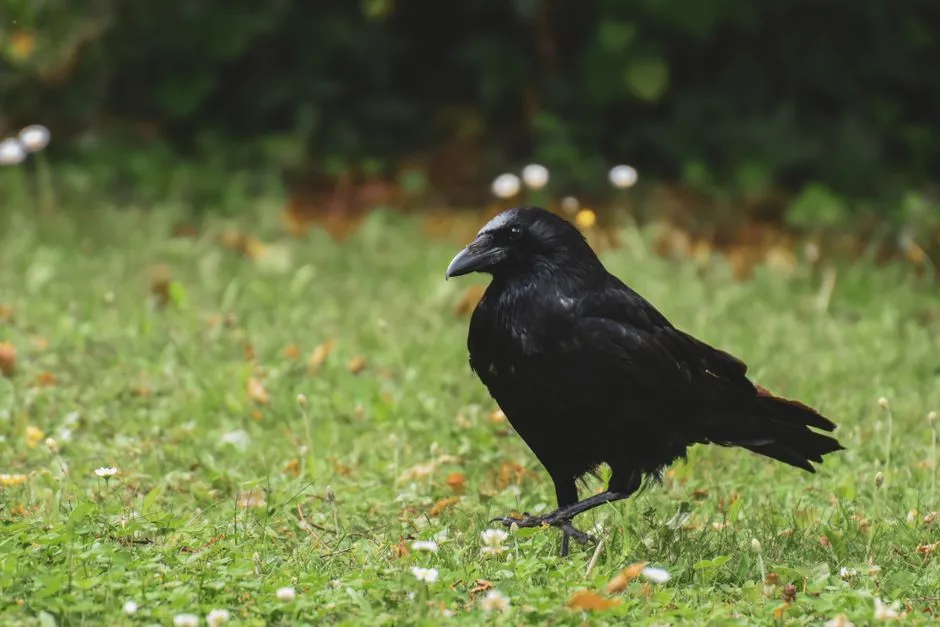
Allowing you near their feeding areas without displaying aggression indicates a significant level of trust. Crows are protective of their resources, so this behavior means they view you as an ally rather than a competitor.
This sharing reflects a harmonious coexistence, where both parties respect and acknowledge each other’s presence and needs.
11. Mimicking Your Sounds or Movements
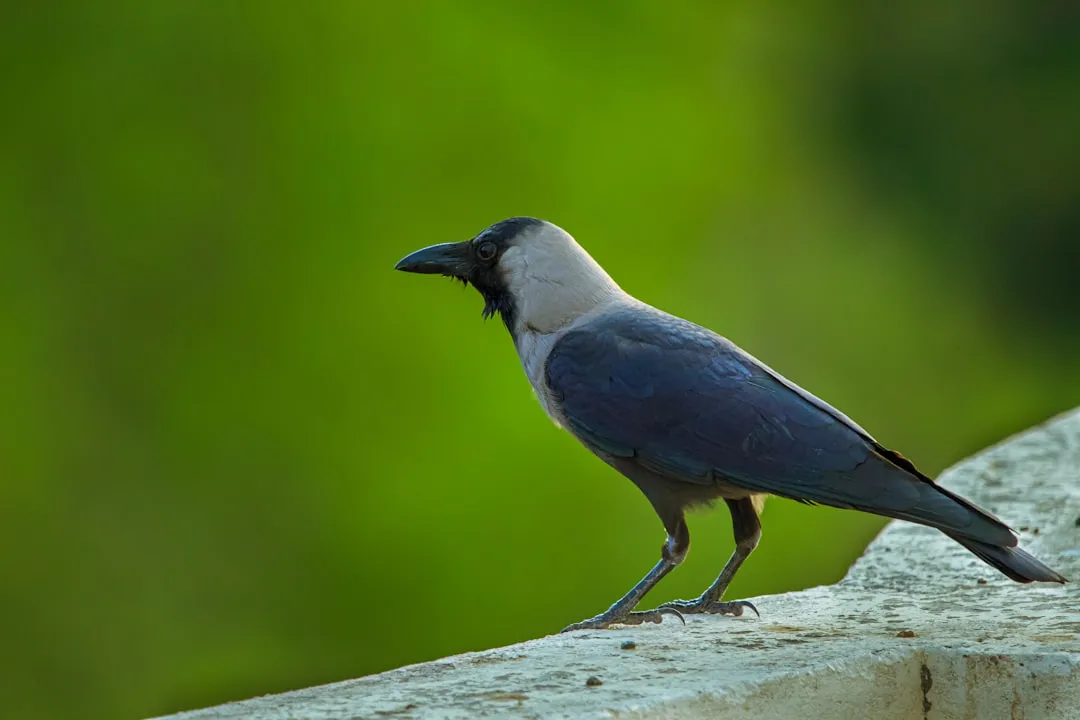
Imitating human sounds or actions is a remarkable display of a crow’s intelligence and their bond with you. This mimicry signifies a deep connection and an attempt to communicate on a more personal level.
Such behavior highlights their cognitive abilities and the unique relationship they’ve chosen to develop with you within their territory.
In conclusion, crows are incredibly perceptive and form complex social structures that can include humans. Recognizing these behaviors allows us to appreciate the depth of their intelligence and the unique bonds they can form with us. So, the next time a crow caws at you or leaves a shiny trinket in your yard, consider it an honor – you’re part of their world now. Have you ever experienced such a connection with these fascinating birds?

- 8 Sea Monsters That Ruled Before Sharks - July 11, 2026
- 7 Surprising Places You Can Still Find Wild Bobcats in America - July 11, 2026
- 8 Most Beautiful Sea Beaches in the World - July 11, 2026