
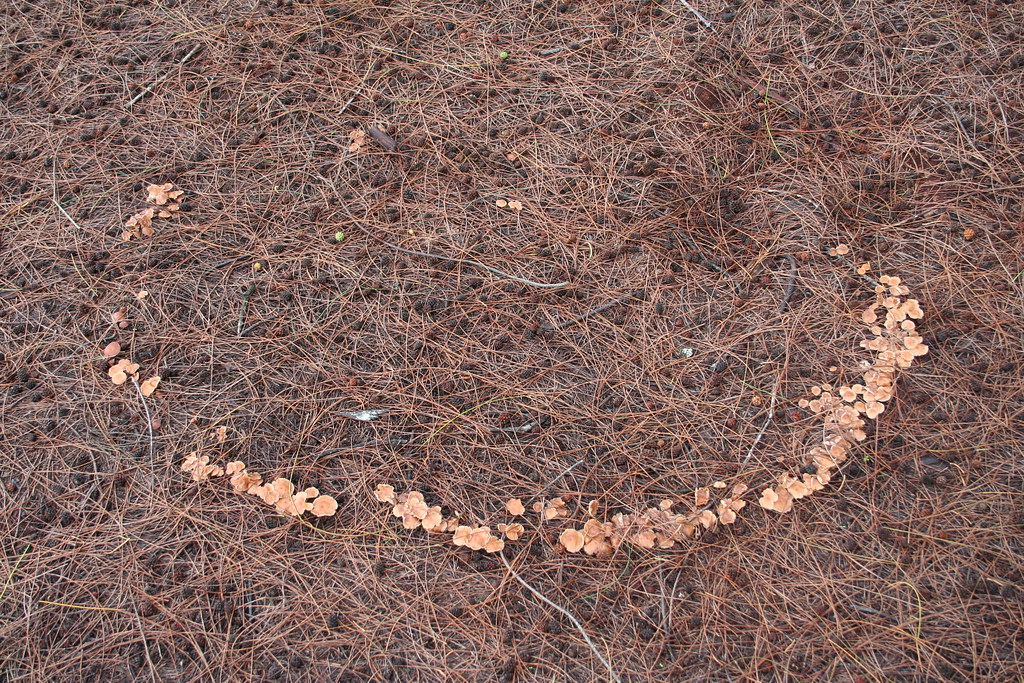
Stumbling upon a perfect circle of mushrooms in your yard can feel like discovering a portal to another realm. These mysterious formations, known as fairy rings, have captivated human imagination for centuries. But beyond their enchanting appearance lies a blend of fascinating science and folklore, including intriguing behaviors observed in wildlife, such as deer.
The Science Behind Fairy Rings
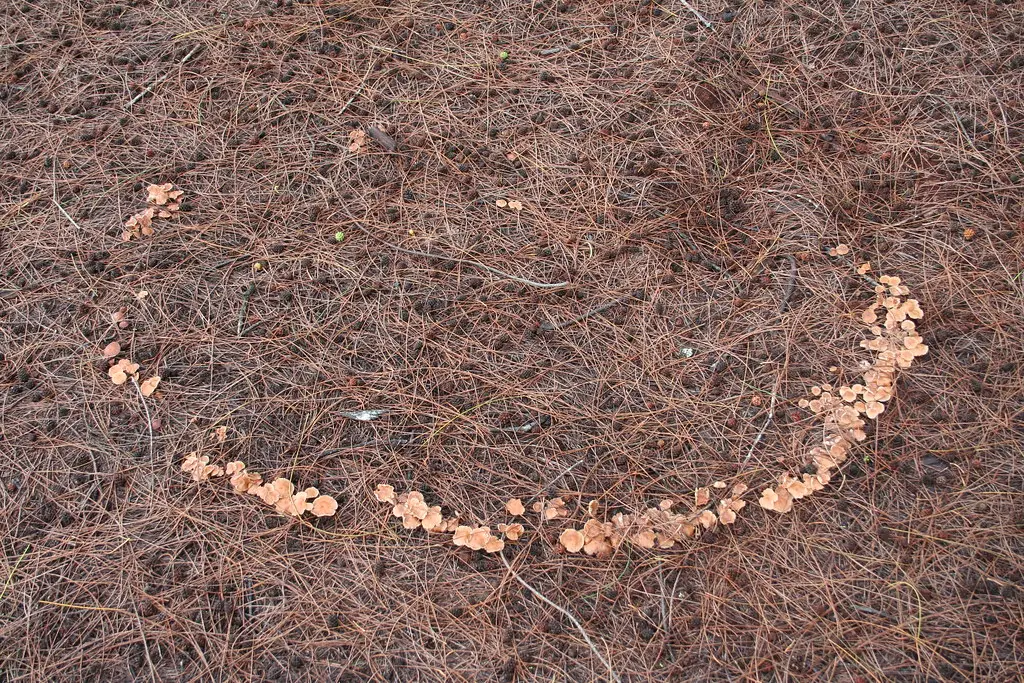
Fairy rings are naturally occurring circles or arcs of mushrooms that appear in grassy areas and forests. They form when a fungal spore germinates and its mycelium – the underground network of fungal threads – expands outward in all directions. As the mycelium depletes nutrients in the center, it dies off there, while the outer edges continue to grow, resulting in a ring-like pattern. This growth can lead to visible changes in the grass, such as lush, dark green arcs or, conversely, areas where the grass appears dead or stressed.
Common Fungi Responsible for Fairy Rings
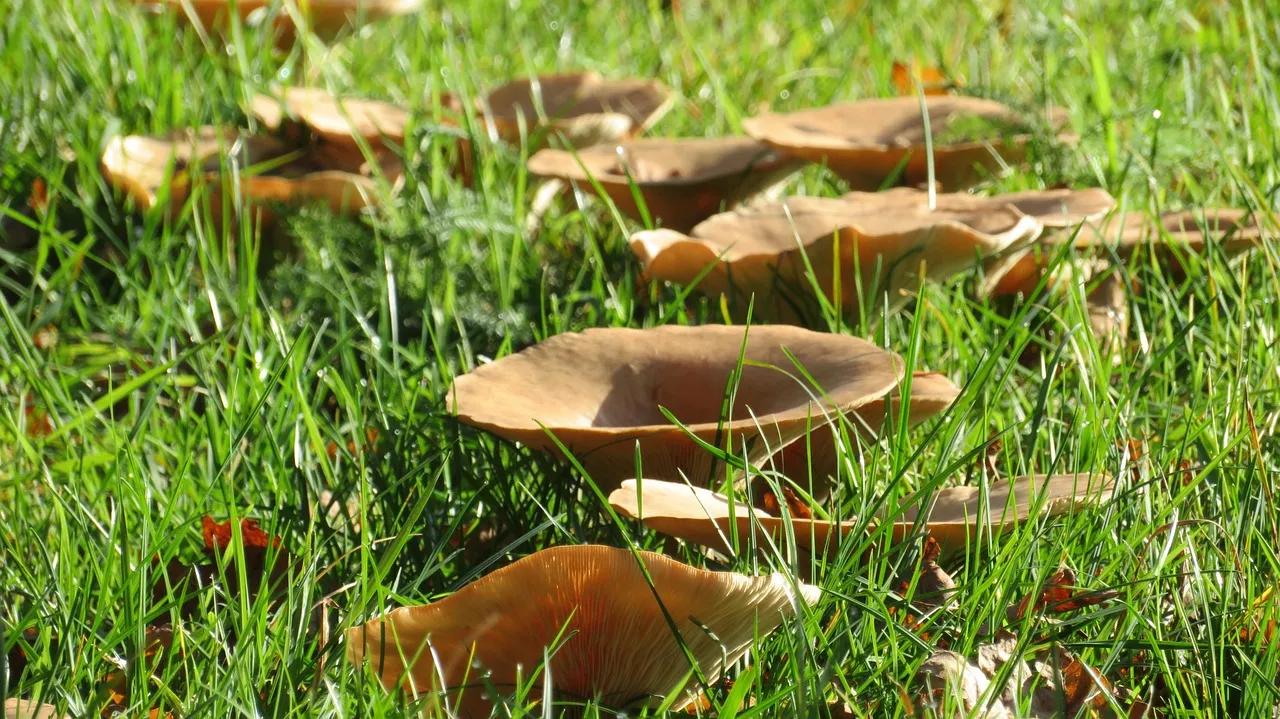
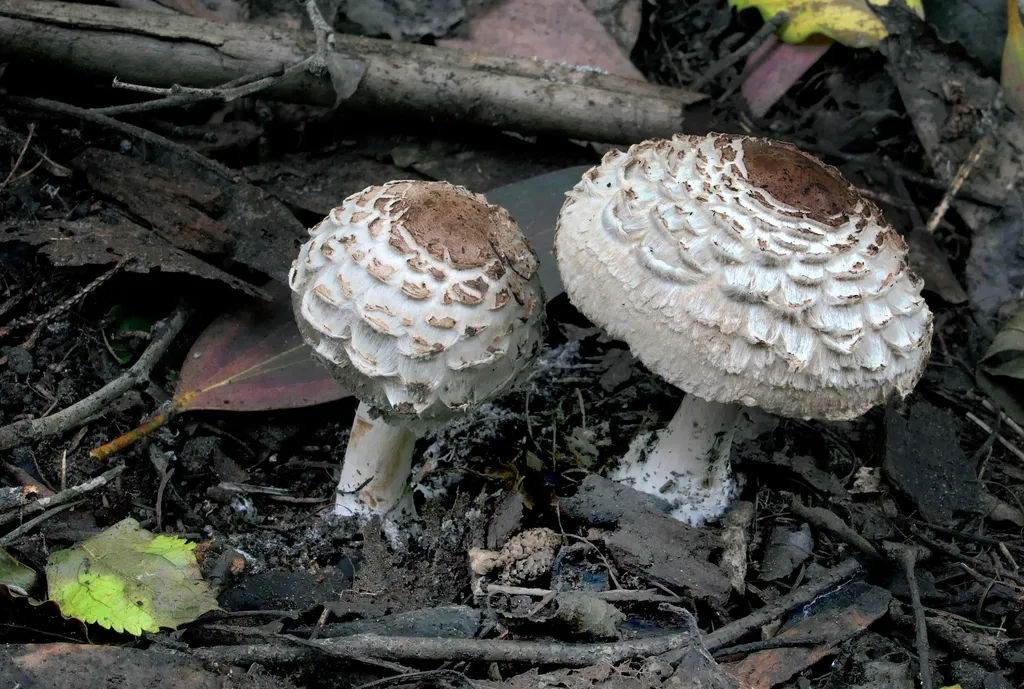
Several mushroom species are known to create fairy rings. The most renowned is the edible Scotch bonnet (Marasmius oreades), commonly referred to as the fairy ring champignon. Other species include the giant funnel (Aspropaxillus giganteus) and the toxic false parasol (Chlorophyllum molybdites). Each of these fungi contributes to the formation of fairy rings, with some being edible and others poisonous, highlighting the importance of accurate identification.
Folklore and Legends Surrounding Fairy Rings
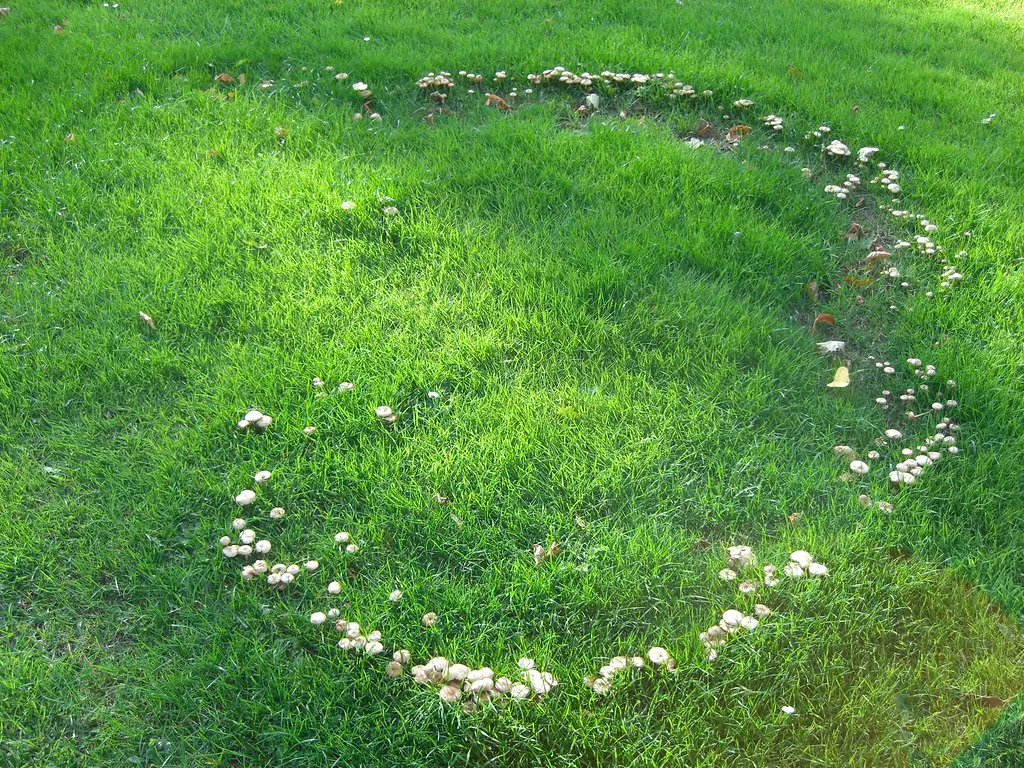
Throughout history, fairy rings have been steeped in myth and legend. In European folklore, they were believed to be the result of fairies or elves dancing in circles, leaving behind a ring of mushrooms. Entering such a ring was often thought to be dangerous, potentially leading to being trapped in the fairy realm or cursed. These tales reflect humanity’s attempt to explain the mysterious and often sudden appearance of these natural formations.
Deer Behavior and Fairy Rings
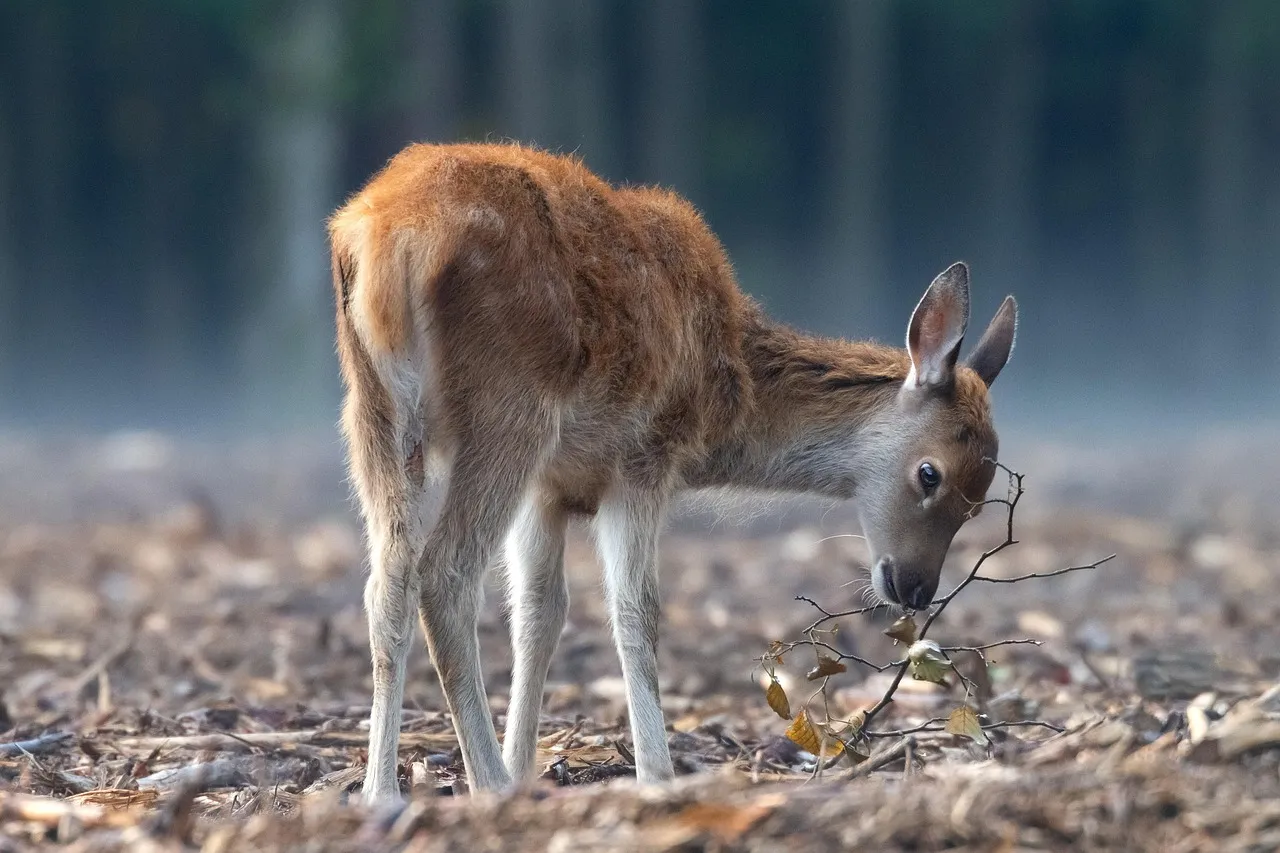
Observations suggest that deer may avoid crossing fairy rings. While scientific studies on this specific behavior are limited, it’s known that deer are cautious creatures, sensitive to changes in their environment. Uneven terrain, unfamiliar textures, or the presence of certain fungi could deter them from traversing these areas. This avoidance might be due to the deer’s instinct to steer clear of potential hazards or unfamiliar objects in their path.
Impact on Lawns and Gardens
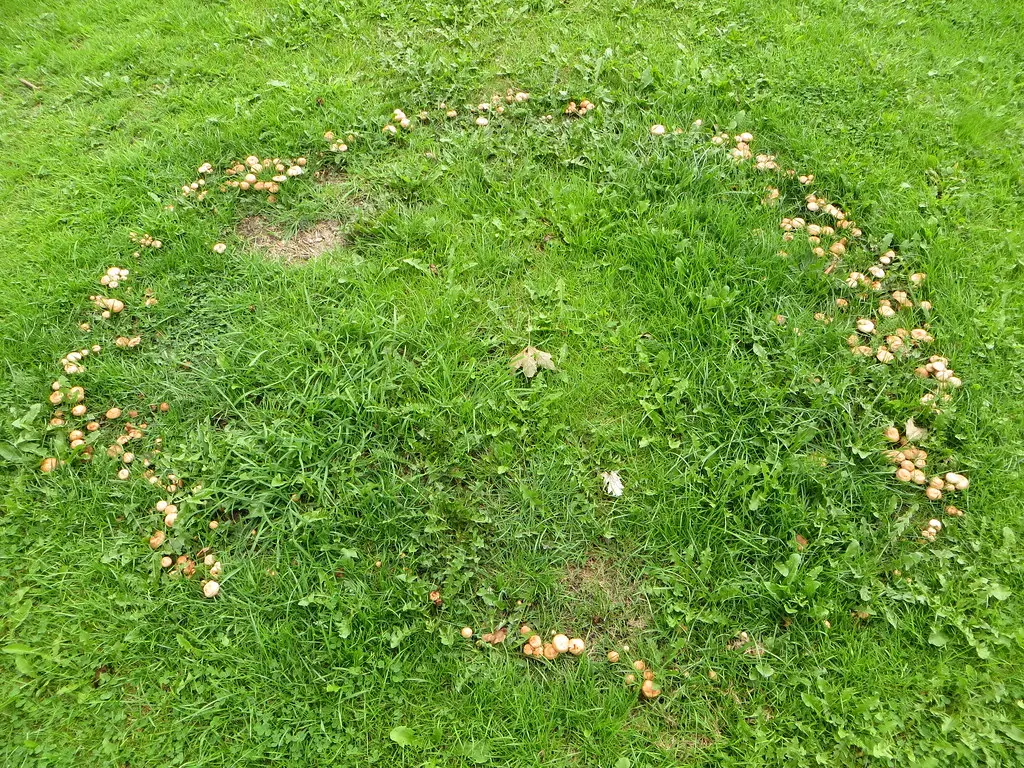
For homeowners, fairy rings can be both a visual curiosity and a lawn care challenge. The fungi involved can alter soil composition, leading to patches of lush grass or areas where the grass appears dead. Managing fairy rings involves practices like aeration, proper fertilization, and, in some cases, removing organic matter that fuels fungal growth. It’s essential to approach these methods carefully to maintain the health and appearance of your lawn.
Edibility and Safety Considerations
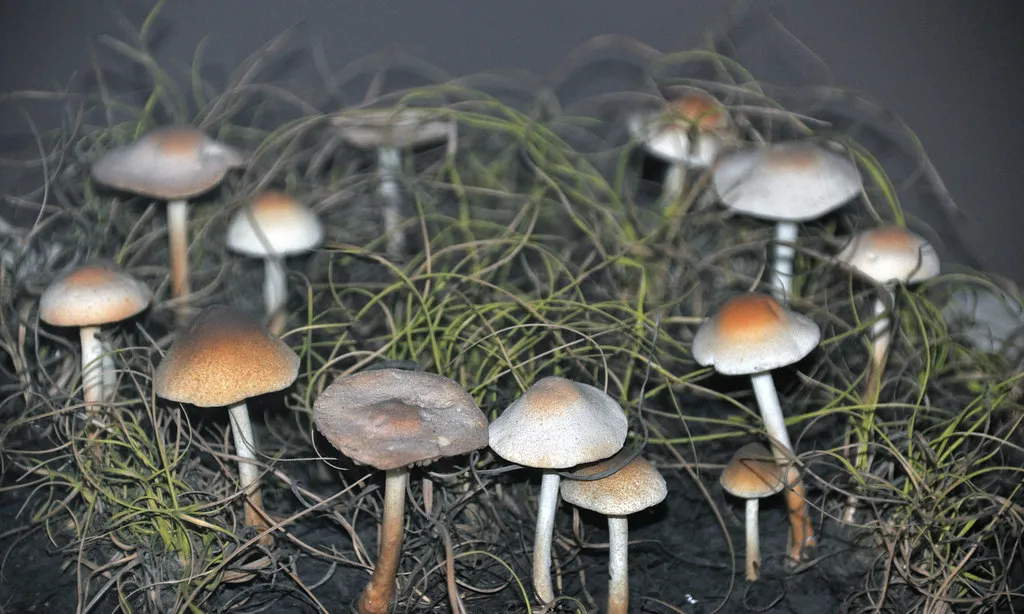
While some mushrooms forming fairy rings are edible, such as Marasmius oreades, others are toxic. Accurate identification is crucial before considering consumption. It’s advisable to consult with local mycologists or extension services to ensure safety. When in doubt, it’s best to admire these natural formations without disturbing them.
Conclusion
Fairy rings are a testament to nature’s intricate and sometimes enigmatic processes. They bridge the gap between science and folklore, offering a glimpse into the complex interactions within ecosystems. Whether you’re a gardener, a nature enthusiast, or someone who appreciates the mysteries of the natural world, fairy rings provide a fascinating subject for exploration and reflection. Next time you encounter one, consider the blend of biology and legend that has surrounded these formations for centuries.
