
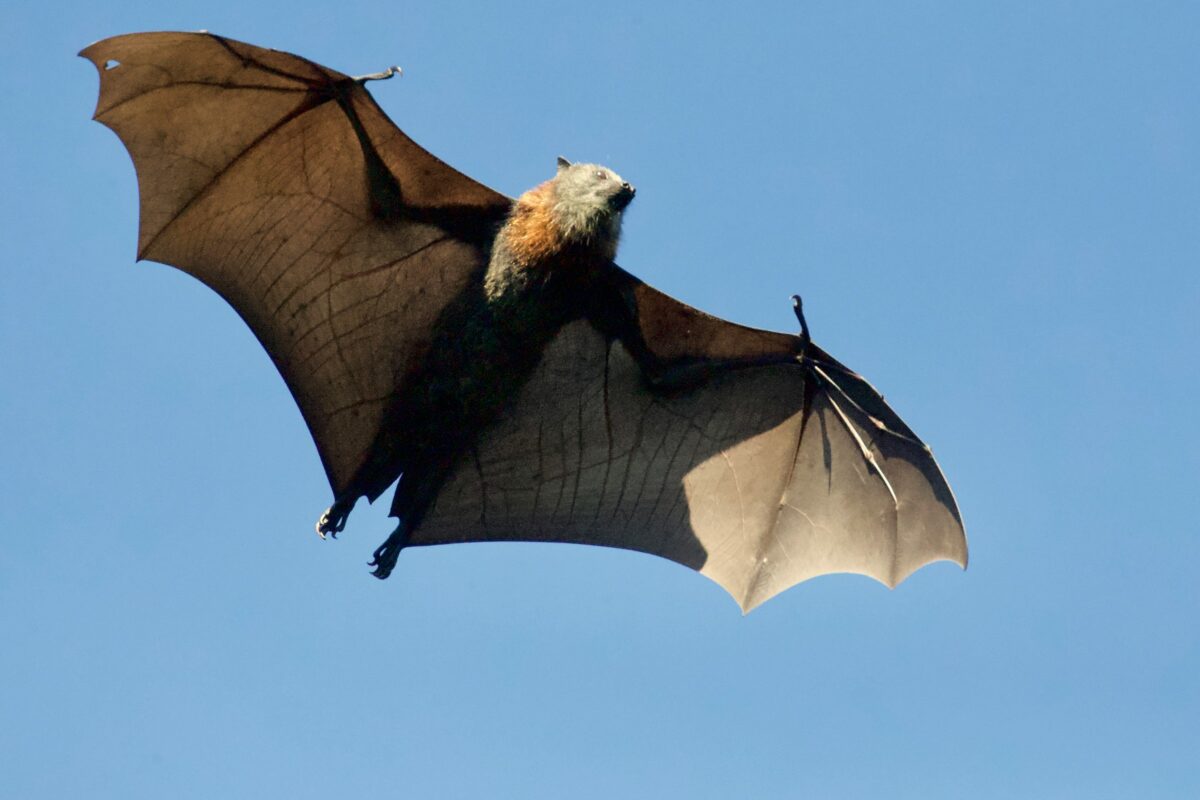
For most of history, humans assumed intelligence was something we owned outright, a trait that set us apart from every other creature on the planet. Recent decades of research have quietly chipped away at that assumption, revealing minds in feathers, tentacles, and fins that solve problems, remember faces, and even recognize themselves in ways scientists once thought were uniquely human.
What follows isn’t a list of cute animal tricks. It’s a look at documented, peer reviewed findings that suggest the line between human and animal cognition is a lot blurrier than most of us grew up believing.
Master Toolmakers of the Animal Kingdom
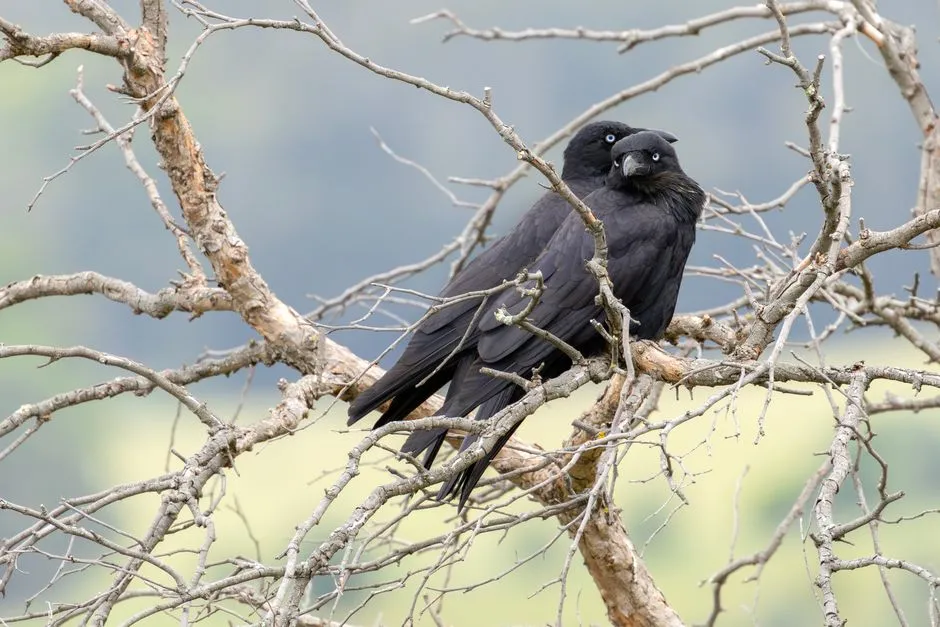
New Caledonian crows have become something of a celebrity species in cognitive science circles, and for good reason. This species sometimes captures grubs by poking a twig at them to agitate them into biting the twig, which the crow then withdraws with the grub still attached, and this method of feeding indicates the crow is capable of tool use, along with making hooks and solving sophisticated cognitive tests. One famous case involved a crow named Betty, who had to choose between a hooked and a straight wire for retrieving food, and when another crow made off with the hooked wire, Betty bent the straight wire into a hook and used it to lift a bucket of food from a vertical pipe.
What makes this even more remarkable is that these birds don’t just use single tools, they build compound ones. Researchers had shown the species could use and make tools in the wild and captivity, but had never previously observed them combining more than one piece to make a tool. Octopuses tell a similar story from the ocean floor. These invertebrates have been observed unscrewing jar lids, using coconut shells as portable shelters, and squeezing through openings barely wider than their eyeballs, all without anything resembling a backbone or a centralized brain structure like ours.
Memories That Rival Our Own
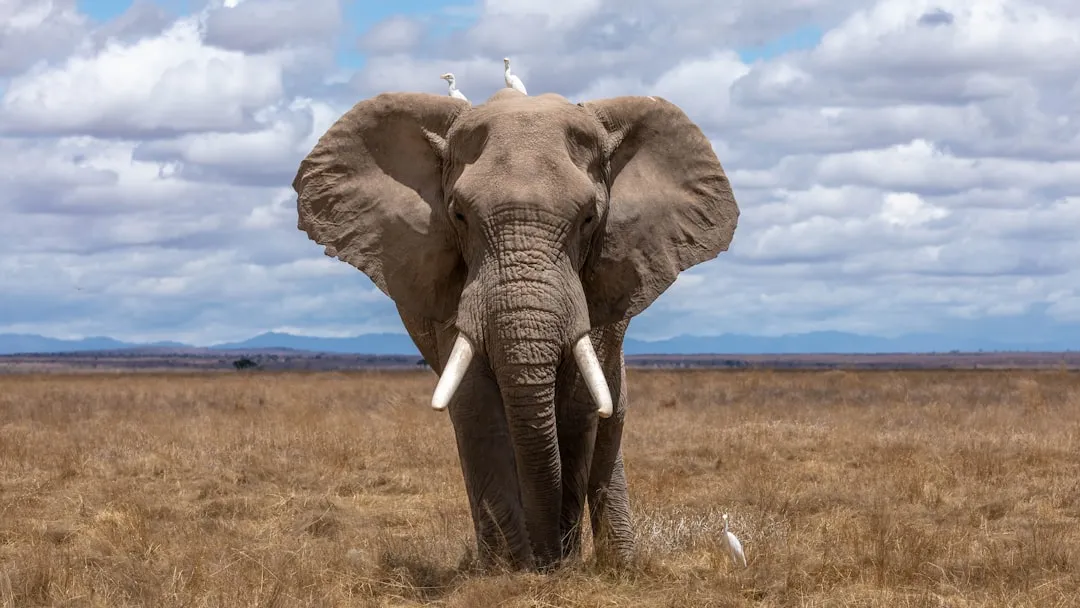
Elephants have long carried a reputation for remembering things, and field research backs up the folklore. Matriarchs are known to recall the locations of watering holes across vast territories, sometimes returning to sources they haven’t visited in years, and they can recognize the calls and scents of family members long after separation. This kind of long-term spatial and social memory likely plays a direct role in herd survival during droughts and other lean periods.
Chimpanzees offer an even more startling case, this one measured under strict laboratory conditions. A young chimp named Ayumu, studied at Kyoto University’s Primate Research Institute, was tested against human adults on a task involving briefly flashed number sequences. The data showed that chimpanzee subjects could memorize at a glance the Arabic numerals scattered on the touch screen monitor, and Ayumu outperformed all of the human subjects both in speed and accuracy. Researchers have since debated exactly what this means, with some later work suggesting that with proper training, humans can match or exceed the performance of the best chimpanzees on some short-delay visual working memory tasks, but the original result still stands as one of the most cited demonstrations of a nonhuman species outperforming us on a specific cognitive task.
Talking In Code: The Hidden Complexity Of Animal Communication
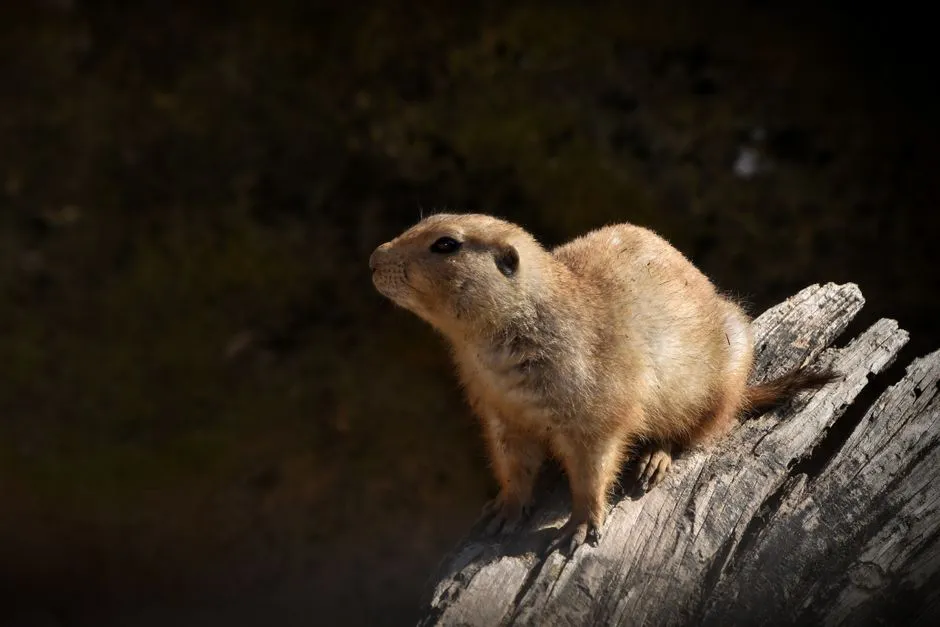
Prairie dogs might look like simple burrowing rodents, but their alarm calls represent one of the most sophisticated communication systems documented outside of human language. Researchers studying Gunnison’s prairie dogs found that these animals encode information within their calls about predator identity, speed, distance, size and color. In one experiment, researchers walked through a colony wearing different colored shirts and found that the alarm calls for blue and yellow shirts were significantly different from one another, suggesting the calls were describing specific visual details rather than just signaling generic danger.
Some researchers have gone as far as calling this a true language. One prairie dog researcher noted that beyond identifying the type of predator, the calls also specified its size, shape, color and speed, with the animals able to combine structural elements in novel ways to describe something they had never seen before. African grey parrots add another layer to this story. The most studied individual, a parrot named Alex who worked with researcher Irene Pepperberg for decades, learned to label objects, colors, shapes, and quantities, and demonstrated an understanding of concepts like same and different that had rarely been documented outside primates.
Knowing Thyself: The Mirror Test And Self-Awareness
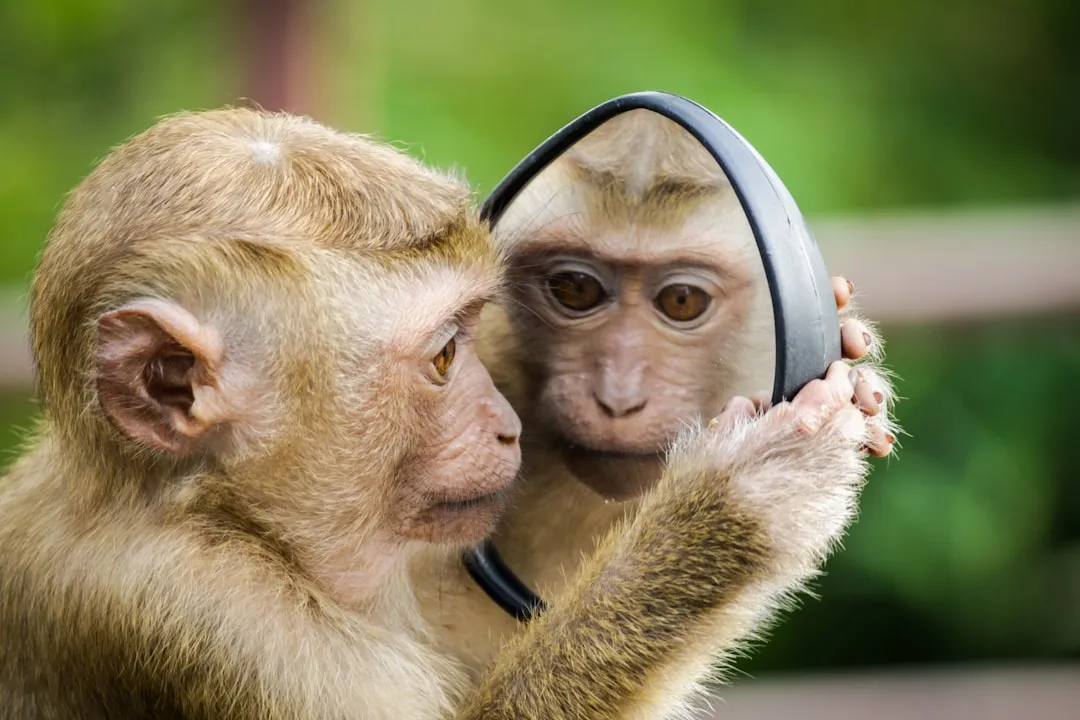
Self-recognition sounds like a simple concept until you try to test it in a species that can’t tell you what it’s thinking. The standard method, developed decades ago, involves placing a mark on an animal’s body where it can only be seen in a mirror, then watching whether the animal investigates the mark on itself rather than reacting to the mirror as if it were another animal. Bottlenose dolphins are among the handful of species confirmed to pass this test, joining a short list that includes one Asian elephant and two Eurasian magpies, all of which have reportedly passed the mark test.
The magpie result surprised scientists precisely because it broke an old assumption about which brains were capable of self-awareness. The Eurasian magpie is the first non-mammalian species to pass the mirror test, and when contrasting colored stickers were placed on their feathers, the magpies reacted to their reflections by trying to remove the mark, while birds marked with invisible stickers showed no altered behavior. Prior to this experiment, scientists believed self-recognition abilities came from the neocortex, a brain structure found only in mammals, so magpies passing the test showed that self-recognition can arise from entirely different brain architectures, a case of convergent evolution.
Hidden Cultures Beneath The Waves And Underground
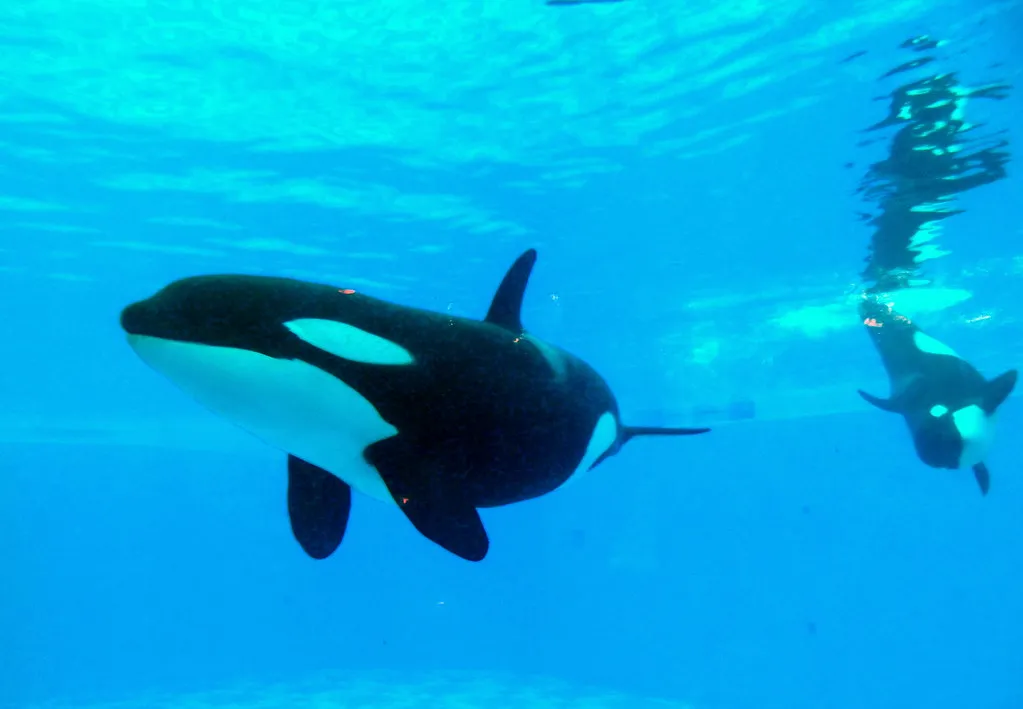
Orcas live in pods that behave almost like distinct nations, each with its own hunting techniques, vocal dialects, and social customs passed down through generations rather than encoded in genes. Some pods specialize in beaching themselves briefly to snatch seals off the shore, a risky technique taught by mothers to calves over years of practice. Other pods focus almost entirely on fish, and researchers have documented vocal patterns that differ enough between groups to function almost like regional accents.
Ants operate on a completely different scale, yet their collective intelligence produces results no single ant could achieve alone. Colonies solve complex logistical problems, such as finding the shortest route between a nest and a food source or forming living bridges out of their own bodies to cross gaps, through decentralized decision making rather than any single leader directing traffic. What looks like chaos up close resolves into remarkably efficient organization when you zoom out, a phenomenon that has inspired entire fields of research into swarm behavior and network design.
Crunching Numbers Without A Calculator
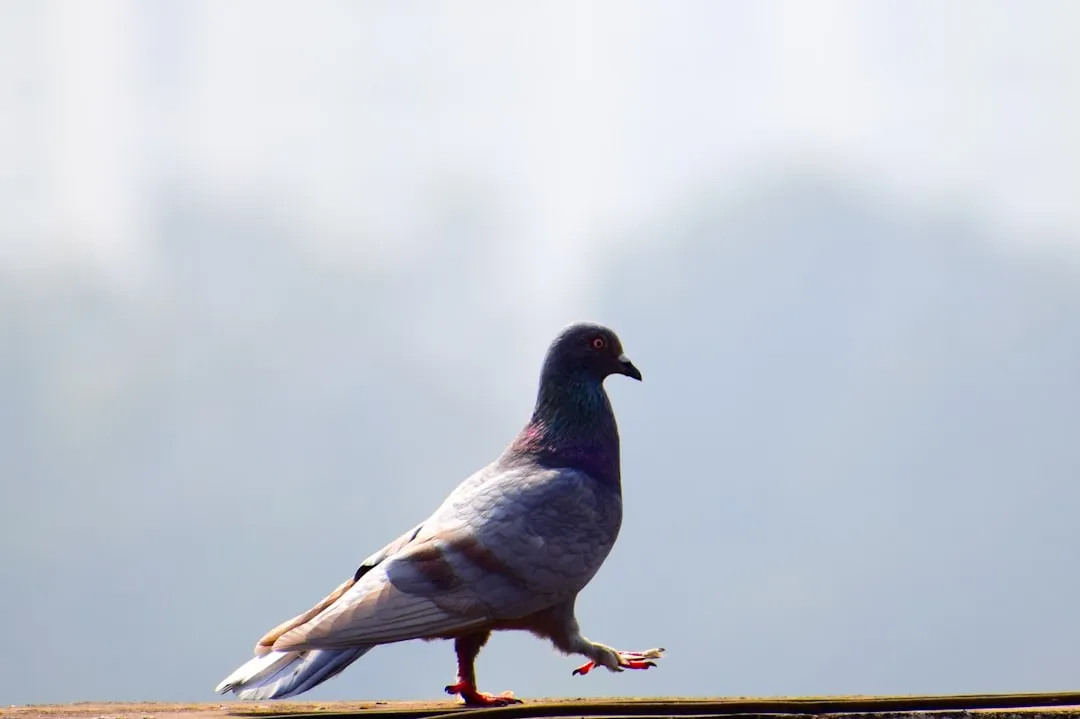
Numerical reasoning was once considered a hallmark of higher primate cognition, something that separated humans and our closest relatives from the rest of the animal kingdom. That assumption started to crumble when researchers trained pigeons to view sets of objects and arrange them in ascending numerical order, a task that requires understanding abstract quantity rather than just memorizing patterns. The birds learned to apply the rule to entirely new sets of numbers they had never encountered before, demonstrating genuine numerical reasoning rather than rote memorization.
What made the finding significant wasn’t just that pigeons could count in some loose sense, it was how closely their performance mirrored results seen in rhesus monkeys tested on similar tasks. This suggested that the cognitive machinery for understanding abstract number isn’t necessarily tied to primate-level brain complexity at all. A brain the size of a fingertip, it turns out, can grasp mathematical relationships that once seemed to require a much larger and more sophisticated one.
Thinking Ahead: The Art Of Planning For Tomorrow
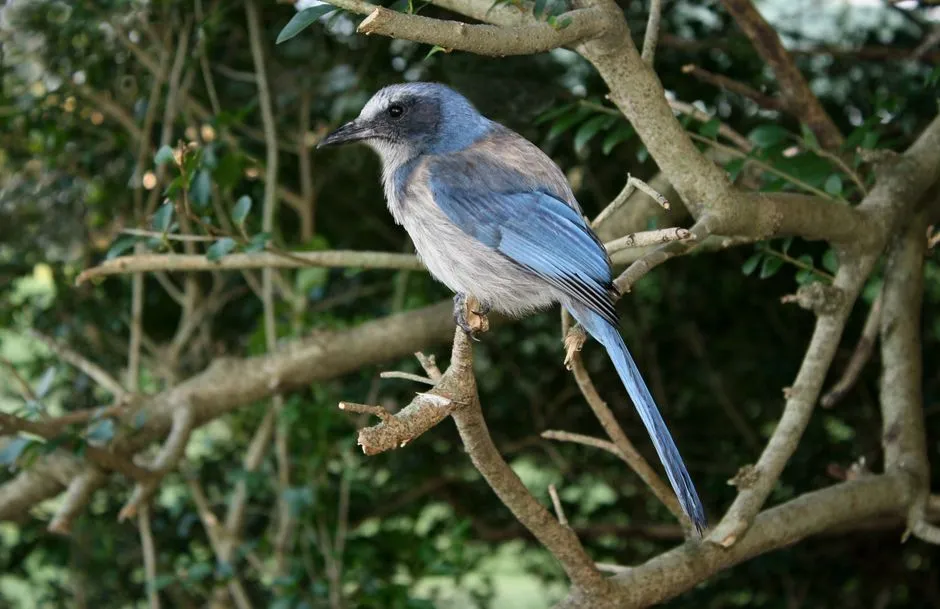
Planning for a future need you don’t currently have is a surprisingly tricky cognitive feat, one long assumed to require the kind of mental time travel only humans could manage. Western scrub jays challenged that assumption directly. Researchers found that jays could provide for a future need, both by preferentially caching food in a place where they had learned they would be hungry the next morning, and by differentially storing food in a place where it would not be available the next day, suggesting the birds spontaneously plan for tomorrow without reference to their current motivational state.
This stood in sharp contrast to earlier assumptions about simpler animals. Previous studies had shown that rats and pigeons may solve tasks by encoding the future but only over very short time scales, which made the scrub jay findings all the more striking. A bird with a brain a fraction the size of a human’s was apparently capable of imagining a hypothetical future state and acting on it today, a capacity that researchers had long treated as one of the clearest dividing lines between us and everything else.
What This Actually Means For How We See Animals
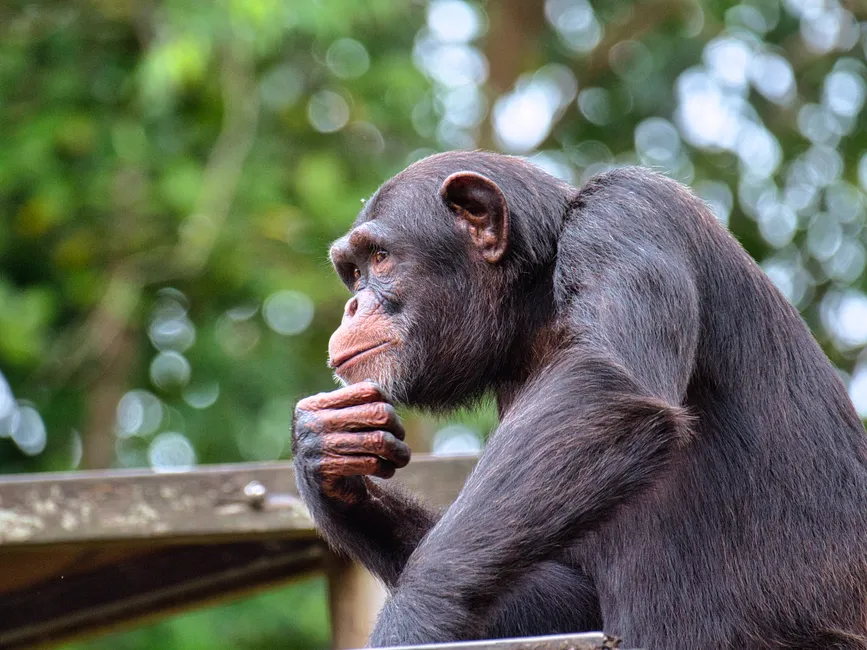
The honest takeaway here isn’t that crows or pigeons are secretly as smart as people, because that framing misses the point entirely. What these findings actually show is that intelligence isn’t a single ladder with humans at the top and everything else scattered below us. It’s more like a scattered set of specialized tools, and evolution has handed different versions of those tools to wildly different creatures depending on what their survival demanded.
A magpie doesn’t need human language to recognize itself in a mirror, and a chimpanzee doesn’t need our slower visual processing to memorize a screen full of numbers in a fraction of a second. If there’s a case to be made here, it’s that treating animal cognition as a lesser, dimmer version of our own has probably held back serious scientific inquiry for longer than it should have. The species discussed above didn’t get smarter recently, we just finally started asking the right questions and building experiments careful enough to notice what was there all along.
