
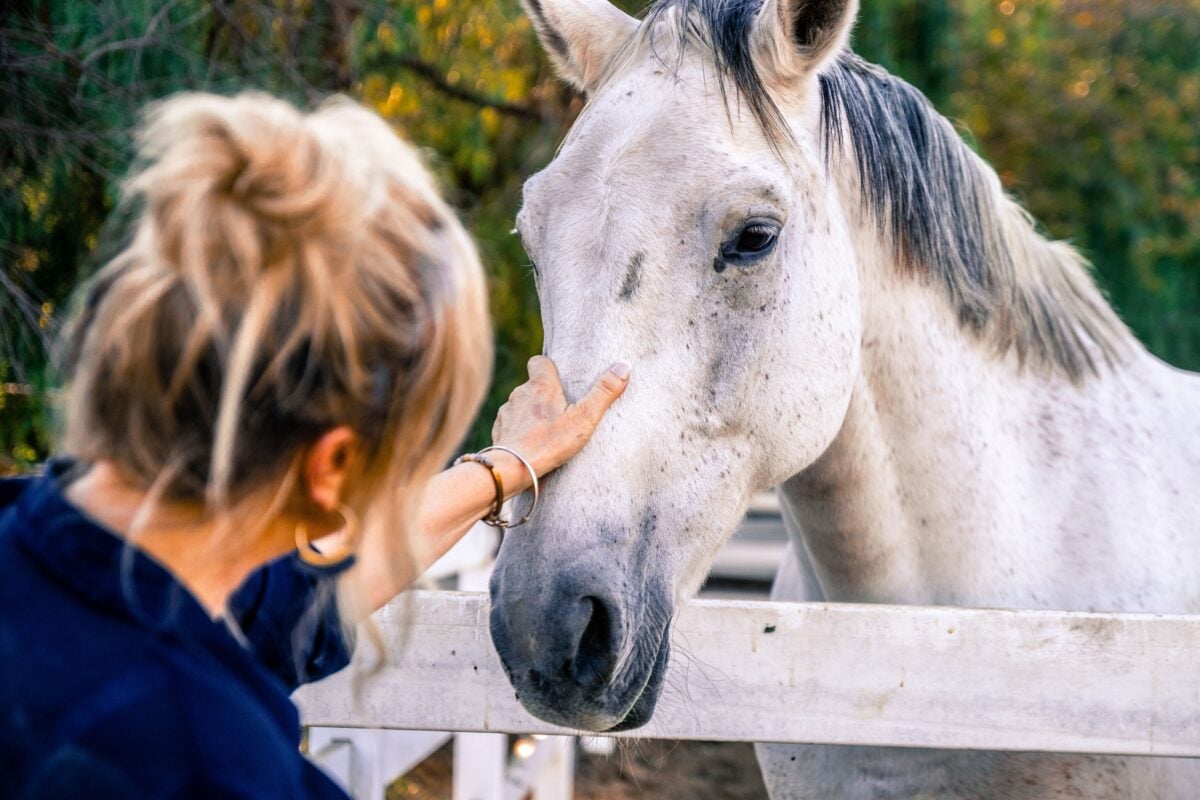
Have you ever felt more at ease confiding in your pet than in another person? It’s not just you. Many individuals experience a profound sense of comfort and connection with animals that they don’t always find in human interactions. This phenomenon isn’t a personality flaw; it’s deeply rooted in our nervous system’s response to the unconditional presence of animals.
The Unconditional Presence of Animals

Animals offer a unique form of companionship – one devoid of judgment, expectations, or social agendas. This unconditional presence allows individuals to express themselves freely without fear of criticism or misunderstanding. For instance, a study highlighted that people often confide in their pets when they find it challenging to open up to others, providing a safe space for emotional expression. ([pmc.ncbi.nlm.nih.gov](https://pmc.ncbi.nlm.nih.gov/articles/PMC5800290/?utm_source=openai))
This non-judgmental companionship fosters a sense of security and acceptance. Unlike human relationships, which can be complex and laden with expectations, the bond with a pet is straightforward and pure. This simplicity can be particularly comforting for those who feel isolated or misunderstood in their human interactions.
Neurological Responses to Animal Companionship

Our brains are hardwired to respond to animals in ways that promote emotional well-being. Research indicates that specific parts of the amygdala – a region central to processing emotions – react almost instantly to images of animals. This rapid response suggests an innate connection between humans and animals, likely rooted in our evolutionary history. ([wired.com](https://www.wired.com/2011/08/seeing-animals/?utm_source=openai))
Interacting with animals can also trigger the release of oxytocin, often referred to as the “love hormone.” This chemical promotes feelings of trust and bonding, further enhancing the sense of connection between humans and their animal companions. Additionally, the presence of a pet can lower cortisol levels, reducing stress and promoting a sense of calm.
Emotional Support Without Social Pressure

One of the reasons people may feel less alone with animals is the absence of social pressure. Human interactions often come with expectations, judgments, and the potential for conflict. In contrast, animals provide companionship without these complexities. This can be especially beneficial for individuals who experience social anxiety or have difficulty navigating human relationships.
The simplicity of the human-animal bond allows individuals to experience connection without the fear of rejection or misunderstanding. This can lead to increased feelings of self-worth and emotional stability, as the individual knows they are accepted unconditionally by their animal companion.
Therapeutic Benefits of Animal Interaction
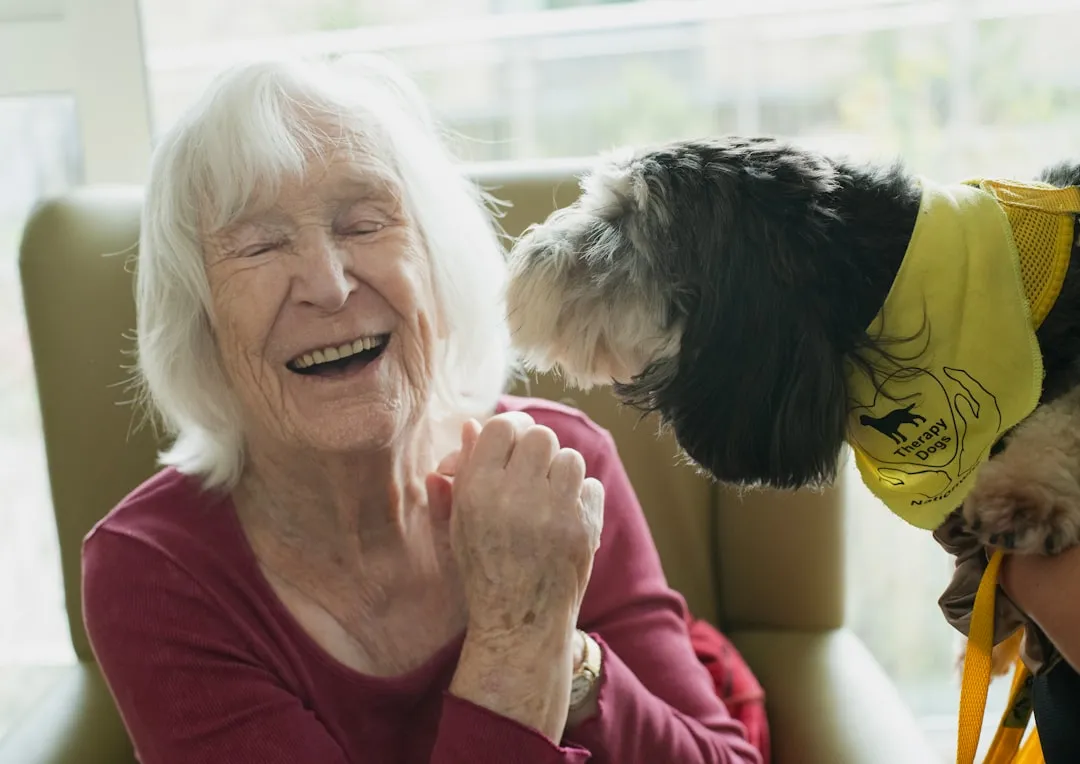
The therapeutic benefits of interacting with animals are well-documented. Animal-assisted therapy has been shown to reduce symptoms of depression, anxiety, and stress. For example, studies have found that the presence of a dog during stressful situations can lead to lower blood pressure and heart rate, indicating a calming effect. ([nationalgeographic.com](https://www.nationalgeographic.com/premium/article/dog-ease-stress-anxiety-mental-health?utm_source=openai))
Furthermore, animals can serve as social catalysts, helping individuals develop social skills and increase social interaction. This is particularly beneficial for children with autism or individuals with social phobias, as the presence of an animal can make social situations less intimidating.
Evolutionary Perspectives on Human-Animal Bonds

From an evolutionary standpoint, the human-animal bond has been mutually beneficial. Early humans who formed alliances with animals, such as dogs, gained advantages in hunting, protection, and companionship. This symbiotic relationship has been reinforced over millennia, leading to the deep connections many people feel with animals today.
This evolutionary bond may explain why humans are naturally drawn to animals and why their presence can have such a profound impact on our emotional well-being. It’s a relationship that has stood the test of time, providing comfort and support across generations.
Individual Differences in Seeking Animal Companionship
While many people find solace in animal companionship, individual differences play a role in this preference. Factors such as personality traits, past experiences, and current life circumstances can influence the extent to which someone seeks out and benefits from interactions with animals.
For some, animals provide a sense of purpose and routine, especially for those living alone or experiencing significant life changes. For others, the presence of an animal may serve as a reminder of past traumas or losses, making the relationship more complex.
Integrating Animal Companionship into Daily Life

Incorporating animals into daily life can be a meaningful way to enhance emotional well-being. Whether through pet ownership, volunteering at animal shelters, or simply spending time in nature observing wildlife, these interactions can provide a sense of connection and purpose.
It’s important to recognize that while animals can offer significant emotional support, they are not a substitute for human relationships or professional mental health care when needed. However, they can be a valuable component of a holistic approach to emotional well-being.
Conclusion
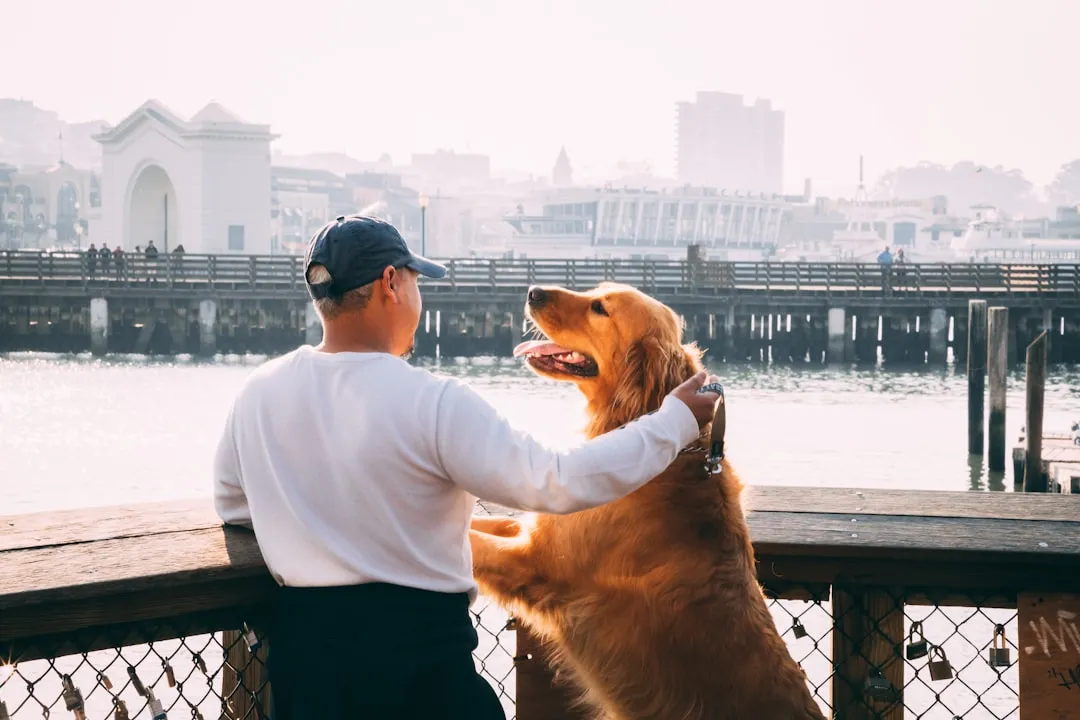
Feeling more connected to animals than to people is not a personality flaw; it’s a natural response rooted in our nervous system’s reaction to the unconditional presence that animals provide. This bond offers a unique form of companionship that can enhance emotional well-being and provide comfort in times of need. Recognizing and embracing this connection can lead to a more fulfilling and balanced life.

- Birds Use Intricate Migratory Paths That Span Continents, a True Marvel of Nature - July 11, 2026
- 8 Incredible American Destinations With Rich Native History - July 11, 2026
- 5 Disaster Theories That Keep Scientists Up at Night - July 11, 2026