

Sea otters, with their endearing faces and playful antics, are more than just adorable marine mammals; they are remarkably intelligent creatures whose behaviors reveal a complex cognitive world. From using tools to intricate social interactions, sea otters exhibit a range of activities that underscore their mental prowess. Let’s delve into eleven fascinating behaviors that highlight just how smart these animals truly are.
Mastering Tool Use: Nature’s Craftsmen
Sea otters are among the few non-human animals known to use tools. They skillfully employ rocks to crack open hard-shelled prey like clams and mussels, showcasing their problem-solving abilities. This behavior is not instinctual but learned, indicating a capacity for cultural transmission within otter populations.
Remarkably, some sea otters have been observed keeping favorite rocks in a pouch under their forearm, ready for future use. This foresight and planning further demonstrate their advanced cognitive skills and adaptability in their aquatic environment.
Complex Social Structures: The Art of Rafting

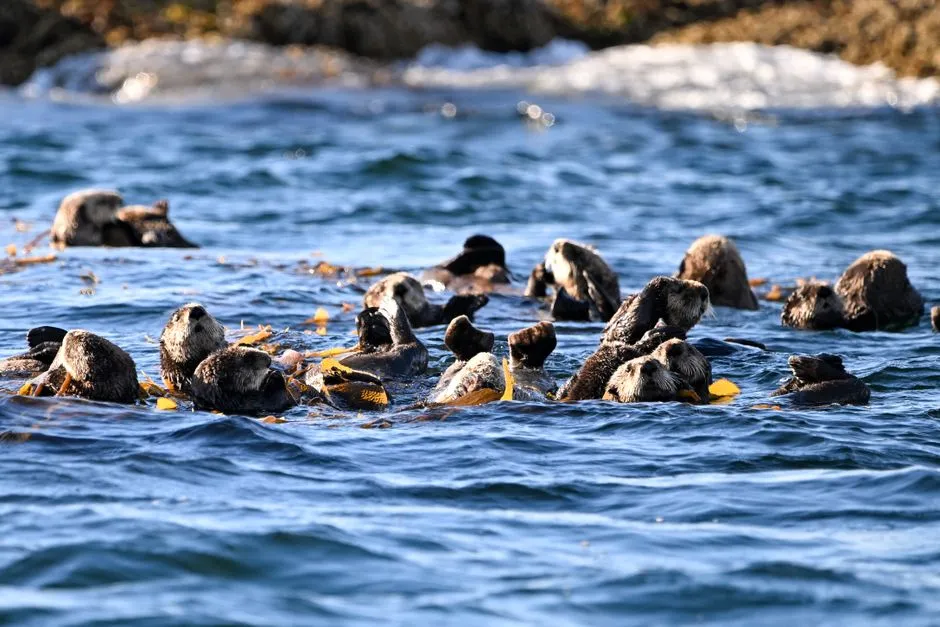
Sea otters often form groups known as “rafts,” which can consist of up to 100 individuals. These gatherings are not random; they serve purposes such as protection from predators and social bonding. The ability to organize and maintain such groups reflects a sophisticated level of social intelligence.
Within these rafts, sea otters exhibit behaviors like synchronized swimming and communal grooming. These activities not only strengthen social ties but also indicate an understanding of cooperative behavior and mutual benefit.
Innovative Foraging Techniques: Culinary Experts
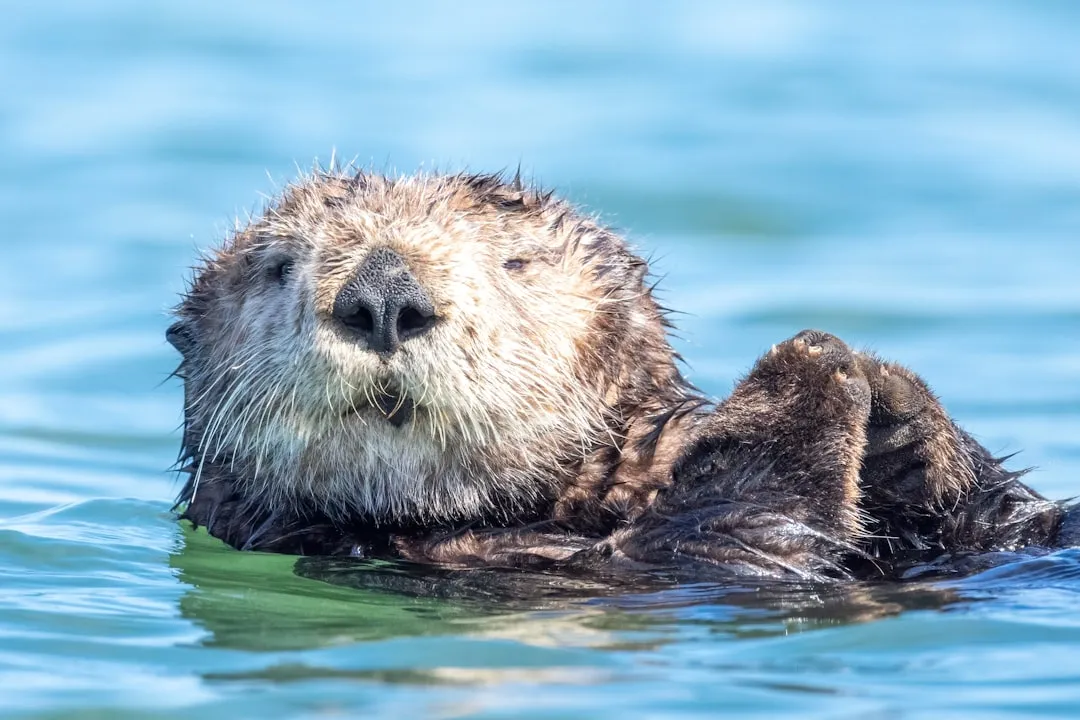
Beyond tool use, sea otters display innovative foraging methods. They dive to the ocean floor to collect a variety of prey, including sea urchins, crabs, and snails, showcasing their versatility and adaptability in hunting strategies.
Their ability to adapt their diet based on prey availability demonstrates cognitive flexibility. This adaptability is crucial for survival, especially in changing environmental conditions where certain food sources may become scarce.
Meticulous Grooming: The Science of Self-Care

Sea otters possess the densest fur in the animal kingdom, with up to a million hairs per square inch. Maintaining this fur requires constant grooming to ensure insulation and buoyancy. This behavior indicates an understanding of self-maintenance and the importance of personal care for survival.
Their grooming rituals involve cleaning, fluffing, and even blowing air into their fur to enhance its insulating properties. Such detailed self-care routines reflect a high level of awareness and the ability to perform complex, purposeful actions.
Vigilant Predator Avoidance: Survival Strategists
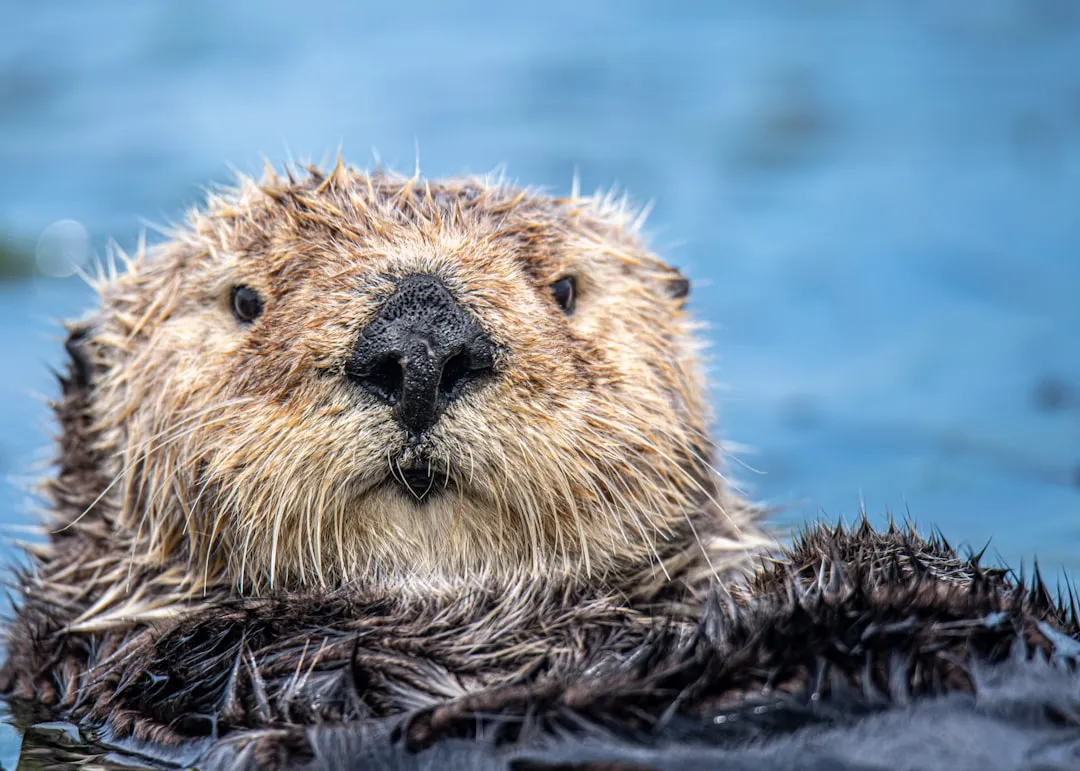
Sea otters employ various strategies to evade predators like sharks and killer whales. They often rest in kelp beds, using the kelp to anchor themselves and stay hidden from potential threats. This behavior demonstrates an understanding of their environment and the use of available resources for protection.
Additionally, sea otters exhibit heightened vigilance, often scanning their surroundings and responding swiftly to potential dangers. Such behaviors indicate a keen awareness and the ability to assess and react to threats effectively.
Parental Dedication: Nurturing the Next Generation
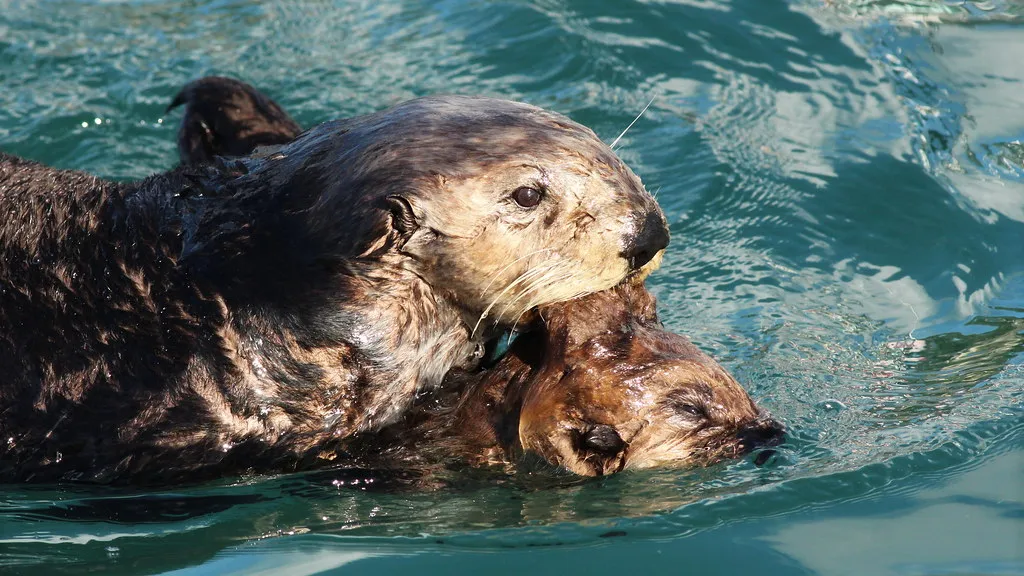
Female sea otters exhibit remarkable dedication to their offspring. They carry their pups on their chests, grooming and feeding them meticulously. This nurturing behavior ensures the survival of the young and reflects a deep-seated instinct for caregiving.
Mothers also teach their pups essential survival skills, such as foraging techniques and grooming practices. This transmission of knowledge from one generation to the next highlights the importance of learning and memory in sea otter communities.
Playful Behavior: Learning Through Fun
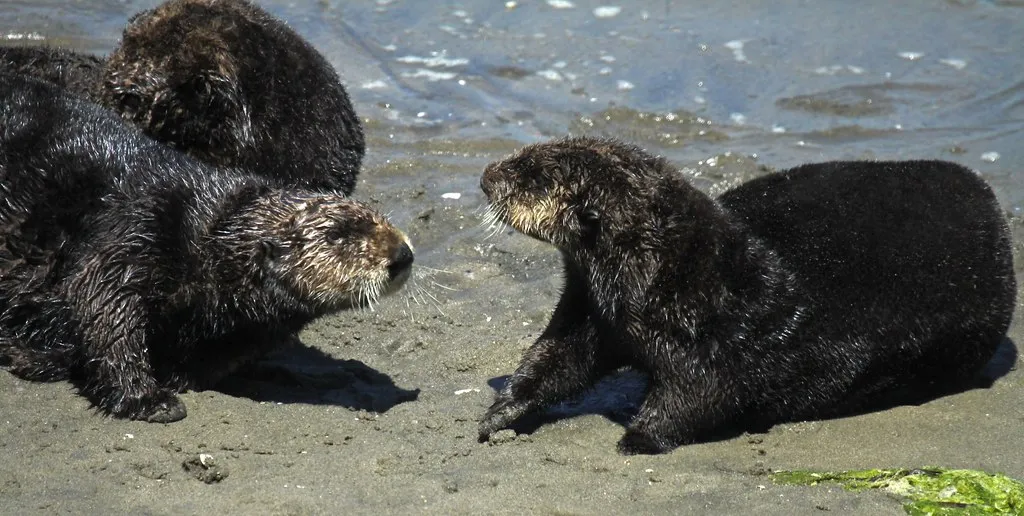
Play is a significant aspect of sea otter behavior, often involving activities like sliding, chasing, and wrestling. These playful interactions are not merely for enjoyment; they serve as practice for hunting and social skills, indicating an understanding of learning through play.
Such behaviors also strengthen social bonds and establish hierarchies within groups. The complexity and frequency of play among sea otters suggest a high level of cognitive engagement and social intelligence.
Efficient Energy Management: Balancing the Budget
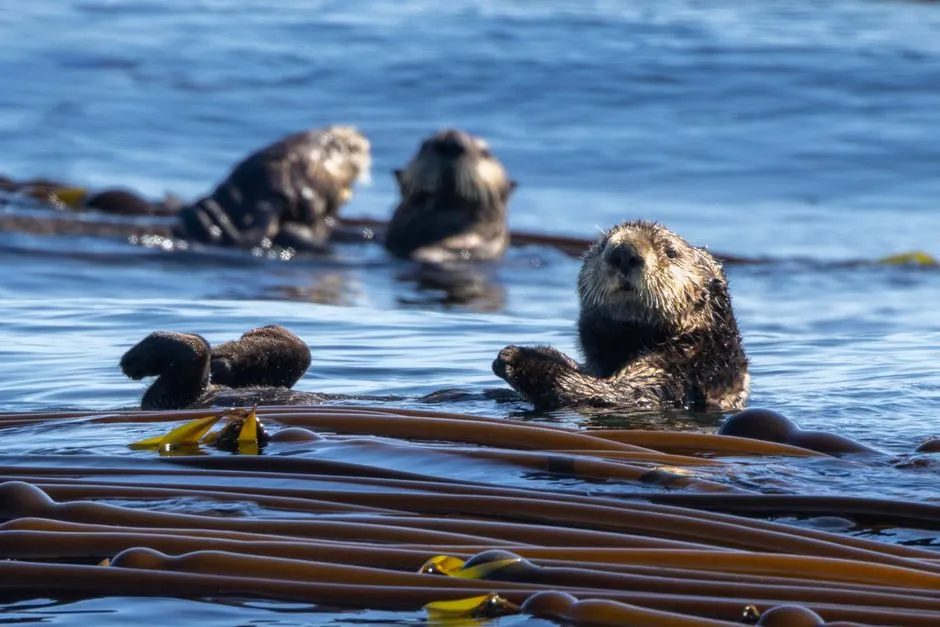
Maintaining body temperature in cold waters requires significant energy. Sea otters manage this by consuming up to 25% of their body weight daily, showcasing their ability to regulate energy intake and expenditure effectively.
Their foraging efficiency and dietary choices reflect an understanding of nutritional needs and the importance of energy balance, crucial for survival in their demanding habitats.
Communication Skills: Expressing Emotions
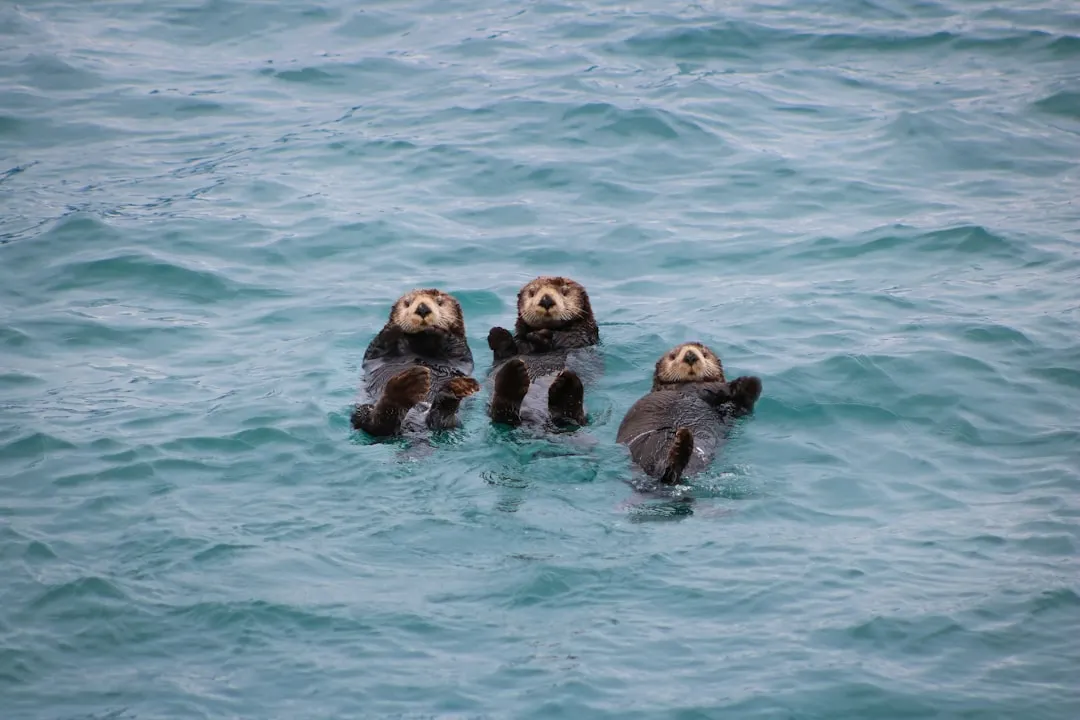
Sea otters communicate using a range of vocalizations, including whistles, growls, and screams. These sounds convey different messages, from signaling distress to coordinating group activities, indicating a complex communication system.
Their ability to interpret and respond to these vocal cues demonstrates social intelligence and the importance of communication in maintaining group cohesion and cooperation.
Adaptability to Human Presence: Urban Survivors
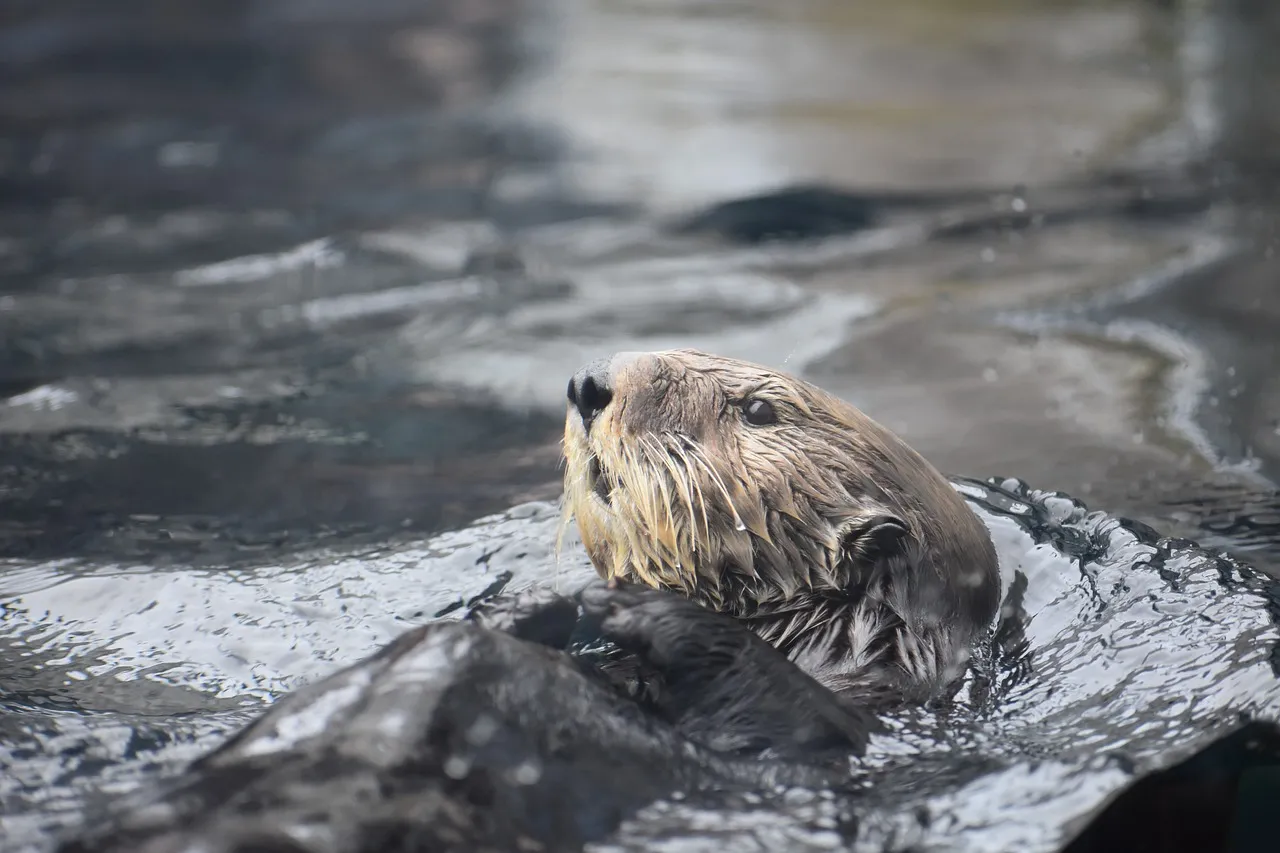
In areas where human activity is prevalent, sea otters have shown remarkable adaptability. They adjust their behaviors, such as altering foraging times or avoiding certain areas, to coexist with human developments, reflecting cognitive flexibility.
This adaptability not only ensures their survival but also highlights their ability to learn from and respond to changing environments, a key indicator of intelligence.
Environmental Impact Awareness: Ecosystem Engineers
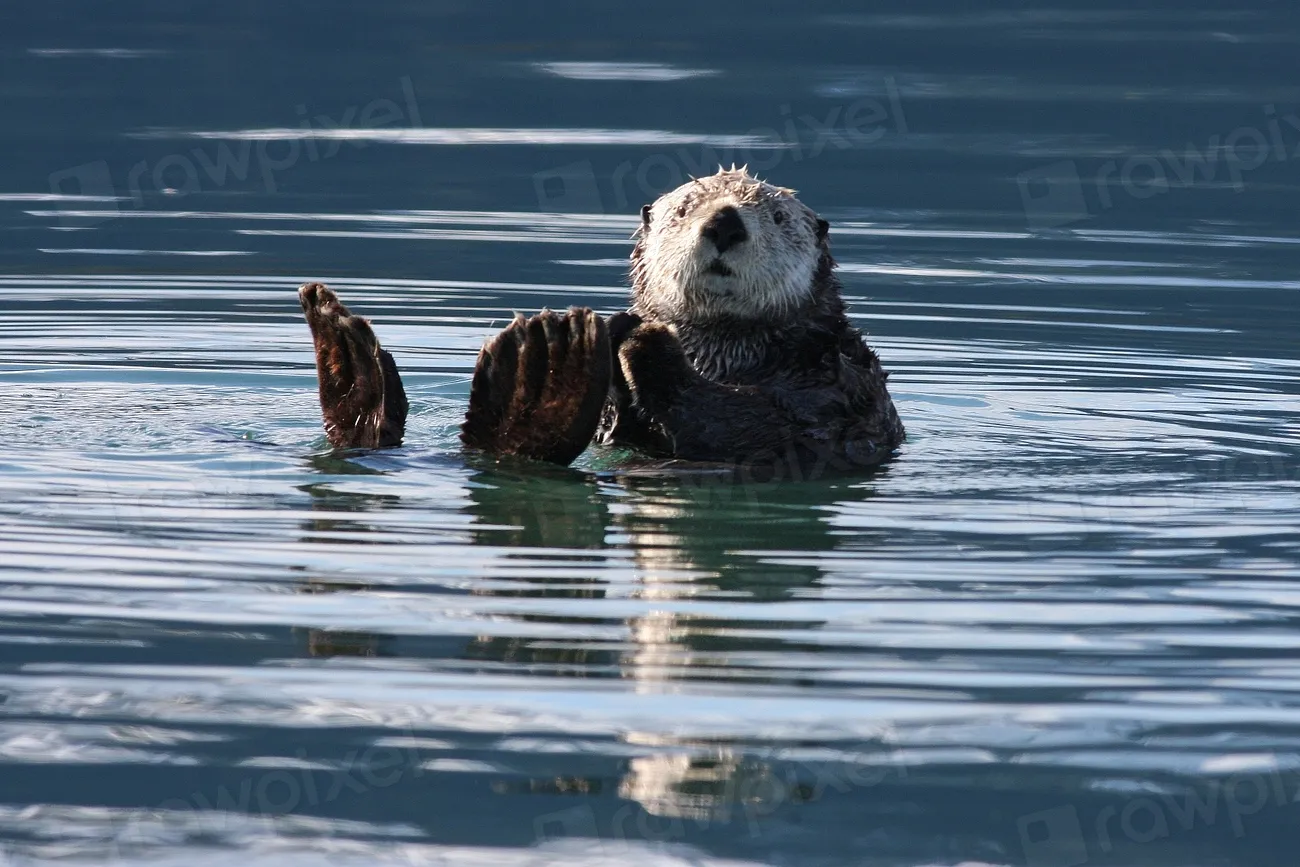
Sea otters play a crucial role in maintaining the health of kelp forests by controlling sea urchin populations. Their feeding habits prevent overgrazing of kelp, showcasing an indirect understanding of their impact on the ecosystem.
This ecological role underscores the interconnectedness of species and the importance of each organism’s behavior in sustaining environmental balance.
In conclusion,

- 14 Things Shelter Dogs Do on Their First Night Home That Break Everyone's Heart - July 11, 2026
- 8 Sea Monsters That Ruled Before Sharks - July 11, 2026
- 7 Remarkable Facts About Nefertiti’s Lost Tomb - July 11, 2026