
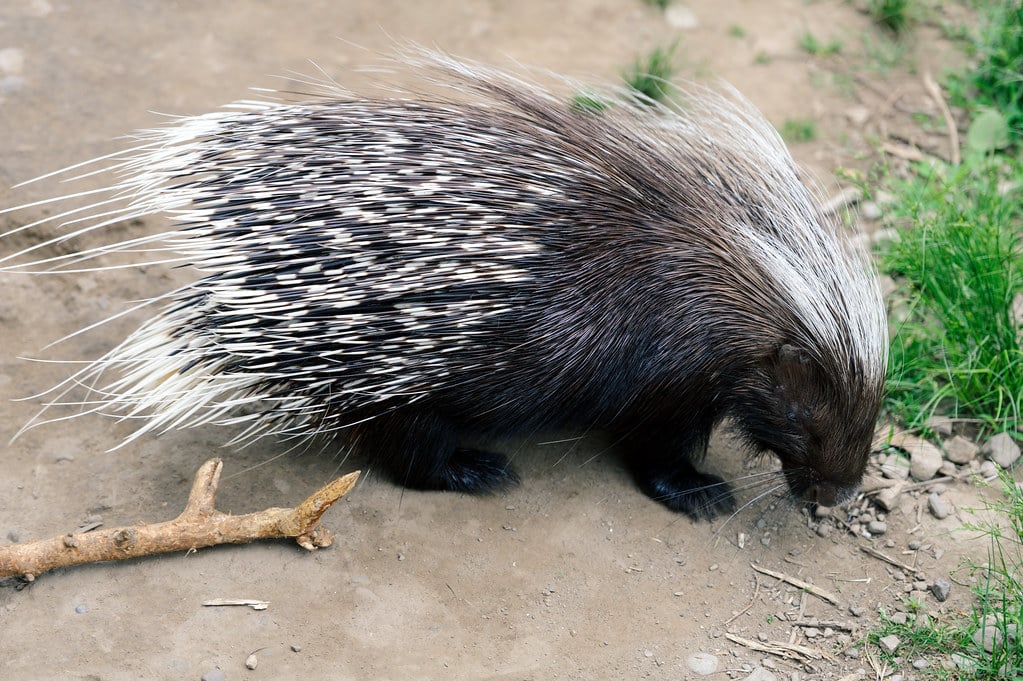
Porcupines, those enigmatic, quill-covered creatures, often go unnoticed in the wild. Yet, beneath their spiky exterior lies a world of peculiar behaviors that defy common knowledge. Let’s delve into eleven of these strange habits that might just change the way you view these solitary rodents.
1. Quill Erection as a Defense Mechanism
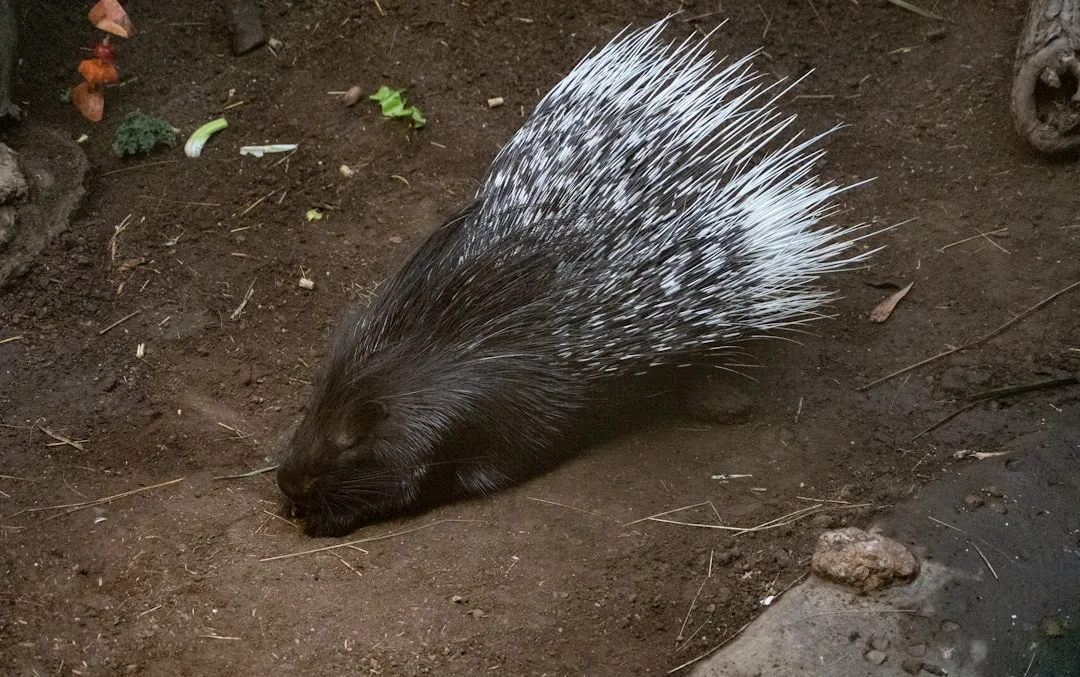
When threatened, porcupines don’t just rely on their quills; they have a multi-step defense strategy. Initially, they raise their quills to appear larger and more intimidating. This visual warning is often accompanied by teeth clattering – a sound meant to deter potential predators. If the threat persists, they may emit a pungent odor as a final warning before resorting to physical defense.
2. The Myth of Quill Shooting
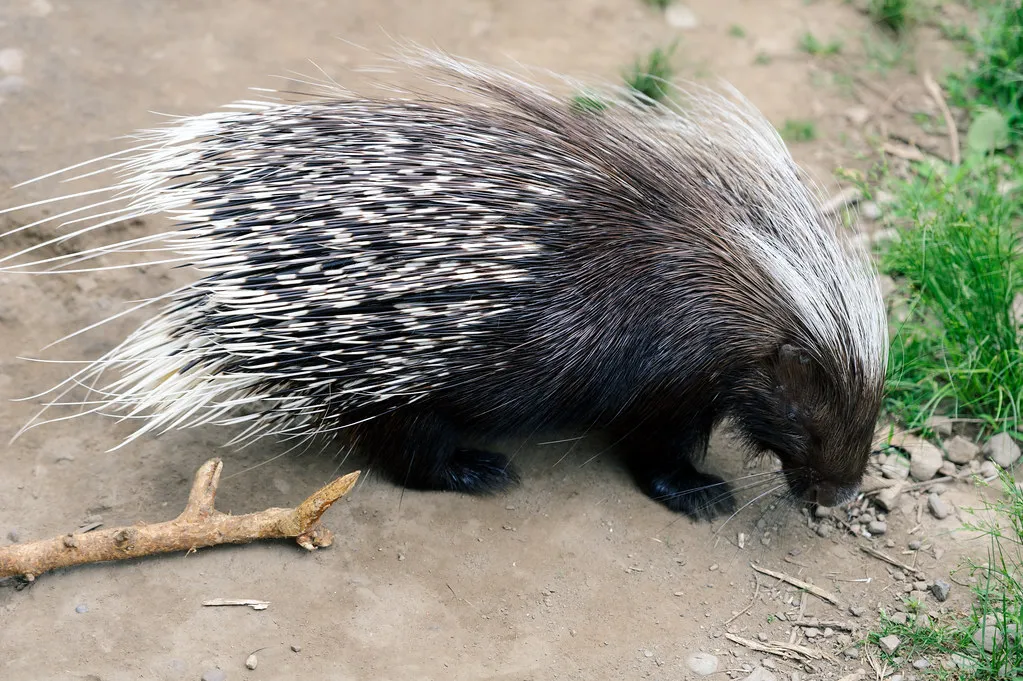
Contrary to popular belief, porcupines cannot shoot their quills. Instead, these quills are loosely attached and can easily embed into the skin of any animal that comes into contact with them. This misconception likely arises from the ease with which quills detach upon contact, giving the illusion of being projected.
3. Nocturnal Foraging Habits
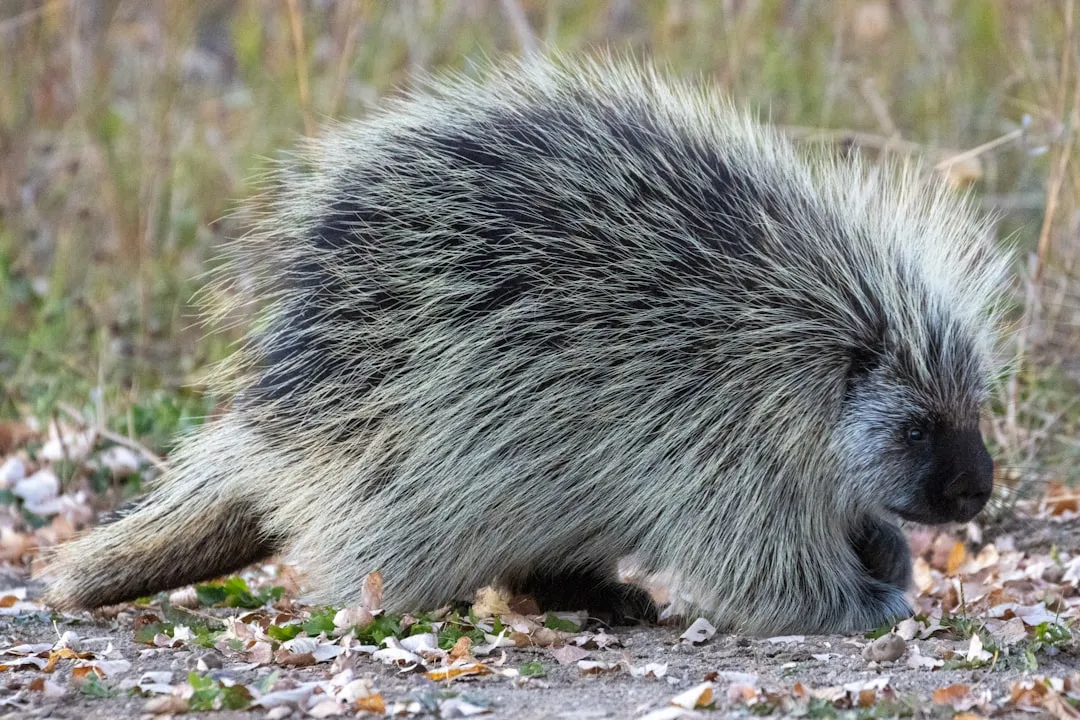
Porcupines are primarily nocturnal creatures, venturing out under the cover of darkness to forage. Their diet varies seasonally, ranging from leaves and berries in the warmer months to tree bark and evergreen needles during winter. This nocturnal behavior helps them avoid many predators and human interactions.
4. Impressive Climbing Abilities
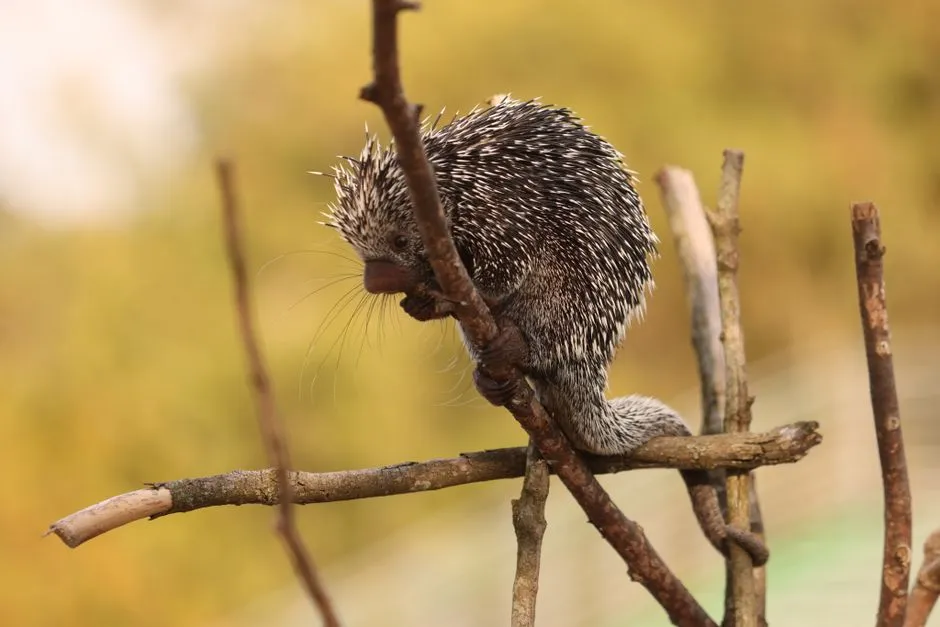
Despite their bulky appearance, porcupines are adept climbers. Their strong, curved claws allow them to ascend trees in search of food or to escape ground-based threats. Some species even spend a significant portion of their lives in the treetops, showcasing their arboreal prowess.
5. Solitary Lifestyle
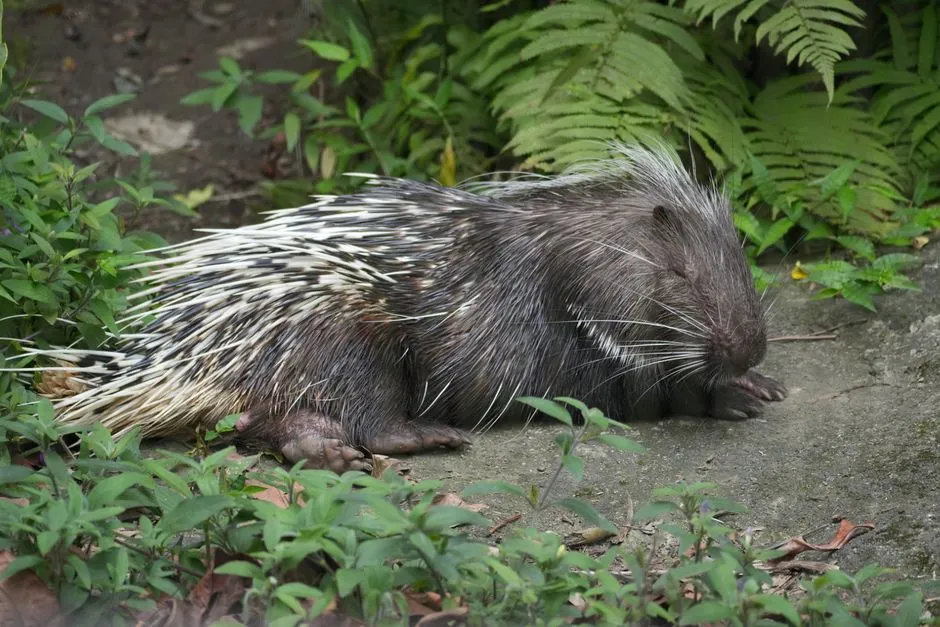
Porcupines are solitary by nature, preferring to roam and forage alone. They establish individual territories and typically come together only during the mating season or when a mother is caring for her young. This solitary behavior reduces competition for food and shelter.
6. Unique Vocalizations
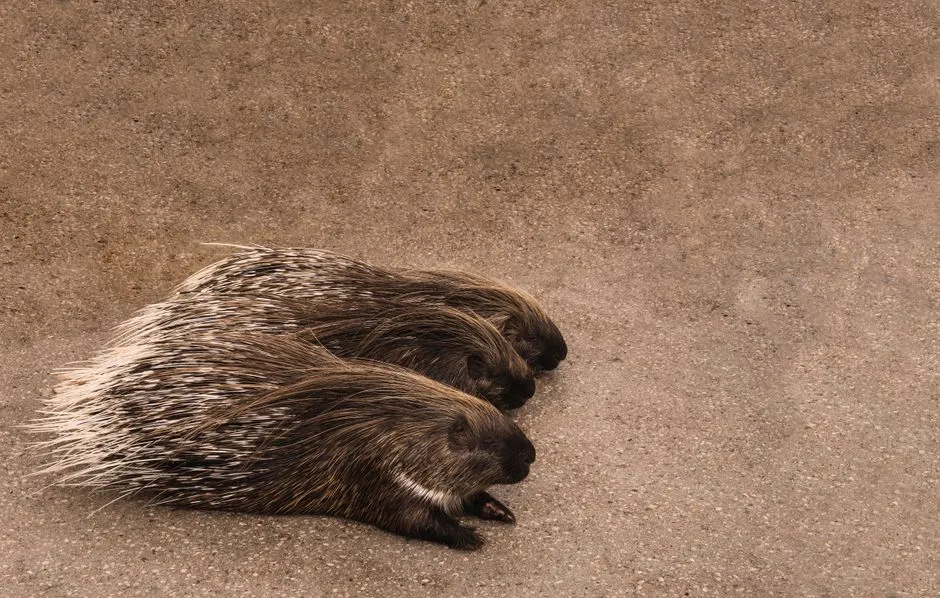
While generally quiet, porcupines possess a range of vocalizations used for communication. These include grunts, whines, and even high-pitched screams, especially during mating season or when threatened. Such sounds play a crucial role in their social interactions and defense mechanisms.
7. Salt Cravings
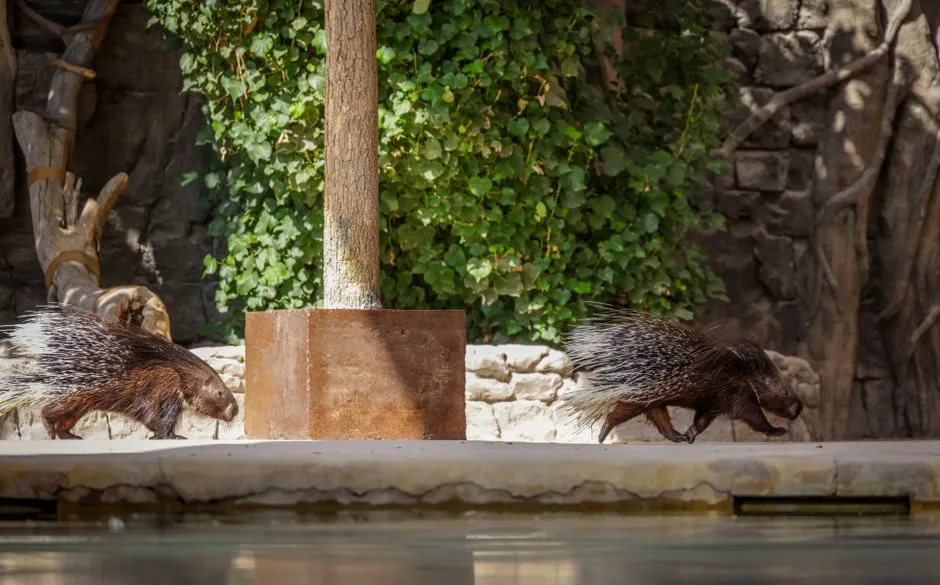
Porcupines have a notable craving for salt, leading them to chew on objects like wooden tools, vehicle tires, and even plywood that have absorbed human sweat or road salt. This behavior can sometimes bring them into conflict with humans, especially in areas where salt is used extensively.
8. Self-Quilling Incidents
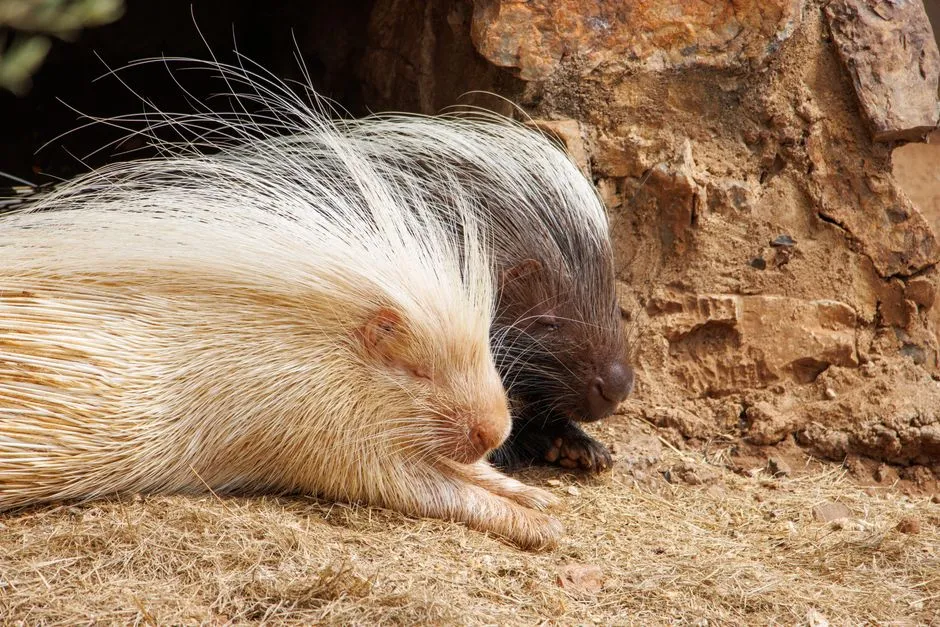
Occasionally, porcupines can accidentally impale themselves with their own quills, especially after falling from trees. To combat potential infections from such incidents, their quills are coated with a natural antibiotic substance, showcasing an intriguing adaptation to their own defense mechanism.
9. Extended Gestation Period
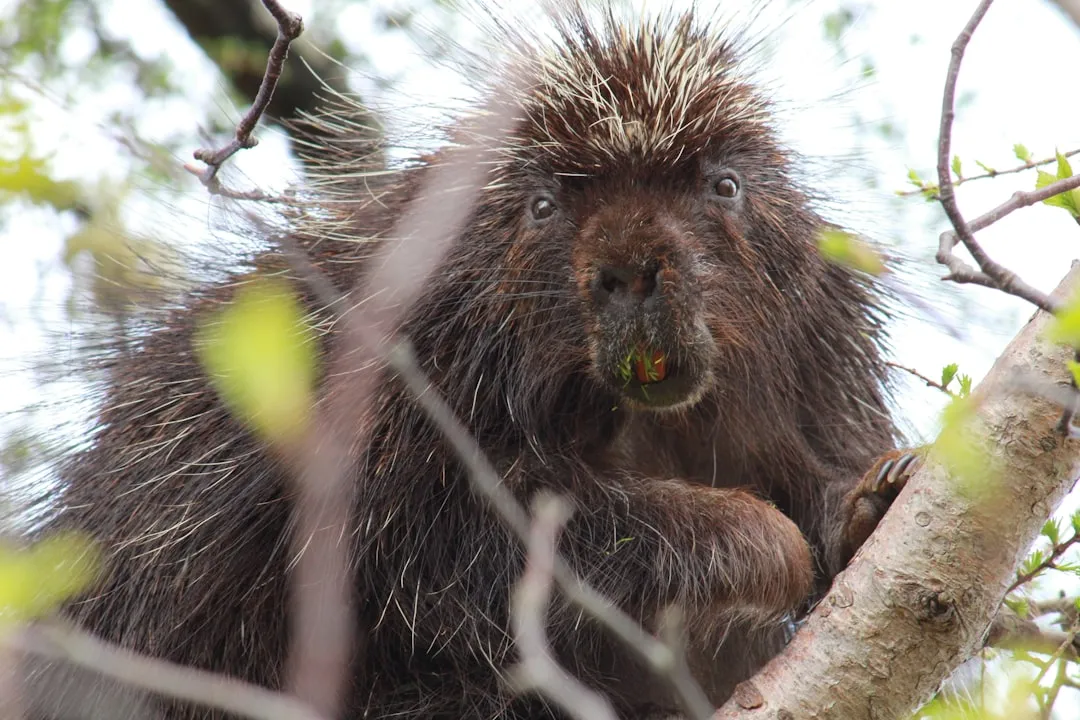
Porcupines have one of the longest gestation periods among rodents, lasting approximately seven months. This extended development results in well-developed offspring, known as porcupettes, which are born with soft quills that harden within hours, providing immediate protection.
10. Diverse Habitat Range
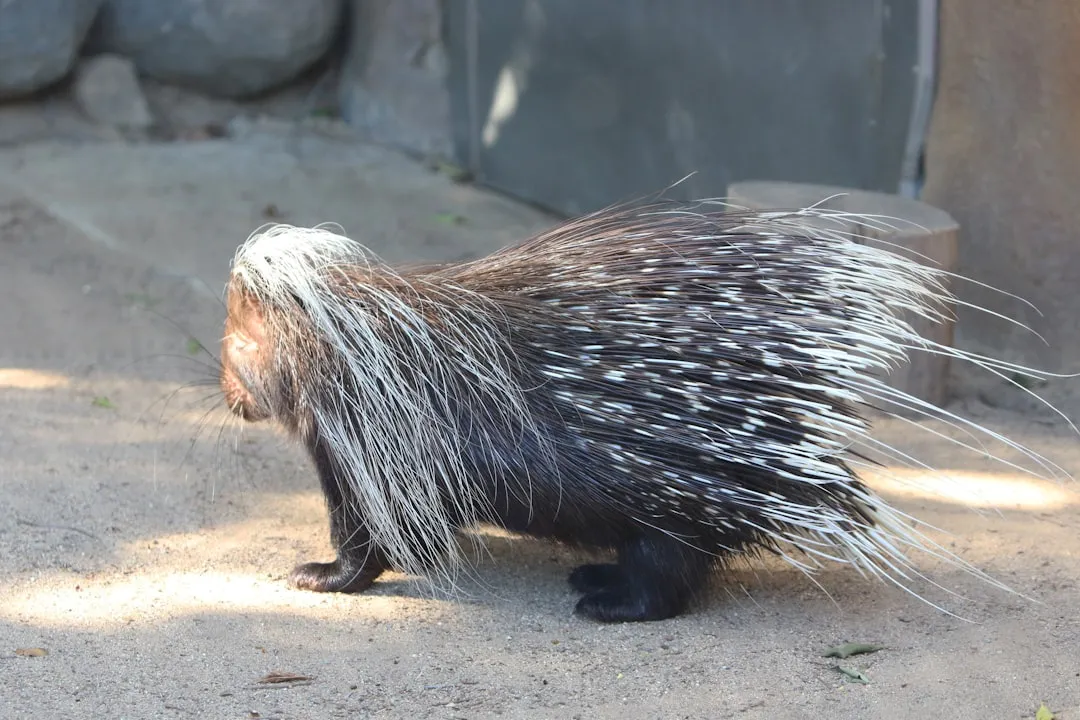
Porcupines are highly adaptable and can be found in a variety of habitats, from dense forests to deserts. Their ability to thrive in such diverse environments speaks to their resilience and versatility as a species.
11. Limited Natural Predators
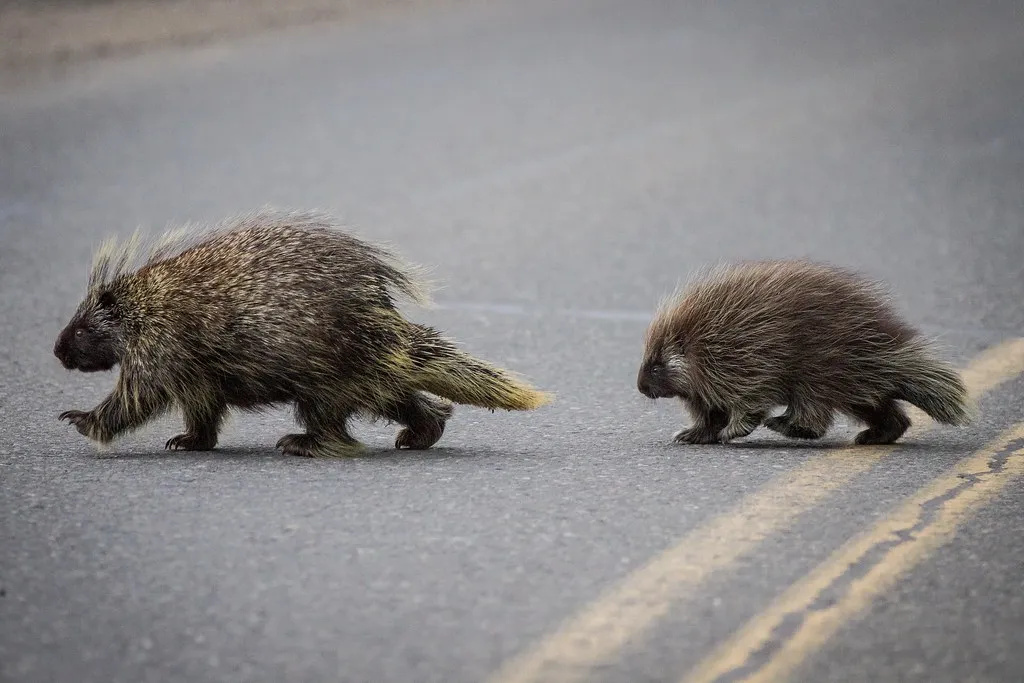
Due to their formidable quills, porcupines have few natural predators. However, some animals, like fishers, have developed specialized hunting techniques to prey on them, such as flipping them onto their backs to access their unprotected underbellies.
Porcupines are a testament to nature’s ingenuity, embodying a blend of defense mechanisms and behaviors that ensure their survival. Their unique traits not only protect them but also add a layer of intrigue to the natural world. Next time you hear the rustle of leaves at night, consider the possibility that a porcupine might be nearby, quietly going about its mysterious ways.
