
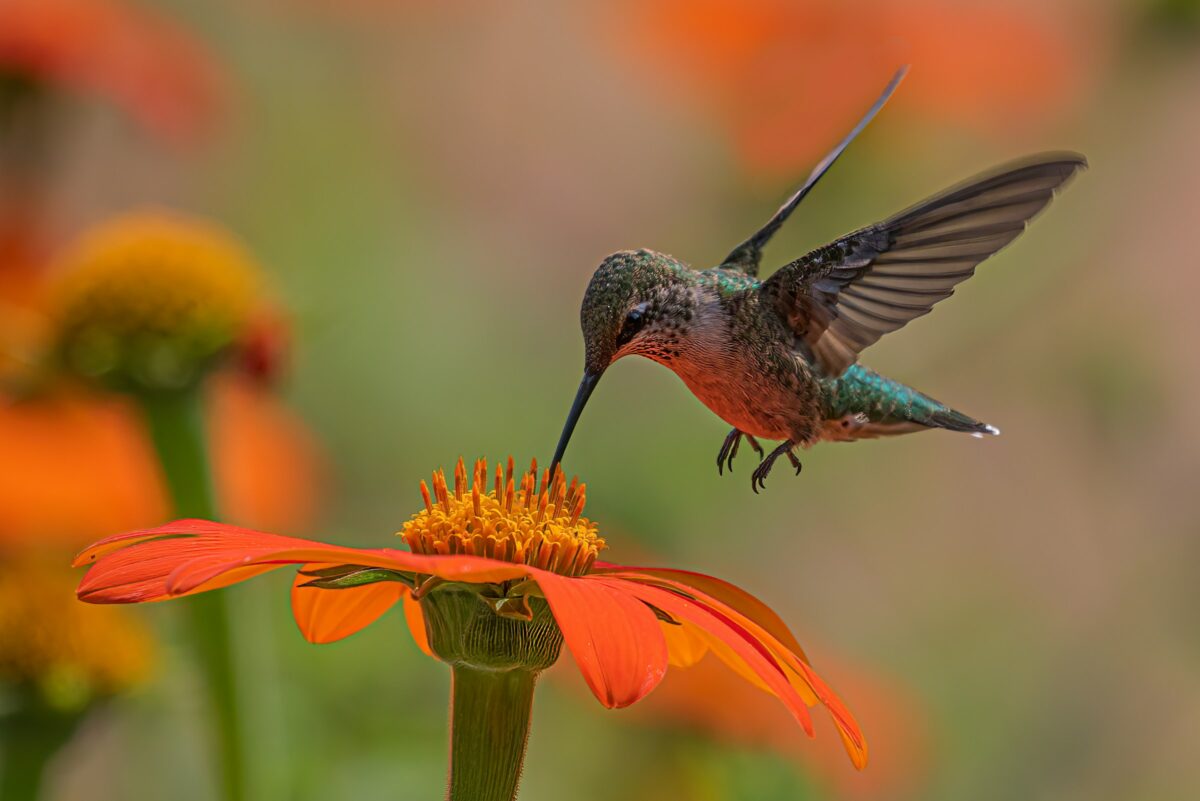
There’s a certain kind of person who checks the clock the moment a hummingbird shows up at the feeder. Seven fourteen, again. Not seven ten, not seven twenty, but almost precisely the same minute as the day before, and the day before that. It feels like coincidence until it happens for the twentieth morning in a row, and then it starts to feel like something else entirely, something closer to a relationship than a random visit.
What’s actually happening behind that tiny, iridescent flash of feathers is stranger and more impressive than most people realize. It involves a brain smaller than a pea, a memory system that researchers once thought was exclusive to humans, and comparisons to an animal about ten thousand times its size. The story of why hummingbirds keep such precise appointments turns out to be one of the more surprising findings in recent animal cognition research.
The Same Feeder, The Same Minute: A Morning Ritual
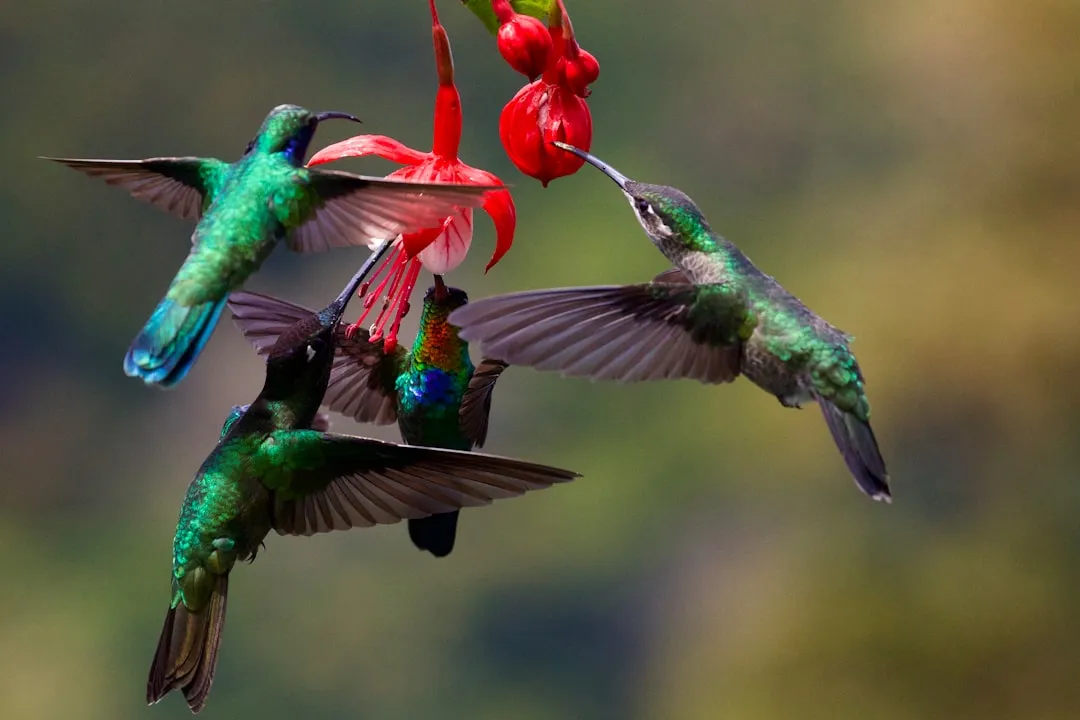
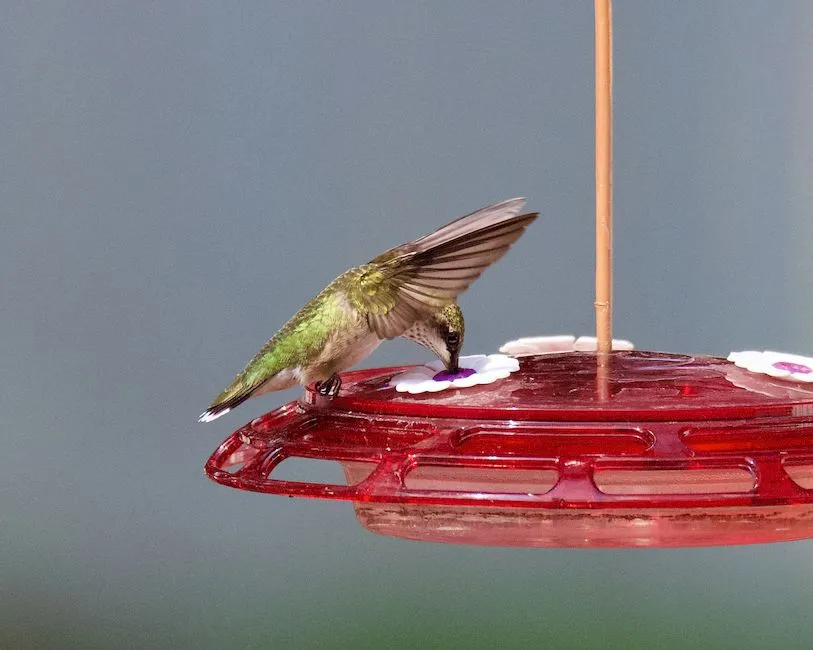
Anyone who has kept a hummingbird feeder stocked for more than a season has probably noticed the pattern. The bird doesn’t just show up sometime during the day. It arrives close to a specific window, often within a few minutes of a previous visit, as if it were working from a schedule taped to the inside of its skull.
This isn’t wishful thinking or a coincidence dressed up as a story worth telling. Hummingbirds remember the timing of feeding, learning when feeders are most likely to be full or recently refilled. That habit of returning at a predictable hour is a direct outcome of a memory system built specifically for tracking food sources over time.
A Brain the Size of a Grain of Rice
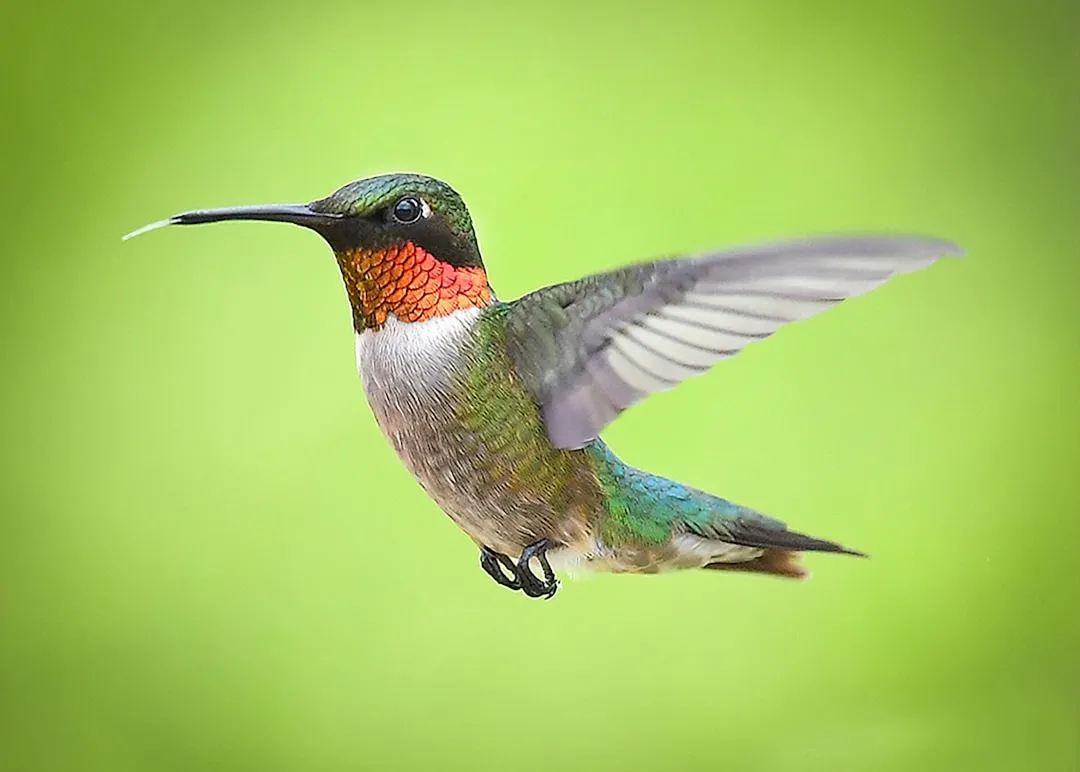
The size mismatch is almost comical. A hummingbird’s brain is 7,000 times smaller than that of a human, but the tiny, mighty bird can memorize flower locations, encode geometry and track the passage of time. That’s not a minor party trick. It’s a full navigational and scheduling system packed into a structure most people would struggle to see without a magnifying glass.
Part of the explanation lies in brain architecture rather than brain size alone. Scientific studies have shown that hummingbirds have a significantly larger hippocampal formation, the brain region crucial for spatial memory in vertebrates, compared to many other birds, including food-caching species. In other words, the hummingbird didn’t just get a small brain that happens to work well. It got a small brain with an oversized memory center built for exactly this kind of task.
What, Where, and When: The Episodic Memory Breakthrough
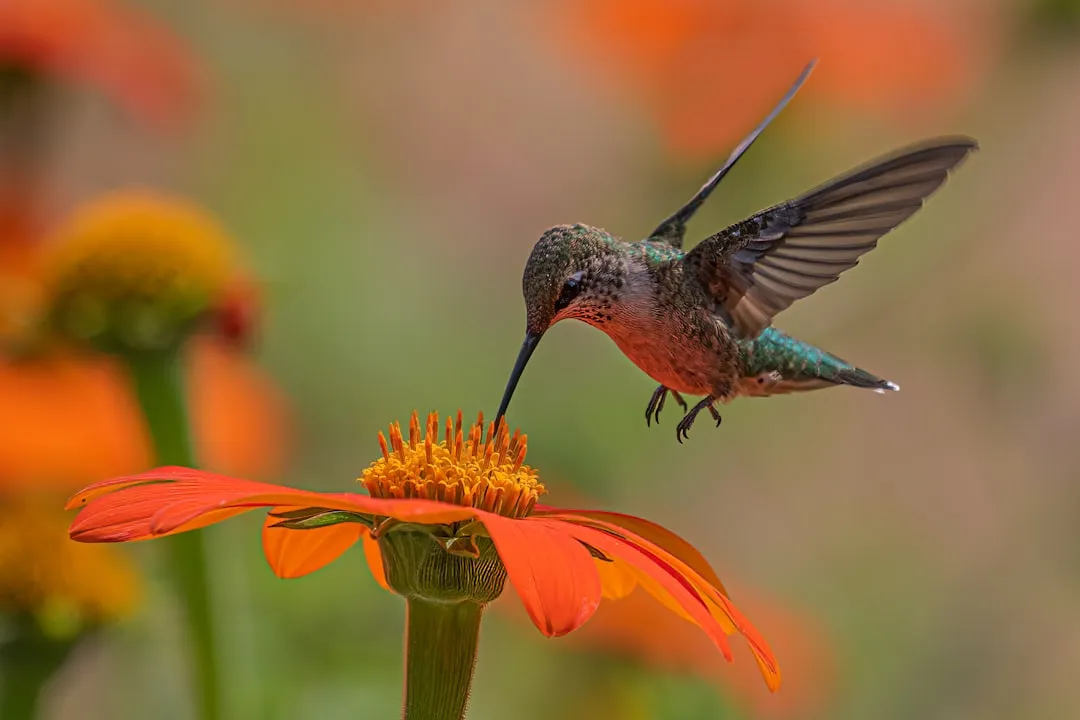
The research that really shifted how scientists talk about hummingbird intelligence came out of work on episodic memory, the kind of memory that lets a creature recall not just a fact but an entire experience tied to a place and a moment. Episodic memory is a type of memory for specific events and experiences, so as well as overall recall of what happened, it also involves remembering where and when. For a long time, this was considered a distinctly human trait.
Researchers at the University of St Andrews, working alongside colleagues at Lethbridge and Edinburgh, set out to test whether rufous hummingbirds could pull off something similar. Hummingbirds can keep a running tab of multiple aspects of their visits to at least eight different flowers over the course of several days, displaying a type of memory once attributed solely to humans. That finding didn’t just add a fun fact to birdwatching guides. It reshaped the conversation about which animals are capable of remembering their own past in a structured, contextual way.
Counting Minutes: How Hummingbirds Track Nectar Refill Times
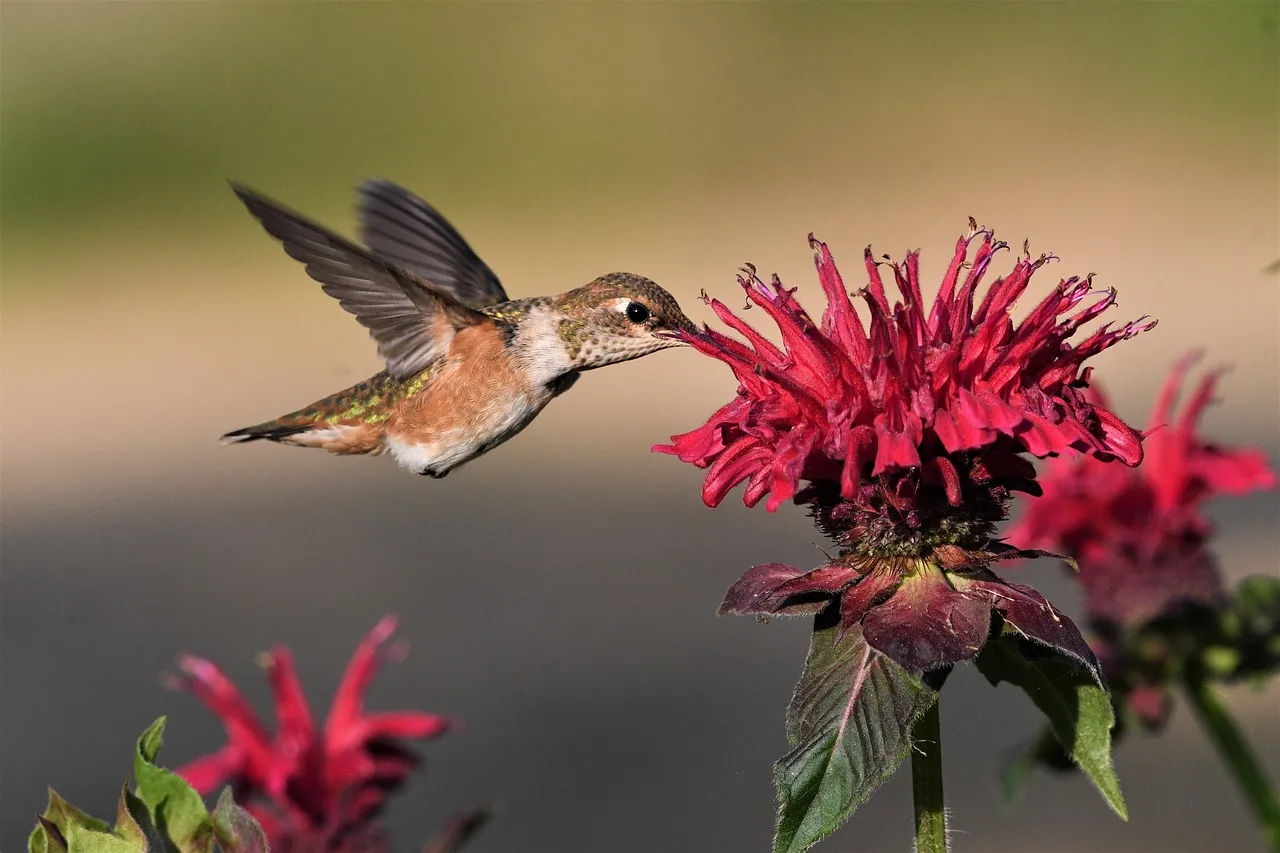
Knowing where a flower is located solves only half the problem. A hummingbird also needs to know when that flower will be worth visiting again, since an emptied bloom takes time to refill with nectar. This is where the timing piece becomes genuinely remarkable rather than just convenient.
In one particularly striking experiment, researcher Andy Hurly and his team refilled some feeders every ten minutes and others every twenty. They tested hummingbirds’ perception of time by refilling four feeders every 10 minutes and four every 20 minutes, and the birds quickly figured out which ones to visit more frequently, demonstrating episodic memory. Hurly, who has spent over two decades studying rufous hummingbirds in Alberta, put it plainly when describing how specific the birds’ recall actually was. He noted that the birds remember which ten minute and twenty minute flower they last visited, calling it astonishing.
The Elephant Comparison: How Big a Deal Is This, Really
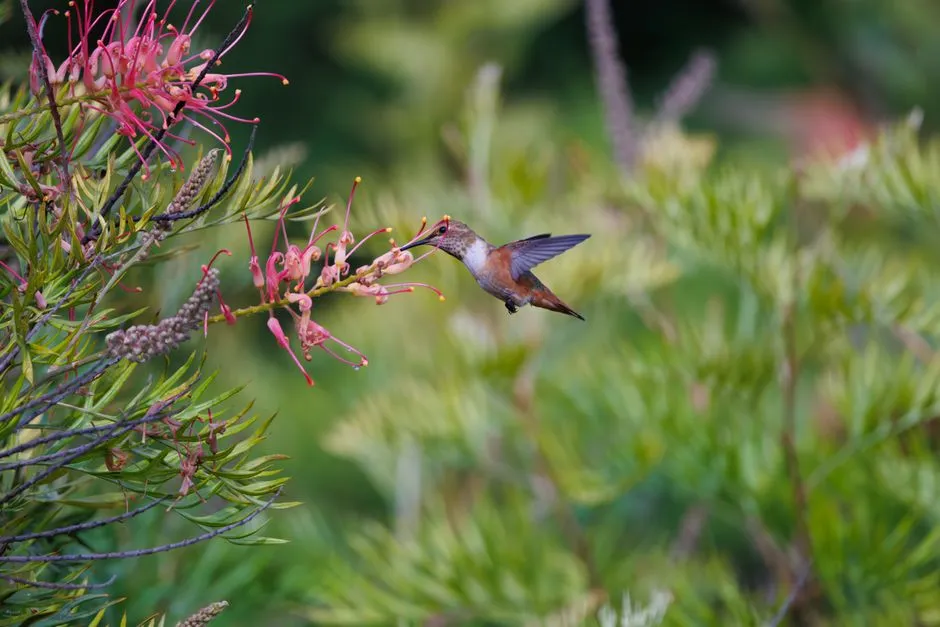
The elephant comparison isn’t just a catchy phrase invented for headlines. It comes directly from researchers trying to convey how unusual it is for an animal this small to demonstrate this kind of cognitive sophistication. When it comes to good recollection, elephants typically get the credit, but an animal only slightly larger than an elephant’s toenail is now giving the largest land mammal a run for its memory.
It’s worth being careful here, though. No study has directly measured hummingbirds and elephants side by side on identical memory tasks, so the comparison is more about category than a precise scientific ranking. Still, the point researchers are making holds up: a creature with a brain the size of a grain of rice is performing feats of location and time tracking that put it in the same conversation as animals famous for never forgetting. Compared to mammals, hummingbird memory efficiency is remarkable, since while rats can remember maze configurations and elephants never forget faces, hummingbirds achieve similar feats with a brain thousands of times smaller.
Territories, Traplines, and Why Forgetting Isn’t an Option
Memory in hummingbirds isn’t a nice bonus feature. It’s tied directly to survival, and the stakes are higher than they might seem from a kitchen window. With metabolic rates among the highest of any vertebrate, up to 100 times that of an elephant relative to body weight, hummingbirds must consume more than their body weight in nectar daily. Wasting energy hovering at an empty flower isn’t a small inconvenience for a bird running on that kind of fuel budget. It can be the difference between making it through the day and not.
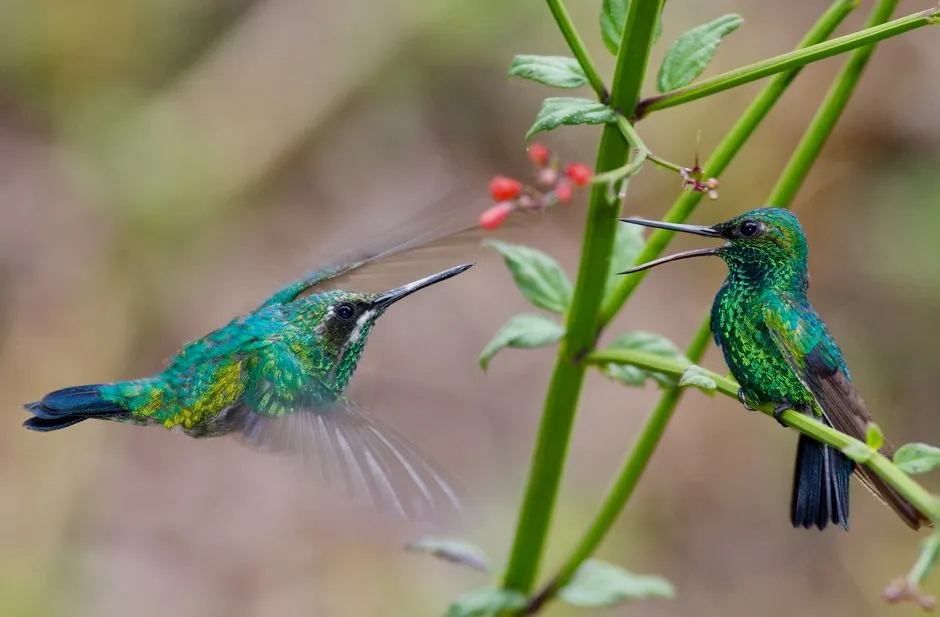
This pressure has shaped some genuinely competitive behavior among hummingbirds in the wild. Research on long-billed hermits found that birds that showed better spatial memory were more likely to be dominant birds with perches at the lek, while the floaters were the ones that couldn’t remember which feeder was which. Memory, in this context, isn’t just about finding breakfast. It’s a competitive advantage that shapes social standing within the species.
A Tiny Bird’s Big Lesson
After digging through the research, I’ll admit the elephant comparison stops feeling like a gimmick and starts feeling almost understated. Elephants have brains built on a completely different scale, with room to spare for memory circuitry. Hummingbirds are pulling off comparable feats of recall with a nervous system that could nearly fit on a fingernail, and they’re doing it while burning through calories at a pace almost no other vertebrate can match.
That regular visitor at your window in the early morning isn’t showing up out of habit in the vague, instinctual sense most people assume. It’s running calculations about location, timing, and past experience that would challenge most humans without the help of a notebook. The next time it hovers there at the same minute as always, it’s worth remembering that you’re not just being visited. You’re being remembered.
