
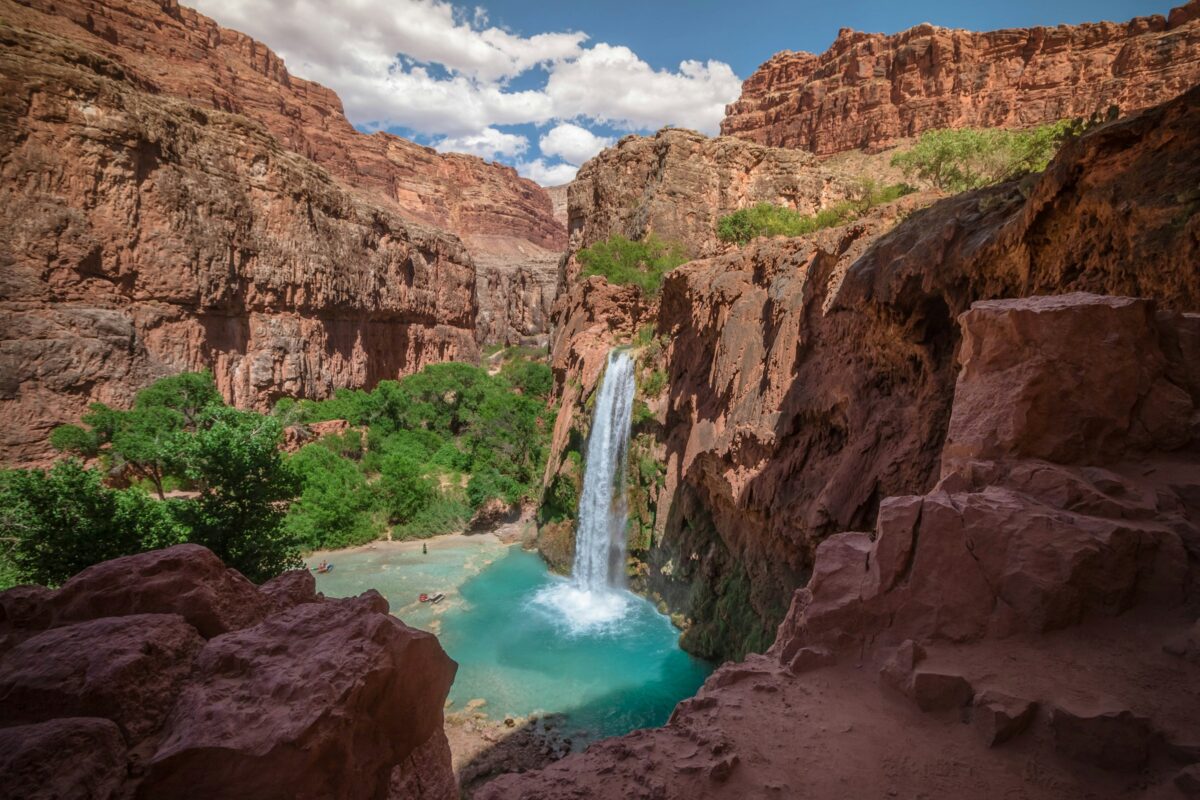
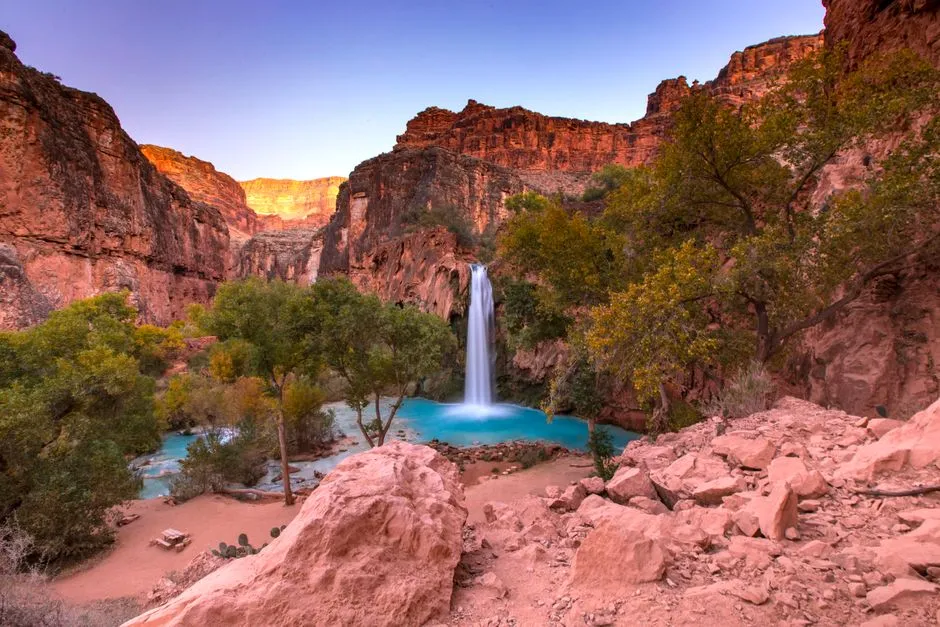
There’s a reason photos of turquoise water spilling over red rock keep showing up in your social feeds. Havasu Falls sits deep inside a side canyon of the Grand Canyon, on land that belongs to the Havasupai Tribe, and reaching it takes more than just showing up with a good pair of boots. Between permit systems that have changed dramatically for 2026, a hike that tests even experienced backpackers, and a set of rules that exist for good reason, there’s a lot to sort through before you ever see the falls in person.
Getting a Permit Is Now a Different Game Entirely
For years, snagging a Havasu Falls permit meant either getting lucky on a single frantic sale day or gambling on a lottery system that frustrated almost everyone who used it. That’s changed. The changes apply to both campground and lodge stays and took effect for the 2026 season, with the Havasupai Tribe announcing a new booking platform, an early-access permit window, and a cancellation policy that allows for partial refunds.
The lottery and the old permit transfer board are both gone now. The former Havasupai Falls permit lottery and permit transfer board have been permanently discontinued, replaced by a cancellation policy that allows partial refunds if cancelled well in advance, with cancellations made 90 days or more before the permit start date qualifying for a 50% refund. If you want first crack at dates, you can pay extra for early access, but plenty of hikers still wait for the regular sale and hope for the best.
Expect a Real Backpacking Trip, Not a Casual Stroll
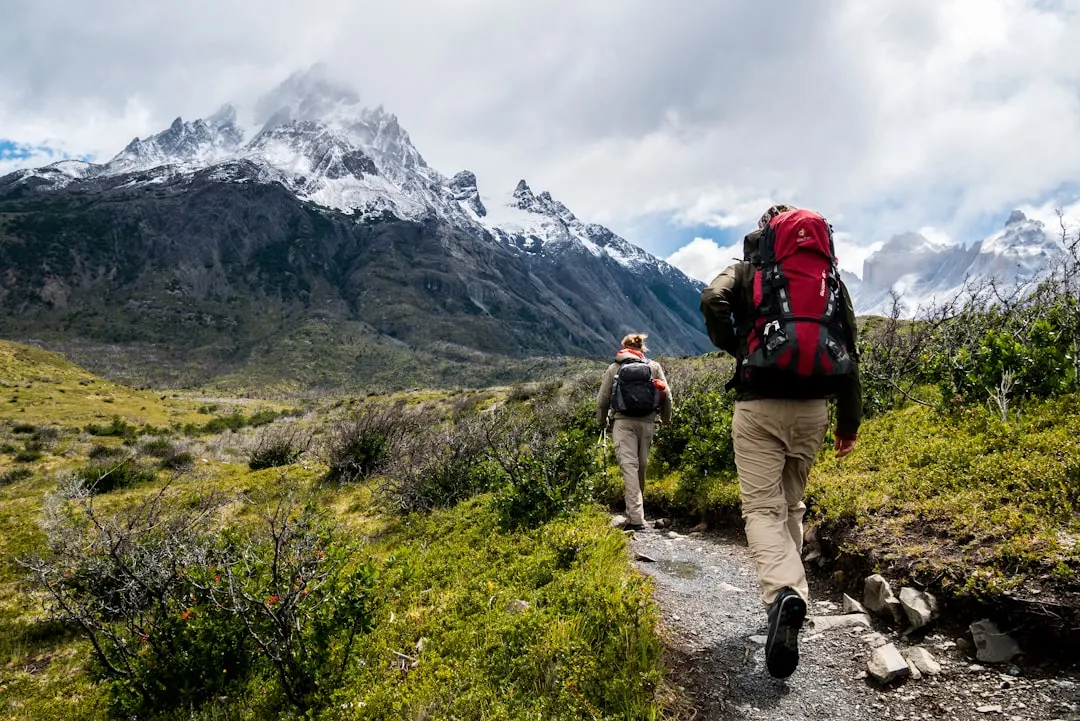
This isn’t a paved path to a scenic overlook. All visitors hike from Hualapai Hilltop trailhead to Supai Village, with a trail distance of roughly 8 miles from the trailhead to Supai Village plus 2 more miles to the campground near Havasu Falls, making the round trip hike 20 miles minimum, not counting extra miles to Mooney Falls and Beaver Falls. That’s a full day of walking each way for most people, and the terrain doesn’t let up much.
Heat is the real hazard, not technical difficulty. The hike is long and remote but not technical, mostly a downhill trek into the canyon, though the hike back out is uphill and can be very strenuous, especially in the sun. Most seasoned visitors start before dawn, and for good reason: there’s no shade and no water source along most of the route until you reach Supai.
Day Hiking Simply Isn’t Allowed
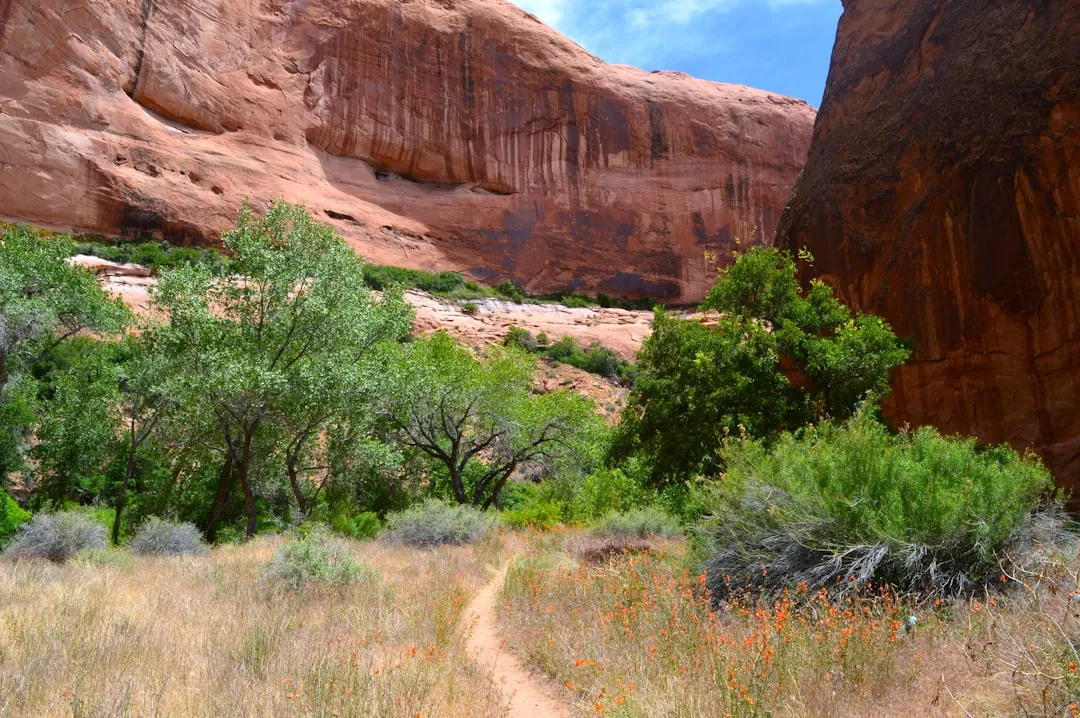
This surprises a lot of first time visitors who assume they can drive up, hike in, snap some photos, and leave. You are required to have a permit prior to your visit, so no walk-ins, and no day hiking allowed. There are no exceptions carved out for tight schedules or last minute road trips.
The rule exists partly for safety and partly for conservation. To limit the number of people trekking through this protected area, hikers going to the waterfalls need an overnight permit, and day hiking is not allowed, nor is it encouraged, since it’s ten miles just to get to the falls by way of a hot, exposed desert trail. Every visitor stays a minimum of three nights, which actually works in your favor since you get real time to explore rather than rushing through.
You Have Three Ways In, and They’re Not Equal
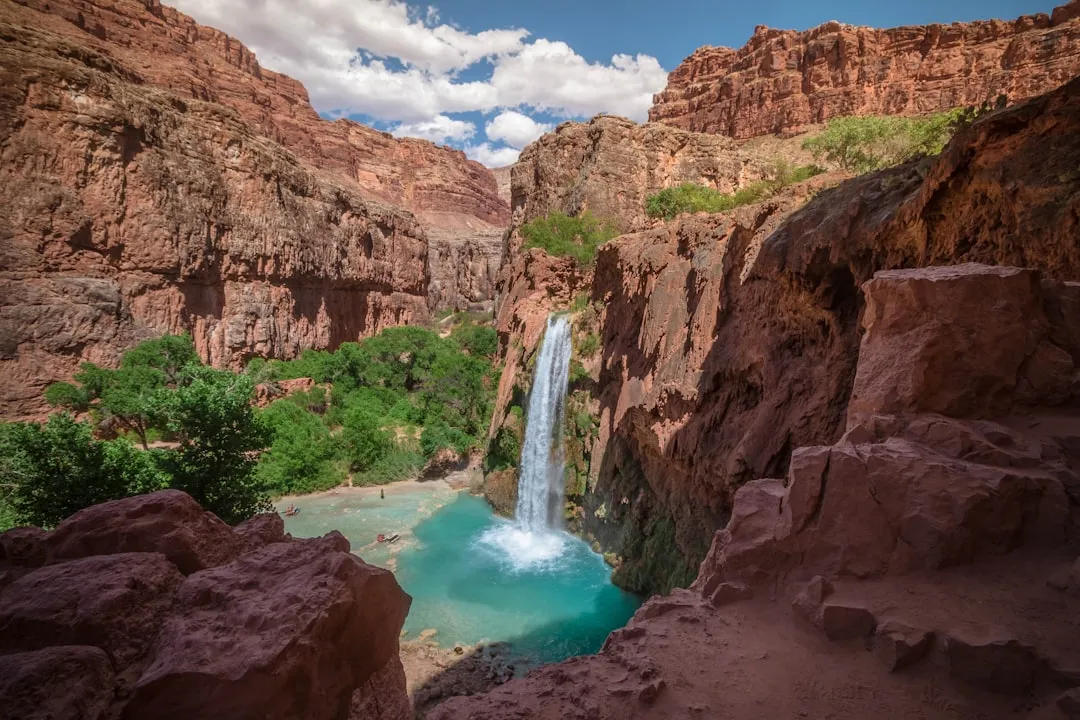
Walking isn’t your only option, though it’s the most common one. Anyone who wishes to visit the waterfalls must choose one of three options: hiking, helicopter ride, or pack mule, since there are no roads to the Supai village and access is via a trail beginning at Hualapai Hilltop, running 8 miles to Supai village plus 2 additional miles to camping and waterfalls. Helicopters and mules exist mainly to move people and gear, not to skip the experience entirely.
If your knees or your schedule can’t handle the full round trip on foot, flying is an option, though not always a guaranteed one. Helicopters run on select days and prioritize locals and supply runs over tourists, so plan a backup hiking day just in case the aircraft is grounded. Mules can carry your gear if you’d rather hike unencumbered, and pack mule bookings run around four hundred dollars round trip per mule according to current tribal pricing.
Campground or Lodge, Your Choice Shapes the Whole Trip
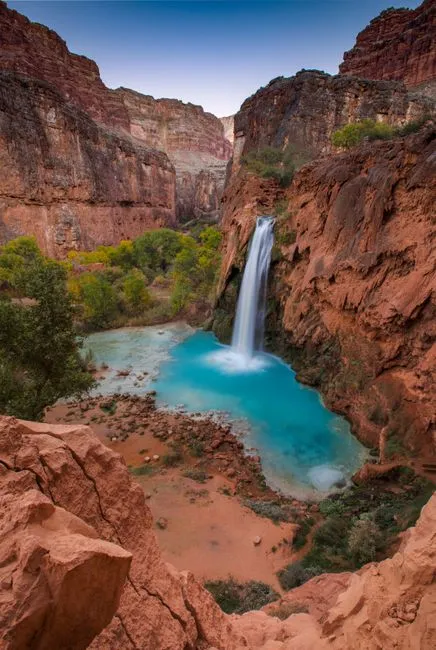
Where you sleep changes the entire feel of the visit. When booking a Havasu Falls permit, you’ll choose between camping at Havasupai Campground or staying at Havasupai Lodge in Supai village, and both options require advance reservations and include a mandatory three-night stay, though the experience is very different. Campers pitch tents along the creek closer to the falls themselves, while lodge guests stay in the village about two miles back.
Pricing reflects that difference sharply. Campground permits run $455 per person for a 3-night reservation and lodge permits cost $2,277 for a 3-night reservation, which allows up to 4 people per reservation. Campground spots tend to disappear faster since they put you right in the heart of the canyon, but the lodge offers real beds and a private bathroom if roughing it isn’t your thing.
Weather Windows Matter More Than People Expect
Timing your trip well can be the difference between a magical few days and a genuinely miserable one. Campgrounds are open February 1 through November 30, though peak season runs May through September during the hottest months. Summer means triple digit heat on an exposed trail with no shade to speak of.
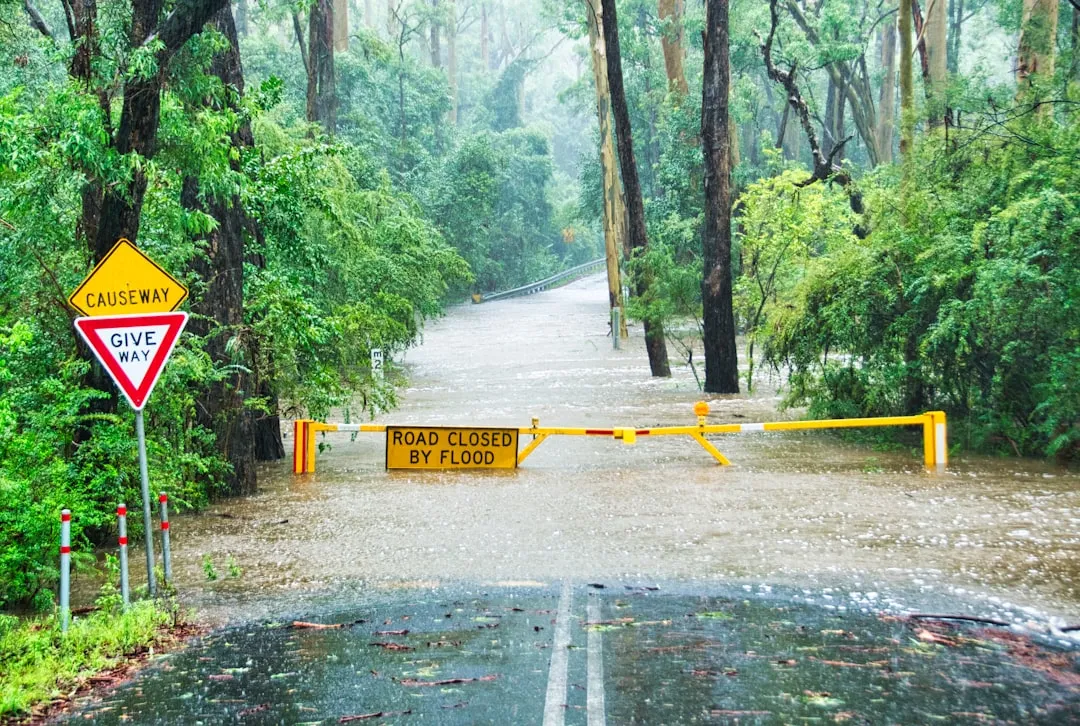
Monsoon season adds another layer of risk that shouldn’t be brushed off. Flash floods have historically hit the canyon between July and September, and the terrain funnels water fast when storms roll through. Spring and fall tend to offer milder temperatures and calmer creek conditions, making them worth serious consideration if your permit dates allow flexibility.
Budget for More Than Just the Permit Fee
The permit price is just the starting point. Between gear, gas, a night of lodging near the trailhead before or after your hike, and possibly a helicopter flight or mule rental, the total cost of a Havasu Falls trip adds up quickly beyond that initial fee. This is definitely pretty pricey for a primitive camping experience, especially considering it doesn’t factor in additional costs incurred from getting to and from the trailhead, lodging the night before, and any additional gear needed.
It’s worth going in with clear eyes about the math. A couple traveling together can easily find themselves looking at over a thousand dollars once permits, transportation, and gear are added up, and that’s before factoring in optional extras like a helicopter ride or pack mule service. None of that makes the destination less worthwhile, but showing up unprepared for the actual cost is a common and avoidable mistake.
A Trip Worth the Trouble, If You Respect What It Takes
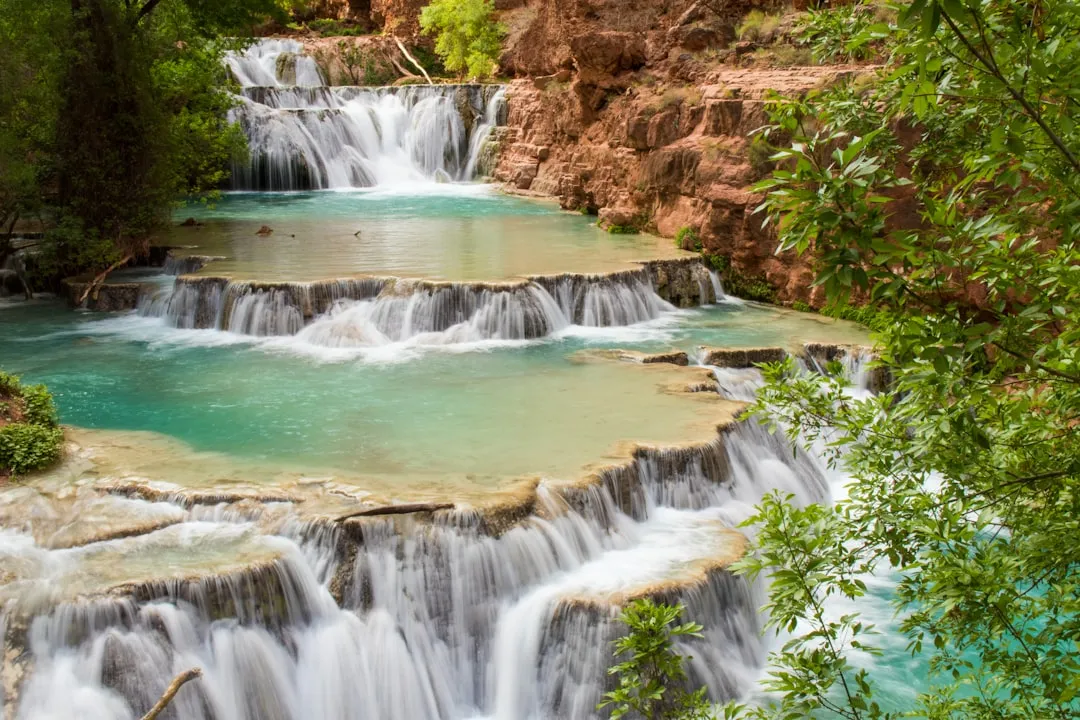
Havasu Falls earns its reputation honestly. The water really is that shade of blue-green, the canyon really is that dramatic, and the effort required to get there filters out a lot of the crowding you’d find at more accessible natural wonders. That said, this is Havasupai land, not a public park, and every rule around permits, day hiking, and trash removal exists because the tribe is managing a fragile place that also happens to be their home.
My honest take is that the new 2026 permit system, frustrating as it might feel in the moment, is a fair trade for finally ditching the old lottery and its unreliable transfer board. Anyone serious about seeing these falls should treat the planning process with the same respect they’d give the hike itself. Do the research, book early access if the budget allows it, and pack out everything you bring in. The canyon rewards people who show up prepared, and it has little patience for those who don’t.
