
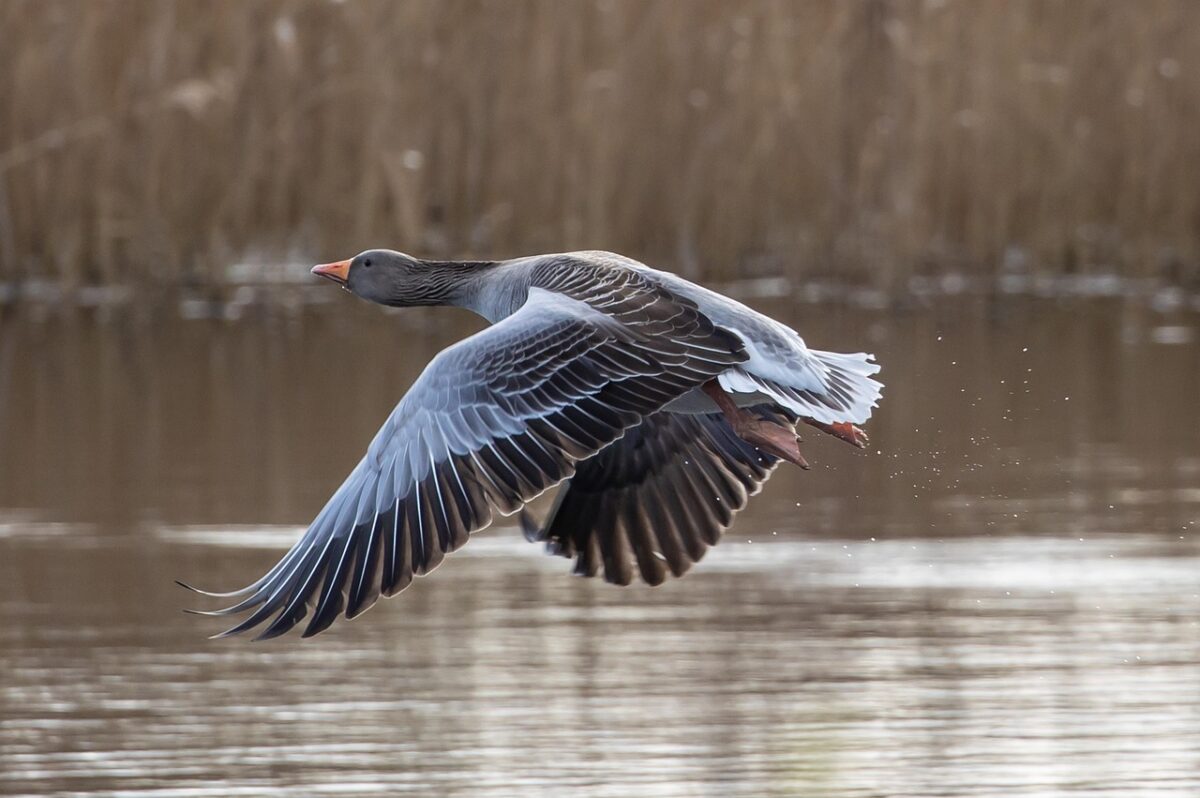
The sight of geese circling overhead without descending can be both captivating and puzzling. Unlike their typical V-formation flights, this behavior raises questions about their intentions and the factors influencing such patterns. Let’s delve into the reasons behind this intriguing avian display.
Utilizing Thermal Updrafts for Energy-Efficient Flight
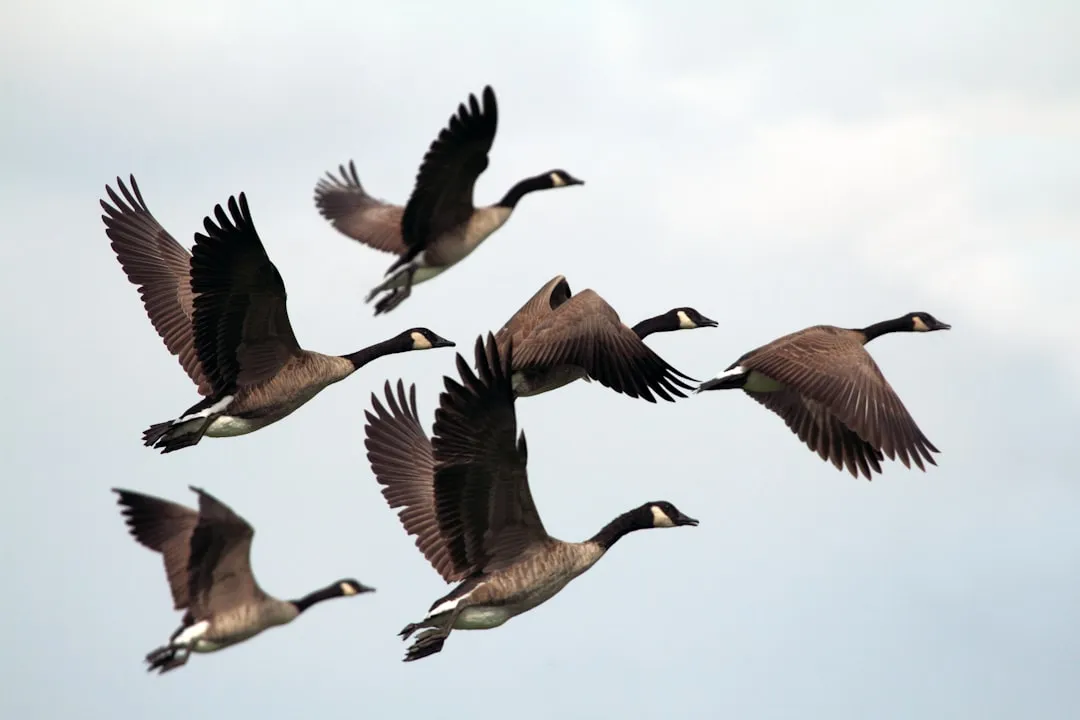
Geese, like many large birds, often exploit thermal updrafts – rising columns of warm air – to gain altitude without expending much energy. By circling within these thermals, they can ascend effortlessly, conserving energy for long migratory journeys. This behavior is especially common during migration seasons when geese travel extensive distances.
Thermals are more prevalent on sunny days when the ground heats unevenly, creating pockets of warm air that rise into the atmosphere. Geese detect these thermals and circle within them to achieve higher altitudes, facilitating longer flights with minimal effort.
Surveying the Landscape for Suitable Habitats
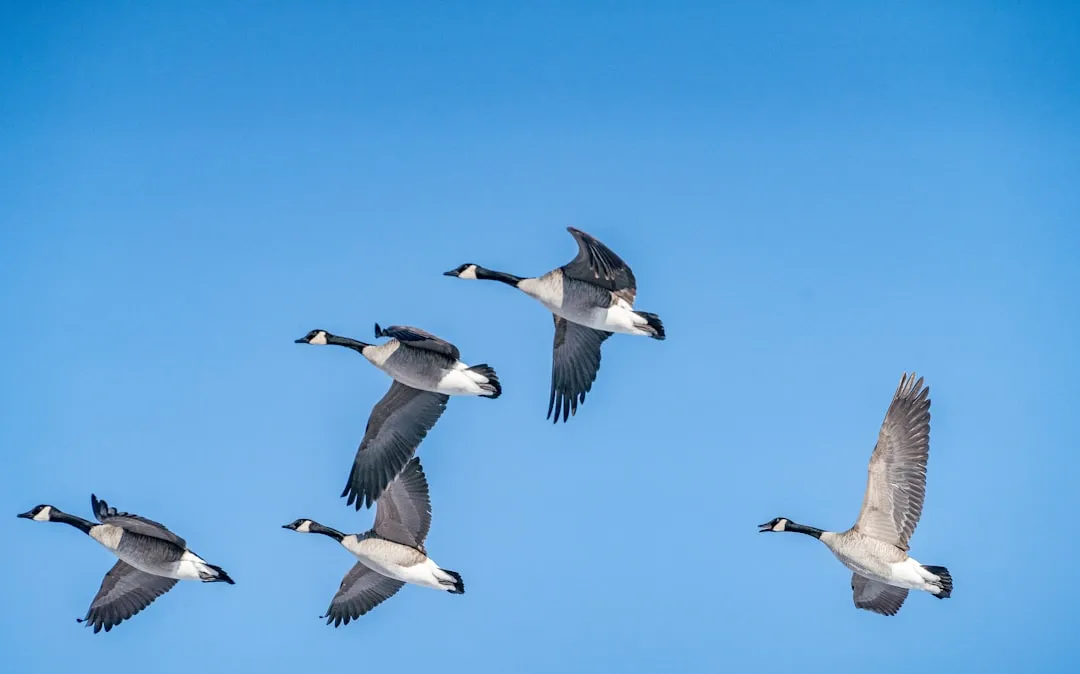
Circling behavior can also indicate that geese are scouting the area below for suitable habitats. They may be assessing the availability of food sources, water bodies, or safe nesting sites. By circling, they get a comprehensive view of the terrain, allowing them to make informed decisions about where to land and settle.
This aerial reconnaissance is crucial, especially during migration, as geese need to find optimal stopover sites to rest and refuel before continuing their journey. The circling allows them to evaluate potential sites without committing to landing prematurely.
Coordinating Group Movements and Communication
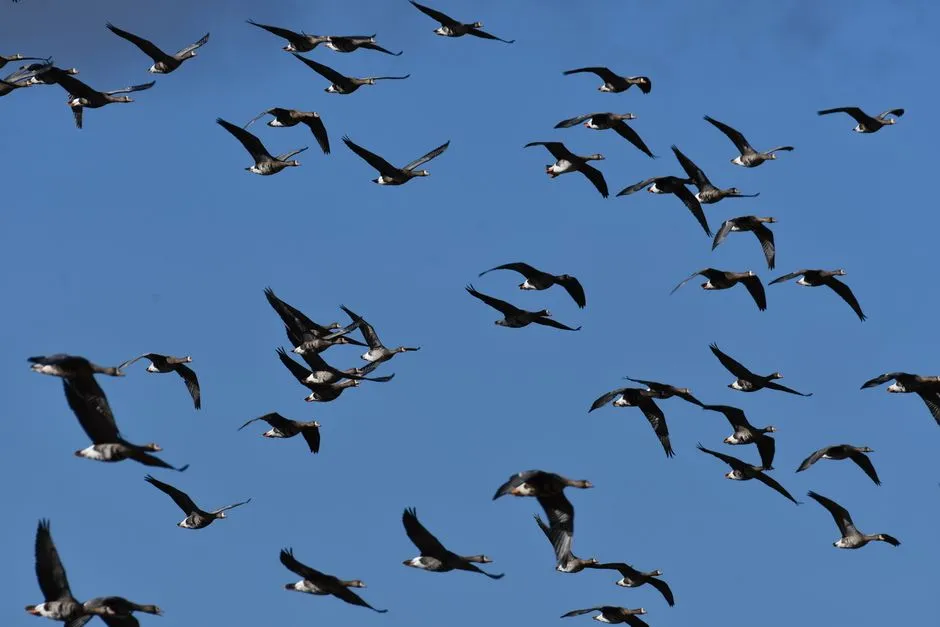
Geese are highly social creatures, and their circling behavior can serve as a means of communication within the flock. By flying in circles, they can coordinate their movements, decide on a collective direction, or prepare for a change in flight formation. This behavior ensures that all members are synchronized, maintaining the cohesion and efficiency of the group.
Such coordination is vital during migration, where maintaining group integrity can impact the success of the journey. Circling allows geese to regroup, especially if some members have strayed or if the flock needs to adjust its course due to environmental factors.
Responding to Potential Threats or Disturbances
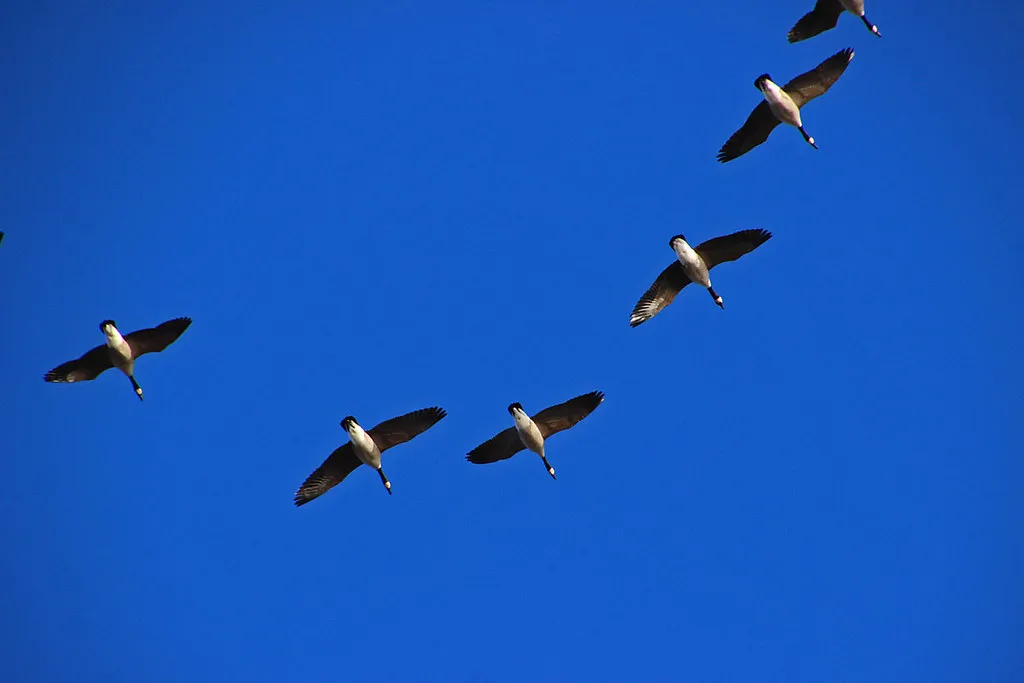
Circling without landing can also be a response to perceived threats or disturbances on the ground. If geese detect predators, human activity, or other hazards in their intended landing area, they may choose to remain airborne, circling until they deem it safe to descend. This cautious approach helps them avoid potential dangers and ensures the safety of the flock.
In urban or suburban areas, geese may encounter unfamiliar structures, vehicles, or noises that deter them from landing. By circling, they can assess the situation and decide whether to proceed or seek an alternative location.
Engaging in Mating Displays or Social Rituals
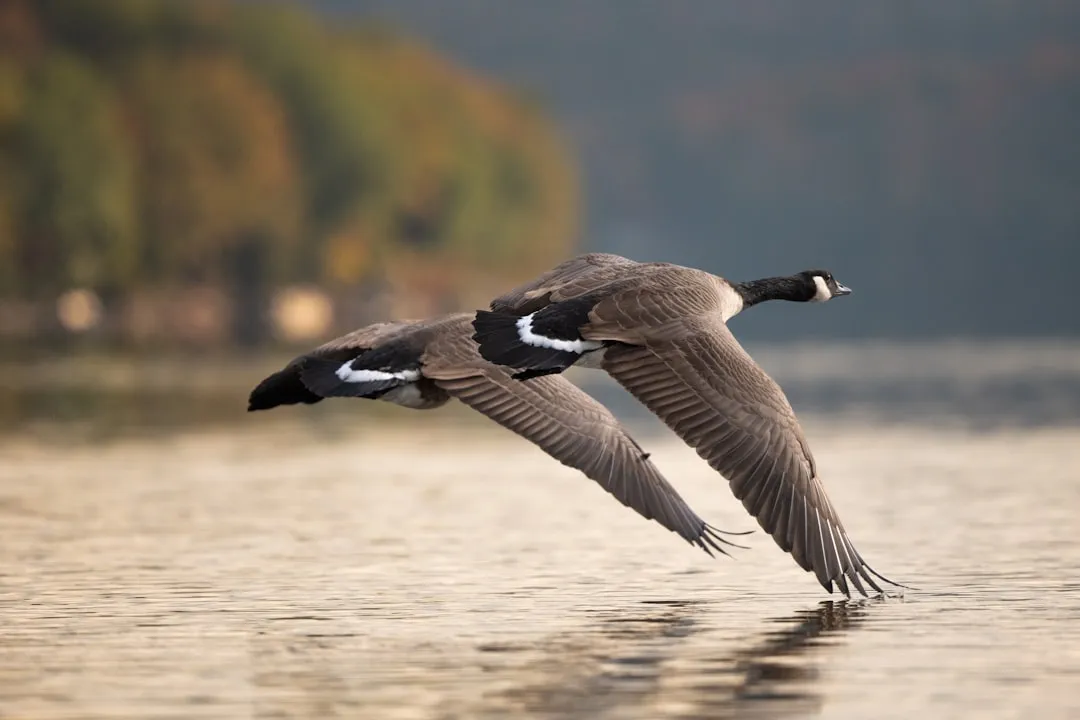
During the breeding season, geese may exhibit circling behavior as part of their mating displays or social rituals. Males might circle to showcase their strength and agility to potential mates, while pairs may engage in synchronized flights to strengthen their bond. These aerial performances play a role in courtship and the establishment of pair bonds.
Such displays are not only about attracting mates but also about deterring rivals. By demonstrating their prowess in flight, geese can establish dominance and secure their position within the social hierarchy.
Preparing for Migration or Long-Distance Travel
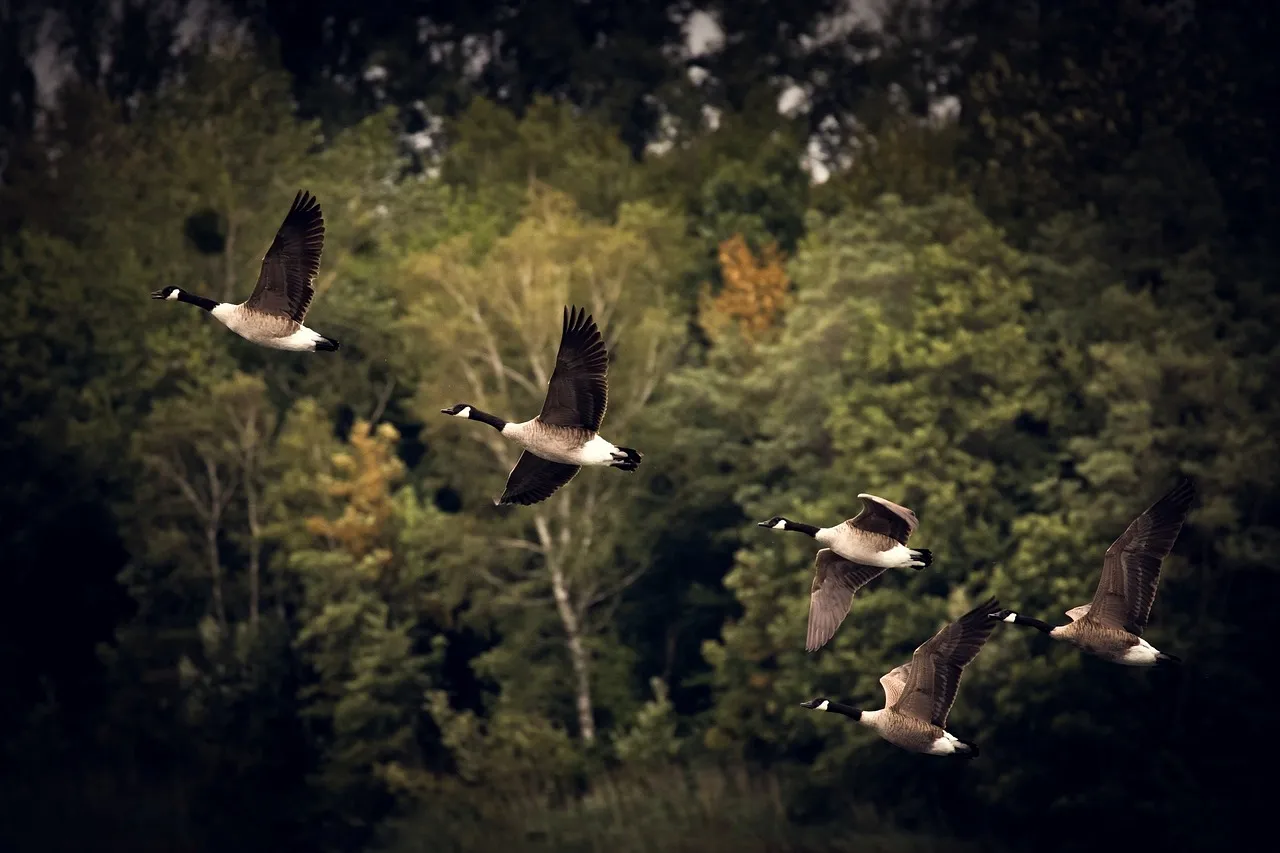
Circling can be a preparatory behavior before embarking on long migratory flights. Geese may circle to gather the flock, ensure all members are ready, and align themselves in the optimal formation for energy-efficient travel. This pre-migration behavior ensures that the group is organized and prepared for the journey ahead.
By circling, geese can also assess weather conditions, wind patterns, and other environmental factors that might influence their flight. This strategic behavior increases the likelihood of a successful migration.
Assessing Landing Conditions and Safety
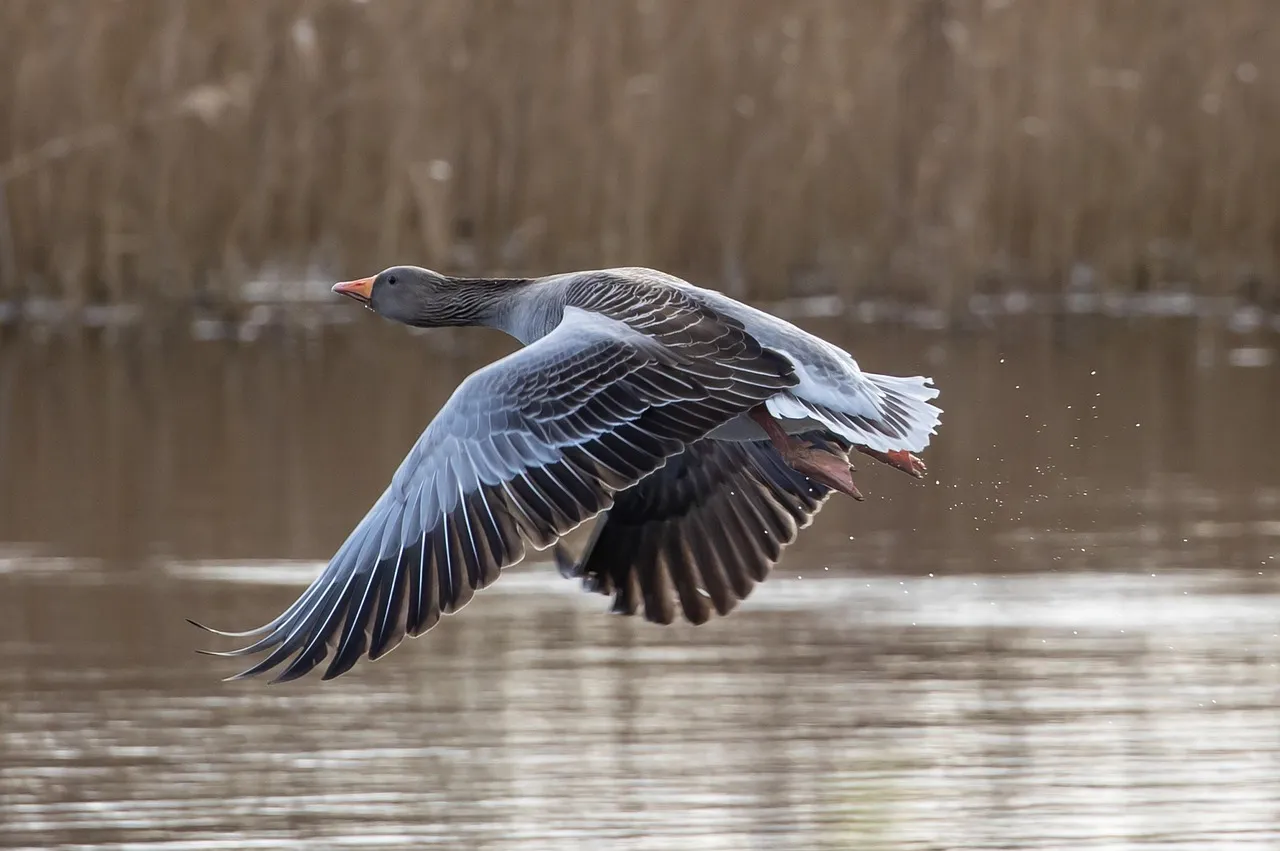
Before landing, geese often circle to evaluate the conditions of the landing site. They look for obstacles, predators, or other factors that might pose a risk. This careful assessment helps them choose the safest and most suitable spot to land, ensuring the well-being of the flock.
This behavior is particularly important in unfamiliar territories where potential dangers are unknown. By taking the time to circle and observe, geese can make informed decisions that enhance their survival prospects.
Conclusion: Deciphering the Aerial Ballet of Geese
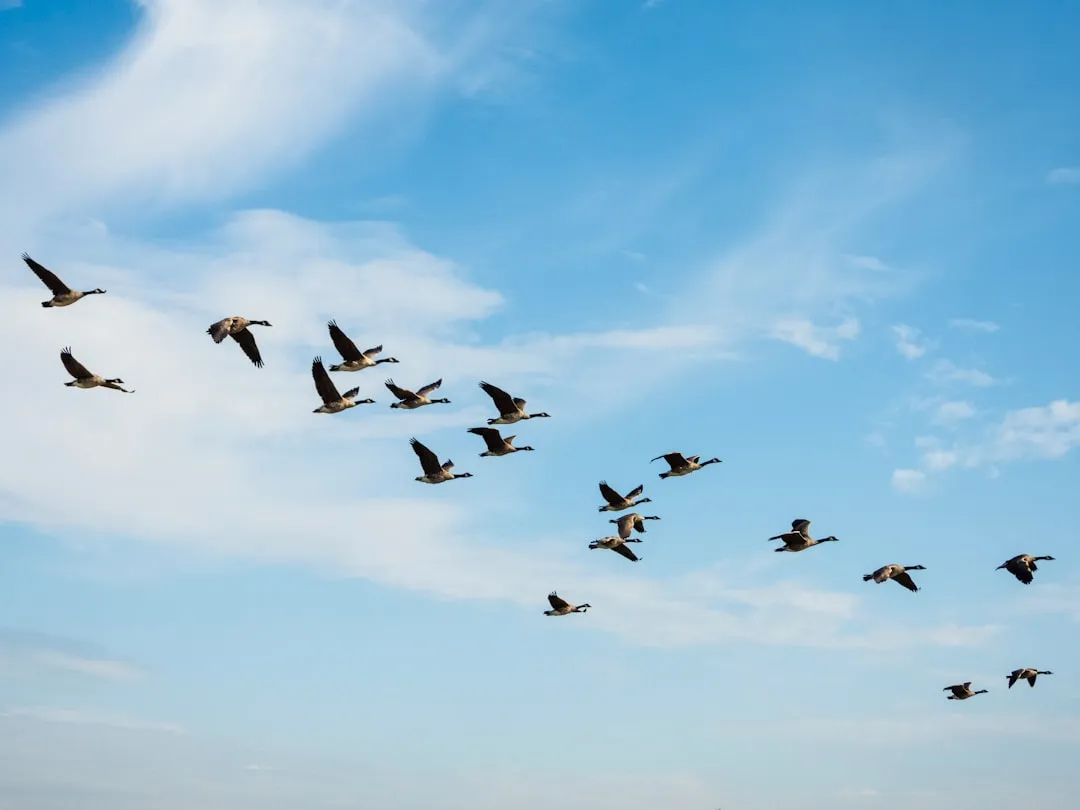
The circling behavior of geese without landing is a multifaceted phenomenon influenced by various factors, including energy conservation, habitat assessment, communication, threat response, social rituals, migration preparation, and safety evaluation. Understanding these behaviors offers a glimpse into the complex and adaptive nature of geese, highlighting their remarkable ability to navigate and thrive in diverse environments.
Next time you observe geese circling overhead, consider the myriad reasons behind their graceful maneuvers. It’s a testament to their intelligence, social structure, and survival strategies. What other secrets might these avian travelers hold in their flight patterns?

- 24 Things Nobody Tells You About Adopting a Dog in Your Sixties - July 14, 2026
- 7 Simple Actions You Can Take to Support Local Pollinators - July 14, 2026
- 8 Amazing Landmarks To See When Visiting Dakota - July 14, 2026