
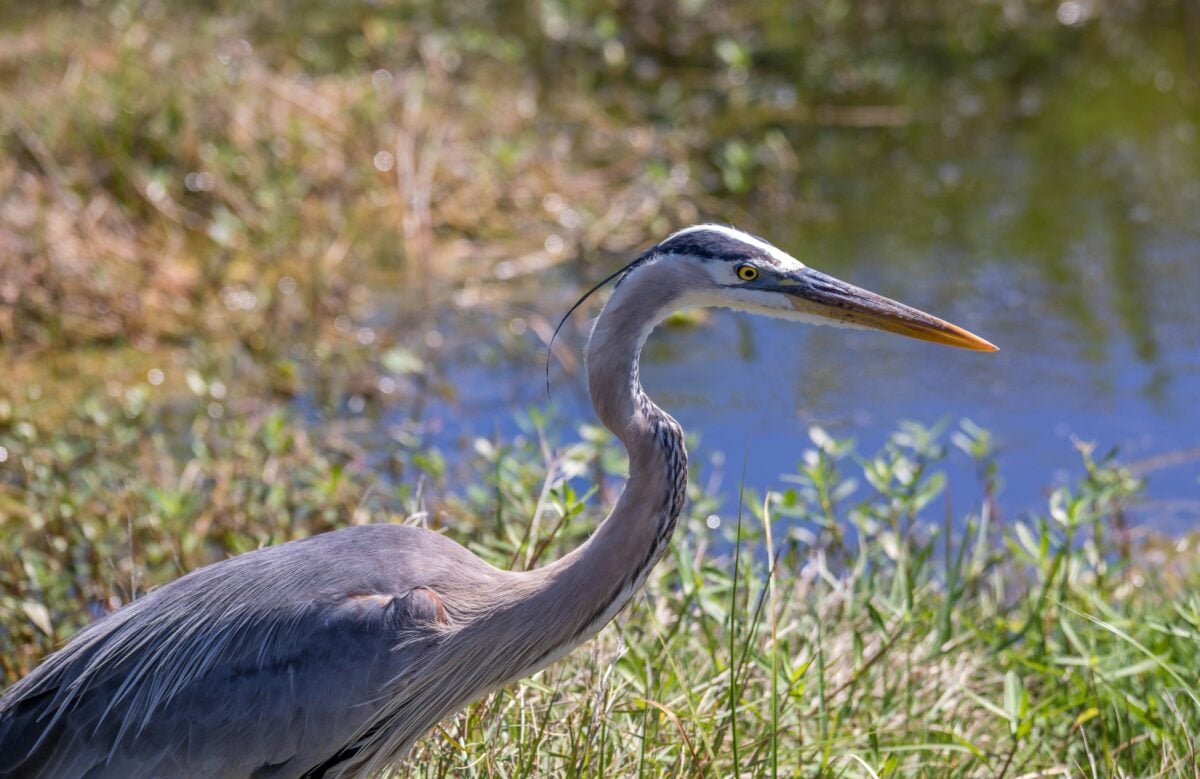
Herons, those statuesque figures gracing our wetlands, often captivate observers with their remarkable stillness. This behavior isn’t mere idleness; it’s a sophisticated survival strategy honed over millennia. But what compels these birds to stand motionless for such extended periods?
The Art of Ambush: Mastering the Sit-and-Wait Technique

Herons are quintessential ambush predators. By remaining perfectly still, they blend seamlessly into their surroundings, becoming nearly invisible to unsuspecting prey. This stillness allows them to conserve energy while waiting for the opportune moment to strike. When a fish or amphibian ventures too close, the heron’s neck uncoils with astonishing speed, delivering a precise, lethal strike. This method is not only efficient but also minimizes the risk of alerting potential prey.
Energy Conservation: The Efficiency of Stillness
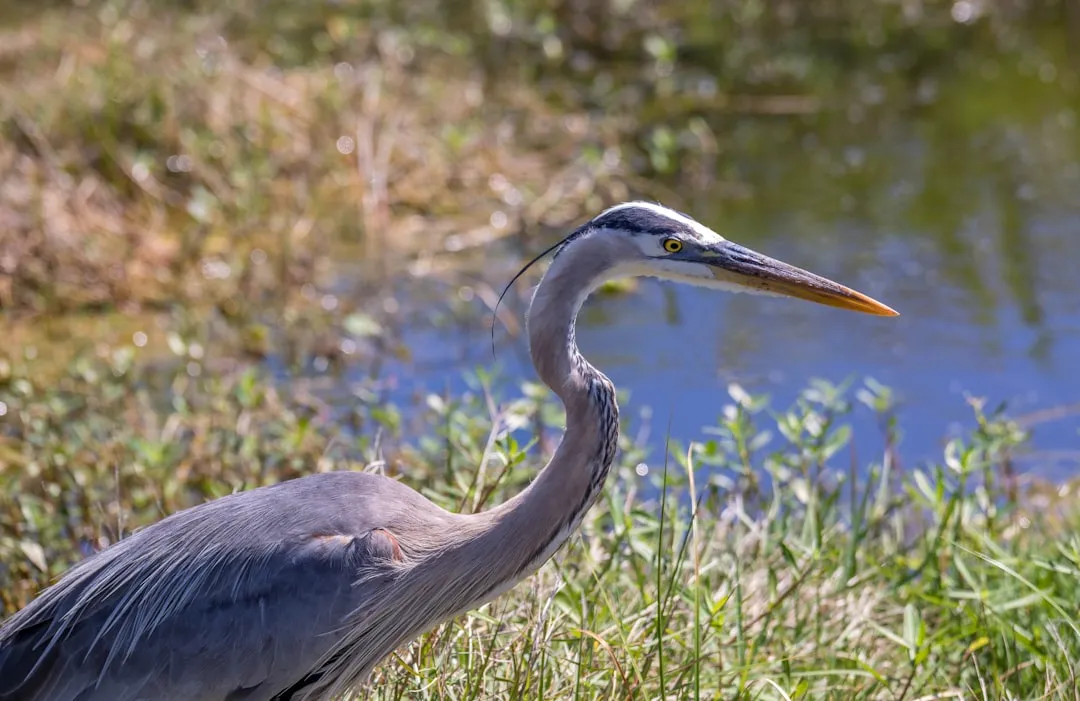
Standing motionless isn’t just about hunting; it’s also an energy-saving tactic. Constant movement requires significant energy expenditure. By adopting a stationary stance, herons reduce their caloric needs, allowing them to endure longer periods between meals. This energy efficiency is particularly crucial during breeding seasons or in habitats where food is scarce.
Camouflage and Stealth: Blending into the Environment
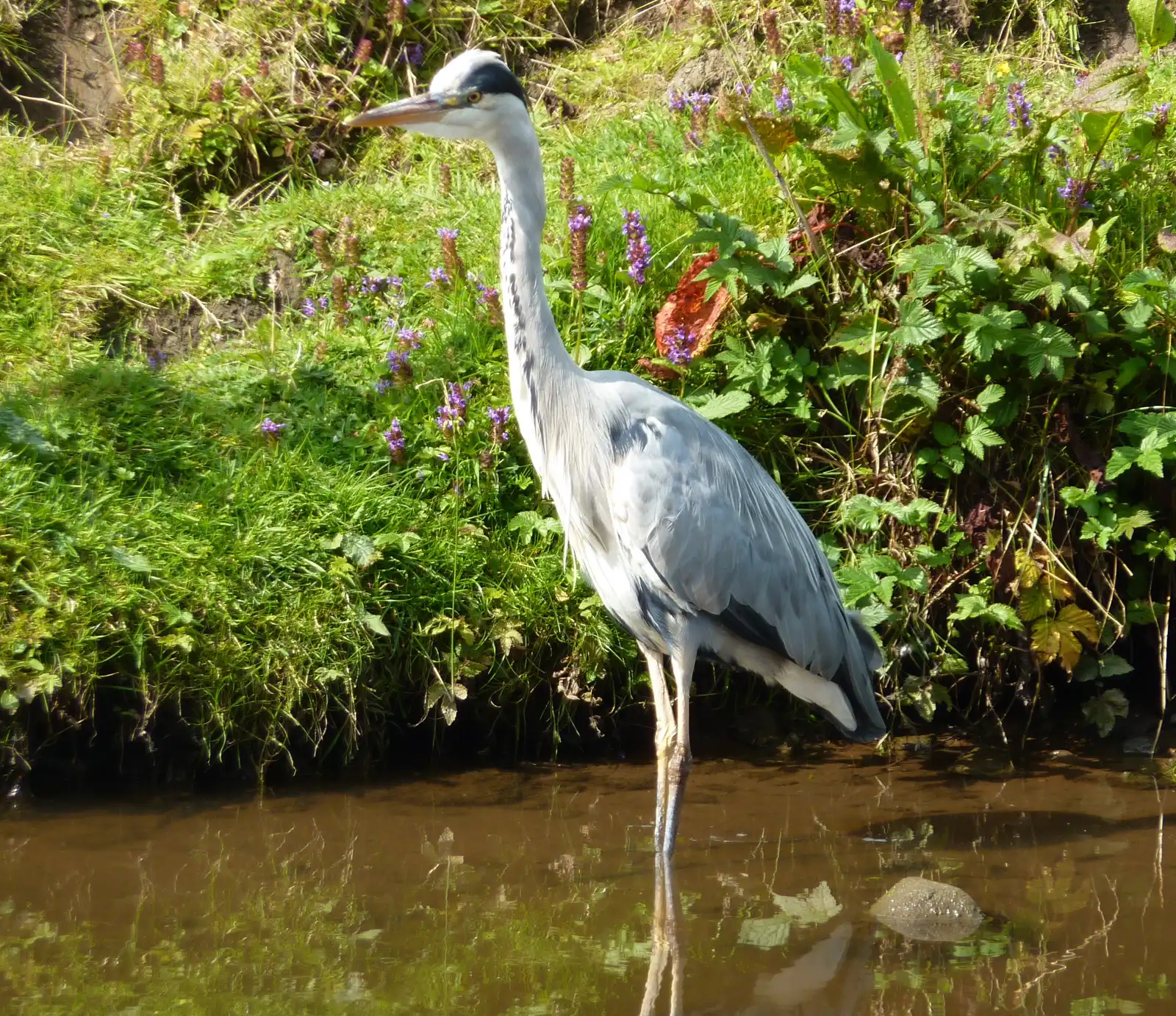
A heron’s plumage often mirrors the hues of its habitat – grays, blues, and browns that meld with reeds and water. By standing still, they enhance this natural camouflage, making it challenging for both prey and predators to detect them. This stealthy approach not only aids in hunting but also provides a defense mechanism against potential threats.
Visual Acuity: Precision in Predation
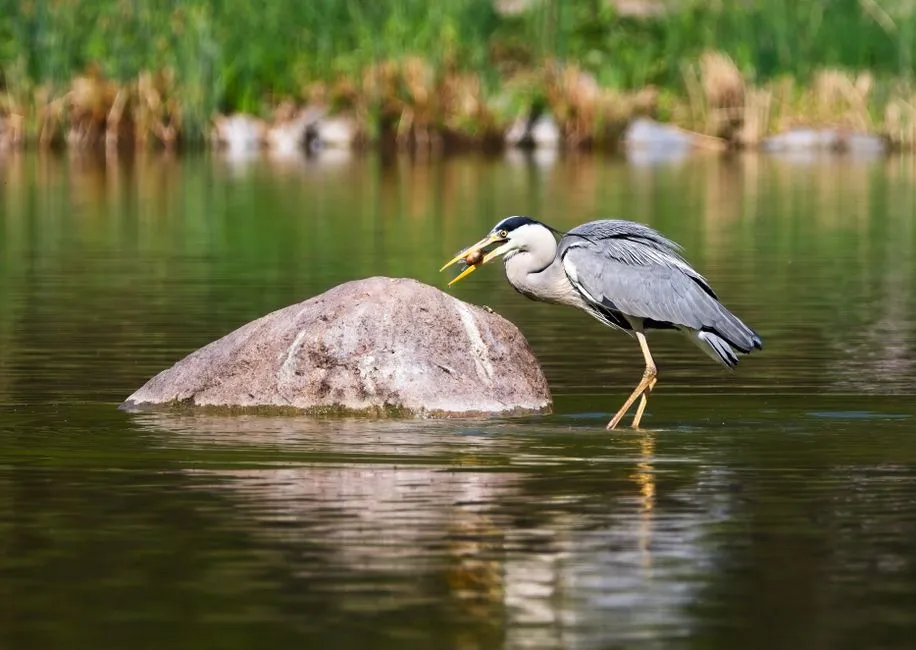
Herons possess exceptional eyesight, allowing them to detect the slightest movement in the water. By remaining still, they can focus intently on their surroundings, calculating the exact moment to strike. This precision ensures a higher success rate in capturing prey, as any unnecessary movement could disrupt their focus and alert potential meals.
Thermoregulation: Adapting to Environmental Conditions
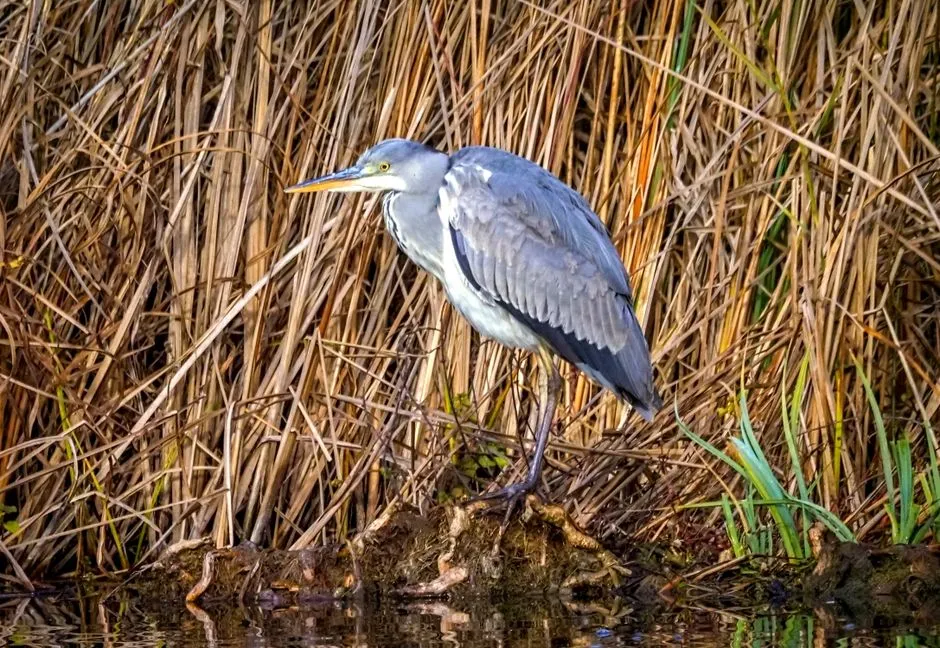
Standing still also plays a role in a heron’s ability to regulate its body temperature. In warmer climates, minimizing movement reduces heat production, helping the bird stay cool. Conversely, in cooler environments, a stationary posture allows them to conserve body heat. This adaptability ensures they can thrive in diverse habitats.
Social Signaling: Communicating Without Words
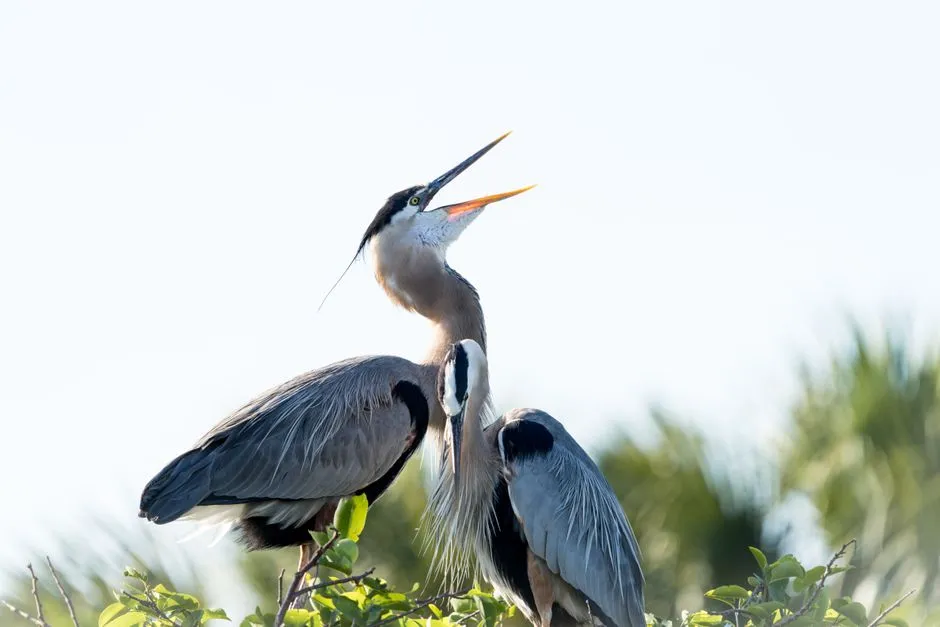
In heron colonies, stillness can serve as a form of communication. A motionless stance may signal territorial claims or readiness to mate. By observing each other’s postures, herons can interpret intentions and avoid unnecessary conflicts, maintaining harmony within the group.
Predator Avoidance: The Stillness Strategy
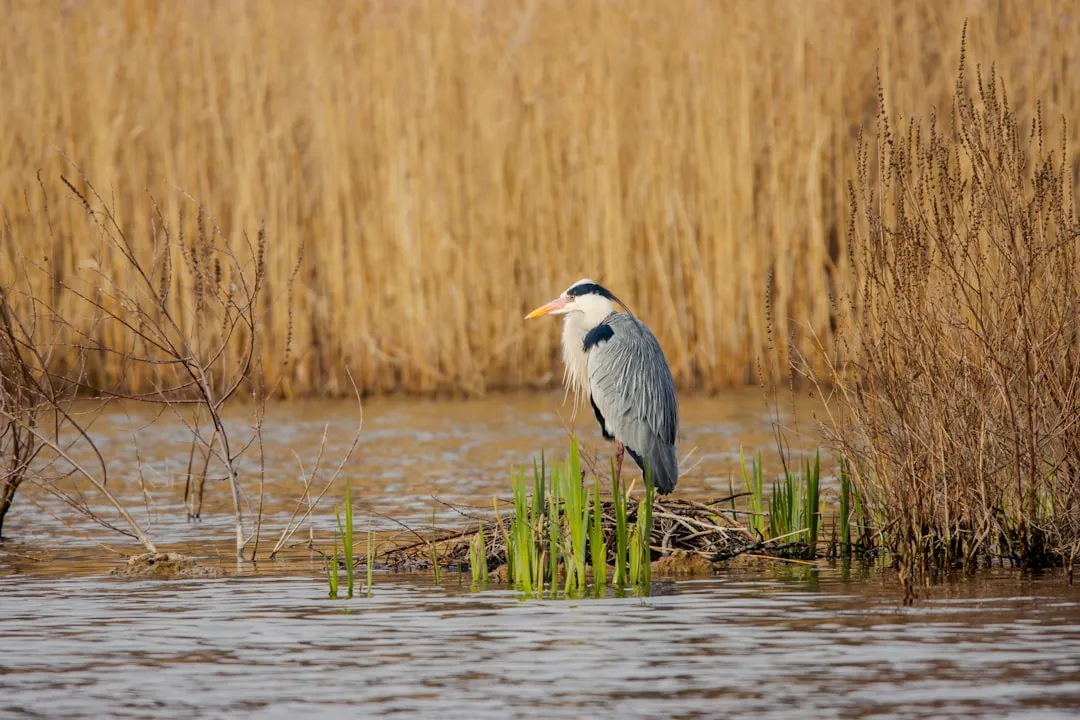
Remaining motionless isn’t solely about hunting; it’s also a defense mechanism. By standing still, herons can avoid drawing attention from predators. This behavior reduces the likelihood of detection, allowing them to evade threats without the need for flight, which can be energy-intensive.
In essence, the heron’s prolonged stillness is a multifaceted strategy encompassing hunting efficiency, energy conservation, camouflage, communication, and predator avoidance. This behavior underscores the intricate balance these birds maintain within their ecosystems. So, the next time you spot a heron standing motionless by the water’s edge, remember: it’s not just waiting – it’s masterfully orchestrating its survival.
